政府 旧姓使用に法的効力を 「男女共同参画基本計画」策定へ
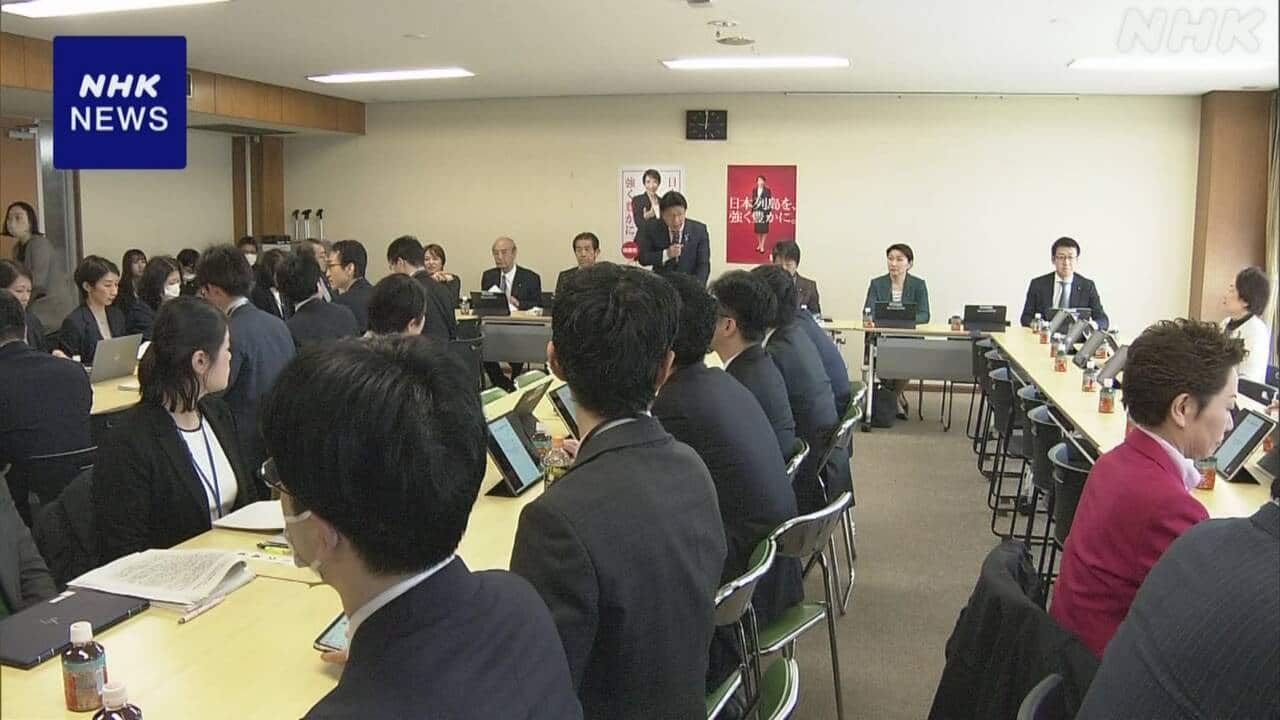
新たな「男女共同参画基本計画」の策定に向けて、政府は旧姓使用に法的効力を与える制度創設の検討などを盛り込んだ計画案を自民党の会合に示しました。出席者からは、旧姓だけの記載も可能とする基盤整備の検討を求める意見が出ていたことを反映させるべきだという指摘が出され、政府が文言の調整を行うことになりました。
第6次の「男女共同参画基本計画」の策定をめぐっては、去年12月、政府の会議で、旧姓使用に法的効力を与える制度創設の検討などを求める答申案が示されましたが、連合の芳野会長が「選択的夫婦別姓」の制度を支持する立場から反対を表明し、議長を務める木原官房長官に取り扱いが一任されていました。
そして5日、答申が決定されたことを受けて、政府は、これを踏まえた「男女共同参画基本計画」の案を自民党の会合に示しました。
計画案では、結婚により姓を変えた人が不便さや不利益を感じることがないよう、社会のあらゆる場面で旧姓使用に法的効力を与える制度創設の検討を含め、旧姓使用の拡大やその周知に取り組むとしています。
これに対し、出席者からは、これまでの党内議論で、旧姓だけの記載も可能とする基盤整備の検討を求める意見が出ていたことを反映させるべきだという指摘が出され、政府が文言の調整を行うことになりました。
木原官房長官は午前の記者会見で「去年12月に開催された『男女共同参画会議』で議論を行い、議長一任となっていたが、その後、答申案の内容や考え方について有識者議員などに改めて説明を行い、その結果を踏まえて本日、答申として決定した」と説明しました。
そのうえで「旧氏使用を法制化することにより、政府、地方公共団体などで旧氏使用の取り組みが一層進めば、婚姻などによる氏の変更によって社会生活での不便や不利益を感じる方をさらに減らすことができると考えている」と述べました。
第6次の「男女共同参画基本計画」の策定をめぐっては、去年12月、政府の会議で、旧姓使用に法的効力を与える制度創設の検討などを求める答申案が示されましたが、連合の芳野会長が「選択的夫婦別姓」の制度を支持する立場から反対を表明し、議長を務める木原官房長官に取り扱いが一任されていました。
そして5日、答申が決定されたことを受けて、政府は、これを踏まえた「男女共同参画基本計画」の案を自民党の会合に示しました。
計画案では、結婚により姓を変えた人が不便さや不利益を感じることがないよう、社会のあらゆる場面で旧姓使用に法的効力を与える制度創設の検討を含め、旧姓使用の拡大やその周知に取り組むとしています。
これに対し、出席者からは、これまでの党内議論で、旧姓だけの記載も可能とする基盤整備の検討を求める意見が出ていたことを反映させるべきだという指摘が出され、政府が文言の調整を行うことになりました。
木原官房長官は午前の記者会見で「去年12月に開催された『男女共同参画会議』で議論を行い、議長一任となっていたが、その後、答申案の内容や考え方について有識者議員などに改めて説明を行い、その結果を踏まえて本日、答申として決定した」と説明しました。
そのうえで「旧氏使用を法制化することにより、政府、地方公共団体などで旧氏使用の取り組みが一層進めば、婚姻などによる氏の変更によって社会生活での不便や不利益を感じる方をさらに減らすことができると考えている」と述べました。
Vocabulary
General
Proper noun
JLPT N2
JLPT N1
| # | 言葉 | 意味 |
|---|---|---|
| 6 | 政府 | せいふ (政府) : government; administration |
| 6 | 旧姓 | きゅうせい (旧姓) : one's original family name; maiden name |
| 6 | 使用 | しよう (使用) : use; application; employment; utilization; utilisation |
| 5 | 検討 | けんとう (検討) : consideration; examination; investigation; study; scrutiny; discussion; analysis; review |
| 5 | 案 | あん (案) : 1. idea; plan; proposal; suggestion; (government) bill 2. draft; rough copy |
| 4 | 制度 | せいど (制度) : system; institution; organization; organisation |
| 4 | 答申 | とうしん (答申) : report; reply; findings |
| 3 | 法的 | ほうてき (法的) : legal |
| 3 | 効力 | こうりょく (効力) : effect; efficacy; validity; potency |
| 3 | 与える | あたえる (与える) : 1. to give (esp. to someone of lower status); to bestow; to grant; to confer; to present; to award 2. to provide; to afford; to offer; to supply |
| 3 | 創設 | そうせつ (創設) : establishment; founding; organization; organisation |
| 3 | 示す | しめす (示す) : 1. to (take out and) show; to demonstrate; to tell; to exemplify; to make apparent 2. to point out (finger, clock hand, needle, etc.) |
| 3 | 求める | もとめる (求める) : 1. to want; to wish for 2. to request; to demand; to require; to ask for |
| 3 | 氏 | うじ (氏) : 1. family name; lineage; birth 2. clan |
| 2 | 策定 | さくてい (策定) : formulation (of a plan, policy, etc.); decision; settling on |
| 2 | 自民党 | じみんとう (自民党) : Liberal Democratic Party; LDP |
| 2 | 会合 | かいごう (会合) : 1. meeting; assembly; gathering 2. association |
| 2 | 出席者 | しゅっせきしゃ (出席者) : those present; attendance |
| 2 | 記載 | きさい (記載) : mention (in a document); record; entry; statement; listing |
| 2 | 可能 | かのう (可能) : possible; potential; practicable; feasible |
| 2 | 基盤 | きばん (基盤) : 1. foundation; basis; base; footing; infrastructure 2. bedrock |
| 2 | 整備 | せいび (整備) : 1. maintenance; servicing 2. putting in place; establishment; development; preparation; provision; outfitting |
| 2 | 反映 | はんえい (反映) : 1. reflection (light, image, situation, attitude, etc.); reflecting 2. influence; application (e.g. of an update) |
| 2 | 指摘 | してき (指摘) : pointing out; identification |
| 2 | 文言 | もんごん (文言) : 1. wording (esp. of written text) 2. classical Chinese literary style; traditional written Chinese |
| 2 | 調整 | ちょうせい (調整) : adjustment; regulation; coordination; reconciliation; tuning; fixing; tailoring |
| 2 | 議長 | ぎちょう (議長) : chair; chairman; chairperson; speaker (of an assembly); president (of a council, senate, etc.) |
| 2 | 木原 | きのはら (木原) : Kinohara (surname) |
| 2 | 官房長官 | かんぼうちょうかん (官房長官) : 1. Chief Cabinet Secretary 2. Chief of Staff of the Presidency |
| 2 | 一任 | いちにん (一任) : entrusting (everything to); leaving (a matter) entirely with |
| 2 | 決定 | けってい (決定) : decision; determination |
| 2 | 踏まえる | ふまえる (踏まえる) : 1. to be based on; to take into account; to build upon; to have origin in 2. to have one's feet firmly planted on; to plant oneself on |
| 2 | 不利益 | ふりえき (不利益) : disadvantage; handicap; drawback; inadvisability; inexpediency; loss |
| 2 | 感じる | かんじる (感じる) : to feel; to sense; to experience |
| 2 | 議論 | ぎろん (議論) : argument; discussion; dispute; controversy |
| 2 | 旧 | きゅう (旧) : 1. old; former; ex- 2. the old; old things; old customs |
| 1 | 新た | あらた (新た) : new; fresh; novel |
| 1 | 盛り込む | もりこむ (盛り込む) : 1. to incorporate; to include 2. to fill (a vessel) with |
| 1 | 第 | だい (第) : prefix for forming ordinal numbers |
| 1 | めぐる | めぐる (巡る) : 1. to go around 2. to return |
| 1 | 連合 | れんごう (連合) : 1. union; alliance; combination 2. RENGO (Japanese Trade Union Confederation) |
| 1 | 芳野 | ちの (芳野) : Chino (surname) |
| 1 | 会長 | かいちょう (会長) : president (of a society); chairman |
| 1 | 選択的夫婦別姓 | せんたくてきふうふべっせい (選択的夫婦別姓) : (system of) optional separate surnames for married couples |
| 1 | 支持 | しじ (支持) : 1. support; backing; endorsement; approval 2. support; holding up; propping |
| 1 | 立場 | たちば (立場) : 1. position; situation 2. viewpoint; standpoint; point of view |
| 1 | 表明 | ひょうめい (表明) : declaration; indication; representation; manifestation; demonstration; expression; announcement; assertion |
| 1 | 務める | つとめる (勤める) : 1. to work (for); to be employed (at); to serve (in) 2. to serve (as); to act (as); to fill (the position of); to play the role (of) |
| 1 | 取り扱い | とりあつかい (取り扱い) : treatment; service; handling; management |
| 1 | 姓 | せい (姓) : 1. surname; family name 2. hereditary title (used in ancient Japan to denote rank and political standing) |
| 1 | 変える | かえる (変える) : 1. to change; to alter; to transform; to convert; to turn; to vary 2. to reform; to revise; to amend |
| 1 | あらゆる | あらゆる (有らゆる) : all; every |
| 1 | 場面 | ばめん (場面) : 1. scene; setting; place (where something happens); scenario; case 2. scene (in a movie, play); shot |
| 1 | 含める | ふくめる (含める) : 1. to include (in a group or scope) 2. to instruct; to make one understand |
| 1 | 拡大 | かくだい (拡大) : magnification; enlargement; expansion; amplification |
| 1 | 周知 | しゅうち (周知) : common knowledge; being well-known; making (something) well-known |
| 1 | 取り組む | とりくむ (取り組む) : 1. to grapple with; to wrestle with; to engage in a bout; to be matched against 2. to tackle (e.g. a problem); to come to grips with; to work hard on |
| 1 | 党内 | とうない (党内) : party-internal |
| 1 | 記者会見 | きしゃかいけん (記者会見) : press conference |
| 1 | 開催 | かいさい (開催) : holding (a conference, exhibition, etc.); opening; hosting (e.g. the Olympics) |
| 1 | 男女共同参画会議 | だんじょきょうどうさんかくかいぎ (男女共同参画会議) : Council for Gender Equality (organization) |
| 1 | 内容 | ないよう (内容) : contents; content; substance; matter; detail; import |
| 1 | 考え方 | かんがえかた (考え方) : way of thinking |
| 1 | 有識者 | ゆうしきしゃ (有識者) : expert; knowledgeable person; authority (on a subject) |
| 1 | 議員 | ぎいん (議員) : member of an assembly; member of the Diet; member of parliament; member of Congress |
| 1 | 改めて | あらためて (改めて) : 1. another time; again; over again; once again; anew 2. formally; especially; intentionally; deliberately |
| 1 | 結果 | けっか (結果) : 1. result; consequence; outcome; effect 2. coming to fruition; bearing fruit |
| 1 | 本日 | ほんじつ (本日) : today; this day |
| 1 | 法制 | ほうせい (法制) : legislation; laws |
| 1 | 化 | か (化) : action of making something; -ification |
| 1 | 地方公共団体 | ちほうこうきょうだんたい (地方公共団体) : local public body; local government |
| 1 | 取り組み | とりくみ (取り組み) : 1. bout (in sports, etc.); match 2. effort; initiative; dealing with; grappling with; wrestling with |
| 1 | 一層 | いっそう (一層) : 1. much more; still more; all the more; more than ever 2. single layer (or storey, etc.) |
| 1 | 進む | すすむ (進む) : 1. to advance; to go forward 2. to precede; to go ahead (of) |
| 1 | 婚姻 | こんいん (婚姻) : marriage; matrimony |
| 1 | 変更 | へんこう (変更) : change; modification; alteration; revision; amendment |
| 1 | 社会生活 | しゃかいせいかつ (社会生活) : social life |
| 1 | 減らす | へらす (減らす) : to abate; to decrease; to diminish; to shorten |
| 1 | 考える | かんがえる (考える) : 1. to think (about, of); to think over; to ponder; to contemplate; to reflect (on); to meditate (on) 2. to consider; to bear in mind; to allow for; to take into consideration |
| 1 | 述べる | のべる (述べる) : to state; to express; to mention |