【石破茂】「今の『ショート動画政治』は非常に恐ろしい」戦後80年所感の裏話と〈石橋湛山〉の凄みを語る《小日本主義》
予習
この記事のキーワード — タップで意味×5
媚びる
こびる
1. to flatter; to curry favor with; to curry favour with; to fawn on; to butter up to 2. to flirt with (woman with a man); to make eyes at (a man)
×4
植民地
しょくみんち
1. colony 2. (immigrant) community
N1×4
主義
しゅぎ
doctrine; rule; principle; -ism
×6
首相
しゅしょう
prime minister; chancellor (Germany, Austria, etc.); premier
×3
在任中
ざいにんちゅう
(while) holding a post or being in office
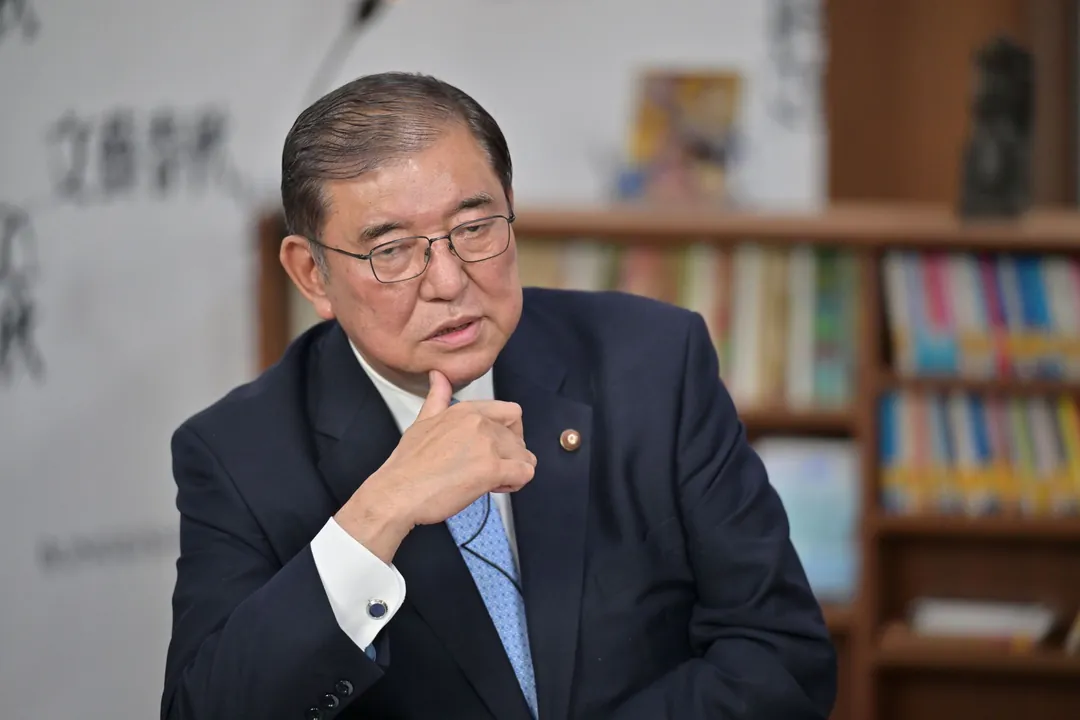
ジャーナリスト、東洋経済新報社社長から政治家に転身し、わずか65日間、首相を務めた石橋湛山(1884〜1973)。国会演説などでたびたびその言葉を引用してきた 石破茂前首相 が語る。
◆◆◆
ジャーナリスト、東洋経済新報社社長から政治家に転身し、わずか65日間、首相を務めた石橋湛山(1884〜1973)。国会演説などでたびたびその言葉を引用してきた 石破茂前首相 が語る。 ◆◆◆
石橋内閣は過去3番目の短命政権でしたが、私は偶然にも、その在任中に生まれました。体調を崩した湛山に代わって岸信介が施政方針演説をした、まさにその日でした。 保阪正康さんは湛山を「最短の在任、最大の業績」と評しておられます。吉田茂のような長期政権は築けなかったけれども、吉田や、湛山の後に首相になった池田勇人といった官僚政治家にはない在野精神を、最も持っていたのが湛山ではないでしょうか。 湛山の一番の魅力は、媚びないところにあります。 満州事変の際には、他の新聞が軍部批判を控える中、湛山は東洋経済新報の記者として、「国防線は日本海にて十分」と批判的な論陣を張り続けた。戦後には、日本政府が軍需会社や民間企業に対して行っていた損害補償を打ち切るよう指示したGHQを鋭く批判した。軍部にも、権力にも、アメリカにも媚びなかった。 そして、湛山の最大の凄みは、国民にすら媚びなかったことにあります。 満州放棄などを社説で主張してきた湛山は、国民の熱狂にも警告を発し続けてきました。政府が騙した、メディアが煽ったなどと言うけれど、これに乗って熱狂したのは国民であり、国民にも責任はあると示唆していたのです。誰にも媚びない、時流にもへつらわない姿勢が、終始一貫していた。そんな人は他に見あたらない。こうなりたいものだと心底思います。 私は首相在任中、所信表明演説や施政方針演説で、湛山の言葉を引用しました。それは、自分の理想とするところが湛山であり、その精神が今の政治に欠けているものだったからです。 湛山は単に理想を掲げるのでも、精神主義に堕するのでもなかった。象徴的なのが、湛山の「小日本主義」です。軍事力を背景にした領土拡張主義を批判し、植民地を放棄して貿易立国として成長すべきという主張が「小日本主義」でした。
当時の日本政府は満州の開拓によって、増え続ける日本の人口の移動や、食料や資源の増産を試みましたが、結局は成功しなかった。国防の観点から言えば、満州は中ソの緩衝地帯とされたけれど、実際には役に立たなかった。 一方、湛山は、日本が満州や台湾、朝鮮といった植民地を手放すべきだと主張しました。それは、単なる理想論ではありません。そうすることによって、日本はその植民地の人々から圧倒的支持を得られると同時に、同じく植民地主義を推し進めているアメリカやイギリスが窮地に陥るという意図ではなかったかと思うのです。加えて、植民者と被植民地が、今の言葉でいうwin-winの関係になれない限り、その関係は長続きしない。そんな合理主義的な考え方が、湛山の小日本主義の根底にはあったのだと思います。
2021年、東洋経済新報社の創立125周年を記念して、保阪さん、船橋洋一さんと私とで鼎談しました。その時にいただいたのが石橋湛山全集、全15巻でした。それだけの著作を残すのは大変なことです。 私は首相在任中、広島の平和記念式典でのあいさつの中で、被爆者で歌人の正田篠枝さんの短歌を引用しました。他にも、国連総会のスピーチではパレスチナをめぐってイスラエルを批判し、戦後80年所感では戦争を防げなかった理由を分析しました。湛山の足元にも及ばないけれど、このとき意識したのは、自分で書いたものでないと決して人の心に響かないということ。優秀な首相秘書官たちと徹底的に議論して、推敲に推敲を重ねて書きましたよ。 その点、今の「ショート動画政治」は非常に恐ろしい。 ※この続きでは、 「石破構文」 と揶揄されてきたことについて石破茂氏が意見を語っています。全文は、月刊文藝春秋のウェブメディア『文藝春秋PLUS』と『文藝春秋』2026年11月号に掲載されています(石破茂「 石橋湛山 国民にすら媚びない 」)。
この記事の単語 (190)
×15
湛山
たんざん
Tanzan (surname; given)
×6
首相
しゅしょう
prime minister; chancellor (Germany, Austria, etc.); premier
×5
媚びる
こびる
1. to flatter; to curry favor with; to curry favour with; to fawn on; to butter up to 2. to flirt with (woman with a man); to make eyes at (a man)
×5
国民
こくみん
people (of a country); nation; citizen; national
×4
石橋湛山
いしばしたんざん
Ishibashi Tanzan (person)
×4
引用
いんよう
quotation; citation; reference
×4
石破茂
いしばしげる
Ishiba Shigeru (1957.2.4-) (person)
×4
批判
ひはん
criticism; judgement; judgment; comment
×4
満州
まんしゅう
Manchuria
×4
主義
しゅぎ
doctrine; rule; principle; -ism
×4
植民地
しょくみんち
1. colony 2. (immigrant) community
×3
東洋経済新報
とうようけいざいしんぽう
Toyo Keizai Shinpo (former financial newspaper) (product)
×3
政治家
せいじか
politician; statesman
×3
語る
かたる
1. to talk about; to speak of; to tell; to narrate 2. to recite; to chant
×3
在任中
ざいにんちゅう
(while) holding a post or being in office
×3
他
た
other (esp. people and abstract matters)
×3
主張
しゅちょう
claim; insistence; assertion; advocacy; emphasis; contention; opinion; tenet
×3
文芸
ぶんげい
1. literature 2. the arts; art and literature; liberal arts
×3
春秋
しゅんじゅう
1. spring and autumn; spring and fall 2. years; age
×2
転身
てんしん
changing (job, career, lifestyle, social position, beliefs, etc.)
×2
僅か
わずか
1. (a) little; (a) few; slight; small (amount); trifling; meagre; meager 2. only; just; merely
×2
日間
ひあい
1. number of days; period of days 2. daily interest rate
×2
務める
つとめる
1. to work (for); to be employed (at); to serve (in) 2. to serve (as); to act (as); to fill (the position of); to play the role (of)
×2
国会
こっかい
1. National Diet; legislative assembly of Japan (1947-) 2. Imperial Diet; legislative assembly of Japan (1889-1947)
×2
演説
えんぜつ
speech; address
×2
度々
たびたび
often; again and again; over and over again; repeatedly; frequently
×2
施政方針演説
しせいほうしんえんぜつ
policy speech
×2
最大
さいだい
biggest; greatest; largest; maximum
×2
精神
せいしん
1. mind; spirit; soul; heart; ethos 2. attitude; mentality; will; intention
×2
軍部
ぐんぶ
military authorities; army circles
×2
国防
こくぼう
national defence; national defense
×2
戦後
せんご
postwar period; period after Second World War
×2
日本政府
にほんせいふ
Japanese government
×2
すら
しゅら
1. Asura; demigod; anti-god; titan; demigods that fight the Devas (gods) in Hindu mythology 2. fighting; carnage; conflict; strife
×2
放棄
ほうき
abandonment; renunciation; resignation; abdication (responsibility, right)
×2
熱狂
ねっきょう
wild enthusiasm; being crazy about
×2
理想
りそう
ideal; ideals
×2
推敲
すいこう
polishing (e.g. essay); revision; elaboration; refinement; improvement
×1
石橋
いしばし
stone bridge
×1
内閣
ないかく
cabinet (of a government); ministry
×1
過去
かこ
1. the past; bygone days 2. one's past (that one would prefer remained secret)
×1
短命
たんめい
short life; short lived
×1
政権
せいけん
(political) administration; political power
×1
偶然
ぐうぜん
1. coincidence; chance; accident; fortuity 2. by chance; unexpectedly; accidentally
×1
体調
たいちょう
physical condition; state of health
×1
崩す
くずす
1. to destroy; to demolish; to pull down; to tear down; to level 2. to disturb; to put into disorder; to throw off balance; to make shaky
×1
代わる
かわる
1. to succeed; to relieve; to replace 2. to take the place of; to substitute for; to take over for; to represent; to hand over (telephone)
×1
岸信介
きしのぶすけ
Kishi Nobusuke (1896.11.13-1987.8.7) (person)
×1
正に
まさに
1. exactly; surely; certainly; just 2. right then; just then; at that moment
×1
保阪正康
ほさかまさやす
Hosaka Masayasu (1939.12.14-) (person)
×1
最短
さいたん
shortest
×1
在任
ざいにん
being in office
×1
業績
ぎょうせき
achievement; performance; results; work; contribution
×1
評する
ひょうする
to evaluate; to appraise; to comment on
×1
吉田茂
よしだしげる
Yoshida Shigeru (1940.1-) (person)
×1
築く
きずく
1. to build; to construct; to erect 2. to amass (e.g. fortune); to pile up
×1
吉田
きちだ
Kichida (surname)
×1
池田勇人
いけだはやと
Ikeda Hayato (person)
×1
官僚
かんりょう
bureaucrat; government official; bureaucracy
×1
在野
ざいや
1. out of office; out of power; in opposition 2. unaffiliated (e.g. researcher, scientist); in private practice
×1
最も
もっとも
most; extremely
×1
魅力
みりょく
charm; fascination; glamour; glamor; attraction; appeal
×1
満州事変
まんしゅうじへん
Manchurian Incident (1931); Mukden Incident
×1
際
さい
on the occasion of; circumstances; juncture
×1
控える
ひかえる
1. to be temperate in; to refrain; to abstain; to hold back; to restrain oneself from excessive ... 2. to make notes; to jot down (e.g. phone number)
×1
東洋
とうよう
1. the East; the Orient; (East) Asia 2. Japan
×1
新報
しんぽう
news
×1
記者
きしゃ
reporter; journalist
×1
にて
で
1. at; in 2. at; when
×1
批判的
ひはんてき
critical; judgmental
×1
論陣
ろんじん
(construction of an) argument
×1
張る
はる
1. to stick; to paste; to affix 2. to stretch; to spread; to strain; to tighten; to put up (tent)
×1
軍需
ぐんじゅ
munitions; military stores
×1
民間企業
みんかんきぎょう
private enterprise; private business; private company; private firm; private-sector business; private-sector corporation
×1
損害
そんがい
damage; injury; loss
×1
補償
ほしょう
compensation; reparation
×1
打ち切る
うちきる
to stop; to abort; to discontinue; to close
×1
指示
しじ
1. indication; denotation; designation 2. instructions; directions
×1
鋭い
するどい
1. sharp (blade); pointed 2. sharp (pain); stabbing; cutting (remark); stinging; pointed (question or look); screeching (noise)
×1
権力
けんりょく
(political) power; authority; influence
×1
凄味
すごみ
1. ghastliness; dreadfulness; grimness; weirdness 2. intimidation; menace; threat
×1
社説
しゃせつ
editorial; leading article; leader
×1
警告
けいこく
warning; advice
×1
発する
はっする
1. to let out; to utter; to produce; to emit; to give forth; to discharge 2. to issue; to send; to give
×1
政府
せいふ
government; administration
×1
騙す
だます
1. to trick; to cheat; to deceive 2. to coax; to wheedle; to soothe and humor (humour)
×1
煽る
あおる
1. to fan (oneself, flames, etc.) 2. to flap (in the wind)
×1
責任
せきにん
1. duty; responsibility (incl. supervision of staff) 2. liability; onus
×1
示唆
しさ
suggestion; hint; implication
×1
時流
じりゅう
fashion (current) of the times; general drift of affairs
×1
諂う
へつらう
to flatter; to curry favour (with); to play up (to); to suck up (to); to toady (to)
×1
姿勢
しせい
1. posture; pose; position; stance; carriage (of the body) 2. attitude; approach; stance
×1
終始
しゅうし
1. beginning and end 2. doing something from beginning to end; being unchanged from beginning to end
×1
一貫
いっかん
1. consistency; coherence; integration 2. one kan (approx. 3.75 kg, 8.3 lb)
×1
見当たる
みあたる
to be found
×1
心底
しんそこ
1. bottom of one's heart; depths of one's mind; innermost thoughts; real intentions 2. from the bottom of one's heart; wholeheartedly; truly; sincerely
×1
所信表明演説
しょしんひょうめいえんぜつ
general policy speech; speech held by the Prime Minister of Japan at the start of a special or extraordinary Diet session
×1
欠ける
かける
1. to be chipped; to be damaged; to be broken 2. to be lacking; to be missing
×1
単に
たんに
simply; merely; only; solely
×1
掲げる
かかげる
1. to put up (a notice, sign, etc.); to hang out (e.g. a banner); to fly (e.g. a flag); to hoist; to raise; to display 2. to hold up high; to raise overhead
×1
精神主義
せいしんしゅぎ
spiritualism; idealism
×1
堕する
だする
to degenerate; to lapse into
×1
象徴的
しょうちょうてき
symbolic
×1
軍事力
ぐんじりょく
military force; military strength
×1
背景
はいけい
1. background; scenery; backdrop; setting 2. background (of an incident, situation, etc.); circumstances; context
×1
領土
りょうど
dominion; territory; possession
×1
拡張
かくちょう
1. expansion; extension; enlargement 2. escape; ESC
×1
立国
りっこく
founding of a nation
×1
成長
せいちょう
1. growth; development; growing up; becoming an adult 2. growth (of a company, the economy, etc.)
×1
当時
とうじ
at that time; in those days
×1
開拓
かいたく
1. reclamation (e.g. wasteland); cultivation; development 2. pioneering; opening up (e.g. new market); breaking new ground; trailblazing
×1
移動
いどう
1. movement; transfer; migration; removal; travel 2. mobile; moving; traveling; travelling; roving
×1
食料
しょくりょう
food
×1
資源
しげん
resources
×1
増産
ぞうさん
production increase
×1
試みる
こころみる
to try; to attempt; to have a go (at something)
×1
結局
けっきょく
1. after all; in the end; ultimately; eventually 2. conclusion; end
×1
成功
せいこう
success; hit
×1
観点
かんてん
point of view
×1
中ソ
ちゅうソ
1. China and the Soviet Union 2. Sino-Soviet; Soviet-Chinese
×1
緩衝地帯
かんしょうちたい
buffer zone
×1
実際
じっさい
1. reality; actuality; truth; fact; actual conditions 2. practice (as opposed to theory)
×1
役
やく
1. role; assignment; responsibility; duty; function; job; service 2. position (of responsibility); post; office
×1
台湾
たいわん
Taiwan
×1
朝鮮
ちょうせん
Korea
×1
手放す
てばなす
1. to let go of; to release; to drop 2. to part with (e.g. a possession); to relinquish; to spare; to sell
×1
単なる
たんなる
mere; simple; sheer
×1
理想論
りそうろん
idealistic thought (argument)
×1
人々
ひとびと
1. people; men and women 2. each person; everybody
×1
圧倒的
あっとうてき
overwhelming
×1
支持
しじ
1. support; backing; endorsement; approval 2. support; holding up; propping
×1
同時
どうじ
simultaneous; concurrent; same time; synchronous; together
×1
同じく
おなじく
similarly; same (idea); same (name)
×1
植民地主義
しょくみんちしゅぎ
colonialism
×1
推し進める
おしすすめる
to press forward; to forge ahead; to push on
×1
窮地
きゅうち
dilemma; predicament
×1
陥る
おちいる
1. to fall into (e.g. a hole) 2. to fall into (chaos, depression, dilemma, illness, etc.)
×1
意図
いと
intention; aim; design
×1
植民
しょくみん
colonization; colonisation
×1
被
ひ
indicates the target of an activity; -ee (e.g. employee, examinee, trustee)
×1
限り
かぎり
1. limit; limits; bounds 2. degree; extent; scope
×1
長続き
ながつづき
lasting long; continuation; keeping at (something); sticking to (something)
×1
合理主義
ごうりしゅぎ
rationalism
×1
考え方
かんがえかた
way of thinking
×1
根底
こんてい
root; basis; foundation
×1
創立
そうりつ
establishment; founding; organization; organisation
×1
周年
しゅうねん
1. whole year; entire year 2. n-th year anniversary
×1
記念
きねん
commemoration; celebration; honoring the memory of something; turning something into a memento; memory
×1
保阪
ほさか
Hosaka (surname)
×1
船橋洋一
ふなばしよういち
Funabashi Youichi (1944-) (person)
×1
鼎談
ていだん
tripartite talk; three-man talk
×1
全集
ぜんしゅう
complete works; complete collection; complete series
×1
全
ぜん
1. all; whole; entire; complete; total; pan- 2. complete (set); in total
×1
巻
かん
1. volume (of book); reel (of film) 2. scroll (of books or paintings); roll (paper, etc.)
×1
著作
ちょさく
writing; book
×1
残す
のこす
1. to leave (behind) 2. to leave (undone); to not finish
×1
大変
たいへん
1. very; greatly; terribly; awfully 2. immense; enormous; great
×1
広島
ひろしま
Hiroshima (city, prefecture)
×1
平和
へいわ
peace; harmony
×1
記念式典
きねんしきてん
memorial ceremony
×1
被爆者
ひばくしゃ
atomic bomb victim (esp. of Hiroshima and Nagasaki); hibakusha
×1
歌人
かじん
poet (of tanka poems)
×1
正田
しゅうだ
Shuuda (surname)
×1
篠枝
しのえ
Shinoe (given)
×1
短歌
たんか
tanka; 31-mora Japanese poem
×1
国連総会
こくれんそうかい
United Nations General Assembly; General Assembly of the United Nations
×1
巡る
めぐる
1. to go around 2. to return
×1
所感
しょかん
impressions; thoughts; feelings; opinions
×1
防ぐ
ふせぐ
1. to defend against; to protect against 2. to prevent; to avert; to avoid
×1
分析
ぶんせき
analysis
×1
足元
あしもと
1. at one's feet; underfoot; one's step (as in "watch your step") 2. gait; pace; step
×1
及ぶ
およぶ
1. to reach; to amount to; to befall; to happen to; to extend; to go on (for, until) 2. to be up to the task; to come up to
×1
意識
いしき
1. consciousness 2. becoming aware (of); awareness; sense
×1
響く
ひびく
1. to resound; to be heard far away 2. to reverberate; to shake; to vibrate
×1
優秀
ゆうしゅう
superior; excellent; brilliant; outstanding
×1
秘書官
ひしょかん
minister's secretary
×1
徹底的
てっていてき
thorough; exhaustive; complete
×1
議論
ぎろん
argument; discussion; dispute; controversy
×1
重ねる
かさねる
1. to pile up; to heap up; to stack up; to put on top of another 2. to repeat many times over; to go through repeatedly; to accumulate
×1
動画
どうが
1. video; movie; moving picture 2. animation; animated cartoon
×1
非常
ひじょう
1. emergency 2. extraordinary; unusual
×1
恐ろしい
おそろしい
1. terrible; dreadful; terrifying; frightening 2. surprising; startling; tremendous; amazing
×1
続き
つづき
1. continuation; rest (of the story, work, etc.); next instalment; sequel 2. flow (e.g. of a piece of writing); pacing (of a story)
×1
石破
いしば
Ishiba (surname)
×1
構文
こうぶん
sentence structure; grammatical construction
×1
揶揄
やゆ
banter; raillery; ridicule; teasing; making fun of
×1
全文
ぜんぶん
whole passage; full text; whole sentence; full paragraph
×1
月刊
げっかん
monthly publication; monthly issue
×1
号
ごう
1. number; edition; make; model; issue; part of that group 2. sobriquet; pen-name
×1
掲載
けいさい
publication (e.g. of an article in a newspaper); carrying (e.g. a story); running (e.g. a serial); insertion (e.g. of an advertisement); printing; posting (e.g. on the web)