映画『ハムネット』──クロエ・ジャオによる傑作が誕生した
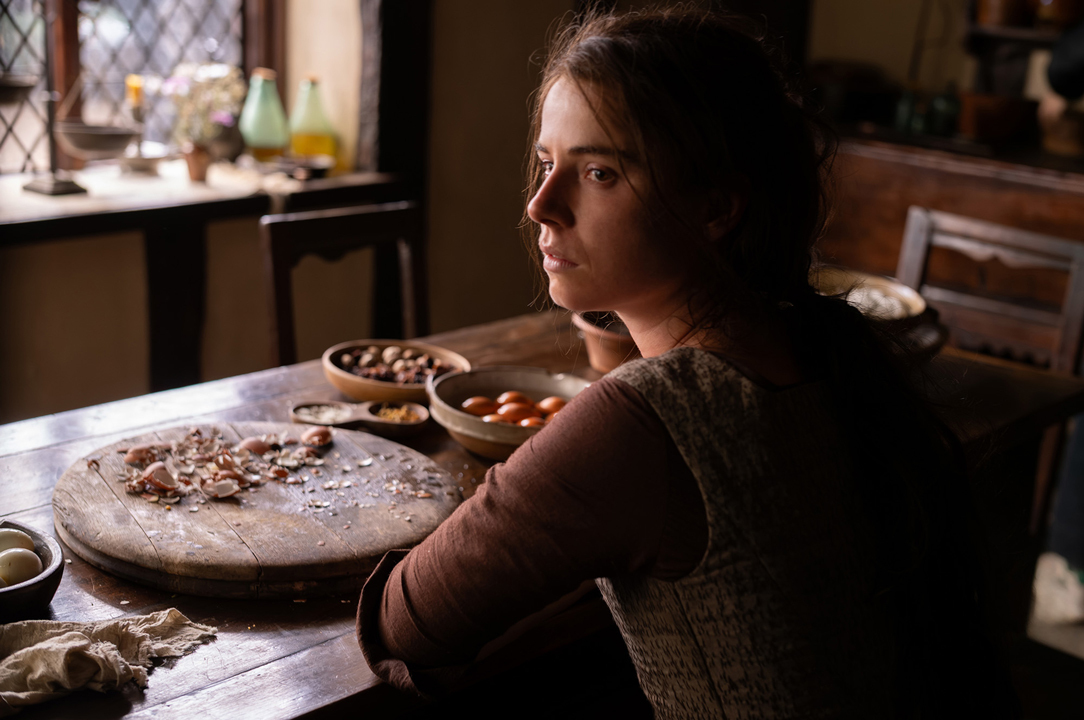
マギー・オファーレルの小説『ハムネット』を、『ノマドランド』のクロエ・ジャオが映画化。シェイクスピアの妻アグネスの視点で、息子ハムネットの死から生まれた戯曲『ハムレット』が生まれる瞬間を描く。後半に向けて加速し、見事なクライマックスを迎える本作を篠儀直子が解説する。
「ハムネット」とは、ウィリアム・シェイクスピアの幼くして亡くなった長男の名。映画冒頭の字幕で明かされるところによると、シェイクスピアの時代、「ハムネット」と「ハムレット」は交換可能な名前であった。この映画は、妻アグネスを主人公に、シェイクスピアとその家族の物語を描いていく。原作はマギー・オファーレルの同名小説(日本語版は小竹由美子訳、新潮クレスト・ブック刊)。オファーレルは監督クロエ・ジャオとともに共同脚本も手掛けている。 シェイクスピアの妻といえば、「26歳のときに18歳のシェイクスピアをたぶらかして妊娠し、無理矢理結婚へと持ちこんだ」だの、「シェイクスピアがひとりでロンドンへ行ったのは、文字の読めない無学な彼女の束縛に耐えかねたからだ」だの、しばしば悪妻として語られてきた。しかし、シェイクスピア自身もそうなのだが、彼女の経歴も人物像もほんとうのところは謎だらけなのだ。オファーレルは、これまでの学界の研究成果と自身の調査、およびシェイクスピアの残した作品群を基に再解釈を行ない、この女性のイメージを劇的に刷新した。こうして誕生したアグネス・ハサウェイは(注)、ジェシー・バックリーの身体を得て、大自然に根を張る自立した精神の持ち主として、まるでフェミニストの先駆のような女性として、力強くスクリーン上に立ちあらわれる。 ■自然の女と天才の出会い アグネスはいつも鬱蒼たる森のなかにいる。自然の風景をただの背景としてではなく、物語の重要な要素として作品に取りこむのは、『ノマドランド』(2020)にも顕著に見られたクロエ・ジャオの真骨頂。未来を感じ取る能力をもち、薬草に詳しく、鷹狩りの鷹匠のごとく鷹を飼いならしているアグネスは、自然と一体化した存在だ。衣裳の色もアースカラーと、肉体の生々しさと生命力を感じさせる鮮やかな赤が基調。村人は彼女を「森の魔女の娘」と噂して遠ざけるが、ほかの誰とも違うその個性と、人目を意に介さず我が道を行く強さこそが、若きラテン語教師、ウィル(ポール・メスカル)の心を奪う。のちに不世出の天才と呼ばれることとなる男が選ぶ女性として、まさにアグネスはふさわしい。 懐妊したアグネスとウィルは結婚し、長女のスザンナが生まれる。父親との確執を抱え、作家として身を立てることもできずにいるウィルを、アグネスはロンドンへと送り出す。その後双子のジュディスとハムネットも生まれ、成功した演劇人として時々帰郷するウィルと、家族は幸せな生活を送っていた。ハムネットが病で突然この世を去るまでは。 ウィルはハムネットの死に立ち会うことができなかった。打ちひしがれたアグネスと彼とのあいだには亀裂が入る。数年後、アグネスはウィルに会いに行ったロンドンで、『ハムレット』の初演を観ることになる──。 ■ハムネットは死なない 本作のクライマックスにあたるこの舞台のシーンはほんとうに見どころだらけだ。ここから先は、ネタバレにあたる記述が含まれるかと思うので、ご鑑賞後に、またはあらかじめネタバレをご承知のうえで読んでいただきたい。 アグネスが観る舞台には、鬱蒼とした森の絵が背景として描かれている。そしてその中央には、真っ黒な穴のように見える開口部がある。この黒い穴は、アグネスがしばしば身を横たえていた場所であり、スザンナを出産した場所でもある、大木の根元の洞(うろ)を思わせると同時に、かつてウィルがアグネスに語ったオルフェウス伝説に登場する、冥界への入り口をも連想させる。『ハムレット』の物語は森とは無関係だ。この舞台美術は、森の人・アグネスへのウィルからの贈り物なのだろうか? 冥界への入り口のようなこの穴に出入りするのは、父の亡霊を演じるウィルその人だ。ハムネットの死に間に合わなかったウィルは、みずからを死者へ、ハムネットを生者へと反転する。ハムネットは舞台上で、ハムレットの名でよみがえる。ハムレット役の俳優を演じているのは——これは素晴らしいサプライズであり、最高のキャスティングだと思うのだが——ハムネットを演じた子役俳優であるジャコビ・ジュープの実兄、ノア・ジュープである。ジャコビと面差しの似たノアを見て、アグネスとウィルだけでなくわたしたちもまた、舞台上の彼に、病を得ることなく成長したハムネットの姿を重ねずにはいられない。 そして、『クワイエット・プレイス』(2018)『フォードvsフェラーリ』(2019)『ハニーボーイ』(2019)などで知られる若手実力派のノア・ジュープは、この役に、この場面に、まさに必要なものを惜しみなく提供する。それはすなわち、若々しい生命の圧倒的な輝きだ。芝居の結末で死んでしまうとしても、舞台が上演されるたびハムレットは生き返る。ハムレット=ハムネットは、永遠によみがえりつづける。 この映画全体を振り返ってみると、もう少し控えめな演出でもよかったのではないかと思える箇所も散見されるだろうけれど、絶望からの再生を、悲しみを分かち合う可能性を指し示すこの作品のクライマックスに、心を揺さぶられずにいることは難しい。ジェシー・バックリーの雄弁な身体と表情が賞賛に値するのはもちろんだが、ポール・メスカルの抑制された演技、ウカシュ・ジャル(『イーダ』(2014)『関心領域』(2023))の撮影、ジョニー・バーン(『関心領域』(2023)『ブゴニア』(2025))のサウンド・デザイン、マックス・リヒターの音楽も、どうぞお観逃し/お聴き逃しなく。 注: そもそもこの女性は従来、通常「アン・ハサウェイ」と呼ばれていた。だが、彼女の父親の遺言書には「アグネス」と名が記載されており、「父親の記述こそが正しいはずだ」とオファーレルは考えて、こちらの名を採用したのだという。 ■『ハムネット』 4月10日(金)全国公開 配給:パルコ ユニバーサル映画 © 2025 FOCUS FEATURES LLC. ALL RIGHTS RESERVED. 著者プロフィール:篠儀直子(しのぎ なおこ) 翻訳者。映画批評も手がける。翻訳書は『フレッド・アステア自伝』『エドワード・ヤン』(以上青土社)『ウェス・アンダーソンの世界 グランド・ブダペスト・ホテル』(DU BOOKS)『SF映画のタイポグラフィとデザイン』(フィルムアート社)『切り裂きジャックに殺されたのは誰か』(青土社)など。 編集・遠藤加奈(GQ)
「ハムネット」とは、ウィリアム・シェイクスピアの幼くして亡くなった長男の名。映画冒頭の字幕で明かされるところによると、シェイクスピアの時代、「ハムネット」と「ハムレット」は交換可能な名前であった。この映画は、妻アグネスを主人公に、シェイクスピアとその家族の物語を描いていく。原作はマギー・オファーレルの同名小説(日本語版は小竹由美子訳、新潮クレスト・ブック刊)。オファーレルは監督クロエ・ジャオとともに共同脚本も手掛けている。 シェイクスピアの妻といえば、「26歳のときに18歳のシェイクスピアをたぶらかして妊娠し、無理矢理結婚へと持ちこんだ」だの、「シェイクスピアがひとりでロンドンへ行ったのは、文字の読めない無学な彼女の束縛に耐えかねたからだ」だの、しばしば悪妻として語られてきた。しかし、シェイクスピア自身もそうなのだが、彼女の経歴も人物像もほんとうのところは謎だらけなのだ。オファーレルは、これまでの学界の研究成果と自身の調査、およびシェイクスピアの残した作品群を基に再解釈を行ない、この女性のイメージを劇的に刷新した。こうして誕生したアグネス・ハサウェイは(注)、ジェシー・バックリーの身体を得て、大自然に根を張る自立した精神の持ち主として、まるでフェミニストの先駆のような女性として、力強くスクリーン上に立ちあらわれる。 ■自然の女と天才の出会い アグネスはいつも鬱蒼たる森のなかにいる。自然の風景をただの背景としてではなく、物語の重要な要素として作品に取りこむのは、『ノマドランド』(2020)にも顕著に見られたクロエ・ジャオの真骨頂。未来を感じ取る能力をもち、薬草に詳しく、鷹狩りの鷹匠のごとく鷹を飼いならしているアグネスは、自然と一体化した存在だ。衣裳の色もアースカラーと、肉体の生々しさと生命力を感じさせる鮮やかな赤が基調。村人は彼女を「森の魔女の娘」と噂して遠ざけるが、ほかの誰とも違うその個性と、人目を意に介さず我が道を行く強さこそが、若きラテン語教師、ウィル(ポール・メスカル)の心を奪う。のちに不世出の天才と呼ばれることとなる男が選ぶ女性として、まさにアグネスはふさわしい。 懐妊したアグネスとウィルは結婚し、長女のスザンナが生まれる。父親との確執を抱え、作家として身を立てることもできずにいるウィルを、アグネスはロンドンへと送り出す。その後双子のジュディスとハムネットも生まれ、成功した演劇人として時々帰郷するウィルと、家族は幸せな生活を送っていた。ハムネットが病で突然この世を去るまでは。 ウィルはハムネットの死に立ち会うことができなかった。打ちひしがれたアグネスと彼とのあいだには亀裂が入る。数年後、アグネスはウィルに会いに行ったロンドンで、『ハムレット』の初演を観ることになる──。 ■ハムネットは死なない 本作のクライマックスにあたるこの舞台のシーンはほんとうに見どころだらけだ。ここから先は、ネタバレにあたる記述が含まれるかと思うので、ご鑑賞後に、またはあらかじめネタバレをご承知のうえで読んでいただきたい。 アグネスが観る舞台には、鬱蒼とした森の絵が背景として描かれている。そしてその中央には、真っ黒な穴のように見える開口部がある。この黒い穴は、アグネスがしばしば身を横たえていた場所であり、スザンナを出産した場所でもある、大木の根元の洞(うろ)を思わせると同時に、かつてウィルがアグネスに語ったオルフェウス伝説に登場する、冥界への入り口をも連想させる。『ハムレット』の物語は森とは無関係だ。この舞台美術は、森の人・アグネスへのウィルからの贈り物なのだろうか? 冥界への入り口のようなこの穴に出入りするのは、父の亡霊を演じるウィルその人だ。ハムネットの死に間に合わなかったウィルは、みずからを死者へ、ハムネットを生者へと反転する。ハムネットは舞台上で、ハムレットの名でよみがえる。ハムレット役の俳優を演じているのは——これは素晴らしいサプライズであり、最高のキャスティングだと思うのだが——ハムネットを演じた子役俳優であるジャコビ・ジュープの実兄、ノア・ジュープである。ジャコビと面差しの似たノアを見て、アグネスとウィルだけでなくわたしたちもまた、舞台上の彼に、病を得ることなく成長したハムネットの姿を重ねずにはいられない。 そして、『クワイエット・プレイス』(2018)『フォードvsフェラーリ』(2019)『ハニーボーイ』(2019)などで知られる若手実力派のノア・ジュープは、この役に、この場面に、まさに必要なものを惜しみなく提供する。それはすなわち、若々しい生命の圧倒的な輝きだ。芝居の結末で死んでしまうとしても、舞台が上演されるたびハムレットは生き返る。ハムレット=ハムネットは、永遠によみがえりつづける。 この映画全体を振り返ってみると、もう少し控えめな演出でもよかったのではないかと思える箇所も散見されるだろうけれど、絶望からの再生を、悲しみを分かち合う可能性を指し示すこの作品のクライマックスに、心を揺さぶられずにいることは難しい。ジェシー・バックリーの雄弁な身体と表情が賞賛に値するのはもちろんだが、ポール・メスカルの抑制された演技、ウカシュ・ジャル(『イーダ』(2014)『関心領域』(2023))の撮影、ジョニー・バーン(『関心領域』(2023)『ブゴニア』(2025))のサウンド・デザイン、マックス・リヒターの音楽も、どうぞお観逃し/お聴き逃しなく。 注: そもそもこの女性は従来、通常「アン・ハサウェイ」と呼ばれていた。だが、彼女の父親の遺言書には「アグネス」と名が記載されており、「父親の記述こそが正しいはずだ」とオファーレルは考えて、こちらの名を採用したのだという。 ■『ハムネット』 4月10日(金)全国公開 配給:パルコ ユニバーサル映画 © 2025 FOCUS FEATURES LLC. ALL RIGHTS RESERVED. 著者プロフィール:篠儀直子(しのぎ なおこ) 翻訳者。映画批評も手がける。翻訳書は『フレッド・アステア自伝』『エドワード・ヤン』(以上青土社)『ウェス・アンダーソンの世界 グランド・ブダペスト・ホテル』(DU BOOKS)『SF映画のタイポグラフィとデザイン』(フィルムアート社)『切り裂きジャックに殺されたのは誰か』(青土社)など。 編集・遠藤加奈(GQ)
Vocabulary
General
Proper noun
JLPT N2
JLPT N1
| # | 言葉 | 意味 |
|---|---|---|
| 3 | 描く | えがく (描く) : 1. to draw; to paint; to sketch 2. to depict; to describe |
| 3 | 作品 | さくひん (作品) : work (e.g. book, film, composition, etc.); opus; performance; production |
| 3 | 自然 | しぜん (自然) : 1. nature 2. natural; spontaneous; automatic |
| 3 | 父親 | ちちおや (父親) : father |
| 3 | 舞台 | ぶたい (舞台) : 1. stage (theatre, theater) 2. scene or setting (e.g. of novel, play, etc.) |
| 3 | 穴 | あな (穴) : 1. hole; opening; perforation 2. pit; hollow; hole (in the ground, etc.) |
| 2 | 生まれる | うまれる (生まれる) : to be born |
| 2 | 本作 | ほんさく (本作) : this piece; this work |
| 2 | 篠儀 | しのぎ (篠儀) : Shinogi (surname) |
| 2 | 直子 | ちかこ (直子) : Chikako (fem) |
| 2 | しばしば | しばしば (屡々) : often; again and again; frequently; repeatedly |
| 2 | 語る | かたる (語る) : 1. to talk about; to speak of; to tell; to narrate 2. to recite; to chant |
| 2 | 自身 | じしん (自身) : (one's) self; oneself |
| 2 | だらけ | だらけ : 1. full of (e.g. mistakes); riddled with 2. covered all over with (blood, mud, etc.) |
| 2 | 身体 | からだ (体) : 1. body 2. torso; trunk |
| 2 | 天才 | てんさい (天才) : genius; prodigy; natural gift |
| 2 | 鬱蒼 | うっそう (鬱蒼) : thick; dense; luxuriant |
| 2 | 背景 | はいけい (背景) : 1. background; scenery; backdrop; setting 2. background (of an incident, situation, etc.); circumstances; context |
| 2 | 物語 | ものがたり (物語) : tale; story; legend |
| 2 | こそ | こそ : 1. it is ... that ...; precisely; in particular; definitely; for sure; only (when, after, because, etc.) 2. although; while; it is the case that ... but |
| 2 | 呼ぶ | よぶ (呼ぶ) : 1. to call out (to); to call; to invoke 2. to summon (a doctor, etc.) |
| 2 | まさに | まさに (正に) : 1. exactly; surely; certainly; just 2. right then; just then; at that moment |
| 2 | 身 | み (身) : 1. body 2. oneself |
| 2 | 死ぬ | しぬ (死ぬ) : 1. to die; to pass away 2. to lose spirit; to lose vigor; to look dead |
| 2 | あたる | あたる (当たる) : 1. to be hit; to strike 2. to touch; to be in contact; to be affixed |
| 2 | 記述 | きじゅつ (記述) : description; account |
| 2 | 冥界 | めいかい (冥界) : hades; realm of the dead |
| 2 | 入り口 | いりぐち (入口) : entrance; entry; gate; approach; mouth |
| 2 | よみがえる | よみがえる (蘇る) : 1. to be resurrected; to be resuscitated; to be rehabilitated; to be revived; to be refreshed; to be restored 2. to be recalled (e.g. memories); to be brought back |
| 2 | 役 | えき (役) : 1. war; campaign; battle 2. unpaid work (ritsuryo system); forced labor |
| 2 | 俳優 | はいゆう (俳優) : actor; actress; player; performer |
| 2 | 演ずる | えんずる (演ずる) : to perform; to play |
| 2 | 関心領域 | かんしんりょういき (関心領域) : region of interest |
| 2 | 映画 | えいが (映画) : movie; film |
| 2 | 青土 | あおと (青土) : Aoto (surname) |
| 1 | 映画化 | えいがか (映画化) : making (book, etc.) into film; making a screen version; adapting for the screen |
| 1 | 視点 | してん (視点) : opinion; point of view; visual point |
| 1 | 戯曲 | ぎきょく (戯曲) : 1. drama; play 2. Chinese opera |
| 1 | 瞬間 | しゅんかん (瞬間) : moment; second; instant |
| 1 | 後半 | こうはん (後半) : second half; latter half |
| 1 | 加速 | かそく (加速) : acceleration; speeding up |
| 1 | 見事 | みごと (見事) : 1. splendid; magnificent; excellent; fine; superb; beautiful; admirable 2. utter (esp. defeat); total; complete |
| 1 | 解説 | かいせつ (解説) : explanation; commentary; exposition; elucidation |
| 1 | 亡くなる | なくなる (亡くなる) : to die |
| 1 | 長男 | ちょうなん (長男) : eldest son (may be the only son); first-born son |
| 1 | 冒頭 | ぼうとう (冒頭) : beginning; start; outset |
| 1 | 字幕 | じまく (字幕) : subtitles; captioning |
| 1 | 明かす | あかす (明かす) : 1. to pass (the night); to spend 2. to reveal; to divulge; to disclose; to expose |
| 1 | 交換 | こうかん (交換) : exchange; interchange; switching; reciprocity; barter; substitution; replacement; clearing (of checks, cheques) |
| 1 | 可能 | かのう (可能) : possible; potential; practicable; feasible |
| 1 | 主人公 | しゅじんこう (主人公) : 1. protagonist; main character; hero(ine) (of a story) 2. head of household |
| 1 | 家族 | かぞく (家族) : family; members of a family |
| 1 | 原作 | げんさく (原作) : original work |
| 1 | 同名 | どうめい (同名) : 1. same name 2. homonym |
| 1 | 日本語 | にほんご (日本語) : Japanese (language) |
| 1 | 版 | はん (版) : 1. edition; version; printing; impression; implementation (e.g. software) 2. plate; block; cast |
| 1 | 小竹 | ささ (笹) : bamboo grass; generally smaller species of running bamboo that do not shed their sheaths (e.g. Sasa spp.) |
| 1 | 由美子 | えつこ (由美子) : Etsuko (fem) |
| 1 | 新潮 | あらた (新潮) : Arata (fem) |
| 1 | 刊 | かん (刊) : publication; edition (e.g. morning, evening, special); published in (year); publication frequency (e.g. daily, monthly) |
| 1 | 監督 | かんとく (監督) : 1. supervision; control; superintendence; direction 2. director; superintendent; supervisor; coach; foreman; manager; overseer; controller; boss |
| 1 | 共同 | きょうどう (共同) : doing together (as equals); sharing; common (land, etc.); joint (statement, etc.); cooperation; co-operation; collaboration; association |
| 1 | 脚本 | きゃくほん (脚本) : script; screenplay; scenario |
| 1 | 手掛ける | てがける (手がける) : 1. to handle; to manage; to deal with; to work with; to have experience with 2. to rear; to look after |
| 1 | たぶらかす | たぶらかす (誑かす) : to trick; to cheat; to deceive; to seduce |
| 1 | 妊娠 | にんしん (妊娠) : conception; pregnancy |
| 1 | 無理矢理 | むりやり (無理やり) : forcibly; against one's will |
| 1 | 持ちこむ | もちこむ (持ち込む) : 1. to take something into ...; to bring in; to carry in 2. to lodge (a complaint); to file (a plan); to bring (a proposal); to commence negotiations |
| 1 | 文字 | もじ (文字) : 1. letter (of alphabet); character 2. writing |
| 1 | 無学 | むがく (無学) : 1. illiteracy; ignorance 2. arhat; someone who has attained nirvana |
| 1 | 束縛 | そくばく (束縛) : 1. restraint; restriction; fetters; yoke; shackles 2. binding; confinement with rope |
| 1 | 耐える | たえる (耐える) : 1. to bear; to stand; to endure; to put up with 2. to support; to withstand; to resist; to brave |
| 1 | かね | おはぐろ (お歯黒) : 1. tooth blackening 2. tooth-blackening dye |
| 1 | 悪妻 | あくさい (悪妻) : bad wife |
| 1 | 経歴 | けいれき (経歴) : personal history; career |
| 1 | 人物像 | じんぶつぞう (人物像) : statue; picture; picture revealing character |
| 1 | 謎 | なぞ (謎) : 1. riddle; puzzle; enigma; mystery 2. enigmatic; mysterious |
| 1 | 学界 | がっかい (学界) : academic world; academia; academic circles; scientific world; learned circles |
| 1 | 成果 | せいか (成果) : (good) result; outcome; fruits (of one's labors); product; accomplishment |
| 1 | 調査 | ちょうさ (調査) : investigation; examination; inquiry; enquiry; survey |
| 1 | および | および (及び) : and; as well as |
| 1 | 残す | のこす (残す) : 1. to leave (behind) 2. to leave (undone); to not finish |
| 1 | 群 | ぐん (群) : 1. group; bunch; crowd; throng; swarm; band 2. group |
| 1 | 基 | もと (元) : 1. origin; source 2. base; basis; foundation; root |
| 1 | 再 | さい (再) : re-; again; repeated; deutero-; deuto-; deuter- |
| 1 | 解釈 | かいしゃく (解釈) : explanation; interpretation |
| 1 | 行なう | おこなう (行う) : to perform; to do; to conduct oneself; to carry out |
| 1 | 劇的 | げきてき (劇的) : 1. dramatic; exciting; touching 2. extreme |
| 1 | 刷新 | さっしん (刷新) : reform; renovation |
| 1 | 誕生 | たんじょう (誕生) : birth; creation; formation |
| 1 | 大自然 | だいしぜん (大自然) : nature; Mother Nature |
| 1 | 根 | ね (根) : 1. root (of a plant) 2. root (of a tooth, hair, etc.); center (of a pimple, etc.) |
| 1 | 張る | はる (張る) : 1. to stick; to paste; to affix 2. to stretch; to spread; to strain; to tighten; to put up (tent) |
| 1 | 自立 | じりつ (自立) : independence; self-reliance |
| 1 | 精神 | せいしん (精神) : 1. mind; spirit; soul; heart; ethos 2. attitude; mentality; will; intention |
| 1 | 持ち主 | もちぬし (持ち主) : owner; proprietor; possessor (e.g. of talent, beauty, etc.) |
| 1 | まるで | まるで (丸で) : 1. quite; entirely; completely; at all 2. as if; as though; just like |
| 1 | 先駆 | せんく (先駆) : 1. forerunner; precursor; pioneer; leader 2. outrider; outriding |
| 1 | 出会い | であい (出会い) : 1. meeting; rendezvous; encounter 2. confluence |
| 1 | 風景 | ふうけい (風景) : 1. scenery; scene; landscape; view; sight 2. scene (e.g. of a crime) |
| 1 | ただ | ただ (只) : 1. ordinary; common; usual 2. free of charge |
| 1 | 重要 | じゅうよう (重要) : important; momentous; essential; principal; major |
| 1 | 要素 | ようそ (要素) : 1. component; factor; item (e.g. in list) 2. element (e.g. in array); member (e.g. data structure) |
| 1 | 取りこむ | とりこむ (取り込む) : 1. to take in; to bring in; to adopt (e.g. behaviour); to introduce 2. to capture (e.g. image); to import |
| 1 | 顕著 | けんちょ (顕著) : remarkable; striking; obvious |
| 1 | 真骨頂 | しんこっちょう (真骨頂) : one's true worth; one's true self; what one is really made of |
| 1 | 未来 | みらい (未来) : 1. the future (usually distant) 2. future tense |
| 1 | 感じ取る | かんじとる (感じ取る) : to perceive; to sense; to take in; to grasp; to feel |
| 1 | 能力 | のうりょく (能力) : ability; faculty |
| 1 | 薬草 | やくそう (薬草) : medicinal herb |
| 1 | 詳しく | くわしく (詳しく) : in detail; fully; minutely; at length |
| 1 | 鷹狩り | たかがり (鷹狩り) : falconry |
| 1 | 鷹匠 | たかじょう (鷹匠) : falconer; hawker |
| 1 | 鷹 | たか (鷹) : hawk; falcon |
| 1 | 飼いならす | かいならす (飼いならす) : to tame (e.g. animal); to domesticate |
| 1 | 一体化 | いったいか (一体化) : unification; integration |
| 1 | 存在 | そんざい (存在) : existence; being |
| 1 | 衣裳 | いしょう (衣装) : clothing; costume; outfit; garment; dress |
| 1 | 肉体 | にくたい (肉体) : the body; the flesh; the outer man; one's physique |
| 1 | 生命力 | せいめいりょく (生命力) : vitality; (one's) life force |
| 1 | 感ずる | かんずる (感ずる) : to feel; to sense |
| 1 | 鮮やか | あざやか (鮮やか) : 1. vivid; bright; brilliant; clear; fresh; vibrant 2. skillful; skilful; adept; adroit; deft; brilliant; beautiful; fine; excellent |
| 1 | 基調 | きちょう (基調) : 1. basic tone; underlying tone; basic theme; basis; keynote 2. trend |
| 1 | 村人 | むらびと (村人) : villager |
| 1 | 魔女 | まじょ (魔女) : witch |
| 1 | 噂 | うわさ (噂) : rumour; rumor; report; hearsay; gossip; common talk |
| 1 | 遠ざける | とおざける (遠ざける) : to keep away; to keep at a distance |
| 1 | 個性 | こせい (個性) : individuality; personality; quirk; idiosyncrasy; character; individual characteristic |
| 1 | 人目 | ひとめ (人目) : (public) notice; attention; public eye; public gaze |
| 1 | 介す | かいす (介す) : 1. to use as an intermediary; to mediate; to assist 2. to worry; to mind; to care |
| 1 | 我が | わが (我が) : my; our; one's own |
| 1 | 強さ | つよさ (強さ) : strength; power |
| 1 | 若き | わかき (若き) : 1. young person; youth 2. young |
| 1 | ラテン語 | ラテンご (ラテン語) : Latin (language) |
| 1 | 教師 | きょうし (教師) : teacher (classroom) |
| 1 | 奪う | うばう (奪う) : to snatch away; to dispossess; to steal |
| 1 | のち | のち (後) : 1. later; afterwards 2. future |
| 1 | 不世出 | ふせいしゅつ (不世出) : rare; extraordinary; unparalleled; unparallelled |
| 1 | ふさわしい | ふさわしい (相応しい) : appropriate; adequate; suitable; fitting; worthy |
| 1 | 懐妊 | かいにん (懐妊) : pregnancy; conception |
| 1 | 長女 | ちょうじょ (長女) : eldest daughter; first-born daughter |
| 1 | 確執 | かくしつ (確執) : discord; antagonism |
| 1 | 抱える | かかえる (抱える) : 1. to hold or carry under or in the arms 2. to have (esp. problems, debts, etc.) |
| 1 | 作家 | さっか (作家) : author; writer; novelist; artist |
| 1 | 送り出す | おくりだす (送り出す) : to send out; to forward; to show (a person) out |
| 1 | 双子 | ふたご (双子) : twins; twin |
| 1 | 成功 | せいこう (成功) : success; hit |
| 1 | 演劇 | えんげき (演劇) : drama; theatre; theater; play |
| 1 | 帰郷 | ききょう (帰郷) : homecoming; return to one's home |
| 1 | 幸せ | しあわせ (幸せ) : happiness; good fortune; luck; blessing |
| 1 | 送る | おくる (送る) : 1. to send (a thing); to dispatch; to despatch; to transmit 2. to take or escort (a person somewhere); to see off (a person) |
| 1 | 突然 | とつぜん (突然) : abrupt; sudden; unexpected |
| 1 | この世 | このよ (この世) : this world; world of the living |
| 1 | 立ち会う | たちあう (立ち会う) : to be present (esp. during a birth); to be witness to |
| 1 | 打ちひしぐ | うちひしぐ (打ちひしぐ) : to crush (with the weight of misfortune) |
| 1 | 亀裂 | きれつ (亀裂) : crack; crevice; fissure; chap; rift |
| 1 | 会う | あう (会う) : 1. to meet; to encounter; to see 2. to have an accident; to have a bad experience |
| 1 | 初演 | しょえん (初演) : first performance |
| 1 | ほんとうに | ほんとうに (本当に) : really; truly |
| 1 | 見どころ | みどころ (見どころ) : 1. point worthy of note; highlight; high point; main attraction; thing to note 2. good prospects for the future; promise |
| 1 | 含む | ふくむ (含む) : 1. to contain; to comprise; to have; to hold; to include; to embrace 2. to hold in the mouth |
| 1 | 鑑賞 | かんしょう (鑑賞) : appreciation (of art, music, poetry, etc.) |
| 1 | あらかじめ | あらかじめ (予め) : beforehand; in advance; previously |
| 1 | 読む | よむ (読む) : 1. to read 2. to count |
| 1 | 中央 | ちゅうおう (中央) : 1. centre; center; middle; heart 2. metropolis; capital city; central government |
| 1 | 真っ黒 | まっくろ (真っ黒) : pitch black |
| 1 | 開口部 | かいこうぶ (開口部) : aperture |
| 1 | 横たえる | よこたえる (横たえる) : 1. to lay down 2. to wear (a sword, etc.) at one's side |
| 1 | 出産 | しゅっさん (出産) : 1. childbirth; (giving) birth; delivery; parturition; confinement 2. production (of goods) |
| 1 | 大木 | たいぼく (大木) : large tree |
| 1 | 根元 | こんげん (根源) : root; source; origin; cause |
| 1 | 同時 | どうじ (同時) : simultaneous; concurrent; same time; synchronous; together |
| 1 | かつて | かつて (嘗て) : 1. once; before; formerly; ever; former; ex- 2. never yet; never before; first time; still not happened |
| 1 | 伝説 | でんせつ (伝説) : tradition; legend; folklore |
| 1 | 登場 | とうじょう (登場) : 1. entry (on stage); appearance (on screen) 2. entrance; introduction (into a market) |
| 1 | 連想 | れんそう (連想) : association (of ideas); being reminded (of something); suggestion |
| 1 | 無関係 | むかんけい (無関係) : unrelated |
| 1 | 舞台美術 | ぶたいびじゅつ (舞台美術) : scenography; scenic design; set design; stage design |
| 1 | 出入り | でいり (出入り) : 1. going in and out; entering and exiting 2. visiting regularly; frequenting; having regular dealings with |
| 1 | 亡霊 | ぼうれい (亡霊) : 1. departed spirit; soul of the dead 2. ghost; apparition |
| 1 | 演じる | えんじる (演じる) : to perform (a play); to play (a part); to act (a part); to commit (a blunder) |
| 1 | 間に合う | まにあう (間に合う) : 1. to be in time (for) 2. to serve (suit, meet) the purpose; to be good enough; to be enough; to manage; to make do |
| 1 | みずから | みずから (自ら) : 1. oneself 2. oneself; for oneself; personally; in person |
| 1 | 死者 | ししゃ (死者) : dead person; (the) deceased; (the) dead; casualties |
| 1 | 生者 | せいしゃ (生者) : living person; the living |
| 1 | 反転 | はんてん (反転) : 1. rolling over; turning over 2. turning around (the other way); reversal (of direction, course, etc.); inversion; flipping |
| 1 | 素晴らしい | すばらしい (素晴らしい) : wonderful; splendid; magnificent |
| 1 | 最高 | さいこう (最高) : 1. most; highest; maximum; uppermost; supreme 2. best; wonderful; finest |
| 1 | 子役 | こやく (子役) : dramatic role for child; child actor |
| 1 | 実兄 | じっけい (実兄) : biological older brother |
| 1 | 面差し | おもざし (面差し) : looks; features |
| 1 | 似る | にる (似る) : to resemble; to look like; to be like; to be alike; to be similar; to take after |
| 1 | わたしたち | わたしたち (私たち) : we; us |
| 1 | 成長 | せいちょう (成長) : 1. growth; development; growing up; becoming an adult 2. growth (of a company, the economy, etc.) |
| 1 | 姿 | すがた (姿) : 1. figure; form; shape 2. appearance; dress; guise |
| 1 | 重ねる | かさねる (重ねる) : 1. to pile up; to heap up; to stack up; to put on top of another 2. to repeat many times over; to go through repeatedly; to accumulate |
| 1 | 知る | しる (知る) : 1. to be aware of; to know; to be conscious of; to cognize; to cognise 2. to notice; to feel |
| 1 | 若手 | わかて (若手) : young person |
| 1 | 場面 | ばめん (場面) : 1. scene; setting; place (where something happens); scenario; case 2. scene (in a movie, play); shot |
| 1 | 惜しみなく | おしみなく (惜しみ無く) : without stint; freely |
| 1 | 提供 | ていきょう (提供) : 1. offer; tender; providing; supplying; making available; donating (blood, organs, etc.) 2. sponsoring (a TV program) |
| 1 | すなわち | すなわち (即ち) : that is; namely; i.e. |
| 1 | 若々しい | わかわかしい (若々しい) : youthful; young; young-looking |
| 1 | 生命 | せいめい (生命) : 1. life; existence 2. (one's) working life; career |
| 1 | 圧倒的 | あっとうてき (圧倒的) : overwhelming |
| 1 | 輝き | かがやき (輝き) : brightness; brilliance; brilliancy; radiance; glitter |
| 1 | 芝居 | しばい (芝居) : play; drama |
| 1 | 結末 | けつまつ (結末) : end; conclusion |
| 1 | 上演 | じょうえん (上演) : performance (of a play, opera, etc.); staging; presentation |
| 1 | たび | たび (足袋) : tabi; Japanese socks (with split toe) |
| 1 | 生き返る | いきかえる (生き返る) : to revive; to come to oneself; to be restored to life |
| 1 | 永遠 | えいえん (永遠) : eternity; perpetuity; permanence; immortality |
| 1 | 全体 | ぜんたい (全体) : whole; entirety; whatever (is the matter) |
| 1 | 振り返る | ふりかえる (振り返る) : 1. to turn one's head; to look over one's shoulder; to turn around; to look back 2. to think back (on); to reminisce; to look back (on); to reflect (on) |
| 1 | もう少し | もうすこし (もう少し) : a bit more; a bit longer |
| 1 | 控えめ | ひかえめ (控えめ) : moderate; reserved; conservative; humble; mild-mannered; self-effacing; unassuming; well-behaved; low-key; temperate; in small quantities |
| 1 | 演出 | えんしゅつ (演出) : production (e.g. play); direction |
| 1 | 思える | おもえる (思える) : to seem; to appear likely |
| 1 | 箇所 | かしょ (箇所) : 1. place; point; part; spot; area; passage; portion 2. counter for places, parts, passages, etc. |
| 1 | 散見 | さんけん (散見) : being seen here and there; appearing in various places |
| 1 | 絶望 | ぜつぼう (絶望) : despair; hopelessness |
| 1 | 再生 | さいせい (再生) : 1. resuscitation; regeneration; restoration to life 2. reformation; rehabilitation |
| 1 | 悲しみ | かなしみ (悲しみ) : 1. sadness; sorrow; grief 2. affection; love |
| 1 | 分かち合う | わかちあう (分かち合う) : to share |
| 1 | 可能性 | かのうせい (可能性) : potentiality; likelihood; possibility; availability |
| 1 | 指し示す | さししめす (指し示す) : to indicate; to show; to point to |
| 1 | 揺さぶる | ゆさぶる (揺さぶる) : 1. to shake; to jolt; to rock; to swing; to sway 2. to shake (e.g. the political world); to disturb; to shock; to upset |
| 1 | 雄弁 | ゆうべん (雄弁) : oratory; eloquence |
| 1 | 表情 | ひょうじょう (表情) : 1. facial expression; countenance 2. look; appearance; expression (vocal, etc.) |
| 1 | 賞賛 | しょうさん (賞賛) : praise; admiration; commendation; approbation |
| 1 | 値 | あたい (値) : 1. price; cost 2. value; worth; merit |
| 1 | 抑制 | よくせい (抑制) : control; restraint; suppression; constraint; curtailment; inhibition; check; curb |
| 1 | 演技 | えんぎ (演技) : acting; performance |
| 1 | 撮影 | さつえい (撮影) : photography (still or motion); photographing; filming; shooting; (video) recording |
| 1 | 逃す | のがす (逃す) : 1. to miss (e.g. a chance); to lose; to let get away 2. to set free; to let go |
| 1 | そもそも | そもそも (抑) : 1. in the first place; to begin with; from the start; originally; ab initio 2. after all; anyway; actually; well, ...; ... on earth (e.g. "what on earth?"); ... in the world (e.g. "why in the world?") |
| 1 | 従来 | じゅうらい (従来) : 1. up to now; so far 2. traditional; conventional; usual; existing |
| 1 | 通常 | つうじょう (通常) : usual; ordinary; normal; regular; general; common |
| 1 | 遺言 | ゆいごん (遺言) : will; testament; last request |
| 1 | 記載 | きさい (記載) : mention (in a document); record; entry; statement; listing |
| 1 | 考える | かんがえる (考える) : 1. to think (about, of); to think over; to ponder; to contemplate; to reflect (on); to meditate (on) 2. to consider; to bear in mind; to allow for; to take into consideration |
| 1 | 採用 | さいよう (採用) : 1. use; adoption; acceptance 2. appointment; employment; engagement; recruitment |
| 1 | 全国 | ぜんこく (全国) : the whole country |
| 1 | 公開 | こうかい (公開) : opening to the public; making available to the public; putting on display; exhibiting; showing (play, movie, etc.); holding (interview, etc.); open; public |
| 1 | 配給 | はいきゅう (配給) : 1. distribution (e.g. films, rice) 2. rationing (e.g. food, gasoline) |
| 1 | 著者 | ちょしゃ (著者) : author (usu. of a particular book); writer |
| 1 | しのぎ | しのぎ (凌ぎ) : tiding over |
| 1 | なおこ | なおこ : long thin brown "naoko" mushroom |
| 1 | 翻訳者 | ほんやくしゃ (翻訳者) : translator |
| 1 | 批評 | ひひょう (批評) : criticism; review; commentary |
| 1 | 手がける | てがける (手がける) : 1. to handle; to manage; to deal with; to work with; to have experience with 2. to rear; to look after |
| 1 | 自伝 | じでん (自伝) : autobiography |
| 1 | SF | エスエフ (SF) : science fiction; sci-fi; SF |
| 1 | 切り裂きジャック | きりさきジャック (切り裂きジャック) : Jack the Ripper |
| 1 | 殺す | ころす (殺す) : 1. to kill; to slay; to murder; to slaughter 2. to suppress; to block; to hamper; to destroy (e.g. talent); to eliminate (e.g. an odour); to spoil (e.g. a flavour); to kill (e.g. one's speed) |
| 1 | 編集 | へんしゅう (編集) : editing; compilation |
| 1 | 遠藤 | えとう (遠藤) : Etou (surname) |
| 1 | 加奈 | かな (加奈) : Kana (fem) |