LES SIX=川西遼平は、“ファッションとは何か?”を問い続ける
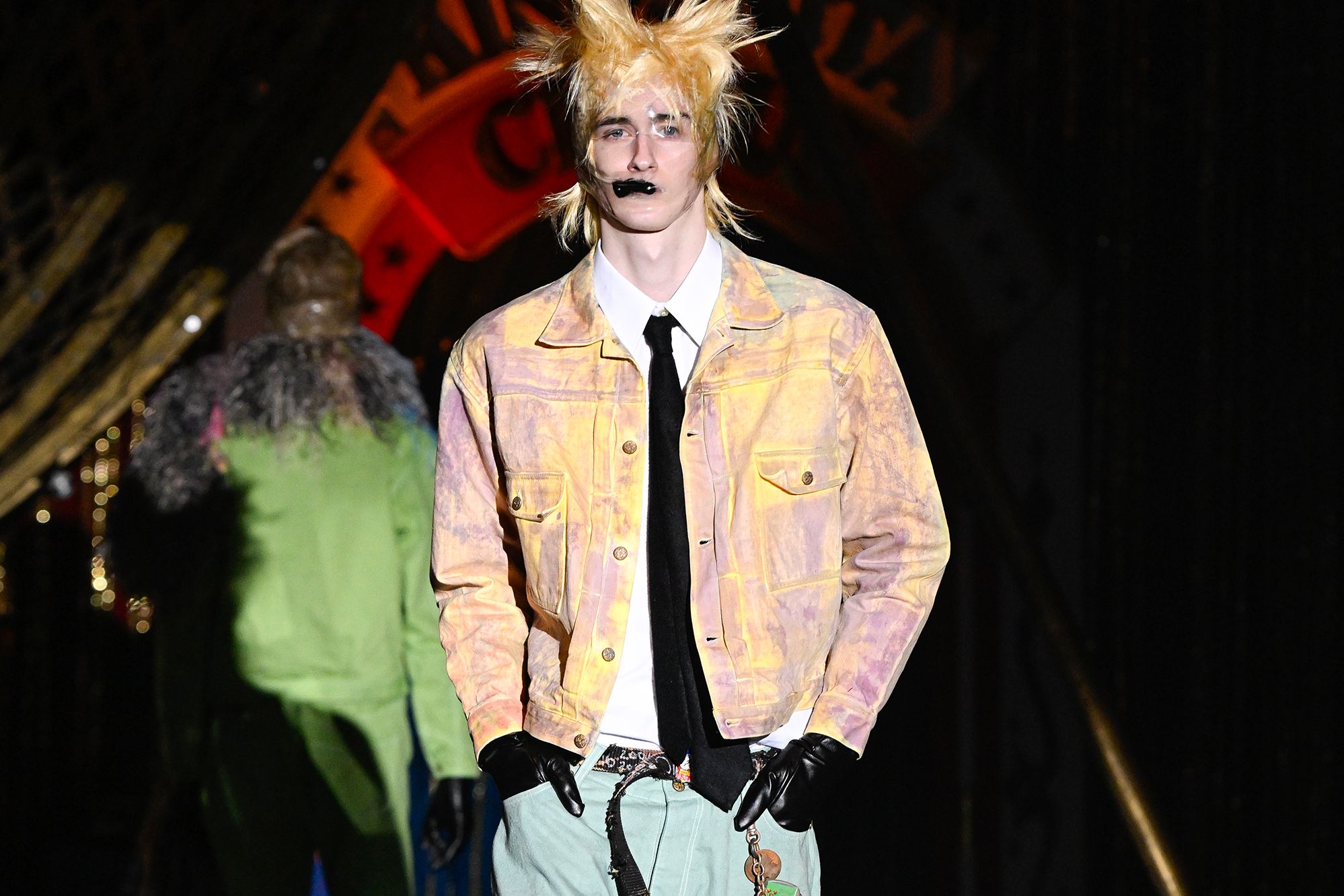
ファッションが“プロダクトショー”と化した時代に、デザイナー川西遼平は挑発と創造性を追求する。彼のブランド、「LES SIX」が木下大サーカスの会場で披露した2026FWコレクションは、ロンドン、ニューヨーク、東京と渡り歩いた20年の経験と記憶を凝縮した、圧倒的な意思表示だった。「ファッションとは何か」を問い続けることの意味を、川西の言葉とクリエイションから探る。
1990年代から、少なくとも2010年ごろまで、“モード”は、個々のデザイナーの名を挙げるまでもなく、スクエアな社会の価値観を挑発するかのような“オルタナティブな美”を我々に見せてくれていたように思う。しかし、かつては野心的なデザイナーとともに創造性を競い合っていたメゾンが、いつの間にか“ラグジュアリー”を自称し、同時にエンターテインメントの領域へと接近していくにつれ、服飾における“美”の更新は、優先順位を下げられていったようにも見える。何よりも“市場のニーズ”が重要である、と。 もっとも、そのことの是非をここで急いで論じる必要はないだろう。それよりも、ファッションから“挑発”や“挑戦”が後退しつつあるなかで、今なおその両方を引き受けるようにして、創造性を追求するデザイナーが日本にいることを示すべきだ。 そのデザイナーの名は川西遼平。手がけるブランドはLES SIX(レ・シス)。 先だって立川立飛の特設会場で開催された同ブランドの2026FWランウェイショーは、木下大サーカスの空間を舞台に繰り広げられたファンタジックでありながらも凶々しいイメージの連鎖によって、観る者の感覚を攪乱した。サーカスという祝祭的な装置を借りながら、その内側に潜む不穏さや歪みまでも可視化するようなこのショーで川西が見せたのは、自身の経験した20年を凝縮したコレクションだという。 「高校卒業後にロンドンのセントマーティンに通いはじめた時から数えると、ちょうど20年になるらしいんですよ。なので、今回は自分がファッションの世界に憧れてロンドンに渡ってから、これまで経験してきた20年間をデザインに落とし込んだつもりです」 どこか他人事のように、川西は素っ気なく語る。だが、その言葉には、単なるキャリアの積み重ね以上のものが含まれている。 セントマーティンを卒業後、ニューヨークのパーソンズの大学院へ。その後、“ランドロード ニューヨーク”のディレクターに就任。ニューヨークコレクションで頭角を表したのちに帰国し、現在のLES SIXを立ち上げる――彼の経歴だけを追えば、それは順調な歩みと捉えることもできるだろう。しかし、その内実は、必ずしもそう単純ではない。 彼の20年は、ロンドン、ニューヨーク、そして東京という都市を横断しながら、ファッションというフィールドの変化そのものを体感し続けてきた時間だった。そして、その過程で川西はファッションへの愛情をより深めながらも、同時にファッションに“裏切られた”という感覚を抱くようになる。 「僕がロンドンにいた頃は、『i-D』や『DAZED & CONFUSED』といった雑誌の影響力もあって、若手のデザイナーがどんどん出てこられるような、新鮮なクリエイティビティを歓迎するムードがファッションの世界にあったんです。2015年くらいになると、その熱がロンドンからニューヨークに移って、ヴェトモンとステューシーをミックスしたスタイリングで、人種や性別を超越したシルエットを提示するというような、新しい価値観が強調されていった。でも、2020年以降は大きく変わってしまって。ファッションショーが“プロダクトショー”になってしまったんですよ。ただ売れそうな製品を並べて、バイヤーやメディアに見せるだけのゲームになってしまった」 これは感傷でも悲嘆でもない。単に最前線でファッションを見つめてきた者の率直な感想だ。しかし、その奥には、かつて自らを突き動かした“何か”が失われていくことへの、明確な違和感がある。 「1990年代から2012、3年くらいまでは、デザイナーにもブランドにも“ファッションとは何か”を問い続けることで、ファッションの持つ文化的な価値を更新しようという意思があったと思うし、その競争をするのが“モード”の世界の前提だった。でも今は、文化としての価値を更新しようという動き自体が終わってしまったように見える」 だからこそ、今回のLES SIXのショーは単なる最新コレクションの発表ではなく、彼自身の原点に対する再確認であり、同時に未来に向けた意思表示でもあったという。 「自分が見てきたファッション、自分が好きで憧れていたものは、こうだったよな、というのを表現したつもりですし、それをこれからも続けていく、というステートメントでもありますね」 ショーに散りばめられたイメージは一見すると猥雑で過剰。そして、そのすべては川西の中で一度解体され、再構築された“個人的な記憶”と有機的につながっている。 「ずっと好きなコム デ ギャルソン、ポール・ハーデン。クリストファー・ネメス、イアン・リード、ジョン・ムーアらのハウス・オブ・ビューティカルチャー系。そして、ロンドンに行って最初に好きになったギャレス・ピュー。ニューヨーク時代に仲の良かったテルファーやフッドバイエアー。もちろん自分がやっていたランドロード的なものも。あと、映画『ダークナイト』のヒース・レジャーが演じたジョーカー、漫画の『殺し屋1』……。それらをゴチャ混ぜにして、ひとつのストーリーにしたのが今回のショーですね」 その言葉通り、ショーは単なる引用の連なりではなく、むしろ、現在失われつつある“ファッションの可能性”を再構築しようとする意思が生んだものだった。複数の時代、都市、カルチャー、そして、勇気あるデザイナーたちが披露してきたクリエーションが交差するなかに、ラメ、フリンジ、ハーレクイン柄といった目を惹く装飾性と大胆なペイントやダメージ加工といった川西らしさが貫かれ、コレクションはひとつの物語として完成する。 「今回は何から何まで全部自分でやったので、正直キツかったんですけど(笑)、でも、ショーの空気感も含めて、自分が好きなものはちゃんと提示できたと思います」 彼が語る“好きなもの”とは、単なる趣味嗜好によるものではない。それは、かつてファッションが、新たな価値観を生み出すために持っていた、過激なまでの自由のことだ。そして、LES SIXが2026FWショーで見せたのは、過去へのノスタルジーではなく、失われつつある価値に対する現在進行形の応答であり、“ファッションとは何か”を問い続けようとする、確かな意志の表れだった。
1990年代から、少なくとも2010年ごろまで、“モード”は、個々のデザイナーの名を挙げるまでもなく、スクエアな社会の価値観を挑発するかのような“オルタナティブな美”を我々に見せてくれていたように思う。しかし、かつては野心的なデザイナーとともに創造性を競い合っていたメゾンが、いつの間にか“ラグジュアリー”を自称し、同時にエンターテインメントの領域へと接近していくにつれ、服飾における“美”の更新は、優先順位を下げられていったようにも見える。何よりも“市場のニーズ”が重要である、と。 もっとも、そのことの是非をここで急いで論じる必要はないだろう。それよりも、ファッションから“挑発”や“挑戦”が後退しつつあるなかで、今なおその両方を引き受けるようにして、創造性を追求するデザイナーが日本にいることを示すべきだ。 そのデザイナーの名は川西遼平。手がけるブランドはLES SIX(レ・シス)。 先だって立川立飛の特設会場で開催された同ブランドの2026FWランウェイショーは、木下大サーカスの空間を舞台に繰り広げられたファンタジックでありながらも凶々しいイメージの連鎖によって、観る者の感覚を攪乱した。サーカスという祝祭的な装置を借りながら、その内側に潜む不穏さや歪みまでも可視化するようなこのショーで川西が見せたのは、自身の経験した20年を凝縮したコレクションだという。 「高校卒業後にロンドンのセントマーティンに通いはじめた時から数えると、ちょうど20年になるらしいんですよ。なので、今回は自分がファッションの世界に憧れてロンドンに渡ってから、これまで経験してきた20年間をデザインに落とし込んだつもりです」 どこか他人事のように、川西は素っ気なく語る。だが、その言葉には、単なるキャリアの積み重ね以上のものが含まれている。 セントマーティンを卒業後、ニューヨークのパーソンズの大学院へ。その後、“ランドロード ニューヨーク”のディレクターに就任。ニューヨークコレクションで頭角を表したのちに帰国し、現在のLES SIXを立ち上げる――彼の経歴だけを追えば、それは順調な歩みと捉えることもできるだろう。しかし、その内実は、必ずしもそう単純ではない。 彼の20年は、ロンドン、ニューヨーク、そして東京という都市を横断しながら、ファッションというフィールドの変化そのものを体感し続けてきた時間だった。そして、その過程で川西はファッションへの愛情をより深めながらも、同時にファッションに“裏切られた”という感覚を抱くようになる。 「僕がロンドンにいた頃は、『i-D』や『DAZED & CONFUSED』といった雑誌の影響力もあって、若手のデザイナーがどんどん出てこられるような、新鮮なクリエイティビティを歓迎するムードがファッションの世界にあったんです。2015年くらいになると、その熱がロンドンからニューヨークに移って、ヴェトモンとステューシーをミックスしたスタイリングで、人種や性別を超越したシルエットを提示するというような、新しい価値観が強調されていった。でも、2020年以降は大きく変わってしまって。ファッションショーが“プロダクトショー”になってしまったんですよ。ただ売れそうな製品を並べて、バイヤーやメディアに見せるだけのゲームになってしまった」 これは感傷でも悲嘆でもない。単に最前線でファッションを見つめてきた者の率直な感想だ。しかし、その奥には、かつて自らを突き動かした“何か”が失われていくことへの、明確な違和感がある。 「1990年代から2012、3年くらいまでは、デザイナーにもブランドにも“ファッションとは何か”を問い続けることで、ファッションの持つ文化的な価値を更新しようという意思があったと思うし、その競争をするのが“モード”の世界の前提だった。でも今は、文化としての価値を更新しようという動き自体が終わってしまったように見える」 だからこそ、今回のLES SIXのショーは単なる最新コレクションの発表ではなく、彼自身の原点に対する再確認であり、同時に未来に向けた意思表示でもあったという。 「自分が見てきたファッション、自分が好きで憧れていたものは、こうだったよな、というのを表現したつもりですし、それをこれからも続けていく、というステートメントでもありますね」 ショーに散りばめられたイメージは一見すると猥雑で過剰。そして、そのすべては川西の中で一度解体され、再構築された“個人的な記憶”と有機的につながっている。 「ずっと好きなコム デ ギャルソン、ポール・ハーデン。クリストファー・ネメス、イアン・リード、ジョン・ムーアらのハウス・オブ・ビューティカルチャー系。そして、ロンドンに行って最初に好きになったギャレス・ピュー。ニューヨーク時代に仲の良かったテルファーやフッドバイエアー。もちろん自分がやっていたランドロード的なものも。あと、映画『ダークナイト』のヒース・レジャーが演じたジョーカー、漫画の『殺し屋1』……。それらをゴチャ混ぜにして、ひとつのストーリーにしたのが今回のショーですね」 その言葉通り、ショーは単なる引用の連なりではなく、むしろ、現在失われつつある“ファッションの可能性”を再構築しようとする意思が生んだものだった。複数の時代、都市、カルチャー、そして、勇気あるデザイナーたちが披露してきたクリエーションが交差するなかに、ラメ、フリンジ、ハーレクイン柄といった目を惹く装飾性と大胆なペイントやダメージ加工といった川西らしさが貫かれ、コレクションはひとつの物語として完成する。 「今回は何から何まで全部自分でやったので、正直キツかったんですけど(笑)、でも、ショーの空気感も含めて、自分が好きなものはちゃんと提示できたと思います」 彼が語る“好きなもの”とは、単なる趣味嗜好によるものではない。それは、かつてファッションが、新たな価値観を生み出すために持っていた、過激なまでの自由のことだ。そして、LES SIXが2026FWショーで見せたのは、過去へのノスタルジーではなく、失われつつある価値に対する現在進行形の応答であり、“ファッションとは何か”を問い続けようとする、確かな意志の表れだった。
Vocabulary
General
Proper noun
JLPT N2
JLPT N1
| # | 言葉 | 意味 |
|---|---|---|
| 8 | 川西 | かさい (川西) : Kasai (place; surname) |
| 4 | 単なる | たんなる (単なる) : mere; simple; sheer |
| 3 | 挑発 | ちょうはつ (挑発) : provocation; stirring up; arousal; excitement; stimulation |
| 3 | 創造性 | そうぞうせい (創造性) : creativity |
| 3 | 問う | とう (問う) : 1. to ask; to inquire 2. to blame (someone) for; to accuse of; to pursue (question of responsibility); to charge with |
| 3 | 価値観 | かちかん (価値観) : sense of values; values; value system |
| 3 | かつて | かつて (嘗て) : 1. once; before; formerly; ever; former; ex- 2. never yet; never before; first time; still not happened |
| 3 | 同時 | どうじ (同時) : simultaneous; concurrent; same time; synchronous; together |
| 3 | 更新 | こうしん (更新) : renewal; update; innovation; improvement |
| 3 | 失う | うしなう (失う) : 1. to lose 2. to miss (a change, opportunity) |
| 3 | 価値 | かち (価値) : value; worth; merit |
| 2 | 遼平 | りょうへい (遼平) : Ryouhei (given) |
| 2 | 追求 | ついきゅう (追求) : pursuit (of a goal, ideal, etc.); search; chase; seeking after |
| 2 | 木下 | きおろし (木下) : Kioroshi (place; surname) |
| 2 | 披露 | ひろう (披露) : announcement; presentation; demonstration; displaying; showing; introducing; exhibiting; unveiling; revealing; showcasing; performing; giving a rendition |
| 2 | 東京 | とうきょう (東京) : Tokyo |
| 2 | 記憶 | きおく (記憶) : 1. memory; recollection; remembrance 2. storage |
| 2 | 凝縮 | ぎょうしゅく (凝縮) : 1. condensation (of ideas, emotions, etc.) 2. condensation (of a vapour or gas) |
| 2 | 意思表示 | いしひょうじ (意思表示) : 1. expressing one's feelings; communicating one's intention 2. declaration of intent |
| 2 | 美 | び (美) : beauty |
| 2 | 感覚 | かんかく (感覚) : sense; sensation; feeling; intuition |
| 2 | 卒業後 | そつぎょうご (卒業後) : after graduation |
| 2 | 憧れる | あこがれる (憧れる) : to long for; to yearn after; to admire; to be attracted by |
| 2 | 語る | かたる (語る) : 1. to talk about; to speak of; to tell; to narrate 2. to recite; to chant |
| 2 | 現在 | げんざい (現在) : now; current; present; present time; as of |
| 2 | 都市 | とし (都市) : town; city; municipal; urban |
| 2 | 提示 | ていじ (提示) : presentation; exhibit; suggest; citation |
| 2 | 意思 | いし (意思) : intention; wish; purpose; mind (to do) |
| 2 | 再構築 | さいこうちく (再構築) : reconstruction |
| 1 | 化する | かする (化する) : to change into; to convert into; to transform; to be reduced; to influence; to improve (someone) |
| 1 | 渡り歩く | わたりあるく (渡り歩く) : to wander from place to place; to change jobs |
| 1 | 圧倒的 | あっとうてき (圧倒的) : overwhelming |
| 1 | 探る | さぐる (探る) : 1. to feel around for; to fumble for; to grope for; to search for; to look for 2. to investigate; to probe into; to spy on; to sound out |
| 1 | 個々 | ここ (個々) : individual; one by one; separate; each |
| 1 | 我々 | われわれ (我々) : we |
| 1 | 野心 | やしん (野心) : 1. ambition; aspiration 2. sinister designs; treachery |
| 1 | 競い合う | きそいあう (競い合う) : to compete with; to vie for |
| 1 | 自称 | じしょう (自称) : 1. self-proclaimed; self-professed; self-styled; would-be 2. professing oneself to be; calling oneself; describing oneself as |
| 1 | 領域 | りょういき (領域) : area; domain; territory; field; range; region; regime |
| 1 | 接近 | せっきん (接近) : 1. getting closer; drawing nearer; approaching 2. being not much different; being near (age, skill, etc.) |
| 1 | つれる | つれる (連れる) : to take (someone) with one; to bring along; to go with; to be accompanied by |
| 1 | 服飾 | ふくしょく (服飾) : clothing and accessories; attire |
| 1 | 優先順位 | ゆうせんじゅんい (優先順位) : priority; order of precedence |
| 1 | 下げる | さげる (下げる) : 1. to hang; to suspend; to wear (e.g. decoration) 2. to lower; to reduce; to bring down |
| 1 | 市場 | いちば (市場) : (town) market; (street) market; marketplace |
| 1 | 重要 | じゅうよう (重要) : important; momentous; essential; principal; major |
| 1 | 是非 | ぜひ (是非) : 1. certainly; without fail 2. right and wrong; pros and cons |
| 1 | 急ぐ | いそぐ (急ぐ) : to hurry; to rush; to hasten; to make something happen sooner |
| 1 | 論じる | ろんじる (論じる) : 1. to discuss; to talk about; to deal with (a topic) 2. to argue; to dispute |
| 1 | 挑戦 | ちょうせん (挑戦) : challenge; defiance; dare; attempt; try |
| 1 | 後退 | こうたい (後退) : 1. retreat; falling back; moving backwards; reversing; retrogression; retraction 2. recession; waning |
| 1 | なお | なお (尚) : 1. still; yet 2. more; still more; greater; further |
| 1 | 引き受ける | ひきうける (引き受ける) : 1. to take on; to undertake; to accept; to take charge of; to assume responsibility for 2. to take over; to inherit |
| 1 | 示す | しめす (示す) : 1. to (take out and) show; to demonstrate; to tell; to exemplify; to make apparent 2. to point out (finger, clock hand, needle, etc.) |
| 1 | 手がける | てがける (手がける) : 1. to handle; to manage; to deal with; to work with; to have experience with 2. to rear; to look after |
| 1 | 先だって | せんだって (先だって) : the other day; some time ago; recently |
| 1 | 立川 | たじかわ (立川) : Tajikawa (place) |
| 1 | 立飛 | たちひ (立飛) : Tachihi (unclass) |
| 1 | 特設会場 | とくせつかいじょう (特設会場) : site (e.g. room, building) especially prepared for a meeting (event, etc.) |
| 1 | 開催 | かいさい (開催) : holding (a conference, exhibition, etc.); opening; hosting (e.g. the Olympics) |
| 1 | 空間 | くうかん (空間) : space; room; airspace |
| 1 | 舞台 | ぶたい (舞台) : 1. stage (theatre, theater) 2. scene or setting (e.g. of novel, play, etc.) |
| 1 | 繰り広げる | くりひろげる (繰り広げる) : to unfold; to unroll; to open |
| 1 | 連鎖 | れんさ (連鎖) : 1. chain; chaining; connection 2. (genetic) linkage |
| 1 | 攪乱 | かくらん (撹乱) : disturbance; perturbation; derangement |
| 1 | 祝祭 | しゅくさい (祝祭) : festivals; feasts |
| 1 | 装置 | そうち (装置) : 1. equipment; device; installation; apparatus 2. stage setting |
| 1 | 借りる | かりる (借りる) : 1. to borrow; to have a loan 2. to rent; to hire |
| 1 | 内側 | うちがわ (内側) : inside; interior; inner part |
| 1 | 潜む | ひそむ (潜む) : to lurk; to be hidden; to be concealed; to lie dormant; to be latent |
| 1 | 不穏 | ふおん (不穏) : disquieting; threatening; turbulent; restless; unsettled; disturbing |
| 1 | 歪み | ひずみ (歪み) : 1. strain; deformation; warp; distortion 2. harmful effects; strain; stress; imbalance |
| 1 | 可視化 | かしか (可視化) : 1. visualization (data, results, etc.); visualisation 2. making something visible (that was previously unseen) |
| 1 | 自身 | じしん (自身) : (one's) self; oneself |
| 1 | 通う | かよう (通う) : 1. to go to and from (a place); to go back and forth between; to run between (e.g. bus, train, etc.); to ply between 2. to go to (school, work, etc.); to attend; to commute; to frequent |
| 1 | 数える | かぞえる (数える) : to count; to enumerate |
| 1 | 年間 | ねんかん (年間) : 1. (period of) a year 2. during an era |
| 1 | 落とし込む | おとしこむ (落とし込む) : 1. to take down in notes (meeting minutes, etc.) 2. to apply (concepts, ideas, etc. to specific processes or methods) |
| 1 | 他人事 | ひとごと (人事) : other people's affairs; somebody else's problem |
| 1 | 積み重ね | つみかさね (積み重ね) : pile; accumulation |
| 1 | 含む | ふくむ (含む) : 1. to contain; to comprise; to have; to hold; to include; to embrace 2. to hold in the mouth |
| 1 | 大学院 | だいがくいん (大学院) : graduate school |
| 1 | 就任 | しゅうにん (就任) : assumption (of office); taking up (a post); inauguration; installation |
| 1 | 頭角 | とうかく (頭角) : top of the head |
| 1 | 表す | あらわす (表す) : 1. to represent; to signify; to stand for 2. to reveal; to show; to display |
| 1 | のち | のち (後) : 1. later; afterwards 2. future |
| 1 | 帰国 | きこく (帰国) : return to one's country |
| 1 | 立ち上げる | たちあげる (立ち上げる) : to start (something); to start up; to boot (a computer); to launch (a business) |
| 1 | 経歴 | けいれき (経歴) : personal history; career |
| 1 | 追う | おう (追う) : 1. to chase; to run after; to pursue; to follow after 2. to follow (a set order, a trend, etc.) |
| 1 | 順調 | じゅんちょう (順調) : favourable; favorable; doing well; OK; all right |
| 1 | 歩み | あゆみ (歩み) : 1. walking 2. pace; step |
| 1 | 捉える | とらえる (捉える) : 1. to catch; to capture; to seize; to arrest; to grab; to catch hold of 2. to grasp (e.g. meaning); to perceive; to capture (e.g. features) |
| 1 | 内実 | ないじつ (内実) : 1. the facts; the truth; the true state of affairs 2. in truth; in fact; in reality; actually |
| 1 | しも | しも (霜) : 1. frost 2. white hair; grey hair; gray hair |
| 1 | 単純 | たんじゅん (単純) : simple; plain; uncomplicated; straightforward |
| 1 | 横断 | おうだん (横断) : 1. crossing; traversing 2. traversing horizontally; passing west to east (or east to west) |
| 1 | 変化 | へんか (変化) : 1. change; variation; alteration; mutation; transition; transformation; transfiguration; metamorphosis 2. variety; diversity |
| 1 | 体感 | たいかん (体感) : bodily sensation; sense; experience |
| 1 | 過程 | かてい (過程) : process; course; mechanism |
| 1 | 愛情 | あいじょう (愛情) : love; affection |
| 1 | 深める | ふかめる (深める) : to deepen; to heighten; to intensify |
| 1 | 裏切る | うらぎる (裏切る) : to betray; to turn traitor to; to double-cross |
| 1 | 抱く | いだく (抱く) : 1. to hold in one's arms (e.g. a baby); to embrace; to hug 2. to have (a thought or feeling); to hold; to harbour (suspicion, doubt, etc.); to harbor; to bear (a grudge, ill will, etc.); to entertain (hope, illusions, etc.); to cherish (e.g. an ambition) |
| 1 | 頃 | ころ (頃) : 1. (approximate) time; around; about; toward 2. suitable time (or condition) |
| 1 | 影響力 | えいきょうりょく (影響力) : influence; clout; leverage |
| 1 | 若手 | わかて (若手) : young person |
| 1 | 新鮮 | しんせん (新鮮) : fresh |
| 1 | 歓迎 | かんげい (歓迎) : welcome; reception |
| 1 | 移る | うつる (移る) : 1. to move (house); to transfer (department) 2. to change the target of interest or concern |
| 1 | 人種 | じんしゅ (人種) : 1. race (of people) 2. type of person |
| 1 | 性別 | せいべつ (性別) : gender; distinction of sex; sex |
| 1 | 超越 | ちょうえつ (超越) : 1. transcendence; transcendency 2. transcendental |
| 1 | 強調 | きょうちょう (強調) : emphasis; highlight; stress; stressed point |
| 1 | 以降 | いこう (以降) : on and after; as from; hereafter; thereafter; since |
| 1 | 大きく | おおきく (大きく) : in a big way; on a grand scale |
| 1 | 変わる | かわる (変わる) : 1. to change; to be transformed; to be altered; to vary 2. to move to |
| 1 | ただ | ただ (只) : 1. ordinary; common; usual 2. free of charge |
| 1 | 売れる | うれる (売れる) : 1. to sell (well) 2. to be well known; to be popular; to be famous |
| 1 | 製品 | せいひん (製品) : manufactured goods; finished goods; product |
| 1 | 並べる | ならべる (並べる) : 1. to line up; to set up; to arrange in a line 2. to enumerate; to itemize |
| 1 | 感傷 | かんしょう (感傷) : sentiment; sentimentality |
| 1 | 悲嘆 | ひたん (悲嘆) : grief; sorrow; anguish; lamentation |
| 1 | 単に | たんに (単に) : simply; merely; only; solely |
| 1 | 最前線 | さいぜんせん (最前線) : front line; forefront |
| 1 | 見つめる | みつめる (見つめる) : to stare at; to gaze at; to look hard at; to watch intently; to fix one's eyes on |
| 1 | 率直 | そっちょく (率直) : frank; candid; straightforward; openhearted; direct; outspoken |
| 1 | 感想 | かんそう (感想) : impressions; thoughts; feelings; reactions |
| 1 | 奥 | おく (奥) : inner part; inside; interior; depths (e.g. of a forest); back (of a house, drawer, etc.); bottom (e.g. of one's heart); recesses; heart |
| 1 | 自ら | おのずから (自ずから) : naturally; in due course; by itself; of its own accord |
| 1 | 突き動かす | つきうごかす (突き動かす) : to stimulate; to stir up; to arouse |
| 1 | 明確 | めいかく (明確) : clear; precise; definite; distinct |
| 1 | 違和感 | いわかん (違和感) : 1. uncomfortable feeling; feeling out of place; sense of discomfort 2. malaise; physical unease |
| 1 | 文化的 | ぶんかてき (文化的) : cultural |
| 1 | 前提 | ぜんてい (前提) : 1. condition; assumption; prerequisite; hypothesis 2. intention; intent; aim; goal |
| 1 | 動き | うごき (動き) : 1. movement; move; motion 2. trend; development; change; fluctuation |
| 1 | 自体 | じたい (自体) : 1. itself 2. one's own body; oneself |
| 1 | こそ | こそ : 1. it is ... that ...; precisely; in particular; definitely; for sure; only (when, after, because, etc.) 2. although; while; it is the case that ... but |
| 1 | 最新 | さいしん (最新) : latest; newest; late-breaking (news) |
| 1 | 発表 | はっぴょう (発表) : announcement; publication; presenting; statement; communique; making known; breaking (news story); expressing (one's opinion); releasing; unveiling |
| 1 | 彼自身 | かれじしん (彼自身) : himself; he himself |
| 1 | 原点 | げんてん (原点) : 1. starting point; origin; beginning 2. origin (of coordinate axes) |
| 1 | 再確認 | さいかくにん (再確認) : reaffirmation; reconfirmation; revalidation |
| 1 | 未来 | みらい (未来) : 1. the future (usually distant) 2. future tense |
| 1 | 表現 | ひょうげん (表現) : 1. expression; presentation 2. representation; notation |
| 1 | 散りばめる | ちりばめる (散りばめる) : to inlay; to set; to stud (e.g. star-studded sky); to enchase (something) with; to mount (gems) |
| 1 | 一見 | いっけん (一見) : 1. look; glimpse; glance 2. apparently; seemingly |
| 1 | 猥雑 | わいざつ (猥雑) : 1. vulgar; indecent; crude; sordid 2. jumbled (of a place); disorderly; chaotic; messy |
| 1 | 過剰 | かじょう (過剰) : excess; surplus; superabundance; overabundance |
| 1 | 解体 | かいたい (解体) : 1. demolition; taking down; dismantling; disassembly; taking apart 2. dissolution (of an organization, company, etc.); breaking up |
| 1 | 個人的 | こじんてき (個人的) : personal; individual; private |
| 1 | 有機的 | ゆうきてき (有機的) : 1. organic 2. coordinated; working in a coordinated fashion |
| 1 | つながる | つながる (繋がる) : 1. to be tied together; to be connected to; to be linked to 2. to lead to; to be related to |
| 1 | ずっと | ずっと : 1. continuously in some state (for a long time, distance); throughout; all along; the whole time; all the way 2. much (better, etc.); by far; far and away |
| 1 | 系 | けい (系) : 1. system; lineage; group 2. corollary |
| 1 | 仲 | なか (仲) : relation; relationship |
| 1 | 演ずる | えんずる (演ずる) : to perform; to play |
| 1 | 殺し屋 | ころしや (殺し屋) : professional killer; hit man |
| 1 | 通り | とおり (通り) : 1. avenue; street; way; road 2. coming and going; street traffic |
| 1 | 引用 | いんよう (引用) : quotation; citation; reference |
| 1 | 連なり | つらなり (連なり) : series (of something); range (e.g. of mountains) |
| 1 | むしろ | むしろ (寧ろ) : rather; better; instead; if anything |
| 1 | 可能性 | かのうせい (可能性) : potentiality; likelihood; possibility; availability |
| 1 | 生む | うむ (生む) : 1. to give birth; to bear (child); to lay (eggs) 2. to produce; to yield; to give rise to; to deliver |
| 1 | 複数 | ふくすう (複数) : plural; multiple; several |
| 1 | 勇気 | ゆうき (勇気) : courage; bravery; valour; valor; nerve; boldness |
| 1 | 交差 | こうさ (交差) : 1. crossing; intersection 2. (genetic) crossing over |
| 1 | 柄 | え (柄) : 1. handle; grip 2. stalk (of a mushroom, leaf, etc.) |
| 1 | 惹く | ひく (惹く) : to draw (attention, sympathy, etc.); to attract (e.g. interest) |
| 1 | 大胆 | だいたん (大胆) : bold; daring; audacious |
| 1 | 加工 | かこう (加工) : manufacturing; processing; treatment; machining |
| 1 | らし | ねじ (螺子) : 1. screw 2. key (of a clock, watch, etc.); spring (of a clock, watch, etc.) |
| 1 | 貫く | つらぬく (貫く) : 1. to go through; to pierce; to penetrate 2. to run through (e.g. a river through a city); to pass through |
| 1 | 物語 | ものがたり (物語) : tale; story; legend |
| 1 | 完成 | かんせい (完成) : 1. complete; completion 2. perfection; accomplishment |
| 1 | 正直 | しょうじき (正直) : 1. honest; frank; candid; straightforward 2. honestly; frankly |
| 1 | 空気感 | くうきかん (空気感) : atmosphere (esp. of a place or person); mood; vibe; ambience |
| 1 | 含める | ふくめる (含める) : 1. to include (in a group or scope) 2. to instruct; to make one understand |
| 1 | ちゃんと | ちゃんと : 1. diligently; seriously; earnestly; reliably; steadily; legitimately 2. perfectly; properly; exactly; orderly; punctually; regularly |
| 1 | 嗜好 | しこう (嗜好) : taste; liking; preference |
| 1 | 新た | あらた (新た) : new; fresh; novel |
| 1 | 生み出す | うみだす (生み出す) : 1. to create; to bring forth; to produce 2. to invent; to think up and bring into being |
| 1 | 持つ | もつ (持つ) : 1. to hold (in one's hand); to take; to carry 2. to possess; to have; to own |
| 1 | 過激 | かげき (過激) : extreme; radical |
| 1 | 過去 | かこ (過去) : 1. the past; bygone days 2. one's past (that one would prefer remained secret) |
| 1 | 現在進行形 | げんざいしんこうけい (現在進行形) : present continuous tense; present progressive form |
| 1 | 応答 | おうとう (応答) : reply; answer; response |
| 1 | 意志 | いし (意志) : will; volition; intention; intent; determination |
| 1 | 表れ | あらわれ (現れ) : embodiment; manifestation; materialization; materialisation; expression; indication |