【3.11】東日本大震災から15年。日赤が記憶や継承、防災行動などに関するアンケート調査を実施
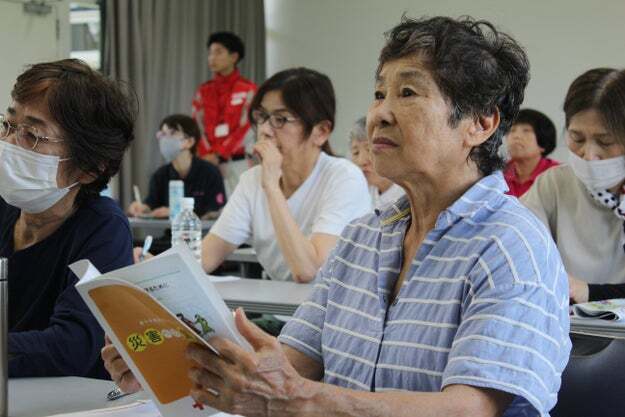
東日本大震災から15年となる3月11日を前に、日本赤十字社は全国の10~60代以上の男女1200人を対象にアンケート調査を行いました。
震災の記憶や継承、防災行動などに関する意識や行動を調査し、「日本赤十字社『東日本大震災15年に関する意識調査(2026年)』」として結果を公表。2月17日のプレスリリースをもとに紹介します。
東日本大震災から15年となる3月11日を前に、日本赤十字社は全国の10~60代以上の男女1200人を対象にアンケート調査を行いました。 震災の記憶や継承、防災行動などに関する意識や行動を調査し、「日本赤十字社『東日本大震災15年に関する意識調査(2026年)』」として結果を公表。2月17日のプレスリリースをもとに紹介します。
「東日本大震災が人生に影響を与えた程度」についての質問では「大きな影響を与えた」が20.3%、「少し影響を与えた」が42.2%で合わせて約6割となりました。 具体的な影響を尋ねたところ、最も多かったのは「防災意識を持つことの大切さを実感した」で53.6%、次いで「いのちの大切さや尊さを実感した」が50.3%、「原発やエネルギー施策について考えるようになった」が38.7%という結果に。
「東日本大震災に関する記憶」についての質問では「部分的に覚えている」が40.3%で最も多く、次いで「鮮明に覚えている」が28.1%、「あまり覚えていない」が16.8%、「まったく覚えていない」が14.9%でした。 一方、「東日本大震災は防災関連の取り組みや意識を高める上で、忘れてはならない災害だと思うか」との質問では80.3%の人が「思う」と回答しています。
「東日本大震災の復興状況」の認識についても質問したところ、「おおむね完了している」が49.7%で最も多く、次いで「あまり進んでいない」が39.4%、「全く進んでいない」が7.5%、「既に完了している」が3.4%という結果に。 なお、被災3県(岩手、宮城、福島)と主要都市(東京、愛知、大阪、福岡)の計500人を対象に2020年12月に行った調査では、「復興は未だに途上である」が66.2%で最も多く、「復興は概ね済んでいる」は22.2%だったとのことです。
「東日本大震災の教訓が現在の災害対応に継承されているかどうか」の質問では、「十分継承されている」と考える人は11.7%、「ある程度継承されている」が60.3%、「あまり継承されていない」は20.0%、「全く継承されていない」は8.1%でした。 「継承されていない」と考える人の理由は、「災害が起きるたびに似たような問題提起がされるから」が35.0%で最も多く、次いで「メディアで扱われる機会が減ったから」が31.5%、「日常生活に戻って振り返る機会が減ったから」が28.2%でした。
「東日本大震災と同程度の地震や災害が仮に起きた場合」について、自身の対策や備えが「十分だと思う」と答えた人は2.0%、「ある程度できていると思う」が18.5%、「あまりできていないと思う」が48.9%、「全くできていないと思う」が20.3%でした。 この結果を受け、日本赤十字社は「重要なのは『いつ起きてもおかしくない』という意識をもとに、日頃の備えに取り組んでおくこと」とした上で、「想定を超えるような災害に対して、個々が十分な備えを講じることには難しい面もあります」とコメント。 「だからこそ、『自身に足りていないことは何か』『周りと助け合うべきことは何か』について考え、行動することが、防災・減災において重要な自助・共助に取り組む第一歩になる」としています。
調査名:東日本大震災15年に関する意識調査(2026年) 調査対象:日本の男女1200人(10~60代以上の男女各100人) 調査方法:インターネット調査 調査機関:楽天インサイト株式会社(調査委託) 調査期間:2026年1月
東日本大震災から15年となる3月11日を前に、日本赤十字社は全国の10~60代以上の男女1200人を対象にアンケート調査を行いました。 震災の記憶や継承、防災行動などに関する意識や行動を調査し、「日本赤十字社『東日本大震災15年に関する意識調査(2026年)』」として結果を公表。2月17日のプレスリリースをもとに紹介します。
「東日本大震災が人生に影響を与えた程度」についての質問では「大きな影響を与えた」が20.3%、「少し影響を与えた」が42.2%で合わせて約6割となりました。 具体的な影響を尋ねたところ、最も多かったのは「防災意識を持つことの大切さを実感した」で53.6%、次いで「いのちの大切さや尊さを実感した」が50.3%、「原発やエネルギー施策について考えるようになった」が38.7%という結果に。
「東日本大震災に関する記憶」についての質問では「部分的に覚えている」が40.3%で最も多く、次いで「鮮明に覚えている」が28.1%、「あまり覚えていない」が16.8%、「まったく覚えていない」が14.9%でした。 一方、「東日本大震災は防災関連の取り組みや意識を高める上で、忘れてはならない災害だと思うか」との質問では80.3%の人が「思う」と回答しています。
「東日本大震災の復興状況」の認識についても質問したところ、「おおむね完了している」が49.7%で最も多く、次いで「あまり進んでいない」が39.4%、「全く進んでいない」が7.5%、「既に完了している」が3.4%という結果に。 なお、被災3県(岩手、宮城、福島)と主要都市(東京、愛知、大阪、福岡)の計500人を対象に2020年12月に行った調査では、「復興は未だに途上である」が66.2%で最も多く、「復興は概ね済んでいる」は22.2%だったとのことです。
「東日本大震災の教訓が現在の災害対応に継承されているかどうか」の質問では、「十分継承されている」と考える人は11.7%、「ある程度継承されている」が60.3%、「あまり継承されていない」は20.0%、「全く継承されていない」は8.1%でした。 「継承されていない」と考える人の理由は、「災害が起きるたびに似たような問題提起がされるから」が35.0%で最も多く、次いで「メディアで扱われる機会が減ったから」が31.5%、「日常生活に戻って振り返る機会が減ったから」が28.2%でした。
「東日本大震災と同程度の地震や災害が仮に起きた場合」について、自身の対策や備えが「十分だと思う」と答えた人は2.0%、「ある程度できていると思う」が18.5%、「あまりできていないと思う」が48.9%、「全くできていないと思う」が20.3%でした。 この結果を受け、日本赤十字社は「重要なのは『いつ起きてもおかしくない』という意識をもとに、日頃の備えに取り組んでおくこと」とした上で、「想定を超えるような災害に対して、個々が十分な備えを講じることには難しい面もあります」とコメント。 「だからこそ、『自身に足りていないことは何か』『周りと助け合うべきことは何か』について考え、行動することが、防災・減災において重要な自助・共助に取り組む第一歩になる」としています。
調査名:東日本大震災15年に関する意識調査(2026年) 調査対象:日本の男女1200人(10~60代以上の男女各100人) 調査方法:インターネット調査 調査機関:楽天インサイト株式会社(調査委託) 調査期間:2026年1月
Vocabulary
General
Proper noun
JLPT N2
JLPT N1
| # | 言葉 | 意味 |
|---|---|---|
| 11 | 東日本大震災 | ひがしにほんだいしんさい (東日本大震災) : Great East Japan earthquake (March 11, 2011); Tōhoku earthquake; Tohoku earthquake; Sendai earthquake |
| 11 | 調査 | ちょうさ (調査) : investigation; examination; inquiry; enquiry; survey |
| 8 | 継承 | けいしょう (継承) : 1. inheritance; succession; accession 2. share-alike |
| 6 | 関する | かんする (関する) : to concern; to be related |
| 5 | 日本赤十字社 | にほんせきじゅうじしゃ (日本赤十字社) : Japanese Red Cross Society; JRC (organization) |
| 5 | 行動 | こうどう (行動) : action; conduct; behaviour; behavior; mobilization; mobilisation |
| 5 | 結果 | けっか (結果) : 1. result; consequence; outcome; effect 2. coming to fruition; bearing fruit |
| 5 | 最も | もっとも (最も) : most; extremely |
| 5 | 災害 | さいがい (災害) : calamity; disaster; misfortune |
| 4 | 男女 | だんじょ (男女) : men and women; man and woman; both sexes; both genders |
| 4 | 防災 | ぼうさい (防災) : disaster preparedness; prevention of damage resulting from a natural disaster; protection against disaster |
| 4 | 意識 | いしき (意識) : 1. consciousness 2. becoming aware (of); awareness; sense |
| 4 | 影響 | えいきょう (影響) : 1. influence; effect 2. to influence; to affect; to have an influence on; to impact; to have an effect on |
| 4 | 程度 | ていど (程度) : degree; amount; grade; standard; of the order of (following a number); about; approximately |
| 4 | 次いで | ついで (次いで) : next; secondly; subsequently |
| 4 | 覚える | おぼえる (覚える) : 1. to memorize; to memorise; to commit to memory; to learn by heart; to bear in mind; to remember 2. to learn; to pick up; to acquire |
| 3 | 対象 | たいしょう (対象) : target; object (of worship, study, etc.); subject (of taxation, etc.) |
| 3 | 記憶 | きおく (記憶) : 1. memory; recollection; remembrance 2. storage |
| 3 | 意識調査 | いしきちょうさ (意識調査) : attitude survey; opinion poll |
| 3 | もと | もと (元) : 1. origin; source 2. base; basis; foundation; root |
| 3 | 与える | あたえる (与える) : 1. to give (esp. to someone of lower status); to bestow; to grant; to confer; to present; to award 2. to provide; to afford; to offer; to supply |
| 3 | 復興 | ふっこう (復興) : revival; reconstruction; restoration; rebuilding; recovery; renaissance |
| 3 | 全く | まったく (全く) : 1. really; truly; entirely; completely; wholly; perfectly 2. indeed |
| 3 | 備え | そなえ (備え) : preparation; provision; guarding |
| 2 | 全国 | ぜんこく (全国) : the whole country |
| 2 | 震災 | しんさい (震災) : 1. earthquake disaster 2. Great Kanto Earthquake (1923) |
| 2 | 公表 | こうひょう (公表) : official announcement; proclamation |
| 2 | 実感 | じっかん (実感) : 1. real feeling; actual feeling 2. to actually feel; to have a real feeling (that ...); to experience personally |
| 2 | 完了 | かんりょう (完了) : 1. completion; conclusion 2. perfect (tense, form, aspect) |
| 2 | 進む | すすむ (進む) : 1. to advance; to go forward 2. to precede; to go ahead (of) |
| 2 | 減る | へる (減る) : to decrease (in size or number); to diminish; to abate |
| 2 | 起きる | おきる (起きる) : 1. to get up; to rise; to blaze up (fire) 2. to wake up; to be awake; to stay awake |
| 2 | 自身 | じしん (自身) : (one's) self; oneself |
| 2 | 重要 | じゅうよう (重要) : important; momentous; essential; principal; major |
| 2 | 取り組む | とりくむ (取り組む) : 1. to grapple with; to wrestle with; to engage in a bout; to be matched against 2. to tackle (e.g. a problem); to come to grips with; to work hard on |
| 1 | 人生 | じんせい (人生) : (human) life (i.e. conception to death) |
| 1 | 合わせる | あわせる (合わせる) : 1. to match (rhythm, speed, etc.) 2. to join together; to unite; to combine; to add up |
| 1 | 割 | わり (割り) : 1. rate; ratio; proportion; percentage 2. profit |
| 1 | 具体的 | ぐたいてき (具体的) : concrete; definite; specific; material; substantial |
| 1 | 尋ねる | たずねる (尋ねる) : 1. to ask; to enquire; to inquire 2. to search; to look for; to look into; to investigate |
| 1 | いのち | いのち (命) : 1. life; life force 2. lifetime; lifespan |
| 1 | 尊 | そん (尊) : 1. zun (ancient Chinese wine vessel, usu. made of bronze) 2. honorific prefix referring to the listener |
| 1 | 原発 | げんぱつ (原発) : 1. nuclear power plant; nuclear power generation 2. primary (e.g. primary immunodeficiency syndrome) |
| 1 | 施策 | しさく (施策) : policy; measure |
| 1 | 部分的 | ぶぶんてき (部分的) : partial |
| 1 | 鮮明 | せんめい (鮮明) : vivid; clear; distinct |
| 1 | まったく | まったく (全く) : 1. really; truly; entirely; completely; wholly; perfectly 2. indeed |
| 1 | 関連 | かんれん (関連) : relation; connection; relevance |
| 1 | 取り組み | とりくみ (取り組み) : 1. bout (in sports, etc.); match 2. effort; initiative; dealing with; grappling with; wrestling with |
| 1 | 高める | たかめる (高める) : to raise; to lift; to boost; to enhance |
| 1 | 回答 | かいとう (回答) : reply; answer |
| 1 | 状況 | じょうきょう (状況) : state of affairs (around you); situation; circumstances |
| 1 | 認識 | にんしき (認識) : recognition; awareness; perception; understanding; knowledge; cognition; cognizance; cognisance |
| 1 | おおむね | おおむね (概ね) : 1. in general; generally; mostly; roughly; largely; mainly; on the whole; by and large 2. gist; point; main idea |
| 1 | 既に | すでに (既に) : already; too late |
| 1 | なお | なお (尚) : 1. still; yet 2. more; still more; greater; further |
| 1 | 被災 | ひさい (被災) : being a victim of (some disaster); suffering from |
| 1 | 県 | けん (県) : prefecture (Japan); county (China, Taiwan, Norway, etc.); department (France); province (Italy, Spain, etc.) |
| 1 | 岩手 | いわて (岩手) : Iwate (prefecture) |
| 1 | 宮城 | きゅうじょう (宮城) : Imperial Palace (esp. from 1888 to 1946) |
| 1 | 福島 | ふくしま (福島) : Fukushima (city, prefecture) |
| 1 | 主要都市 | しゅようとし (主要都市) : major city |
| 1 | 東京 | とうきょう (東京) : Tokyo |
| 1 | 愛知 | あいち (愛知) : Aichi (prefecture) |
| 1 | 大阪 | おおさか (大阪) : 1. Osaka (city, prefecture) 2. large hill |
| 1 | 福岡 | ふくおか (福岡) : Fukuoka (city, prefecture) |
| 1 | 未だ | まだ (未だ) : 1. still; as yet; only 2. (not) yet |
| 1 | 途上 | とじょう (途上) : 1. on the way; en route 2. in the process of (development, construction, etc.); in the middle of |
| 1 | 概ね | おおむね (概ね) : 1. in general; generally; mostly; roughly; largely; mainly; on the whole; by and large 2. gist; point; main idea |
| 1 | 済む | すむ (済む) : 1. to finish; to end; to be completed 2. to merely result in something less severe than expected |
| 1 | 教訓 | きょうくん (教訓) : lesson; precept; teachings; moral |
| 1 | 現在 | げんざい (現在) : now; current; present; present time; as of |
| 1 | 対応 | たいおう (対応) : 1. correspondence (to); equivalence 2. suitability; coordination; matching; being appropriate (for) |
| 1 | たび | たび (足袋) : tabi; Japanese socks (with split toe) |
| 1 | 似る | にる (似る) : to resemble; to look like; to be like; to be alike; to be similar; to take after |
| 1 | 問題提起 | もんだいていき (問題提起) : raising a question; posing a problem; setting a hare running |
| 1 | 扱う | あつかう (扱う) : 1. to deal with (a person); to treat; to handle; to take care of; to entertain 2. to deal with (a problem); to handle; to manage |
| 1 | 日常生活 | にちじょうせいかつ (日常生活) : everyday life; daily life |
| 1 | 戻る | もどる (戻る) : 1. to turn back (e.g. half-way) 2. to return; to go back |
| 1 | 振り返る | ふりかえる (振り返る) : 1. to turn one's head; to look over one's shoulder; to turn around; to look back 2. to think back (on); to reminisce; to look back (on); to reflect (on) |
| 1 | 仮 | け (仮) : lacking substance and existing in name only; something without substance |
| 1 | 対策 | たいさく (対策) : measure; step; countermeasure; counterplan; countermove; strategy; preparation (e.g. for a test) |
| 1 | 答える | こたえる (答える) : to answer; to reply |
| 1 | 日頃 | ひごろ (日ごろ) : normally; habitually |
| 1 | 想定 | そうてい (想定) : hypothesis; supposition; assumption |
| 1 | 超える | こえる (越える) : 1. to cross over; to cross; to pass through; to pass over (out of); to go beyond; to go past 2. to exceed; to surpass; to be more (than) |
| 1 | 個々 | ここ (個々) : individual; one by one; separate; each |
| 1 | 講じる | こうじる (講じる) : 1. to take measures; to work out a plan 2. to lecture; to read aloud |
| 1 | 面 | おもて (面) : 1. face 2. surface |
| 1 | こそ | こそ : 1. it is ... that ...; precisely; in particular; definitely; for sure; only (when, after, because, etc.) 2. although; while; it is the case that ... but |
| 1 | 足りる | たりる (足りる) : 1. to be sufficient; to be enough 2. to be worth doing; to be worthy of; to deserve |
| 1 | 助け合う | たすけあう (助け合う) : to help each other; to cooperate |
| 1 | 考える | かんがえる (考える) : 1. to think (about, of); to think over; to ponder; to contemplate; to reflect (on); to meditate (on) 2. to consider; to bear in mind; to allow for; to take into consideration |
| 1 | 減災 | げんさい (減災) : natural disaster reduction; reduction of the effects of a natural disaster |
| 1 | 自助 | じじょ (自助) : self-help; self-reliance |
| 1 | 共助 | きょうじょ (共助) : cooperation |
| 1 | 第 | だい (第) : prefix for forming ordinal numbers |
| 1 | 各 | かく (各) : each; every; all |
| 1 | 方法 | ほうほう (方法) : method; process; manner; way; means; technique |
| 1 | 機関 | からくり (絡繰り) : 1. mechanism; machinery; contrivance; device 2. trick; dodge |
| 1 | 楽天 | らくてん (楽天) : optimism |
| 1 | 株式会社 | かぶしきがいしゃ (株式会社) : stock company; corporation; kabushiki kaisha; KK |
| 1 | 委託 | いたく (委託) : entrusting (something to a person); consignment (of goods); putting in someone's charge; trust; commission |
| 1 | 期間 | きかん (期間) : period; term; interval |