IPC会長「選手を政治の影響から守る」国際情勢緊迫化で
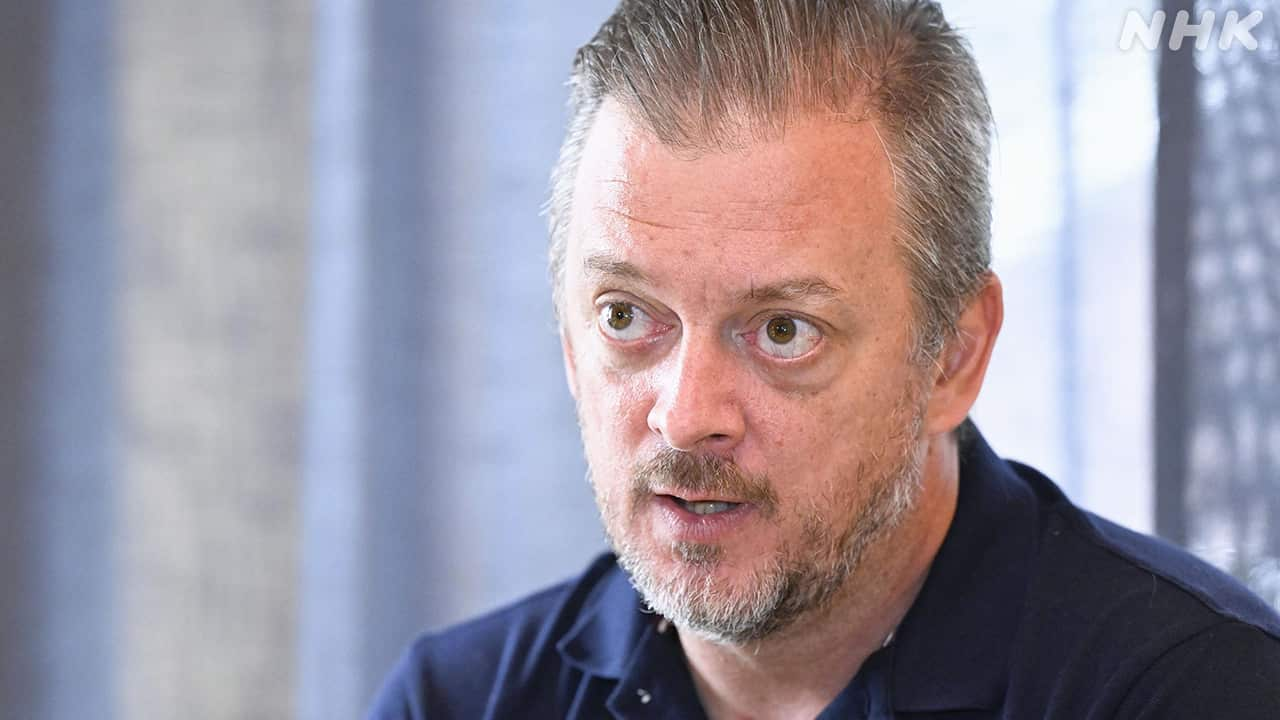
ミラノ・コルティナパラリンピックの閉会式を前にIPC=国際パラリンピック委員会のパーソンズ会長が記者会見に臨み、国際情勢が緊迫化するなかで開かれた大会を踏まえ「重要なのは選手を政治の影響から守ることだ。私たちの役割は選手の体験を守ることだ」と今後への決意を示しました。
ミラノ・コルティナ大会はウクライナへの軍事侵攻を続けるロシアとその同盟国のベラルーシの選手が国の代表として出場し、これに反発した7つの国が政治的な理由で開会式に参加しませんでした。
パーソンズ会長はこうした事態が起きたことを踏まえ「IPCの会長として私は政治の影響から選手を守りたい。スポーツはすべての人々に開かれたものであるべきだ。私たちの役割は選手の体験を守ることだ」と今後の大会に向けた決意を示しました。
そして「世界の政治状況など困難な背景があったが、選手は競技に集中し、大会を成功させた。スポーツを通じてインクルーシブな世界を目指すというパラリンピックの理念を示すことができた」と10日間の大会を振り返りました。
また、IPCは15日の夜に行われる閉会式について「政治的な理由で参加しないと正式に通知してきたパラリンピック委員会はない」と説明しました。
ミラノ・コルティナ大会はウクライナへの軍事侵攻を続けるロシアとその同盟国のベラルーシの選手が国の代表として出場し、これに反発した7つの国が政治的な理由で開会式に参加しませんでした。
パーソンズ会長はこうした事態が起きたことを踏まえ「IPCの会長として私は政治の影響から選手を守りたい。スポーツはすべての人々に開かれたものであるべきだ。私たちの役割は選手の体験を守ることだ」と今後の大会に向けた決意を示しました。
そして「世界の政治状況など困難な背景があったが、選手は競技に集中し、大会を成功させた。スポーツを通じてインクルーシブな世界を目指すというパラリンピックの理念を示すことができた」と10日間の大会を振り返りました。
また、IPCは15日の夜に行われる閉会式について「政治的な理由で参加しないと正式に通知してきたパラリンピック委員会はない」と説明しました。
Vocabulary
General
Proper noun
JLPT N2
JLPT N1
| # | 言葉 | 意味 |
|---|---|---|
| 6 | 選手 | せんしゅ (選手) : player (sports); athlete; team member |
| 5 | 大会 | たいかい (大会) : 1. mass meeting; convention; rally; conference; assembly; gathering 2. tournament; competition; contest; meet |
| 4 | 守る | まもる (守る) : 1. to protect; to guard; to defend 2. to keep (i.e. a promise); to abide (by the rules); to observe; to obey; to follow |
| 3 | 会長 | かいちょう (会長) : president (of a society); chairman |
| 3 | 示す | しめす (示す) : 1. to (take out and) show; to demonstrate; to tell; to exemplify; to make apparent 2. to point out (finger, clock hand, needle, etc.) |
| 2 | 閉会式 | へいかいしき (閉会式) : closing ceremony |
| 2 | 開く | ひらく (開く) : 1. to open; to undo; to unseal; to unpack 2. to bloom; to unfold; to spread out |
| 2 | 踏まえる | ふまえる (踏まえる) : 1. to be based on; to take into account; to build upon; to have origin in 2. to have one's feet firmly planted on; to plant oneself on |
| 2 | 影響 | えいきょう (影響) : 1. influence; effect 2. to influence; to affect; to have an influence on; to impact; to have an effect on |
| 2 | 私たち | わたしたち (私たち) : we; us |
| 2 | 役割 | やくわり (役割) : part; assigning (allotment of) parts; role; duties |
| 2 | 体験 | たいけん (体験) : (practical) experience; personal experience; hands-on experience; first-hand experience |
| 2 | 今後 | こんご (今後) : from now on; hereafter |
| 2 | 決意 | けつい (決意) : decision; determination; resolution |
| 2 | 政治的 | せいじてき (政治的) : political |
| 2 | 参加 | さんか (参加) : participation; joining; entry; adherence |
| 1 | 国際 | こくさい (国際) : 1. international 2. diplomatic intercourse |
| 1 | 記者会見 | きしゃかいけん (記者会見) : press conference |
| 1 | 臨む | のぞむ (臨む) : 1. to look out on; to overlook; to front onto 2. to face (a situation, crisis, etc.); to meet (e.g. death); to be confronted by |
| 1 | 情勢 | じょうせい (情勢) : state of things; state of affairs; condition; situation; circumstances |
| 1 | 緊迫 | きんぱく (緊迫) : tension; strain |
| 1 | 化 | か (化) : action of making something; -ification |
| 1 | 重要 | じゅうよう (重要) : important; momentous; essential; principal; major |
| 1 | 同盟国 | どうめいこく (同盟国) : ally (of another nation) |
| 1 | 代表 | だいひょう (代表) : 1. representative; representation; delegation; type; example; model 2. switchboard number; main number |
| 1 | 出場 | しゅつじょう (出場) : 1. (stage) appearance; performance 2. participation (e.g. in a tournament) |
| 1 | 反発 | はんぱつ (反発) : 1. opposition; rebellion; revolt; resistance; backlash; refusal 2. rebounding; recoiling; repulsion |
| 1 | 開会式 | かいかいしき (開会式) : opening ceremony |
| 1 | 事態 | じたい (事態) : situation; (present) state of affairs; circumstances |
| 1 | 起きる | おきる (起きる) : 1. to get up; to rise; to blaze up (fire) 2. to wake up; to be awake; to stay awake |
| 1 | 人々 | ひとびと (人々) : 1. people; men and women 2. each person; everybody |
| 1 | 状況 | じょうきょう (状況) : state of affairs (around you); situation; circumstances |
| 1 | 困難 | こんなん (困難) : 1. difficulty; hardship; trouble; distress 2. infeasibility; inability (to carry out) |
| 1 | 背景 | はいけい (背景) : 1. background; scenery; backdrop; setting 2. background (of an incident, situation, etc.); circumstances; context |
| 1 | 競技 | きょうぎ (競技) : game; match; contest |
| 1 | 集中 | しゅうちゅう (集中) : 1. concentration; focusing; convergence; centralization; integration; gathering together 2. within a collection of works |
| 1 | 成功 | せいこう (成功) : success; hit |
| 1 | 通ずる | つうずる (通ずる) : 1. to be open (to traffic); to lead to; to communicate (with) 2. to flow (liquid, current); to pass; to get through to |
| 1 | 目指す | めざす (目指す) : 1. to aim at (for, to do, to become); to try for; to have an eye on 2. to go toward; to head for |
| 1 | 理念 | りねん (理念) : (Platonic) ideal (of how things ought to be, e.g. human rights); foundational principle; idea; conception (e.g. of the university); doctrine; ideology |
| 1 | 日間 | ひあい (日間) : 1. number of days; period of days 2. daily interest rate |
| 1 | 振り返る | ふりかえる (振り返る) : 1. to turn one's head; to look over one's shoulder; to turn around; to look back 2. to think back (on); to reminisce; to look back (on); to reflect (on) |
| 1 | 正式 | せいしき (正式) : due form; official; formality |
| 1 | 通知 | つうち (通知) : notice; notification; report; posting |
| 1 | 委員会 | いいんかい (委員会) : committee; commission; board; panel; committee meeting |