知床沖 観光船事故裁判 運航会社社長「安全管理に至らなかったことがあった」
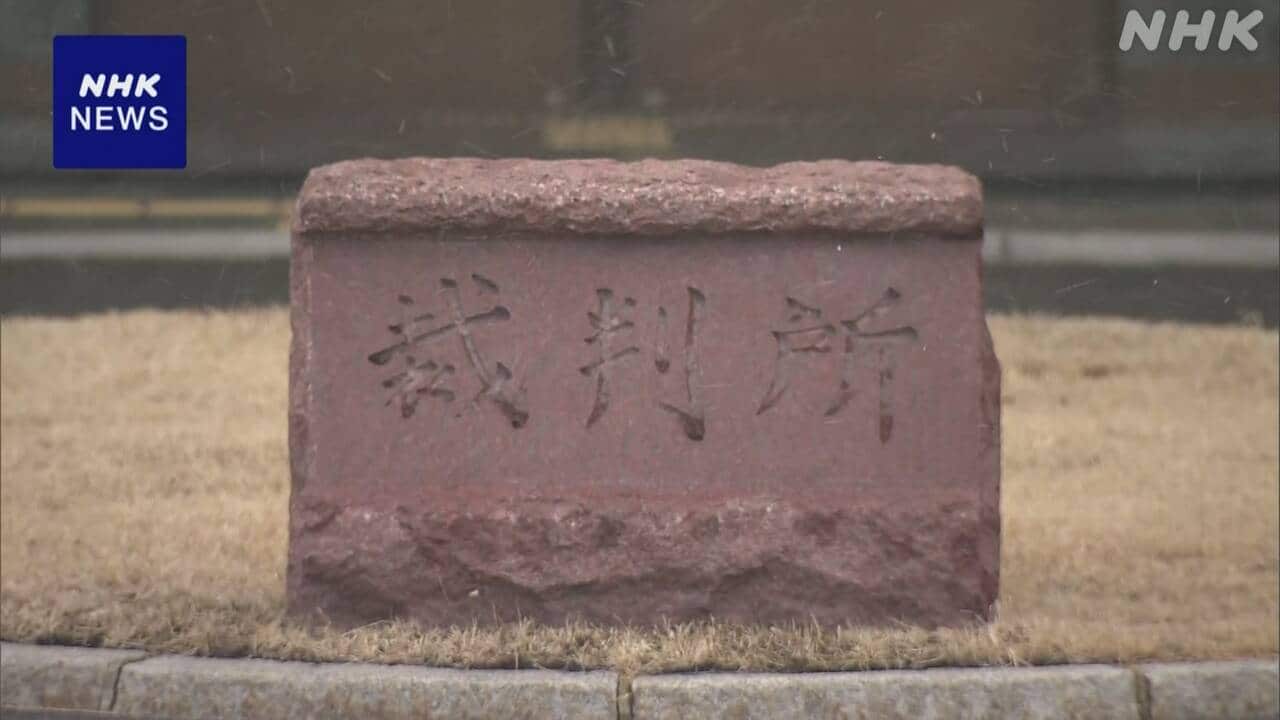
知床半島沖で観光船が沈没し、乗客と乗員あわせて20人が死亡し6人が行方不明になっている事故の裁判で、被害者家族が運航会社の社長に直接質問し、社長は「安全管理に問題がなかったか自問自答していましたが、至らなかったことがありました」と述べました。
2022年4月、知床半島の沖合で観光船「KAZU 1」が沈没した事故で、船を運航していた「知床遊覧船」の社長、桂田精一被告(62)が安全や運航の管理者として事故を未然に防ぐ義務を怠り、船を沈没させたとして、業務上過失致死の罪に問われ、社長側は無罪を主張しています。
4日、釧路地方裁判所で開かれた裁判で被告人質問が行われ、被害者参加制度を使って家族などが質問しました。
このうち事故で亡くなった伊藤嘉通さん(当時51)の弟が責任の所在について尋ねると、桂田社長は「経営者として安全管理に問題がなかったか、4年間、自問自答していましたが、至らなかったことがありました。申し訳ございませんでした」と述べました。
また、当時7歳の息子と元妻の行方が分かっていない男性が、「自分より先に子どもが亡くなる事実をどのように想像しますか」と涙ながらに質問すると、社長は「喪失感でいっぱいになると思います」と答えました。
2022年4月、知床半島の沖合で観光船「KAZU 1」が沈没した事故で、船を運航していた「知床遊覧船」の社長、桂田精一被告(62)が安全や運航の管理者として事故を未然に防ぐ義務を怠り、船を沈没させたとして、業務上過失致死の罪に問われ、社長側は無罪を主張しています。
4日、釧路地方裁判所で開かれた裁判で被告人質問が行われ、被害者参加制度を使って家族などが質問しました。
このうち事故で亡くなった伊藤嘉通さん(当時51)の弟が責任の所在について尋ねると、桂田社長は「経営者として安全管理に問題がなかったか、4年間、自問自答していましたが、至らなかったことがありました。申し訳ございませんでした」と述べました。
また、当時7歳の息子と元妻の行方が分かっていない男性が、「自分より先に子どもが亡くなる事実をどのように想像しますか」と涙ながらに質問すると、社長は「喪失感でいっぱいになると思います」と答えました。
Vocabulary
General
Proper noun
JLPT N2
JLPT N1
| # | 言葉 | 意味 |
|---|---|---|
| 3 | 沈没 | ちんぼつ (沈没) : 1. sinking; foundering; going down; submersion 2. getting dead drunk |
| 3 | 運航 | うんこう (運航) : operating (e.g. ships, aircraft) |
| 2 | 知床半島 | しれとこはんとう (知床半島) : Shiretoko Peninsula (place) |
| 2 | 裁判 | さいばん (裁判) : trial; judgement; judgment |
| 2 | 被害者 | ひがいしゃ (被害者) : victim; injured party; sufferer |
| 2 | 管理 | かんり (管理) : control; management (e.g. of a business) |
| 2 | 自問自答 | じもんじとう (自問自答) : answering one's own question; wondering to oneself; soliloquizing; soliloquising |
| 2 | 至る | いたる (至る) : 1. to arrive at (e.g. a decision); to reach (a stage); to attain 2. to lead to (a place); to get to |
| 2 | 述べる | のべる (述べる) : to state; to express; to mention |
| 2 | 船 | ふね (船) : 1. ship; boat; watercraft; vessel; seaplane 2. tank; tub; vat; trough |
| 2 | 桂田 | かつらた (桂田) : Katsurata (unclass) |
| 2 | 当時 | とうじ (当時) : at that time; in those days |
| 1 | 沖 | おき (沖) : 1. open sea 2. Okinawa |
| 1 | 乗客 | じょうきゃく (乗客) : passenger |
| 1 | 乗員 | じょういん (乗員) : crew |
| 1 | あわせる | あわせる (会わせる) : 1. to make (someone) to meet; to let (someone) meet 2. to expose to; to subject to |
| 1 | 死亡 | しぼう (死亡) : 1. death; mortality 2. to die; to pass away |
| 1 | 行方不明 | ゆくえふめい (行方不明) : missing (of a person); lost; unaccounted for; whereabouts unknown |
| 1 | 家族 | かぞく (家族) : family; members of a family |
| 1 | 直接 | ちょくせつ (直接) : direct; immediate; personal; firsthand |
| 1 | 沖合 | おきあい (沖合) : off the coast; offshore; out at sea |
| 1 | 知床 | しれとこ (知床) : Shiretoko (place) |
| 1 | 遊覧船 | ゆうらんせん (遊覧船) : pleasure cruise; sightseeing boat; excursion boat |
| 1 | 精一 | せいいつ (精一) : purity |
| 1 | 被告 | ひこく (被告) : defendant; the accused |
| 1 | 管理者 | かんりしゃ (管理者) : 1. manager; landlord; warden; superintendent; supervisor; custodian 2. root (user) |
| 1 | 未然 | みぜん (未然) : before it happens; previously |
| 1 | 防ぐ | ふせぐ (防ぐ) : 1. to defend against; to protect against 2. to prevent; to avert; to avoid |
| 1 | 義務 | ぎむ (義務) : duty; obligation; responsibility |
| 1 | 怠る | おこたる (怠る) : to be negligent in doing something; to shirk; to be off one's guard |
| 1 | 業務上 | ぎょうむじょう (業務上) : job-related; in the course of one's work |
| 1 | 過失致死 | かしつちし (過失致死) : involuntary manslaughter; accidental homicide; negligent homicide |
| 1 | 罪 | つみ (罪) : 1. crime; sin; wrongdoing; indiscretion 2. penalty; sentence; punishment |
| 1 | 問う | とう (問う) : 1. to ask; to inquire 2. to blame (someone) for; to accuse of; to pursue (question of responsibility); to charge with |
| 1 | 無罪 | むざい (無罪) : innocence; being not guilty |
| 1 | 主張 | しゅちょう (主張) : claim; insistence; assertion; advocacy; emphasis; contention; opinion; tenet |
| 1 | 釧路 | くしろ (釧路) : Kushiro (place) |
| 1 | 地方裁判所 | ちほうさいばんしょ (地方裁判所) : district court; local court |
| 1 | 開く | ひらく (開く) : 1. to open; to undo; to unseal; to unpack 2. to bloom; to unfold; to spread out |
| 1 | 被告人 | ひこくにん (被告人) : accused; defendant; prisoner at the bar |
| 1 | 参加 | さんか (参加) : participation; joining; entry; adherence |
| 1 | 制度 | せいど (制度) : system; institution; organization; organisation |
| 1 | 亡くなる | なくなる (亡くなる) : to die |
| 1 | 伊藤 | いと (伊藤) : Ito (unclass) |
| 1 | 嘉通 | よしみち (嘉通) : Yoshimichi (given) |
| 1 | 責任 | せきにん (責任) : 1. duty; responsibility (incl. supervision of staff) 2. liability; onus |
| 1 | 所在 | しょざい (所在) : whereabouts; place where one is; position; location |
| 1 | 経営者 | けいえいしゃ (経営者) : manager; proprietor |
| 1 | 年間 | ねんかん (年間) : 1. (period of) a year 2. during an era |
| 1 | 申し訳 | もうしわけ (申し訳) : apology; excuse |
| 1 | 元妻 | もとつま (元妻) : ex-wife; former wife |
| 1 | 行方 | ゆくえ (行方) : 1. (one's) whereabouts 2. outcome |
| 1 | 分かる | わかる (分かる) : 1. to understand; to comprehend; to grasp; to see; to get; to follow 2. to become clear; to be known; to be discovered; to be realized; to be realised; to be found out |
| 1 | 子ども | こども (子供) : child |
| 1 | 事実 | じじつ (事実) : fact; truth; reality |
| 1 | 想像 | そうぞう (想像) : imagination; guess |
| 1 | 涙 | なみだ (涙) : 1. tear; tears; lachrymal secretion 2. sympathy |
| 1 | 喪失感 | そうしつかん (喪失感) : sense of loss; feeling of loss |
| 1 | 答える | こたえる (答える) : to answer; to reply |