イラン モジタバ師 “初の声明”で徹底抗戦を呼びかけ
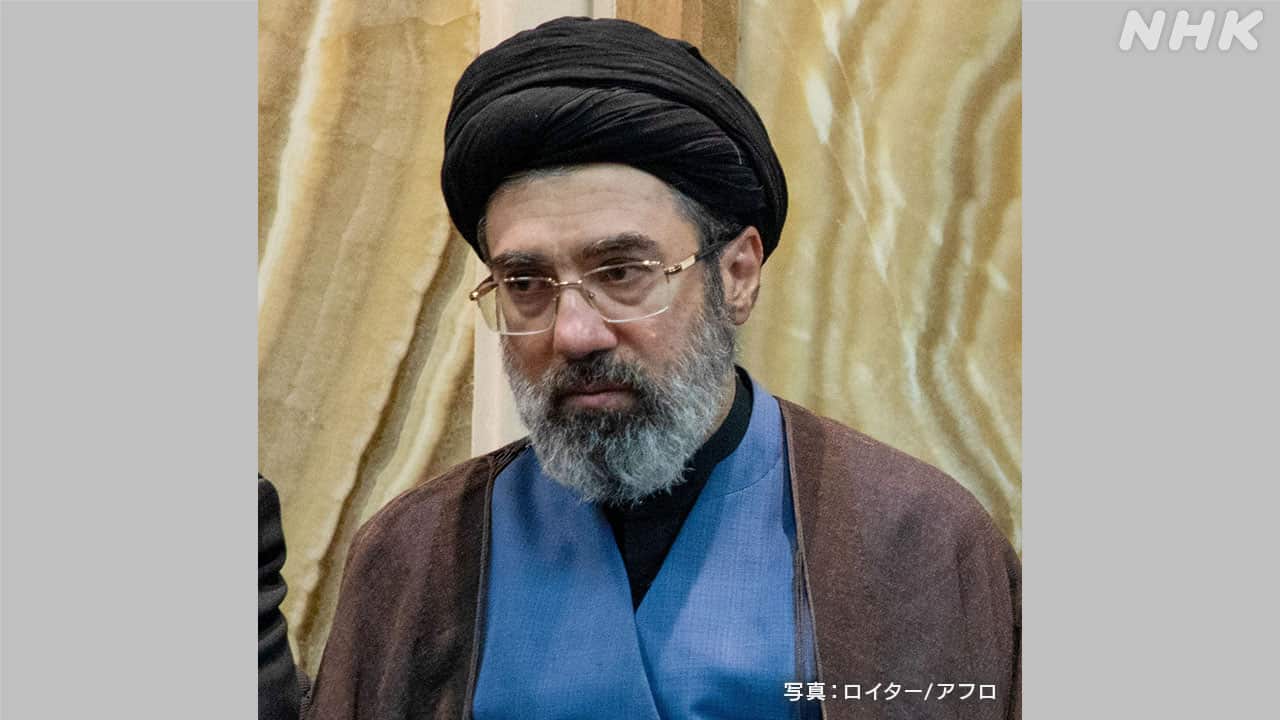
イランの新しい最高指導者モジタバ師のものとする初めての声明が12日発表され、アメリカとイスラエルによる攻撃に徹底抗戦を呼びかけました。これに対してイスラエルのネタニヤフ首相はモジタバ師を標的にする可能性を示しているほか、隣国レバノンでもイランの支援勢力との戦闘を続けていて、攻撃の応酬が激しくなっています。
イランの国営テレビは12日、アメリカとイスラエルによる軍事作戦で殺害されたハメネイ師の後継者で、新しい最高指導者に選出されたモジタバ師のものとする初めての声明をアナウンサーが読み上げる形で公開しました。
この中で、モジタバ師は「この地域のアメリカ軍基地は即時に閉鎖されるべきであり、攻撃されるだろう」として徹底抗戦の構えを強調しました。
さらに軍事作戦が始まった先月28日、イラン南部の小学校が攻撃され、児童など160人以上が死亡したとされることついて「必ず報復する」としています。
イランの革命防衛隊は、モジタバ師の声明が発表された直後に「最高司令官からの命令を受け侵略者に最も大きな打撃を与える」と声明を発表したほか、最高安全保障委員会のラリジャニ事務局長もSNSで「この重大な誤算を後悔させるまで、われわれは容赦しない」として軍事作戦を強くけん制しました。
これに対してイスラエルのネタニヤフ首相は12日に行った会見でモジタバ師について「テロ組織の指導者に生命保険はかけられない」などと述べて、今後モジタバ師を標的にする可能性を示唆しました。
アメリカのトランプ大統領はこれまでのところモジタバ師の声明に反応を示していませんが、「イランは恐怖と憎しみの国で、まさにいま大きな代償を支払っている」と主張し、双方が攻撃を緩める姿勢を見せない中、事態の長期化への懸念が一段と強まっています。
一方、イスラエルの隣国レバノンでは、イランが支援するヒズボラとイスラエルとの間で戦闘が続いています。
ヒズボラは最高指導者ハメネイ師が殺害されたことへの報復としてイスラエル北部を攻撃したのに対し、イスラエル軍もレバノン各地でヒズボラの拠点などを空爆しています。
イスラエルのカッツ国防相は12日、レバノン政府がヒズボラを止められないのであれば「われわれが領土を制圧して実行する」などと述べ、大規模な地上侵攻の可能性を示唆しました。
レバノン当局によりますと、イスラエル軍の攻撃によって12日までに687人が死亡し、1774人がけがをしたほか、各地で81万人以上が避難を余儀なくされているということです。
アメリカとイスラエルによるイランでの軍事作戦がレバノンにも飛び火する形となり攻撃の応酬が激しくなっています。
イランの国営テレビは12日、アメリカとイスラエルによる軍事作戦で殺害されたハメネイ師の後継者で、新しい最高指導者に選出されたモジタバ師のものとする初めての声明をアナウンサーが読み上げる形で公開しました。
この中で、モジタバ師は「この地域のアメリカ軍基地は即時に閉鎖されるべきであり、攻撃されるだろう」として徹底抗戦の構えを強調しました。
さらに軍事作戦が始まった先月28日、イラン南部の小学校が攻撃され、児童など160人以上が死亡したとされることついて「必ず報復する」としています。
イランの革命防衛隊は、モジタバ師の声明が発表された直後に「最高司令官からの命令を受け侵略者に最も大きな打撃を与える」と声明を発表したほか、最高安全保障委員会のラリジャニ事務局長もSNSで「この重大な誤算を後悔させるまで、われわれは容赦しない」として軍事作戦を強くけん制しました。
これに対してイスラエルのネタニヤフ首相は12日に行った会見でモジタバ師について「テロ組織の指導者に生命保険はかけられない」などと述べて、今後モジタバ師を標的にする可能性を示唆しました。
アメリカのトランプ大統領はこれまでのところモジタバ師の声明に反応を示していませんが、「イランは恐怖と憎しみの国で、まさにいま大きな代償を支払っている」と主張し、双方が攻撃を緩める姿勢を見せない中、事態の長期化への懸念が一段と強まっています。
一方、イスラエルの隣国レバノンでは、イランが支援するヒズボラとイスラエルとの間で戦闘が続いています。
ヒズボラは最高指導者ハメネイ師が殺害されたことへの報復としてイスラエル北部を攻撃したのに対し、イスラエル軍もレバノン各地でヒズボラの拠点などを空爆しています。
イスラエルのカッツ国防相は12日、レバノン政府がヒズボラを止められないのであれば「われわれが領土を制圧して実行する」などと述べ、大規模な地上侵攻の可能性を示唆しました。
レバノン当局によりますと、イスラエル軍の攻撃によって12日までに687人が死亡し、1774人がけがをしたほか、各地で81万人以上が避難を余儀なくされているということです。
アメリカとイスラエルによるイランでの軍事作戦がレバノンにも飛び火する形となり攻撃の応酬が激しくなっています。
Vocabulary
General
Proper noun
JLPT N2
JLPT N1
| # | 言葉 | 意味 |
|---|---|---|
| 10 | 師 | し (師) : 1. teacher; master; one's mentor 2. religious leader |
| 8 | 攻撃 | こうげき (攻撃) : 1. attack; assault; raid; onslaught; offensive 2. criticism; censure; denunciation; condemnation |
| 5 | 声明 | せいめい (声明) : declaration; statement; proclamation |
| 4 | 軍事作戦 | ぐんじさくせん (軍事作戦) : 1. military operation 2. military tactics; military strategy |
| 3 | 最高指導者 | さいこうしどうしゃ (最高指導者) : supreme leader; ultimate leader |
| 3 | 発表 | はっぴょう (発表) : announcement; publication; presenting; statement; communique; making known; breaking (news story); expressing (one's opinion); releasing; unveiling |
| 3 | 可能性 | かのうせい (可能性) : potentiality; likelihood; possibility; availability |
| 2 | 徹底抗戦 | てっていこうせん (徹底抗戦) : do-or-die resistance; resistance to the bitter end |
| 2 | 首相 | しゅしょう (首相) : prime minister; chancellor (Germany, Austria, etc.); premier |
| 2 | 標的 | ひょうてき (標的) : target |
| 2 | 示す | しめす (示す) : 1. to (take out and) show; to demonstrate; to tell; to exemplify; to make apparent 2. to point out (finger, clock hand, needle, etc.) |
| 2 | 隣国 | りんごく (隣国) : neighbouring country; neighboring country; adjacent country |
| 2 | 支援 | しえん (支援) : support; backing; aid; assistance |
| 2 | 戦闘 | せんとう (戦闘) : battle; fight; combat |
| 2 | 応酬 | おうしゅう (応酬) : 1. exchange; reciprocation; give-and-take; return 2. reply; riposte |
| 2 | 殺害 | さつがい (殺害) : killing; murder |
| 2 | 死亡 | しぼう (死亡) : 1. death; mortality 2. to die; to pass away |
| 2 | 報復 | ほうふく (報復) : 1. retaliation; revenge; reprisal; retribution 2. retorsion; retortion |
| 2 | われわれ | われわれ (我々) : we |
| 2 | 述べる | のべる (述べる) : to state; to express; to mention |
| 2 | 示唆 | しさ (示唆) : suggestion; hint; implication |
| 2 | 各地 | かくち (各地) : every place; various places |
| 1 | 呼びかける | よびかける (呼びかける) : 1. to call out to; to hail; to address 2. to appeal |
| 1 | 勢力 | せいりょく (勢力) : influence; power; might; strength; potency; force; energy |
| 1 | 国営 | こくえい (国営) : government management; state management |
| 1 | 後継者 | こうけいしゃ (後継者) : successor |
| 1 | 選出 | せんしゅつ (選出) : election; selection; choice |
| 1 | 読み上げる | よみあげる (読み上げる) : 1. to read out; to read aloud; to call out 2. to finish reading; to read through |
| 1 | 公開 | こうかい (公開) : opening to the public; making available to the public; putting on display; exhibiting; showing (play, movie, etc.); holding (interview, etc.); open; public |
| 1 | 地域 | ちいき (地域) : area; region |
| 1 | アメリカ軍 | アメリカぐん (アメリカ軍) : U.S. forces; American military |
| 1 | 基地 | きち (基地) : base (military, expedition, etc.) |
| 1 | 即時 | そくじ (即時) : prompt; immediate; in real time |
| 1 | 閉鎖 | へいさ (閉鎖) : closing; closure; shutdown; lockout |
| 1 | 構え | かまえ (構え) : 1. structure; construction; appearance 2. posture (e.g. in martial arts); pose; stance |
| 1 | 強調 | きょうちょう (強調) : emphasis; highlight; stress; stressed point |
| 1 | 始まる | はじまる (始まる) : 1. to begin; to start; to commence 2. to happen (again); to begin (anew) |
| 1 | 南部 | なんぶ (南部) : southern part; the south (of a region) |
| 1 | 児童 | じどう (児童) : children; juvenile |
| 1 | 革命 | かくめい (革命) : 1. revolution 2. 58th year of the sexagenary cycle (in Onmyōdō) |
| 1 | 直後 | ちょくご (直後) : immediately following |
| 1 | 命令 | めいれい (命令) : 1. order; command; decree; directive 2. (software) instruction; statement |
| 1 | 侵略者 | しんりゃくしゃ (侵略者) : aggressor; invader |
| 1 | 最も | もっとも (最も) : most; extremely |
| 1 | 打撃 | だげき (打撃) : 1. blow; shock; strike; damage 2. batting |
| 1 | 与える | あたえる (与える) : 1. to give (esp. to someone of lower status); to bestow; to grant; to confer; to present; to award 2. to provide; to afford; to offer; to supply |
| 1 | 最高 | さいこう (最高) : 1. most; highest; maximum; uppermost; supreme 2. best; wonderful; finest |
| 1 | 安全保障 | あんぜんほしょう (安全保障) : security guarantee (e.g. military security, network security, etc.) |
| 1 | 委員会 | いいんかい (委員会) : committee; commission; board; panel; committee meeting |
| 1 | 事務局長 | じむきょくちょう (事務局長) : secretary-general; director-general; executive director; executive secretary |
| 1 | 重大 | じゅうだい (重大) : serious; important; significant; grave; weighty |
| 1 | 誤算 | ごさん (誤算) : miscalculation |
| 1 | 後悔 | こうかい (後悔) : regret; repentance; remorse |
| 1 | 容赦 | ようしゃ (容赦) : 1. pardon; forgiveness; tolerance; overlooking 2. leniency; mercy; going easy (on someone) |
| 1 | けん制 | けんせい (牽制) : 1. check; keeping in check; restraint; curbing; reining in; discouraging (from doing) 2. containment (of enemy forces); diversionary action; feint operation; show of force |
| 1 | 会見 | かいけん (会見) : interview; audience; meeting; (viewing) party |
| 1 | テロ組織 | テロそしき (テロ組織) : terrorist organization; terrorist organisation |
| 1 | 指導者 | しどうしゃ (指導者) : leader; guide; mentor; coach |
| 1 | 生命保険 | せいめいほけん (生命保険) : life insurance |
| 1 | 今後 | こんご (今後) : from now on; hereafter |
| 1 | 反応 | はんのう (反応) : reaction; response |
| 1 | 恐怖 | きょうふ (恐怖) : fear; dread; dismay; terror; horror; scare; panic |
| 1 | 憎しみ | にくしみ (憎しみ) : hatred |
| 1 | まさに | まさに (正に) : 1. exactly; surely; certainly; just 2. right then; just then; at that moment |
| 1 | 代償 | だいしょう (代償) : compensation; indemnification; reparation; consideration |
| 1 | 支払う | しはらう (支払う) : to pay |
| 1 | 主張 | しゅちょう (主張) : claim; insistence; assertion; advocacy; emphasis; contention; opinion; tenet |
| 1 | 双方 | そうほう (双方) : both parties; both sides |
| 1 | 緩める | ゆるめる (緩める) : 1. to loosen; to slacken 2. to relax (attention, efforts, etc.); to let down (one's guard); to relieve (tension) |
| 1 | 姿勢 | しせい (姿勢) : 1. posture; pose; position; stance; carriage (of the body) 2. attitude; approach; stance |
| 1 | 事態 | じたい (事態) : situation; (present) state of affairs; circumstances |
| 1 | 長期化 | ちょうきか (長期化) : lengthening |
| 1 | 懸念 | けねん (懸念) : worry; fear; anxiety; concern |
| 1 | 一段 | いちだん (一段) : 1. more; much more; still more; all the more 2. step; rung; level; rank |
| 1 | 強まる | つよまる (強まる) : to get strong; to gain strength |
| 1 | 北部 | ほくぶ (北部) : northern part; the north (of a region) |
| 1 | 拠点 | きょてん (拠点) : position; location; base; point; site |
| 1 | 空爆 | くうばく (空爆) : aerial bombing |
| 1 | 国防相 | こくぼうしょう (国防相) : defense minister; defence minister |
| 1 | 政府 | せいふ (政府) : government; administration |
| 1 | 止める | とめる (止める) : 1. to stop; to turn off 2. to park |
| 1 | 領土 | りょうど (領土) : dominion; territory; possession |
| 1 | 制圧 | せいあつ (制圧) : gaining total control (of people or counties); suppression; oppression; control; mastery; ascendancy; supremacy |
| 1 | 実行 | じっこう (実行) : execution (e.g. of a plan); carrying out; practice; action; implementation; fulfillment; realization |
| 1 | 大規模 | だいきぼ (大規模) : large-scale |
| 1 | 地上 | ちじょう (地上) : 1. above ground; surface; overground 2. earth; world |
| 1 | 侵攻 | しんこう (侵攻) : invasion |
| 1 | 当局 | とうきょく (当局) : 1. authorities; relevant authorities; authorities concerned 2. this office |
| 1 | 避難 | ひなん (避難) : taking refuge; finding shelter; evacuation; escape; seeking safe haven |
| 1 | 余儀 | よぎ (余儀) : another method; another problem |
| 1 | 飛び火 | とびひ (飛び火) : 1. leaping flames; flying sparks 2. spread of fire (due to leaping flames) |