カンボジア・タイ国境地帯の詐欺拠点が公開 犯罪組織の実態は
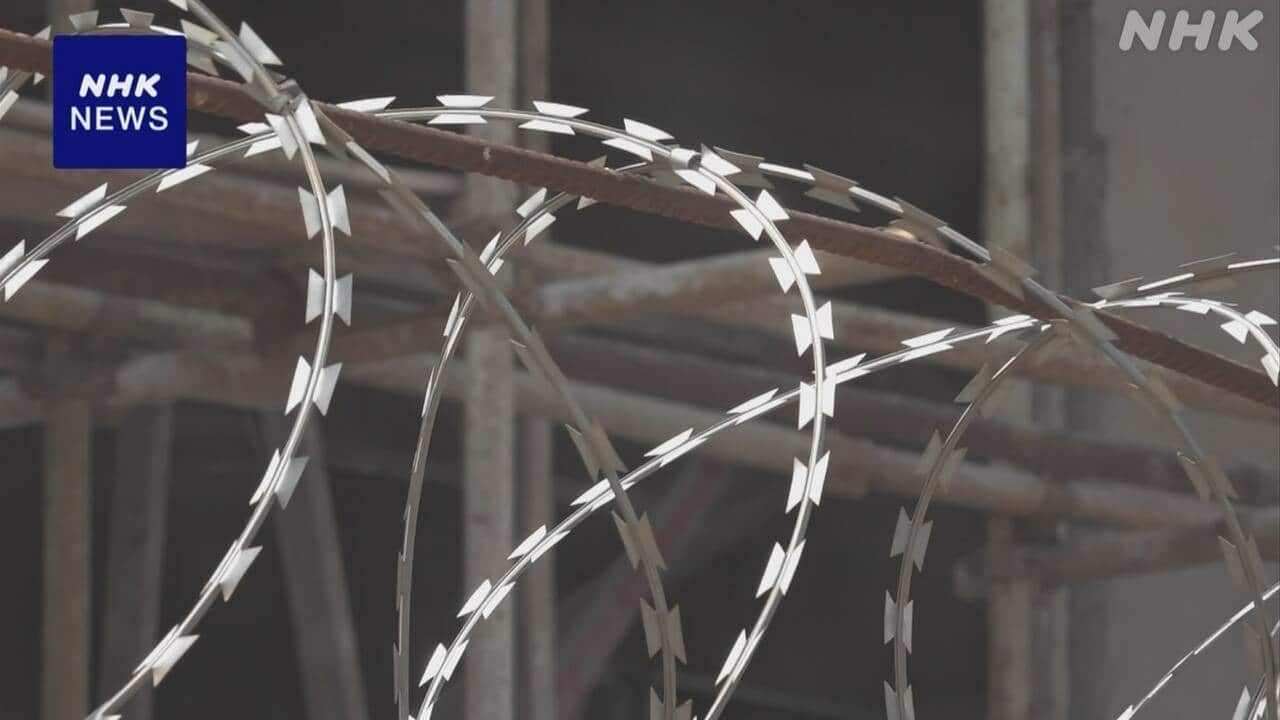
カンボジアとタイの国境地帯にある特殊詐欺の大規模な拠点が、タイの軍によって、7日、NHKなどのメディアに公開されました。拠点の内部からは、詐欺の手口が日本語で書かれたマニュアルなどのほか、電話のかけ子らを暴力で支配していたことをうかがわせる手錠や鎖なども見つかり、犯罪組織の実態の一端が明らかになりました。
公開されたのは、カンボジア北部のタイとの国境地帯にある特殊詐欺の拠点で、去年12月に両国の間で軍事衝突が起きた際にタイ軍が制圧していました。
タイ軍の説明によりますと、この拠点の敷地には150棟以上の建物があり、その一部に1万人以上の外国人らが集められ、日本や東南アジア、それに欧米などの国々に向けて組織的に特殊詐欺が行われていたとみられるということです。
拠点の内部からは、詐欺の手口が日本語で書かれたマニュアルや、ターゲットとなっていた高齢者らの個人情報のメモなどが多数見つかり、日本人もこの拠点で詐欺に関与していたとみられています。
マニュアルには、かけ子が警察官を装って電話をかけ、相手がトラブルに巻き込まれたように信じ込ませる手口や、銀行口座の残高などの情報を聞き出すための受け答えの方法が記されていました。
また、この拠点には、詐欺の実績が上がらなかったり、規則を破ったりしたかけ子らを拷問するために設けられたとみられる部屋が複数ありました。
こうした部屋には監視カメラが設置されていたほか、同じ建物からは手錠や鎖なども見つかり、かけ子らを暴力で支配していたことをうかがわせています。
今回の詐欺拠点の公開に立ち会ったタイ国防省の報道官は、こうした特殊詐欺を行う犯罪組織について、「タイ、カンボジアやこの地域に限った脅威ではなく、世界的な脅威であり、われわれが共に対策に取り組んでいかなくてはならない」と述べ、国際社会が連携して国境を越えた犯罪の対策にあたる必要があると訴えています。
今回、メディアに公開された特殊詐欺の拠点は、タイとの国境に近いカンボジア北部のオスマックにあり、去年12月に両国の間で軍事衝突が起きた際にタイ軍が制圧していました。
タイ軍の説明によりますと、この拠点の広さは東京ドームおよそ17個分で、敷地内には150棟以上の建物があるということです。
この拠点は、中国系の犯罪組織が運営していた可能性が指摘されている一方、日本語で詐欺の手口が書かれたマニュアルや、ターゲットとなっていた高齢者らの個人情報のメモなどが多数見つかり、日本人もこの拠点で詐欺に関与していたものとみられています。
このうち、個人情報のメモには、名前や生年月日、家族構成のほか、勤め先や給与の額、それに銀行口座や残高など相手から聞き出したとみられる情報が書かれていました。
また、メモの備考欄に「最初から疑っていた」などと相手の反応とみられる内容が記されたものもありました。
さらに、マニュアルには、かけ子が警察官を装って電話をかけ、相手が何らかのトラブルに巻き込まれたように信じ込ませる手口などが書かれています。
また、敷地内には病院のような場所もあり、タイ軍は、暴力をふるわれたかけ子らがけがした際などにそこで治療を受けていた可能性があると指摘しています。
カンボジア政府は、国内にある特殊詐欺などの拠点を今月までに一掃するという目標を掲げて取り締まりを強化していて、ことしに入ってからおよそ200か所の拠点を摘発し、2500人以上を拘束したとしています。
詐欺に関与していたとみられる日本人が摘発されるケースも相次いでいて、去年5月には北西部のポイペトで29人が拘束されたほか、今月6日には首都プノンペンで5人が拘束されています。
こうした中、カンボジアに駐在する日本の植野篤志大使は8日、NHKのインタビューに応じ、カンボジアの詐欺拠点にいるとみられる日本人の家族などから毎日のように救助の要請が寄せられていると明らかにしました。
この中で、植野大使は「日本の家族とか友人から、探してほしいというメールや電話、あるいは、本人が大使館に助けを求めてくることがほぼ毎日のようにある。おととしは数か月に1件程度だった救助要請が、去年ぐらいから毎月、徐々に毎週のようになり、去年の年末からことしに入って日を置かずにくるようになっている」と述べました。
大使館では、こうした要請を受けて、カンボジアの警察に救助を依頼していますが、要請件数が増加していることから、対応にあたる人員を増やすなど体制を強化しているということです。
また、植野大使は、SNSなどで誘いを受けてカンボジアに渡航し、詐欺に加担させられるケースも出ていることについて、「甘い言葉で、短期間で高い収入が得られるとか、カンボジアに行けば日本よりもはるかにいい待遇で仕事ができるなどと、リクルートする側もあの手この手で誘ってくるので安易な誘いには乗らないことが大事だ」と話し、警戒を呼びかけています。
東南アジアにある特殊詐欺の拠点をめぐっては、これまでカンボジアやミャンマーとタイとの国境地帯を中心に中国系の犯罪グループが大規模な拠点を運営しているケースが多いと指摘されていました。
しかし、特殊詐欺などの犯罪グループの調査や分析にあたっているUNODC=国連薬物犯罪事務所で東南アジア地域などを担当する中富玄政策企画担当官は、「国境沿いに設置されていた大規模な拠点で詐欺の手法を学んだ中国系の犯罪グループのリーダーたちが都市部に移り、小規模かつ分散化された数多くの小さな集団のリーダーとなって詐欺を行うようになっている」という見方を示しています。
その上で中富氏は、日本人が関与する犯罪グループについても、都市部の雑居ビルやマンションの一室など、摘発を逃れやすい場所に移る傾向がみられるとして、「各国の警察などが捜査して摘発することが、今後、よりいっそう困難になることが懸念される」としています。
また、中富氏は、中国系の犯罪グループのリーダーのもとで日本の「匿名・流動型犯罪グループ」、いわゆる「トクリュウ」が関与し、闇バイトで集められた人たちが詐欺に加担させられている実態があると指摘しています。
一方、東南アジア各国ではこれまで、摘発した詐欺拠点などから押収したスマートフォンやパソコンのデータを抽出し、解析する機材などが十分に整備されておらず、捜査が行き詰まるケースもあることから、UNODCでは、日本政府の協力のもとでカンボジアやタイなど4か国にこうした機材の導入を進め、各国の捜査当局への研修なども行うことにしています。
犯罪の証拠となるこうしたデータの収集について、中富氏は「一度削除されたSNSのメッセージや、クラウド上に分散されたデータは抽出が非常に困難で、SNSの運営会社などが政府と一体となって協力し、可能なかぎりデータを共有していくことが今後、捜査を向上させるためのカギとなる」と話し、各国で官民が一体となって対策にあたる必要性を強調しました。
公開されたのは、カンボジア北部のタイとの国境地帯にある特殊詐欺の拠点で、去年12月に両国の間で軍事衝突が起きた際にタイ軍が制圧していました。
タイ軍の説明によりますと、この拠点の敷地には150棟以上の建物があり、その一部に1万人以上の外国人らが集められ、日本や東南アジア、それに欧米などの国々に向けて組織的に特殊詐欺が行われていたとみられるということです。
拠点の内部からは、詐欺の手口が日本語で書かれたマニュアルや、ターゲットとなっていた高齢者らの個人情報のメモなどが多数見つかり、日本人もこの拠点で詐欺に関与していたとみられています。
マニュアルには、かけ子が警察官を装って電話をかけ、相手がトラブルに巻き込まれたように信じ込ませる手口や、銀行口座の残高などの情報を聞き出すための受け答えの方法が記されていました。
また、この拠点には、詐欺の実績が上がらなかったり、規則を破ったりしたかけ子らを拷問するために設けられたとみられる部屋が複数ありました。
こうした部屋には監視カメラが設置されていたほか、同じ建物からは手錠や鎖なども見つかり、かけ子らを暴力で支配していたことをうかがわせています。
今回の詐欺拠点の公開に立ち会ったタイ国防省の報道官は、こうした特殊詐欺を行う犯罪組織について、「タイ、カンボジアやこの地域に限った脅威ではなく、世界的な脅威であり、われわれが共に対策に取り組んでいかなくてはならない」と述べ、国際社会が連携して国境を越えた犯罪の対策にあたる必要があると訴えています。
今回、メディアに公開された特殊詐欺の拠点は、タイとの国境に近いカンボジア北部のオスマックにあり、去年12月に両国の間で軍事衝突が起きた際にタイ軍が制圧していました。
タイ軍の説明によりますと、この拠点の広さは東京ドームおよそ17個分で、敷地内には150棟以上の建物があるということです。
この拠点は、中国系の犯罪組織が運営していた可能性が指摘されている一方、日本語で詐欺の手口が書かれたマニュアルや、ターゲットとなっていた高齢者らの個人情報のメモなどが多数見つかり、日本人もこの拠点で詐欺に関与していたものとみられています。
このうち、個人情報のメモには、名前や生年月日、家族構成のほか、勤め先や給与の額、それに銀行口座や残高など相手から聞き出したとみられる情報が書かれていました。
また、メモの備考欄に「最初から疑っていた」などと相手の反応とみられる内容が記されたものもありました。
さらに、マニュアルには、かけ子が警察官を装って電話をかけ、相手が何らかのトラブルに巻き込まれたように信じ込ませる手口などが書かれています。
また、敷地内には病院のような場所もあり、タイ軍は、暴力をふるわれたかけ子らがけがした際などにそこで治療を受けていた可能性があると指摘しています。
カンボジア政府は、国内にある特殊詐欺などの拠点を今月までに一掃するという目標を掲げて取り締まりを強化していて、ことしに入ってからおよそ200か所の拠点を摘発し、2500人以上を拘束したとしています。
詐欺に関与していたとみられる日本人が摘発されるケースも相次いでいて、去年5月には北西部のポイペトで29人が拘束されたほか、今月6日には首都プノンペンで5人が拘束されています。
こうした中、カンボジアに駐在する日本の植野篤志大使は8日、NHKのインタビューに応じ、カンボジアの詐欺拠点にいるとみられる日本人の家族などから毎日のように救助の要請が寄せられていると明らかにしました。
この中で、植野大使は「日本の家族とか友人から、探してほしいというメールや電話、あるいは、本人が大使館に助けを求めてくることがほぼ毎日のようにある。おととしは数か月に1件程度だった救助要請が、去年ぐらいから毎月、徐々に毎週のようになり、去年の年末からことしに入って日を置かずにくるようになっている」と述べました。
大使館では、こうした要請を受けて、カンボジアの警察に救助を依頼していますが、要請件数が増加していることから、対応にあたる人員を増やすなど体制を強化しているということです。
また、植野大使は、SNSなどで誘いを受けてカンボジアに渡航し、詐欺に加担させられるケースも出ていることについて、「甘い言葉で、短期間で高い収入が得られるとか、カンボジアに行けば日本よりもはるかにいい待遇で仕事ができるなどと、リクルートする側もあの手この手で誘ってくるので安易な誘いには乗らないことが大事だ」と話し、警戒を呼びかけています。
東南アジアにある特殊詐欺の拠点をめぐっては、これまでカンボジアやミャンマーとタイとの国境地帯を中心に中国系の犯罪グループが大規模な拠点を運営しているケースが多いと指摘されていました。
しかし、特殊詐欺などの犯罪グループの調査や分析にあたっているUNODC=国連薬物犯罪事務所で東南アジア地域などを担当する中富玄政策企画担当官は、「国境沿いに設置されていた大規模な拠点で詐欺の手法を学んだ中国系の犯罪グループのリーダーたちが都市部に移り、小規模かつ分散化された数多くの小さな集団のリーダーとなって詐欺を行うようになっている」という見方を示しています。
その上で中富氏は、日本人が関与する犯罪グループについても、都市部の雑居ビルやマンションの一室など、摘発を逃れやすい場所に移る傾向がみられるとして、「各国の警察などが捜査して摘発することが、今後、よりいっそう困難になることが懸念される」としています。
また、中富氏は、中国系の犯罪グループのリーダーのもとで日本の「匿名・流動型犯罪グループ」、いわゆる「トクリュウ」が関与し、闇バイトで集められた人たちが詐欺に加担させられている実態があると指摘しています。
一方、東南アジア各国ではこれまで、摘発した詐欺拠点などから押収したスマートフォンやパソコンのデータを抽出し、解析する機材などが十分に整備されておらず、捜査が行き詰まるケースもあることから、UNODCでは、日本政府の協力のもとでカンボジアやタイなど4か国にこうした機材の導入を進め、各国の捜査当局への研修なども行うことにしています。
犯罪の証拠となるこうしたデータの収集について、中富氏は「一度削除されたSNSのメッセージや、クラウド上に分散されたデータは抽出が非常に困難で、SNSの運営会社などが政府と一体となって協力し、可能なかぎりデータを共有していくことが今後、捜査を向上させるためのカギとなる」と話し、各国で官民が一体となって対策にあたる必要性を強調しました。
Vocabulary
General
Proper noun
JLPT N2
JLPT N1
| # | 言葉 | 意味 |
|---|---|---|
| 19 | 拠点 | きょてん (拠点) : position; location; base; point; site |
| 14 | 詐欺 | さぎ (詐欺) : fraud; swindle; graft; cheating; trick; scam |
| 8 | 特殊詐欺 | とくしゅさぎ (特殊詐欺) : variant of bank-transfer fraud |
| 7 | 犯罪 | はんざい (犯罪) : crime; offence; offense |
| 6 | 国境 | こっきょう (国境) : national border; provincial border |
| 6 | 軍 | ぐん (軍) : 1. army; armed forces; troops 2. military authorities |
| 5 | 手口 | てぐち (手口) : modus operandi; criminal technique; trick |
| 5 | 書く | かく (書く) : 1. to write; to compose; to pen 2. to draw; to paint |
| 5 | 日本人 | にほんじん (日本人) : Japanese person; Japanese people |
| 5 | 関与 | かんよ (関与) : participation; taking part in; participating in; being concerned in |
| 5 | 摘発 | てきはつ (摘発) : exposing; unmasking; laying bare |
| 4 | 公開 | こうかい (公開) : opening to the public; making available to the public; putting on display; exhibiting; showing (play, movie, etc.); holding (interview, etc.); open; public |
| 4 | 見つかる | みつかる (見つかる) : to be found; to be discovered |
| 4 | 相手 | あいて (相手) : 1. companion; partner; company 2. other party; addressee |
| 4 | あたる | あたる (当たる) : 1. to be hit; to strike 2. to touch; to be in contact; to be affixed |
| 4 | 中国系 | ちゅうごくけい (中国系) : Chinese (lineage, ancestry, ethnicity, etc.); Sino- |
| 4 | 指摘 | してき (指摘) : pointing out; identification |
| 4 | 要請 | ようせい (要請) : 1. appeal; call for something; request; claim; demand 2. axiom |
| 4 | 中富 | なかとみ (中富) : Nakatomi (place; surname) |
| 4 | 各国 | かっこく (各国) : 1. each nation 2. many nations; many countries |
| 3 | 地帯 | ちたい (地帯) : area; zone; belt (of land) |
| 3 | 大規模 | だいきぼ (大規模) : large-scale |
| 3 | 日本語 | にほんご (日本語) : Japanese (language) |
| 3 | 暴力 | ぼうりょく (暴力) : violence; mayhem |
| 3 | 犯罪組織 | はんざいそしき (犯罪組織) : crime syndicate; criminal syndicate |
| 3 | 際 | きわ (際) : 1. edge; brink; verge; side 2. time; moment of |
| 3 | 東南アジア | とうなんアジア (東南アジア) : Southeast Asia |
| 3 | 個人情報 | こじんじょうほう (個人情報) : personal information |
| 3 | 対策 | たいさく (対策) : measure; step; countermeasure; counterplan; countermove; strategy; preparation (e.g. for a test) |
| 3 | 運営 | うんえい (運営) : management; administration; operation |
| 3 | 拘束 | こうそく (拘束) : restriction; restraint; binding; constraint |
| 3 | 植野 | うえの (植野) : Ueno (place; surname) |
| 3 | 大使 | たいし (大使) : ambassador |
| 3 | 救助 | きゅうじょ (救助) : relief; aid; rescue |
| 3 | 氏 | うじ (氏) : 1. family name; lineage; birth 2. clan |
| 3 | 捜査 | そうさ (捜査) : search (esp. in criminal investigations); investigation; inquiry; enquiry |
| 2 | 内部 | ないぶ (内部) : interior; inside; internal |
| 2 | 支配 | しはい (支配) : 1. domination; rule; control 2. direction; management; guidance |
| 2 | うかがう | うかがう (窺う) : 1. to peep (through); to peek; to examine (esp. covertly) 2. to await (one's chance) |
| 2 | 手錠 | てじょう (手錠) : handcuffs; manacles |
| 2 | 鎖 | くさり (鎖) : chain; chains |
| 2 | 実態 | じったい (実態) : true state; actual condition; reality |
| 2 | 明らか | あきらか (明らか) : 1. clear; obvious; evident; plain; definite 2. bright; light |
| 2 | 北部 | ほくぶ (北部) : northern part; the north (of a region) |
| 2 | 両国 | りょうこく (両国) : 1. both countries 2. Ryōgoku (area of Tokyo) |
| 2 | 軍事衝突 | ぐんじしょうとつ (軍事衝突) : military clash; military conflict; military confrontation |
| 2 | 起きる | おきる (起きる) : 1. to get up; to rise; to blaze up (fire) 2. to wake up; to be awake; to stay awake |
| 2 | 制圧 | せいあつ (制圧) : gaining total control (of people or counties); suppression; oppression; control; mastery; ascendancy; supremacy |
| 2 | 棟 | とう (棟) : 1. large building; building with a long roof 2. counter for buildings, apartments, etc. |
| 2 | 集める | あつめる (集める) : to collect; to assemble; to gather |
| 2 | 高齢者 | こうれいしゃ (高齢者) : old person; old people |
| 2 | 多数 | たすう (多数) : 1. large number (of); many 2. majority |
| 2 | 警察官 | けいさつかん (警察官) : police officer; policeman; policewoman |
| 2 | 装う | よそおう (装う) : 1. to dress (oneself in); to attire oneself in; to adorn; to decorate 2. to pretend; to feign; to affect; to disguise oneself as |
| 2 | 巻き込む | まきこむ (巻き込む) : 1. to roll up; to enfold; to swallow up 2. to involve; to drag into |
| 2 | 信じ込む | しんじこむ (信じ込む) : to believe implicitly; to believe firmly |
| 2 | 銀行口座 | ぎんこうこうざ (銀行口座) : bank account |
| 2 | 残高 | ざんだか (残高) : (bank) balance; remainder |
| 2 | 情報 | じょうほう (情報) : 1. information; news; intelligence; advices 2. information; data contained in characters, signals, code, etc. |
| 2 | 聞き出す | ききだす (聞き出す) : 1. to get information out of a person 2. to begin listening |
| 2 | 記す | しるす (記す) : 1. to write down; to note; to jot down 2. to remember |
| 2 | 設置 | せっち (設置) : 1. establishment; institution 2. installation (of a machine or equipment) |
| 2 | 脅威 | きょうい (脅威) : threat; menace |
| 2 | 述べる | のべる (述べる) : to state; to express; to mention |
| 2 | 可能性 | かのうせい (可能性) : potentiality; likelihood; possibility; availability |
| 2 | 強化 | きょうか (強化) : strengthening; intensifying; reinforcement; enhancement; solidification |
| 2 | 誘い | さそい (誘い) : 1. invitation; introduction 2. temptation |
| 2 | 加担 | かたん (加担) : support; participation; assistance; complicity; conspiracy |
| 2 | 担当 | たんとう (担当) : being in charge (of an area of responsibility); being responsible (for a work role, etc.) |
| 2 | 都市部 | としぶ (都市部) : urban area; urban district |
| 2 | 分散 | ぶんさん (分散) : 1. dispersion; breakup; scattering; decentralization; decentralisation; distribution 2. variance |
| 2 | 今後 | こんご (今後) : from now on; hereafter |
| 2 | 困難 | こんなん (困難) : 1. difficulty; hardship; trouble; distress 2. infeasibility; inability (to carry out) |
| 2 | もと | もと (元) : 1. origin; source 2. base; basis; foundation; root |
| 2 | 抽出 | ちゅうしゅつ (抽出) : 1. extraction; abstraction 2. selection (from a group); sampling |
| 2 | 機材 | きざい (機材) : machine parts; machinery; equipment |
| 2 | 協力 | きょうりょく (協力) : cooperation; collaboration |
| 2 | 一体 | いったい (一体) : 1. (what) the heck; (why) in the world; (who) on earth 2. one object; one body; unity |
| 1 | 一端 | いったん (一端) : 1. one end; an end 2. part; fragment |
| 1 | 敷地 | しきち (敷地) : site; plot; lot; grounds |
| 1 | 一部 | いちぶ (一部) : 1. one part; one portion; one section; some 2. one copy (e.g. of a document) |
| 1 | 欧米 | おうべい (欧米) : Europe and America; the West |
| 1 | 国々 | くにぐに (国々) : countries |
| 1 | 組織的 | そしきてき (組織的) : systematic; organized; organizational |
| 1 | 受け答え | うけこたえ (受け答え) : reply; response; answer |
| 1 | 方法 | ほうほう (方法) : method; process; manner; way; means; technique |
| 1 | 実績 | じっせき (実績) : achievements; actual results; accomplishments; past results; track record |
| 1 | 上がる | あがる (上がる) : 1. to rise; to go up; to come up; to ascend; to be raised 2. to enter (esp. from outdoors); to come in; to go in |
| 1 | 破る | やぶる (破る) : 1. to tear; to rip; to break; to destroy 2. to break through (cordon, opponent's defense, etc.); to breach |
| 1 | 拷問 | ごうもん (拷問) : torture |
| 1 | 設ける | もうける (設ける) : 1. to prepare; to provide 2. to set up; to establish; to organize; to lay down (rules); to make (an excuse) |
| 1 | 複数 | ふくすう (複数) : plural; multiple; several |
| 1 | 監視カメラ | かんしカメラ (監視カメラ) : surveillance camera; security camera |
| 1 | 立ち会う | たちあう (立ち会う) : to be present (esp. during a birth); to be witness to |
| 1 | 国防省 | こくぼうしょう (国防省) : Department of Defense (USA); the Pentagon; Ministry of Defence (UK, etc.) |
| 1 | 報道官 | ほうどうかん (報道官) : press officer; press secretary |
| 1 | 地域 | ちいき (地域) : area; region |
| 1 | 限る | かぎる (限る) : 1. to restrict; to limit; to confine 2. to be restricted to; to be limited to; to be confined to |
| 1 | 世界的 | せかいてき (世界的) : 1. worldwide; global; international; universal 2. world-famous; world-class |
| 1 | われわれ | われわれ (我々) : we |
| 1 | 共 | ども (共) : 1. first-person plural (or singular) 2. second or third person plural (implies speaker is of higher status than those referred to) |
| 1 | 取り組む | とりくむ (取り組む) : 1. to grapple with; to wrestle with; to engage in a bout; to be matched against 2. to tackle (e.g. a problem); to come to grips with; to work hard on |
| 1 | 国際社会 | こくさいしゃかい (国際社会) : international community; international society; the world |
| 1 | 連携 | れんけい (連携) : cooperation; coordination; link |
| 1 | 越える | こえる (越える) : 1. to cross over; to cross; to pass through; to pass over (out of); to go beyond; to go past 2. to exceed; to surpass; to be more (than) |
| 1 | 訴える | うったえる (訴える) : 1. to raise; to bring to (someone's attention) 2. to appeal to (reason, emotions, etc.); to work on (one's emotions); to play on (one's sympathies) |
| 1 | 広さ | ひろさ (広さ) : extent |
| 1 | 東京ドーム | とうきょうドーム (東京ドーム) : Tokyo Dome |
| 1 | 生年月日 | せいねんがっぴ (生年月日) : birth date; date of birth; DOB |
| 1 | 家族構成 | かぞくこうせい (家族構成) : family structure |
| 1 | 勤め先 | つとめさき (勤め先) : place of work |
| 1 | 給与 | きゅうよ (給与) : 1. pay; salary; wages 2. allowance; grant; supply; providing with |
| 1 | 額 | がく (額) : 1. (picture) frame; framed picture 2. amount (esp. of money); sum |
| 1 | 備考欄 | びこうらん (備考欄) : notes; remarks (reference) column |
| 1 | 疑う | うたがう (疑う) : to doubt; to distrust; to be suspicious of; to suspect |
| 1 | 反応 | はんのう (反応) : reaction; response |
| 1 | 内容 | ないよう (内容) : contents; content; substance; matter; detail; import |
| 1 | ふるう | ふるう (震う) : to shake; to tremble; to vibrate |
| 1 | 治療 | ちりょう (治療) : (medical) treatment; care; therapy; cure; remedy |
| 1 | 国内 | こくない (国内) : internal; domestic |
| 1 | 一掃 | いっそう (一掃) : clean sweep; purging; doing away with; eradication |
| 1 | 目標 | めじるし (目印) : 1. mark (for quick identification or recognition); sign 2. landmark; guide |
| 1 | 掲げる | かかげる (掲げる) : 1. to put up (a notice, sign, etc.); to hang out (e.g. a banner); to fly (e.g. a flag); to hoist; to raise; to display 2. to hold up high; to raise overhead |
| 1 | 取り締まり | とりしまり (取り締まり) : control; management; supervision |
| 1 | か所 | かしょ (箇所) : 1. place; point; part; spot; area; passage; portion 2. counter for places, parts, passages, etc. |
| 1 | 相 | さが (性) : 1. one's nature; one's destiny 2. custom; tradition; habit; convention |
| 1 | 次ぐ | つぐ (次ぐ) : to rank next to; to come after |
| 1 | 首都 | しゅと (首都) : capital city; metropolis |
| 1 | 駐在 | ちゅうざい (駐在) : 1. residence; stay; (job) posting; being stationed (overseas, etc.) 2. residential police box; residential police box officer |
| 1 | 篤志 | とくし (篤志) : 1. charity; benevolence; charitable spirit 2. interest (in public welfare, social enterprise, etc.); zeal |
| 1 | 応ずる | おうずる (応ずる) : 1. to answer; to respond; to meet 2. to satisfy; to accept |
| 1 | 寄せる | よせる (寄せる) : 1. to come near; to let someone approach 2. to bring near; to bring together; to collect; to gather |
| 1 | 友人 | ゆうじん (友人) : friend |
| 1 | 探す | さがす (探す) : 1. to search for; to look for; to hunt for; to seek 2. to search (a house, pocket, etc.); to search through; to rummage in (e.g. a drawer); to fish around |
| 1 | あるいは | あるいは (或いは) : 1. or; either ... or 2. maybe; perhaps; possibly |
| 1 | 本人 | ほんにん (本人) : the person in question; the person themselves; said person |
| 1 | 助け | たすけ (助け) : assistance; help; aid; support; reinforcement |
| 1 | 求める | もとめる (求める) : 1. to want; to wish for 2. to request; to demand; to require; to ask for |
| 1 | ほぼ | ほぼ (略) : almost; roughly; approximately |
| 1 | 数か月 | すうかげつ (数ヶ月) : several months |
| 1 | 件 | くだん (件) : 1. the aforementioned; the said; (man, incident, etc.) in question; the above-mentioned; the aforesaid 2. the usual |
| 1 | 程度 | ていど (程度) : degree; amount; grade; standard; of the order of (following a number); about; approximately |
| 1 | 徐々 | じょじょ (徐々) : 1. slow; gradual; steady 2. calm; composed; relaxed |
| 1 | 年末 | ねんまつ (年末) : end-of-year |
| 1 | 依頼 | いらい (依頼) : 1. request; commission; entrusting (with a matter) 2. dependence; reliance |
| 1 | 件数 | けんすう (件数) : number of events (e.g. accidents, crimes, meetings, housing starts, hits on a web page) |
| 1 | 増加 | ぞうか (増加) : increase; rise; growth; addition; increment |
| 1 | 対応 | たいおう (対応) : 1. correspondence (to); equivalence 2. suitability; coordination; matching; being appropriate (for) |
| 1 | 人員 | じんいん (人員) : number of persons; personnel |
| 1 | 増やす | ふやす (増やす) : to increase; to add to; to augment |
| 1 | 体制 | たいせい (体制) : order; system; structure; set-up; organization; organisation |
| 1 | 渡航 | とこう (渡航) : voyage; passage; travelling |
| 1 | 短期間 | たんきかん (短期間) : short term; short time |
| 1 | 収入 | しゅうにゅう (収入) : income; receipts; revenue |
| 1 | はるか | はるか (遥か) : far; far away; distant; remote; far off |
| 1 | 待遇 | たいぐう (待遇) : 1. treatment; reception; service 2. working conditions; salary; pay; remuneration |
| 1 | 誘う | さそう (誘う) : 1. to invite; to ask (someone to do); to call (for); to take (someone) along 2. to tempt; to lure; to entice; to seduce |
| 1 | 安易 | あんい (安易) : 1. easy; simple 2. easygoing; lighthearted; simplistic; irresponsible; careless; quick (to do) |
| 1 | 乗る | のる (乗る) : 1. to get on (train, plane, bus, ship, etc.); to get in; to board; to take; to embark 2. to get on (e.g. a footstool); to step on; to jump on; to sit on; to mount |
| 1 | 警戒 | けいかい (警戒) : vigilance; caution; alertness; precaution; being on guard |
| 1 | 呼びかける | よびかける (呼びかける) : 1. to call out to; to hail; to address 2. to appeal |
| 1 | めぐる | めぐる (巡る) : 1. to go around 2. to return |
| 1 | 中心 | ちゅうしん (中心) : 1. center; centre; middle; heart; core; focus; pivot; emphasis; balance 2. -centered; -centred; -focused; -oriented; centered on; focused on |
| 1 | 調査 | ちょうさ (調査) : investigation; examination; inquiry; enquiry; survey |
| 1 | 分析 | ぶんせき (分析) : analysis |
| 1 | 国連薬物犯罪事務所 | こくれんやくぶつはんざいじむしょ (国連薬物犯罪事務所) : United Nations Office on Drugs and Crime; UNODC (organization) |
| 1 | 東南 | とうなん (東南) : south-east |
| 1 | 政策 | せいさく (政策) : political measures; policy |
| 1 | 企画 | きかく (企画) : planning; project; plan; design |
| 1 | 官 | かん (官) : government service; the bureaucracy |
| 1 | 沿い | ぞい (沿い) : along |
| 1 | 手法 | しゅほう (手法) : technique; method |
| 1 | 学ぶ | まなぶ (学ぶ) : to study (in depth); to learn; to take lessons in |
| 1 | 移る | うつる (移る) : 1. to move (house); to transfer (department) 2. to change the target of interest or concern |
| 1 | 小規模 | しょうきぼ (小規模) : small scale |
| 1 | 化 | か (化) : action of making something; -ification |
| 1 | 数多く | かずおおく (数多く) : in great numbers |
| 1 | 集団 | しゅうだん (集団) : group; mass |
| 1 | 見方 | みかた (見方) : 1. viewpoint; point of view 2. way of understanding; way of appreciating; how to look at something (e.g. noh, train schedule) |
| 1 | 示す | しめす (示す) : 1. to (take out and) show; to demonstrate; to tell; to exemplify; to make apparent 2. to point out (finger, clock hand, needle, etc.) |
| 1 | 雑居ビル | ざっきょビル (雑居ビル) : multi-tenant building; building containing a mixture of businesses, shops and residential apartments |
| 1 | 一室 | いっしつ (一室) : one room |
| 1 | 逃れる | のがれる (逃れる) : to escape |
| 1 | 傾向 | けいこう (傾向) : tendency; trend; inclination |
| 1 | いっそう | いっそう (一双) : pair (esp. of folding screens) |
| 1 | 懸念 | けねん (懸念) : worry; fear; anxiety; concern |
| 1 | いわゆる | いわゆる (所謂) : what is called; as it is called; the so-called; so to speak |
| 1 | 押収 | おうしゅう (押収) : seizure; confiscation |
| 1 | 解析 | かいせき (解析) : 1. analysis; analytical study 2. parsing; parse |
| 1 | 整備 | せいび (整備) : 1. maintenance; servicing 2. putting in place; establishment; development; preparation; provision; outfitting |
| 1 | 行き詰まる | いきづまる (行き詰まる) : to come to a dead end; to come to a standstill; to reach a deadlock; to reach an impasse; to reach a stalemate |
| 1 | 日本政府 | にほんせいふ (日本政府) : Japanese government |
| 1 | か国 | かこく (カ国) : counter for countries |
| 1 | 導入 | どうにゅう (導入) : introduction; bringing in; leading in; installation |
| 1 | 進める | すすめる (進める) : 1. to advance; to move forward; to put (a clock, watch) forward 2. to carry forward (plans, work, etc.); to proceed with; to make progress in; to further; to advance; to hasten; to speed up |
| 1 | 捜査当局 | そうさとうきょく (捜査当局) : investigating authorities; law enforcement authority |
| 1 | 研修 | けんしゅう (研修) : training (esp. in-service); induction course |
| 1 | 証拠 | しょうこ (証拠) : evidence; proof |
| 1 | 収集 | しゅうしゅう (収集) : 1. collecting; accumulating; gathering 2. collection (of art, stamps, insects, etc.) |
| 1 | 削除 | さくじょ (削除) : deletion; elimination; erasure; striking out |
| 1 | 非常 | ひじょう (非常) : 1. emergency 2. extraordinary; unusual |
| 1 | 政府 | せいふ (政府) : government; administration |
| 1 | 可能 | かのう (可能) : possible; potential; practicable; feasible |
| 1 | かぎり | かぎり (限り) : 1. limit; limits; bounds 2. degree; extent; scope |
| 1 | 共有 | きょうゆう (共有) : 1. joint ownership; co-ownership; sharing (e.g. a viewpoint) 2. sharing (files, devices on a network, posts on social media, etc.) |
| 1 | 向上 | こうじょう (向上) : elevation; rise; improvement; advancement; progress |
| 1 | 官民 | かんみん (官民) : government and people; government and private sector; public and private sector |
| 1 | 必要性 | ひつようせい (必要性) : necessity |
| 1 | 強調 | きょうちょう (強調) : emphasis; highlight; stress; stressed point |