障害者の法定雇用率「2.5%→2.7%」で現場に起きる問題…「丁寧に向き合う会社」ほど疲弊しがちな“切実すぎる理由”
予習
この記事のキーワード — タップで意味×8
就労
しゅうろう
working; being employed; being hired
×7
障害者
しょうがいしゃ
disabled person; handicapped person; person with a (physical or mental) disability
×9
障害
しょうがい
1. obstacle; impediment; hindrance; difficulty; barrier 2. handicap; impairment; disability; disorder; malfunction
×10
対話
たいわ
dialogue; discussion; conversation; interaction
N1×8
特性
とくせい
special characteristic; special quality; trait; idiosyncrasy; peculiarity
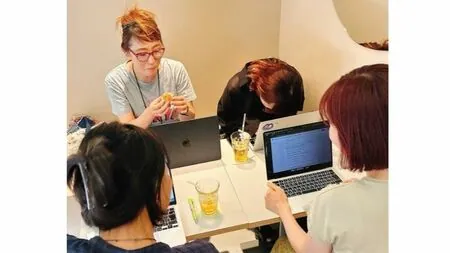
障害者の法定雇用率が2.7%へ引き上げられ、企業の現場では「採用しても定着しない」というミスマッチが起きている。マニュアルを整え、配慮を重ねても退職者が後を絶たないのはなぜなのか。10年以上にわたり就労支援の最前線に立ってきたNPO法人ディーセントワーク・ラボ代表理事の中尾文香さんは、「問題はお互いの『受け取り方のギャップ』にある」と指摘する。
■障害者法定雇用率が上がり、現場で起きていること
2026年7月1日から、常用労働者37.5人以上の民間企業の障害者法定雇用率が、2.5%から2.7%に引き上げられた。
障害者の法定雇用率が2.7%へ引き上げられ、企業の現場では「採用しても定着しない」というミスマッチが起きている。マニュアルを整え、配慮を重ねても退職者が後を絶たないのはなぜなのか。10年以上にわたり就労支援の最前線に立ってきたNPO法人ディーセントワーク・ラボ代表理事の中尾文香さんは、「問題はお互いの『受け取り方のギャップ』にある」と指摘する。 ■障害者法定雇用率が上がり、現場で起きていること 2026年7月1日から、常用労働者37.5人以上の民間企業の障害者法定雇用率が、2.5%から2.7%に引き上げられた。
「数字だけ見ると、ただ制度が変わっただけに見えるかもしれません。でも雇用の現場には多くの影響をもたらしています」 こう語るのは、10年以上にわたり障害者の就労支援に伴走してきたNPO法人ディーセントワーク・ラボ代表理事の中尾文香さんだ。 「法定雇用率は段階的に引き上げられており、2024年4月に2.5%、2026年7月には2.7%となりました。従業員が数千人規模の企業であれば、数十人単位の新規雇用が必要になることも。法定雇用率を上げたことにより、現場が苦しくなったという声が寄せられています。とくに、これまで障害者雇用に積極的で、丁寧に向き合ってきた企業からの声が増えているのです」
なぜ、障害者雇用に積極的だった企業が大変になったと訴えているのか。それは、一人ひとりに合わせた配慮が、これまで以上に必要になっているのが原因のひとつと中尾さんは言う。 ■障害者雇用に積極的だった企業こそ苦しいわけ 「2018年、雇用義務の対象に精神障害者が加わった時の法定雇用率は2.2%でした。当時は現在よりも求められる雇用人数が少なく、社風や仕事内容に合った人を採用する余地がありました。ところが近年は人数が増えたため、会社に合う人かどうかは二の次となってしまいがち。うまくマッチングしないケースが少なくありません」
つまり、法定雇用率が2.2%程度だった頃は、各部署での配置だけでなく、特例子会社や障害者雇用専門の部署をつくり、マニュアル化された定型業務や、障害特性に配慮した工夫や分業体制によって雇用する企業もあった。 ところが、法定雇用率の上昇により、こうした特例子会社や専門の部署だけでは対応しきれないケースが起きている。場合によっては、企業や仕事内容のすり合わせが十分にできていないまま採用し、人数を確保せざるをえない場合もある。
特に、精神障害・発達障害のある人の場合、身体障害のある人のようにバリアフリーの環境を整えれば解決する問題ばかりではない。本人の特性や希望、自己理解だけでなく、仕事内容や職場環境、周囲との関係性も含めて、双方ですり合わせる必要がある。 もちろん、働くうえで一人ひとりの事情に合わせた合理的配慮を行うことは非常に大切だ。しかし現実問題として、現場のリソースには限りがある。 さらに細かくマニュアルを作成し、丁寧に指導をしても、なぜかすぐに辞めてしまうケースも少なくないと中尾さんは言う。独立行政法人高齢・障害・求職者雇用支援機構によれば、就職後1年時点の定着率は58.4%(2017年)。5人に2人は退職していることになる。
「退職理由はいくつかありますが、コミュニケーションのすれ違いが影響しているケースも少なくありません。たとえば、こんな相談がありました。ある当事者の方は、熱心に仕事に取り組んでいたのですが、お客様へのご提案が少し苦手でした。そのため上長は、『もう少し伝え方を工夫してほしい』と、仕事上の改善点として伝えました。 ところが、ご本人には、自分自身を否定されたように受け止めてしまって……。上長としては仕事についてのアドバイスをしたつもりでも、本人が受け取った意味は異なっていました。こうした『伝えたこと』と『受け取ったこと』の間のズレは、双方が確認しなければ、なかなか気づくことができません。企業側も、どう伝えたらいいのかわからないという課題がありました」
企業側からすると、伝えたいことがうまく伝わらず対応に苦慮する。当事者にとっても就労してから課題に直面し、自信を失う結果になりかねない。これでは企業も当事者も、どちらにとってもいい結果をもたらさないおそれがある。 こうしたケースの相談を多く受けてきた中尾さんは、2025年6月、対話型トレーニングプログラム「ableto(エブルト)」を開始した。 ■学生・企業双方にメリットのある場所をめざして abletoは、障害や特性のある学生・若年者と企業が、対話や仕事体験を通じてお互いを理解し「一緒に働くためにはどうしたらいいか」を考える対話型のトレーニングプログラムだ。
参加者は、あえて障害や特性の有無で絞っていない。なぜなら自分自身の特性や働きづらさに気づいていないケースも、学生では珍しくないからだ。 学生は、企業やメンターとのやりとりを通し、自分の特性や得意なこと・不得意なことを知る。さらにそれを相手にどう伝えるか、困った時にどう伝え、相談したらいいかを対話しながら学ぶ。 「社会人になると、学生時代とはまったく異なるルールのなかで生活することに。すると、社会や会社の暗黙の了解が理解できず、順応できないケースがあります。学生時代という早い段階から、実際の仕事や企業との関わりを経験し、自分が力を発揮できる環境を知る。同時に企業側も、その人の力を活かせる環境や仕事を一緒に考える。そんな機会をつくっています」
メンターが伴走してくれるのも大きい。学生が何かにつまずいた時、何がうまくいかなかったのか、本人の特性だけでなく仕事や環境との関係から一緒に考え、新しい挑戦をしていく。 自身の特性に気づいていなかった学生は、これまでもうまくいかなかった経験を積み重ねている場合があり、自己肯定感が低くなっている場合が少なくないという。メンターとともに挑戦する場を少しずつ増やし、前を向いてもらいたいと中尾さんは話す。
さらに特徴的なのは、企業の障害者雇用の担当者などにも参加してもらい、学生と接点をつくっていることだ。単なる企業説明会ではなく、学生と企業が実際に対話したり、仕事を体験したりしている。 この取り組みは、企業側にもメリットがある。採用前に何度も学生と関わるため「この学生はこんなことができる」「こんなふうに環境を整えればいいのだ」と知り、学ぶことができる。面接だけでは見えない一面を知り、学生と企業が一緒に働き方を考えていく。もし「この人と一緒に働きたい」となれば、採用につなげていく可能性もあるのだ。
■就労支援だけではなく、「一緒に働く」を考える abletoは、企業に学生を就職させるだけの就労支援だけではなく、企業と学生の双方が対話をしながら「一緒に働く」を考えるための接点をつくる場だといえるだろう。 2026年6月、「ableto 次世代のキャリア形成プログラム 2026 in 関西」が開催された。学生が企業と一緒に模擬仕事を体験した。2026年11月には東京での体験プログラムも開催予定だ。
ただし、abletoは始まったばかりの取り組みだ。中尾さんは「まだ1年ほどなので、これからの部分は大きい」としている。交流を通し、学生からは「自分から伝えなければ、周囲は何に困っているのかわからないし、配慮もできないのだと気づいた」などの声が寄せられたという。こうした小さな手応えの積み重ねが、今後の採用や定着につながっていくはずだ。 ■対話を通じて誰もが働きやすい社会に なぜ中尾さんは、ここまで「対話」という手間のかかる方法にこだわるのか。そこには、中尾さんが携わってきた障害のある人たちのものづくりブランド「equalto(イクォルト)」での経験があった。
equaltoは「就労継続支援B型事業所」で働く障害のある人たちが手がける商品に、デザインの力で付加価値をつけ、工賃を引き上げていくプロジェクトだ。 障害のある人が働く就労継続支援B型事業所は雇用契約ではないため、最低賃金が適用されない。そのため、工賃が安いことが課題だった。中尾さんはコンサルティング会社やデザイナーと組み、障害のある人がつくるものの価値を上げ、工賃を上げるしくみをつくった。 「equaltoの経験から、本人と対話することの大切さを教えてもらいました。たとえば、『仕事はやりたくない』と話していた方が、実は過去に仕事がうまくできなかった経験をしていました。そこで、何をしてみたいかを本人と話しながら一緒に仕事を試していくと、自分にもできることがあるとわかり、『もっと働きたい』という思いを話してくれたんです。本人の言葉の背景にある経験や思いを、対話を通して一緒に探っていくことが大切なのだと気づきました」
equaltoでの経験により、対話を通じて本人の思いや考えを知り、お互いの認識をすり合わせていくことが、働き続けるためには大切なのではないかと中尾さんは感じるようになった。その気づきは、その後の研究や実践を通じて深まり、現在のabletoにもつながっているという。 とはいえ、対話を通して理解を深めるのは、実際はとても手間や時間がかかることだ。効率だけを考えたら、まっさきに省略したくなるかもしれない。けれど中尾さんは、こうした時間こそ、決して手放してはいけないものだと信じている。
「障害の有無に限らず、働く人にはさまざまな事情があります。介護や子育てをしていたり、病気になってしまったりということもあるでしょう。こうした事情を1人で抱えるのではなく、誰かに相談しやすい環境になってほしいです。働きづらさのある人たちが安心できる社会はつまり、全員の働きやすさにつながると思っています」 法定雇用率が上がったことで、多くの課題が浮き彫りになってはいる。けれど、だからこそ中尾さんのように、一緒に働く方法を模索する動きも生まれている。こうした積み重ねにより、誰にとっても働きやすく、生きやすい環境になっていくのかもしれない。
この記事の単語 (236)
×24
企業
きぎょう
enterprise; business; company; corporation
×14
中尾
なかお
Nakao (place; surname)
×10
対話
たいわ
dialogue; discussion; conversation; interaction
×9
障害
しょうがい
1. obstacle; impediment; hindrance; difficulty; barrier 2. handicap; impairment; disability; disorder; malfunction
×8
就労
しゅうろう
working; being employed; being hired
×8
支援
しえん
support; backing; aid; assistance
×8
特性
とくせい
special characteristic; special quality; trait; idiosyncrasy; peculiarity
×8
本人
ほんにん
the person in question; the person themselves; said person
×7
障害者
しょうがいしゃ
disabled person; handicapped person; person with a (physical or mental) disability
×7
現場
げんば
1. actual spot; scene; scene of the crime; site; location; setting 2. shop floor; factory floor; (on) site
×7
環境
かんきょう
environment; circumstance
×6
引き上げる
ひきあげる
1. to pull up; to drag up; to lift up 2. to increase; to raise (e.g. taxes)
×6
採用
さいよう
1. use; adoption; acceptance 2. appointment; employment; engagement; recruitment
×5
配慮
はいりょ
consideration; concern; attention; thoughtfulness; making arrangements; care; trouble
×5
雇用
こよう
employment (long term); hire
×5
旨い
うまい
1. skillful; skilful; clever; expert; wise; successful 2. delicious; appetizing; appetising; tasty
×5
気付く
きづく
to notice; to recognize; to recognise; to become aware of; to perceive; to realize; to realise
×4
定着
ていちゃく
1. sticking (in one place, position, etc.); settling; fixing; adherence 2. becoming established (of a custom, system, etc.); taking hold; taking root
×4
整える
ととのえる
1. to put in order; to arrange; to tidy up; to straighten; to adjust; to fix 2. to get ready; to prepare; to arrange; to supply; to assemble; to buy
×4
互い
たがい
each other; one another
×4
理解
りかい
understanding; comprehension; appreciation; sympathy
×4
双方
そうほう
both parties; both sides
×4
課題
かだい
1. subject; theme; issue; matter 2. homework; assignment
×4
通じる
つうじる
1. to be open (to traffic); to lead to; to communicate (with) 2. to flow (liquid, current); to pass; to get through to
×3
代表理事
だいひょうりじ
representative of a board of directors; spokesperson for a board of directors
×3
文香
ふみこう
scented insert (to enclose with a letter); perfumed insert
×3
上がる
あがる
1. to rise; to go up; to come up; to ascend; to be raised 2. to enter (esp. from outdoors); to come in; to go in
×3
知れる
しれる
1. to become known; to come to light; to be discovered 2. to be known; to be understood
×3
積極的
せっきょくてき
positive; assertive; active; proactive; aggressive
×3
こそ
1. it is ... that ...; precisely; in particular; definitely; for sure; only (when, after, because, etc.) 2. although; while; it is the case that ... but
×3
人数
にんずう
1. the number of people 2. many people; a large number of people
×3
部署
ぶしょ
one's post; one's station; department; bureau; section
×3
事情
じじょう
circumstances; conditions; situation; reasons; state of affairs
×3
当事者
とうじしゃ
person concerned; interested party; related party
×3
体験
たいけん
(practical) experience; personal experience; hands-on experience; first-hand experience
×3
実際
じっさい
1. reality; actuality; truth; fact; actual conditions 2. practice (as opposed to theory)
×3
繋がる
つながる
1. to be tied together; to be connected to; to be linked to 2. to lead to; to be related to
×3
工賃
こうちん
wages; pay
×3
思い
おもい
1. thought 2. imagination; mind; heart
×2
重ねる
かさねる
1. to pile up; to heap up; to stack up; to put on top of another 2. to repeat many times over; to go through repeatedly; to accumulate
×2
退職者
たいしょくしゃ
retired person; retiree
×2
断つ
たつ
1. to sever; to cut off 2. to suppress; to eradicate; to exterminate
×2
最前線
さいぜんせん
front line; forefront
×2
指摘
してき
pointing out; identification
×2
民間企業
みんかんきぎょう
private enterprise; private business; private company; private firm; private-sector business; private-sector corporation
×2
影響
えいきょう
1. influence; effect 2. to influence; to affect; to have an influence on; to impact; to have an effect on
×2
齎す
もたらす
to bring; to take; to bring about
×2
伴走
ばんそう
running alongside; pacesetting; accompanying
×2
苦しい
くるしい
1. painful; difficult; tough; hard 2. distressing; (psychologically) difficult; stressful; awkward (e.g. position)
×2
寄せる
よせる
1. to come near; to let someone approach 2. to bring near; to bring together; to collect; to gather
×2
一人一人
ひとりひとり
each (person); individually; one by one; one at a time; in turn
×2
合わせる
あわせる
1. to match (rhythm, speed, etc.) 2. to join together; to unite; to combine; to add up
×2
現在
げんざい
now; current; present; present time; as of
×2
詰まり
つまり
1. that is to say; that is; in other words; I mean; that (this, it) means 2. in short; in brief; to sum up; ultimately; in the end; in the long run; when all is said and done; what it all comes down to; when you get right down to it; basically
×2
専門
せんもん
speciality; specialty; subject of study; expert; area of expertise
×2
工夫
くふう
1. devising (a way); contriving; figuring out; coming up with; working out; inventing 2. device; design; idea; plan; invention
×2
対応
たいおう
1. correspondence (to); equivalence 2. suitability; coordination; matching; being appropriate (for)
×2
周囲
しゅうい
1. surroundings; environs 2. circumference
×2
擦り合わせる
すりあわせる
1. to rub together 2. to reconcile (ideas, proposals, plans); to compare and adjust
×2
就職
しゅうしょく
finding employment; getting a job
×2
退職
たいしょく
retirement; resignation
×2
上長
じょうちょう
one's superior; senior; elder
×2
自分自身
じぶんじしん
oneself; myself
×2
受け取る
うけとる
1. to receive; to get; to accept 2. to take; to interpret; to understand
×2
異なる
ことなる
to differ; to vary; to disagree
×2
結果
けっか
1. result; consequence; outcome; effect 2. coming to fruition; bearing fruit
×2
対話型
たいわがた
interactive
×2
有無
うむ
1. existence or nonexistence; presence or absence 2. consent or refusal; yes or no
×2
学ぶ
まなぶ
to study (in depth); to learn; to take lessons in
×2
学生時代
がくせいじだい
student days
×2
挑戦
ちょうせん
challenge; defiance; dare; attempt; try
×2
接点
せってん
1. tangent point; point of contact 2. contact (electrical, etc.)
×2
取り組み
とりくみ
1. bout (in sports, etc.); match 2. effort; initiative; dealing with; grappling with; wrestling with
×2
開催
かいさい
holding (a conference, exhibition, etc.); opening; hosting (e.g. the Olympics)
×2
積み重ね
つみかさね
pile; accumulation
×2
手間
てま
time; labour; labor
×2
方法
ほうほう
method; process; manner; way; means; technique
×2
継続
けいぞく
continuation
×1
数字
すうじ
numeral; figure; digit; numeric character
×1
唯
ただ
1. ordinary; common; usual 2. free of charge
×1
制度
せいど
system; institution; organization; organisation
×1
語る
かたる
1. to talk about; to speak of; to tell; to narrate 2. to recite; to chant
×1
段階的
だんかいてき
incremental; step-by-step; gradual; stepwise
×1
従業員
じゅうぎょういん
employee; worker
×1
規模
きぼ
scale; scope; plan; structure
×1
数
すう
1. several; a number of 2. quantity; amount
×1
十人
じゅうにん
Juunin (place)
×1
単位
たんい
1. unit; denomination 2. credit (in school)
×1
新規雇用
しんきこよう
new jobs
×1
向き合う
むきあう
1. to be opposite; to face each other 2. to confront (an issue); to face
×1
大変
たいへん
1. very; greatly; terribly; awfully 2. immense; enormous; great
×1
訴える
うったえる
1. to raise; to bring to (someone's attention) 2. to appeal to (reason, emotions, etc.); to work on (one's emotions); to play on (one's sympathies)
×1
義務
ぎむ
duty; obligation; responsibility
×1
対象
たいしょう
target; object (of worship, study, etc.); subject (of taxation, etc.)
×1
精神障害者
せいしんしょうがいしゃ
person with a mental disorder; person with a mental illness
×1
加わる
くわわる
1. to be added to; to be appended 2. to join in (e.g. a group of friends); to participate
×1
当時
とうじ
at that time; in those days
×1
求める
もとめる
1. to want; to wish for 2. to request; to demand; to require; to ask for
×1
社風
しゃふう
corporate culture; company climate or spirit; the way a company does things
×1
余地
よち
place; room; margin; scope
×1
近年
きんねん
recent years
×1
二の次
にのつぎ
secondary; subordinate
×1
程度
ていど
degree; amount; grade; standard; of the order of (following a number); about; approximately
×1
頃
ころ
1. (approximate) time; around; about; toward 2. suitable time (or condition)
×1
各
かく
each; every; all
×1
配置
はいち
arrangement (of resources); deployment; stationing; posting; disposition; configuration; layout
×1
マニュアル化
マニュアルか
standardization; manualization; compiling into a manual; formalization
×1
分業
ぶんぎょう
division of labor; division of labour; specialization; specialisation; assembly-line production
×1
体制
たいせい
order; system; structure; set-up; organization; organisation
×1
上昇
じょうしょう
rising; ascending; climbing
×1
擦り合わせ
すりあわせ
1. comparing and adjusting; reconciling; knocking into shape; bouncing of ideas, opinions, etc. off each other to obtain a fine-tuned integrated whole 2. lapping; precision surface finishing; mating by rubbing together
×1
侭
まま
1. as it is; as one likes; because; as 2. condition; state
×1
確保
かくほ
1. securing; obtaining; ensuring; guarantee; maintaining 2. belay; belaying
×1
精神障害
せいしんしょうがい
mental disorder; mental disability; mental illness
×1
発達障害
はったつしょうがい
developmental disorder
×1
身体障害
しんたいしょうがい
(physical) handicap
×1
解決
かいけつ
settlement; solution; resolution
×1
希望
きぼう
hope; wish; aspiration
×1
自己
じこ
self; oneself
×1
職場環境
しょくばかんきょう
one's work environment
×1
関係性
かんけいせい
relationship; relation
×1
含める
ふくめる
1. to include (in a group or scope) 2. to instruct; to make one understand
×1
非常
ひじょう
1. emergency 2. extraordinary; unusual
×1
現実
げんじつ
reality; actuality; hard fact
×1
限り
かぎり
1. limit; limits; bounds 2. degree; extent; scope
×1
作成
さくせい
drawing up (e.g. legal document, contract, will, etc.); preparing; writing; framing; making; producing; creating; creation
×1
指導
しどう
1. guidance; leadership; instruction; direction; coaching 2. shido (disciplinary action for a minor infringement of the rules of judo)
×1
辞める
やめる
to resign; to retire; to quit; to leave (one's job, etc.)
×1
独立行政法人
どくりつぎょうせいほうじん
independent administrative corporation (institution, agency)
×1
高齢
こうれい
advanced age; old age
×1
求職者
きゅうしょくしゃ
job applicant
×1
機構
きこう
mechanism; organization; organisation
×1
時点
じてん
point in time; occasion
×1
率
りつ
rate; ratio; proportion; percentage
×1
擦れ違い
すれちがい
1. passing each other 2. crossing paths without meeting
×1
熱心
ねっしん
zealous; enthusiastic; ardent; fervent; keen; eager
×1
取り組む
とりくむ
1. to grapple with; to wrestle with; to engage in a bout; to be matched against 2. to tackle (e.g. a problem); to come to grips with; to work hard on
×1
御客様
おきゃくさま
1. guest; visitor 2. customer; client; shopper; spectator; audience; tourist; sightseer; passenger
×1
提案
ていあん
proposal; proposition; suggestion
×1
苦手
にがて
1. poor (at); weak (in); not very good (at) 2. not one's cup of tea; not one's favorite
×1
もう少し
もうすこし
a bit more; a bit longer
×1
改善点
かいぜんてん
1. points of improvement; improved areas 2. points needing improvement; problem areas
×1
否定
ひてい
1. denial; negation; repudiation; disavowal 2. negation (logic)
×1
受け止める
うけとめる
1. to catch; to stop the blow 2. to react to; to take (advice, etc.); to accept; to come to grips with
×1
確認
かくにん
confirmation; verification; validation; review; check; affirmation; identification
×1
伝わる
つたわる
to be handed down; to be introduced; to be transmitted; to be circulated; to go along; to walk along
×1
苦慮
くりょ
racking one's brains; worrying oneself; being anxious
×1
直面
ちょくめん
1. confrontation 2. to face; to confront; to encounter
×1
自信
じしん
self-confidence; confidence (in oneself)
×1
失う
うしなう
1. to lose 2. to miss (a change, opportunity)
×1
恐れ
おそれ
fear; horror; anxiety; concern; uneasiness; reverence
×1
開始
かいし
start; commencement; beginning; initiation
×1
めざす
1. to aim at (for, to do, to become); to try for; to have an eye on 2. to go toward; to head for
×1
若年者
じゃくねんしゃ
youngster; young and immature person
×1
参加者
さんかしゃ
participant; entrant
×1
敢えて
あえて
1. purposely (of something needless, unexpected or seemingly counterproductive, etc.); daringly (doing something); deliberately; intentionally 2. not necessarily; not particularly; not especially
×1
絞る
しぼる
1. to wring (towel, rag); to squeeze 2. to squeeze (fruit to extract juice); to press; to extract; to milk; to express milk
×1
遣り取り
やりとり
giving and taking; exchange (of letters); arguing back and forth; (conversational) exchange
×1
得意
とくい
1. triumph; prosperity 2. pride
×1
不得意
ふとくい
one's weak point
×1
相手
あいて
1. companion; partner; company 2. other party; addressee
×1
社会人
しゃかいじん
working adult; full-fledged member of society
×1
全く
まったく
1. really; truly; entirely; completely; wholly; perfectly 2. indeed
×1
暗黙の了解
あんもくのりょうかい
tacit understanding; unspoken agreement
×1
順応
じゅんのう
1. adaptation; accommodation; conforming; adjustment 2. acclimatization; acclimatisation
×1
段階
だんかい
grade; level; stage; class; phase; steps; order; gradation
×1
関わり
かかわり
relation; connection
×1
発揮
はっき
show (of power, ability, etc.); exhibition; demonstration; display; manifestation
×1
同時
どうじ
simultaneous; concurrent; same time; synchronous; together
×1
生かす
いかす
1. to make (the best) use of; to put to good use; to leverage (skills, attributes, experience, etc.); to capitalise on (experience, etc.) 2. to let live; to keep alive
×1
躓く
つまずく
1. to trip (over); to stumble 2. to fail; to suffer a setback
×1
自身
じしん
(one's) self; oneself
×1
積み重ねる
つみかさねる
to pile up; to accumulate
×1
自己肯定感
じここうていかん
self-esteem; feeling of self-approval
×1
増やす
ふやす
to increase; to add to; to augment
×1
向く
むく
1. to turn toward; to look (up, down, etc.) 2. to face (e.g. east); to look out on
×1
特徴的
とくちょうてき
characteristic
×1
担当者
たんとうしゃ
person in charge (of an area of work); person responsible; contact (person)
×1
参加
さんか
participation; joining; entry; adherence
×1
単なる
たんなる
mere; simple; sheer
×1
説明会
せつめいかい
information session; briefing; explanatory meeting
×1
何度
なんど
1. how many times 2. how many degrees (temperature, angle, etc.)
×1
関わる
かかわる
1. to be affected; to be influenced 2. to be concerned with; to have to do with
×1
面接
めんせつ
interview (e.g. for a job)
×1
一面
いちめん
1. one face; one surface 2. the whole surface
×1
働き方
はたらきかた
work style; way of working
×1
繋げる
つなげる
1. to connect 2. to tie; to fasten
×1
可能性
かのうせい
potentiality; likelihood; possibility; availability
×1
いえる
1. to be possible to say; to be able to say 2. said; have said
×1
次世代
じせだい
next generation; future generation
×1
関西
かんさい
1. Kansai; region consisting of Osaka, Kobe, Kyoto and surrounding prefectures 2. Kansai; south-western half of Japan (during the feudal era)
×1
模擬
もぎ
imitation
×1
東京
とうきょう
Tokyo
×1
但し
ただし
but; however; provided that
×1
部分
ぶぶん
portion; section; part
×1
交流
こうりゅう
1. exchange (e.g. cultural); interchange; interaction; mingling; mixing; coming together 2. alternating current; AC
×1
手応え
てごたえ
1. response (felt in the hands); resistance 2. reaction; response; effect
×1
今後
こんご
from now on; hereafter
×1
拘る
こだわる
1. to fuss over; to be particular about 2. to be obsessive about; to be fixated on
×1
携わる
たずさわる
to engage in; to participate in; to take part in; to be involved in
×1
物作り
ものづくり
1. manufacturing; craftsmanship; making things by hand 2. making New-Year's decorations
×1
手掛ける
てがける
1. to handle; to manage; to deal with; to work with; to have experience with 2. to rear; to look after
×1
商品
しょうひん
commodity; article of commerce; goods; stock; merchandise
×1
付加価値
ふかかち
added value; value added
×1
雇用契約
こようけいやく
contract of employment
×1
最低賃金
さいていちんぎん
minimum wage
×1
適用
てきよう
applying (e.g. a technology); adoption
×1
組む
くむ
1. to cross (legs or arms); to link (arms) 2. to put together; to construct; to assemble; to produce (e.g. TV program)
×1
価値
かち
value; worth; merit
×1
仕組み
しくみ
1. structure; construction; arrangement; contrivance; mechanism; workings 2. plan; plot; contrivance
×1
実
じつ
1. truth; reality 2. sincerity; honesty; fidelity
×1
過去
かこ
1. the past; bygone days 2. one's past (that one would prefer remained secret)
×1
試す
ためす
to attempt; to test; to try out
×1
背景
はいけい
1. background; scenery; backdrop; setting 2. background (of an incident, situation, etc.); circumstances; context
×1
探る
さぐる
1. to feel around for; to fumble for; to grope for; to search for; to look for 2. to investigate; to probe into; to spy on; to sound out
×1
考え
かんがえ
1. thinking; thought; view; opinion; concept 2. idea; notion; imagination
×1
認識
にんしき
recognition; awareness; perception; understanding; knowledge; cognition; cognizance; cognisance
×1
感じる
かんじる
to feel; to sense; to experience
×1
気付き
きづき
awareness; realization
×1
その後
そのあと
after that; afterwards; thereafter
×1
実践
じっせん
1. practice; putting into practice; implementation 2. praxis (philosophy)
×1
深まる
ふかまる
to deepen; to heighten; to intensify
×1
深める
ふかめる
to deepen; to heighten; to intensify
×1
効率
こうりつ
efficiency
×1
真っ先
まっさき
the head; the foremost; beginning; the very front
×1
省略
しょうりゃく
omission; abbreviation; abridgment; abridgement
×1
手放す
てばなす
1. to let go of; to release; to drop 2. to part with (e.g. a possession); to relinquish; to spare; to sell
×1
信じる
しんじる
to believe; to believe in; to place trust in; to confide in; to have faith in
×1
限る
かぎる
1. to restrict; to limit; to confine 2. to be restricted to; to be limited to; to be confined to
×1
介護
かいご
nursing; care; caregiving; caring
×1
子育て
こそだて
child rearing; child raising; raising children; parenting
×1
抱える
かかえる
1. to hold or carry under or in the arms 2. to have (esp. problems, debts, etc.)
×1
全員
ぜんいん
all members; all hands; everyone; everybody; whole crew
×1
浮き彫り
うきぼり
1. relief; embossed carving 2. bringing to the fore; throwing something into relief
×1
模索
もさく
groping (for); fumbling around (for); searching (for an answer, solution, etc.); trying to find
×1
動き
うごき
1. movement; move; motion 2. trend; development; change; fluctuation