静かに続く服。アタッチメントが新ライン「スティル アタッチメント」で描く永続性
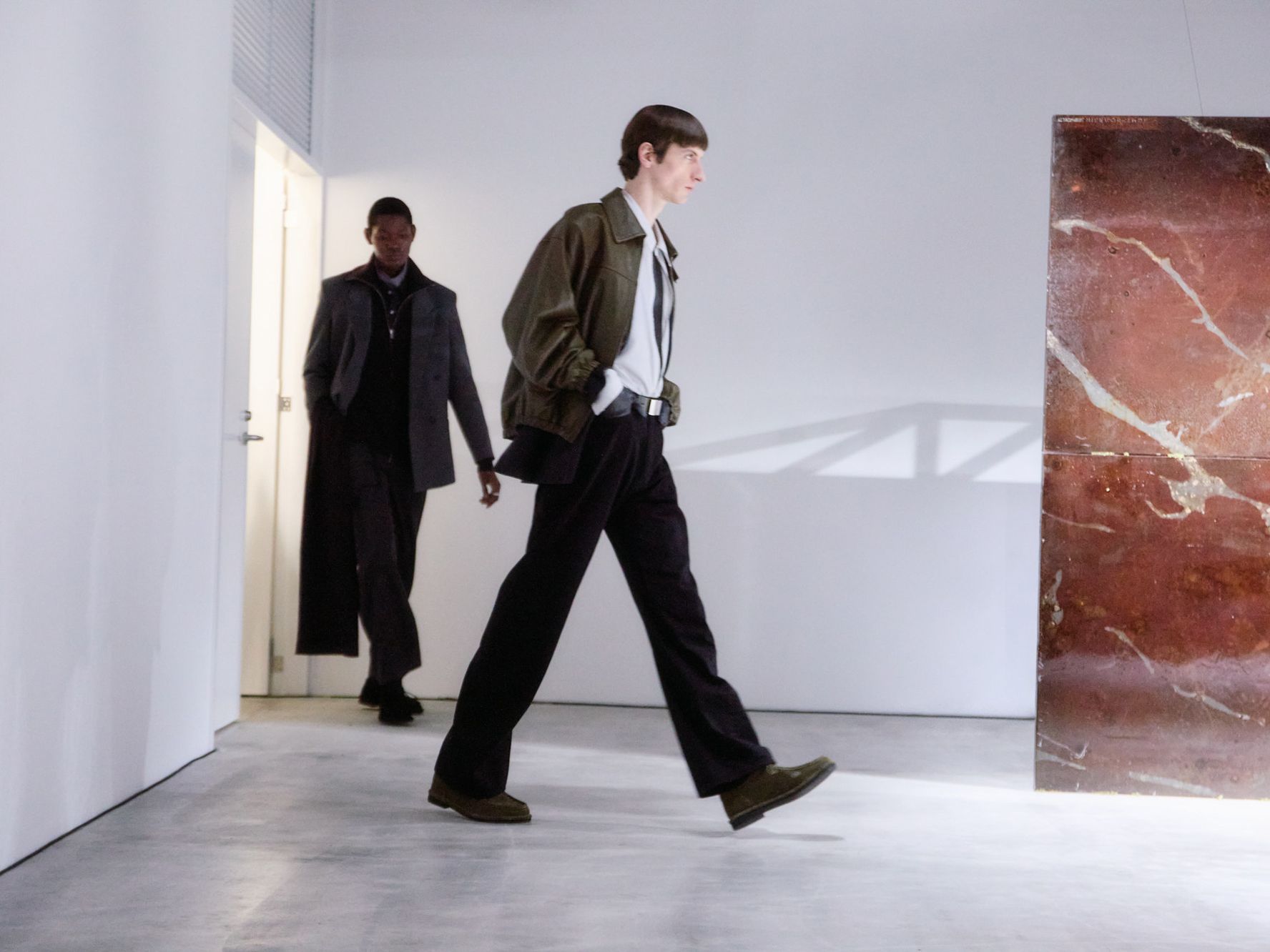
2026年2月4日、2026年秋にローンチ予定のアタッチメントの新ライン「スティル アタッチメント(STILL ATTACHMENT)」がプレゼンテーション形式で発表された。
2022年秋冬コレクションからアタッチメントのデザイナーを務める榎本光希が、これまでのコレクションを通じて探究してきた素材、製法、シルエットなど、その蓄積をさらに純化したラインとして位置づけられる。ブランドの思想をより高い純度で提示する試みであり、アタッチメントの新たな展開を示すプロジェクトでもある。
今回の発表は、従来のランウェイショーとは異なる形式で行われた。会場にはソウルを拠点に活動するデザインスタジオ・ナイスワークショップとのコラボレーションによるオブジェが設置され、まず衣服になる前の素材が展示された。ゲストはそれらに触れることができ、その後モデルが登場し、素材が衣服としてどのように身体と関係を結ぶのかを見せていく構成だ。 この形式について榎本は、「ショーだとどうしても一方的に見せる形になってしまう。スティルは触感を大事にしているラインなので、まず素材を体験してもらうことが重要だと思いました」と語る。素材に触れ、その後に服として動く姿を見るという流れは、今回のラインの考え方を体感するためのものでもあった。
スティル アタッチメントの出発点にあるのは、素材そのものへの関心だ。コレクション制作の過程では、数千にも及ぶ素材を検討した。榎本は「本当にいい素材はたくさんある。でも、いろいろな条件の中で世の中に出せないものも多い」と語る。そうした素材を純粋なかたちで提示する場として構想されたのが、スティル アタッチメントだ。 アタッチメントで培われてきた素材選びや仕立ての考え方をさらに突き詰め、最も純粋な部分を抽出した「蒸留されたようなライン」と榎本が表現するように、ブランドの中でも特に純度の高いものづくりを目指している。そのため、このラインは毎シーズン大量の型数を展開するものではない。「本当にいい素材や職人の方に出会えたときに発表するライン」と位置づけられており、シーズンごとに柔軟な形で展開される予定だという。
ライン名の“Still”には、静かにそこにあり続けるという意味が込められている。今季のコレクションテーマでもある“永続性”と結びついた言葉だ。榎本はその着想について、「苔や錆のように、日常の中に溶け込んでいて、人が気に留めなくてもそこにあり続けるものに親和性を感じた」と語る。服と人の関係も、そのようなものであり得るのではないかという考えが背景にある。 スティル アタッチメントのデザインは極めてミニマルだ。装飾を削ぎ落とし、素材、仕立て、シルエットの精度を高めることで服の本質を際立たせる。シルクやカシミヤ、ウールといった自然素材を中心に、日本の職人の方との協業によって制作される。流行に応答するための服ではなく、着る人の生活の中で長く存在し続ける服。その姿勢がライン全体を貫いている。
榎本のものづくりで特徴的なのが、触覚を起点とした素材選びだ。素材を選ぶ際に重視するのは、視覚的なインパクトよりも触れた瞬間の感覚である。「触れたときの気持ちよさや柔らかさ、そして温もり。そうした触感をとても大事にしています。」と榎本は語る。見た目の派手さや柄ではなく、身体との関係の中で感じる感覚を重視するという考え方だ。その背景には、個人的な経験もあるという。「自分のクローゼットを見ても、最後まで残っているのはそういう服なんです。若い頃に買った柄物は残っていないけれど、触り心地のいいシンプルな服はずっと残っている」と振り返る。 アタッチメントの服が世代を超えて支持されている理由も、そこにあるのかもしれない。10代や20代の若い世代が年齢を重ねても着続けられる服、また50代や60代の人も自然に手に取れる服。そうした世代を横断する衣服を作ることがブランドの理想のひとつでもある。
2026年秋冬のアタッチメントのコレクションも、“永続性”というテーマを共有している。カラーパレットにはモスグリーンやラスティブラウンといった、苔や錆を思わせる色が取り入れられた。デザイン面では首元のレイヤリングが特徴的だ。ストールやネックウォーマー、タートルネックなどを重ねることで曲線的な造形を生み出す。そのイメージ源として挙げられるのが彫刻家・リチャード・セラの作品である。鉄の巨大な彫刻が描く曲線的なフォルムが、服のレイヤリングの発想にもつながっている。 また、シルバー925のネックレスやプレートバックルのベルトなど、時間とともに変化する金属素材もコレクションに取り入れられている。経年変化そのものをデザインの一部として捉える試みでもある。
榎本が考えるサステイナビリティは、一般的に語られるそれとは少し異なる。「服を作ること自体が環境にとっていいとは言えない部分もある。でも僕にとってのサステイナビリティは、作った服を長く着てもらうことなんです」と語る。服と人が長く関係を築くこと。それが永続性につながるという考え方だ。スティル アタッチメントの服が10年後、どのように着られているのか。誰が着て、どのような生活の中にあるのか。 「10年後、20年後も気に入って着ていてほしい。10年後に完成する服、みたいなイメージですね」 短いサイクルで更新されるファッションとは異なる時間軸。その時間の中で服の価値がゆっくりと形成されていく。スティル アタッチメントは、その長い時間の中で意味を深めていく衣服として提示されている。
2022年秋冬コレクションからアタッチメントのデザイナーを務める榎本光希が、これまでのコレクションを通じて探究してきた素材、製法、シルエットなど、その蓄積をさらに純化したラインとして位置づけられる。ブランドの思想をより高い純度で提示する試みであり、アタッチメントの新たな展開を示すプロジェクトでもある。
今回の発表は、従来のランウェイショーとは異なる形式で行われた。会場にはソウルを拠点に活動するデザインスタジオ・ナイスワークショップとのコラボレーションによるオブジェが設置され、まず衣服になる前の素材が展示された。ゲストはそれらに触れることができ、その後モデルが登場し、素材が衣服としてどのように身体と関係を結ぶのかを見せていく構成だ。 この形式について榎本は、「ショーだとどうしても一方的に見せる形になってしまう。スティルは触感を大事にしているラインなので、まず素材を体験してもらうことが重要だと思いました」と語る。素材に触れ、その後に服として動く姿を見るという流れは、今回のラインの考え方を体感するためのものでもあった。
スティル アタッチメントの出発点にあるのは、素材そのものへの関心だ。コレクション制作の過程では、数千にも及ぶ素材を検討した。榎本は「本当にいい素材はたくさんある。でも、いろいろな条件の中で世の中に出せないものも多い」と語る。そうした素材を純粋なかたちで提示する場として構想されたのが、スティル アタッチメントだ。 アタッチメントで培われてきた素材選びや仕立ての考え方をさらに突き詰め、最も純粋な部分を抽出した「蒸留されたようなライン」と榎本が表現するように、ブランドの中でも特に純度の高いものづくりを目指している。そのため、このラインは毎シーズン大量の型数を展開するものではない。「本当にいい素材や職人の方に出会えたときに発表するライン」と位置づけられており、シーズンごとに柔軟な形で展開される予定だという。
ライン名の“Still”には、静かにそこにあり続けるという意味が込められている。今季のコレクションテーマでもある“永続性”と結びついた言葉だ。榎本はその着想について、「苔や錆のように、日常の中に溶け込んでいて、人が気に留めなくてもそこにあり続けるものに親和性を感じた」と語る。服と人の関係も、そのようなものであり得るのではないかという考えが背景にある。 スティル アタッチメントのデザインは極めてミニマルだ。装飾を削ぎ落とし、素材、仕立て、シルエットの精度を高めることで服の本質を際立たせる。シルクやカシミヤ、ウールといった自然素材を中心に、日本の職人の方との協業によって制作される。流行に応答するための服ではなく、着る人の生活の中で長く存在し続ける服。その姿勢がライン全体を貫いている。
榎本のものづくりで特徴的なのが、触覚を起点とした素材選びだ。素材を選ぶ際に重視するのは、視覚的なインパクトよりも触れた瞬間の感覚である。「触れたときの気持ちよさや柔らかさ、そして温もり。そうした触感をとても大事にしています。」と榎本は語る。見た目の派手さや柄ではなく、身体との関係の中で感じる感覚を重視するという考え方だ。その背景には、個人的な経験もあるという。「自分のクローゼットを見ても、最後まで残っているのはそういう服なんです。若い頃に買った柄物は残っていないけれど、触り心地のいいシンプルな服はずっと残っている」と振り返る。 アタッチメントの服が世代を超えて支持されている理由も、そこにあるのかもしれない。10代や20代の若い世代が年齢を重ねても着続けられる服、また50代や60代の人も自然に手に取れる服。そうした世代を横断する衣服を作ることがブランドの理想のひとつでもある。
2026年秋冬のアタッチメントのコレクションも、“永続性”というテーマを共有している。カラーパレットにはモスグリーンやラスティブラウンといった、苔や錆を思わせる色が取り入れられた。デザイン面では首元のレイヤリングが特徴的だ。ストールやネックウォーマー、タートルネックなどを重ねることで曲線的な造形を生み出す。そのイメージ源として挙げられるのが彫刻家・リチャード・セラの作品である。鉄の巨大な彫刻が描く曲線的なフォルムが、服のレイヤリングの発想にもつながっている。 また、シルバー925のネックレスやプレートバックルのベルトなど、時間とともに変化する金属素材もコレクションに取り入れられている。経年変化そのものをデザインの一部として捉える試みでもある。
榎本が考えるサステイナビリティは、一般的に語られるそれとは少し異なる。「服を作ること自体が環境にとっていいとは言えない部分もある。でも僕にとってのサステイナビリティは、作った服を長く着てもらうことなんです」と語る。服と人が長く関係を築くこと。それが永続性につながるという考え方だ。スティル アタッチメントの服が10年後、どのように着られているのか。誰が着て、どのような生活の中にあるのか。 「10年後、20年後も気に入って着ていてほしい。10年後に完成する服、みたいなイメージですね」 短いサイクルで更新されるファッションとは異なる時間軸。その時間の中で服の価値がゆっくりと形成されていく。スティル アタッチメントは、その長い時間の中で意味を深めていく衣服として提示されている。
Vocabulary
General
Proper noun
JLPT N2
JLPT N1
| # | 言葉 | 意味 |
|---|---|---|
| 15 | 素材 | そざい (素材) : 1. ingredient; (raw) material; resource 2. unprocessed timber; raw timber |
| 8 | 榎本 | えいもと (榎本) : Eimoto (surname) |
| 6 | 語る | かたる (語る) : 1. to talk about; to speak of; to tell; to narrate 2. to recite; to chant |
| 4 | 衣服 | いふく (衣服) : clothes |
| 4 | 触れる | ふれる (触れる) : 1. to touch; to feel 2. to touch (with) |
| 4 | 考え方 | かんがえかた (考え方) : way of thinking |
| 3 | 形式 | けいしき (形式) : 1. form (as opposed to substance); formality 2. method; system; style |
| 3 | 発表 | はっぴょう (発表) : announcement; publication; presenting; statement; communique; making known; breaking (news story); expressing (one's opinion); releasing; unveiling |
| 3 | 提示 | ていじ (提示) : presentation; exhibit; suggest; citation |
| 3 | 展開 | てんかい (展開) : 1. development; evolution; progression; unfolding; (plot) twist 2. expansion; spreading out; extending; deployment; building up |
| 3 | 異なる | ことなる (異なる) : to differ; to vary; to disagree |
| 3 | 永続性 | えいぞくせい (永続性) : persistent; permanence |
| 3 | 残る | のこる (残る) : to remain; to be left |
| 3 | 世代 | せだい (世代) : generation; the world; the age |
| 2 | 位置 | いち (位置) : place; situation; position; location |
| 2 | 純度 | じゅんど (純度) : purity (of a substance) |
| 2 | 試み | こころみ (試み) : 1. attempt; trial; experiment 2. endeavour (endeavor); effort; venture; initiative |
| 2 | 身体 | からだ (体) : 1. body 2. torso; trunk |
| 2 | 触感 | しょっかん (触感) : sense of touch; sense of being touched; tactile sense |
| 2 | 制作 | せいさく (制作) : 1. work (film, book) 2. production; creation; turning (something) out; development |
| 2 | 本当 | ほんとう (本当) : 1. truth; reality; actuality; fact 2. proper; right; correct; official |
| 2 | 純粋 | じゅんすい (純粋) : pure; true; genuine; unmixed |
| 2 | 選び | えらび (選び) : choosing; selecting; deciding (on) |
| 2 | 部分 | ぶぶん (部分) : portion; section; part |
| 2 | ものづくり | ものづくり (物作り) : 1. manufacturing; craftsmanship; making things by hand 2. making New-Year's decorations |
| 2 | 職人 | しょくにん (職人) : craftsman; artisan; tradesman; worker; workman |
| 2 | 苔 | こけ (苔) : 1. moss 2. short plants resembling moss (incl. other bryophytes, lichens, very small spermatophytes, etc.) |
| 2 | 錆 | さび (錆) : rust |
| 2 | 背景 | はいけい (背景) : 1. background; scenery; backdrop; setting 2. background (of an incident, situation, etc.); circumstances; context |
| 2 | 特徴的 | とくちょうてき (特徴的) : characteristic |
| 2 | 重視 | じゅうし (重視) : regarding as important; attaching importance to; taking a serious view of; putting emphasis on |
| 2 | 感覚 | かんかく (感覚) : sense; sensation; feeling; intuition |
| 2 | 重ねる | かさねる (重ねる) : 1. to pile up; to heap up; to stack up; to put on top of another 2. to repeat many times over; to go through repeatedly; to accumulate |
| 2 | 取り入れる | とりいれる (取り入れる) : 1. to harvest; to reap 2. to take in; to gather in |
| 2 | 曲線 | きょくせん (曲線) : curve |
| 2 | つながる | つながる (繋がる) : 1. to be tied together; to be connected to; to be linked to 2. to lead to; to be related to |
| 1 | 務める | つとめる (勤める) : 1. to work (for); to be employed (at); to serve (in) 2. to serve (as); to act (as); to fill (the position of); to play the role (of) |
| 1 | 光希 | こうき (光希) : Kouki (fem) |
| 1 | 通ずる | つうずる (通ずる) : 1. to be open (to traffic); to lead to; to communicate (with) 2. to flow (liquid, current); to pass; to get through to |
| 1 | 探究 | たんきゅう (探究) : research; investigation; enquiry; inquiry; study |
| 1 | 製法 | せいほう (製法) : manufacturing method; recipe; formula |
| 1 | 蓄積 | ちくせき (蓄積) : accumulation; accumulate; store |
| 1 | 純化 | じゅんか (純化) : 1. purification; refining 2. simplification |
| 1 | 思想 | しそう (思想) : thought; idea; ideology |
| 1 | 新た | あらた (新た) : new; fresh; novel |
| 1 | 示す | しめす (示す) : 1. to (take out and) show; to demonstrate; to tell; to exemplify; to make apparent 2. to point out (finger, clock hand, needle, etc.) |
| 1 | 従来 | じゅうらい (従来) : 1. up to now; so far 2. traditional; conventional; usual; existing |
| 1 | 拠点 | きょてん (拠点) : position; location; base; point; site |
| 1 | 活動 | かつどう (活動) : 1. activity (of a person, organization, animal, volcano, etc.); action 2. movie (esp. during the silent movie period) |
| 1 | 設置 | せっち (設置) : 1. establishment; institution 2. installation (of a machine or equipment) |
| 1 | 展示 | てんじ (展示) : exhibition; display |
| 1 | 登場 | とうじょう (登場) : 1. entry (on stage); appearance (on screen) 2. entrance; introduction (into a market) |
| 1 | 結ぶ | むすぶ (結ぶ) : 1. to tie; to bind; to link 2. to bear (fruit) |
| 1 | 構成 | こうせい (構成) : composition; construction; formation; makeup; structure; organization; organisation |
| 1 | 一方的 | いっぽうてき (一方的) : one-sided; unilateral; arbitrary |
| 1 | 体験 | たいけん (体験) : (practical) experience; personal experience; hands-on experience; first-hand experience |
| 1 | 重要 | じゅうよう (重要) : important; momentous; essential; principal; major |
| 1 | その後 | そのあと (その後) : after that; afterwards; thereafter |
| 1 | 姿 | すがた (姿) : 1. figure; form; shape 2. appearance; dress; guise |
| 1 | 流れ | ながれ (流れ) : 1. flow (of a fluid or gas); stream; current 2. flow (of people, things); passage (of time); tide; passing; (changing) trends; tendency |
| 1 | 体感 | たいかん (体感) : bodily sensation; sense; experience |
| 1 | 出発点 | しゅっぱつてん (出発点) : starting point; point of departure |
| 1 | 関心 | かんしん (関心) : concern; interest |
| 1 | 過程 | かてい (過程) : process; course; mechanism |
| 1 | 及ぶ | およぶ (及ぶ) : 1. to reach; to amount to; to befall; to happen to; to extend; to go on (for, until) 2. to be up to the task; to come up to |
| 1 | 検討 | けんとう (検討) : consideration; examination; investigation; study; scrutiny; discussion; analysis; review |
| 1 | 条件 | じょうけん (条件) : condition; term; requirement; qualification; prerequisite |
| 1 | 世の中 | よのなか (世の中) : society; the world; the times |
| 1 | 構想 | こうそう (構想) : plan; plot; idea; conception; vision; scheme |
| 1 | 培う | つちかう (培う) : to cultivate; to foster |
| 1 | 仕立て | したて (仕立て) : tailoring; dressmaking; sewing; making; preparation |
| 1 | 突き詰める | つきつめる (突き詰める) : 1. to investigate thoroughly; to examine closely; to probe into; to get to the bottom of 2. to be obsessed with a thought; to brood over; to worry about |
| 1 | 最も | もっとも (最も) : most; extremely |
| 1 | 抽出 | ちゅうしゅつ (抽出) : 1. extraction; abstraction 2. selection (from a group); sampling |
| 1 | 蒸留 | じょうりゅう (蒸留) : distillation |
| 1 | 表現 | ひょうげん (表現) : 1. expression; presentation 2. representation; notation |
| 1 | 目指す | めざす (目指す) : 1. to aim at (for, to do, to become); to try for; to have an eye on 2. to go toward; to head for |
| 1 | 大量 | たいりょう (大量) : large quantity; massive (quantity); mass (e.g. mass production, mass transit, mass destruction) |
| 1 | 数 | しばしば (屡々) : often; again and again; frequently; repeatedly |
| 1 | ごと | ごと (毎) : each; every |
| 1 | 柔軟 | じゅうなん (柔軟) : flexible; lithe; soft; pliable |
| 1 | 込める | こめる (込める) : 1. to load (a gun, etc.); to charge 2. to put into (e.g. emotion, effort) |
| 1 | 今季 | こんき (今季) : this season |
| 1 | 結びつく | むすびつく (結びつく) : 1. to be related; to be connected; to be joined together 2. to result in; to lead to; to bring about |
| 1 | 着想 | ちゃくそう (着想) : conception; idea |
| 1 | 日常 | にちじょう (日常) : everyday; daily; ordinary; usual; routine; regular |
| 1 | 溶け込む | とけこむ (溶け込む) : 1. to melt into; to dissolve into; to merge into 2. to blend into (surroundings); to fit in; to adapt to; to integrate |
| 1 | 留める | とめる (止める) : 1. to stop; to turn off 2. to park |
| 1 | 親和性 | しんわせい (親和性) : affinity |
| 1 | 感ずる | かんずる (感ずる) : to feel; to sense |
| 1 | 考え | かんがえ (考え) : 1. thinking; thought; view; opinion; concept 2. idea; notion; imagination |
| 1 | 極めて | きわめて (極めて) : exceedingly; extremely; decisively |
| 1 | 装飾 | そうしょく (装飾) : ornament; decoration |
| 1 | 削ぎ落とす | そぎおとす (削ぎ落とす) : to chip off; to scrape off; to prune |
| 1 | 仕立てる | したてる (仕立てる) : 1. to tailor; to make (clothing) 2. to train; to bring up |
| 1 | 精度 | せいど (精度) : precision; accuracy |
| 1 | 高める | たかめる (高める) : to raise; to lift; to boost; to enhance |
| 1 | 本質 | ほんしつ (本質) : essence; true nature; substance; reality |
| 1 | 際立つ | きわだつ (際立つ) : to be prominent; to be conspicuous |
| 1 | 自然素材 | しぜんそざい (自然素材) : natural material; natural ingredient |
| 1 | 中心 | ちゅうしん (中心) : 1. center; centre; middle; heart; core; focus; pivot; emphasis; balance 2. -centered; -centred; -focused; -oriented; centered on; focused on |
| 1 | 協業 | きょうぎょう (協業) : cooperative industry |
| 1 | 流行 | りゅうこう (流行) : 1. fashion; trend; vogue; craze; fad; popularity 2. prevalence (of a disease); epidemic |
| 1 | 応答 | おうとう (応答) : reply; answer; response |
| 1 | 存在 | そんざい (存在) : existence; being |
| 1 | 姿勢 | しせい (姿勢) : 1. posture; pose; position; stance; carriage (of the body) 2. attitude; approach; stance |
| 1 | 全体 | ぜんたい (全体) : whole; entirety; whatever (is the matter) |
| 1 | 貫く | つらぬく (貫く) : 1. to go through; to pierce; to penetrate 2. to run through (e.g. a river through a city); to pass through |
| 1 | 触覚 | しょっかく (触覚) : 1. sense of touch 2. tactile; tactual |
| 1 | 起点 | きてん (起点) : starting point; origin |
| 1 | 際 | きわ (際) : 1. edge; brink; verge; side 2. time; moment of |
| 1 | 視覚的 | しかくてき (視覚的) : visual |
| 1 | 瞬間 | しゅんかん (瞬間) : moment; second; instant |
| 1 | 柔らか | やわらか (柔らか) : soft; tender; limp; subdued (colour or light) (color); gentle; meek |
| 1 | 温もり | ぬくもり (温もり) : warmth |
| 1 | 見た目 | みため (見た目) : appearance; (outward) looks; exterior appearance |
| 1 | 派手 | はで (派手) : showy; loud; gay; flashy; gaudy |
| 1 | 柄 | え (柄) : 1. handle; grip 2. stalk (of a mushroom, leaf, etc.) |
| 1 | 感じる | かんじる (感じる) : to feel; to sense; to experience |
| 1 | 個人的 | こじんてき (個人的) : personal; individual; private |
| 1 | 頃 | ころ (頃) : 1. (approximate) time; around; about; toward 2. suitable time (or condition) |
| 1 | 買う | かう (買う) : 1. to buy; to purchase 2. to value; to have a high opinion |
| 1 | 柄物 | がらもの (柄物) : patterned cloth |
| 1 | ずっと | ずっと : 1. continuously in some state (for a long time, distance); throughout; all along; the whole time; all the way 2. much (better, etc.); by far; far and away |
| 1 | 振り返る | ふりかえる (振り返る) : 1. to turn one's head; to look over one's shoulder; to turn around; to look back 2. to think back (on); to reminisce; to look back (on); to reflect (on) |
| 1 | 超える | こえる (越える) : 1. to cross over; to cross; to pass through; to pass over (out of); to go beyond; to go past 2. to exceed; to surpass; to be more (than) |
| 1 | 支持 | しじ (支持) : 1. support; backing; endorsement; approval 2. support; holding up; propping |
| 1 | しれる | しれる (知れる) : 1. to become known; to come to light; to be discovered 2. to be known; to be understood |
| 1 | 若い | わかい (若い) : 1. young; youthful 2. immature; green |
| 1 | 年齢 | ねんれい (年齢) : age; years |
| 1 | 自然 | しぜん (自然) : 1. nature 2. natural; spontaneous; automatic |
| 1 | 取れる | とれる (取れる) : 1. to come off; to be removed 2. to disappear (of pain, a fever, etc.) |
| 1 | 横断 | おうだん (横断) : 1. crossing; traversing 2. traversing horizontally; passing west to east (or east to west) |
| 1 | 理想 | りそう (理想) : ideal; ideals |
| 1 | 共有 | きょうゆう (共有) : 1. joint ownership; co-ownership; sharing (e.g. a viewpoint) 2. sharing (files, devices on a network, posts on social media, etc.) |
| 1 | 面 | おもて (面) : 1. face 2. surface |
| 1 | 首元 | くびもと (首元) : base of the throat; bottom of the neck |
| 1 | 造形 | ぞうけい (造形) : molding; moulding; shaping; modelling (i.e. plastic arts); modeling |
| 1 | 生み出す | うみだす (生み出す) : 1. to create; to bring forth; to produce 2. to invent; to think up and bring into being |
| 1 | 源 | みなもと (源) : 1. source (of a river); fountainhead 2. source; origin; root |
| 1 | 彫刻家 | ちょうこくか (彫刻家) : engraver; carver; sculptor |
| 1 | 作品 | さくひん (作品) : work (e.g. book, film, composition, etc.); opus; performance; production |
| 1 | 鉄 | かね (金) : 1. money 2. metal |
| 1 | 巨大 | きょだい (巨大) : huge; gigantic; enormous |
| 1 | 彫刻 | ちょうこく (彫刻) : carving; engraving; sculpture |
| 1 | 描く | えがく (描く) : 1. to draw; to paint; to sketch 2. to depict; to describe |
| 1 | 発想 | はっそう (発想) : 1. idea; conception; way of thinking 2. expression |
| 1 | 変化 | へんか (変化) : 1. change; variation; alteration; mutation; transition; transformation; transfiguration; metamorphosis 2. variety; diversity |
| 1 | 金属 | きんぞく (金属) : metal |
| 1 | 経年変化 | けいねんへんか (経年変化) : change over the years; aging; ageing; secular change |
| 1 | 一部 | いちぶ (一部) : 1. one part; one portion; one section; some 2. one copy (e.g. of a document) |
| 1 | 捉える | とらえる (捉える) : 1. to catch; to capture; to seize; to arrest; to grab; to catch hold of 2. to grasp (e.g. meaning); to perceive; to capture (e.g. features) |
| 1 | 一般的 | いっぱんてき (一般的) : general; popular; common; typical |
| 1 | 自体 | じたい (自体) : 1. itself 2. one's own body; oneself |
| 1 | 環境 | かんきょう (環境) : environment; circumstance |
| 1 | 言える | いえる (言える) : 1. to be possible to say; to be able to say 2. said; have said |
| 1 | 作る | つくる (作る) : 1. to make; to produce; to manufacture; to build; to construct 2. to prepare (food); to brew (alcohol) |
| 1 | 築く | きずく (築く) : 1. to build; to construct; to erect 2. to amass (e.g. fortune); to pile up |
| 1 | 完成 | かんせい (完成) : 1. complete; completion 2. perfection; accomplishment |
| 1 | みたい | みたい : -like; sort of; similar to; resembling |
| 1 | 更新 | こうしん (更新) : renewal; update; innovation; improvement |
| 1 | 時間軸 | じかんじく (時間軸) : time axis |
| 1 | 価値 | かち (価値) : value; worth; merit |
| 1 | ゆっくり | ゆっくり : 1. slowly; unhurriedly; without haste; leisurely; at one's leisure 2. easily (e.g. in time); well; sufficiently; amply; with time to spare |
| 1 | 形成 | けいせい (形成) : 1. formation; molding; making up; taking form; giving form to 2. repair (e.g. plastic surgery); replacement; -plasty |
| 1 | 深める | ふかめる (深める) : to deepen; to heighten; to intensify |