鮨の神様から次世代へ受け継ぐ職人の技と心意気「すきやばし次郎」──特集:ニッポンの鮨サーベイ
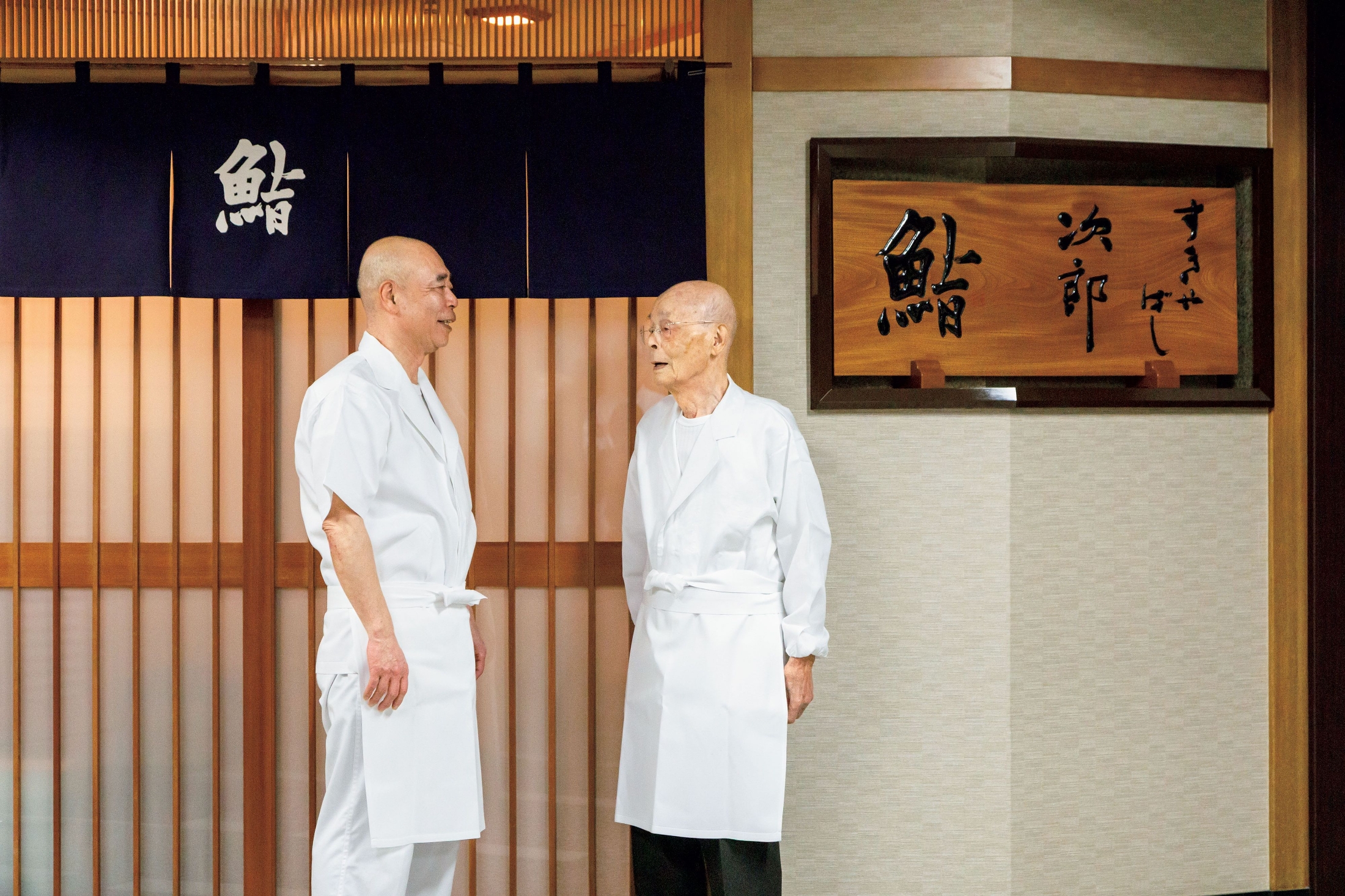
現在100歳の父・小野二郎から長男・禎一へ。「すきやばし次郎」の世代交代と継承をフードコンサルタント胡家雯が聞く。
胡家雯(以下、胡) 私がこちらでお鮨をいただいた回数は200回くらい。海外からのゲストアテンドを入れたら500回は超えるかも(笑)。 小野禎一(以下、小野) それは常連のなかでも5本の指に入りますね。うちは毎週来るお客さまもいらっしゃるから。 胡 うらやましいお話です。「すきやばし次郎」は今の東京でもっとも予約のとれないお店のひとつだから。いつごろからそうなりました? 小野 やっぱりミシュランの三つ星をいただいたこと(2007年)がきっかけだったかな。それまでも外国のお客さまはいらしたけど、ミシュラン以降は飛躍的に増えましたよね。 胡 約20年でお鮨を巡る環境は大きく変わりましたね。NYやロンドンなど世界への出店や、海外へ活躍の場を求める職人が増えました。 小野 それはいわゆるSUSHIの世界でしょ。否定するわけじゃないけど、うちがやってるのは、あくまで江戸前の“鮨”ですからね。 胡 禎一さんは24歳で「すきやばし次郎」へ入られました。二郎さんは厳しかったですか? 小野 怖いなんてもんじゃありませんよ。弟(「すきやばし次郎 六本木ヒルズ店」店主の小野隆士)と私は、今も親父さんのことを閻魔大王と呼んでいるんですから(笑)。 胡 こちらの修業は厳しいと評判ですが、まずおしぼりを絞ることから始まるんですよね。 小野 いらした方ならご存じだろうけど、うちのおしぼりは熱い。そのおしぼりをいかにアツアツのままに絞るか。そこに知恵をしぼれないようでは魚も触れないよ、という意味なんですよね。ただ、昔は何も教えずに「見て学べ」という風だったけど、今はもう時代が違いますから、いちいち言葉で教えています。 胡 お鮨って技術だけじゃないですよね。日本の文化としての側面もあるから。 小野 そこが難しい。たとえばこのカウンターの上の内のれん。これは、鮨屋が江戸時代には屋台だった名残りなんだけど、昔はのれんが汚い店ほど繁盛していると言われたものです。 胡 お客さんが鮨を手で食べて、帰りにのれんで手を拭いて帰ったということなんですよね。 小野 ほかにもいろいろ決まりはあって、たとえばカウンターはお客さまから(鮨をのせる)つけ台までが1尺5寸、つけ台から職人までが1尺5寸で計3尺と決まっています。 胡 いまどきのお店では気にしていないかもしれないけど、独特の文化を守っていくことも次世代へ継承するうえで大切な側面だと思います。 ■「すきやばし次郎」が興したイノベーション 胡 そういえば握り鮨は、江戸時代はもっと大きかったと言いますね。 小野 今の倍くらいあったんじゃない。それをひと口では食べきれないから、2つに切って出していた。その名残りから、昔は握りを2貫ずつ出していたんですよね。 胡 今は1貫ずつ出すスタイルが一般的になりましたが、二郎さんが始めたこともたくさんありますね。たとえば、白身魚など淡い味わいのものから始めるおまかせのコース。 小野 それは親父さんがフランス料理を食べに行って、コース料理の組み立てを学んだことに端を発しているんです。今は最初に鮨の王様である赤身(まぐろ)をお出ししてから白身やいかをお出ししています。鮨も時代に即して変化していますよね。ほかにも車海老やたこを人肌の温度でお出しするために直前に茹でる、かつおを藁でいぶす、軍艦にうにを大盛りにする、シャリを冷たくしすぎない、なんてことも親父さんが始めました。なにしろ寝ても覚めても、四六時中、鮨のことを考えているんだから。 胡 最近はお年のこともあってカウンターの中には入らないけど、お店にはまだしばしば顔を出していらっしゃいますね。 小野 親父さんが来るといまだに緊張しちゃうから、イヤなんだよ(笑)。ある程度(自分も)できるようになったなと思って、ふと見ると、親父さんはず〜っと先を走ってるんだから。 胡 40年以上の長きにわたってカウンターの隣で見てきたのに、100歳でなお先を行く二郎さんって……(嘆息)。禎一さんが二郎さんから受け継いだいちばん大きなものはなんですか? 小野 最近は気候変動もあって、季節ごとの旬や漁場は変わってきた。冷凍技術や漁法の進化もあり、今後の我々の仕事も変わっていくかもしれません。でも、鮨はシャリをおいしく食べていただくために今ある材料をどう引き算で料理するか、に尽きるわけで、そこに確とした答えはありません。だから、親父さんから私が受け継いだものと言えば、まずその答えのない問いにどう向き合っていくか、という姿勢みたいなものなのかもしれないですね。 ■すきやばし次郎 住:東京都中央区銀座4-2-15 塚本総業ビルB1F TEL:03-3535-3600 営:11:30〜14:00、17:30〜20:30 休:日曜、祝日、土曜夜、8月中旬、年末年始 URL:www.sushi-jiro.jp
胡家雯(以下、胡) 私がこちらでお鮨をいただいた回数は200回くらい。海外からのゲストアテンドを入れたら500回は超えるかも(笑)。 小野禎一(以下、小野) それは常連のなかでも5本の指に入りますね。うちは毎週来るお客さまもいらっしゃるから。 胡 うらやましいお話です。「すきやばし次郎」は今の東京でもっとも予約のとれないお店のひとつだから。いつごろからそうなりました? 小野 やっぱりミシュランの三つ星をいただいたこと(2007年)がきっかけだったかな。それまでも外国のお客さまはいらしたけど、ミシュラン以降は飛躍的に増えましたよね。 胡 約20年でお鮨を巡る環境は大きく変わりましたね。NYやロンドンなど世界への出店や、海外へ活躍の場を求める職人が増えました。 小野 それはいわゆるSUSHIの世界でしょ。否定するわけじゃないけど、うちがやってるのは、あくまで江戸前の“鮨”ですからね。 胡 禎一さんは24歳で「すきやばし次郎」へ入られました。二郎さんは厳しかったですか? 小野 怖いなんてもんじゃありませんよ。弟(「すきやばし次郎 六本木ヒルズ店」店主の小野隆士)と私は、今も親父さんのことを閻魔大王と呼んでいるんですから(笑)。 胡 こちらの修業は厳しいと評判ですが、まずおしぼりを絞ることから始まるんですよね。 小野 いらした方ならご存じだろうけど、うちのおしぼりは熱い。そのおしぼりをいかにアツアツのままに絞るか。そこに知恵をしぼれないようでは魚も触れないよ、という意味なんですよね。ただ、昔は何も教えずに「見て学べ」という風だったけど、今はもう時代が違いますから、いちいち言葉で教えています。 胡 お鮨って技術だけじゃないですよね。日本の文化としての側面もあるから。 小野 そこが難しい。たとえばこのカウンターの上の内のれん。これは、鮨屋が江戸時代には屋台だった名残りなんだけど、昔はのれんが汚い店ほど繁盛していると言われたものです。 胡 お客さんが鮨を手で食べて、帰りにのれんで手を拭いて帰ったということなんですよね。 小野 ほかにもいろいろ決まりはあって、たとえばカウンターはお客さまから(鮨をのせる)つけ台までが1尺5寸、つけ台から職人までが1尺5寸で計3尺と決まっています。 胡 いまどきのお店では気にしていないかもしれないけど、独特の文化を守っていくことも次世代へ継承するうえで大切な側面だと思います。 ■「すきやばし次郎」が興したイノベーション 胡 そういえば握り鮨は、江戸時代はもっと大きかったと言いますね。 小野 今の倍くらいあったんじゃない。それをひと口では食べきれないから、2つに切って出していた。その名残りから、昔は握りを2貫ずつ出していたんですよね。 胡 今は1貫ずつ出すスタイルが一般的になりましたが、二郎さんが始めたこともたくさんありますね。たとえば、白身魚など淡い味わいのものから始めるおまかせのコース。 小野 それは親父さんがフランス料理を食べに行って、コース料理の組み立てを学んだことに端を発しているんです。今は最初に鮨の王様である赤身(まぐろ)をお出ししてから白身やいかをお出ししています。鮨も時代に即して変化していますよね。ほかにも車海老やたこを人肌の温度でお出しするために直前に茹でる、かつおを藁でいぶす、軍艦にうにを大盛りにする、シャリを冷たくしすぎない、なんてことも親父さんが始めました。なにしろ寝ても覚めても、四六時中、鮨のことを考えているんだから。 胡 最近はお年のこともあってカウンターの中には入らないけど、お店にはまだしばしば顔を出していらっしゃいますね。 小野 親父さんが来るといまだに緊張しちゃうから、イヤなんだよ(笑)。ある程度(自分も)できるようになったなと思って、ふと見ると、親父さんはず〜っと先を走ってるんだから。 胡 40年以上の長きにわたってカウンターの隣で見てきたのに、100歳でなお先を行く二郎さんって……(嘆息)。禎一さんが二郎さんから受け継いだいちばん大きなものはなんですか? 小野 最近は気候変動もあって、季節ごとの旬や漁場は変わってきた。冷凍技術や漁法の進化もあり、今後の我々の仕事も変わっていくかもしれません。でも、鮨はシャリをおいしく食べていただくために今ある材料をどう引き算で料理するか、に尽きるわけで、そこに確とした答えはありません。だから、親父さんから私が受け継いだものと言えば、まずその答えのない問いにどう向き合っていくか、という姿勢みたいなものなのかもしれないですね。 ■すきやばし次郎 住:東京都中央区銀座4-2-15 塚本総業ビルB1F TEL:03-3535-3600 営:11:30〜14:00、17:30〜20:30 休:日曜、祝日、土曜夜、8月中旬、年末年始 URL:www.sushi-jiro.jp
Vocabulary
General
Proper noun
JLPT N2
JLPT N1
| # | 言葉 | 意味 |
|---|---|---|
| 14 | 小野 | おの (小野) : plain; field |
| 10 | 鮨 | すし (寿司) : sushi; anything made with vinegared rice (may also contain vegetables, spices, fish, or other delicacies) |
| 6 | ばし | ばし (橋) : Bashi (place) |
| 6 | 次郎 | けいじろう (次郎) : Keijirou (masc) |
| 6 | 親父 | おやじ (親父) : one's father; old man; one's boss |
| 5 | 二郎 | じろう (二郎) : Jirou (masc) |
| 4 | 禎一 | さだいち (禎一) : Sadaichi (given) |
| 4 | さん | さん : 1. Mr.; Mrs.; Miss; Ms.; -san 2. politeness marker |
| 4 | 食べる | たべる (食べる) : 1. to eat 2. to live on (e.g. a salary); to live off; to subsist on |
| 3 | お客さま | おきゃくさま (お客様) : 1. guest; visitor 2. customer; client; shopper; spectator; audience; tourist; sightseer; passenger |
| 3 | お店 | おたな (お店) : 1. merchant's home (esp. used by apprentices, etc.) 2. (your) rental home |
| 3 | 変わる | かわる (変わる) : 1. to change; to be transformed; to be altered; to vary 2. to move to |
| 3 | おしぼり | おしぼり (お絞り) : wet towel (supplied at table); hot, moistened hand towel |
| 3 | のれん | のれん (暖簾) : 1. (short) curtain hung at shop entrance; split curtain used to divide spaces in a house 2. reputation (of a store); good name; credit |
| 3 | 尺 | しゃく (尺) : 1. shaku (unit of distance approximately equal to 30.3 cm) 2. rule; measure; scale |
| 3 | しれる | しれる (知れる) : 1. to become known; to come to light; to be discovered 2. to be known; to be understood |
| 2 | 継承 | けいしょう (継承) : 1. inheritance; succession; accession 2. share-alike |
| 2 | 胡家 | えびすや (胡家) : Ebisuya (surname) |
| 2 | 海外 | かいがい (海外) : foreign; abroad; overseas |
| 2 | 増える | ふえる (増える) : to increase; to multiply |
| 2 | 職人 | しょくにん (職人) : craftsman; artisan; tradesman; worker; workman |
| 2 | なんて | なんて (何て) : 1. how ...!; what ...! 2. what?; what's that? |
| 2 | 絞る | しぼる (絞る) : 1. to wring (towel, rag); to squeeze 2. to squeeze (fruit to extract juice); to press; to extract; to milk; to express milk |
| 2 | 教える | おしえる (教える) : 1. to teach; to instruct 2. to tell; to inform |
| 2 | 学ぶ | まなぶ (学ぶ) : to study (in depth); to learn; to take lessons in |
| 2 | って | って : 1. you said; he said; she said; they said 2. if ... then |
| 2 | 側面 | そくめん (側面) : 1. side; flank; profile; sidelight; lateral 2. aspect; dimension |
| 2 | 江戸時代 | えどじだい (江戸時代) : Edo period (1603-1868 CE) |
| 2 | 名残り | なごり (名残) : 1. remains; traces; vestiges; relics 2. (the sorrow of) parting |
| 2 | つけ | つけ (付け) : 1. bill; bill of sale; payment invoice 2. tab (for later payment); credit |
| 2 | 寸 | すん (寸) : 1. sun (approx. 3.03 cm) 2. length; measurement |
| 2 | 貫 | かん (貫) : 1. kan (obs. unit of weight, approx. 3.75 kg, 8.3 lb) 2. kan (obs. unit of currency, equiv. to 1000 mon in the Edo period; col. 10 mon in the Meiji period) |
| 2 | 受け継ぐ | うけつぐ (受け継ぐ) : to inherit; to succeed; to take over |
| 2 | 答え | こたえ (答え) : answer; reply; response; solution |
| 1 | 現在 | げんざい (現在) : now; current; present; present time; as of |
| 1 | 長男 | ちょうなん (長男) : eldest son (may be the only son); first-born son |
| 1 | 世代交代 | せだいこうたい (世代交代) : alternation of generations |
| 1 | 回数 | かいすう (回数) : number of times; frequency; count |
| 1 | 入れる | いれる (入れる) : 1. to put in; to let in; to take in; to bring in; to insert; to install (e.g. software); to set (a jewel, etc.); to ink in (e.g. tattoo) 2. to admit; to accept; to employ; to hire |
| 1 | 超える | こえる (越える) : 1. to cross over; to cross; to pass through; to pass over (out of); to go beyond; to go past 2. to exceed; to surpass; to be more (than) |
| 1 | 常連 | じょうれん (常連) : 1. regular customer; regular patron; frequenter 2. constant companion |
| 1 | うらやましい | うらやましい (羨ましい) : 1. envious; jealous 2. enviable (position, etc.) |
| 1 | 東京 | とうきょう (東京) : Tokyo |
| 1 | とれる | とれる (取れる) : 1. to come off; to be removed 2. to disappear (of pain, a fever, etc.) |
| 1 | いつごろ | いつごろ (いつ頃) : about when; about what time; how soon |
| 1 | 三つ星 | みつぼし (三ツ星) : 1. three stars (shape) 2. three stars (rating) |
| 1 | きっかけ | きっかけ (切っ掛け) : chance; start; cue; excuse; motive; impetus; occasion |
| 1 | 以降 | いこう (以降) : on and after; as from; hereafter; thereafter; since |
| 1 | 飛躍的 | ひやくてき (飛躍的) : rapidly |
| 1 | 巡る | めぐる (巡る) : 1. to go around 2. to return |
| 1 | 環境 | かんきょう (環境) : environment; circumstance |
| 1 | 大きく | おおきく (大きく) : in a big way; on a grand scale |
| 1 | 出店 | でみせ (出店) : 1. food stand; food stall 2. branch store |
| 1 | 活躍 | かつやく (活躍) : 1. activity (esp. energetic); great efforts; conspicuous service 2. to flourish; to participate actively; to play an active role |
| 1 | 求める | もとめる (求める) : 1. to want; to wish for 2. to request; to demand; to require; to ask for |
| 1 | いわゆる | いわゆる (所謂) : what is called; as it is called; the so-called; so to speak |
| 1 | 否定 | ひてい (否定) : 1. denial; negation; repudiation; disavowal 2. negation (logic) |
| 1 | あくまで | あくまで (飽くまで) : 1. to the end; to the bitter end; to the last; stubbornly; persistently; consistently; to the utmost 2. after all; it must be remembered; only; purely; simply |
| 1 | 江戸 | えど (江戸) : Edo (shogunate capital, now Tokyo); Yedo |
| 1 | 六本木ヒルズ | ろっぽんぎヒルズ (六本木ヒルズ) : Roppongi Hills (place) |
| 1 | 店主 | てんしゅ (店主) : shopkeeper; storekeeper; proprietor of a shop |
| 1 | 隆士 | たかし (隆士) : Takashi (masc) |
| 1 | 閻魔 | えんま (閻魔) : Yama (king of the world of the dead, who judges the dead); Emma; Yan; Yomna |
| 1 | 大王 | だいおう (大王) : great king |
| 1 | 呼ぶ | よぶ (呼ぶ) : 1. to call out (to); to call; to invoke 2. to summon (a doctor, etc.) |
| 1 | 修業 | しゅうぎょう (修業) : pursuit of knowledge; studying; learning; training; completing a course |
| 1 | 評判 | ひょうばん (評判) : 1. fame; reputation; popularity 2. rumour (rumor); talk |
| 1 | いかに | いかに (如何に) : 1. how; in what way 2. how (much); to what extent |
| 1 | まま | うば (乳母) : wet nurse; nursing mother |
| 1 | 知恵 | ちえ (知恵) : 1. wisdom; wit; sagacity; sense; intelligence 2. prajna (insight leading to enlightenment) |
| 1 | 触れる | ふれる (触れる) : 1. to touch; to feel 2. to touch (with) |
| 1 | ただ | ただ (只) : 1. ordinary; common; usual 2. free of charge |
| 1 | 違う | ちがう (違う) : 1. to differ (from); to vary 2. to not be in the usual condition |
| 1 | いちいち | いちいち (一々) : 1. one-by-one; separately 2. every single; each and every; without omission; fully; in detail |
| 1 | 上の内 | かみのうち (上の内) : Kaminouchi (unclass) |
| 1 | 鮨屋 | すしや (寿司屋) : sushi shop; sushi restaurant; sushi bar |
| 1 | 屋台 | やたい (屋台) : 1. cart (esp. a food cart); stall; stand 2. festival float; portable shrine dedicated to a god and shaped like a house; dancing platform |
| 1 | 繁盛 | はんじょう (繁盛) : prosperity; flourishing; thriving |
| 1 | お客さん | おきゃくさん (お客さん) : 1. guest; visitor 2. customer; client; shopper; spectator; audience; tourist; sightseer; passenger |
| 1 | 拭く | ふく (拭く) : to wipe; to dry |
| 1 | 帰る | かえる (帰る) : 1. to return; to come home; to go home; to go back 2. to leave |
| 1 | 決まり | きまり (決まり) : 1. rule; regulation 2. settlement; conclusion; end; agreement; arrangement |
| 1 | のせる | のせる (乗せる) : 1. to place on (something) 2. to give (someone) a ride; to give a lift; to pick up; to help on board |
| 1 | 決まる | きまる (決まる) : 1. to be decided; to be settled; to be fixed; to be arranged 2. to be unchanging; to be the same (as always); to be fixed; to be set |
| 1 | いまどき | いまどき (今時) : 1. these days; nowadays; present day; modern times 2. at this time (of the day) |
| 1 | 独特 | どくとく (独特) : 1. peculiarity; uniqueness; characteristic 2. understood only by oneself |
| 1 | 守る | まもる (守る) : 1. to protect; to guard; to defend 2. to keep (i.e. a promise); to abide (by the rules); to observe; to obey; to follow |
| 1 | 次世代 | じせだい (次世代) : next generation; future generation |
| 1 | 興す | おこす (興す) : 1. to vitalize (e.g. an industry); to invigorate; to energize; to revive; to promote; to make prosperous 2. to establish (e.g. a company); to build up; to set up; to launch; to commence |
| 1 | 握り鮨 | にぎりずし (にぎり寿司) : nigirizushi; hand-formed sushi with a topping of seafood, etc. |
| 1 | ひと口 | ひとくち (一口) : 1. mouthful; morsel; bite 2. gulp; sip; draft; draught |
| 1 | 握り | にぎり (握り) : 1. grasping; gripping; grasp; grip; clutch 2. handful; fistful |
| 1 | 一般的 | いっぱんてき (一般的) : general; popular; common; typical |
| 1 | 白身魚 | しろみざかな (白身魚) : fish having white flesh (e.g. tai, hirame, karei) |
| 1 | 淡い | あわい (淡い) : light; faint; pale; fleeting |
| 1 | 味わい | あじわい (味わい) : 1. flavour; flavor; taste 2. charm; appeal; interest; meaning; significance |
| 1 | おまかせ | おまかせ (お任せ) : leaving a decision to someone else (often of a meal to be selected by the chef); omakase |
| 1 | フランス料理 | フランスりょうり (フランス料理) : French food |
| 1 | コース料理 | コースりょうり (コース料理) : multi-course menu; multi-course dining |
| 1 | 組み立て | くみたて (組み立て) : construction; framework; erection; assembly; organization; organisation |
| 1 | 端 | そば (側) : 1. near; close; beside; vicinity; proximity; besides; while 2. third person |
| 1 | 発する | はっする (発する) : 1. to let out; to utter; to produce; to emit; to give forth; to discharge 2. to issue; to send; to give |
| 1 | 王様 | おうさま (王様) : king |
| 1 | 白身 | しろみ (白身) : 1. egg white 2. white-fleshed fish (e.g. tai, hirame, karei); white meat; fatty meat |
| 1 | 即する | そくする (即する) : to conform to; to agree with; to be adapted to; to be based on |
| 1 | 変化 | へんか (変化) : 1. change; variation; alteration; mutation; transition; transformation; transfiguration; metamorphosis 2. variety; diversity |
| 1 | 車海老 | くるまえび (車海老) : kuruma prawn (Marsupenaeus japonicus); kuruma shrimp; Japanese tiger prawn |
| 1 | たこ | たこ (胼胝) : callus; callosity; corn |
| 1 | 人肌 | ひとはだ (人肌) : 1. the skin (of a human being) 2. warmth of the skin; body warmth |
| 1 | 温度 | おんど (温度) : temperature |
| 1 | 出し | だし (出し) : 1. dashi (Japanese soup stock made from fish and kelp) 2. pretext; excuse; pretense (pretence); dupe; front man |
| 1 | 直前 | ちょくぜん (直前) : just before |
| 1 | 茹でる | ゆでる (茹でる) : 1. to boil (something in hot water) 2. to treat with medicinal steam (a swelling, etc.) |
| 1 | かつお | かつお (鰹) : skipjack tuna (Katsuwonus pelamis); oceanic bonito; victorfish |
| 1 | 藁 | わら (藁) : straw |
| 1 | いぶす | いぶす (燻す) : 1. to smoke (something); to fumigate 2. to oxidize; to oxidise |
| 1 | 軍艦 | ぐんかん (軍艦) : warship; battleship |
| 1 | うに | うに (海胆) : 1. sea urchin 2. seasoned sea urchin eggs |
| 1 | 大盛り | おおもり (大盛り) : large serving; large portion |
| 1 | なにしろ | なにしろ (何しろ) : at any rate; anyhow; anyway; in any case; because; as you know; for you see |
| 1 | 寝る | ねる (寝る) : 1. to sleep (lying down) 2. to go to bed; to lie in bed |
| 1 | 覚める | さめる (覚める) : 1. to wake; to wake up 2. to become sober; to sober up; to regain consciousness (e.g. after anaesthesia) |
| 1 | 考える | かんがえる (考える) : 1. to think (about, of); to think over; to ponder; to contemplate; to reflect (on); to meditate (on) 2. to consider; to bear in mind; to allow for; to take into consideration |
| 1 | しばしば | しばしば (屡々) : often; again and again; frequently; repeatedly |
| 1 | いまだ | まだ (未だ) : 1. still; as yet; only 2. (not) yet |
| 1 | 緊張 | きんちょう (緊張) : tension; mental strain; nervousness |
| 1 | 程度 | ていど (程度) : degree; amount; grade; standard; of the order of (following a number); about; approximately |
| 1 | ふと | ふと (不図) : suddenly; casually; accidentally; incidentally; unexpectedly; unintentionally |
| 1 | 走る | はしる (走る) : 1. to run 2. to run (of a vehicle); to drive; to travel; to move; to sail |
| 1 | 長き | ながき (長き) : long distance; long time |
| 1 | なお | なお (尚) : 1. still; yet 2. more; still more; greater; further |
| 1 | 嘆息 | たんそく (嘆息) : sigh (of grief, disappointment, etc.); grieving; lamenting; deploring |
| 1 | 気候変動 | きこうへんどう (気候変動) : climate change |
| 1 | ごと | ごと (毎) : each; every |
| 1 | 旬 | しゅん (旬) : 1. season (e.g. fruit, fish) 2. in vogue; popular; fresh; up to date |
| 1 | 漁場 | ぎょじょう (漁場) : fishing grounds; permitted fishing zone |
| 1 | 冷凍 | れいとう (冷凍) : freezing; cold storage; refrigeration |
| 1 | 漁法 | ぎょほう (漁法) : method of fishing |
| 1 | 進化 | しんか (進化) : evolution; progress |
| 1 | 今後 | こんご (今後) : from now on; hereafter |
| 1 | 我々 | われわれ (我々) : we |
| 1 | 材料 | ざいりょう (材料) : 1. ingredients; material 2. material (for a novel, experiment, etc.); subject matter; data |
| 1 | 引き算 | ひきざん (引き算) : subtraction |
| 1 | 尽きる | つきる (尽きる) : to be used up; to be run out; to be exhausted; to be consumed; to come to an end |
| 1 | 確と | しかと (確と) : 1. certainly; for sure 2. distinctly; clearly; exactly |
| 1 | 問い | とい (問い) : question; query |
| 1 | 向き合う | むきあう (向き合う) : 1. to be opposite; to face each other 2. to confront (an issue); to face |
| 1 | 姿勢 | しせい (姿勢) : 1. posture; pose; position; stance; carriage (of the body) 2. attitude; approach; stance |
| 1 | みたい | みたい : -like; sort of; similar to; resembling |
| 1 | 東京都 | とうきょうと (東京都) : Tokyo Metropolis (prefecture); Tokyo metropolitan area |
| 1 | 中央区 | ちゅうおうく (中央区) : Chūō Ward (Borough, etc.) (in several cities) (place) |
| 1 | 銀座 | ぎんざ (銀座) : 1. Ginza (shopping district in Tokyo) 2. (Edo period) silver mint |
| 1 | 塚本 | つかもと (塚本) : Tsukamoto (place; surname) |
| 1 | 日曜 | にちよう (日曜) : Sunday |
| 1 | 祝日 | しゅくじつ (祝日) : national holiday; public holiday |
| 1 | 土曜 | どよう (土曜) : Saturday |
| 1 | 中旬 | ちゅうじゅん (中旬) : middle of a month; second third of a month; 11th to 20th day of a month |
| 1 | 年末年始 | ねんまつねんし (年末年始) : New Year's holiday; period encompassing the close of the old year and the start of the New Year |