JR福知山線脱線事故から21年 教訓や記憶の継承が課題に
予習
この記事のキーワード — タップで意味×7
遺族
いぞく
bereaved family; surviving family; family of the deceased
×4
追悼
ついとう
mourning (dead persons); memorial
×3
犠牲者
ぎせいしゃ
victim
×2
慰霊
いれい
consoling the spirits of the dead
×3
鉄道
てつどう
railroad; railway; rail transport
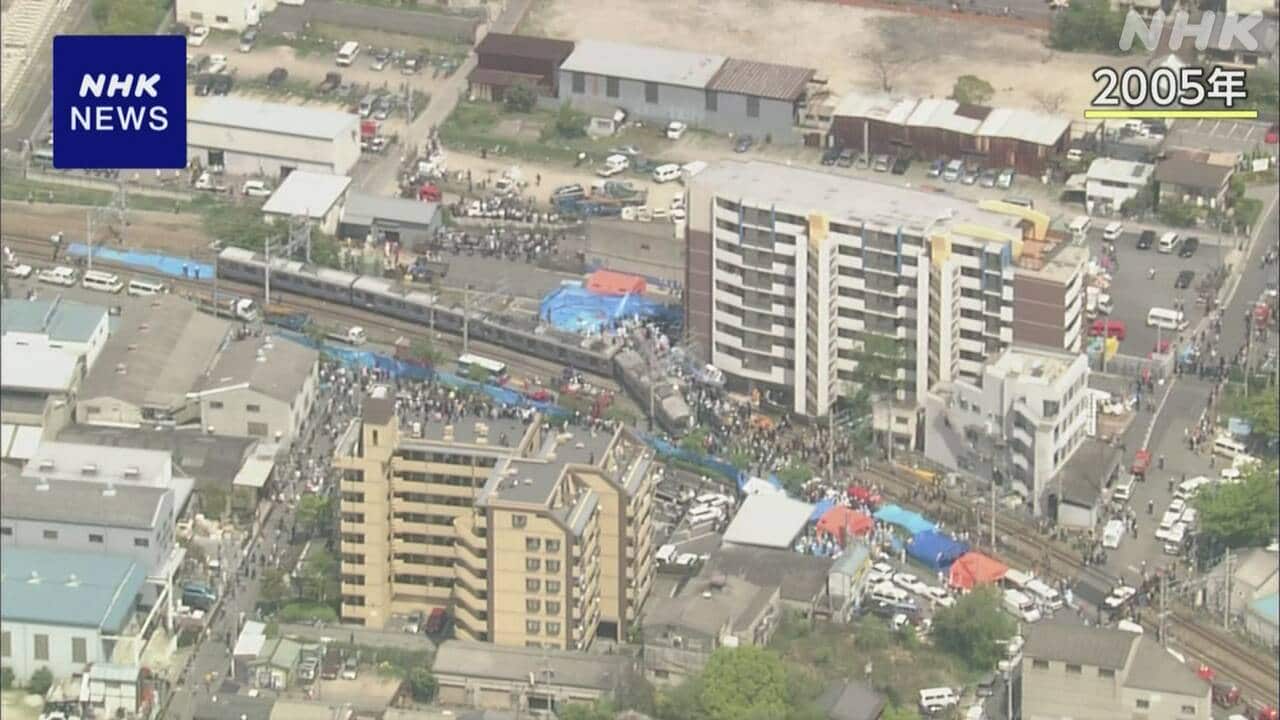
107人が死亡したJR福知山線の脱線事故から25日で21年です。JR西日本では事故後に入社した社員が7割を超え、遺族の高齢化も進み、教訓や記憶の継承が課題となる中、鉄道の安全を改めて考える1日となります。兵庫県尼崎市の事故現場に設けられた追悼施設「祈りの杜」では、午前6時25分ごろ花が運びこまれるなど、25日行われる追悼慰霊式の準備が進められています。
2005年4月25日、兵庫県尼崎市でJR福知山線の快速電車がカーブを曲がりきれずに脱線して線路脇のマンションに衝突し、107人が死亡、562人がけがをしました。
事故から21年となる25日は、マンションの一部を残す形で整備された追悼施設で慰霊式が開かれ、遺族や負傷者、それにJR西日本の役員らが参列します。
また、去年12月に事故車両の保存施設を完成させ社員教育などに活用していくとしていますが、遺族などの間でさまざまな意見があることから一般には公開していません。
一方、遺族などで作る会が毎年行ってきた犠牲者を追悼する催しは遺族の高齢化などを理由にことしは開かれず、事故の教訓や記憶をどう継承していくかが課題となる中、鉄道の安全を改めて考える1日となります。
遺族の中には、高齢になって体力が衰えたり病気を発症したりしたため、事故現場を訪れて犠牲者を追悼することが難しくなっている人もいます。
藤崎さんは「いつまでたっても娘のことは忘れることはないし、娘と一緒に生活しているような気持ちです。娘のことを『ちこちゃん』と呼んでいたので、『ちこちゃんこれどうしようかしら』といつも話しかけたりしながら生活しています」と語りました。
藤崎さんは事故のあと、遺族や負傷者とのつながりを広げ、JR西日本に対して事故の原因究明や再発防止の徹底を呼びかける活動を続けてきました。
また、毎年、事故が起きた日には大阪市内の自宅から現場を訪れ、犠牲者を追悼してきました。
しかし、高齢で体力が衰え、3年前には脳梗塞を発症して体の左半分が思うように動かなくなり、現場を訪れることが難しくなったといいます。
藤崎さんは現在は介護施設で暮らし、事故から21年になる今も、鉄道の安全を求める切実な思いは変わっていません。
藤崎さんは「事故の心配がなくなり、JR西日本が安全な会社になったのか、そのことがいちばん気にかかっています。本当に安全な会社になってほしいという思いをもっと伝えていかなければと思っています」と話していました。
2005年4月25日、兵庫県尼崎市でJR福知山線の快速電車がカーブを曲がりきれずに脱線して線路脇のマンションに衝突し、107人が死亡、562人がけがをしました。
事故から21年となる25日は、マンションの一部を残す形で整備された追悼施設で慰霊式が開かれ、遺族や負傷者、それにJR西日本の役員らが参列します。
また、去年12月に事故車両の保存施設を完成させ社員教育などに活用していくとしていますが、遺族などの間でさまざまな意見があることから一般には公開していません。
一方、遺族などで作る会が毎年行ってきた犠牲者を追悼する催しは遺族の高齢化などを理由にことしは開かれず、事故の教訓や記憶をどう継承していくかが課題となる中、鉄道の安全を改めて考える1日となります。
遺族の中には、高齢になって体力が衰えたり病気を発症したりしたため、事故現場を訪れて犠牲者を追悼することが難しくなっている人もいます。
藤崎さんは「いつまでたっても娘のことは忘れることはないし、娘と一緒に生活しているような気持ちです。娘のことを『ちこちゃん』と呼んでいたので、『ちこちゃんこれどうしようかしら』といつも話しかけたりしながら生活しています」と語りました。
藤崎さんは事故のあと、遺族や負傷者とのつながりを広げ、JR西日本に対して事故の原因究明や再発防止の徹底を呼びかける活動を続けてきました。
また、毎年、事故が起きた日には大阪市内の自宅から現場を訪れ、犠牲者を追悼してきました。
しかし、高齢で体力が衰え、3年前には脳梗塞を発症して体の左半分が思うように動かなくなり、現場を訪れることが難しくなったといいます。
藤崎さんは現在は介護施設で暮らし、事故から21年になる今も、鉄道の安全を求める切実な思いは変わっていません。
藤崎さんは「事故の心配がなくなり、JR西日本が安全な会社になったのか、そのことがいちばん気にかかっています。本当に安全な会社になってほしいという思いをもっと伝えていかなければと思っています」と話していました。
この記事の単語 (88)
×7
遺族
いぞく
bereaved family; surviving family; family of the deceased
×4
追悼
ついとう
mourning (dead persons); memorial
×4
藤崎
とうさき
Tousaki (surname)
×3
鉄道
てつどう
railroad; railway; rail transport
×3
犠牲者
ぎせいしゃ
victim
×3
訪れる
おとずれる
1. to visit; to call on 2. to arrive (season, time, situation, etc.); to come; to appear
×2
死亡
しぼう
1. death; mortality 2. to die; to pass away
×2
福知山線
ふくちやません
Fukuchiyama line (unclass)
×2
脱線
だっせん
1. derailment 2. digression; deviation
×2
高齢化
こうれいか
population ageing (aging)
×2
教訓
きょうくん
lesson; precept; teachings; moral
×2
記憶
きおく
1. memory; recollection; remembrance 2. storage
×2
継承
けいしょう
1. inheritance; succession; accession 2. share-alike
×2
課題
かだい
1. subject; theme; issue; matter 2. homework; assignment
×2
改めて
あらためて
1. another time; again; over again; once again; anew 2. formally; especially; intentionally; deliberately
×2
一日
ついたち
1. first day of the month 2. first ten days of the lunar month
×2
兵庫県
ひょうごけん
Hyogo prefecture (Kinki area) (Hyougo)
×2
尼崎市
あまがさきし
Amagasaki (city) (place)
×2
事故現場
じこげんば
scene of an accident; crash site; accident scene
×2
追悼施設
ついとうしせつ
memorial site
×2
慰霊
いれい
consoling the spirits of the dead
×2
式
しき
1. equation; formula; expression 2. ceremony
×2
開く
ひらく
1. to open; to undo; to unseal; to unpack 2. to bloom; to unfold; to spread out
×2
負傷者
ふしょうしゃ
injured person; wounded person; casualty
×2
高齢
こうれい
advanced age; old age
×2
体力
たいりょく
1. stamina; endurance; physical strength; resilience; resistance to disease 2. strength of an organization (e.g. profitability, productivity, economic clout, stability, growth potential)
×2
衰える
おとろえる
to become weak; to decline; to wear; to abate; to decay; to wither; to waste away
×2
発症
はっしょう
outbreak of an illness; onset of an illness; appearance of symptoms
×2
難しい
むずかしい
1. difficult; hard; troublesome; complicated; serious (disease, problem, etc.) 2. impossible; unfeasible
×2
ち
1. blood 2. blood; ancestry; lineage; stock
×2
現場
げんば
1. actual spot; scene; scene of the crime; site; location; setting 2. shop floor; factory floor; (on) site
×2
思い
おもい
1. thought 2. imagination; mind; heart
×1
事故
じこ
1. accident; incident; trouble 2. circumstances; reasons
×1
入社
にゅうしゃ
joining a company; getting a job with a company; entering a company
×1
社員
しゃいん
1. company employee 2. member of a corporation; company stockholder (esp. in legal contexts)
×1
割
わり
1. rate; ratio; proportion; percentage 2. profit
×1
越える
こえる
1. to cross over; to cross; to pass through; to pass over (out of); to go beyond; to go past 2. to exceed; to surpass; to be more (than)
×1
進む
すすむ
1. to advance; to go forward 2. to precede; to go ahead (of)
×1
設ける
もうける
1. to prepare; to provide 2. to set up; to establish; to organize; to lay down (rules); to make (an excuse)
×1
祈り
いのり
prayer; supplication
×1
杜
もり
1. forest 2. shrine grove
×1
運び込む
はこびこむ
to carry in; to bring in
×1
進める
すすめる
1. to advance; to move forward; to put (a clock, watch) forward 2. to carry forward (plans, work, etc.); to proceed with; to make progress in; to further; to advance; to hasten; to speed up
×1
快速
かいそく
1. high speed; rapidity 2. rapid-service train (not as fast as express); rapid train
×1
曲がる
まがる
1. to bend; to curve; to warp; to wind; to twist 2. to turn
×1
線路
せんろ
railway track; railway line; railroad; railway; track; line
×1
脇
わき
1. armpit; under one's arm; side; flank 2. beside; close to; near; by
×1
衝突
しょうとつ
1. collision; crash; running into 2. conflict; quarrel; clashing
×1
一部
いちぶ
1. one part; one portion; one section; some 2. one copy (e.g. of a document)
×1
残す
のこす
1. to leave (behind) 2. to leave (undone); to not finish
×1
整備
せいび
1. maintenance; servicing 2. putting in place; establishment; development; preparation; provision; outfitting
×1
役員
やくいん
1. director; executive 2. officer; official; person in charge
×1
参列
さんれつ
attendance; participation; presence
×1
車両
しゃりょう
rolling stock; railroad cars; wheeled vehicles
×1
保存
ほぞん
1. preservation; conservation; storage; maintenance 2. saving (e.g. to disk)
×1
施設
しせつ
1. institution; establishment; facility 2. home (for elderly, orphans, etc.)
×1
完成
かんせい
1. complete; completion 2. perfection; accomplishment
×1
社員教育
しゃいんきょういく
employee training; employee education
×1
活用
かつよう
1. practical use; application 2. conjugation; inflection
×1
一般
いっぱん
1. general; universal 2. ordinary; average; common; non-celebrity
×1
公開
こうかい
opening to the public; making available to the public; putting on display; exhibiting; showing (play, movie, etc.); holding (interview, etc.); open; public
×1
催し
もよおし
event; festivities; function; social gathering; auspices; opening; holding (a meeting)
×1
たつ
to rise up; to initiate (political) action
×1
呼ぶ
よぶ
1. to call out (to); to call; to invoke 2. to summon (a doctor, etc.)
×1
かしら
1. I wonder 2. some kind; some stage; somehow; somewhere
×1
話し掛ける
はなしかける
1. to address (someone); to accost a person; to talk (to someone) 2. to begin to talk; to start a conversation
×1
語る
かたる
1. to talk about; to speak of; to tell; to narrate 2. to recite; to chant
×1
繋がり
つながり
connection; link; relationship
×1
広げる
ひろげる
1. to spread; to extend; to expand; to enlarge; to widen; to broaden 2. to unfold; to open; to unroll; to unwrap
×1
原因究明
げんいんきゅうめい
investigation to determine the cause (of); tracing something back to its origin
×1
再発防止
さいはつぼうし
preventive measure; recurrence prevention; relapse prevention
×1
徹底
てってい
1. thoroughness; completeness; consistency 2. thorough enforcement; seeing to it that a policy, etc. is carried out without exception
×1
呼び掛ける
よびかける
1. to call out to; to hail; to address 2. to appeal
×1
活動
かつどう
1. activity (of a person, organization, animal, volcano, etc.); action 2. movie (esp. during the silent movie period)
×1
起きる
おきる
1. to get up; to rise; to blaze up (fire) 2. to wake up; to be awake; to stay awake
×1
大阪市
おおさかし
Osaka city
×1
自宅
じたく
one's home; one's house
×1
脳梗塞
のうこうそく
stroke (blocked blood vessel in brain); cerebral infarction
×1
動く
うごく
1. to move; to stir; to shift; to shake; to swing 2. to operate; to run; to go; to work
×1
現在
げんざい
now; current; present; present time; as of
×1
介護施設
かいごしせつ
nursing home; rest home
×1
暮らす
くらす
1. to live; to get along 2. to spend (time)
×1
求める
もとめる
1. to want; to wish for 2. to request; to demand; to require; to ask for
×1
切実
せつじつ
1. earnest; sincere; acute; keen; fervent 2. pressing; urgent; serious; severe
×1
変わる
かわる
1. to change; to be transformed; to be altered; to vary 2. to move to
×1
なくなる
to die
×1
本当
ほんとう
1. truth; reality; actuality; fact 2. proper; right; correct; official
×1
伝える
つたえる
to convey; to report; to transmit; to communicate; to tell; to impart; to propagate; to teach; to bequeath