「憲法九条のおかげで日本は『平和国家』になった」という物語は幻想だ。1950年の朝鮮戦争で日本人「戦死者」が出ていた
予習
この記事のキーワード — タップで意味×15
国連軍
こくれんぐん
UN forces; UN troops
×11
掃海
そうかい
sweeping the sea for mines; dragging for mines
×17
戦後
せんご
postwar period; period after Second World War
×13
上陸
じょうりく
landing; disembarkation; landfall
N1×10
米軍
べいぐん
US armed forces
今こそ戦後を知ろう。なぜなら、現在の私たちはそれによってつくられているからだ。それを学び、何を受け継ぐべきかを腑分けすることで、これからの未来を変えていこう。
そのような志の下、近現代史研究者の辻田真佐憲氏が 『「戦後」とは何だったのか 未来を変える日本現代史』 (文春新書)を上梓した。
第一章「戦後日本は『平和国家』だったのか」で、辻田氏は「憲法九条のおかげで、日本は『平和国家』になった」という言説に疑義を呈し、1950年に始まった朝鮮戦争で日本人の「戦死者」が出ていたと述べる。
本書から一部を抜粋してお届けする。
◆◆◆
戦前の日本は戦争をする国だった。しかし、戦後は平和国家に生まれ変わり、ひとりの戦死者も出していない。それは憲法九条があったおかげだ――。
戦前と対比しながら、戦後の憲法を高く評価する。これは、戦後日本でもっとも広く信じられてきた物語のひとつだろう。たしかに麗しいものではある。だが、やはり一種の幻想といわなければならない。というのも、現憲法のもとでも日本はすでに「戦死者」を出しているからである。
これはけっして歴史上の些末(さまつ)なトリビアではない。戦後日本がどのように出発したのか、その“原点”を考えるうえで欠かすことのできない事実にほかならない。
歴史は、日本がいまだ連合国の占領下にあった1950(昭和25)年にさかのぼる。この年の6月、朝鮮戦争が突如として勃発した。
日本の植民地支配が終わったあとの朝鮮半島は、北緯38度線を境に、北部では北朝鮮、南部では韓国がそれぞれ建国を宣言し、互いに睨(にら)み合っていた。そうした緊張のなかで、北朝鮮が韓国への全面侵攻に踏み切ったのである。
この事態を受け、国連安全保障理事会の決議にもとづいて、米軍を主力とする国連軍が編成された。その最高司令官には、日本占領軍の最高司令官でもあったダグラス・マッカーサー元帥が就任した。
今日の安保理では、常任理事国が拒否権を行使することが多く、こうした統一行動を取ることはむずかしい。だが当時、ソ連は国連における中国の代表権が大陸の中華人民共和国ではなく、台湾の中華民国に認められていることに抗議し、安保理を欠席していた。そのため、ソ連が拒否権を行使できず、国連軍の編成が可能になったのだ。
もっとも、国連軍にはただちに朝鮮半島へ投入できる兵力が十分に揃ってはいなかった。第二次世界大戦後、米軍が日本をはじめとする極東地域の兵力を縮小していたからだった。そのため、開戦当初、韓国軍と国連軍は北朝鮮軍の急速な進撃を食い止められず、朝鮮半島南東部の釜山(プサン)周辺にまで追いつめられた。
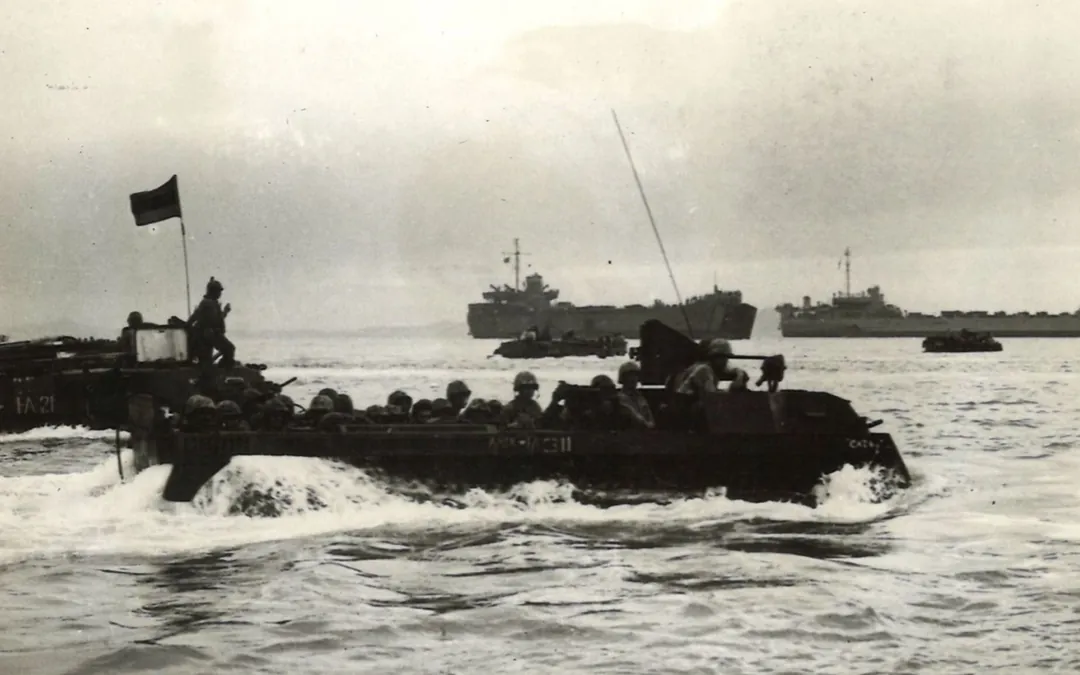
このままでは、北朝鮮が朝鮮半島を武力統一してしまう。その危機的な状況を一変させたのが、同年9月、マッカーサーの指揮で実施された仁川(インチョン)上陸作戦だった。
ソウル近郊の仁川は、黄海に面し、現在では韓国を代表するハブ空港・仁川国際空港があることで知られている。ここは航路が狭いうえに潮の干満差が大きく、大規模な上陸作戦はほとんど不可能と考えられていた。
だが国連軍は、あえてその仁川に上陸を実行した。背後を突かれた北朝鮮軍は総崩れとなり、国連軍は一気に反撃へ転じてソウルを奪還した。仁川上陸作戦はもっとも鮮やかに成功した上陸作戦のひとつとして、マッカーサーの名とともに戦史に永く刻まれることになった。
勢いづいた国連軍は、今度は日本海側の元山(ウォンサン)への上陸も企図した。
だがそこで大きな障害が立ちふさがった。北朝鮮によって海上に敷設されたソ連製の機雷だった。機雷は艦船に接触するなどして爆発する。そのため、上陸作戦をまえにこれを除去しなければならなかった。
このとき米軍が白羽の矢を立てたのが、日本の掃海(そうかい)部隊だった。
今こそ戦後を知ろう。なぜなら、現在の私たちはそれによってつくられているからだ。それを学び、何を受け継ぐべきかを腑分けすることで、これからの未来を変えていこう。 そのような志の下、近現代史研究者の辻田真佐憲氏が 『「戦後」とは何だったのか 未来を変える日本現代史』 (文春新書)を上梓した。 第一章「戦後日本は『平和国家』だったのか」で、辻田氏は「憲法九条のおかげで、日本は『平和国家』になった」という言説に疑義を呈し、1950年に始まった朝鮮戦争で日本人の「戦死者」が出ていたと述べる。 本書から一部を抜粋してお届けする。 ◆◆◆ 戦前の日本は戦争をする国だった。しかし、戦後は平和国家に生まれ変わり、ひとりの戦死者も出していない。それは憲法九条があったおかげだ――。 戦前と対比しながら、戦後の憲法を高く評価する。これは、戦後日本でもっとも広く信じられてきた物語のひとつだろう。たしかに麗しいものではある。だが、やはり一種の幻想といわなければならない。というのも、現憲法のもとでも日本はすでに「戦死者」を出しているからである。 これはけっして歴史上の些末(さまつ)なトリビアではない。戦後日本がどのように出発したのか、その“原点”を考えるうえで欠かすことのできない事実にほかならない。 歴史は、日本がいまだ連合国の占領下にあった1950(昭和25)年にさかのぼる。この年の6月、朝鮮戦争が突如として勃発した。 日本の植民地支配が終わったあとの朝鮮半島は、北緯38度線を境に、北部では北朝鮮、南部では韓国がそれぞれ建国を宣言し、互いに睨(にら)み合っていた。そうした緊張のなかで、北朝鮮が韓国への全面侵攻に踏み切ったのである。 この事態を受け、国連安全保障理事会の決議にもとづいて、米軍を主力とする国連軍が編成された。その最高司令官には、日本占領軍の最高司令官でもあったダグラス・マッカーサー元帥が就任した。 今日の安保理では、常任理事国が拒否権を行使することが多く、こうした統一行動を取ることはむずかしい。だが当時、ソ連は国連における中国の代表権が大陸の中華人民共和国ではなく、台湾の中華民国に認められていることに抗議し、安保理を欠席していた。そのため、ソ連が拒否権を行使できず、国連軍の編成が可能になったのだ。 もっとも、国連軍にはただちに朝鮮半島へ投入できる兵力が十分に揃ってはいなかった。第二次世界大戦後、米軍が日本をはじめとする極東地域の兵力を縮小していたからだった。そのため、開戦当初、韓国軍と国連軍は北朝鮮軍の急速な進撃を食い止められず、朝鮮半島南東部の釜山(プサン)周辺にまで追いつめられた。 このままでは、北朝鮮が朝鮮半島を武力統一してしまう。その危機的な状況を一変させたのが、同年9月、マッカーサーの指揮で実施された仁川(インチョン)上陸作戦だった。 ソウル近郊の仁川は、黄海に面し、現在では韓国を代表するハブ空港・仁川国際空港があることで知られている。ここは航路が狭いうえに潮の干満差が大きく、大規模な上陸作戦はほとんど不可能と考えられていた。 だが国連軍は、あえてその仁川に上陸を実行した。背後を突かれた北朝鮮軍は総崩れとなり、国連軍は一気に反撃へ転じてソウルを奪還した。仁川上陸作戦はもっとも鮮やかに成功した上陸作戦のひとつとして、マッカーサーの名とともに戦史に永く刻まれることになった。 勢いづいた国連軍は、今度は日本海側の元山(ウォンサン)への上陸も企図した。 だがそこで大きな障害が立ちふさがった。北朝鮮によって海上に敷設されたソ連製の機雷だった。機雷は艦船に接触するなどして爆発する。そのため、上陸作戦をまえにこれを除去しなければならなかった。 このとき米軍が白羽の矢を立てたのが、日本の掃海(そうかい)部隊だった。
1945(昭和20)年の敗戦時、日本近海には、戦時中に日本軍や米軍が敷設した多数の機雷が残されていた。船舶の安全な航行を確保するには、これらを取り除かなければならない。日本は占領軍の命令を受け、機雷除去作業(これを掃海という)を行っていたため、高度な技術と豊富な経験を備えた掃海部隊を有していた。 米軍はその実力に着目し、朝鮮沿岸での掃海にも協力を求めてきたのである。 ちなみに、この掃海作業の中心を担ったのは、旧海軍の人材だった。敗戦によって旧海軍自体は解体されたものの、掃海には特殊な技能が必要だったため、旧海軍の人材が例外的に引き続き任務にあたっていたからだった。 こうした事情により、掃海部隊は旧海軍の人材プールとなっており、所属先を変えながら、やがて海上自衛隊のルーツのひとつとなっていく。 とはいえ、朝鮮沿岸での任務はたんなる戦後処理とは言いがたかった。前述のとおり、対象となる機雷は、北朝鮮が新たに敷設したものだった。しかも、派遣されるのは戦闘が行われている海域となる。憲法九条との関係も問題になりえた。 それでも当時の日本にとって最大の課題は、できるだけ早く講和条約を締結し、主権を回復することだった。米国の要請を拒めば、不興を買い、講和への日程に悪影響が及ぶかもしれない。 米国の反発を覚悟して要請を断るのか。それとも、危険を冒して協力するのか。 最終的に、吉田茂首相は後者を選んだ。ただし、国内外に政治的な波紋が広がることを避けるため、掃海部隊の派遣は極秘裏に進められることになった。 こうして1950年10月、特別掃海隊が編成され、山口県の下関港から朝鮮沿岸へと密かに出動した。当時、掃海部隊は海上保安庁に所属していたため、派遣された隊員たちの身分も同庁職員だった。 派遣先は元山にとどまらず、黄海側の群山(クンサン)、海州(ヘジュ)、鎮南浦(チンナムポ)にも及んだ。秋から冬にかけての荒天のなかで作業は難航し、隊員たちは危険と隣り合わせの任務を強いられた。 そして10月17日、元山沖で掃海艇MS14号が機雷に接触し、爆発する重大な事故が起きた。この事故により、1名が死亡し、18名が重軽傷を負った。 この元山の事故で犠牲となったのが、当時21歳の中谷坂太郎という青年だった。国家の命により、戦争にともなう掃海任務に従事して、そのさなかに命を失った――。まさにそれは戦後日本の「知られざる戦死」にほかならなかった。 このような犠牲を払いながらも機雷除去が進み、国連軍は同月26日、すでに韓国軍が占領していた元山へ上陸を果たした。 朝鮮戦争は、米軍から日本に軍需物資などの大量の注文が舞い込み、いわゆる特需景気をもたらしたことで知られている。それによって、日本経済の復興は大きく加速した。 また、朝鮮半島へ出動した米軍に代わって国内の治安を維持するため、のちの自衛隊へとつながる警察予備隊が創設される契機ともなった。 こうした意味で、朝鮮戦争こそ“戦後日本の原点”だったといえる。その重要性は、いくら強調してもしすぎることはない。 そしてその陰には、日本人が戦地へ派遣されて「戦死」するという、もうひとつの見逃すことのできない重大な現実があったのである。
この記事の単語 (312)
×17
戦後
せんご
postwar period; period after Second World War
×15
国連軍
こくれんぐん
UN forces; UN troops
×13
北朝鮮
きたちょうせん
North Korea
×13
上陸
じょうりく
landing; disembarkation; landfall
×11
掃海
そうかい
sweeping the sea for mines; dragging for mines
×10
米軍
べいぐん
US armed forces
×10
仁川
インチョン
Incheon (South Korea); Inchon
×9
憲法
けんぽう
1. constitution 2. rules; regulation
×9
朝鮮半島
ちょうせんはんとう
Korean peninsula
×9
韓国
かんこく
1. South Korea; Republic of Korea 2. Korean Empire (1897-1910)
×9
機雷
きらい
(sea) mine
×8
戦死
せんし
death in battle
×8
作戦
さくせん
1. tactics; strategy 2. military operation; naval operation
×6
平和国家
へいわこっか
peace-loving nation
×6
朝鮮戦争
ちょうせんせんそう
Korean War (1950-1953)
×6
ソ連
ソれん
Soviet Union; Union of Soviet Socialist Republics; USSR
×6
元山
ウォンサン
Wonsan (North Korea) (place)
×6
部隊
ぶたい
force; unit; corps; squad; troops; party
×5
九条
きゅうじょう
Kyuujou (surname)
×5
編成
へんせい
composition; formation; organization; organisation; compilation
×5
当時
とうじ
at that time; in those days
×4
現在
げんざい
now; current; present; present time; as of
×4
未来
みらい
1. the future (usually distant) 2. future tense
×4
辻田
つじた
Tsujita (place; surname)
×4
第
だい
prefix for forming ordinal numbers
×4
戦前
せんぜん
pre-war days; before the war
×4
国連
こくれん
United Nations; UN
×4
安保理
あんぽり
UN Security Council
×4
拒否権
きょひけん
right of veto
×4
行使
こうし
use; exercise (of one's right, authority, power, etc.)
×4
統一
とういつ
unity; consolidation; uniformity; unification; compatible
×4
兵力
へいりょく
military force; force of arms; strength of an army
×4
軍
ぐん
1. army; armed forces; troops 2. military authorities
×4
敷設
ふせつ
laying (a railroad, pipes, naval mines, etc.); construction
×4
除去
じょきょ
removal; getting rid of
×4
旧
きゅう
1. old; former; ex- 2. the old; old things; old customs
×4
海軍
かいぐん
navy
×4
任務
にんむ
duty; function; office; mission; task
×4
派遣
はけん
1. dispatch; despatch; deployment 2. temporary employee (esp. from an agency); temporary worker; agency temp
×3
こそ
1. it is ... that ...; precisely; in particular; definitely; for sure; only (when, after, because, etc.) 2. although; while; it is the case that ... but
×3
日本人
にほんじん
Japanese person; Japanese people
×3
既に
すでに
already; too late
×3
原点
げんてん
1. starting point; origin; beginning 2. origin (of coordinate axes)
×3
昭和
しょうわ
1. Shōwa era (1926.12.25-1989.1.7) 2. reminiscent of the Shōwa era; Shōwa-nostalgic; old-fashioned; quaint; old-school
×3
占領軍
せんりょうぐん
occupation forces; occupation army
×3
黄海
こうかい
Yellow Sea
×3
接触
せっしょく
touch; contact
×3
爆発
ばくはつ
1. explosion; detonation; eruption 2. eruption (of discontent, etc.); outburst; outpouring
×3
作業
さぎょう
work; operation; manufacturing; fatigue duty
×3
朝鮮
ちょうせん
Korea
×3
沿岸
えんがん
coast; shore; littoral
×3
人材
じんざい
1. capable person; talented person 2. human resources; personnel
×2
私達
わたしたち
we; us
×2
学ぶ
まなぶ
to study (in depth); to learn; to take lessons in
×2
受け継ぐ
うけつぐ
to inherit; to succeed; to take over
×2
腑分け
ふわけ
dissection; autopsy
×2
志
こころざし
1. will; resolution; intention; ambition; aim; goal 2. kindness; goodwill; kind offer
×2
近現代史
きんげんだいし
modern history; modern and current history; recent history; recent contemporary history
×2
研究者
けんきゅうしゃ
researcher
×2
真佐
しんすけ
Shinsuke (unclass)
×2
現代史
げんだいし
contemporary history
×2
文春
ふみはる
Fumiharu (given)
×2
新書
しんしょ
1. new book 2. 17x11 cm paperback book
×2
上梓
じょうし
1. wood-block printing 2. publication
×2
章
しょう
1. chapter; section 2. medal; badge; insignia
×2
言説
げんせつ
remark; statement; discourse
×2
疑義
ぎぎ
doubt
×2
呈する
ていする
1. to present; to offer 2. to show; to display; to exhibit
×2
述べる
のべる
to state; to express; to mention
×2
本書
ほんしょ
text; script; this book
×2
一部
いちぶ
1. one part; one portion; one section; some 2. one copy (e.g. of a document)
×2
抜粋
ばっすい
extract; excerpt; selection
×2
生まれ変わる
うまれかわる
to be born again; to make a fresh start in life
×2
対比
たいひ
contrast; comparison
×2
評価
ひょうか
1. valuation; appraisal; evaluation; assessment; estimation; rating; judging 2. appreciation; recognition; acknowledgement; rating highly; praising
×2
信じる
しんじる
to believe; to believe in; to place trust in; to confide in; to have faith in
×2
物語
ものがたり
tale; story; legend
×2
麗しい
うるわしい
1. beautiful; lovely 2. heartwarming; beautiful
×2
一種
いっしゅ
species; kind; variety
×2
幻想
げんそう
fantasy; illusion; vision; dream
×2
現
げん
present (e.g. government, administration); current; existing
×2
瑣末
さまつ
trivial; trifling
×2
欠かす
かかす
to miss (doing); to fail (to do)
×2
事実
じじつ
fact; truth; reality
×2
未だ
まだ
1. still; as yet; only 2. (not) yet
×2
連合国
れんごうこく
1. allied nations 2. the Allies (World War I, World War II)
×2
占領下
せんりょうか
being under military occupation
×2
遡る
さかのぼる
1. to go upstream 2. to go back (in time, to origin); to date back to; to trace back to; to make retroactive
×2
突如
とつじょ
suddenly; all of a sudden
×2
勃発
ぼっぱつ
outbreak (e.g. of war); outburst; sudden occurrence
×2
植民地支配
しょくみんちしはい
colonial rule
×2
北緯
ほくい
north latitude
×2
境
さかい
1. border; boundary 2. turning point; watershed
×2
北部
ほくぶ
northern part; the north (of a region)
×2
南部
なんぶ
southern part; the south (of a region)
×2
建国
けんこく
founding of a nation
×2
宣言
せんげん
declaration; proclamation; announcement
×2
互い
たがい
each other; one another
×2
睨み合う
にらみあう
1. to glare at each other 2. to confront each other
×2
緊張
きんちょう
tension; mental strain; nervousness
×2
全面
ぜんめん
whole surface; entire
×2
侵攻
しんこう
invasion
×2
踏み切る
ふみきる
1. to take off; to jump; to leap 2. to take the plunge; to decide; to embark on; to venture into; to launch out into
×2
事態
じたい
situation; (present) state of affairs; circumstances
×2
安全保障理事会
あんぜんほしょうりじかい
(UN) Security Council
×2
決議
けつぎ
resolution; vote; decision
×2
基づく
もとづく
to be grounded on; to be based on; to be due to; to originate from
×2
主力
しゅりょく
main force; chief object; mainline
×2
元帥
げんすい
(field) marshal; (fleet) admiral; general of the army
×2
就任
しゅうにん
assumption (of office); taking up (a post); inauguration; installation
×2
常任理事国
じょうにんりじこく
permanent member of the UN Security Council
×2
行動
こうどう
action; conduct; behaviour; behavior; mobilization; mobilisation
×2
中国
ちゅうごく
1. China 2. Chūgoku region of western Honshu (incl. Okayama, Hiroshima, Shimane, Tottori and Yamaguchi prefectures)
×2
代表権
だいひょうけん
(right of) representation; right to represent (e.g. a company)
×2
大陸
たいりく
1. continent 2. continental Asia (esp. mainland China)
×2
中華人民共和国
ちゅうかじんみんきょうわこく
People's Republic of China
×2
台湾
たいわん
Taiwan
×2
中華民国
ちゅうかみんこく
Republic of China (Taiwan); ROC
×2
認める
したためる
1. to write (e.g. a letter); to draw up (a document); to take down (e.g. notes) 2. to have (lunch, dinner, etc.); to eat
×2
抗議
こうぎ
protest; objection
×2
欠席
けっせき
absence; non-attendance
×2
可能
かのう
possible; potential; practicable; feasible
×2
直ちに
ただちに
1. at once; immediately; right away; without delay 2. directly (face, lead to, etc.); automatically (mean, result in, etc.)
×2
投入
とうにゅう
1. throwing in; inserting; depositing (e.g. a ballot) 2. investment; commitment (of funds, personnel, etc.); injection; infusion
×2
揃う
そろう
1. to be complete; to be all present; to make a full set; to be satisfied (of conditions) 2. to be equal; to be uniform; to be even; to match; to agree
×2
世界大戦
せかいたいせん
world war
×2
極東
きょくとう
Far East
×2
地域
ちいき
area; region
×2
縮小
しゅくしょう
reduction; curtailment
×2
開戦
かいせん
outbreak of war; starting a war
×2
当初
とうしょ
1. beginning; start; outset 2. at first; at the beginning; initially; originally
×2
急速
きゅうそく
rapid (e.g. progress)
×2
進撃
しんげき
advance; charge
×2
食い止める
くいとめる
to check; to hold back; to keep at bay; to stop; to prevent; to stem; to curb; to halt
×2
釜山
プサン
Busan (South Korea); Pusan
×2
周辺
しゅうへん
1. circumference; outskirts; environs; around; in the area of; in the vicinity of 2. (computer) peripheral
×2
追い詰める
おいつめる
to corner; to drive to the wall; to run down; to track down; to chase after
×2
侭
まま
1. as it is; as one likes; because; as 2. condition; state
×2
武力
ぶりょく
armed might; military power; the sword; force
×2
危機的
ききてき
critical
×2
状況
じょうきょう
state of affairs (around you); situation; circumstances
×2
一変
いっぺん
complete change; about-face
×2
同年
どうねん
that year; same year; same age
×2
指揮
しき
command; direction
×2
実施
じっし
enforcement; implementation; putting into practice; carrying out; operation; working (e.g. working parameters); enactment
×2
近郊
きんこう
outskirts; environs (of a city); surrounding area; surroundings
×2
面する
めんする
to face on; to look out on to
×2
代表
だいひょう
1. representative; representation; delegation; type; example; model 2. switchboard number; main number
×2
国際空港
こくさいくうこう
international airport
×2
航路
こうろ
(air or sea) route; course; line; run
×2
潮の干満
しおのかんまん
ebb and flow
×2
差
さ
1. difference; variation 2. difference
×2
大規模
だいきぼ
large-scale
×2
不可能
ふかのう
impossible
×2
敢えて
あえて
1. purposely (of something needless, unexpected or seemingly counterproductive, etc.); daringly (doing something); deliberately; intentionally 2. not necessarily; not particularly; not especially
×2
実行
じっこう
execution (e.g. of a plan); carrying out; practice; action; implementation; fulfillment; realization
×2
背後
はいご
1. back; rear 2. background; behind the scenes
×2
突く
つく
1. to prick; to stab 2. to poke; to prod; to push; to thrust; to nudge; to hit; to strike
×2
総崩れ
そうくずれ
rout; collapse
×2
一気
いっき
1. one breath 2. chug!; drink!
×2
反撃
はんげき
counterattack; counteroffensive; counterblow
×2
転じる
てんじる
to turn; to shift; to alter; to distract
×2
奪還
だっかん
recovery; rescue; recapture
×2
上陸作戦
じょうりくさくせん
landing operations
×2
鮮やか
あざやか
1. vivid; bright; brilliant; clear; fresh; vibrant 2. skillful; skilful; adept; adroit; deft; brilliant; beautiful; fine; excellent
×2
成功
せいこう
success; hit
×2
戦史
せんし
military history; military annals
×2
刻む
きざむ
1. to mince; to cut fine; to chop up; to hash; to shred 2. to carve; to engrave; to chisel; to notch
×2
勢い付く
いきおいづく
to gather strength; to take heart
×2
企図
きと
plan; project; scheme
×2
障害
しょうがい
1. obstacle; impediment; hindrance; difficulty; barrier 2. handicap; impairment; disability; disorder; malfunction
×2
立ち塞がる
たちふさがる
to stand in the way; to bar someone's way; to block the way
×2
海上
かいじょう
on the sea; surface of the sea
×2
艦船
かんせん
(ocean) vessels; warship
×2
白羽
しらは
white feather
×2
敗戦
はいせん
defeat; lost battle; losing a war
×2
協力
きょうりょく
cooperation; collaboration
×2
米国
べいこく
(United States of) America; USA; US
×2
要請
ようせい
1. appeal; call for something; request; claim; demand 2. axiom
×2
及ぶ
およぶ
1. to reach; to amount to; to befall; to happen to; to extend; to go on (for, until) 2. to be up to the task; to come up to
×2
出動
しゅつどう
sailing; marching; going out; dispatch
×2
隊員
たいいん
troops; group members; team members
×2
重大
じゅうだい
serious; important; significant; grave; weighty
×2
犠牲
ぎせい
1. sacrifice; victim; scapegoat 2. sacrifice (to the gods)
×2
命
いのち
1. life; life force 2. lifetime; lifespan
×1
近海
きんかい
coastal waters; adjacent seas
×1
戦時
せんじ
wartime
×1
日本軍
にほんぐん
military of the Empire of Japan
×1
多数
たすう
1. large number (of); many 2. majority
×1
残す
のこす
1. to leave (behind) 2. to leave (undone); to not finish
×1
船舶
せんぱく
vessel; ship; shipping; seacraft
×1
航行
こうこう
cruise; navigation; sailing
×1
確保
かくほ
1. securing; obtaining; ensuring; guarantee; maintaining 2. belay; belaying
×1
取り除く
とりのぞく
to remove; to deinstall; to take away; to set apart
×1
命令
めいれい
1. order; command; decree; directive 2. (software) instruction; statement
×1
高度
こうど
1. altitude; height; elevation 2. high-degree; high-grade; advanced; sophisticated; strong
×1
豊富
ほうふ
abundant; plentiful; rich; ample
×1
備える
そなえる
1. to furnish with; to equip with; to provide; to install 2. to prepare for; to make preparations for; to make provision for
×1
有する
ゆうする
to have; to possess; to own; to be endowed with
×1
実力
じつりょく
1. (real) ability; true strength; merit; efficiency; competency 2. arms; force
×1
着目
ちゃくもく
attention; giving one's attention; focusing
×1
求める
もとめる
1. to want; to wish for 2. to request; to demand; to require; to ask for
×1
因み
ちなみ
1. association; link; connection 2. pledge (esp. for marriage); promise
×1
中心
ちゅうしん
1. center; centre; middle; heart; core; focus; pivot; emphasis; balance 2. -centered; -centred; -focused; -oriented; centered on; focused on
×1
担う
になう
1. to carry on one's shoulder; to shoulder; to bear 2. to bear (burden, responsibility, etc.); to take upon oneself
×1
自体
じたい
1. itself 2. one's own body; oneself
×1
解体
かいたい
1. demolition; taking down; dismantling; disassembly; taking apart 2. dissolution (of an organization, company, etc.); breaking up
×1
特殊
とくしゅ
special; particular; peculiar; unique
×1
技能
ぎのう
technical skill; ability; capacity
×1
例外的
れいがいてき
exceptional
×1
引き続く
ひきつづく
to continue (for a long time); to occur in succession; to come next (e.g. on TV)
×1
当たる
あたる
1. to be hit; to strike 2. to touch; to be in contact; to be affixed
×1
事情
じじょう
circumstances; conditions; situation; reasons; state of affairs
×1
所属先
しょぞくさき
place where one works; team to which one belongs; place of employment
×1
軈て
やがて
1. before long; soon; shortly 2. almost; nearly
×1
海上自衛隊
かいじょうじえいたい
Maritime Self Defense Forces (Defence)
×1
単なる
たんなる
mere; simple; sheer
×1
処理
しょり
processing; dealing with; treatment; disposition; disposal
×1
前述
ぜんじゅつ
aforementioned; above-mentioned
×1
通り
とおり
1. avenue; street; way; road 2. coming and going; street traffic
×1
対象
たいしょう
target; object (of worship, study, etc.); subject (of taxation, etc.)
×1
新た
あらた
new; fresh; novel
×1
然も
しかも
1. moreover; furthermore 2. nevertheless; and yet
×1
戦闘
せんとう
battle; fight; combat
×1
海域
かいいき
area of ocean
×1
最大
さいだい
biggest; greatest; largest; maximum
×1
課題
かだい
1. subject; theme; issue; matter 2. homework; assignment
×1
講和条約
こうわじょうやく
peace treaty
×1
締結
ていけつ
1. conclusion; execution (of a contract); entering (into treaty) 2. fastening (as in a joint)
×1
主権
しゅけん
sovereignty; supremacy; dominion
×1
回復
かいふく
1. restoration; rehabilitation; recovery; return; replevin; improvement 2. recovery (from an illness); recuperation; convalescence
×1
拒む
こばむ
1. to refuse; to reject; to decline 2. to prevent (from doing); to deny (e.g. access); to block
×1
不興
ふきょう
displeasure; ill humour; ill humor; pique
×1
講和
こうわ
reconciliation (between warring nations); (making of) peace
×1
日程
にってい
schedule; program; programme; agenda
×1
悪影響
あくえいきょう
bad influence; negative influence
×1
知れる
しれる
1. to become known; to come to light; to be discovered 2. to be known; to be understood
×1
反発
はんぱつ
1. opposition; rebellion; revolt; resistance; backlash; refusal 2. rebounding; recoiling; repulsion
×1
覚悟
かくご
readiness; preparedness; resolution; resignation
×1
断る
ことわる
1. to refuse; to reject; to dismiss; to turn down; to decline 2. to inform; to give notice; to tell in advance
×1
冒す
おかす
1. to brave; to risk; to face; to venture 2. to harm; to afflict; to affect
×1
最終的
さいしゅうてき
final; eventual; ultimate
×1
吉田茂
よしだしげる
Yoshida Shigeru (1940.1-) (person)
×1
首相
しゅしょう
prime minister; chancellor (Germany, Austria, etc.); premier
×1
後者
こうしゃ
the latter
×1
但し
ただし
but; however; provided that
×1
国内外
こくないがい
domestic and foreign; inside and outside the country
×1
政治的
せいじてき
political
×1
波紋
はもん
1. ripple; ring on the water 2. repercussions
×1
広がる
ひろがる
to spread (out); to extend; to stretch; to reach to; to get around; to fill (e.g. a space)
×1
避ける
さける
1. to avoid (physical contact with) 2. to avoid (situation)
×1
極秘
ごくひ
absolute secrecy
×1
進める
すすめる
1. to advance; to move forward; to put (a clock, watch) forward 2. to carry forward (plans, work, etc.); to proceed with; to make progress in; to further; to advance; to hasten; to speed up
×1
山口県
やまぐちけん
Yamaguchi prefecture (Chūgoku area)
×1
下関港
しものせきこう
Shimonosekikou (place)
×1
密か
ひそか
secret; private; surreptitious
×1
海上保安庁
かいじょうほあんちょう
Japan Coast Guard (formerly Maritime Safety Agency)
×1
所属
しょぞく
belonging to (a group, organization, etc.); affiliation (with); being attached to; being under the control of
×1
身分
みぶん
1. (social) standing; status; position; rank 2. identity; birth; origin
×1
同庁
どうちょう
the same agency; the same office
×1
職員
しょくいん
staff member; personnel
×1
留まる
とまる
1. to stop (moving); to come to a stop 2. to stop (doing, working, being supplied); to come to a halt; to cease; to be stopped; to be suspended
×1
群山
ぐんざん
mountain range; cluster of mountains; mountainous region
×1
海州
ヘジュ
Haeju (North Korea) (place)
×1
鎮
ちん
1. a weight 2. temple supervisor
×1
南浦
ナムポ
Nampo (North Korea); Namp'o (place)
×1
荒天
こうてん
stormy weather
×1
難航
なんこう
1. difficult voyage; hard flight 2. rough going; rough passage; running into trouble; stormy passage
×1
隣り合わせ
となりあわせ
adjoining each other
×1
沖
おき
1. open sea 2. Okinawa
×1
掃海艇
そうかいてい
minesweeper
×1
号
ごう
1. number; edition; make; model; issue; part of that group 2. sobriquet; pen-name
×1
死亡
しぼう
1. death; mortality 2. to die; to pass away
×1
重軽傷
じゅうけいしょう
serious or slight injury; major and minor injuries
×1
負う
おう
1. to bear; to carry on one's back 2. to take responsibility for; to accept a duty
×1
谷坂
たにさか
Tanisaka (surname)
×1
太郎
たろう
Tarō (masc)
×1
青年
せいねん
youth; young man
×1
国家
こっか
state; country; nation
×1
伴う
ともなう
1. to accompany; to go hand in hand with; to be consequent upon 2. to be accompanied by; to bring with; to take with; to be involved in
×1
従事
じゅうじ
engaging in (work); pursuing (e.g. studies); following (a profession); being involved in
×1
最中
さいちゅう
(in) the middle of; (in) the midst of; (in) the course of; (at) the height of
×1
失う
うしなう
1. to lose 2. to miss (a change, opportunity)
×1
正に
まさに
1. exactly; surely; certainly; just 2. right then; just then; at that moment
×1
同月
どうげつ
the same month
×1
占領
せんりょう
1. occupying; having (an area) all to oneself 2. military occupation; possession; capture; seizure
×1
軍需
ぐんじゅ
munitions; military stores
×1
物資
ぶっし
goods; materials; commodities; resources; supplies
×1
大量
たいりょう
large quantity; massive (quantity); mass (e.g. mass production, mass transit, mass destruction)
×1
注文
ちゅうもん
1. order (for an item) 2. request; demand; condition
×1
舞い込む
まいこむ
1. to come fluttering in (e.g. leaves, snow, flowers, etc.); to come dancing in 2. to drop in unexpectedly; to happen unexpectedly
×1
所謂
いわゆる
what is called; as it is called; the so-called; so to speak
×1
特需景気
とくじゅけいき
economic boom due to special procurements, esp. in wartime
×1
齎す
もたらす
to bring; to take; to bring about
×1
復興
ふっこう
revival; reconstruction; restoration; rebuilding; recovery; renaissance
×1
加速
かそく
acceleration; speeding up
×1
代わる
かわる
1. to succeed; to relieve; to replace 2. to take the place of; to substitute for; to take over for; to represent; to hand over (telephone)
×1
国内
こくない
internal; domestic
×1
治安
ちあん
public order
×1
維持
いじ
maintenance; preservation; improvement
×1
自衛隊
じえいたい
1. self-defence force; self-defense force 2. Japan Self-Defense Force; JSDF
×1
繋がる
つながる
1. to be tied together; to be connected to; to be linked to 2. to lead to; to be related to
×1
予備隊
よびたい
reserve corps
×1
創設
そうせつ
establishment; founding; organization; organisation
×1
契機
けいき
1. opportunity; chance 2. trigger; cause
×1
いえる
1. to be possible to say; to be able to say 2. said; have said
×1
重要性
じゅうようせい
importance; gravity
×1
強調
きょうちょう
emphasis; highlight; stress; stressed point
×1
陰
かげ
1. shade; shadow 2. behind (something); other side; back
×1
戦地
せんち
front (in battle)
×1
見逃す
みのがす
1. to miss; to overlook; to fail to notice 2. to let pass (a matter); to overlook (e.g. a wrongdoing); to turn a blind eye to
×1
現実
げんじつ
reality; actuality; hard fact