男児遺体遺棄 父親 学校から連絡前に「子どもがいなくなった」
京都府南丹市の山林に男子児童の遺体が遺棄された事件で、逮捕された37歳の父親が息子が行方不明になった当日、小学校から「登校していない」と連絡を受けるより前に「子どもがいなくなった」と話していたことが捜査関係者への取材で分かりました。
南丹市園部町の小学生、安達結希さん(当時11)が今月13日に市内の山林で死亡しているのが見つかった事件では、父親で会社員の安達優季容疑者(37)が遺体を遺棄した疑いで逮捕されました。
結希さんについては先月23日に自宅で朝食をとったことが分かっていますが、その後は姿が確認できておらず、この日の昼前に小学校から「登校していない」と連絡を受けて父親が110番通報し、行方不明として捜索が始まりました。
しかし、捜査関係者によりますと、父親は小学校からの連絡より前に自身の関係先に「子どもがいなくなった」と話していたということです。
父親は逮捕前の任意の調べに対し「小学校まで車で送ったが、そのまま別の場所に連れて行って殺害した」という趣旨の供述をしていたということで、警察が詳しいいきさつを調べています。
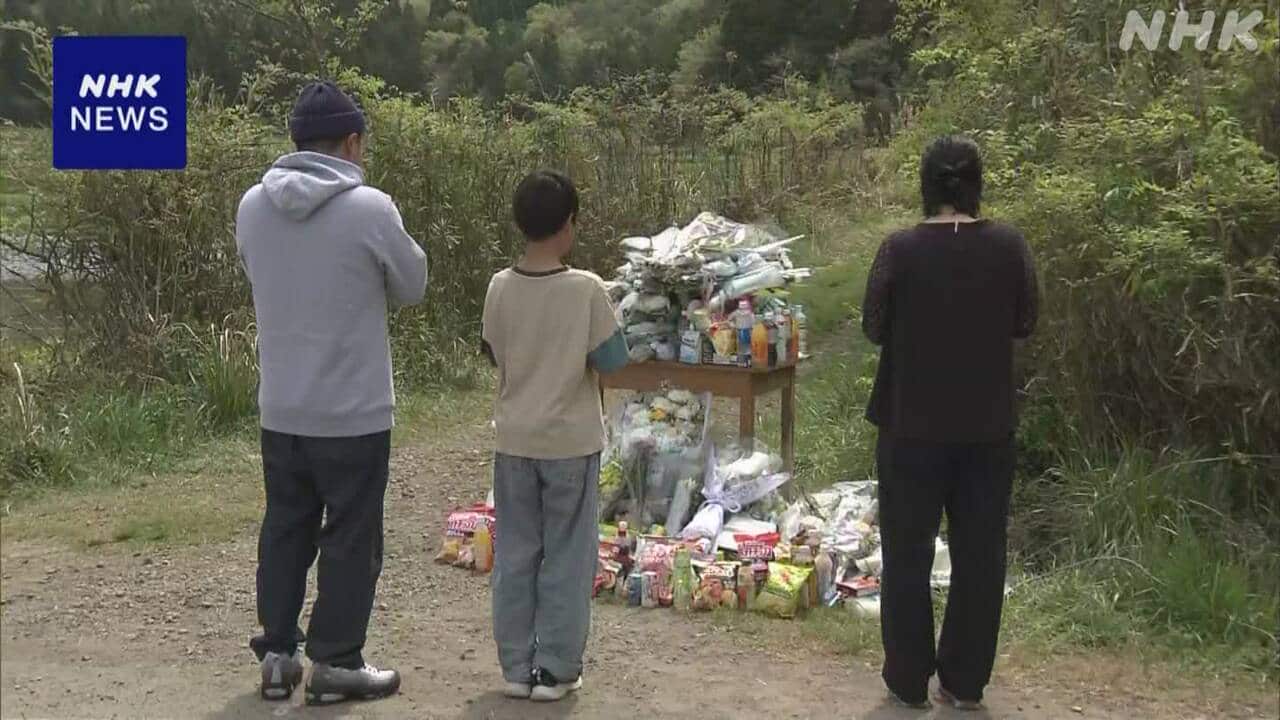
安達結希さんの遺体が発見された南丹市園部町の山林の近くでは、献花台として置かれた台の上やそのまわりに数え切れないほどの花やお菓子などが手向けられています。
結希さんと息子が同い年だという京都市の40代の女性は「ことばにならないです。胸が苦しくなります。手を合わせることしかできないですけど、苦しいです」と話していました。
南丹市園部町の小学生、安達結希さん(当時11)が今月13日に市内の山林で死亡しているのが見つかった事件では、父親で会社員の安達優季容疑者(37)が遺体を遺棄した疑いで逮捕されました。
結希さんについては先月23日に自宅で朝食をとったことが分かっていますが、その後は姿が確認できておらず、この日の昼前に小学校から「登校していない」と連絡を受けて父親が110番通報し、行方不明として捜索が始まりました。
しかし、捜査関係者によりますと、父親は小学校からの連絡より前に自身の関係先に「子どもがいなくなった」と話していたということです。
父親は逮捕前の任意の調べに対し「小学校まで車で送ったが、そのまま別の場所に連れて行って殺害した」という趣旨の供述をしていたということで、警察が詳しいいきさつを調べています。
安達結希さんの遺体が発見された南丹市園部町の山林の近くでは、献花台として置かれた台の上やそのまわりに数え切れないほどの花やお菓子などが手向けられています。
結希さんと息子が同い年だという京都市の40代の女性は「ことばにならないです。胸が苦しくなります。手を合わせることしかできないですけど、苦しいです」と話していました。
Vocabulary
General
Proper noun
JLPT N2
JLPT N1
| # | 言葉 | 意味 |
|---|---|---|
| 5 | 父親 | ちちおや (父親) : father |
| 4 | 結希 | ゆうい (結希) : Yuui (fem) |
| 3 | 山林 | さんりん (山林) : 1. mountain forest; forest on a mountain; montane forest 2. mountains and forest |
| 3 | 遺体 | いたい (遺体) : corpse; remains |
| 3 | 逮捕 | たいほ (逮捕) : arrest; apprehension; capture |
| 3 | 安達 | あたち (安達) : Atachi (unclass) |
| 2 | 遺棄 | いき (遺棄) : abandonment; desertion |
| 2 | 事件 | じけん (事件) : event; affair; incident; case; plot; trouble; scandal |
| 2 | 行方不明 | ゆくえふめい (行方不明) : missing (of a person); lost; unaccounted for; whereabouts unknown |
| 2 | 登校 | とうこう (登校) : attendance (at school); going to school |
| 2 | 子ども | こども (子供) : child |
| 2 | 分かる | わかる (分かる) : 1. to understand; to comprehend; to grasp; to see; to get; to follow 2. to become clear; to be known; to be discovered; to be realized; to be realised; to be found out |
| 2 | 園部町 | そのべちょう (園部町) : Sonobechō (place) |
| 1 | 京都府 | きょうとふ (京都府) : Kyoto Prefecture |
| 1 | 男子 | だんし (男子) : youth; young man |
| 1 | 児童 | じどう (児童) : children; juvenile |
| 1 | 当日 | とうじつ (当日) : day in question; appointed day; that very day; the day (of issue, publication, etc.) |
| 1 | 取材 | しゅざい (取材) : 1. news coverage; collecting data (e.g. for an article); covering (something for media) 2. interview |
| 1 | 小学生 | しょうがくせい (小学生) : elementary school student; primary school student; grade school student |
| 1 | 当時 | とうじ (当時) : at that time; in those days |
| 1 | 死亡 | しぼう (死亡) : 1. death; mortality 2. to die; to pass away |
| 1 | 見つかる | みつかる (見つかる) : to be found; to be discovered |
| 1 | 会社員 | かいしゃいん (会社員) : company employee; office worker; white-collar worker |
| 1 | 優季 | ゆうき (優季) : Yuuki (fem) |
| 1 | 容疑者 | ようぎしゃ (容疑者) : suspect (person) |
| 1 | 疑い | うたがい (疑い) : doubt; question; uncertainty; skepticism; scepticism; suspicion; distrust |
| 1 | 自宅 | じたく (自宅) : one's home; one's house |
| 1 | 朝食 | ちょうしょく (朝食) : breakfast |
| 1 | その後 | そのあと (その後) : after that; afterwards; thereafter |
| 1 | 姿 | すがた (姿) : 1. figure; form; shape 2. appearance; dress; guise |
| 1 | 確認 | かくにん (確認) : confirmation; verification; validation; review; check; affirmation; identification |
| 1 | 昼前 | ひるまえ (昼前) : 1. morning; forenoon 2. just before noon |
| 1 | 通報 | つうほう (通報) : 1. report; notification; tip; bulletin 2. message (in information and communication theory) |
| 1 | 捜索 | そうさく (捜索) : 1. search (esp. for someone or something missing); manhunt 2. legally authorized search of a person, building, etc. |
| 1 | 始まる | はじまる (始まる) : 1. to begin; to start; to commence 2. to happen (again); to begin (anew) |
| 1 | 自身 | じしん (自身) : (one's) self; oneself |
| 1 | 任意 | にんい (任意) : 1. optional; voluntary; arbitrary; random; discretionary; facultative; spontaneous; any 2. arbitrary |
| 1 | 調べ | しらべ (調べ) : 1. investigation; inspection; examination 2. tune; note; melody |
| 1 | 送る | おくる (送る) : 1. to send (a thing); to dispatch; to despatch; to transmit 2. to take or escort (a person somewhere); to see off (a person) |
| 1 | そのまま | そのまま (其のまま) : 1. without change; as is 2. just like; extremely similar |
| 1 | 連れる | つれる (連れる) : to take (someone) with one; to bring along; to go with; to be accompanied by |
| 1 | 殺害 | さつがい (殺害) : killing; murder |
| 1 | 趣旨 | しゅし (趣旨) : 1. meaning; point (e.g. of a statement); gist; effect 2. goal; intent; object; aim; point |
| 1 | 供述 | きょうじゅつ (供述) : affidavit; deposition; testimony |
| 1 | 詳しい | くわしい (詳しい) : 1. detailed; full; minute 2. knowing very well; knowledgeable (about); well-acquainted (with); well-informed (about); familiar (with) |
| 1 | いきさつ | いきさつ (経緯) : 1. details; particulars; whole story; sequence of events; chronology; circumstances; how it started; how things got this way 2. longitude and latitude |
| 1 | 調べる | しらべる (調べる) : to examine; to look up; to investigate; to check up; to sense; to study; to inquire; to search |
| 1 | 発見 | はっけん (発見) : discovery; detection; finding |
| 1 | 献花台 | けんかだい (献花台) : stand, table or altar on which one places donated flowers |
| 1 | 手向ける | たむける (手向ける) : 1. to offer something to a deity or somebody's spirit 2. to pay a tribute to a person who is about to depart |
| 1 | 同い年 | おないどし (同い年) : the same age |
| 1 | 京都市 | きょうとし (京都市) : Kyouto (city) (place) |
| 1 | 胸 | むね (胸) : 1. chest; breast 2. breasts; bosom; bust |
| 1 | 合わせる | あわせる (合わせる) : 1. to match (rhythm, speed, etc.) 2. to join together; to unite; to combine; to add up |
| 1 | 苦しい | くるしい (苦しい) : 1. painful; difficult; tough; hard 2. distressing; (psychologically) difficult; stressful; awkward (e.g. position) |