ロシアで「戦勝記念」式典 プーチン氏「勝利われわれのもの」
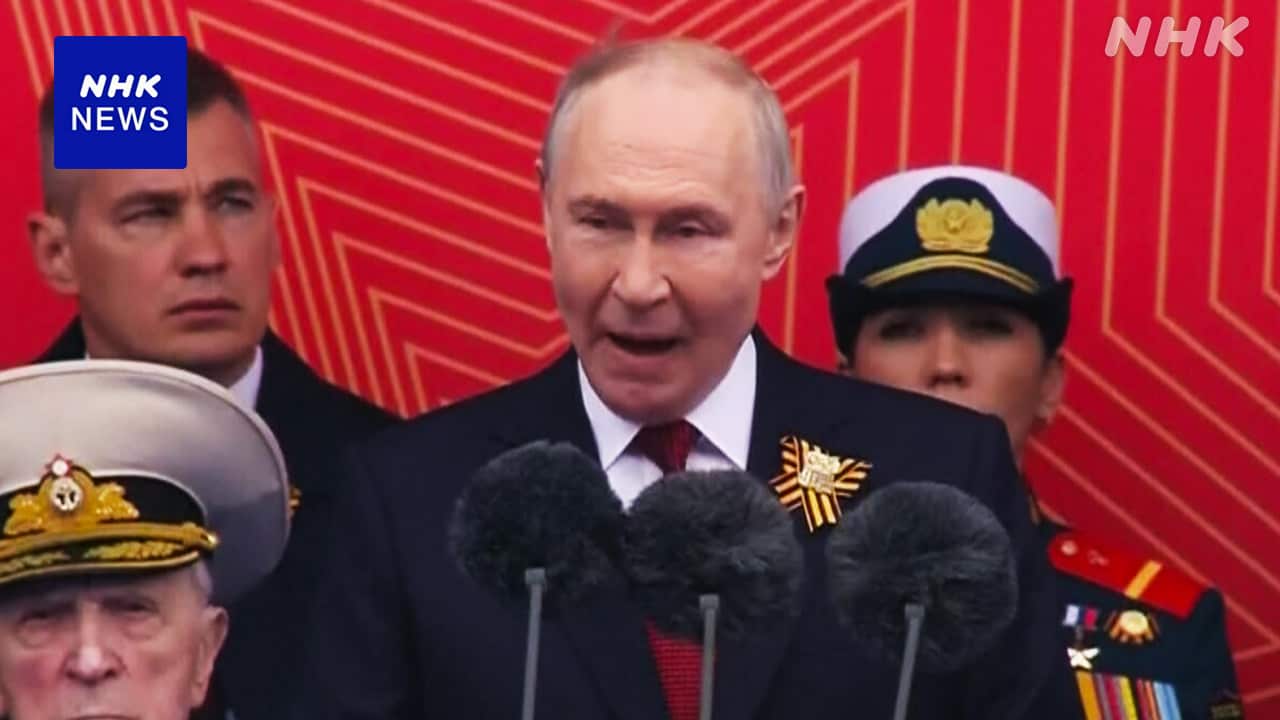
ロシアの首都モスクワで第2次世界大戦の「戦勝記念日」の式典が例年と比べ規模が縮小されて行われ、ウクライナへの軍事侵攻についてプーチン大統領は「勝利はわれわれのものだ」と強調しました。これに先立ち、アメリカのトランプ大統領は、ロシアとウクライナが今月9日から3日間、停戦すると発表しましたが、停戦が実現するかは不透明です。
モスクワの中心部「赤の広場」で9日、第2次世界大戦で旧ソビエトがナチス・ドイツに勝利したことを祝う「戦勝記念日」の式典が行われました。
演説したプーチン大統領はウクライナへの軍事侵攻をめぐり「兵士たちはNATO=北大西洋条約機構から支援を受けた軍に立ち向かっている」と述べ、国民に結束を呼びかけました。
続いて行われた軍事パレードでは、例年、戦車や弾道ミサイルなどの兵器が披露されてきましたが、ことしは、披露されず、規模が縮小されました。
モスクワにウクライナの無人機がたびたび飛来していることを受け、警戒を強めたほか、ウクライナの戦場に大量の兵器を投入していることが影響している可能性もあるとみられます。
北朝鮮軍はウクライナ軍が越境攻撃を行ったロシア西部クルスク州での作戦にも参加しており、パレードへの参加は、ロシアと北朝鮮の軍事面での協力の強化を改めて印象づける形となりました。
一方、アメリカのトランプ大統領は8日、SNSで、ロシアとウクライナが9日から11日までの3日間、停戦すると発表しました。
ロシアとウクライナはアメリカの提案を受け入れるとしましたが、両国は、これまでも一方的に停戦を宣言しては相手の停戦違反を主張し、守られてこなかっただけに、停戦が実現するかは不透明です。
モスクワの中心部では、大通りを封鎖したり、警察官などが頻繁に巡回したりして厳重な警備が行われていました。
また、大通りに面した広場などには、たくさんの赤い旗や「5月9日・勝利」と書かれた旗が飾られていたほか、第2次世界大戦でナチス・ドイツに勝利した象徴とされる黒とオレンジ色の「ゲオルギー・リボン」を身につけた人が多く見られました。
第2次世界大戦でナチス・ドイツと戦ったという祖父の写真を手にした女性は、「命をささげて、皆の自由と平和、そして私たちの未来の子どもたちのために戦ってくれた祖父たちに感謝したい」と話していました。
また、ウクライナ侵攻に参加したという退役軍人の男性は、ウクライナ侵攻について、「私たちはファシズムと戦っています。私たちは、祖父たちと同じことをしているのです」と話していました。
さらに、20代の女性は、トランプ大統領が提案したウクライナとの一時的な停戦について「多少の不安もありますが、こうして街に出ています。合意が守られなかった場合には、自分たちの国の力に期待するしかありません」と話していました。
9日付けの北朝鮮の朝鮮労働党機関紙、「労働新聞」は、ロシアの「戦勝記念日」にあわせて、キム・ジョンウン(金正恩)総書記がプーチン大統領に祝電を送ったと伝えました。
この中でキム総書記は、おととし、署名した有事の際に互いに軍事支援することを明記した包括的戦略パートナーシップ条約について、「最大限に重視して発展させていく」としています。
そのうえで「両国の間の条約の義務履行に、常に責任を持つことを明言する」として、ウクライナに軍事侵攻を続けるロシアを支援していく姿勢を改めて強調しました。
モスクワで行われた軍事パレードの規模が例年より縮小されたことについて、防衛省防衛研究所の兵頭慎治研究幹事は、NHKのインタビューで、「全体としてロシア軍に軍事的な余裕が欠けてきていることをうかがわせた」と述べました。
縮小の背景には、長期化する軍事侵攻でロシア軍が消耗していることに加え、ウクライナ軍の無人機攻撃に対する強い警戒を指摘し、「プーチン大統領自身も無人機などを使った攻撃でみずからの身の安全が保てないのではないかという警戒があったのではないか」と分析しました。
また、北朝鮮軍の兵士の軍事パレードへの参加について「事実上、この戦争に直接、参加しているのは北朝鮮だけだ。戦争が続く中、北朝鮮からのさらなる兵士や砲弾などによる軍事支援はロシアにとって不可欠だ」と述べ、ロシアは軍事侵攻を継続していくうえで北朝鮮との関係を深めていくという見通しを示しました。
アメリカのトランプ大統領が発表したロシアとウクライナの今月9日からの3日間の停戦については、「これまでも何度か短期停戦が提案されたが、残念ながら実現には至っていない。合意が順守されるかが注目だ。そこが1つのきっかけとなり、停戦期間の延長につながるかどうかが次の展開として注目される」と述べました。
さらに今後のロシアとウクライナの和平案をめぐる協議について、「トランプ大統領はイランの戦争にかかりきりになり、ウクライナの停戦あるいは和平に対する交渉意欲はかなり低下をしている」と述べ、トランプ大統領がウクライナの和平に再び大きな関心を持てるかが重要だと指摘しました。
モスクワの中心部「赤の広場」で9日、第2次世界大戦で旧ソビエトがナチス・ドイツに勝利したことを祝う「戦勝記念日」の式典が行われました。
演説したプーチン大統領はウクライナへの軍事侵攻をめぐり「兵士たちはNATO=北大西洋条約機構から支援を受けた軍に立ち向かっている」と述べ、国民に結束を呼びかけました。
続いて行われた軍事パレードでは、例年、戦車や弾道ミサイルなどの兵器が披露されてきましたが、ことしは、披露されず、規模が縮小されました。
モスクワにウクライナの無人機がたびたび飛来していることを受け、警戒を強めたほか、ウクライナの戦場に大量の兵器を投入していることが影響している可能性もあるとみられます。
北朝鮮軍はウクライナ軍が越境攻撃を行ったロシア西部クルスク州での作戦にも参加しており、パレードへの参加は、ロシアと北朝鮮の軍事面での協力の強化を改めて印象づける形となりました。
一方、アメリカのトランプ大統領は8日、SNSで、ロシアとウクライナが9日から11日までの3日間、停戦すると発表しました。
ロシアとウクライナはアメリカの提案を受け入れるとしましたが、両国は、これまでも一方的に停戦を宣言しては相手の停戦違反を主張し、守られてこなかっただけに、停戦が実現するかは不透明です。
モスクワの中心部では、大通りを封鎖したり、警察官などが頻繁に巡回したりして厳重な警備が行われていました。
また、大通りに面した広場などには、たくさんの赤い旗や「5月9日・勝利」と書かれた旗が飾られていたほか、第2次世界大戦でナチス・ドイツに勝利した象徴とされる黒とオレンジ色の「ゲオルギー・リボン」を身につけた人が多く見られました。
第2次世界大戦でナチス・ドイツと戦ったという祖父の写真を手にした女性は、「命をささげて、皆の自由と平和、そして私たちの未来の子どもたちのために戦ってくれた祖父たちに感謝したい」と話していました。
また、ウクライナ侵攻に参加したという退役軍人の男性は、ウクライナ侵攻について、「私たちはファシズムと戦っています。私たちは、祖父たちと同じことをしているのです」と話していました。
さらに、20代の女性は、トランプ大統領が提案したウクライナとの一時的な停戦について「多少の不安もありますが、こうして街に出ています。合意が守られなかった場合には、自分たちの国の力に期待するしかありません」と話していました。
9日付けの北朝鮮の朝鮮労働党機関紙、「労働新聞」は、ロシアの「戦勝記念日」にあわせて、キム・ジョンウン(金正恩)総書記がプーチン大統領に祝電を送ったと伝えました。
この中でキム総書記は、おととし、署名した有事の際に互いに軍事支援することを明記した包括的戦略パートナーシップ条約について、「最大限に重視して発展させていく」としています。
そのうえで「両国の間の条約の義務履行に、常に責任を持つことを明言する」として、ウクライナに軍事侵攻を続けるロシアを支援していく姿勢を改めて強調しました。
モスクワで行われた軍事パレードの規模が例年より縮小されたことについて、防衛省防衛研究所の兵頭慎治研究幹事は、NHKのインタビューで、「全体としてロシア軍に軍事的な余裕が欠けてきていることをうかがわせた」と述べました。
縮小の背景には、長期化する軍事侵攻でロシア軍が消耗していることに加え、ウクライナ軍の無人機攻撃に対する強い警戒を指摘し、「プーチン大統領自身も無人機などを使った攻撃でみずからの身の安全が保てないのではないかという警戒があったのではないか」と分析しました。
また、北朝鮮軍の兵士の軍事パレードへの参加について「事実上、この戦争に直接、参加しているのは北朝鮮だけだ。戦争が続く中、北朝鮮からのさらなる兵士や砲弾などによる軍事支援はロシアにとって不可欠だ」と述べ、ロシアは軍事侵攻を継続していくうえで北朝鮮との関係を深めていくという見通しを示しました。
アメリカのトランプ大統領が発表したロシアとウクライナの今月9日からの3日間の停戦については、「これまでも何度か短期停戦が提案されたが、残念ながら実現には至っていない。合意が順守されるかが注目だ。そこが1つのきっかけとなり、停戦期間の延長につながるかどうかが次の展開として注目される」と述べました。
さらに今後のロシアとウクライナの和平案をめぐる協議について、「トランプ大統領はイランの戦争にかかりきりになり、ウクライナの停戦あるいは和平に対する交渉意欲はかなり低下をしている」と述べ、トランプ大統領がウクライナの和平に再び大きな関心を持てるかが重要だと指摘しました。
Vocabulary
General
Proper noun
JLPT N2
JLPT N1
| # | 言葉 | 意味 |
|---|---|---|
| 11 | 停戦 | ていせん (停戦) : armistice; ceasefire |
| 7 | 北朝鮮 | きたちょうせん (北朝鮮) : North Korea |
| 5 | 述べる | のべる (述べる) : to state; to express; to mention |
| 5 | 参加 | さんか (参加) : participation; joining; entry; adherence |
| 4 | 第 | だい (第) : prefix for forming ordinal numbers |
| 4 | 世界大戦 | せかいたいせん (世界大戦) : world war |
| 4 | 縮小 | しゅくしょう (縮小) : reduction; curtailment |
| 4 | 大統領 | だいとうりょう (大統領) : 1. president (of a nation) 2. big man; boss; buddy; mate |
| 4 | 勝利 | しょうり (勝利) : victory; triumph; conquest; success; win |
| 3 | 戦勝 | せんしょう (戦勝) : winning a war; victory |
| 3 | 記念日 | きねんび (記念日) : memorial day; commemoration day; anniversary |
| 3 | 例年 | れいねん (例年) : 1. average (normal, ordinary) year 2. every year; annually |
| 3 | 規模 | きぼ (規模) : scale; scope; plan; structure |
| 3 | 日間 | ひあい (日間) : 1. number of days; period of days 2. daily interest rate |
| 3 | 発表 | はっぴょう (発表) : announcement; publication; presenting; statement; communique; making known; breaking (news story); expressing (one's opinion); releasing; unveiling |
| 3 | 実現 | じつげん (実現) : implementation (e.g. of a system); materialization; materialisation; realization; realisation; actualization; actualisation |
| 3 | 兵士 | へいし (兵士) : soldier |
| 3 | 条約 | じょうやく (条約) : treaty; pact; convention; agreement |
| 3 | 軍 | ぐん (軍) : 1. army; armed forces; troops 2. military authorities |
| 3 | 無人機 | むじんき (無人機) : drone; unmanned aircraft |
| 3 | 警戒 | けいかい (警戒) : vigilance; caution; alertness; precaution; being on guard |
| 3 | 攻撃 | こうげき (攻撃) : 1. attack; assault; raid; onslaught; offensive 2. criticism; censure; denunciation; condemnation |
| 3 | 提案 | ていあん (提案) : proposal; proposition; suggestion |
| 3 | 戦う | たたかう (戦う) : 1. to make war (on); to wage war (against); to go to war (with); to fight (with); to do battle (against) 2. to compete (against) |
| 3 | 私たち | わたしたち (私たち) : we; us |
| 3 | 和平 | わへい (和平) : peace |
| 2 | 式典 | しきてん (式典) : ceremony; rites |
| 2 | 強調 | きょうちょう (強調) : emphasis; highlight; stress; stressed point |
| 2 | 不透明 | ふとうめい (不透明) : 1. opaque; obscure; murky; turbid 2. opacity; obscurity |
| 2 | 中心部 | ちゅうしんぶ (中心部) : central part; heart (of a city) |
| 2 | めぐる | めぐる (巡る) : 1. to go around 2. to return |
| 2 | たち | やかた (館) : 1. mansion; palace; manor house; castle 2. nobleman; noblewoman; dignitary |
| 2 | 支援 | しえん (支援) : support; backing; aid; assistance |
| 2 | 兵器 | へいき (兵器) : arms; weapon; ordnance |
| 2 | 披露 | ひろう (披露) : announcement; presentation; demonstration; displaying; showing; introducing; exhibiting; unveiling; revealing; showcasing; performing; giving a rendition |
| 2 | 改めて | あらためて (改めて) : 1. another time; again; over again; once again; anew 2. formally; especially; intentionally; deliberately |
| 2 | 両国 | りょうこく (両国) : 1. both countries 2. Ryōgoku (area of Tokyo) |
| 2 | 守る | まもる (守る) : 1. to protect; to guard; to defend 2. to keep (i.e. a promise); to abide (by the rules); to observe; to obey; to follow |
| 2 | 大通り | おおどおり (大通り) : main street |
| 2 | 旗 | はた (旗) : 1. flag 2. pataka (banner) |
| 2 | 身 | み (身) : 1. body 2. oneself |
| 2 | 侵攻 | しんこう (侵攻) : invasion |
| 2 | 合意 | ごうい (合意) : (coming to an) agreement; consent; mutual understanding; accord; consensus |
| 2 | 総書記 | そうしょき (総書記) : secretary-general; general secretary (esp. of Communist parties of North Korea and China) |
| 2 | 指摘 | してき (指摘) : pointing out; identification |
| 2 | 注目 | ちゅうもく (注目) : notice; attention; observation |
| 1 | 首都 | しゅと (首都) : capital city; metropolis |
| 1 | 比べる | くらべる (比べる) : 1. to compare; to make a comparison 2. to compete; to vie |
| 1 | われわれ | われわれ (我々) : we |
| 1 | 先立つ | さきだつ (先立つ) : 1. to lead; to take the lead (in doing something) 2. to precede; to go before; to take precedence |
| 1 | 赤の広場 | あかのひろば (赤の広場) : Red Square (Moscow) (place) |
| 1 | 旧 | きゅう (旧) : 1. old; former; ex- 2. the old; old things; old customs |
| 1 | 祝う | いわう (祝う) : 1. to celebrate; to congratulate; to observe (a festival) 2. to present (a gift) in celebration; to drink in celebration |
| 1 | 演説 | えんぜつ (演説) : speech; address |
| 1 | 大西洋 | たいせいよう (大西洋) : Atlantic Ocean |
| 1 | 機構 | きこう (機構) : mechanism; organization; organisation |
| 1 | 立ち向かう | たちむかう (立ち向かう) : to fight against; to oppose; to face |
| 1 | 国民 | こくみん (国民) : people (of a country); nation; citizen; national |
| 1 | 結束 | けっそく (結束) : 1. union; unity; solidarity 2. bundling; binding; tying |
| 1 | 呼びかける | よびかける (呼びかける) : 1. to call out to; to hail; to address 2. to appeal |
| 1 | 戦車 | せんしゃ (戦車) : 1. tank (military vehicle) 2. chariot |
| 1 | 弾道ミサイル | だんどうミサイル (弾道ミサイル) : ballistic missile |
| 1 | たびたび | たびたび (度々) : often; again and again; over and over again; repeatedly; frequently |
| 1 | 飛来 | ひらい (飛来) : 1. coming flying in (migratory birds, airborne sand, pollen, etc.) 2. coming by airplane |
| 1 | 強める | つよめる (強める) : to strengthen; to emphasize; to emphasise |
| 1 | 戦場 | せんじょう (戦場) : battlefield; battleground |
| 1 | 大量 | たいりょう (大量) : large quantity; massive (quantity); mass (e.g. mass production, mass transit, mass destruction) |
| 1 | 投入 | とうにゅう (投入) : 1. throwing in; inserting; depositing (e.g. a ballot) 2. investment; commitment (of funds, personnel, etc.); injection; infusion |
| 1 | 影響 | えいきょう (影響) : 1. influence; effect 2. to influence; to affect; to have an influence on; to impact; to have an effect on |
| 1 | 可能性 | かのうせい (可能性) : potentiality; likelihood; possibility; availability |
| 1 | 越境 | えっきょう (越境) : border transgression |
| 1 | 西部 | せいぶ (西部) : 1. western part; the west (of a region) 2. the West (United States) |
| 1 | 州 | しゅう (州) : 1. state (US, Australia, India, Germany, etc.); province (e.g. Canada); canton (e.g. Switzerland); oblast (e.g. Russia); department (e.g. ancient China) 2. continent |
| 1 | 作戦 | さくせん (作戦) : 1. tactics; strategy 2. military operation; naval operation |
| 1 | 軍事面 | ぐんじめん (軍事面) : military aspect |
| 1 | 協力 | きょうりょく (協力) : cooperation; collaboration |
| 1 | 強化 | きょうか (強化) : strengthening; intensifying; reinforcement; enhancement; solidification |
| 1 | 印象 | いんしょう (印象) : impression |
| 1 | 受け入れる | うけいれる (受け入れる) : to accept; to receive; to agree |
| 1 | 一方的 | いっぽうてき (一方的) : one-sided; unilateral; arbitrary |
| 1 | 宣言 | せんげん (宣言) : declaration; proclamation; announcement |
| 1 | 相手 | あいて (相手) : 1. companion; partner; company 2. other party; addressee |
| 1 | 違反 | いはん (違反) : violation; offense; offence; breach; transgression; infringement; contravention |
| 1 | 主張 | しゅちょう (主張) : claim; insistence; assertion; advocacy; emphasis; contention; opinion; tenet |
| 1 | 封鎖 | ふうさ (封鎖) : 1. blockade; lockdown; sealing off (an area) 2. freezing (funds) |
| 1 | 警察官 | けいさつかん (警察官) : police officer; policeman; policewoman |
| 1 | 頻繁 | ひんぱん (頻繁) : frequent; incessant |
| 1 | 巡回 | じゅんかい (巡回) : going around; patrol; round; tour |
| 1 | 厳重 | げんじゅう (厳重) : strict; severe; stringent; rigorous; rigid; firm; strong; secure |
| 1 | 警備 | けいび (警備) : defense; defence; guard; policing; security |
| 1 | 面する | めんする (面する) : to face on; to look out on to |
| 1 | 広場 | ひろば (広場) : 1. public square; square; plaza; piazza; forum 2. open space; clearing |
| 1 | 書く | かく (書く) : 1. to write; to compose; to pen 2. to draw; to paint |
| 1 | 飾る | かざる (飾る) : 1. to decorate; to ornament; to adorn 2. to display; to exhibit; to put on show; to arrange |
| 1 | 象徴 | しょうちょう (象徴) : (abstract) symbol; emblem; representation |
| 1 | オレンジ色 | オレンジいろ (オレンジ色) : orange (colour, color) |
| 1 | 命 | いのち (命) : 1. life; life force 2. lifetime; lifespan |
| 1 | ささげる | ささげる (捧げる) : 1. to lift up; to hold up; to hold above eye level 2. to give; to offer; to consecrate |
| 1 | 平和 | へいわ (平和) : peace; harmony |
| 1 | 未来 | みらい (未来) : 1. the future (usually distant) 2. future tense |
| 1 | 子どもたち | こどもたち (子供たち) : children |
| 1 | 感謝 | かんしゃ (感謝) : thanks; gratitude |
| 1 | 退役軍人 | たいえきぐんじん (退役軍人) : ex-serviceman; veteran |
| 1 | 一時的 | いちじてき (一時的) : temporary |
| 1 | 多少 | たしょう (多少) : 1. a little; some; somewhat; slightly; to some degree; to some extent 2. amount; quantity; number |
| 1 | 不安 | ふあん (不安) : anxiety; uneasiness; worry; apprehension; fear; insecurity; suspense |
| 1 | 街 | がい (街) : ... street; ... quarter; ... district |
| 1 | 自分 | じぶん (自分) : 1. myself; yourself; oneself; himself; herself 2. I; me |
| 1 | 期待 | きたい (期待) : 1. expectation; anticipation; hope 2. promising; rising; up-and-coming |
| 1 | 付け | つけ (付け) : 1. bill; bill of sale; payment invoice 2. tab (for later payment); credit |
| 1 | 朝鮮 | ちょうせん (朝鮮) : Korea |
| 1 | 労働党 | ろうどうとう (労働党) : Labour Party; Labor Party; worker's party |
| 1 | 機関紙 | きかんし (機関紙) : bulletin; (party) organ |
| 1 | 労働 | ろうどう (労働) : 1. manual labor; manual labour; toil; work 2. Labour Party |
| 1 | 新聞 | しんぶん (新聞) : newspaper |
| 1 | あわせる | あわせる (会わせる) : 1. to make (someone) to meet; to let (someone) meet 2. to expose to; to subject to |
| 1 | 金正恩 | キムジョンウン (金正恩) : Kim Jong-un (1983.1.8-); Kim Jong Un (person) |
| 1 | 祝電 | しゅくでん (祝電) : congratulatory telegram |
| 1 | 送る | おくる (送る) : 1. to send (a thing); to dispatch; to despatch; to transmit 2. to take or escort (a person somewhere); to see off (a person) |
| 1 | 伝える | つたえる (伝える) : to convey; to report; to transmit; to communicate; to tell; to impart; to propagate; to teach; to bequeath |
| 1 | 署名 | しょめい (署名) : signature |
| 1 | 有事 | ゆうじ (有事) : emergency |
| 1 | 際 | きわ (際) : 1. edge; brink; verge; side 2. time; moment of |
| 1 | 互い | たがい (互い) : each other; one another |
| 1 | 明記 | めいき (明記) : clear writing; specification |
| 1 | 包括的 | ほうかつてき (包括的) : comprehensive; inclusive; encompassing |
| 1 | 戦略 | せんりゃく (戦略) : strategy; tactics |
| 1 | 最大限 | さいだいげん (最大限) : 1. maximum 2. to the maximum degree; to the full |
| 1 | 重視 | じゅうし (重視) : regarding as important; attaching importance to; taking a serious view of; putting emphasis on |
| 1 | 発展 | はってん (発展) : 1. development; growth; expansion; extension; flourishing 2. development (of a situation, story, etc.); advancement; progression; unfolding |
| 1 | 義務 | ぎむ (義務) : duty; obligation; responsibility |
| 1 | 履行 | りこう (履行) : performance (of a duty); fulfillment (of a promise); fulfilment; execution (of a contract); discharge; implementation |
| 1 | 常 | とこ (常) : constant; unchanging; eternal |
| 1 | 責任 | せきにん (責任) : 1. duty; responsibility (incl. supervision of staff) 2. liability; onus |
| 1 | 明言 | めいげん (明言) : declaration; statement |
| 1 | 姿勢 | しせい (姿勢) : 1. posture; pose; position; stance; carriage (of the body) 2. attitude; approach; stance |
| 1 | 防衛省 | ぼうえいしょう (防衛省) : Ministry of Defense |
| 1 | 防衛 | ぼうえい (防衛) : defense; defence; protection |
| 1 | 研究所 | けんきゅうしょ (研究所) : research establishment; research institute; laboratory |
| 1 | 兵頭 | ひゅうず (兵頭) : Hyuuzu (surname) |
| 1 | 慎治 | しんじ (慎治) : Shinji (given) |
| 1 | 幹事 | かんじ (幹事) : executive secretary; coordinator; organizer; person in charge of making arrangements |
| 1 | 全体 | ぜんたい (全体) : whole; entirety; whatever (is the matter) |
| 1 | 軍事的 | ぐんじてき (軍事的) : military |
| 1 | 余裕 | よゆう (余裕) : 1. surplus; margin; leeway; room; space; time; allowance; flexibility; scope 2. composure; placidity; complacency; calm |
| 1 | 欠ける | かける (欠ける) : 1. to be chipped; to be damaged; to be broken 2. to be lacking; to be missing |
| 1 | うかがう | うかがう (窺う) : 1. to peep (through); to peek; to examine (esp. covertly) 2. to await (one's chance) |
| 1 | 背景 | はいけい (背景) : 1. background; scenery; backdrop; setting 2. background (of an incident, situation, etc.); circumstances; context |
| 1 | 長期化 | ちょうきか (長期化) : lengthening |
| 1 | 消耗 | しょうもう (消耗) : exhaustion; consumption; using up; dissipation; waste |
| 1 | 自身 | じしん (自身) : (one's) self; oneself |
| 1 | みずから | みずから (自ら) : 1. oneself 2. oneself; for oneself; personally; in person |
| 1 | 分析 | ぶんせき (分析) : analysis |
| 1 | 事実上 | じじつじょう (事実上) : as a matter of fact; actually; effectively; in reality; in effect |
| 1 | 直接 | ちょくせつ (直接) : direct; immediate; personal; firsthand |
| 1 | さらなる | さらなる (更なる) : even more; still more; further |
| 1 | 砲弾 | ほうだん (砲弾) : shell; cannonball |
| 1 | 不可欠 | ふかけつ (不可欠) : indispensable; essential |
| 1 | 継続 | けいぞく (継続) : continuation |
| 1 | 深める | ふかめる (深める) : to deepen; to heighten; to intensify |
| 1 | 見通し | みとおし (見通し) : 1. unobstructed view; perspective; visibility; vista 2. forecast; outlook; prospect; prediction |
| 1 | 示す | しめす (示す) : 1. to (take out and) show; to demonstrate; to tell; to exemplify; to make apparent 2. to point out (finger, clock hand, needle, etc.) |
| 1 | 何度 | なんど (何度) : 1. how many times 2. how many degrees (temperature, angle, etc.) |
| 1 | 短期 | たんき (短期) : short-term |
| 1 | 至る | いたる (至る) : 1. to arrive at (e.g. a decision); to reach (a stage); to attain 2. to lead to (a place); to get to |
| 1 | 順守 | じゅんしゅ (遵守) : observance (of laws, rules, etc.); adherence; obeying; following; abiding by; compliance |
| 1 | きっかけ | きっかけ (切っ掛け) : chance; start; cue; excuse; motive; impetus; occasion |
| 1 | 期間 | きかん (期間) : period; term; interval |
| 1 | 延長 | えんちょう (延長) : 1. extension; elongation; prolongation; lengthening 2. Enchō era (923.4.11-931.4.26) |
| 1 | つながる | つながる (繋がる) : 1. to be tied together; to be connected to; to be linked to 2. to lead to; to be related to |
| 1 | 展開 | てんかい (展開) : 1. development; evolution; progression; unfolding; (plot) twist 2. expansion; spreading out; extending; deployment; building up |
| 1 | 今後 | こんご (今後) : from now on; hereafter |
| 1 | 案 | あん (案) : 1. idea; plan; proposal; suggestion; (government) bill 2. draft; rough copy |
| 1 | 協議 | きょうぎ (協議) : conference; consultation; discussion; negotiation |
| 1 | きり | きり (桐) : paulownia (Paulownia tomentosa); empress tree; foxglove tree |
| 1 | あるいは | あるいは (或いは) : 1. or; either ... or 2. maybe; perhaps; possibly |
| 1 | 交渉 | こうしょう (交渉) : 1. negotiations; discussions 2. connection |
| 1 | 意欲 | いよく (意欲) : will; desire; ambition; urge (e.g. creative urge) |
| 1 | かなり | かなり (可也) : considerably; fairly; quite |
| 1 | 低下 | ていか (低下) : fall; decline; lowering; deterioration; degradation |
| 1 | 再び | ふたたび (再び) : again; once more; a second time |
| 1 | 関心 | かんしん (関心) : concern; interest |
| 1 | 持てる | もてる (持てる) : 1. to be able to possess (hold, get, etc.) 2. to be well liked; to be popular; to be pampered (spoiled, doted upon, etc.); to be welcomed |
| 1 | 重要 | じゅうよう (重要) : important; momentous; essential; principal; major |