大分の路線バス、クレカタッチ乗車に対応 県内初
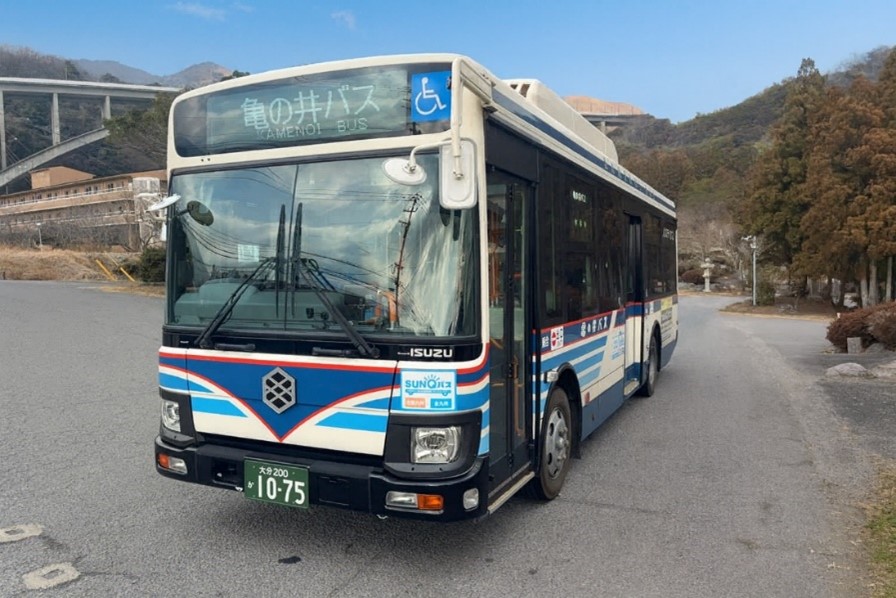
大分県で路線バスを運行する亀の井バスは、3月21日から一般路線バス全線で、クレジットカードなどのタッチ決済による乗車サービスを開始する。大分県のバス事業者では初の取り組みとなり、三井住友カードの公共交通機関向けソリューション「stera transit」を活用する。
ユーザーは、車両の乗降口付近に設置された読取端末にタッチ決済対応のカードやスマートフォンをかざすだけで乗車できる。交通系ICカード「nimoca」に加え、タッチ決済にも対応することで多様なニーズに応えるキャッシュレス環境を整える。
これにより、地域住民だけでなく、交通系ICカードを持たない訪日外国人なども事前のICカード購入やチャージ、現金での両替なしで乗車できるようになる。この取り組みには三井住友カード、JCB、ニモカ、西鉄エム・テック、小田原機器、QUADRACが参画している。
対象は亀の井バスの一般路線バス全線で、高速バスおよび定期観光バスは除く。対応ブランドはVisa、Mastercard、JCB、American Express、Diners Club、Discover、銀聯。
別府市では観光需要が高まるなか、インバウンドを含む多様なユーザーの利便性向上に向け、公共交通のキャッシュレス対応強化が求められている。亀の井バスでも、多客時の現金取り扱い業務による乗務員負担の増加や、降車取り扱い時間の増加による定時運行への影響が課題となっており、今回の導入につながった。
大分県で路線バスを運行する亀の井バスは、3月21日から一般路線バス全線で、クレジットカードなどのタッチ決済による乗車サービスを開始する。大分県のバス事業者では初の取り組みとなり、三井住友カードの公共交通機関向けソリューション「stera transit」を活用する。 ユーザーは、車両の乗降口付近に設置された読取端末にタッチ決済対応のカードやスマートフォンをかざすだけで乗車できる。交通系ICカード「nimoca」に加え、タッチ決済にも対応することで多様なニーズに応えるキャッシュレス環境を整える。 これにより、地域住民だけでなく、交通系ICカードを持たない訪日外国人なども事前のICカード購入やチャージ、現金での両替なしで乗車できるようになる。この取り組みには三井住友カード、JCB、ニモカ、西鉄エム・テック、小田原機器、QUADRACが参画している。 対象は亀の井バスの一般路線バス全線で、高速バスおよび定期観光バスは除く。対応ブランドはVisa、Mastercard、JCB、American Express、Diners Club、Discover、銀聯。 別府市では観光需要が高まるなか、インバウンドを含む多様なユーザーの利便性向上に向け、公共交通のキャッシュレス対応強化が求められている。亀の井バスでも、多客時の現金取り扱い業務による乗務員負担の増加や、降車取り扱い時間の増加による定時運行への影響が課題となっており、今回の導入につながった。
大分県で路線バスを運行する亀の井バスは、3月21日から一般路線バス全線で、クレジットカードなどのタッチ決済による乗車サービスを開始する。大分県のバス事業者では初の取り組みとなり、三井住友カードの公共交通機関向けソリューション「stera transit」を活用する。 ユーザーは、車両の乗降口付近に設置された読取端末にタッチ決済対応のカードやスマートフォンをかざすだけで乗車できる。交通系ICカード「nimoca」に加え、タッチ決済にも対応することで多様なニーズに応えるキャッシュレス環境を整える。 これにより、地域住民だけでなく、交通系ICカードを持たない訪日外国人なども事前のICカード購入やチャージ、現金での両替なしで乗車できるようになる。この取り組みには三井住友カード、JCB、ニモカ、西鉄エム・テック、小田原機器、QUADRACが参画している。 対象は亀の井バスの一般路線バス全線で、高速バスおよび定期観光バスは除く。対応ブランドはVisa、Mastercard、JCB、American Express、Diners Club、Discover、銀聯。 別府市では観光需要が高まるなか、インバウンドを含む多様なユーザーの利便性向上に向け、公共交通のキャッシュレス対応強化が求められている。亀の井バスでも、多客時の現金取り扱い業務による乗務員負担の増加や、降車取り扱い時間の増加による定時運行への影響が課題となっており、今回の導入につながった。
Vocabulary
General
Proper noun
JLPT N2
JLPT N1
| # | 言葉 | 意味 |
|---|---|---|
| 8 | 対応 | たいおう (対応) : 1. correspondence (to); equivalence 2. suitability; coordination; matching; being appropriate (for) |
| 6 | 路線 | ろせん (路線) : 1. route (bus, train, air, etc.); line 2. line (taken by a group, organization, etc.); policy; course |
| 6 | 亀 | かめ (亀) : 1. tortoise; turtle 2. heavy drinker |
| 6 | 井 | い (井) : well |
| 6 | 乗車 | じょうしゃ (乗車) : boarding (a train, bus, etc.); getting into (e.g. a taxi) |
| 4 | 大分県 | おおいたけん (大分県) : Ōita prefecture (Kyūshū) |
| 4 | 運行 | うんこう (運行) : 1. service (bus, train); operation 2. motion; revolution; movement |
| 4 | 一般 | いっぱん (一般) : 1. general; universal 2. ordinary; average; common; non-celebrity |
| 4 | 全線 | ぜんせん (全線) : the whole line; all lines; the whole ship |
| 4 | 取り組み | とりくみ (取り組み) : 1. bout (in sports, etc.); match 2. effort; initiative; dealing with; grappling with; wrestling with |
| 4 | 三井住友 | みついすみとも (三井住友) : Mitsui Sumitomo; Sumitomo Mitsui (company) |
| 4 | 多様 | たよう (多様) : diverse; varied |
| 4 | 現金 | げんきん (現金) : 1. cash; ready money; money on hand; currency 2. mercenary; self-interested; calculating |
| 4 | 観光 | かんこう (観光) : sightseeing; tourism |
| 4 | 取り扱い | とりあつかい (取り扱い) : treatment; service; handling; management |
| 4 | 増加 | ぞうか (増加) : increase; rise; growth; addition; increment |
| 2 | 開始 | かいし (開始) : start; commencement; beginning; initiation |
| 2 | 事業者 | じぎょうしゃ (事業者) : 1. business person 2. operator; carrier (telecommunications, transport, etc.) |
| 2 | 初 | はつ (初) : first; new |
| 2 | 公共交通機関 | こうきょうこうつうきかん (公共交通機関) : public transportation; public transport |
| 2 | 向け | むけ (向け) : intended for ...; oriented towards ...; aimed at ... |
| 2 | 活用 | かつよう (活用) : 1. practical use; application 2. conjugation; inflection |
| 2 | 車両 | しゃりょう (車両) : rolling stock; railroad cars; wheeled vehicles |
| 2 | 乗降 | じょうこう (乗降) : getting on and off; embarking and disembarking |
| 2 | 付近 | ふきん (付近) : 1. neighborhood; vicinity; environs; district 2. approaching |
| 2 | 設置 | せっち (設置) : 1. establishment; institution 2. installation (of a machine or equipment) |
| 2 | 読取 | よみとり (読み取り) : reading (e.g. by a scanner) |
| 2 | 端末 | たんまつ (端末) : 1. terminal; computer terminal 2. information access device (smartphone, tablet, book-reader, etc.) |
| 2 | かざす | かざす (翳す) : 1. to hold up over one's head; to hold aloft 2. to hold over something; to hold (one's hands) out (e.g. towards a fire); to cover something with something |
| 2 | 応える | こたえる (応える) : 1. to respond; to answer; to meet (e.g. demands, expectations) 2. to affect; to take a toll; to strike home; to have an effect on; to be hard on someone (e.g. heat, cold, work, illness, etc.); to be a strain |
| 2 | 環境 | かんきょう (環境) : environment; circumstance |
| 2 | 整える | ととのえる (整える) : 1. to put in order; to arrange; to tidy up; to straighten; to adjust; to fix 2. to get ready; to prepare; to arrange; to supply; to assemble; to buy |
| 2 | 地域住民 | ちいきじゅうみん (地域住民) : local resident |
| 2 | 持つ | もつ (持つ) : 1. to hold (in one's hand); to take; to carry 2. to possess; to have; to own |
| 2 | 訪日 | ほうにち (訪日) : visit to Japan |
| 2 | 事前 | じぜん (事前) : prior; beforehand; in advance; before the fact; ex ante |
| 2 | 購入 | こうにゅう (購入) : purchase; buy |
| 2 | 両替 | りょうがえ (両替) : change; money exchange |
| 2 | なし | なし (無し) : 1. without 2. unacceptable; not alright; unsatisfactory |
| 2 | 西鉄 | にしてつ (西鉄) : Nishitetsu (place; surname) |
| 2 | 小田原 | おたわら (小田原) : Otawara (surname) |
| 2 | 機器 | きき (機器) : device; equipment; machinery; apparatus |
| 2 | 参画 | さんかく (参画) : taking part (in planning); participation |
| 2 | 対象 | たいしょう (対象) : target; object (of worship, study, etc.); subject (of taxation, etc.) |
| 2 | 高速 | こうそく (高速) : 1. high-speed; rapid; express 2. highway; freeway; expressway; motorway |
| 2 | および | および (及び) : and; as well as |
| 2 | 定期 | ていき (定期) : 1. fixed period; fixed term 2. regular; periodic; periodical |
| 2 | 除く | のぞく (除く) : 1. to remove; to eliminate; to eradicate 2. to exclude; to except |
| 2 | 聯 | つらね (聯) : Tsurane (unclass) |
| 2 | 別府市 | べっぷし (別府市) : Beppu (city) (place) |
| 2 | 需要 | じゅよう (需要) : demand; request |
| 2 | 高まる | たかまる (高まる) : to rise; to swell; to be promoted |
| 2 | 含む | ふくむ (含む) : 1. to contain; to comprise; to have; to hold; to include; to embrace 2. to hold in the mouth |
| 2 | 利便性 | りべんせい (利便性) : convenience; user-friendliness |
| 2 | 向上 | こうじょう (向上) : elevation; rise; improvement; advancement; progress |
| 2 | 公共 | こうきょう (公共) : public (facilities, service, etc.); communal |
| 2 | 強化 | きょうか (強化) : strengthening; intensifying; reinforcement; enhancement; solidification |
| 2 | 求める | もとめる (求める) : 1. to want; to wish for 2. to request; to demand; to require; to ask for |
| 2 | 多客 | たかく (多客) : many visitors |
| 2 | 業務 | ぎょうむ (業務) : business; affairs; duties; work; procedure; task; action; function; (business) operations; operational |
| 2 | 乗務員 | じょうむいん (乗務員) : transport staff (driver, conductor, etc.); crew member; crewman |
| 2 | 負担 | ふたん (負担) : 1. burden; load; responsibility 2. bearing (a cost, responsibility, etc.); shouldering |
| 2 | 降車 | こうしゃ (降車) : alighting (from a train, bus, etc.); getting off; getting out (of a car) |
| 2 | 定時 | ていじ (定時) : regular time; stated period |
| 2 | 影響 | えいきょう (影響) : 1. influence; effect 2. to influence; to affect; to have an influence on; to impact; to have an effect on |
| 2 | 課題 | かだい (課題) : 1. subject; theme; issue; matter 2. homework; assignment |
| 2 | 導入 | どうにゅう (導入) : introduction; bringing in; leading in; installation |
| 2 | つながる | つながる (繋がる) : 1. to be tied together; to be connected to; to be linked to 2. to lead to; to be related to |