フランスのマクロン大統領 きょうから3日間の日程で来日
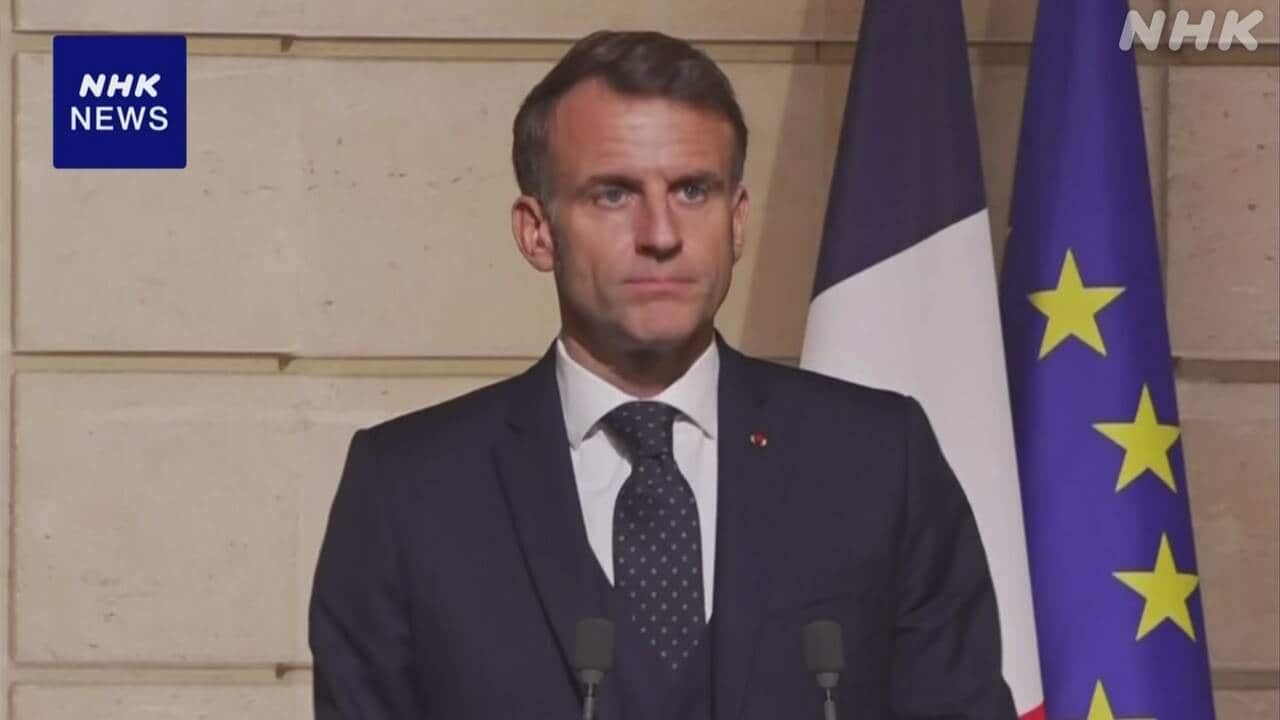
国際情勢が大きく動く中、フランスとしてはイランやウクライナ情勢をめぐる日本との連携の強化や経済安全保障の分野などでの協力を進めるねらいがあります。
ことし、G7の議長国を務めるフランスは、6月に東部のエビアンで行われるサミットに向けイランやウクライナ情勢への対応で日本と連携を強めるとともに、アジアで覇権主義的な動きを強める中国を念頭に安全保障面での協力も強化する考えです。
フランス大統領府は、とりわけ世界的に経済への影響が広がるイラン情勢は主要な議題になるとしています。
このほか、民間の原子力やAI、宇宙技術などの分野についても協力関係の強化を改めて確認する方針です。
フランスの専門家は、アメリカと中国が大国としての存在感をいっそう高めるなか日本とフランスが経済安全保障の分野で連携し、国際社会での影響力を強めていくことが重要だと指摘しています。
日本はフランスにとって、価値や原則を共有する「特別なパートナー」と位置づけられています。
2023年12月にはマクロン大統領と当時の岸田総理大臣が、来年、2027年までの5年間、幅広い分野で連携を深めるロードマップに合意しました。
このうち、安全保障の分野では、フランス軍と自衛隊の共同訓練の促進などが含まれ去年2月には、フランス海軍の原子力空母「シャルル・ドゴール」、海上自衛隊の大型護衛艦「かが」、そしてアメリカ海軍の空母「カール・ヴィンソン」などがフィリピンの近海で共同訓練を行いました。
また、原子力などエネルギーの分野でも協力を進めるとともに、両国の企業同士の連携を深める一環として、2023年から5年間で日本の起業家100人をフランスに派遣することになっています。
このほか、レアアースの分野での協力も進めていて、去年、フランス南部で計画されているレアアースの精錬事業に日本政府がおよそ1億ユーロを出資して参画することも発表されています。
フランスの外交・安全保障政策の基本ともなっているのがヨーロッパの「戦略的な自律」という概念です。
アメリカとの関係やNATO=北大西洋条約機構などの枠組みを重視する一方で過度に依存することなくヨーロッパが主体となって自ら決定し行動に移すことに重きを置いています。
マクロン大統領は、2月のミュンヘン安全保障会議で行った演説でヨーロッパは衰退しつつあるという見方を否定した上で「今こそ大胆な行動をとるべきだ。強いヨーロッパを築くときだ」と述べ、ヨーロッパは各国が結束して地政学的にも大きな勢力になるべきだと主張しています。
マクロン大統領は、その勢力の中核となりうるのが、EU=ヨーロッパ連合の加盟国で唯一、核兵器を保有するなどしているフランスだという考えのもと独自の外交を展開しています。
フランスは、ウクライナへの軍事侵攻を続けるロシアに対する圧力の必要性を訴え続ける一方で対話の可能性も探り続け、2月には、フランス大統領府の首席外交補佐官がロシアのモスクワを訪れ、高官と会談を行ったと伝えられました。
一方、中国との関係については経済的な結びつきを重視しつつも、ヨーロッパは、米中の対立からは一定の距離を保つべきだという考えも示しています。
フランスは、アメリカや中国などに過度に依存しないことで外交の選択肢に幅を持たせようとしていて、マクロン大統領は今回の日本訪問を通してインド太平洋地域との連携も強化しヨーロッパが主体となる外交の機会を広げようとしているとみられます。
1960年に当時のシャルル・ドゴール大統領が初めての核実験に踏み切り、他国からの武力攻撃への抑止力を持つとともに国家の戦略的な自律を図るとして、核兵器の保有を決めました。
冷戦が終結するとフランスは核弾頭を削減し、核兵器向けの核物質の生産施設も閉鎖しました。
ストックホルム国際平和研究所によりますと、フランスは去年1月時点で、世界で4番目に多い290発の核弾頭を保有しているとされます。
しかし、ウクライナへの軍事侵攻を続けるロシアが核兵器の開発を続けているほか、ヨーロッパの安全保障に重要な役割を果たしてきたアメリカが政策の優先順位を変えつつあることからマクロン大統領は3月、保有する核弾頭の数を増やす考えを明らかにしました。
またマクロン大統領は、フランスの核抑止力をヨーロッパにも広げる構想について、ドイツやイギリス、ポーランドなど8か国と協議を進めているということですが、核兵器の使用に関する最終的な決定権はフランスの大統領だけが持つとしています。
マクロン大統領は「新たな時代には新たな手法が求められる。次の半世紀は核兵器の時代となる」と述べ、核による抑止力強化の必要性を強調しています。
フランスのマクロン大統領の日本訪問について、日本政治などに詳しいフランス国立東洋言語文化学院のギブール・ドラモット教授は「フランスをはじめヨーロッパにとって日本はとても重要なパートナーだ」とした上で、国際秩序が揺れ動く中、価値観を共有する日本との関係をアピールする機会になるという考えを示しました。
そして、多くの海外領土があるフランスにとってもインド太平洋地域の安定は重要で、すでに行われているインドやオーストラリアも含めた日本との共同訓練など安全保障面での協力関係のさらなる強化も今回の訪日のねらいの1つだと指摘しました。
また、ドラモット教授は、アメリカと中国が大国としての存在感をいっそう強めているとして「これ以外の国々が国際的な影響力を高めるために何を協力していくのか考えるべきだ」と述べ、レアアースを含む重要鉱物などの経済安全保障の分野でも日本を含めた各国の連携が不可欠だと強調しました。
ことし、G7の議長国を務めるフランスは、6月に東部のエビアンで行われるサミットに向けイランやウクライナ情勢への対応で日本と連携を強めるとともに、アジアで覇権主義的な動きを強める中国を念頭に安全保障面での協力も強化する考えです。
フランス大統領府は、とりわけ世界的に経済への影響が広がるイラン情勢は主要な議題になるとしています。
このほか、民間の原子力やAI、宇宙技術などの分野についても協力関係の強化を改めて確認する方針です。
フランスの専門家は、アメリカと中国が大国としての存在感をいっそう高めるなか日本とフランスが経済安全保障の分野で連携し、国際社会での影響力を強めていくことが重要だと指摘しています。
日本はフランスにとって、価値や原則を共有する「特別なパートナー」と位置づけられています。
2023年12月にはマクロン大統領と当時の岸田総理大臣が、来年、2027年までの5年間、幅広い分野で連携を深めるロードマップに合意しました。
このうち、安全保障の分野では、フランス軍と自衛隊の共同訓練の促進などが含まれ去年2月には、フランス海軍の原子力空母「シャルル・ドゴール」、海上自衛隊の大型護衛艦「かが」、そしてアメリカ海軍の空母「カール・ヴィンソン」などがフィリピンの近海で共同訓練を行いました。
また、原子力などエネルギーの分野でも協力を進めるとともに、両国の企業同士の連携を深める一環として、2023年から5年間で日本の起業家100人をフランスに派遣することになっています。
このほか、レアアースの分野での協力も進めていて、去年、フランス南部で計画されているレアアースの精錬事業に日本政府がおよそ1億ユーロを出資して参画することも発表されています。
フランスの外交・安全保障政策の基本ともなっているのがヨーロッパの「戦略的な自律」という概念です。
アメリカとの関係やNATO=北大西洋条約機構などの枠組みを重視する一方で過度に依存することなくヨーロッパが主体となって自ら決定し行動に移すことに重きを置いています。
マクロン大統領は、2月のミュンヘン安全保障会議で行った演説でヨーロッパは衰退しつつあるという見方を否定した上で「今こそ大胆な行動をとるべきだ。強いヨーロッパを築くときだ」と述べ、ヨーロッパは各国が結束して地政学的にも大きな勢力になるべきだと主張しています。
マクロン大統領は、その勢力の中核となりうるのが、EU=ヨーロッパ連合の加盟国で唯一、核兵器を保有するなどしているフランスだという考えのもと独自の外交を展開しています。
フランスは、ウクライナへの軍事侵攻を続けるロシアに対する圧力の必要性を訴え続ける一方で対話の可能性も探り続け、2月には、フランス大統領府の首席外交補佐官がロシアのモスクワを訪れ、高官と会談を行ったと伝えられました。
一方、中国との関係については経済的な結びつきを重視しつつも、ヨーロッパは、米中の対立からは一定の距離を保つべきだという考えも示しています。
フランスは、アメリカや中国などに過度に依存しないことで外交の選択肢に幅を持たせようとしていて、マクロン大統領は今回の日本訪問を通してインド太平洋地域との連携も強化しヨーロッパが主体となる外交の機会を広げようとしているとみられます。
1960年に当時のシャルル・ドゴール大統領が初めての核実験に踏み切り、他国からの武力攻撃への抑止力を持つとともに国家の戦略的な自律を図るとして、核兵器の保有を決めました。
冷戦が終結するとフランスは核弾頭を削減し、核兵器向けの核物質の生産施設も閉鎖しました。
ストックホルム国際平和研究所によりますと、フランスは去年1月時点で、世界で4番目に多い290発の核弾頭を保有しているとされます。
しかし、ウクライナへの軍事侵攻を続けるロシアが核兵器の開発を続けているほか、ヨーロッパの安全保障に重要な役割を果たしてきたアメリカが政策の優先順位を変えつつあることからマクロン大統領は3月、保有する核弾頭の数を増やす考えを明らかにしました。
またマクロン大統領は、フランスの核抑止力をヨーロッパにも広げる構想について、ドイツやイギリス、ポーランドなど8か国と協議を進めているということですが、核兵器の使用に関する最終的な決定権はフランスの大統領だけが持つとしています。
マクロン大統領は「新たな時代には新たな手法が求められる。次の半世紀は核兵器の時代となる」と述べ、核による抑止力強化の必要性を強調しています。
フランスのマクロン大統領の日本訪問について、日本政治などに詳しいフランス国立東洋言語文化学院のギブール・ドラモット教授は「フランスをはじめヨーロッパにとって日本はとても重要なパートナーだ」とした上で、国際秩序が揺れ動く中、価値観を共有する日本との関係をアピールする機会になるという考えを示しました。
そして、多くの海外領土があるフランスにとってもインド太平洋地域の安定は重要で、すでに行われているインドやオーストラリアも含めた日本との共同訓練など安全保障面での協力関係のさらなる強化も今回の訪日のねらいの1つだと指摘しました。
また、ドラモット教授は、アメリカと中国が大国としての存在感をいっそう強めているとして「これ以外の国々が国際的な影響力を高めるために何を協力していくのか考えるべきだ」と述べ、レアアースを含む重要鉱物などの経済安全保障の分野でも日本を含めた各国の連携が不可欠だと強調しました。
Vocabulary
General
Proper noun
JLPT N2
JLPT N1
| # | 言葉 | 意味 |
|---|---|---|
| 10 | 大統領 | だいとうりょう (大統領) : 1. president (of a nation) 2. big man; boss; buddy; mate |
| 8 | 安全保障 | あんぜんほしょう (安全保障) : security guarantee (e.g. military security, network security, etc.) |
| 8 | 分野 | ぶんや (分野) : field; sphere; realm; division; branch |
| 7 | 連携 | れんけい (連携) : cooperation; coordination; link |
| 6 | 強化 | きょうか (強化) : strengthening; intensifying; reinforcement; enhancement; solidification |
| 6 | 核兵器 | かくへいき (核兵器) : nuclear weapon |
| 5 | 協力 | きょうりょく (協力) : cooperation; collaboration |
| 5 | 中国 | ちゅうごく (中国) : 1. China 2. Chūgoku region of western Honshu (incl. Okayama, Hiroshima, Shimane, Tottori and Yamaguchi prefectures) |
| 5 | 考え | かんがえ (考え) : 1. thinking; thought; view; opinion; concept 2. idea; notion; imagination |
| 5 | 重要 | じゅうよう (重要) : important; momentous; essential; principal; major |
| 5 | 外交 | がいこう (外交) : 1. diplomacy 2. selling (e.g. door-to-door); canvassing |
| 4 | 情勢 | じょうせい (情勢) : state of things; state of affairs; condition; situation; circumstances |
| 4 | 進める | すすめる (進める) : 1. to advance; to move forward; to put (a clock, watch) forward 2. to carry forward (plans, work, etc.); to proceed with; to make progress in; to further; to advance; to hasten; to speed up |
| 4 | 強める | つよめる (強める) : to strengthen; to emphasize; to emphasise |
| 4 | 保有 | ほゆう (保有) : possession; retention; maintenance |
| 3 | 共同 | きょうどう (共同) : doing together (as equals); sharing; common (land, etc.); joint (statement, etc.); cooperation; co-operation; collaboration; association |
| 3 | 訓練 | くんれん (訓練) : training; drill; practice; discipline |
| 3 | 述べる | のべる (述べる) : to state; to express; to mention |
| 3 | 核弾頭 | かくだんとう (核弾頭) : nuclear warhead |
| 2 | ねらい | ねらい (狙い) : aim |
| 2 | 面 | おもて (面) : 1. face 2. surface |
| 2 | 大統領府 | だいとうりょうふ (大統領府) : Executive Office of the President (USA, etc.) |
| 2 | 原子力 | げんしりょく (原子力) : atomic energy; nuclear power |
| 2 | 協力関係 | きょうりょくかんけい (協力関係) : cooperative relation; cooperative relationship; collaborative relationships; cooperative structure; cooperative ties; cooperative alliance; partnership; close ties; hookup |
| 2 | 大国 | たいこく (大国) : 1. large country; major nation; great power 2. province of the highest rank (ritsuryo system) |
| 2 | 存在感 | そんざいかん (存在感) : presence (impressive quality) |
| 2 | いっそう | いっそう (一双) : pair (esp. of folding screens) |
| 2 | 高める | たかめる (高める) : to raise; to lift; to boost; to enhance |
| 2 | 影響力 | えいきょうりょく (影響力) : influence; clout; leverage |
| 2 | 指摘 | してき (指摘) : pointing out; identification |
| 2 | 共有 | きょうゆう (共有) : 1. joint ownership; co-ownership; sharing (e.g. a viewpoint) 2. sharing (files, devices on a network, posts on social media, etc.) |
| 2 | 当時 | とうじ (当時) : at that time; in those days |
| 2 | 年間 | ねんかん (年間) : 1. (period of) a year 2. during an era |
| 2 | 深める | ふかめる (深める) : to deepen; to heighten; to intensify |
| 2 | 含む | ふくむ (含む) : 1. to contain; to comprise; to have; to hold; to include; to embrace 2. to hold in the mouth |
| 2 | 政策 | せいさく (政策) : political measures; policy |
| 2 | 戦略的 | せんりゃくてき (戦略的) : strategic |
| 2 | 自律 | じりつ (自律) : 1. autonomy (philosophy) 2. self-control |
| 2 | 重視 | じゅうし (重視) : regarding as important; attaching importance to; taking a serious view of; putting emphasis on |
| 2 | 過度 | かど (過度) : excessive; immoderate |
| 2 | 依存 | いぞん (依存) : dependence; reliance |
| 2 | 主体 | しゅたい (主体) : 1. main constituent; core; nucleus 2. subject (philosophical); protagonist |
| 2 | 行動 | こうどう (行動) : action; conduct; behaviour; behavior; mobilization; mobilisation |
| 2 | 各国 | かっこく (各国) : 1. each nation 2. many nations; many countries |
| 2 | 勢力 | せいりょく (勢力) : influence; power; might; strength; potency; force; energy |
| 2 | 必要性 | ひつようせい (必要性) : necessity |
| 2 | 示す | しめす (示す) : 1. to (take out and) show; to demonstrate; to tell; to exemplify; to make apparent 2. to point out (finger, clock hand, needle, etc.) |
| 2 | 訪問 | ほうもん (訪問) : call; visit |
| 2 | インド太平洋 | インドたいへいよう (インド太平洋) : Indo-Pacific |
| 2 | 地域 | ちいき (地域) : area; region |
| 2 | 広げる | ひろげる (広げる) : 1. to spread; to extend; to expand; to enlarge; to widen; to broaden 2. to unfold; to open; to unroll; to unwrap |
| 2 | 抑止力 | よくしりょく (抑止力) : deterrence; ability to deter (an attack, etc.) |
| 2 | 新た | あらた (新た) : new; fresh; novel |
| 2 | 強調 | きょうちょう (強調) : emphasis; highlight; stress; stressed point |
| 2 | 教授 | きょうじゅ (教授) : 1. professor 2. teaching; instruction |
| 2 | 含める | ふくめる (含める) : 1. to include (in a group or scope) 2. to instruct; to make one understand |
| 1 | 大きく | おおきく (大きく) : in a big way; on a grand scale |
| 1 | めぐる | めぐる (巡る) : 1. to go around 2. to return |
| 1 | 議長国 | ぎちょうこく (議長国) : host country (e.g. for a meeting); chair country |
| 1 | 務める | つとめる (勤める) : 1. to work (for); to be employed (at); to serve (in) 2. to serve (as); to act (as); to fill (the position of); to play the role (of) |
| 1 | 東部 | とうぶ (東部) : eastern part; the east (of a region) |
| 1 | 対応 | たいおう (対応) : 1. correspondence (to); equivalence 2. suitability; coordination; matching; being appropriate (for) |
| 1 | 覇権主義 | はけんしゅぎ (覇権主義) : hegemonism |
| 1 | 動き | うごき (動き) : 1. movement; move; motion 2. trend; development; change; fluctuation |
| 1 | 念頭 | ねんとう (念頭) : (on one's) mind; heed |
| 1 | とりわけ | とりわけ (取り分け) : 1. especially; above all 2. inter alia; among others |
| 1 | 世界的 | せかいてき (世界的) : 1. worldwide; global; international; universal 2. world-famous; world-class |
| 1 | 影響 | えいきょう (影響) : 1. influence; effect 2. to influence; to affect; to have an influence on; to impact; to have an effect on |
| 1 | 広がる | ひろがる (広がる) : to spread (out); to extend; to stretch; to reach to; to get around; to fill (e.g. a space) |
| 1 | 主要 | しゅよう (主要) : chief; main; principal; major |
| 1 | 議題 | ぎだい (議題) : topic of discussion; agenda |
| 1 | 民間 | みんかん (民間) : 1. private; non-governmental; non-official; civilian; civil 2. folk; popular |
| 1 | 宇宙 | うちゅう (宇宙) : universe; cosmos; space |
| 1 | 改めて | あらためて (改めて) : 1. another time; again; over again; once again; anew 2. formally; especially; intentionally; deliberately |
| 1 | 確認 | かくにん (確認) : confirmation; verification; validation; review; check; affirmation; identification |
| 1 | 方針 | ほうしん (方針) : 1. policy; course; plan (of action); principle 2. magnetic needle |
| 1 | 専門家 | せんもんか (専門家) : specialist; expert; professional; authority; pundit |
| 1 | 国際社会 | こくさいしゃかい (国際社会) : international community; international society; the world |
| 1 | 価値 | かち (価値) : value; worth; merit |
| 1 | 原則 | げんそく (原則) : 1. principle; general rule 2. as a rule; in principle; in general |
| 1 | 位置 | いち (位置) : place; situation; position; location |
| 1 | 岸田 | きした (岸田) : Kishita (surname) |
| 1 | 総理大臣 | そうりだいじん (総理大臣) : prime minister (as the head of a cabinet government); premier |
| 1 | 幅広い | はばひろい (幅広い) : extensive; wide; broad |
| 1 | 合意 | ごうい (合意) : (coming to an) agreement; consent; mutual understanding; accord; consensus |
| 1 | 自衛隊 | じえいたい (自衛隊) : 1. self-defence force; self-defense force 2. Japan Self-Defense Force; JSDF |
| 1 | 促進 | そくしん (促進) : promotion; acceleration; encouragement; facilitation; spurring on |
| 1 | 原子力空母 | げんしりょくくうぼ (原子力空母) : nuclear-powered aircraft carrier |
| 1 | 海上自衛隊 | かいじょうじえいたい (海上自衛隊) : Maritime Self Defense Forces (Defence) |
| 1 | 大型 | おおがた (大型) : large; large-sized; large-scale; big |
| 1 | 護衛艦 | ごえいかん (護衛艦) : escort vessel; destroyer (Japan Maritime Self-Defense Force) |
| 1 | かが | かが (花芽) : flower bud |
| 1 | アメリカ海軍 | アメリカかいぐん (アメリカ海軍) : United States Navy (organization) |
| 1 | 空母 | くうぼ (空母) : aircraft carrier |
| 1 | 近海 | きんかい (近海) : coastal waters; adjacent seas |
| 1 | 両国 | りょうこく (両国) : 1. both countries 2. Ryōgoku (area of Tokyo) |
| 1 | 企業 | きぎょう (企業) : enterprise; business; company; corporation |
| 1 | 同士 | どうし (同士) : fellow; mutual; companion; comrade |
| 1 | 一環 | いっかん (一環) : 1. link (e.g. in a chain of events); part (of a plan, campaign, activities, etc.) 2. monocyclic |
| 1 | 起業家 | きぎょうか (起業家) : entrepreneur; person who starts a new business |
| 1 | 派遣 | はけん (派遣) : 1. dispatch; despatch; deployment 2. temporary employee (esp. from an agency); temporary worker; agency temp |
| 1 | 精錬 | せいれん (精錬) : 1. refining; refinement; smelting 2. training |
| 1 | 事業 | じぎょう (事業) : 1. project; enterprise; business; industry; operations; venture; service 2. act; deed; conduct |
| 1 | 日本政府 | にほんせいふ (日本政府) : Japanese government |
| 1 | 出資 | しゅっし (出資) : investment; contribution; financing |
| 1 | 参画 | さんかく (参画) : taking part (in planning); participation |
| 1 | 発表 | はっぴょう (発表) : announcement; publication; presenting; statement; communique; making known; breaking (news story); expressing (one's opinion); releasing; unveiling |
| 1 | 基本 | きほん (基本) : basics; fundamentals; basis; foundation |
| 1 | 概念 | がいねん (概念) : general idea; concept; notion |
| 1 | 大西洋 | たいせいよう (大西洋) : Atlantic Ocean |
| 1 | 条約 | じょうやく (条約) : treaty; pact; convention; agreement |
| 1 | 機構 | きこう (機構) : mechanism; organization; organisation |
| 1 | 枠組み | わくぐみ (枠組み) : 1. frame 2. framework; outline |
| 1 | 自ら | おのずから (自ずから) : naturally; in due course; by itself; of its own accord |
| 1 | 決定 | けってい (決定) : decision; determination |
| 1 | 移す | うつす (移す) : 1. to change; to swap; to substitute; to transfer 2. to change the object of one's interest or focus |
| 1 | 重き | おもき (重き) : importance; emphasis; stress |
| 1 | 演説 | えんぜつ (演説) : speech; address |
| 1 | 衰退 | すいたい (衰退) : decline; degeneration; decay; waning; ebbing |
| 1 | 見方 | みかた (見方) : 1. viewpoint; point of view 2. way of understanding; way of appreciating; how to look at something (e.g. noh, train schedule) |
| 1 | 否定 | ひてい (否定) : 1. denial; negation; repudiation; disavowal 2. negation (logic) |
| 1 | こそ | こそ : 1. it is ... that ...; precisely; in particular; definitely; for sure; only (when, after, because, etc.) 2. although; while; it is the case that ... but |
| 1 | 大胆 | だいたん (大胆) : bold; daring; audacious |
| 1 | 築く | きずく (築く) : 1. to build; to construct; to erect 2. to amass (e.g. fortune); to pile up |
| 1 | 結束 | けっそく (結束) : 1. union; unity; solidarity 2. bundling; binding; tying |
| 1 | 地政学 | ちせいがく (地政学) : geopolitics |
| 1 | 主張 | しゅちょう (主張) : claim; insistence; assertion; advocacy; emphasis; contention; opinion; tenet |
| 1 | 中核 | ちゅうかく (中核) : kernel; core; nucleus; center; centre |
| 1 | ヨーロッパ連合 | ヨーロッパれんごう (ヨーロッパ連合) : European Union; EU |
| 1 | 加盟国 | かめいこく (加盟国) : member nation; member state; signatory |
| 1 | 唯一 | ゆいいつ (唯一) : only; sole; unique |
| 1 | もと | もと (元) : 1. origin; source 2. base; basis; foundation; root |
| 1 | 独自 | どくじ (独自) : 1. original; unique; distinctive; characteristic; peculiar 2. independent; one's own; personal |
| 1 | 展開 | てんかい (展開) : 1. development; evolution; progression; unfolding; (plot) twist 2. expansion; spreading out; extending; deployment; building up |
| 1 | 圧力 | あつりょく (圧力) : 1. pressure; stress 2. pressure (e.g. political); coercion; arm-twisting |
| 1 | 訴える | うったえる (訴える) : 1. to raise; to bring to (someone's attention) 2. to appeal to (reason, emotions, etc.); to work on (one's emotions); to play on (one's sympathies) |
| 1 | 対話 | たいわ (対話) : dialogue; discussion; conversation; interaction |
| 1 | 可能性 | かのうせい (可能性) : potentiality; likelihood; possibility; availability |
| 1 | 探る | さぐる (探る) : 1. to feel around for; to fumble for; to grope for; to search for; to look for 2. to investigate; to probe into; to spy on; to sound out |
| 1 | 首席 | しゅせき (主席) : 1. head; chief 2. chairman; governor; president |
| 1 | 補佐官 | ほさかん (補佐官) : aide |
| 1 | 訪れる | おとずれる (訪れる) : 1. to visit; to call on 2. to arrive (season, time, situation, etc.); to come; to appear |
| 1 | 高官 | こうかん (高官) : high official |
| 1 | 会談 | かいだん (会談) : conversation; conference (usu. between important people); discussion; interview |
| 1 | 伝える | つたえる (伝える) : to convey; to report; to transmit; to communicate; to tell; to impart; to propagate; to teach; to bequeath |
| 1 | 経済的 | けいざいてき (経済的) : economic; economical; financial |
| 1 | 結びつき | むすびつき (結びつき) : connection; relation |
| 1 | 対立 | たいりつ (対立) : confrontation; opposition; antagonism |
| 1 | 一定 | いってい (一定) : fixed; settled; constant; definite; uniform; regularized; regularised; defined; standardized; standardised; certain; prescribed |
| 1 | 距離 | きょり (距離) : distance; range |
| 1 | 保つ | たもつ (保つ) : 1. to keep; to preserve; to hold; to retain; to maintain; to sustain 2. to last; to endure; to keep well (food); to wear well; to be durable |
| 1 | 選択肢 | せんたくし (選択肢) : choices; alternatives; options |
| 1 | 幅 | はば (幅) : 1. width; breadth 2. freedom (e.g. of thought); latitude |
| 1 | 持つ | もつ (持つ) : 1. to hold (in one's hand); to take; to carry 2. to possess; to have; to own |
| 1 | 核実験 | かくじっけん (核実験) : nuclear (bomb) test |
| 1 | 踏み切る | ふみきる (踏み切る) : 1. to take off; to jump; to leap 2. to take the plunge; to decide; to embark on; to venture into; to launch out into |
| 1 | 他国 | たこく (他国) : 1. foreign country; other country 2. another province |
| 1 | 武力攻撃 | ぶりょくこうげき (武力攻撃) : armed attack |
| 1 | 国家 | こっか (国家) : state; country; nation |
| 1 | 図る | はかる (図る) : 1. to plan; to attempt; to devise 2. to plot; to conspire; to scheme |
| 1 | 決める | きめる (決める) : 1. to decide; to choose; to determine; to make up one's mind; to resolve; to set one's heart on; to settle; to arrange; to set; to appoint; to fix 2. to clinch (a victory); to decide (the outcome of a match) |
| 1 | 冷戦 | れいせん (冷戦) : cold war |
| 1 | 終結 | しゅうけつ (終結) : end; close |
| 1 | 削減 | さくげん (削減) : cut; reduction; curtailment |
| 1 | 向け | むけ (向け) : intended for ...; oriented towards ...; aimed at ... |
| 1 | 施設 | しせつ (施設) : 1. institution; establishment; facility 2. home (for elderly, orphans, etc.) |
| 1 | 閉鎖 | へいさ (閉鎖) : closing; closure; shutdown; lockout |
| 1 | 研究所 | けんきゅうしょ (研究所) : research establishment; research institute; laboratory |
| 1 | 時点 | じてん (時点) : point in time; occasion |
| 1 | 番目 | ばんめ (番目) : 1. indicates position in a sequence 2. divisions of a kabuki performance |
| 1 | 開発 | かいはつ (開発) : development; exploitation |
| 1 | 役割 | やくわり (役割) : part; assigning (allotment of) parts; role; duties |
| 1 | 優先順位 | ゆうせんじゅんい (優先順位) : priority; order of precedence |
| 1 | 変える | かえる (変える) : 1. to change; to alter; to transform; to convert; to turn; to vary 2. to reform; to revise; to amend |
| 1 | 数 | しばしば (屡々) : often; again and again; frequently; repeatedly |
| 1 | 増やす | ふやす (増やす) : to increase; to add to; to augment |
| 1 | 明らか | あきらか (明らか) : 1. clear; obvious; evident; plain; definite 2. bright; light |
| 1 | 核抑止力 | かくよくしりょく (核抑止力) : nuclear deterrent force |
| 1 | 構想 | こうそう (構想) : plan; plot; idea; conception; vision; scheme |
| 1 | か国 | かこく (カ国) : counter for countries |
| 1 | 協議 | きょうぎ (協議) : conference; consultation; discussion; negotiation |
| 1 | 使用 | しよう (使用) : use; application; employment; utilization; utilisation |
| 1 | 関する | かんする (関する) : to concern; to be related |
| 1 | 最終的 | さいしゅうてき (最終的) : final; eventual; ultimate |
| 1 | 決定権 | けっていけん (決定権) : right to decide; having say (in a decision) |
| 1 | 手法 | しゅほう (手法) : technique; method |
| 1 | 求める | もとめる (求める) : 1. to want; to wish for 2. to request; to demand; to require; to ask for |
| 1 | 世紀 | せいき (世紀) : 1. century 2. era |
| 1 | 核 | かく (核) : 1. stone (of a fruit); pit; pip 2. core (of an organization, team, etc.); nucleus; heart |
| 1 | 詳しい | くわしい (詳しい) : 1. detailed; full; minute 2. knowing very well; knowledgeable (about); well-acquainted (with); well-informed (about); familiar (with) |
| 1 | 国立 | こくりつ (国立) : national |
| 1 | 東洋 | とうよう (東洋) : 1. the East; the Orient; (East) Asia 2. Japan |
| 1 | 言語 | げんご (言語) : language |
| 1 | 文化 | ぶんか (文化) : 1. culture; civilization; civilisation 2. Bunka era (1804.2.11-1818.4.22) |
| 1 | 学院 | がくいん (学院) : institute; academy |
| 1 | 国際秩序 | こくさいちつじょ (国際秩序) : international order |
| 1 | 揺れ動く | ゆれうごく (揺れ動く) : 1. to shake; to tremble; to sway; to flicker 2. to be unsettled; to be unstable; to fluctuate; to waver (e.g. between options); to vacillate; to seesaw |
| 1 | 価値観 | かちかん (価値観) : sense of values; values; value system |
| 1 | 海外領土 | かいがいりょうど (海外領土) : overseas territory; overseas possession |
| 1 | 安定 | あんてい (安定) : stability; steadiness; equilibrium |
| 1 | すでに | すでに (既に) : already; too late |
| 1 | さらなる | さらなる (更なる) : even more; still more; further |
| 1 | 訪日 | ほうにち (訪日) : visit to Japan |
| 1 | 国々 | くにぐに (国々) : countries |
| 1 | 国際的 | こくさいてき (国際的) : international |
| 1 | 鉱物 | こうぶつ (鉱物) : mineral |
| 1 | 不可欠 | ふかけつ (不可欠) : indispensable; essential |