ガザ地区で20年ぶりに選挙 厳しい状況の改善望む声
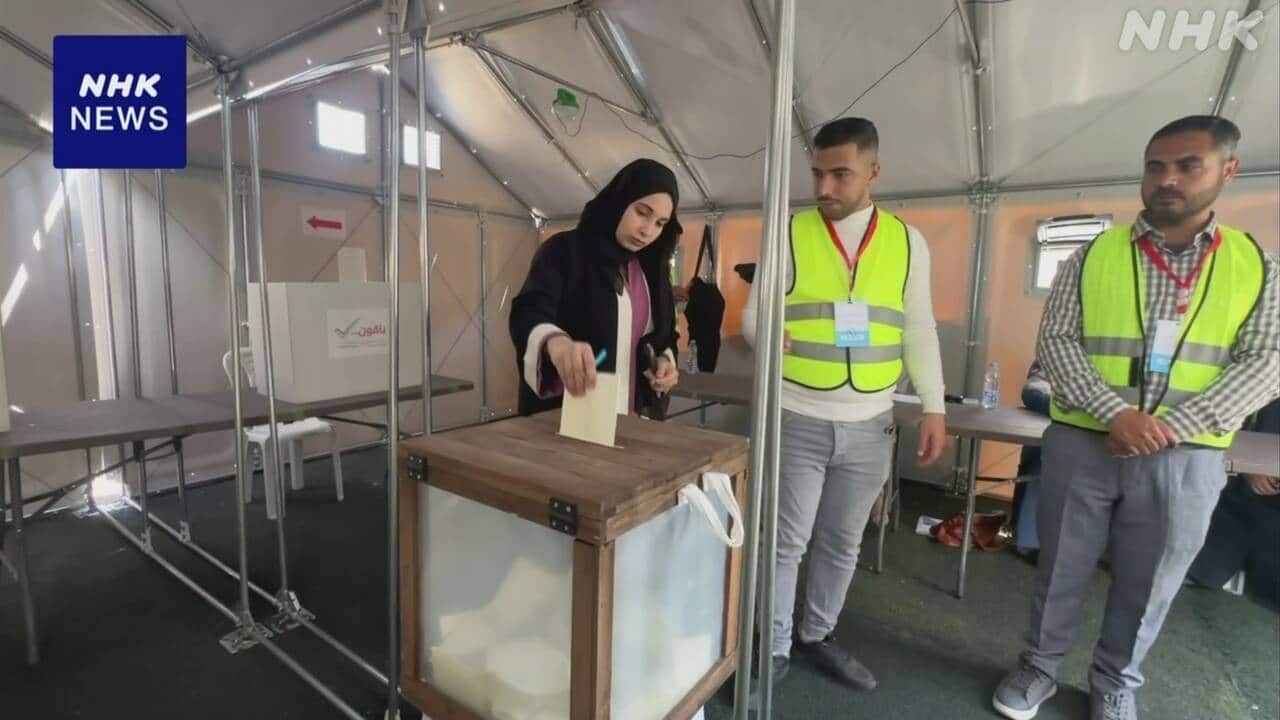
2年にわたり戦闘が続いたパレスチナのガザ地区で、20年ぶりに選挙が行われ、有権者からは、厳しい人道状況の改善や復興を望む声が多く聞かれました。選挙の結果は、26日にも発表される見通しで、ガザ地区を実効支配してきたイスラム組織ハマスをめぐる世論の動向も示すものとして注目されています。
この選挙は、ヨルダン川西岸を含むパレスチナ暫定自治区で、25日に一斉に行われた地方選挙のひとつで、ガザ地区では、戦闘による被害が限定的だったとして、唯一、中部デルバラハで議員選挙が行われました。
ガザ地区で選挙が行われたのは20年ぶりで、NHKガザ事務所が取材した投票所では、プレハブの小屋を投票所として使っていて、多くの有権者が本人確認のあと、1票を投じていました。
ガザ地区では、去年10月に停戦合意が発効したあとも、イスラエル軍が断続的に攻撃を行っていて、現地当局によりますと、この半年余りで800人以上が死亡するなど、厳しい人道状況が続いています。
投票に訪れた人たちは、NHKの取材に対し「2年間の戦闘がもたらした厳しい現実が改善することを望んでいる」とか、「押しつけられた人ではなく、自分たちで選んだ人に地域を治めてほしい」などと話していました。
ガザ地区を実効支配してきたハマスは、今回の選挙には関与しないとしていますが、一部のメディアは、複数の候補者とハマスとのつながりを伝えていて、選挙の結果は、ハマスをめぐる世論の動向も示すものとして注目されています。
この選挙は、ヨルダン川西岸を含むパレスチナ暫定自治区で、25日に一斉に行われた地方選挙のひとつで、ガザ地区では、戦闘による被害が限定的だったとして、唯一、中部デルバラハで議員選挙が行われました。
ガザ地区で選挙が行われたのは20年ぶりで、NHKガザ事務所が取材した投票所では、プレハブの小屋を投票所として使っていて、多くの有権者が本人確認のあと、1票を投じていました。
ガザ地区では、去年10月に停戦合意が発効したあとも、イスラエル軍が断続的に攻撃を行っていて、現地当局によりますと、この半年余りで800人以上が死亡するなど、厳しい人道状況が続いています。
投票に訪れた人たちは、NHKの取材に対し「2年間の戦闘がもたらした厳しい現実が改善することを望んでいる」とか、「押しつけられた人ではなく、自分たちで選んだ人に地域を治めてほしい」などと話していました。
ガザ地区を実効支配してきたハマスは、今回の選挙には関与しないとしていますが、一部のメディアは、複数の候補者とハマスとのつながりを伝えていて、選挙の結果は、ハマスをめぐる世論の動向も示すものとして注目されています。
Vocabulary
General
Proper noun
JLPT N2
JLPT N1
| # | 言葉 | 意味 |
|---|---|---|
| 7 | 選挙 | せんきょ (選挙) : election |
| 6 | ガザ地区 | ガザちく (ガザ地区) : Gaza Strip |
| 3 | 戦闘 | せんとう (戦闘) : battle; fight; combat |
| 3 | 投票 | とうひょう (投票) : voting; poll |
| 2 | ぶり | ぶり (振り) : 1. style; manner; way 2. after (period of time) again (e.g. meeting again after a year); for the first time in (period of time) |
| 2 | 有権者 | ゆうけんしゃ (有権者) : 1. (eligible) voter; elector; constituent; the electorate 2. holder of a right; rightsholder; right holder |
| 2 | 人道 | じんどう (人道) : 1. humanity 2. sidewalk; footpath |
| 2 | 状況 | じょうきょう (状況) : state of affairs (around you); situation; circumstances |
| 2 | 改善 | かいぜん (改善) : 1. betterment; improvement 2. kaizen (Japanese business philosophy of continuous improvement) |
| 2 | 望む | のぞむ (望む) : 1. to desire 2. to wish for; to expect |
| 2 | 結果 | けっか (結果) : 1. result; consequence; outcome; effect 2. coming to fruition; bearing fruit |
| 2 | 実効支配 | じっこうしはい (実効支配) : effective control (over territory); working control |
| 2 | めぐる | めぐる (巡る) : 1. to go around 2. to return |
| 2 | 世論 | よろん (世論) : public opinion; popular voice; public sentiment; consensus |
| 2 | 動向 | どうこう (動向) : trend; tendency; movement; attitude |
| 2 | 示す | しめす (示す) : 1. to (take out and) show; to demonstrate; to tell; to exemplify; to make apparent 2. to point out (finger, clock hand, needle, etc.) |
| 2 | 注目 | ちゅうもく (注目) : notice; attention; observation |
| 2 | 取材 | しゅざい (取材) : 1. news coverage; collecting data (e.g. for an article); covering (something for media) 2. interview |
| 1 | 復興 | ふっこう (復興) : revival; reconstruction; restoration; rebuilding; recovery; renaissance |
| 1 | 聞く | きく (聞く) : 1. to hear 2. to listen (e.g. to music) |
| 1 | 発表 | はっぴょう (発表) : announcement; publication; presenting; statement; communique; making known; breaking (news story); expressing (one's opinion); releasing; unveiling |
| 1 | 見通し | みとおし (見通し) : 1. unobstructed view; perspective; visibility; vista 2. forecast; outlook; prospect; prediction |
| 1 | 組織 | そしき (組織) : 1. organization; organisation; formation 2. structure; construction; setup; constitution |
| 1 | 西岸 | せいがん (西岸) : west coast; west bank |
| 1 | 含む | ふくむ (含む) : 1. to contain; to comprise; to have; to hold; to include; to embrace 2. to hold in the mouth |
| 1 | 暫定 | ざんてい (暫定) : provisional; temporary; tentative |
| 1 | 自治区 | じちく (自治区) : territory; autonomous region |
| 1 | 一斉 | いっせい (一斉) : simultaneous; all at once |
| 1 | 地方選挙 | ちほうせんきょ (地方選挙) : local election; regional elections |
| 1 | 被害 | ひがい (被害) : (suffering) damage; injury; harm |
| 1 | 限定的 | げんていてき (限定的) : limited; limiting; restrictive |
| 1 | 唯一 | ゆいいつ (唯一) : only; sole; unique |
| 1 | 中部 | ちゅうぶ (中部) : 1. center; centre; middle; heart 2. Chūbu region (incl. Aichi, Nagano, Shizuoka, Niigata, Toyama, Ishikawa, Fukui, Yamanashi and Gifu prefectures) |
| 1 | 議員 | ぎいん (議員) : member of an assembly; member of the Diet; member of parliament; member of Congress |
| 1 | 小屋 | こや (小屋) : 1. hut; cabin; shed; (animal) pen 2. small theatre (theater); temporary playhouse; circus tent; booth |
| 1 | 本人確認 | ほんにんかくにん (本人確認) : identity verification |
| 1 | 票 | ひょう (票) : 1. vote; ballot 2. label; ticket; tag; stub |
| 1 | 投ずる | とうずる (投ずる) : 1. to throw; to cast (e.g. vote, light, shadow) 2. to devote oneself (e.g. to a cause) |
| 1 | 停戦合意 | ていせんごうい (停戦合意) : cease-fire agreement |
| 1 | 発効 | はっこう (発効) : coming into effect |
| 1 | 断続的 | だんぞくてき (断続的) : intermittent |
| 1 | 攻撃 | こうげき (攻撃) : 1. attack; assault; raid; onslaught; offensive 2. criticism; censure; denunciation; condemnation |
| 1 | 現地 | げんち (現地) : actual place; local; on-site |
| 1 | 当局 | とうきょく (当局) : 1. authorities; relevant authorities; authorities concerned 2. this office |
| 1 | 半年 | はんとし (半年) : half a year; six months |
| 1 | 余り | あまり (余り) : 1. remainder; remnant; rest; balance; surplus; remains (of a meal); leftovers 2. (not) very; (not) much |
| 1 | 死亡 | しぼう (死亡) : 1. death; mortality 2. to die; to pass away |
| 1 | 訪れる | おとずれる (訪れる) : 1. to visit; to call on 2. to arrive (season, time, situation, etc.); to come; to appear |
| 1 | 年間 | ねんかん (年間) : 1. (period of) a year 2. during an era |
| 1 | もたらす | もたらす (齎す) : to bring; to take; to bring about |
| 1 | 現実 | げんじつ (現実) : reality; actuality; hard fact |
| 1 | 押しつける | おしつける (押し付ける) : 1. to press against; to push against; to force against 2. to foist on (task, responsibility); to impose (one's will) |
| 1 | 自分 | じぶん (自分) : 1. myself; yourself; oneself; himself; herself 2. I; me |
| 1 | たち | やかた (館) : 1. mansion; palace; manor house; castle 2. nobleman; noblewoman; dignitary |
| 1 | 選ぶ | えらぶ (選ぶ) : to choose; to select |
| 1 | 地域 | ちいき (地域) : area; region |
| 1 | 治める | おさめる (治める) : 1. to govern; to manage 2. to subdue |
| 1 | 関与 | かんよ (関与) : participation; taking part in; participating in; being concerned in |
| 1 | 一部 | いちぶ (一部) : 1. one part; one portion; one section; some 2. one copy (e.g. of a document) |
| 1 | 複数 | ふくすう (複数) : plural; multiple; several |
| 1 | 候補者 | こうほしゃ (候補者) : candidate; applicant |
| 1 | つながり | つながり (繋がり) : connection; link; relationship |
| 1 | 伝える | つたえる (伝える) : to convey; to report; to transmit; to communicate; to tell; to impart; to propagate; to teach; to bequeath |