仏大統領 イラン情勢 “当事国以外も加わる解決の枠組み必要”
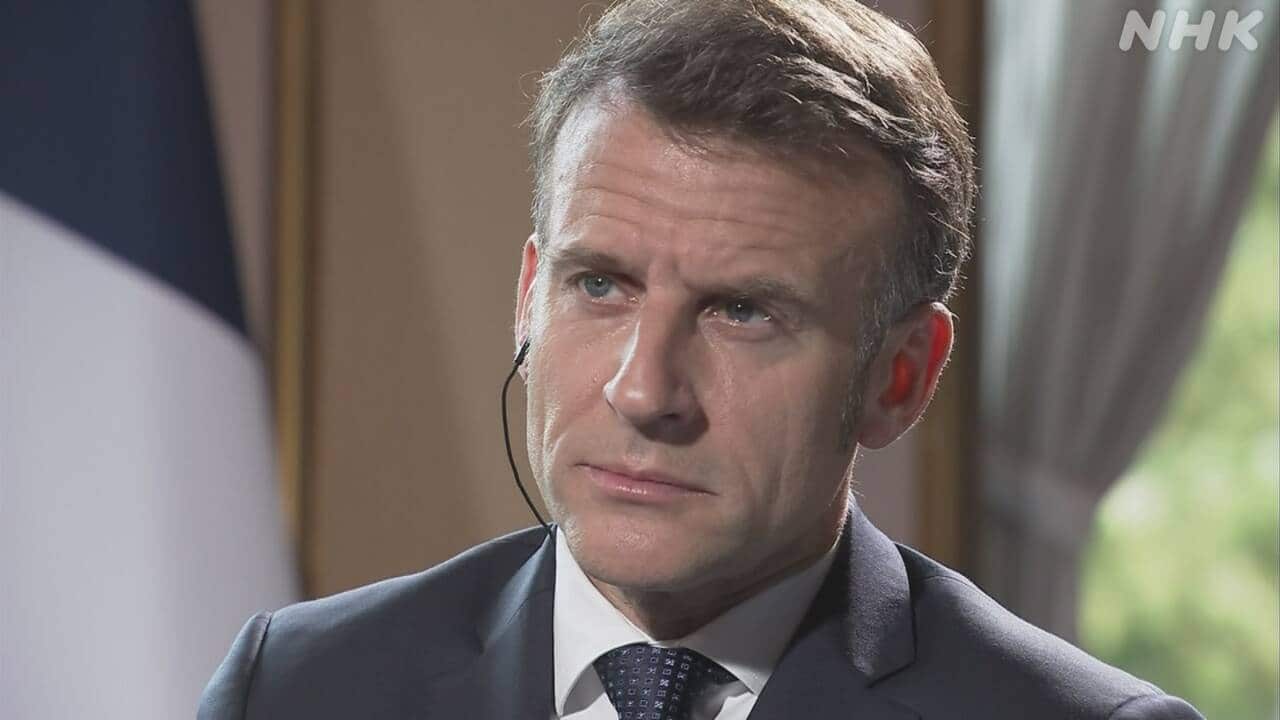
来日中のフランスのマクロン大統領がNHKの単独インタビューに応じ、イランへの軍事行動を続けるアメリカを念頭に「何週間にもわたって爆撃を続けたあと、何の枠組みも設けられないまま立ち去ることほど最悪なことはないだろう」と述べ、当事国以外も加わる解決に向けた枠組みが必要だとの考えを示しました。
3月31日から日本を訪れているフランスのマクロン大統領が4月1日、NHKの単独インタビューに応じました。
マクロン大統領は、イラン情勢について「われわれは当初から平和とさらなる衝突の回避、交渉の再開を求めている。根本的な問題を解決できる唯一の手段だからだ」と述べました。
そしてアメリカを念頭に「何週間にもわたって爆撃を続けたあと、何の枠組みも設けられないまま立ち去ることほど最悪なことはないだろう。1国主義や力による解決からは脱却しなければならない。表面的な解決しかもたらさず、より重大な問題を生み出すからだ」と述べ、当事国以外も加わる解決に向けた枠組みが必要だとの考えを示しました。
また世界経済に影響が広がっているホルムズ海峡の事実上の封鎖については「アジアや中東、ヨーロッパのほかの国々と共にホルムズ海峡の航行の自由を確保する枠組みを築くために役割を果たすことができる」と事態の打開への取り組みを主導することに意欲を示しました。
さらに経済的な影響力も強めるアメリカや中国について「われわれは中国の覇権もアメリカの覇権も受け入れるつもりはない。覇権主義的な志向を持ち、理解できないふるまいをする大国への依存を減らしていくことがヨーロッパの戦略の核心であり『戦略的自律性』の延長線上にある」として、日本やカナダ、インドなどと連携を深める考えを示しました。
また3月、マクロン大統領が核戦力を強化する考えを示したことに対し、日本国内で懸念の声が上がっていることについて「私は被爆した方々と日本が経験したことに対し限りない敬意をもって向き合っている」と述べ、核戦力の強化はあくまで抑止力を高めるためだと強調しました。
そのうえで「ロシアは核兵器について無責任な発言を繰り返している。理性のある核保有国が信頼性を保つ必要がある。さもなくば理性のない国やいかなる枠組みにも属さない勢力につけいる余地を与えることになる」と述べ、核抑止力の強化は不可欠だとの考えを示しました。
3月31日から日本を訪れているフランスのマクロン大統領が4月1日、NHKの単独インタビューに応じました。
マクロン大統領は、イラン情勢について「われわれは当初から平和とさらなる衝突の回避、交渉の再開を求めている。根本的な問題を解決できる唯一の手段だからだ」と述べました。
そしてアメリカを念頭に「何週間にもわたって爆撃を続けたあと、何の枠組みも設けられないまま立ち去ることほど最悪なことはないだろう。1国主義や力による解決からは脱却しなければならない。表面的な解決しかもたらさず、より重大な問題を生み出すからだ」と述べ、当事国以外も加わる解決に向けた枠組みが必要だとの考えを示しました。
また世界経済に影響が広がっているホルムズ海峡の事実上の封鎖については「アジアや中東、ヨーロッパのほかの国々と共にホルムズ海峡の航行の自由を確保する枠組みを築くために役割を果たすことができる」と事態の打開への取り組みを主導することに意欲を示しました。
さらに経済的な影響力も強めるアメリカや中国について「われわれは中国の覇権もアメリカの覇権も受け入れるつもりはない。覇権主義的な志向を持ち、理解できないふるまいをする大国への依存を減らしていくことがヨーロッパの戦略の核心であり『戦略的自律性』の延長線上にある」として、日本やカナダ、インドなどと連携を深める考えを示しました。
また3月、マクロン大統領が核戦力を強化する考えを示したことに対し、日本国内で懸念の声が上がっていることについて「私は被爆した方々と日本が経験したことに対し限りない敬意をもって向き合っている」と述べ、核戦力の強化はあくまで抑止力を高めるためだと強調しました。
そのうえで「ロシアは核兵器について無責任な発言を繰り返している。理性のある核保有国が信頼性を保つ必要がある。さもなくば理性のない国やいかなる枠組みにも属さない勢力につけいる余地を与えることになる」と述べ、核抑止力の強化は不可欠だとの考えを示しました。
Vocabulary
General
Proper noun
JLPT N2
JLPT N1
| # | 言葉 | 意味 |
|---|---|---|
| 6 | 枠組み | わくぐみ (枠組み) : 1. frame 2. framework; outline |
| 6 | 示す | しめす (示す) : 1. to (take out and) show; to demonstrate; to tell; to exemplify; to make apparent 2. to point out (finger, clock hand, needle, etc.) |
| 5 | 述べる | のべる (述べる) : to state; to express; to mention |
| 5 | 解決 | かいけつ (解決) : settlement; solution; resolution |
| 5 | 考え | かんがえ (考え) : 1. thinking; thought; view; opinion; concept 2. idea; notion; imagination |
| 4 | 大統領 | だいとうりょう (大統領) : 1. president (of a nation) 2. big man; boss; buddy; mate |
| 3 | 強化 | きょうか (強化) : strengthening; intensifying; reinforcement; enhancement; solidification |
| 2 | 単独インタビュー | たんどくインタビュー (単独インタビュー) : exclusive interview |
| 2 | 応ずる | おうずる (応ずる) : 1. to answer; to respond; to meet 2. to satisfy; to accept |
| 2 | 念頭 | ねんとう (念頭) : (on one's) mind; heed |
| 2 | 爆撃 | ばくげき (爆撃) : bombing (raid) |
| 2 | 設ける | もうける (設ける) : 1. to prepare; to provide 2. to set up; to establish; to organize; to lay down (rules); to make (an excuse) |
| 2 | まま | うば (乳母) : wet nurse; nursing mother |
| 2 | 立ち去る | たちさる (立ち去る) : to leave; to depart; to take one's leave |
| 2 | 最悪 | さいあく (最悪) : 1. worst 2. horrible; horrid; awful; terrible |
| 2 | 当事国 | とうじこく (当事国) : countries concerned (involved) |
| 2 | 加わる | くわわる (加わる) : 1. to be added to; to be appended 2. to join in (e.g. a group of friends); to participate |
| 2 | われわれ | われわれ (我々) : we |
| 2 | ホルムズ海峡 | ホルムズかいきょう (ホルムズ海峡) : Strait of Hormuz (place) |
| 2 | 中国 | ちゅうごく (中国) : 1. China 2. Chūgoku region of western Honshu (incl. Okayama, Hiroshima, Shimane, Tottori and Yamaguchi prefectures) |
| 2 | 覇権 | はけん (覇権) : hegemony |
| 2 | 核戦力 | かくせんりょく (核戦力) : nuclear force |
| 2 | 理性 | りせい (理性) : reason; reasoning power; (one's) sense |
| 1 | 来日 | らいにち (来日) : arrival in Japan; coming to Japan; visit to Japan |
| 1 | 軍事行動 | ぐんじこうどう (軍事行動) : military movements |
| 1 | 訪れる | おとずれる (訪れる) : 1. to visit; to call on 2. to arrive (season, time, situation, etc.); to come; to appear |
| 1 | 情勢 | じょうせい (情勢) : state of things; state of affairs; condition; situation; circumstances |
| 1 | 当初 | とうしょ (当初) : 1. beginning; start; outset 2. at first; at the beginning; initially; originally |
| 1 | 平和 | へいわ (平和) : peace; harmony |
| 1 | さらなる | さらなる (更なる) : even more; still more; further |
| 1 | 衝突 | しょうとつ (衝突) : 1. collision; crash; running into 2. conflict; quarrel; clashing |
| 1 | 回避 | かいひ (回避) : evasion; avoidance |
| 1 | 交渉 | こうしょう (交渉) : 1. negotiations; discussions 2. connection |
| 1 | 再開 | さいかい (再開) : reopening; resumption; restarting |
| 1 | 求める | もとめる (求める) : 1. to want; to wish for 2. to request; to demand; to require; to ask for |
| 1 | 根本的 | こんぽんてき (根本的) : fundamental; basic |
| 1 | 唯一 | ゆいいつ (唯一) : only; sole; unique |
| 1 | 手段 | しゅだん (手段) : means; way; measure |
| 1 | 主義 | しゅぎ (主義) : doctrine; rule; principle; -ism |
| 1 | 脱却 | だっきゃく (脱却) : ridding oneself; freeing oneself of; growing out of; overcoming; outgrowing |
| 1 | 表面的 | ひょうめんてき (表面的) : superficial; apparent; seeming; surface; cosmetic |
| 1 | もたらす | もたらす (齎す) : to bring; to take; to bring about |
| 1 | 重大 | じゅうだい (重大) : serious; important; significant; grave; weighty |
| 1 | 生み出す | うみだす (生み出す) : 1. to create; to bring forth; to produce 2. to invent; to think up and bring into being |
| 1 | 世界経済 | せかいけいざい (世界経済) : world economy; international economy |
| 1 | 影響 | えいきょう (影響) : 1. influence; effect 2. to influence; to affect; to have an influence on; to impact; to have an effect on |
| 1 | 広がる | ひろがる (広がる) : to spread (out); to extend; to stretch; to reach to; to get around; to fill (e.g. a space) |
| 1 | 事実上 | じじつじょう (事実上) : as a matter of fact; actually; effectively; in reality; in effect |
| 1 | 封鎖 | ふうさ (封鎖) : 1. blockade; lockdown; sealing off (an area) 2. freezing (funds) |
| 1 | 中東 | ちゅうとう (中東) : Middle East |
| 1 | 国々 | くにぐに (国々) : countries |
| 1 | 共 | ども (共) : 1. first-person plural (or singular) 2. second or third person plural (implies speaker is of higher status than those referred to) |
| 1 | 航行 | こうこう (航行) : cruise; navigation; sailing |
| 1 | 確保 | かくほ (確保) : 1. securing; obtaining; ensuring; guarantee; maintaining 2. belay; belaying |
| 1 | 築く | きずく (築く) : 1. to build; to construct; to erect 2. to amass (e.g. fortune); to pile up |
| 1 | 役割 | やくわり (役割) : part; assigning (allotment of) parts; role; duties |
| 1 | 事態 | じたい (事態) : situation; (present) state of affairs; circumstances |
| 1 | 打開 | だかい (打開) : break in the deadlock |
| 1 | 取り組み | とりくみ (取り組み) : 1. bout (in sports, etc.); match 2. effort; initiative; dealing with; grappling with; wrestling with |
| 1 | 主導 | しゅどう (主導) : leadership; initiative; spearhead |
| 1 | 意欲 | いよく (意欲) : will; desire; ambition; urge (e.g. creative urge) |
| 1 | 経済的 | けいざいてき (経済的) : economic; economical; financial |
| 1 | 影響力 | えいきょうりょく (影響力) : influence; clout; leverage |
| 1 | 強める | つよめる (強める) : to strengthen; to emphasize; to emphasise |
| 1 | 受け入れる | うけいれる (受け入れる) : to accept; to receive; to agree |
| 1 | 覇権主義 | はけんしゅぎ (覇権主義) : hegemonism |
| 1 | 志向 | しこう (志向) : intention; aim; preference (for); orientation (towards a goal) |
| 1 | 持つ | もつ (持つ) : 1. to hold (in one's hand); to take; to carry 2. to possess; to have; to own |
| 1 | 理解 | りかい (理解) : understanding; comprehension; appreciation; sympathy |
| 1 | ふるまい | ふるまい (振る舞い) : 1. behavior; behaviour; conduct 2. entertainment; treat; feast; banquet |
| 1 | 大国 | たいこく (大国) : 1. large country; major nation; great power 2. province of the highest rank (ritsuryo system) |
| 1 | 依存 | いぞん (依存) : dependence; reliance |
| 1 | 減らす | へらす (減らす) : to abate; to decrease; to diminish; to shorten |
| 1 | 戦略 | せんりゃく (戦略) : strategy; tactics |
| 1 | 核心 | かくしん (核心) : core; heart (of the matter); point; crux; kernel |
| 1 | 戦略的 | せんりゃくてき (戦略的) : strategic |
| 1 | 連携 | れんけい (連携) : cooperation; coordination; link |
| 1 | 深める | ふかめる (深める) : to deepen; to heighten; to intensify |
| 1 | 日本国内 | にほんこくない (日本国内) : Japanese domestic |
| 1 | 懸念 | けねん (懸念) : worry; fear; anxiety; concern |
| 1 | 上がる | あがる (上がる) : 1. to rise; to go up; to come up; to ascend; to be raised 2. to enter (esp. from outdoors); to come in; to go in |
| 1 | 被爆 | ひばく (被爆) : 1. being bombed 2. being A-bombed; being nuked; being exposed to radiation (from an atomic blast) |
| 1 | 方々 | かたがた (方々) : 1. people; (all) persons; everyone; ladies and gentlemen 2. you (usu. plural) |
| 1 | 限りない | かぎりない (限りない) : eternal; unlimited; endless |
| 1 | 敬意 | けいい (敬意) : respect; honour; honor |
| 1 | 向き合う | むきあう (向き合う) : 1. to be opposite; to face each other 2. to confront (an issue); to face |
| 1 | あくまで | あくまで (飽くまで) : 1. to the end; to the bitter end; to the last; stubbornly; persistently; consistently; to the utmost 2. after all; it must be remembered; only; purely; simply |
| 1 | 抑止力 | よくしりょく (抑止力) : deterrence; ability to deter (an attack, etc.) |
| 1 | 高める | たかめる (高める) : to raise; to lift; to boost; to enhance |
| 1 | 強調 | きょうちょう (強調) : emphasis; highlight; stress; stressed point |
| 1 | 核兵器 | かくへいき (核兵器) : nuclear weapon |
| 1 | 無責任 | むせきにん (無責任) : irresponsibility |
| 1 | 発言 | はつげん (発言) : statement; remark; observation; utterance; speech; proposal |
| 1 | 繰り返す | くりかえす (繰り返す) : to repeat; to do something over again |
| 1 | 核保有国 | かくほゆうこく (核保有国) : nuclear power; nuclear state |
| 1 | 信頼性 | しんらいせい (信頼性) : credibility; authenticity; confidence; reliability |
| 1 | 保つ | たもつ (保つ) : 1. to keep; to preserve; to hold; to retain; to maintain; to sustain 2. to last; to endure; to keep well (food); to wear well; to be durable |
| 1 | さも | さも (然も) : 1. really (seem, appear, etc.); truly; evidently 2. in that way |
| 1 | いかなる | いかなる (如何なる) : any kind of; every; whatsoever; whatever |
| 1 | 属す | ぞくす (属す) : to belong to; to come under; to be affiliated with; to be subject to |
| 1 | 勢力 | せいりょく (勢力) : influence; power; might; strength; potency; force; energy |
| 1 | つけいる | つけいる (付け入る) : to take advantage (of somebody's weaknesses, carelessness, etc.); to impose on |
| 1 | 余地 | よち (余地) : place; room; margin; scope |
| 1 | 与える | あたえる (与える) : 1. to give (esp. to someone of lower status); to bestow; to grant; to confer; to present; to award 2. to provide; to afford; to offer; to supply |
| 1 | 核抑止力 | かくよくしりょく (核抑止力) : nuclear deterrent force |
| 1 | 不可欠 | ふかけつ (不可欠) : indispensable; essential |