世界に水俣病伝えたアメリカの報道写真家ユージン・スミスの作品展始まる 東京
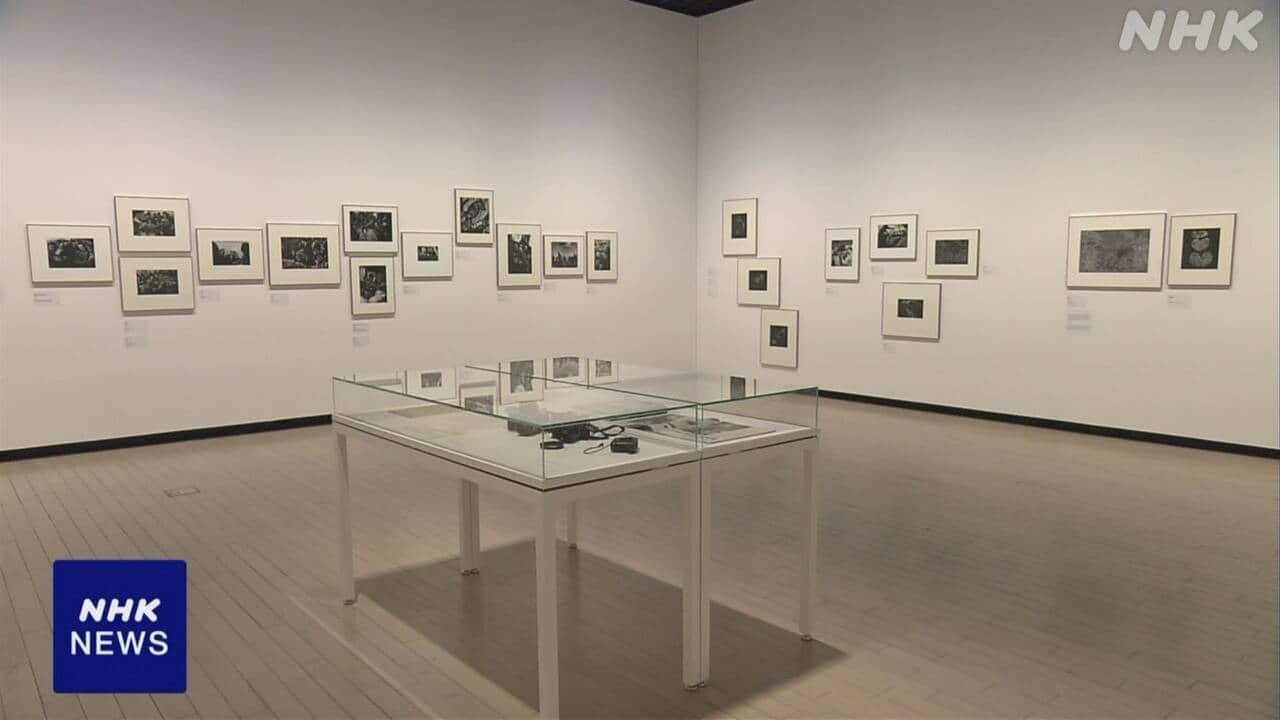
水俣病が公式に確認されてからことし5月で70年になります。こうした中、水俣病の被害を世界に伝えたアメリカの報道写真家、ユージン・スミスの作品展が都内で始まりました。ともに活動した元妻は「患者たちが闘ったことによって守られた環境があることを展示を通して若い世代に感じてもらいたい」と訴えました。
水俣病は、熊本県水俣市の工場から流れ出た有機水銀が魚介類に蓄積し、その魚や貝などを食べた人が手足のしびれや聴覚障害などの症状を起こした公害で、1956年の公式確認からことし5月で70年となります。
アメリカの報道写真家のユージン・スミスは、元妻のアイリーン・美緒子・スミスさんと1971年から水俣市に3年間滞在したのち、写真集「MINAMATA」をアメリカやイギリスなどで出版して世界に被害の実態を伝えました。
17日から東京都写真美術館で始まった作品展では、ユージン・スミスの軌跡とともに、写真集「MINAMATA」に収録されている作品などあわせて200点余りが展示されています。
アイリーンさんによると、2人が撮影を始めたのは患者たちが声をあげ始めたころで、エネルギーに圧倒されながらも、その姿を収めようと患者の日常や被害と闘う姿を無我夢中で撮影したということです。
水俣病が公式に確認されるきっかけとなった患者、田中実子さんを撮影した写真は、病気でことばを発することができない実子さんの感情を引き出したいとユージンは何度も撮影を繰り返し、ようやく一瞬の表情を捉えた作品だということです。
また、母親の胎内で水銀の被害を受けた胎児性水俣病患者の坂本しのぶさんが制服姿で電話をする写真は、アイリーンさんが一緒に買い物に出かけて撮影した作品で、笑顔の坂本さんの背後にはアイリーンさんの財布が写り込んでいるといいます。
アイリーンさんは「私たちが初めて水俣を訪れたときは、それまで弾圧を受け、虐げられてきた患者たちが立ち上がって裁判を起こし、被害を全国に訴えていた時期だった。撮影した患者たちが闘ったからこそ守られた権利や今の環境がある。若い世代にも展示を見てもらい、今の自分たちの暮らしとのつながりを感じてもらいたい」と話していました。
水俣病は、熊本県水俣市の工場から流れ出た有機水銀が魚介類に蓄積し、その魚や貝などを食べた人が手足のしびれや聴覚障害などの症状を起こした公害で、1956年の公式確認からことし5月で70年となります。
アメリカの報道写真家のユージン・スミスは、元妻のアイリーン・美緒子・スミスさんと1971年から水俣市に3年間滞在したのち、写真集「MINAMATA」をアメリカやイギリスなどで出版して世界に被害の実態を伝えました。
17日から東京都写真美術館で始まった作品展では、ユージン・スミスの軌跡とともに、写真集「MINAMATA」に収録されている作品などあわせて200点余りが展示されています。
アイリーンさんによると、2人が撮影を始めたのは患者たちが声をあげ始めたころで、エネルギーに圧倒されながらも、その姿を収めようと患者の日常や被害と闘う姿を無我夢中で撮影したということです。
水俣病が公式に確認されるきっかけとなった患者、田中実子さんを撮影した写真は、病気でことばを発することができない実子さんの感情を引き出したいとユージンは何度も撮影を繰り返し、ようやく一瞬の表情を捉えた作品だということです。
また、母親の胎内で水銀の被害を受けた胎児性水俣病患者の坂本しのぶさんが制服姿で電話をする写真は、アイリーンさんが一緒に買い物に出かけて撮影した作品で、笑顔の坂本さんの背後にはアイリーンさんの財布が写り込んでいるといいます。
アイリーンさんは「私たちが初めて水俣を訪れたときは、それまで弾圧を受け、虐げられてきた患者たちが立ち上がって裁判を起こし、被害を全国に訴えていた時期だった。撮影した患者たちが闘ったからこそ守られた権利や今の環境がある。若い世代にも展示を見てもらい、今の自分たちの暮らしとのつながりを感じてもらいたい」と話していました。
Vocabulary
General
Proper noun
JLPT N2
JLPT N1
| # | 言葉 | 意味 |
|---|---|---|
| 7 | 患者 | かんじゃ (患者) : patient |
| 6 | 撮影 | さつえい (撮影) : photography (still or motion); photographing; filming; shooting; (video) recording |
| 5 | 水俣病 | みなまたびょう (水俣病) : Minamata disease |
| 5 | 被害 | ひがい (被害) : (suffering) damage; injury; harm |
| 3 | 公式 | こうしき (公式) : 1. official; formal 2. formula (e.g. mathematical) |
| 3 | 確認 | かくにん (確認) : confirmation; verification; validation; review; check; affirmation; identification |
| 3 | 闘う | たたかう (戦う) : 1. to make war (on); to wage war (against); to go to war (with); to fight (with); to do battle (against) 2. to compete (against) |
| 3 | 展示 | てんじ (展示) : exhibition; display |
| 3 | 作品 | さくひん (作品) : work (e.g. book, film, composition, etc.); opus; performance; production |
| 2 | 伝える | つたえる (伝える) : to convey; to report; to transmit; to communicate; to tell; to impart; to propagate; to teach; to bequeath |
| 2 | 報道 | ほうどう (報道) : report (of news); reporting; news; information; (media) coverage |
| 2 | 写真家 | しゃしんか (写真家) : photographer |
| 2 | 始まる | はじまる (始まる) : 1. to begin; to start; to commence 2. to happen (again); to begin (anew) |
| 2 | 元妻 | もとつま (元妻) : ex-wife; former wife |
| 2 | 守る | まもる (守る) : 1. to protect; to guard; to defend 2. to keep (i.e. a promise); to abide (by the rules); to observe; to obey; to follow |
| 2 | 環境 | かんきょう (環境) : environment; circumstance |
| 2 | 若い | わかい (若い) : 1. young; youthful 2. immature; green |
| 2 | 世代 | せだい (世代) : generation; the world; the age |
| 2 | 感ずる | かんずる (感ずる) : to feel; to sense |
| 2 | 訴える | うったえる (訴える) : 1. to raise; to bring to (someone's attention) 2. to appeal to (reason, emotions, etc.); to work on (one's emotions); to play on (one's sympathies) |
| 2 | 水俣市 | みなまたし (水俣市) : Minamata (city) (place) |
| 2 | 起こす | おこす (起こす) : 1. to raise; to raise up; to set up; to pick up 2. to wake; to wake up; to waken; to awaken |
| 2 | 写真集 | しゃしんしゅう (写真集) : photo book (esp. one featuring photos of female celebrities, models); photobook |
| 2 | 姿 | すがた (姿) : 1. figure; form; shape 2. appearance; dress; guise |
| 2 | 実子 | じっし (実子) : biological child; one's own child |
| 2 | 坂本 | かるめら (坂本) : Karumera (surname) |
| 1 | 都内 | とない (都内) : (within) the (Tokyo) metropolitan area |
| 1 | 活動 | かつどう (活動) : 1. activity (of a person, organization, animal, volcano, etc.); action 2. movie (esp. during the silent movie period) |
| 1 | 熊本県 | くまもとけん (熊本県) : Kumamoto prefecture (Kyushu) |
| 1 | 流れ出る | ながれでる (流れ出る) : to flow out; to stream out; to pour out; to gush forth; to leak; to ooze out; to drift away |
| 1 | 有機水銀 | ゆうきすいぎん (有機水銀) : organic mercury |
| 1 | 魚介類 | ぎょかいるい (魚介類) : marine products; seafood; fish and shellfish |
| 1 | 蓄積 | ちくせき (蓄積) : accumulation; accumulate; store |
| 1 | 貝 | かい (貝) : 1. shellfish 2. seashell; shell |
| 1 | 食べる | たべる (食べる) : 1. to eat 2. to live on (e.g. a salary); to live off; to subsist on |
| 1 | 手足 | てあし (手足) : 1. hands and feet; limbs 2. person at one's beck and call; person at hand; reliable worker |
| 1 | しびれ | しびれ (痺れ) : numbness; going to sleep (of a limb); pins and needles |
| 1 | 聴覚障害 | ちょうかくしょうがい (聴覚障害) : hearing impairment; paracusis; paracusia |
| 1 | 症状 | しょうじょう (症状) : symptoms; condition (of a patient) |
| 1 | 公害 | こうがい (公害) : pollution; public nuisance; contamination |
| 1 | 美緒子 | みおこ (美緒子) : Mioko (fem) |
| 1 | 年間 | ねんかん (年間) : 1. (period of) a year 2. during an era |
| 1 | 滞在 | たいざい (滞在) : stay; sojourn |
| 1 | のち | のち (後) : 1. later; afterwards 2. future |
| 1 | 出版 | しゅっぱん (出版) : publication |
| 1 | 実態 | じったい (実態) : true state; actual condition; reality |
| 1 | 東京都 | とうきょうと (東京都) : Tokyo Metropolis (prefecture); Tokyo metropolitan area |
| 1 | 写真 | しゃしん (写真) : 1. photograph; photo; picture; snapshot; snap 2. moving picture; movie |
| 1 | 美術館 | びじゅつかん (美術館) : art gallery; art museum |
| 1 | 軌跡 | きせき (軌跡) : 1. tire track 2. traces of a person or thing; path one has taken |
| 1 | 収録 | しゅうろく (収録) : 1. compilation; editing 2. recording |
| 1 | あわせる | あわせる (会わせる) : 1. to make (someone) to meet; to let (someone) meet 2. to expose to; to subject to |
| 1 | 余り | あまり (余り) : 1. remainder; remnant; rest; balance; surplus; remains (of a meal); leftovers 2. (not) very; (not) much |
| 1 | 圧倒 | あっとう (圧倒) : 1. to overwhelm (e.g. an opponent); to overpower; to crush; to defeat completely 2. to overwhelm (someone with emotion); to move; to impress; to fill with emotion |
| 1 | 収める | おさめる (収める) : 1. to dedicate; to make an offering; to pay (fees) 2. to supply |
| 1 | 日常 | にちじょう (日常) : everyday; daily; ordinary; usual; routine; regular |
| 1 | 無我夢中 | むがむちゅう (無我夢中) : being absorbed in; losing oneself in; losing control of oneself |
| 1 | きっかけ | きっかけ (切っ掛け) : chance; start; cue; excuse; motive; impetus; occasion |
| 1 | 田中 | たなか (田中) : Tanaka (place; surname; fem) |
| 1 | 発する | はっする (発する) : 1. to let out; to utter; to produce; to emit; to give forth; to discharge 2. to issue; to send; to give |
| 1 | 感情 | かんじょう (感情) : emotion; feeling; feelings; sentiment |
| 1 | 何度 | なんど (何度) : 1. how many times 2. how many degrees (temperature, angle, etc.) |
| 1 | 繰り返す | くりかえす (繰り返す) : to repeat; to do something over again |
| 1 | ようやく | ようやく (漸く) : 1. finally; at last 2. barely; narrowly; hardly; only just |
| 1 | 一瞬 | いっしゅん (一瞬) : instant; moment; for an instant |
| 1 | 表情 | ひょうじょう (表情) : 1. facial expression; countenance 2. look; appearance; expression (vocal, etc.) |
| 1 | 捉える | とらえる (捉える) : 1. to catch; to capture; to seize; to arrest; to grab; to catch hold of 2. to grasp (e.g. meaning); to perceive; to capture (e.g. features) |
| 1 | 母親 | ははおや (母親) : mother |
| 1 | 胎内 | たいない (胎内) : 1. interior of the womb (of a pregnant woman); interior of the uterus 2. interior of a Buddhistic statue |
| 1 | 水銀 | すいぎん (水銀) : mercury (Hg) |
| 1 | 胎児 | たいじ (胎児) : fetus; foetus; embryo; unborn child |
| 1 | しのぶ | しのぶ (偲ぶ) : 1. to recollect; to remember; to reminisce; to be nostalgic for 2. to imagine; to guess; to infer |
| 1 | 出かける | でかける (出かける) : 1. to go out (e.g. on an excursion or outing); to leave; to depart; to start; to set out 2. to be about to leave; to be just going out |
| 1 | 笑顔 | えがお (笑顔) : smiling face; smile |
| 1 | さん | さん : 1. Mr.; Mrs.; Miss; Ms.; -san 2. politeness marker |
| 1 | 背後 | はいご (背後) : 1. back; rear 2. background; behind the scenes |
| 1 | 写る | うつる (写る) : to be photographed; to be projected |
| 1 | 私たち | わたしたち (私たち) : we; us |
| 1 | 水俣 | みなまた (水俣) : Minamata (place; surname) |
| 1 | 訪れる | おとずれる (訪れる) : 1. to visit; to call on 2. to arrive (season, time, situation, etc.); to come; to appear |
| 1 | 弾圧 | だんあつ (弾圧) : oppression; suppression; pressure |
| 1 | 虐げる | しいたげる (虐げる) : to oppress; to persecute; to tyrannize |
| 1 | 立ち上がる | たちあがる (立ち上がる) : 1. to stand up; to get up 2. to rise |
| 1 | 裁判 | さいばん (裁判) : trial; judgement; judgment |
| 1 | 全国 | ぜんこく (全国) : the whole country |
| 1 | 時期 | じき (時期) : time; season; period; phase; stage |
| 1 | こそ | こそ : 1. it is ... that ...; precisely; in particular; definitely; for sure; only (when, after, because, etc.) 2. although; while; it is the case that ... but |
| 1 | 権利 | けんり (権利) : right; privilege |
| 1 | 自分 | じぶん (自分) : 1. myself; yourself; oneself; himself; herself 2. I; me |
| 1 | たち | やかた (館) : 1. mansion; palace; manor house; castle 2. nobleman; noblewoman; dignitary |
| 1 | 暮らし | くらし (暮らし) : life; living; livelihood; life circumstances |
| 1 | つながり | つながり (繋がり) : connection; link; relationship |