【魔女の宅急便】グーチョキパン店の「モデル」と噂の建物はどこにある?
日本テレビ系の「金曜ロードショー」で5月8日午後9時、『魔女の宅急便』が放送されます。宮﨑駿監督が1989年に手掛けたスタジオジブリのアニメ映画。故郷を離れて魔女修行をする13歳のキキに感情移入した人も多いでしょう。そんな名作の知られざるトリビアをご紹介しましょう。
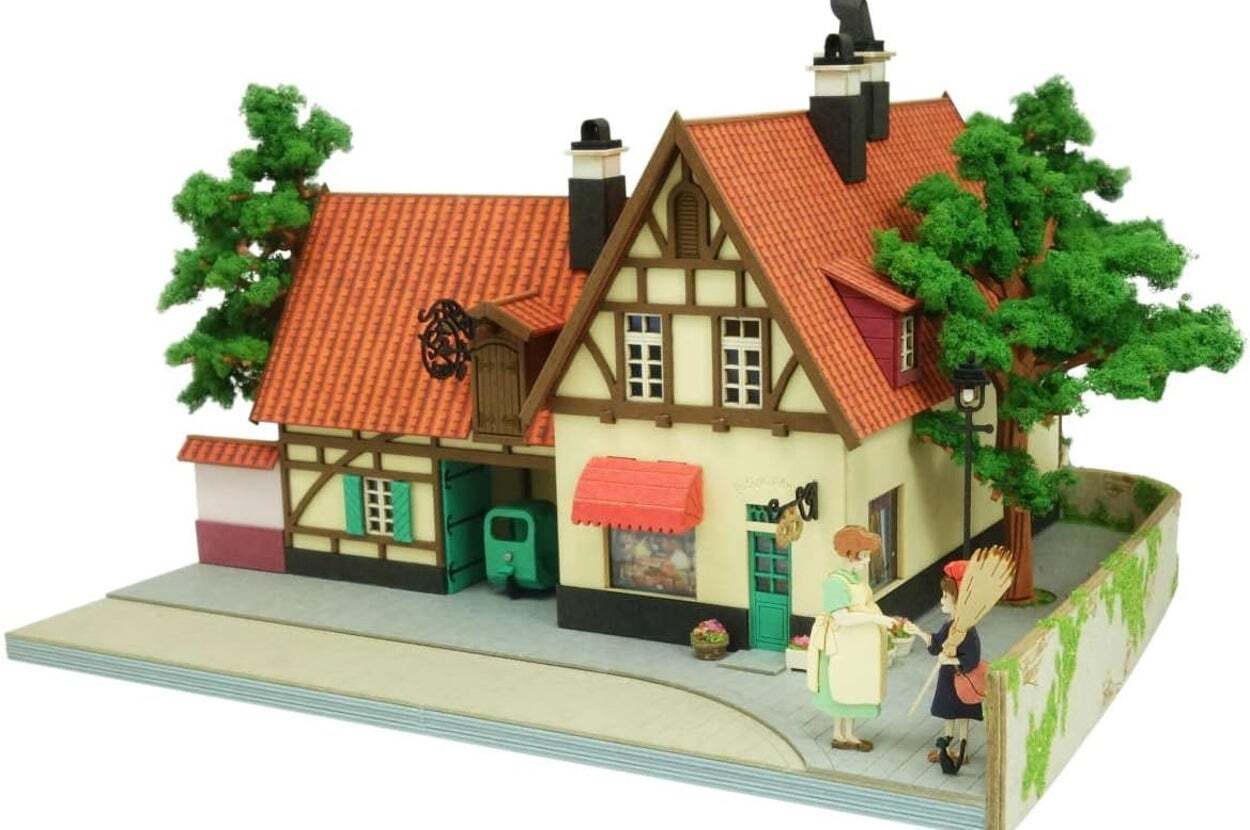
キキが暮らすことになるのは、海沿いの大都会・コリコ。おソノさん夫婦が暮らす「グーチョキパン店」の離れに下宿しますが、このお店にはモデルがあるとファンの間でささやかれています。 その建物があるのは、北欧のスウェーデンのゴッドランド島です。この島にある城塞都市ヴィスビューはハンザ同盟時代の歴史的な町並みで知られ、1995年にはユネスコの世界遺産にも指定されています。 宮﨑監督は1971年に初めて海外旅行をして、スウェーデンを訪問しました。同国の児童文学『長くつ下のピッピ』のアニメ化に向けたロケハン(舞台となる場所の調査)のためです。このときは原作者の許可が下りず、アニメ化は断念することになりましたが、宮﨑監督はヴィスビューの町並みに「グリムやアンデルセンの世界が本当にあるんだ」とカルチャーショックを受けたそうです。 そして『魔女の宅急便』の制作の際にもヴィスビューの町並みがモデルとなりました。「コリコの町も、ヴィスビューで見たことが参考になっています」と後に宮﨑監督は明かしています。 1988年5月、作画監督の大塚伸治さんら計5人のスタッフがストックホルムとヴィスビューに約8日間滞在して、町並みや家々など風景を中心に写真を撮影して資料を収集しました。
キキが暮らすグーチョキパン店は赤い三角屋根と棟同士が直角に交わる構造が特徴的です。それとそっくりだと、ジブリファンの間で話題になっている建物がヴィスビューに存在します。 それが「アグレルスカ庭園」です。スウェーデン語版のWikipediaによると5つの建物が連なった構造で知られ「ヴィスビューで最も保存状態の良い中世の商人邸宅」と言われているそうです。Googleマップで確認すると、ディテールは違うものの三角屋根や建物の構造がよく似ていることが分かります。 制作陣からは、この建物がモデルであるとの声明は見当たりませんでしたが参考にした可能性は大いにありそうです。北欧旅行の際にはヴィスビューの町を訪れてみると、『魔女の宅急便』に登場する景色を実際に目にすることができるかもしれませんね。
・高畑勲、宮崎駿、小田部羊一『幻の「長くつ下のピッピ」』(岩波書店) ・『ロマンアルバム 魔女の宅急便』(徳間書店)
キキが暮らすことになるのは、海沿いの大都会・コリコ。おソノさん夫婦が暮らす「グーチョキパン店」の離れに下宿しますが、このお店にはモデルがあるとファンの間でささやかれています。 その建物があるのは、北欧のスウェーデンのゴッドランド島です。この島にある城塞都市ヴィスビューはハンザ同盟時代の歴史的な町並みで知られ、1995年にはユネスコの世界遺産にも指定されています。 宮﨑監督は1971年に初めて海外旅行をして、スウェーデンを訪問しました。同国の児童文学『長くつ下のピッピ』のアニメ化に向けたロケハン(舞台となる場所の調査)のためです。このときは原作者の許可が下りず、アニメ化は断念することになりましたが、宮﨑監督はヴィスビューの町並みに「グリムやアンデルセンの世界が本当にあるんだ」とカルチャーショックを受けたそうです。 そして『魔女の宅急便』の制作の際にもヴィスビューの町並みがモデルとなりました。「コリコの町も、ヴィスビューで見たことが参考になっています」と後に宮﨑監督は明かしています。 1988年5月、作画監督の大塚伸治さんら計5人のスタッフがストックホルムとヴィスビューに約8日間滞在して、町並みや家々など風景を中心に写真を撮影して資料を収集しました。
キキが暮らすグーチョキパン店は赤い三角屋根と棟同士が直角に交わる構造が特徴的です。それとそっくりだと、ジブリファンの間で話題になっている建物がヴィスビューに存在します。 それが「アグレルスカ庭園」です。スウェーデン語版のWikipediaによると5つの建物が連なった構造で知られ「ヴィスビューで最も保存状態の良い中世の商人邸宅」と言われているそうです。Googleマップで確認すると、ディテールは違うものの三角屋根や建物の構造がよく似ていることが分かります。 制作陣からは、この建物がモデルであるとの声明は見当たりませんでしたが参考にした可能性は大いにありそうです。北欧旅行の際にはヴィスビューの町を訪れてみると、『魔女の宅急便』に登場する景色を実際に目にすることができるかもしれませんね。
・高畑勲、宮崎駿、小田部羊一『幻の「長くつ下のピッピ」』(岩波書店) ・『ロマンアルバム 魔女の宅急便』(徳間書店)
Vocabulary
General
Proper noun
JLPT N2
JLPT N1
| # | 言葉 | 意味 |
|---|---|---|
| 4 | 魔女の宅急便 | まじょのたっきゅうびん (魔女の宅急便) : Kiki's Delivery Service (1989 animated film) (work) |
| 4 | 監督 | かんとく (監督) : 1. supervision; control; superintendence; direction 2. director; superintendent; supervisor; coach; foreman; manager; overseer; controller; boss |
| 4 | 町並み | まちなみ (町並み) : townscape; street (of stores and houses); (look of) stores and houses on street |
| 3 | 知る | しる (知る) : 1. to be aware of; to know; to be conscious of; to cognize; to cognise 2. to notice; to feel |
| 3 | 暮らす | くらす (暮らす) : 1. to live; to get along 2. to spend (time) |
| 3 | 構造 | こうぞう (構造) : structure; construction; makeup; framework; organization; pattern |
| 2 | 北欧 | ほくおう (北欧) : Northern Europe; Nordic countries; Scandinavia |
| 2 | 長くつ下のピッピ | ながくつしたのピッピ (長くつ下のピッピ) : Pippi Longstocking (1945 children's book by Astrid Lindgren) (work) |
| 2 | アニメ化 | アニメか (アニメ化) : turning a comic, novel, etc. into an animated movie or TV series; making an animated version |
| 2 | 際 | きわ (際) : 1. edge; brink; verge; side 2. time; moment of |
| 2 | 参考 | さんこう (参考) : reference; consultation |
| 2 | 三角 | さんかく (三角) : triangle; triangular shape |
| 2 | 屋根 | やね (屋根) : roof |
| 1 | 日本テレビ | にほんテレビ (日本テレビ) : Nippon Television Network (company) |
| 1 | 系 | けい (系) : 1. system; lineage; group 2. corollary |
| 1 | 金曜 | きんよう (金曜) : Friday |
| 1 | 手掛ける | てがける (手がける) : 1. to handle; to manage; to deal with; to work with; to have experience with 2. to rear; to look after |
| 1 | アニメ映画 | アニメえいが (アニメ映画) : animated cartoon; animated film |
| 1 | 故郷 | ふるさと (故郷) : 1. home town; birthplace; native place; one's old home 2. ruins; historic remains |
| 1 | 離れる | はなれる (離れる) : 1. to be separated; to be apart; to be distant 2. to leave; to go away |
| 1 | 魔女 | まじょ (魔女) : witch |
| 1 | 修行 | しゅぎょう (修行) : 1. training; practice; discipline; study 2. ascetic practices |
| 1 | 感情移入 | かんじょういにゅう (感情移入) : empathy |
| 1 | 名作 | めいさく (名作) : masterpiece |
| 1 | 海沿い | うみぞい (海沿い) : seaside; seashore; coast; coastland |
| 1 | 大都会 | だいとかい (大都会) : metropolis; big city |
| 1 | 夫婦 | ふうふ (夫婦) : 1. married couple; husband and wife; man and wife 2. his and hers; pair of objects, one larger (for man), one smaller (for woman) |
| 1 | 離れ | はなれ (離れ) : 1. detached building; solitary house; room detached from main house 2. separation from; loss of interest in; independence of; distancing (of oneself) from; disillusionment with; alienation from (something) |
| 1 | お店 | おたな (お店) : 1. merchant's home (esp. used by apprentices, etc.) 2. (your) rental home |
| 1 | ささやく | ささやく (囁く) : 1. to whisper; to murmur 2. to rumor; to rumour |
| 1 | 城塞 | じょうさい (城塞) : fortress; stronghold; citadel |
| 1 | 都市 | とし (都市) : town; city; municipal; urban |
| 1 | ハンザ同盟 | ハンザどうめい (ハンザ同盟) : Hanseatic League |
| 1 | 歴史的 | れきしてき (歴史的) : historic; historical; traditional |
| 1 | 世界遺産 | せかいいさん (世界遺産) : World Heritage (cultural, natural, etc.); World Cultural and Natural Heritage (UNESCO) |
| 1 | 指定 | してい (指定) : designation; specification; assignment; appointment; pointing at |
| 1 | 海外旅行 | かいがいりょこう (海外旅行) : trip abroad; overseas travel |
| 1 | 訪問 | ほうもん (訪問) : call; visit |
| 1 | 同国 | どうこく (同国) : the same country; the same province; the said country |
| 1 | 児童文学 | じどうぶんがく (児童文学) : juvenile literature |
| 1 | 舞台 | ぶたい (舞台) : 1. stage (theatre, theater) 2. scene or setting (e.g. of novel, play, etc.) |
| 1 | 調査 | ちょうさ (調査) : investigation; examination; inquiry; enquiry; survey |
| 1 | 原作者 | げんさくしゃ (原作者) : original author (of a work) |
| 1 | 許可 | きょか (許可) : 1. permission; approval; authorization; license 2. to permit; to authorize |
| 1 | 下りる | おりる (降りる) : 1. to descend (e.g. a mountain); to go down; to come down 2. to alight (e.g. from bus); to get off; to disembark; to dismount |
| 1 | 断念 | だんねん (断念) : abandoning (hope, plans); giving up |
| 1 | 本当 | ほんとう (本当) : 1. truth; reality; actuality; fact 2. proper; right; correct; official |
| 1 | 制作 | せいさく (制作) : 1. work (film, book) 2. production; creation; turning (something) out; development |
| 1 | 明かす | あかす (明かす) : 1. to pass (the night); to spend 2. to reveal; to divulge; to disclose; to expose |
| 1 | 作画監督 | さくがかんとく (作画監督) : animation director |
| 1 | 大塚 | おおつか (大塚) : Ootsuka (place; surname) |
| 1 | 伸治 | しんじ (伸治) : Shinji (given) |
| 1 | 日間 | ひあい (日間) : 1. number of days; period of days 2. daily interest rate |
| 1 | 滞在 | たいざい (滞在) : stay; sojourn |
| 1 | 家々 | いえいえ (家々) : each house; every house; many houses |
| 1 | 風景 | ふうけい (風景) : 1. scenery; scene; landscape; view; sight 2. scene (e.g. of a crime) |
| 1 | 中心 | ちゅうしん (中心) : 1. center; centre; middle; heart; core; focus; pivot; emphasis; balance 2. -centered; -centred; -focused; -oriented; centered on; focused on |
| 1 | 撮影 | さつえい (撮影) : photography (still or motion); photographing; filming; shooting; (video) recording |
| 1 | 資料 | しりょう (資料) : materials; data; document |
| 1 | 収集 | しゅうしゅう (収集) : 1. collecting; accumulating; gathering 2. collection (of art, stamps, insects, etc.) |
| 1 | 棟 | とう (棟) : 1. large building; building with a long roof 2. counter for buildings, apartments, etc. |
| 1 | 同士 | どうし (同士) : fellow; mutual; companion; comrade |
| 1 | 直角 | ちょっかく (直角) : right angle; perpendicular |
| 1 | 交わる | まじわる (交わる) : 1. to cross; to intersect; to join; to meet 2. to associate with; to mingle with; to consort with |
| 1 | 特徴的 | とくちょうてき (特徴的) : characteristic |
| 1 | そっくり | そっくり : 1. all; altogether; entirely; completely 2. exactly like; just like; spitting image of |
| 1 | 話題 | わだい (話題) : topic; subject |
| 1 | 存在 | そんざい (存在) : existence; being |
| 1 | 庭園 | ていえん (庭園) : garden; park |
| 1 | スウェーデン語 | スウェーデンご (スウェーデン語) : Swedish (language) |
| 1 | 版 | はん (版) : 1. edition; version; printing; impression; implementation (e.g. software) 2. plate; block; cast |
| 1 | 連なる | つらなる (連なる) : 1. to extend; to stretch out; to stand in a row 2. to attend; to participate in |
| 1 | 最も | もっとも (最も) : most; extremely |
| 1 | 保存 | ほぞん (保存) : 1. preservation; conservation; storage; maintenance 2. saving (e.g. to disk) |
| 1 | 状態 | じょうたい (状態) : state; condition; situation; appearance; circumstances |
| 1 | 中世 | ちゅうせい (中世) : Middle Ages (in Japan esp. the Kamakura and Muromachi periods); medieval times; mediaeval times |
| 1 | 商人 | しょうにん (商人) : merchant; trader; tradesman; dealer; shopkeeper |
| 1 | 邸宅 | ていたく (邸宅) : mansion; residence |
| 1 | グーグル (Google) : Google | |
| 1 | 確認 | かくにん (確認) : confirmation; verification; validation; review; check; affirmation; identification |
| 1 | 似る | にる (似る) : to resemble; to look like; to be like; to be alike; to be similar; to take after |
| 1 | 分かる | わかる (分かる) : 1. to understand; to comprehend; to grasp; to see; to get; to follow 2. to become clear; to be known; to be discovered; to be realized; to be realised; to be found out |
| 1 | 声明 | せいめい (声明) : declaration; statement; proclamation |
| 1 | 見当たる | みあたる (見当たる) : to be found |
| 1 | 可能性 | かのうせい (可能性) : potentiality; likelihood; possibility; availability |
| 1 | 大いに | おおいに (大いに) : very; much; greatly; a lot of |
| 1 | 訪れる | おとずれる (訪れる) : 1. to visit; to call on 2. to arrive (season, time, situation, etc.); to come; to appear |
| 1 | 登場 | とうじょう (登場) : 1. entry (on stage); appearance (on screen) 2. entrance; introduction (into a market) |
| 1 | 実際 | じっさい (実際) : 1. reality; actuality; truth; fact; actual conditions 2. practice (as opposed to theory) |
| 1 | しれる | しれる (知れる) : 1. to become known; to come to light; to be discovered 2. to be known; to be understood |
| 1 | 高畑勲 | たかはたいさお (高畑勲) : Isao Takahata (1935.10.29-2018.04.05), director (person) |
| 1 | 宮崎駿 | みやざきはやお (宮崎駿) : Miyazaki Hayao (anime creator) (1941.1-) (person) |
| 1 | 小田部 | おたべ (小田部) : Otabe (surname) |
| 1 | 羊一 | よういち (羊一) : Youichi (given) |
| 1 | 幻 | まぼろし (幻) : 1. phantom; vision; illusion; dream; apparition 2. extremely rare item |
| 1 | 岩波書店 | いわなみしょてん (岩波書店) : Iwanami Shoten, Publishers (publisher) (company) |
| 1 | 徳間書店 | とくましょてん (徳間書店) : Tokuma Shoten (publisher) (company) |