侍ジャパンのWBC準々決勝敗退で見直したい、国際大会の戦い方──特集「2026年ワールドベースボールクラシック」
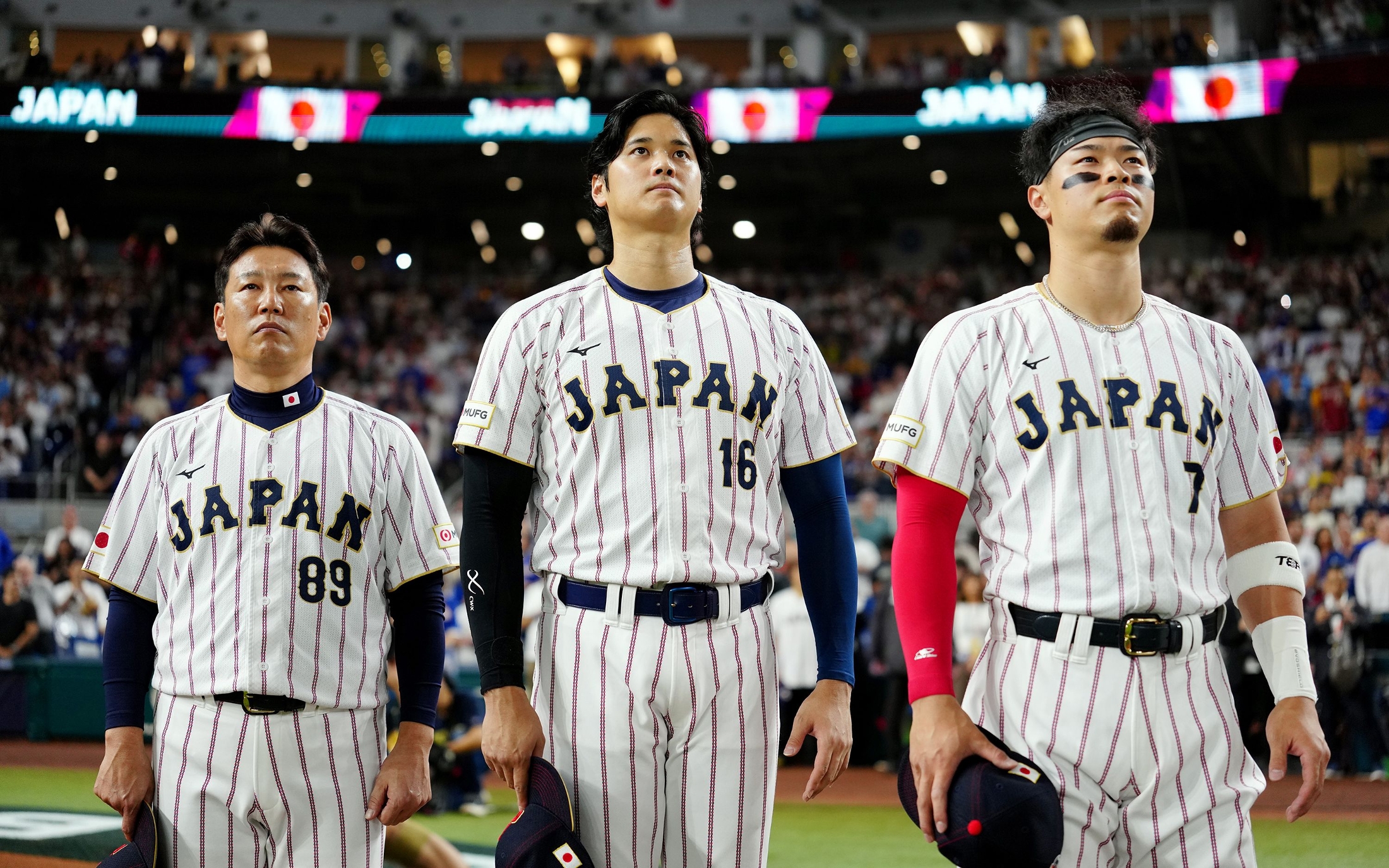
WBC(ワールド・ベースボール・クラシック)準々決勝、ベネズエラ戦で逆転負けを喫した「侍ジャパン」。過去最低となる準々決勝敗退を現地で目撃したジャーナリストの堤伸輔は、国際大会の戦い方と準備不足に敗因を見出した。
日本は細やかな野球ができるという点では世界一、だったと思う。いや、WBC(ワールド・ベースボール・クラシック)で6度目にして初めて準々決勝敗退となったいまでも、そう思いたいところだ。ただ、国際試合の場では、普段以上の細やかさが必要だということを、3月14日(現地時間)に戦ったベネズエラ戦をマイアミで見ながら感じさせられた。 初回、日本の先発・山本由伸から、シーズン40-70(40本塁打-70盗塁)達成者のアクーニャJr.が先頭打者本塁打を放つと、その裏すぐに50-50の大谷翔平が右中間へほぼ同じ軌道でさらに距離の出たホームランによって“上書き”して同点に持ち込む。メジャーMVP同士の打ち合いにローンデポ・パークのボルテージは早くも最高潮に達した。 その後、点を取り合い、森下翔太の3ランで日本が5対2とリードして5回表を迎えた。この回からマウンドに上った隅田知一郎は、先頭を四球で歩かせたものの続く最強打者アクーニャJr.から速球で空振り三振を奪い、明らかに勢いづいたように見えた。次のガルシアも2−2と追い込んだが、そこである“異変”が起こった。ガルシアが球審にアピールし、球審が隅田にマウンド上のロジンバッグの位置を“正す”よう指示したのである。リズムよく投げていたのに決め球を放る直前に投球を止められ、なんだかいい感じじゃないなと、三塁側3階席から見ていた私は思った。 その直後の8球目、隅田はガルシアに速球を左中間スタンドに叩き込まれる。2ランで1点差に迫って、場内のベネズエラファンの声援がまた熱を帯び始めた。 ロジンバッグとは、投手が滑り止めにマウンドで使うもので、松ヤニなどを成分とする粉を布袋に詰めたものだ。公認野球規則4.01(f)では公認ロジンバッグは「投手板の後方」に置くものとされている。しかし実際には、日本のプロ野球(NPB)でも投手がロジンを使ったあと、「投手板の後方」ではなく「やや後方ではあるが斜め前」あたりにポンと放る光景が普通に見られる。 ガルシアがアピールしたのは、隅田のロジンの置き場所が、「後方」というより「一塁寄り」の打者から見える位置にあったから。当然のアピールとも言える。詳しくはあとで述べるが、これまでの観戦経験から、国際大会ではこうした相手アピールや球審による指示の場面がけっこうあるのだ。 置き直しが、ほんとうに隅田のリズムを乱したのか、そのためにホームランを打たれたのか、それはわからない。私の考え過ぎだったかもしれない。しかし、この試合の“ロジン物語”はそれでは終わらず、次の6回に登板した伊藤大海をも待っていたのである。
伊藤がマウンドに上ると、球審クリス・シーガル(MLB審判)が近づき、あたかも「ロジンはここに置くんだよ」というような仕草をしながら何ごとか伊藤に声をかけ、シーガル自身がロジンを置き直した。相手側からアピールを受けないようにという“配慮”をしてくれたのかもしれない。 伊藤は「世界でいちばんロジンをよくさわるピッチャー」だと表現して過言ではない。東京ドームでのWBC韓国戦でも、1球投げるごとにロジンを拾いポンポンと粉を手につけていた。その粉が宙に舞い、ちょっとした煙幕のように見えるときもある。NPBのシーズン中でも同じで、所属する日本ハムの新庄剛志監督まで粉の出にくいロジンを開発してほしいと用具メーカーへのリクエストを公言したほどだ。 じつは2021年の東京五輪では、準決勝で戦った韓国から使い過ぎではとアピールされたこともあった(手に汗をかきやすいタイプの投手がロジンをつけがちなのは、死球を出さないようにするためにも必要で、責められるべきことではない)。 その伊藤が6回先頭打者への2球目にピッチクロック違反による「自動ボール」があってカウントを3-1と不利にした。球審はそのときキャッチャー若月健矢を指さし、公式記録でもこの違反は伊藤ではなく若月についている。 先頭打者は結局ヒットを打って一塁に出た。そこで球審がまたもやマウンドへ歩み寄り、ロジンの置き直しを指示する。言われたとおりにした伊藤は次打者にヒットエンドランを決められ一塁・三塁となったあと、アブレイユに逆転3ランをライト2階席に運ばれ5対7と逆転された。そのまま日本の追撃ならず、5対8で敗北となった。 またお前の考え過ぎだと言われそうだが、日本の両投手を襲った“間の悪さ”は、現地で生観戦していて肌で感じたものだ。伊藤はマウンドに上るなり球審からロジンで“注意”され(もちろん英語で)、ひょっとしたら五輪韓国戦のことも頭をよぎったかもしれない。さらに、先頭打者への初球はスライダーでファウルを打たせたのに、2球目に捕手のピッチクロック違反を取られて、そこから制球を乱していった。そしてこの回2度目の“ロジン注意”。投球リズムを狂わされ、なんだか“もやもや”をふっきれないまま投げ続けているように私には見えた。
マニアックになってしまって申し訳ないが、前にも書いたように、国際大会ではこうした光景はときどき見られる。2年前、東京ドームで行われたプレミア12の決勝ラウンドでも、たびたび投手にロジンの置き場所を注意する外国人の球審がいた。それは上記の野球規則に沿っているし、ピッチャー返しの打球がたまたまロジンを直撃して打球の勢い・方向や内野手の守備に影響を与えることもあるから、放置しないほうがいいのである。腕をマウンドの土すれすれに振って投げるアンダースロー投手の場合なら、極端な話、白いロジンバッグと白球が打者の眼を錯覚させるかもしれない。 マウンドは、投手板を頂点にして、四方に傾斜している。ローンデポ・パークのマウンドは、二塁寄りの後ろ斜面が少し濃い土で台形に色を変えてあった。そこにスパイクの泥落としとロジンを置くのだが、他の国の投手たちがおおむねその台形のところにロジンを置いていたのに対し、少なくとも隅田と伊藤は、台形より投手板寄りで、打者や球審からロジンが見えうるところに置いていた。注意されたあとは両投手とも台形内に置くようにしたが、どちらもその直後に被弾してしまったのだ。 最初にアピールした今大会MVPのガルシアは、汚い駆け引きをしたわけではない。むしろ「野球をよく知っていて」ルールに沿った指摘を審判に伝えたと考えるべきだ。日本の監督かコーチか、チームの誰かが、今回WBCの審判によるこうしたルール適用に気づいて、投手陣にあらかじめ周知していたら、少なくとも投球直前にモーションを止められるようなことはなかったはずで、タラレバは言いたくないが、結果も変わっていたかもしれない。両投手を責めるのはまったく的外れで、野球をよく知っていて細やかなプレイのできる日本ならば、チーム全体として対処すべきことだった。 聞きたいが、今回WBCでは、試合によってマウンドに2個の、そして日本対ベネズエラ戦では3個ものロジンバッグが置かれていた。そのことに、ジャパンのベンチはどの程度注意を払っていたのだろうか。NPBの試合では1個が普通だと思うが、そもそもどうして今回はこうなったのか、米側のWBC事務局関係者に問い合わせてみたが、まだ返答はない。
“ロジン物語”を書き過ぎたが、そもそも国際大会では、そこに各国から派遣されてくる審判それぞれの特徴を見抜くことも大事になる。ボール・ストライクの判定や試合進行に独特の癖のある人もいるからだ。国際大会ではNPBの審判経験者をアナリストに採用し、いわば“本職”の眼で各審判の特徴を日本チームに伝えてもらってもいいのではないか。何もそんなことまでと言われそうだが、強調したいのは、国際試合では「観察力がいちばん」に来るということだ。日本国内の強い野球チームは、監督、コーチ、そして選手たちが、相手チームの選手や戦術の特徴をしっかり観察している。国際試合ではさらに視野を広げ、国内とのささいな違いにも気づく努力が必要ではないか。 どんなデータ・情報を集めるのかについて再考した上で、得られた情報を関係する選手やコーチにすかさず伝える臨機応変さも重要になる。たとえ試合中であっても、いや、試合中だからこそ、「ロジンの置き場所にうるさいぞ!」「捕手のピッチクロック違反も取ってくるぞ!」と、ベンチ内やブルペンで情報の伝達が必要になる。ハイレベルで力の接近した国際大会では、そうした観察・伝達をしていないチームから負けていく。 得点するともうお祭り騒ぎで中南米的な“ノリの野球”をしているように見えたベネズエラだが、じつは細やかさも持ち合わせていた。打者1人ごと、ときには1球ごとの守備位置変更は、日本とも戦ったプレミア12の際にも目立っていたが、今回も同様で、MVPガルシア三塁手の1球ごとの微妙な位置どりは見ていて面白かった。また、アメリカのハーパー、ベネズエラのアラエスは同じ一塁手で、どちらもMLBのスター選手だが、相手が同じタイプの右打者の場合の守備位置が数メートル違っていて、興味深かった。ハーパーのほうがより二塁寄りなのは、ベンチの指示なのだろう。一塁側ファウルグラウンドに飛んだハーフライナーをアラエスが難なく捕球した場面では、ハーパーならアウトにできなかっただろうなと感じた。 そのメジャーきっての巧打者3番アラエスが同点の9回表に一塁に出ると、ベネズエラは延長戦ありの可能性にもためらいなく代走を送り、二盗を決め、結局、そのランナーが決勝点のホームを踏んだ。動くべきところで動いていたというのが、そのベネズエラに敗北した決勝のアメリカ、準々決勝の侍ジャパンとの、大きな違いだった。(3月22日記)
堤 伸輔 1956年、熊本県生まれ。1980年、東京大学文学部を卒業し、新潮社に入社。作家・松本清張を担当し、国内・海外の取材に数多く同行する。2004年から2009年まで国際情報誌『フォーサイト』編集長。2020年末に新潮社を退社。BS-TBS『報道1930』ではコメンテーターを務めている。これまでにイチローに関する複数の書籍で編集を担当。野球殿堂入り式典のリポートなど、『GQ JAPAN』でもイチローに関するコラムを多数執筆している。 文・堤 伸輔 編集・神谷 晃 AKIRA KAMIYA(GQ)
日本は細やかな野球ができるという点では世界一、だったと思う。いや、WBC(ワールド・ベースボール・クラシック)で6度目にして初めて準々決勝敗退となったいまでも、そう思いたいところだ。ただ、国際試合の場では、普段以上の細やかさが必要だということを、3月14日(現地時間)に戦ったベネズエラ戦をマイアミで見ながら感じさせられた。 初回、日本の先発・山本由伸から、シーズン40-70(40本塁打-70盗塁)達成者のアクーニャJr.が先頭打者本塁打を放つと、その裏すぐに50-50の大谷翔平が右中間へほぼ同じ軌道でさらに距離の出たホームランによって“上書き”して同点に持ち込む。メジャーMVP同士の打ち合いにローンデポ・パークのボルテージは早くも最高潮に達した。 その後、点を取り合い、森下翔太の3ランで日本が5対2とリードして5回表を迎えた。この回からマウンドに上った隅田知一郎は、先頭を四球で歩かせたものの続く最強打者アクーニャJr.から速球で空振り三振を奪い、明らかに勢いづいたように見えた。次のガルシアも2−2と追い込んだが、そこである“異変”が起こった。ガルシアが球審にアピールし、球審が隅田にマウンド上のロジンバッグの位置を“正す”よう指示したのである。リズムよく投げていたのに決め球を放る直前に投球を止められ、なんだかいい感じじゃないなと、三塁側3階席から見ていた私は思った。 その直後の8球目、隅田はガルシアに速球を左中間スタンドに叩き込まれる。2ランで1点差に迫って、場内のベネズエラファンの声援がまた熱を帯び始めた。 ロジンバッグとは、投手が滑り止めにマウンドで使うもので、松ヤニなどを成分とする粉を布袋に詰めたものだ。公認野球規則4.01(f)では公認ロジンバッグは「投手板の後方」に置くものとされている。しかし実際には、日本のプロ野球(NPB)でも投手がロジンを使ったあと、「投手板の後方」ではなく「やや後方ではあるが斜め前」あたりにポンと放る光景が普通に見られる。 ガルシアがアピールしたのは、隅田のロジンの置き場所が、「後方」というより「一塁寄り」の打者から見える位置にあったから。当然のアピールとも言える。詳しくはあとで述べるが、これまでの観戦経験から、国際大会ではこうした相手アピールや球審による指示の場面がけっこうあるのだ。 置き直しが、ほんとうに隅田のリズムを乱したのか、そのためにホームランを打たれたのか、それはわからない。私の考え過ぎだったかもしれない。しかし、この試合の“ロジン物語”はそれでは終わらず、次の6回に登板した伊藤大海をも待っていたのである。
伊藤がマウンドに上ると、球審クリス・シーガル(MLB審判)が近づき、あたかも「ロジンはここに置くんだよ」というような仕草をしながら何ごとか伊藤に声をかけ、シーガル自身がロジンを置き直した。相手側からアピールを受けないようにという“配慮”をしてくれたのかもしれない。 伊藤は「世界でいちばんロジンをよくさわるピッチャー」だと表現して過言ではない。東京ドームでのWBC韓国戦でも、1球投げるごとにロジンを拾いポンポンと粉を手につけていた。その粉が宙に舞い、ちょっとした煙幕のように見えるときもある。NPBのシーズン中でも同じで、所属する日本ハムの新庄剛志監督まで粉の出にくいロジンを開発してほしいと用具メーカーへのリクエストを公言したほどだ。 じつは2021年の東京五輪では、準決勝で戦った韓国から使い過ぎではとアピールされたこともあった(手に汗をかきやすいタイプの投手がロジンをつけがちなのは、死球を出さないようにするためにも必要で、責められるべきことではない)。 その伊藤が6回先頭打者への2球目にピッチクロック違反による「自動ボール」があってカウントを3-1と不利にした。球審はそのときキャッチャー若月健矢を指さし、公式記録でもこの違反は伊藤ではなく若月についている。 先頭打者は結局ヒットを打って一塁に出た。そこで球審がまたもやマウンドへ歩み寄り、ロジンの置き直しを指示する。言われたとおりにした伊藤は次打者にヒットエンドランを決められ一塁・三塁となったあと、アブレイユに逆転3ランをライト2階席に運ばれ5対7と逆転された。そのまま日本の追撃ならず、5対8で敗北となった。 またお前の考え過ぎだと言われそうだが、日本の両投手を襲った“間の悪さ”は、現地で生観戦していて肌で感じたものだ。伊藤はマウンドに上るなり球審からロジンで“注意”され(もちろん英語で)、ひょっとしたら五輪韓国戦のことも頭をよぎったかもしれない。さらに、先頭打者への初球はスライダーでファウルを打たせたのに、2球目に捕手のピッチクロック違反を取られて、そこから制球を乱していった。そしてこの回2度目の“ロジン注意”。投球リズムを狂わされ、なんだか“もやもや”をふっきれないまま投げ続けているように私には見えた。
マニアックになってしまって申し訳ないが、前にも書いたように、国際大会ではこうした光景はときどき見られる。2年前、東京ドームで行われたプレミア12の決勝ラウンドでも、たびたび投手にロジンの置き場所を注意する外国人の球審がいた。それは上記の野球規則に沿っているし、ピッチャー返しの打球がたまたまロジンを直撃して打球の勢い・方向や内野手の守備に影響を与えることもあるから、放置しないほうがいいのである。腕をマウンドの土すれすれに振って投げるアンダースロー投手の場合なら、極端な話、白いロジンバッグと白球が打者の眼を錯覚させるかもしれない。 マウンドは、投手板を頂点にして、四方に傾斜している。ローンデポ・パークのマウンドは、二塁寄りの後ろ斜面が少し濃い土で台形に色を変えてあった。そこにスパイクの泥落としとロジンを置くのだが、他の国の投手たちがおおむねその台形のところにロジンを置いていたのに対し、少なくとも隅田と伊藤は、台形より投手板寄りで、打者や球審からロジンが見えうるところに置いていた。注意されたあとは両投手とも台形内に置くようにしたが、どちらもその直後に被弾してしまったのだ。 最初にアピールした今大会MVPのガルシアは、汚い駆け引きをしたわけではない。むしろ「野球をよく知っていて」ルールに沿った指摘を審判に伝えたと考えるべきだ。日本の監督かコーチか、チームの誰かが、今回WBCの審判によるこうしたルール適用に気づいて、投手陣にあらかじめ周知していたら、少なくとも投球直前にモーションを止められるようなことはなかったはずで、タラレバは言いたくないが、結果も変わっていたかもしれない。両投手を責めるのはまったく的外れで、野球をよく知っていて細やかなプレイのできる日本ならば、チーム全体として対処すべきことだった。 聞きたいが、今回WBCでは、試合によってマウンドに2個の、そして日本対ベネズエラ戦では3個ものロジンバッグが置かれていた。そのことに、ジャパンのベンチはどの程度注意を払っていたのだろうか。NPBの試合では1個が普通だと思うが、そもそもどうして今回はこうなったのか、米側のWBC事務局関係者に問い合わせてみたが、まだ返答はない。
“ロジン物語”を書き過ぎたが、そもそも国際大会では、そこに各国から派遣されてくる審判それぞれの特徴を見抜くことも大事になる。ボール・ストライクの判定や試合進行に独特の癖のある人もいるからだ。国際大会ではNPBの審判経験者をアナリストに採用し、いわば“本職”の眼で各審判の特徴を日本チームに伝えてもらってもいいのではないか。何もそんなことまでと言われそうだが、強調したいのは、国際試合では「観察力がいちばん」に来るということだ。日本国内の強い野球チームは、監督、コーチ、そして選手たちが、相手チームの選手や戦術の特徴をしっかり観察している。国際試合ではさらに視野を広げ、国内とのささいな違いにも気づく努力が必要ではないか。 どんなデータ・情報を集めるのかについて再考した上で、得られた情報を関係する選手やコーチにすかさず伝える臨機応変さも重要になる。たとえ試合中であっても、いや、試合中だからこそ、「ロジンの置き場所にうるさいぞ!」「捕手のピッチクロック違反も取ってくるぞ!」と、ベンチ内やブルペンで情報の伝達が必要になる。ハイレベルで力の接近した国際大会では、そうした観察・伝達をしていないチームから負けていく。 得点するともうお祭り騒ぎで中南米的な“ノリの野球”をしているように見えたベネズエラだが、じつは細やかさも持ち合わせていた。打者1人ごと、ときには1球ごとの守備位置変更は、日本とも戦ったプレミア12の際にも目立っていたが、今回も同様で、MVPガルシア三塁手の1球ごとの微妙な位置どりは見ていて面白かった。また、アメリカのハーパー、ベネズエラのアラエスは同じ一塁手で、どちらもMLBのスター選手だが、相手が同じタイプの右打者の場合の守備位置が数メートル違っていて、興味深かった。ハーパーのほうがより二塁寄りなのは、ベンチの指示なのだろう。一塁側ファウルグラウンドに飛んだハーフライナーをアラエスが難なく捕球した場面では、ハーパーならアウトにできなかっただろうなと感じた。 そのメジャーきっての巧打者3番アラエスが同点の9回表に一塁に出ると、ベネズエラは延長戦ありの可能性にもためらいなく代走を送り、二盗を決め、結局、そのランナーが決勝点のホームを踏んだ。動くべきところで動いていたというのが、そのベネズエラに敗北した決勝のアメリカ、準々決勝の侍ジャパンとの、大きな違いだった。(3月22日記)
堤 伸輔 1956年、熊本県生まれ。1980年、東京大学文学部を卒業し、新潮社に入社。作家・松本清張を担当し、国内・海外の取材に数多く同行する。2004年から2009年まで国際情報誌『フォーサイト』編集長。2020年末に新潮社を退社。BS-TBS『報道1930』ではコメンテーターを務めている。これまでにイチローに関する複数の書籍で編集を担当。野球殿堂入り式典のリポートなど、『GQ JAPAN』でもイチローに関するコラムを多数執筆している。 文・堤 伸輔 編集・神谷 晃 AKIRA KAMIYA(GQ)
Vocabulary
General
Proper noun
JLPT N2
JLPT N1
| # | 言葉 | 意味 |
|---|---|---|
| 13 | 投手 | とうしゅ (投手) : pitcher |
| 9 | 国際 | こくさい (国際) : 1. international 2. diplomatic intercourse |
| 9 | 球審 | きゅうしん (球審) : umpire-in-chief; plate umpire |
| 9 | 伊藤 | いと (伊藤) : Ito (unclass) |
| 8 | 野球 | やきゅう (野球) : baseball |
| 7 | 大会 | たいかい (大会) : 1. mass meeting; convention; rally; conference; assembly; gathering 2. tournament; competition; contest; meet |
| 6 | 隅田 | すだ (隅田) : Suda (place; surname) |
| 6 | 打者 | だしゃ (打者) : batter |
| 6 | 球 | まり (鞠) : 1. ball (for sport, games, etc.) 2. kemari; type of football played by courtiers in ancient Japan |
| 6 | 審判 | しんぱん (審判) : refereeing; trial; judgement; judgment; umpire; referee |
| 5 | 一塁 | いちるい (一塁) : 1. first base 2. first baseman |
| 5 | しれる | しれる (知れる) : 1. to become known; to come to light; to be discovered 2. to be known; to be understood |
| 4 | 準々決勝 | じゅんじゅんけっしょう (準準決勝) : quarterfinal |
| 4 | 細やか | こまやか (細やか) : 1. tender; warm; caring; thoughtful 2. meticulous; detailed; attentive |
| 4 | 先頭打者 | せんとうだしゃ (先頭打者) : lead-off man |
| 4 | 対 | たい (対) : 1. opposite; opposition 2. versus; vs.; v. |
| 4 | 見える | みえる (見える) : 1. to be seen; to be in sight 2. to look; to seem; to appear |
| 4 | 指示 | しじ (指示) : 1. indication; denotation; designation 2. instructions; directions |
| 4 | 粉 | こな (粉) : flour; meal; powder; dust |
| 4 | 板 | いた (板) : 1. board; plank 2. sheet (of metal); plate (of glass); pane; slab |
| 4 | 後方 | こうほう (後方) : behind; in the rear; in back |
| 4 | 寄り | より (寄り) : 1. pushing back one's opponent while locked in close quarters 2. having a tendency towards; being close to |
| 4 | ごと | ごと (毎) : each; every |
| 4 | 違反 | いはん (違反) : violation; offense; offence; breach; transgression; infringement; contravention |
| 4 | 台形 | だいけい (台形) : trapezium; trapezoid |
| 3 | 逆転 | ぎゃくてん (逆転) : (sudden) change; reversal; turn-around; coming from behind (baseball) |
| 3 | 試合 | しあい (試合) : match; game; bout; contest |
| 3 | 戦う | たたかう (戦う) : 1. to make war (on); to wage war (against); to go to war (with); to fight (with); to do battle (against) 2. to compete (against) |
| 3 | 感ずる | かんずる (感ずる) : to feel; to sense |
| 3 | 位置 | いち (位置) : place; situation; position; location |
| 3 | 投球 | とうきゅう (投球) : pitching; throwing a ball; bowling (in cricket); pitched ball |
| 3 | 相手 | あいて (相手) : 1. companion; partner; company 2. other party; addressee |
| 3 | 打つ | うつ (打つ) : 1. to hit; to strike; to knock; to beat; to punch; to slap; to tap; to bang; to clap; to pound 2. to strike (noon, etc.); to sound (cymbals, etc.); to beat (a drum, etc.) |
| 3 | 過ぎ | すぎ (過ぎ) : 1. past; after 2. too (much); over- (e.g. eating) |
| 3 | 監督 | かんとく (監督) : 1. supervision; control; superintendence; direction 2. director; superintendent; supervisor; coach; foreman; manager; overseer; controller; boss |
| 3 | 両 | りょう (両) : 1. both (hands, parents, sides, etc.) 2. counter for carriages (e.g. in a train); counter for vehicles |
| 3 | 特徴 | とくちょう (特徴) : feature; trait; characteristic; peculiarity; distinction |
| 3 | 選手 | せんしゅ (選手) : player (sports); athlete; team member |
| 3 | 情報 | じょうほう (情報) : 1. information; news; intelligence; advices 2. information; data contained in characters, signals, code, etc. |
| 2 | 侍ジャパン | さむらいジャパン (侍ジャパン) : Samurai Japan (national baseball team) (organization) |
| 2 | 敗退 | はいたい (敗退) : being defeated; being eliminated (from competition) |
| 2 | 現地 | げんち (現地) : actual place; local; on-site |
| 2 | 度目 | どめ (度目) : the Nth time |
| 2 | 本塁打 | ほんるいだ (本塁打) : home run |
| 2 | 同点 | どうてん (同点) : same score; deadlock; tie; draw |
| 2 | 速球 | そっきゅう (速球) : fastball |
| 2 | 投げる | なげる (投げる) : 1. to throw; to hurl; to fling; to toss; to cast 2. to give up; to abandon; to throw away |
| 2 | 放る | ほうる (放る) : 1. to throw; to fling; to hurl; to toss 2. to neglect; to abandon; to leave alone; to give up on; to leave undone; to leave unfinished |
| 2 | 直前 | ちょくぜん (直前) : just before |
| 2 | 止める | とめる (止める) : 1. to stop; to turn off 2. to park |
| 2 | 三塁 | さんるい (三塁) : third base |
| 2 | 直後 | ちょくご (直後) : immediately following |
| 2 | 公認 | こうにん (公認) : official recognition; authorization; authorisation; licence; license; accreditation |
| 2 | 光景 | こうけい (光景) : scene; spectacle; sight; view |
| 2 | 観戦 | かんせん (観戦) : watching a (sports) game; spectating; observing (military operations) |
| 2 | 場面 | ばめん (場面) : 1. scene; setting; place (where something happens); scenario; case 2. scene (in a movie, play); shot |
| 2 | 乱す | みだす (乱す) : to throw into disorder; to disarrange; to disturb (order, peace, etc.); to corrupt (public morals); to dishevel (hair) |
| 2 | 考える | かんがえる (考える) : 1. to think (about, of); to think over; to ponder; to contemplate; to reflect (on); to meditate (on) 2. to consider; to bear in mind; to allow for; to take into consideration |
| 2 | 物語 | ものがたり (物語) : tale; story; legend |
| 2 | 東京ドーム | とうきょうドーム (東京ドーム) : Tokyo Dome |
| 2 | じつ | じつ (実) : 1. truth; reality 2. sincerity; honesty; fidelity |
| 2 | 責める | せめる (責める) : 1. to condemn; to blame; to criticize; to criticise; to reproach; to accuse 2. to urge; to press; to pester |
| 2 | 若月 | わかげつ (若月) : Wakagetsu (surname) |
| 2 | 結局 | けっきょく (結局) : 1. after all; in the end; ultimately; eventually 2. conclusion; end |
| 2 | 決める | きめる (決める) : 1. to decide; to choose; to determine; to make up one's mind; to resolve; to set one's heart on; to settle; to arrange; to set; to appoint; to fix 2. to clinch (a victory); to decide (the outcome of a match) |
| 2 | まま | うば (乳母) : wet nurse; nursing mother |
| 2 | 敗北 | はいぼく (敗北) : 1. defeat 2. to be defeated |
| 2 | 捕手 | ほしゅ (捕手) : catcher |
| 2 | 取る | とる (取る) : 1. to take; to pick up; to grab; to catch 2. to pass; to hand; to give |
| 2 | 書く | かく (書く) : 1. to write; to compose; to pen 2. to draw; to paint |
| 2 | 決勝 | けっしょう (決勝) : decision of a contest; finals (in sports) |
| 2 | 沿う | そう (沿う) : 1. to run along; to run beside; to stick to (a line) 2. to follow (a policy, plan, etc.); to act in accordance with; to align with |
| 2 | 打球 | だきゅう (打球) : batting; batted ball |
| 2 | 眼 | め (目) : 1. eye; eyeball 2. eyesight; sight; vision |
| 2 | 二塁 | にるい (二塁) : second base |
| 2 | 知る | しる (知る) : 1. to be aware of; to know; to be conscious of; to cognize; to cognise 2. to notice; to feel |
| 2 | 伝える | つたえる (伝える) : to convey; to report; to transmit; to communicate; to tell; to impart; to propagate; to teach; to bequeath |
| 2 | 気づく | きづく (気づく) : to notice; to recognize; to recognise; to become aware of; to perceive; to realize; to realise |
| 2 | そもそも | そもそも (抑) : 1. in the first place; to begin with; from the start; originally; ab initio 2. after all; anyway; actually; well, ...; ... on earth (e.g. "what on earth?"); ... in the world (e.g. "why in the world?") |
| 2 | 観察 | かんさつ (観察) : observation; survey; watching |
| 2 | 国内 | こくない (国内) : internal; domestic |
| 2 | 違い | ちがい (違い) : 1. difference; distinction; discrepancy 2. mistake; error |
| 2 | ぞ | ぞ : adds force or indicates command |
| 2 | 伝達 | でんたつ (伝達) : transmission (e.g. news, chemical signals, electricity); communication; delivery; conveyance; transfer; relay; propagation; conduction |
| 2 | 伸輔 | しんすけ (伸輔) : Shinsuke (unclass) |
| 2 | 新潮社 | しんちょうしゃ (新潮社) : Shinchosha (publisher) (company) |
| 2 | 担当 | たんとう (担当) : being in charge (of an area of responsibility); being responsible (for a work role, etc.) |
| 2 | 関する | かんする (関する) : to concern; to be related |
| 2 | 編集 | へんしゅう (編集) : editing; compilation |
| 1 | 負け | まけ (負け) : 1. defeat; loss; losing (a game) 2. failing to live up to (one's name, looks, etc.) |
| 1 | 喫する | きっする (喫する) : 1. to eat; to drink; to smoke; to take 2. to suffer (e.g. defeat); to receive a blow |
| 1 | 過去最低 | かこさいてい (過去最低) : lowest ever; record-low; lowest on record |
| 1 | 目撃 | もくげき (目撃) : witnessing; observing; sighting |
| 1 | 不足 | ふそく (不足) : 1. insufficiency; deficiency; shortage; lack; scarcity; deficit 2. dissatisfaction; discontent; complaint |
| 1 | 敗因 | はいいん (敗因) : cause of defeat |
| 1 | 見出す | みいだす (見出す) : 1. to find out; to discover; to notice; to detect 2. to select; to pick out |
| 1 | 世界一 | せかいいち (世界一) : best in the world |
| 1 | ただ | ただ (只) : 1. ordinary; common; usual 2. free of charge |
| 1 | 普段 | ふだん (普段) : 1. usual; normal; everyday; habitual; ordinary 2. usually; normally; generally; habitually; always |
| 1 | 現地時間 | げんちじかん (現地時間) : local time |
| 1 | 初回 | しょかい (初回) : 1. first time; first innings; initial attempt 2. first; initial |
| 1 | 先発 | せんぱつ (先発) : 1. starting in advance; starting first; going first; going ahead 2. starting (in team sports) |
| 1 | 山本 | やまもと (山元) : 1. foot of a mountain; base of a mountain 2. mine; colliery |
| 1 | 由伸 | ゆうしん (由伸) : Yuushin (given) |
| 1 | 盗塁 | とうるい (盗塁) : base stealing; steal; stolen base |
| 1 | 達成 | たっせい (達成) : achievement; attainment; accomplishment; realization |
| 1 | 放つ | はなつ (放つ) : 1. to fire (gun, arrow, questions, etc.); to shoot; to hit (e.g. baseball); to break wind 2. to set free; to release; to let loose |
| 1 | 大谷 | おおがい (大谷) : Oogai (place; surname) |
| 1 | 翔平 | しょうへい (翔平) : Shouhei (given) |
| 1 | 右中間 | うちゅうかん (右中間) : between right and center fielders (centre) |
| 1 | ほぼ | ほぼ (略) : almost; roughly; approximately |
| 1 | 軌道 | きどう (軌道) : 1. orbit; trajectory 2. railroad track |
| 1 | 距離 | きょり (距離) : distance; range |
| 1 | 上書き | うわがき (上書き) : 1. superscription (on a letter, parcel, etc.); address 2. overwriting (data, file, etc.) |
| 1 | 持ち込む | もちこむ (持ち込む) : 1. to take something into ...; to bring in; to carry in 2. to lodge (a complaint); to file (a plan); to bring (a proposal); to commence negotiations |
| 1 | 同士 | どうし (同士) : fellow; mutual; companion; comrade |
| 1 | 打ち合い | うちあい (打ち合い) : exchange of blows; long rally |
| 1 | 早く | はやく (早く) : 1. early; soon 2. quickly; swiftly; rapidly; fast |
| 1 | 最高潮 | さいこうちょう (最高潮) : climax; peak; zenith; apex |
| 1 | 達する | たっする (達する) : to reach; to get to; to arrive at |
| 1 | 取り合う | とりあう (取り合う) : 1. to join (hands); to take (each other's hands) 2. to scramble for; to struggle for; to fight for |
| 1 | 森下 | もりした (森下) : Morishita (place; surname) |
| 1 | 翔太 | しょうた (翔太) : Shouta (masc) |
| 1 | 迎える | むかえる (迎える) : 1. to go out to meet 2. to receive; to welcome; to greet; to salute; to hail; to reach; to approach; to enter (a phase, era, etc.) |
| 1 | 上る | あがる (上がる) : 1. to rise; to go up; to come up; to ascend; to be raised 2. to enter (esp. from outdoors); to come in; to go in |
| 1 | 知一郎 | ちいちろう (知一郎) : Chiichirō (masc) |
| 1 | 先頭 | せんとう (先頭) : head; lead; vanguard; first |
| 1 | 四球 | しきゅう (四球) : four balls; base on balls; a walk |
| 1 | 歩く | あるく (歩く) : to walk |
| 1 | 最強 | さいきょう (最強) : strongest |
| 1 | 空振り三振 | からぶりさんしん (空振り三振) : 1. strikeout 2. (several) vain attempts; failing despite giving one's best |
| 1 | 奪う | うばう (奪う) : to snatch away; to dispossess; to steal |
| 1 | 明らか | あきらか (明らか) : 1. clear; obvious; evident; plain; definite 2. bright; light |
| 1 | 勢いづく | いきおいづく (勢い付く) : to gather strength; to take heart |
| 1 | 追い込む | おいこむ (追い込む) : 1. to herd; to drive; to chase; to corral 2. to corner; to force someone into doing |
| 1 | 異変 | いへん (異変) : unusual event; strange occurrence; strange phenomenon; something abnormal; change (for the worse); accident; disaster |
| 1 | 起こる | おこる (起こる) : to occur; to happen |
| 1 | 正す | ただす (質す) : to enquire of someone about something (inquire); to question |
| 1 | 決め球 | きめだま (決め球) : winning pitch |
| 1 | 感じ | かんじ (感じ) : feeling; sense; impression |
| 1 | 左中間 | さちゅうかん (左中間) : between left and center fielders (centre) |
| 1 | 叩き込む | たたきこむ (叩き込む) : 1. to drive into (e.g. a nail into a board); to hit into (e.g. a home run into the stands) 2. to throw into (e.g. jail) |
| 1 | 差 | さ (差) : 1. difference; variation 2. difference |
| 1 | 迫る | せまる (迫る) : 1. to approach; to draw near; to be imminent 2. to press (someone for something); to urge; to compel |
| 1 | 場内 | じょうない (場内) : in-house; (on) the grounds; (in) the premises; hall; theatre; theater |
| 1 | 声援 | せいえん (声援) : (shout of) encouragement; cheering; rooting; support |
| 1 | 帯びる | おびる (帯びる) : 1. to wear (sword, decoration, etc.); to carry 2. to be entrusted (e.g. with a mission); to take on |
| 1 | 滑り止め | すべりどめ (滑り止め) : 1. non-slip device (material, tread, etc.); non-skid; anti-slip; anti-skid 2. back-up option (esp. with regard to university admissions); back-up choice; insurance choice; contingency option |
| 1 | 松ヤニ | まつやに (松脂) : (pine) resin; turpentine |
| 1 | 成分 | せいぶん (成分) : ingredient; component; composition |
| 1 | 布袋 | ぬのぶくろ (布袋) : cloth bag |
| 1 | 詰める | つめる (詰める) : 1. to stuff into; to jam; to cram; to pack; to fill; to plug; to stop up 2. to shorten; to move closer together |
| 1 | 規則 | きそく (規則) : rule; regulation |
| 1 | 実際 | じっさい (実際) : 1. reality; actuality; truth; fact; actual conditions 2. practice (as opposed to theory) |
| 1 | プロ野球 | プロやきゅう (プロ野球) : professional baseball |
| 1 | やや | やや (稍) : a little; partially; somewhat; slightly; semi-; -ish; on the ... side; a short time; a while |
| 1 | 斜め | ななめ (斜め) : 1. slanting; tilted; sloping; diagonal; oblique 2. distorted (feeling); slanted (e.g. view of the world); bad (mood); amiss; awry |
| 1 | あたり | あたり (当たり) : 1. hit 2. success |
| 1 | 当然 | とうぜん (当然) : 1. natural; right; proper; just; reasonable; appropriate; deserved 2. naturally; as a matter of course; rightly; deservedly; justly; of course |
| 1 | 言える | いえる (言える) : 1. to be possible to say; to be able to say 2. said; have said |
| 1 | 詳しく | くわしく (詳しく) : in detail; fully; minutely; at length |
| 1 | 述べる | のべる (述べる) : to state; to express; to mention |
| 1 | ほんとうに | ほんとうに (本当に) : really; truly |
| 1 | わかる | わかる (分かる) : 1. to understand; to comprehend; to grasp; to see; to get; to follow 2. to become clear; to be known; to be discovered; to be realized; to be realised; to be found out |
| 1 | 登板 | とうばん (登板) : taking the mound; pitching a game |
| 1 | 大海 | たいかい (大海) : 1. ocean; large sea 2. fabric pattern |
| 1 | 待つ | まつ (待つ) : 1. to wait 2. to await; to look forward to; to anticipate |
| 1 | 近づく | ちかづく (近づく) : 1. to approach; to draw near; to get close 2. to get acquainted with; to get closer to; to get to know |
| 1 | あたかも | あたかも (恰も) : 1. as if; as it were; as though 2. right then; just then; at that moment |
| 1 | 仕草 | しぐさ (仕草) : 1. gesture; movement; action; behavior; behaviour; bearing; mannerism 2. acting; performance |
| 1 | 何ごと | なにごと (何事) : 1. what; what sort of thing 2. everything; anything |
| 1 | 自身 | じしん (自身) : (one's) self; oneself |
| 1 | 相手側 | あいてがわ (相手側) : other side; other party; other end (e.g. of phone connection); opposition |
| 1 | 配慮 | はいりょ (配慮) : consideration; concern; attention; thoughtfulness; making arrangements; care; trouble |
| 1 | 表現 | ひょうげん (表現) : 1. expression; presentation 2. representation; notation |
| 1 | 過言 | かごん (過言) : 1. exaggeration; overstatement; saying too much 2. misstatement; slip of the tongue; gaffe |
| 1 | 拾う | ひろう (拾う) : to pick up; to find; to gather |
| 1 | 宙 | ちゅう (宙) : 1. space; air; midair 2. (from) memory; (by) heart |
| 1 | 舞う | まう (舞う) : 1. to dance (orig. a whirling dance) 2. to flutter about; to revolve |
| 1 | 煙幕 | えんまく (煙幕) : smokescreen |
| 1 | 所属 | しょぞく (所属) : belonging to (a group, organization, etc.); affiliation (with); being attached to; being under the control of |
| 1 | 日本ハム | にっぽんハム (日本ハム) : Nippon Ham(Japanese meat packing firm); Nippon Meat Packers Inc.; Nipponham group (company) |
| 1 | 新庄剛志 | しんじょうつよし (新庄剛志) : Shinjou Tsuyoshi (1972-) (person) |
| 1 | 開発 | かいはつ (開発) : development; exploitation |
| 1 | 用具 | ようぐ (用具) : tool; implement; instrument; equipment |
| 1 | 公言 | こうげん (公言) : declaration; profession |
| 1 | 東京五輪 | とうきょうごりん (東京五輪) : Tokyo Olympics |
| 1 | 準決勝 | じゅんけっしょう (準決勝) : semifinal |
| 1 | 韓国 | かんこく (韓国) : 1. South Korea; Republic of Korea 2. Korean Empire (1897-1910) |
| 1 | 汗 | あせ (汗) : 1. sweat; perspiration 2. moisture; condensation |
| 1 | かく | かく (佳句) : beautiful passage of literature |
| 1 | がち | がち (雅致) : artistry; good taste; elegance; grace |
| 1 | 死球 | しきゅう (死球) : pitch that hits the batter |
| 1 | 自動 | じどう (自動) : 1. automatic 2. intransitive verb |
| 1 | 不利 | ふり (不利) : disadvantage; handicap; unfavorable position |
| 1 | 健矢 | たつや (健矢) : Tatsuya (unclass) |
| 1 | 指さす | ゆびさす (指差す) : to point at |
| 1 | 公式 | こうしき (公式) : 1. official; formal 2. formula (e.g. mathematical) |
| 1 | 記録 | きろく (記録) : 1. record; minutes; document 2. record (e.g. in sports); results; score |
| 1 | またもや | またもや (又もや) : again (and again); once again; yet again |
| 1 | 歩み寄る | あゆみよる (歩み寄る) : 1. to compromise; to meet halfway 2. to step up to; to walk up to; to approach |
| 1 | とおり | とおり (通り) : 1. avenue; street; way; road 2. coming and going; street traffic |
| 1 | 運ぶ | はこぶ (運ぶ) : 1. to carry; to transport; to move; to convey 2. to come; to go |
| 1 | 追撃 | ついげき (追撃) : pursuit (of a fleeing enemy); chase |
| 1 | お前 | おまえ (お前) : 1. you 2. presence (of a god, nobleman, etc.) |
| 1 | 襲う | おそう (襲う) : 1. to attack; to assail; to make an assault; to strike; to hunt down 2. to succeed (someone in a post, role, etc.) |
| 1 | 肌 | はだ (肌) : 1. skin 2. body (in the context of intimate bodily contact) |
| 1 | ひょっと | ひょっと : 1. possibly; perhaps; perchance 2. unintentionally; accidentally |
| 1 | 五輪 | ごりん (五輪) : Olympic rings; Olympics |
| 1 | よぎる | よぎる (過ぎる) : to go by; to cross; to pass by; to flash across |
| 1 | 初球 | しょきゅう (初球) : pitcher's first pitch (to batter) |
| 1 | 制球 | せいきゅう (制球) : (pitcher's) control |
| 1 | 狂わす | くるわす (狂わす) : 1. to drive mad; to make insane 2. to cause a malfunction; to put out of order; to throw out of kilter |
| 1 | もやもや | もやもや : 1. hazy; misty; foggy; murky; fuzzy 2. hazy feeling; uncertain feeling; feeling gloomy; feeling depressed; pent-up feelings; ill feeling |
| 1 | ふっきれる | ふっきれる (吹っ切れる) : 1. to break through (e.g. one's doubts); to become unbound by (e.g. the past); to allay (e.g. anger); to put behind one; to move on 2. to burst (e.g. a boil) |
| 1 | 申し訳 | もうしわけ (申し訳) : apology; excuse |
| 1 | たびたび | たびたび (度々) : often; again and again; over and over again; repeatedly; frequently |
| 1 | 上記 | じょうき (上記) : above-mentioned; above-named; above |
| 1 | 返し | かえし (返し) : 1. reversal; return 2. return gift; return favour (favor) |
| 1 | たまたま | たまたま (偶々) : 1. occasionally; once in a while; seldom 2. casually; unexpectedly; accidentally; by chance |
| 1 | 直撃 | ちょくげき (直撃) : direct hit |
| 1 | 勢い | いきおい (勢い) : 1. force; vigor; vigour; energy; spirit; life 2. influence; authority; power; might |
| 1 | 方向 | ほうこう (方向) : 1. direction; orientation; bearing; way 2. course (e.g. of action) |
| 1 | 内野手 | ないやしゅ (内野手) : infielder; baseman |
| 1 | 守備 | しゅび (守備) : defense; defence |
| 1 | 影響 | えいきょう (影響) : 1. influence; effect 2. to influence; to affect; to have an influence on; to impact; to have an effect on |
| 1 | 与える | あたえる (与える) : 1. to give (esp. to someone of lower status); to bestow; to grant; to confer; to present; to award 2. to provide; to afford; to offer; to supply |
| 1 | 放置 | ほうち (放置) : leaving as is; leaving alone; leaving to chance; neglecting; abandoning |
| 1 | すれすれ | すれすれ (擦れ擦れ) : 1. grazing; skimming; almost touching; passing within inches; being within a whisker; shaving close 2. barely; just; narrowly; by a slim margin |
| 1 | 振る | ふる (振る) : 1. to wave; to shake; to swing 2. to sprinkle; to throw (dice) |
| 1 | 極端 | きょくたん (極端) : extreme; extremity |
| 1 | 白球 | はっきゅう (白球) : white ball (baseball, golf ball, etc.) |
| 1 | 錯覚 | さっかく (錯覚) : 1. optical illusion; hallucination 2. misapprehension; delusion |
| 1 | 頂点 | ちょうてん (頂点) : 1. top; summit 2. vertex |
| 1 | 四方 | しほう (四方) : 1. the four cardinal directions; north, east, south and west; all directions 2. surroundings |
| 1 | 傾斜 | けいしゃ (傾斜) : inclination; slant; slope; bevel; list; dip; tilt; lean |
| 1 | 斜面 | しゃめん (斜面) : slope; slanting surface; bevel |
| 1 | 濃い | こい (濃い) : 1. deep (colour); dark 2. strong (flavour, smell, etc.) |
| 1 | 変える | かえる (変える) : 1. to change; to alter; to transform; to convert; to turn; to vary 2. to reform; to revise; to amend |
| 1 | 他 | ほか (他) : 1. other (place, thing, person); the rest 2. outside; beyond |
| 1 | おおむね | おおむね (概ね) : 1. in general; generally; mostly; roughly; largely; mainly; on the whole; by and large 2. gist; point; main idea |
| 1 | 被弾 | ひだん (被弾) : being shot; being bombed |
| 1 | 駆け引き | かけひき (駆け引き) : 1. bargaining; haggling 2. tactics; strategy |
| 1 | むしろ | むしろ (寧ろ) : rather; better; instead; if anything |
| 1 | 指摘 | してき (指摘) : pointing out; identification |
| 1 | 適用 | てきよう (適用) : applying (e.g. a technology); adoption |
| 1 | 投手陣 | とうしゅじん (投手陣) : pitching staff |
| 1 | あらかじめ | あらかじめ (予め) : beforehand; in advance; previously |
| 1 | 周知 | しゅうち (周知) : common knowledge; being well-known; making (something) well-known |
| 1 | 結果 | けっか (結果) : 1. result; consequence; outcome; effect 2. coming to fruition; bearing fruit |
| 1 | 変わる | かわる (変わる) : 1. to change; to be transformed; to be altered; to vary 2. to move to |
| 1 | まったく | まったく (全く) : 1. really; truly; entirely; completely; wholly; perfectly 2. indeed |
| 1 | 的外れ | まとはずれ (的外れ) : off the mark; off base; misdirected; irrelevant |
| 1 | 対処 | たいしょ (対処) : dealing with; coping with |
| 1 | 聞く | きく (聞く) : 1. to hear 2. to listen (e.g. to music) |
| 1 | 程度 | ていど (程度) : degree; amount; grade; standard; of the order of (following a number); about; approximately |
| 1 | 払う | はらう (払う) : 1. to pay (e.g. money, bill) 2. to brush off; to wipe away; to clear away; to dust off; to cut off (e.g. branches) |
| 1 | 米側 | べいがわ (米側) : American position; American side; American representatives; American delegation |
| 1 | 事務局 | じむきょく (事務局) : secretariat; executive office |
| 1 | 関係者 | かんけいしゃ (関係者) : person concerned; people involved (in an event); those concerned; staff |
| 1 | 問い合わせる | といあわせる (問い合わせる) : to enquire; to inquire; to seek information |
| 1 | 返答 | へんとう (返答) : reply; answer |
| 1 | 各国 | かっこく (各国) : 1. each nation 2. many nations; many countries |
| 1 | 派遣 | はけん (派遣) : 1. dispatch; despatch; deployment 2. temporary employee (esp. from an agency); temporary worker; agency temp |
| 1 | 見抜く | みぬく (見抜く) : to see through; to see into (someone's heart, mind, etc.); to perceive; to find out; to detect |
| 1 | 判定 | はんてい (判定) : judgement; judgment; decision; adjudication; award; verdict; determination |
| 1 | 進行 | しんこう (進行) : 1. moving forward (e.g. vehicle); onward movement 2. advance (work, procedure, etc.); advancement; progress |
| 1 | 独特 | どくとく (独特) : 1. peculiarity; uniqueness; characteristic 2. understood only by oneself |
| 1 | 癖 | くせ (癖) : 1. habit (often a bad habit, i.e. vice); tendency 2. peculiarity; idiosyncrasy; mannerism |
| 1 | 経験者 | けいけんしゃ (経験者) : experienced person; person who has had a particular experience |
| 1 | 採用 | さいよう (採用) : 1. use; adoption; acceptance 2. appointment; employment; engagement; recruitment |
| 1 | いわば | いわば (言わば) : so to speak; so to call it; as it were |
| 1 | 本職 | ほんしょく (本職) : 1. principal occupation; main job 2. professional; an expert; specialist |
| 1 | 各 | かく (各) : each; every; all |
| 1 | 強調 | きょうちょう (強調) : emphasis; highlight; stress; stressed point |
| 1 | 観察力 | かんさつりょく (観察力) : powers of observation |
| 1 | 日本国内 | にほんこくない (日本国内) : Japanese domestic |
| 1 | 戦術 | せんじゅつ (戦術) : tactics |
| 1 | 視野 | しや (視野) : 1. field of vision; view 2. one's outlook (e.g. on life); one's horizons |
| 1 | 広げる | ひろげる (広げる) : 1. to spread; to extend; to expand; to enlarge; to widen; to broaden 2. to unfold; to open; to unroll; to unwrap |
| 1 | ささい | ささい (些細) : trivial; slight |
| 1 | 努力 | どりょく (努力) : effort; exertion; endeavour; endeavor; hard work; striving |
| 1 | 再考 | さいこう (再考) : reconsideration |
| 1 | すかさず | すかさず (透かさず) : without a moment's delay |
| 1 | 臨機応変 | りんきおうへん (臨機応変) : adapting oneself to the requirements of the moment; playing by ear; ad hoc approach |
| 1 | さも | さも (然も) : 1. really (seem, appear, etc.); truly; evidently 2. in that way |
| 1 | 重要 | じゅうよう (重要) : important; momentous; essential; principal; major |
| 1 | たとえ | たとえ (例え) : 1. example 2. simile; metaphor; allegory; fable; parable |
| 1 | こそ | こそ : 1. it is ... that ...; precisely; in particular; definitely; for sure; only (when, after, because, etc.) 2. although; while; it is the case that ... but |
| 1 | 接近 | せっきん (接近) : 1. getting closer; drawing nearer; approaching 2. being not much different; being near (age, skill, etc.) |
| 1 | 負ける | まける (負ける) : 1. to lose; to be defeated 2. to succumb; to give in; to surrender; to yield |
| 1 | 得点 | とくてん (得点) : scoring; score; points made; marks obtained; goals; runs |
| 1 | お祭り騒ぎ | おまつりさわぎ (お祭り騒ぎ) : festival merrymaking; revelry |
| 1 | 中南米 | ちゅうなんべい (中南米) : Central and South America |
| 1 | 持ち合わせる | もちあわせる (持ち合わせる) : to happen to have on hand or in stock |
| 1 | 変更 | へんこう (変更) : change; modification; alteration; revision; amendment |
| 1 | 際 | きわ (際) : 1. edge; brink; verge; side 2. time; moment of |
| 1 | 目立つ | めだつ (目立つ) : to be conspicuous; to stand out |
| 1 | 同様 | どうよう (同様) : same; similar; (just) like; equal |
| 1 | 三塁手 | さんるいしゅ (三塁手) : third baseman |
| 1 | 微妙 | びみょう (微妙) : 1. subtle; delicate; fine 2. difficult; complex; tricky; delicate (situation, position, etc.); close (e.g. decision) |
| 1 | どり | どり : bird's lungs |
| 1 | 一塁手 | いちるいしゅ (一塁手) : first baseman |
| 1 | スター選手 | スターせんしゅ (スター選手) : star player; star athlete |
| 1 | 右打者 | みぎだしゃ (右打者) : right-handed batter |
| 1 | 違う | ちがう (違う) : 1. to differ (from); to vary 2. to not be in the usual condition |
| 1 | 飛ぶ | とぶ (飛ぶ) : 1. to fly; to soar 2. to jump; to leap; to spring; to bound; to hop |
| 1 | 難なく | なんなく (難なく) : easily |
| 1 | 捕球 | ほきゅう (捕球) : catch |
| 1 | 延長戦 | えんちょうせん (延長戦) : extended game; overtime; extra innings (baseball) |
| 1 | あり | あり (蟻) : ant |
| 1 | 可能性 | かのうせい (可能性) : potentiality; likelihood; possibility; availability |
| 1 | ためらい | ためらい (躊躇い) : faltering; hesitation |
| 1 | 代走 | だいそう (代走) : substitute runner |
| 1 | 送る | おくる (送る) : 1. to send (a thing); to dispatch; to despatch; to transmit 2. to take or escort (a person somewhere); to see off (a person) |
| 1 | 決勝点 | けっしょうてん (決勝点) : winning point; winning goal; game point (tennis, etc.); finishing line |
| 1 | 踏む | ふむ (踏む) : 1. to step on; to tread on; to trample on 2. to set foot on (e.g. foreign soil); to stand on; to visit |
| 1 | 動く | うごく (動く) : 1. to move; to stir; to shift; to shake; to swing 2. to operate; to run; to go; to work |
| 1 | 熊本県 | くまもとけん (熊本県) : Kumamoto prefecture (Kyushu) |
| 1 | 生まれ | うまれ (生まれ) : 1. birth; birthplace 2. born in (country, month, imperial era, zodiac year, etc.) |
| 1 | 東京大学 | とうきょうだいがく (東京大学) : Tokyo University (organization) |
| 1 | 文学部 | ぶんがくぶ (文学部) : department (faculty) of literature |
| 1 | 入社 | にゅうしゃ (入社) : joining a company; getting a job with a company; entering a company |
| 1 | 作家 | さっか (作家) : author; writer; novelist; artist |
| 1 | 松本清張 | まつもとせいちょう (松本清張) : Matsumoto Seichou (1909.12.21-1992.8.4) (person) |
| 1 | 海外 | かいがい (海外) : foreign; abroad; overseas |
| 1 | 取材 | しゅざい (取材) : 1. news coverage; collecting data (e.g. for an article); covering (something for media) 2. interview |
| 1 | 数多く | かずおおく (数多く) : in great numbers |
| 1 | 同行 | どうぎょう (同行) : fellow pilgrim; fellow practicer of austerities |
| 1 | 情報誌 | じょうほうし (情報誌) : listings magazine; information magazine |
| 1 | 編集長 | へんしゅうちょう (編集長) : editor-in-chief |
| 1 | 末 | うら (末) : top end; tip |
| 1 | 退社 | たいしゃ (退社) : 1. resignation; leaving office 2. leaving work (e.g. at the end of the day) |
| 1 | 報道 | ほうどう (報道) : report (of news); reporting; news; information; (media) coverage |
| 1 | 務める | つとめる (勤める) : 1. to work (for); to be employed (at); to serve (in) 2. to serve (as); to act (as); to fill (the position of); to play the role (of) |
| 1 | 複数 | ふくすう (複数) : plural; multiple; several |
| 1 | 書籍 | しょせき (書籍) : book; publication |
| 1 | 殿堂入り | でんどういり (殿堂入り) : being inducted into a hall of fame |
| 1 | 式典 | しきてん (式典) : ceremony; rites |
| 1 | 多数 | たすう (多数) : 1. large number (of); many 2. majority |
| 1 | 執筆 | しっぴつ (執筆) : writing (e.g. as a profession) |
| 1 | 神谷 | かしや (神谷) : Kashiya (surname) |