トランプ大統領 “台湾への武器売却は有効な交渉材料”
予習
この記事のキーワード — タップで意味×9
述べる
のべる
to state; to express; to mention
×5
我々
われわれ
we
×4
交渉
こうしょう
1. negotiations; discussions 2. connection
N1×3
収録
しゅうろく
1. compilation; editing 2. recording
×3
安全対策
あんぜんたいさく
safety measure
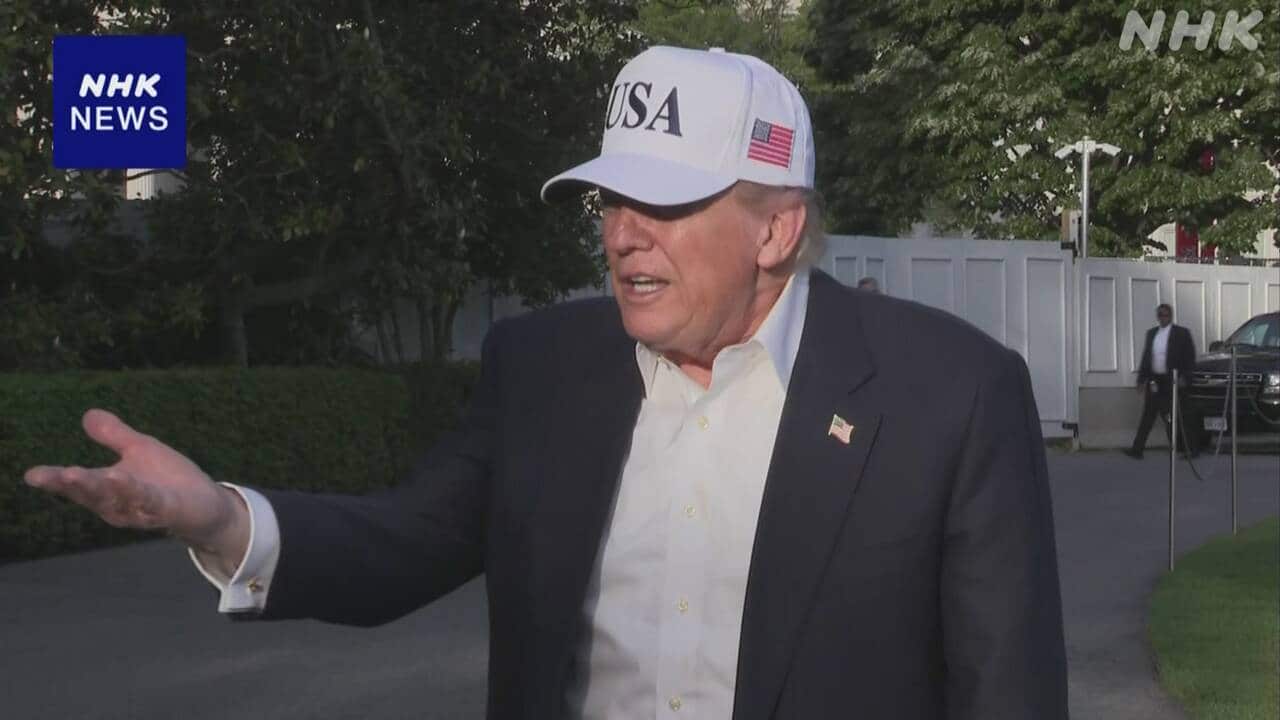
アメリカのトランプ大統領は3日間にわたる中国訪問を終えてホワイトハウスに戻りました。15日に放送されたインタビューでは台湾への武器売却について「中国しだいだ。われわれにとっては非常に有効な交渉材料だ」と述べ、中国との今後の交渉の切り札としたい考えを示唆しました。
トランプ大統領は中国の習近平国家主席との首脳会談など3日間にわたる北京での公式日程を終えて、15日、ホワイトハウスに戻りました。
そして記者団に対し「大成功だった。大きな取り引きができたし、よい関係が構築できた」と述べて、成果を強調しました。
また、これに先立ち、北京滞在中に収録されたトランプ大統領のインタビューをFOXニュースが15日、放送しました。
この中でトランプ大統領は「習近平国家主席にとって台湾は常に最重要事項だ」とした一方、「独立を望む人たちがいる。独立するのはリスクを伴う。アメリカが後ろ盾だと思っているようだが、私は現状維持を望む」と述べました。
また、台湾への武器売却について質問されたのに対し「するかもしれないし、しないかもしれない」と述べたうえで「それは中国しだいだ。われわれにとっては非常に有効な交渉材料だ」と述べ、中国との今後の交渉の切り札としたい考えを示唆しました。
このインタビューが収録されたあと、トランプ大統領は中国からアメリカに向かう大統領専用機の機内で記者団に対し、台湾に武器を売却するかどうかをめぐり「近いうちに判断を下す」と述べたほか、「私が話さなければならないのは台湾を率いている人だ」と述べ台湾側と協議する姿勢も見せています。
アメリカのFOXニュースは15日、北京滞在中に収録されたトランプ大統領のインタビューを放送しました。
この中でトランプ大統領は、中国の習近平国家主席との会談の中でAI=人工知能についても議論したと明らかにし、現在、主にアメリカと中国の競争になっているとしたうえで、「われわれは勝つつもりだ。中国を大きくリードしている。習主席はわれわれのAIの開発がうまくいっていることにとても驚いていた」と述べました。
そのうえで、両国でAIの安全対策について合意できる可能性はあるか問われると、「可能性はあるし、議論はした。しかし、われわれは競争しているので、一緒に安全対策を設けようというのは現実的にはあまりうまくいかないだろう。ただし、ある程度の安全対策は必要だ」と述べて、競争関係の中で、継続した議論が必要だという認識を示しました。
トランプ大統領は中国の習近平国家主席との首脳会談など3日間にわたる北京での公式日程を終えて、15日、ホワイトハウスに戻りました。
そして記者団に対し「大成功だった。大きな取り引きができたし、よい関係が構築できた」と述べて、成果を強調しました。
また、これに先立ち、北京滞在中に収録されたトランプ大統領のインタビューをFOXニュースが15日、放送しました。
この中でトランプ大統領は「習近平国家主席にとって台湾は常に最重要事項だ」とした一方、「独立を望む人たちがいる。独立するのはリスクを伴う。アメリカが後ろ盾だと思っているようだが、私は現状維持を望む」と述べました。
また、台湾への武器売却について質問されたのに対し「するかもしれないし、しないかもしれない」と述べたうえで「それは中国しだいだ。われわれにとっては非常に有効な交渉材料だ」と述べ、中国との今後の交渉の切り札としたい考えを示唆しました。
このインタビューが収録されたあと、トランプ大統領は中国からアメリカに向かう大統領専用機の機内で記者団に対し、台湾に武器を売却するかどうかをめぐり「近いうちに判断を下す」と述べたほか、「私が話さなければならないのは台湾を率いている人だ」と述べ台湾側と協議する姿勢も見せています。
アメリカのFOXニュースは15日、北京滞在中に収録されたトランプ大統領のインタビューを放送しました。
この中でトランプ大統領は、中国の習近平国家主席との会談の中でAI=人工知能についても議論したと明らかにし、現在、主にアメリカと中国の競争になっているとしたうえで、「われわれは勝つつもりだ。中国を大きくリードしている。習主席はわれわれのAIの開発がうまくいっていることにとても驚いていた」と述べました。
そのうえで、両国でAIの安全対策について合意できる可能性はあるか問われると、「可能性はあるし、議論はした。しかし、われわれは競争しているので、一緒に安全対策を設けようというのは現実的にはあまりうまくいかないだろう。ただし、ある程度の安全対策は必要だ」と述べて、競争関係の中で、継続した議論が必要だという認識を示しました。
この記事の単語 (75)
×10
中国
ちゅうごく
1. China 2. Chūgoku region of western Honshu (incl. Okayama, Hiroshima, Shimane, Tottori and Yamaguchi prefectures)
×9
述べる
のべる
to state; to express; to mention
×6
台湾
たいわん
Taiwan
×5
我々
われわれ
we
×4
交渉
こうしょう
1. negotiations; discussions 2. connection
×3
武器
ぶき
1. weapon; arms; ordnance 2. weapon (something used to gain an advantage); asset
×3
売却
ばいきゃく
selling off; disposal by sale; sale
×3
習近平
しゅうきんぺい
Xi Jinping (person)
×3
国家主席
こっかしゅせき
head of state
×3
北京
ペキン
Beijing (China); Peking
×3
収録
しゅうろく
1. compilation; editing 2. recording
×3
議論
ぎろん
argument; discussion; dispute; controversy
×3
安全対策
あんぜんたいさく
safety measure
×2
日間
ひあい
1. number of days; period of days 2. daily interest rate
×2
戻る
もどる
1. to turn back (e.g. half-way) 2. to return; to go back
×2
次第
しだい
1. depending on 2. as soon as; immediately after; upon
×2
非常
ひじょう
1. emergency 2. extraordinary; unusual
×2
有効
ゆうこう
1. valid; effective 2. yuko (judo)
×2
材料
ざいりょう
1. ingredients; material 2. material (for a novel, experiment, etc.); subject matter; data
×2
今後
こんご
from now on; hereafter
×2
切り札
きりふだ
1. trump card 2. ace up one's sleeve; secret weapon
×2
考え
かんがえ
1. thinking; thought; view; opinion; concept 2. idea; notion; imagination
×2
示唆
しさ
suggestion; hint; implication
×2
記者団
きしゃだん
press group; press corps; group of reporters; press organization; press organisation
×2
滞在
たいざい
stay; sojourn
×2
独立
どくりつ
1. independence; self-reliance; supporting oneself; being on one's own 2. independence (e.g. of a nation); freedom
×2
望む
のぞむ
1. to desire 2. to wish for; to expect
×2
知れる
しれる
1. to become known; to come to light; to be discovered 2. to be known; to be understood
×2
旨い
うまい
1. skillful; skilful; clever; expert; wise; successful 2. delicious; appetizing; appetising; tasty
×2
可能性
かのうせい
potentiality; likelihood; possibility; availability
×1
訪問
ほうもん
call; visit
×1
首脳会談
しゅのうかいだん
leadership conference; summit meeting; top-level conference
×1
公式
こうしき
1. official; formal 2. formula (e.g. mathematical)
×1
日程
にってい
schedule; program; programme; agenda
×1
大成功
だいせいこう
huge success
×1
取り引き
とりひき
transactions; dealings; business
×1
構築
こうちく
construction; building; putting up; erecting; creation; formulation; architecture (systems, agreement, etc.)
×1
成果
せいか
(good) result; outcome; fruits (of one's labors); product; accomplishment
×1
強調
きょうちょう
emphasis; highlight; stress; stressed point
×1
先立つ
さきだつ
1. to lead; to take the lead (in doing something) 2. to precede; to go before; to take precedence
×1
常
つね
usual state of things
×1
最重要
さいじゅうよう
most important
×1
事項
じこう
matter; item; facts
×1
伴う
ともなう
1. to accompany; to go hand in hand with; to be consequent upon 2. to be accompanied by; to bring with; to take with; to be involved in
×1
後ろ盾
うしろだて
1. backing; support; backer; supporter; patron; sponsor 2. shield that protects one's back
×1
現状維持
げんじょういじ
maintaining the status quo
×1
大統領
だいとうりょう
1. president (of a nation) 2. big man; boss; buddy; mate
×1
専用機
せんようき
personal aeroplane; personal airplane
×1
機内
きない
inside a plane; in-flight
×1
巡る
めぐる
1. to go around 2. to return
×1
近いうちに
ちかいうちに
before long
×1
判断
はんだん
1. judgment; judgement; decision; conclusion; adjudication 2. divination
×1
下す
くだす
1. to make a decision; to draw a conclusion 2. to give a judgement; to hand down a verdict; to pass a sentence; to give an order
×1
率いる
ひきいる
to lead; to spearhead (a group); to command (troops)
×1
協議
きょうぎ
conference; consultation; discussion; negotiation
×1
姿勢
しせい
1. posture; pose; position; stance; carriage (of the body) 2. attitude; approach; stance
×1
会談
かいだん
conversation; conference (usu. between important people); discussion; interview
×1
人工知能
じんこうちのう
artificial intelligence; AI
×1
明らか
あきらか
1. clear; obvious; evident; plain; definite 2. bright; light
×1
現在
げんざい
now; current; present; present time; as of
×1
主に
おもに
mainly; primarily
×1
大きい
おおきい
1. big; large; great 2. loud
×1
主席
しゅせき
1. head; chief 2. chairman; governor; president
×1
開発
かいはつ
development; exploitation
×1
驚く
おどろく
to be surprised; to be astonished
×1
両国
りょうこく
1. both countries 2. Ryōgoku (area of Tokyo)
×1
合意
ごうい
(coming to an) agreement; consent; mutual understanding; accord; consensus
×1
問う
とう
1. to ask; to inquire 2. to blame (someone) for; to accuse of; to pursue (question of responsibility); to charge with
×1
設ける
もうける
1. to prepare; to provide 2. to set up; to establish; to organize; to lay down (rules); to make (an excuse)
×1
現実的
げんじつてき
realistic; pragmatic
×1
但し
ただし
but; however; provided that
×1
程度
ていど
degree; amount; grade; standard; of the order of (following a number); about; approximately
×1
継続
けいぞく
continuation
×1
認識
にんしき
recognition; awareness; perception; understanding; knowledge; cognition; cognizance; cognisance
×1
示す
しめす
1. to (take out and) show; to demonstrate; to tell; to exemplify; to make apparent 2. to point out (finger, clock hand, needle, etc.)