スマホ使いすぎ? KDDI、スマホ依存を1分で測るチェックツール
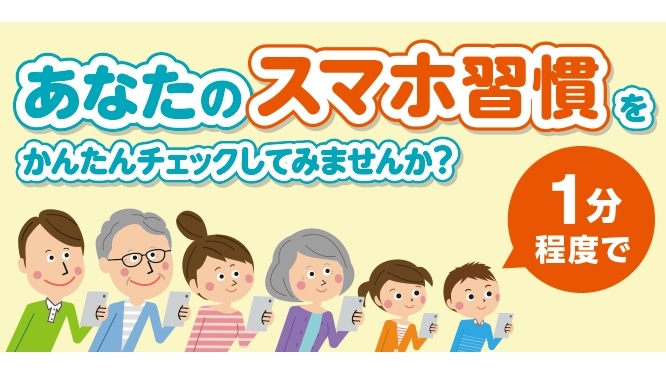
KDDIとKDDI総合研究所は、スマートフォンの使い方や依存傾向をスコア化し、スマホ習慣についてアドバイスを受け取れるチェックツール「スマホ習慣セルフチェック」をKDDI公式サイトに公開した。
KDDI総合研究所と東京科学大学が共同開発したもので、12問の質問に答えるだけでスマホの利用状況や習慣を把握できる。スマホを使いすぎだと感じている人だけでなく、使いすぎをあまり意識していない人にも、結果に応じた具体的な工夫やアドバイスを提供する。
設問は直感的に答えられる内容とし、平均約1分で利用習慣を振り返れるため、すきま時間に利用できるほか、学校などでの活用も想定する。評価は利用状況に加え、心の状態やスマホ使用のきっかけ、習慣など複数の観点を組み合わせて多面的に判断する。
結果はスコアが100に近いほど注意が必要な傾向を示し、一定以上の場合は研究成果や臨床心理士・看護師資格保有者の知見にもとづくアドバイスをフィードバックする。最新のスマホ依存に関する調査結果に基づくスコア分布の中で自分の位置を視覚的に確認でき、見直しのきっかけにできるという。
背景には、スマホは生活に欠かせない存在となった一方、依存が社会課題となり、注意力や集中力の低下、睡眠障害、不安や抑うつ症状の増加など、心身への影響が指摘されていることがある。
KDDIとKDDI総合研究所は2016年から、スマホ依存の実態や影響に関する研究を進めてきたが、従来の依存尺度によるテストでは変化する利用傾向や心の状態、利用のきっかけを十分に捉えにくいとして、同ツールの開発に至った。
KDDIとKDDI総合研究所は、スマートフォンの使い方や依存傾向をスコア化し、スマホ習慣についてアドバイスを受け取れるチェックツール「スマホ習慣セルフチェック」をKDDI公式サイトに公開した。 KDDI総合研究所と東京科学大学が共同開発したもので、12問の質問に答えるだけでスマホの利用状況や習慣を把握できる。スマホを使いすぎだと感じている人だけでなく、使いすぎをあまり意識していない人にも、結果に応じた具体的な工夫やアドバイスを提供する。 設問は直感的に答えられる内容とし、平均約1分で利用習慣を振り返れるため、すきま時間に利用できるほか、学校などでの活用も想定する。評価は利用状況に加え、心の状態やスマホ使用のきっかけ、習慣など複数の観点を組み合わせて多面的に判断する。 結果はスコアが100に近いほど注意が必要な傾向を示し、一定以上の場合は研究成果や臨床心理士・看護師資格保有者の知見にもとづくアドバイスをフィードバックする。最新のスマホ依存に関する調査結果に基づくスコア分布の中で自分の位置を視覚的に確認でき、見直しのきっかけにできるという。 背景には、スマホは生活に欠かせない存在となった一方、依存が社会課題となり、注意力や集中力の低下、睡眠障害、不安や抑うつ症状の増加など、心身への影響が指摘されていることがある。 KDDIとKDDI総合研究所は2016年から、スマホ依存の実態や影響に関する研究を進めてきたが、従来の依存尺度によるテストでは変化する利用傾向や心の状態、利用のきっかけを十分に捉えにくいとして、同ツールの開発に至った。
KDDIとKDDI総合研究所は、スマートフォンの使い方や依存傾向をスコア化し、スマホ習慣についてアドバイスを受け取れるチェックツール「スマホ習慣セルフチェック」をKDDI公式サイトに公開した。 KDDI総合研究所と東京科学大学が共同開発したもので、12問の質問に答えるだけでスマホの利用状況や習慣を把握できる。スマホを使いすぎだと感じている人だけでなく、使いすぎをあまり意識していない人にも、結果に応じた具体的な工夫やアドバイスを提供する。 設問は直感的に答えられる内容とし、平均約1分で利用習慣を振り返れるため、すきま時間に利用できるほか、学校などでの活用も想定する。評価は利用状況に加え、心の状態やスマホ使用のきっかけ、習慣など複数の観点を組み合わせて多面的に判断する。 結果はスコアが100に近いほど注意が必要な傾向を示し、一定以上の場合は研究成果や臨床心理士・看護師資格保有者の知見にもとづくアドバイスをフィードバックする。最新のスマホ依存に関する調査結果に基づくスコア分布の中で自分の位置を視覚的に確認でき、見直しのきっかけにできるという。 背景には、スマホは生活に欠かせない存在となった一方、依存が社会課題となり、注意力や集中力の低下、睡眠障害、不安や抑うつ症状の増加など、心身への影響が指摘されていることがある。 KDDIとKDDI総合研究所は2016年から、スマホ依存の実態や影響に関する研究を進めてきたが、従来の依存尺度によるテストでは変化する利用傾向や心の状態、利用のきっかけを十分に捉えにくいとして、同ツールの開発に至った。
Vocabulary
General
Proper noun
JLPT N2
JLPT N1
| # | 言葉 | 意味 |
|---|---|---|
| 10 | 依存 | いぞん (依存) : dependence; reliance |
| 6 | 総合 | そうごう (総合) : 1. synthesis; coordination; putting together; integration; composite 2. comprehensive |
| 6 | 研究所 | けんきゅうしょ (研究所) : research establishment; research institute; laboratory |
| 6 | 傾向 | けいこう (傾向) : tendency; trend; inclination |
| 6 | きっかけ | きっかけ (切っ掛け) : chance; start; cue; excuse; motive; impetus; occasion |
| 4 | 結果 | けっか (結果) : 1. result; consequence; outcome; effect 2. coming to fruition; bearing fruit |
| 4 | 状態 | じょうたい (状態) : state; condition; situation; appearance; circumstances |
| 4 | 関する | かんする (関する) : to concern; to be related |
| 4 | 影響 | えいきょう (影響) : 1. influence; effect 2. to influence; to affect; to have an influence on; to impact; to have an effect on |
| 2 | 使い方 | つかいかた (使い方) : way to use something; treatment; management (of help) |
| 2 | 化 | か (化) : action of making something; -ification |
| 2 | 公式サイト | こうしきサイト (公式サイト) : official website |
| 2 | 公開 | こうかい (公開) : opening to the public; making available to the public; putting on display; exhibiting; showing (play, movie, etc.); holding (interview, etc.); open; public |
| 2 | 東京 | とうきょう (東京) : Tokyo |
| 2 | 科学 | かがく (科学) : science |
| 2 | 大学 | だいがく (大学) : 1. university; college 2. former central university of Kyoto (established under the ritsuryo system for the training of government administrators) |
| 2 | 共同開発 | きょうどうかいはつ (共同開発) : joint development |
| 2 | 把握 | はあく (把握) : grasp; catch; understanding |
| 2 | 感ずる | かんずる (感ずる) : to feel; to sense |
| 2 | 意識 | いしき (意識) : 1. consciousness 2. becoming aware (of); awareness; sense |
| 2 | 応ずる | おうずる (応ずる) : 1. to answer; to respond; to meet 2. to satisfy; to accept |
| 2 | 具体的 | ぐたいてき (具体的) : concrete; definite; specific; material; substantial |
| 2 | 工夫 | くふう (工夫) : 1. devising (a way); contriving; figuring out; coming up with; working out; inventing 2. device; design; idea; plan; invention |
| 2 | 提供 | ていきょう (提供) : 1. offer; tender; providing; supplying; making available; donating (blood, organs, etc.) 2. sponsoring (a TV program) |
| 2 | 設問 | せつもん (設問) : 1. posing a question 2. question |
| 2 | 直感的 | ちょっかんてき (直感的) : intuitive |
| 2 | 答える | こたえる (答える) : to answer; to reply |
| 2 | 内容 | ないよう (内容) : contents; content; substance; matter; detail; import |
| 2 | 平均 | へいきん (平均) : 1. average; mean 2. balance; equilibrium |
| 2 | すきま | すきま (隙間) : 1. crevice; crack; gap; opening; clearance 2. spare moment; interval; break; pause; spare time |
| 2 | 活用 | かつよう (活用) : 1. practical use; application 2. conjugation; inflection |
| 2 | 想定 | そうてい (想定) : hypothesis; supposition; assumption |
| 2 | 評価 | ひょうか (評価) : 1. valuation; appraisal; evaluation; assessment; estimation; rating; judging 2. appreciation; recognition; acknowledgement; rating highly; praising |
| 2 | 使用 | しよう (使用) : use; application; employment; utilization; utilisation |
| 2 | 複数 | ふくすう (複数) : plural; multiple; several |
| 2 | 観点 | かんてん (観点) : point of view |
| 2 | 組み合わせる | くみあわせる (組み合わせる) : to join together; to combine; to join up |
| 2 | 多面的 | ためんてき (多面的) : multifaceted; versatile |
| 2 | 判断 | はんだん (判断) : 1. judgment; judgement; decision; conclusion; adjudication 2. divination |
| 2 | 示す | しめす (示す) : 1. to (take out and) show; to demonstrate; to tell; to exemplify; to make apparent 2. to point out (finger, clock hand, needle, etc.) |
| 2 | 一定 | いってい (一定) : fixed; settled; constant; definite; uniform; regularized; regularised; defined; standardized; standardised; certain; prescribed |
| 2 | 成果 | せいか (成果) : (good) result; outcome; fruits (of one's labors); product; accomplishment |
| 2 | 臨床心理士 | りんしょうしんりし (臨床心理士) : clinical psychologist; clinical psychotherapist |
| 2 | 看護師 | かんごし (看護師) : (hospital) nurse; registered nurse; RN |
| 2 | 知見 | ちけん (知見) : expertise; experience; knowledge |
| 2 | もとづく | もとづく (基づく) : to be grounded on; to be based on; to be due to; to originate from |
| 2 | 最新 | さいしん (最新) : latest; newest; late-breaking (news) |
| 2 | 調査結果 | ちょうさけっか (調査結果) : results (of a study) |
| 2 | 基づく | もとづく (基づく) : to be grounded on; to be based on; to be due to; to originate from |
| 2 | 分布 | ぶんぷ (分布) : distribution; allocation |
| 2 | 位置 | いち (位置) : place; situation; position; location |
| 2 | 視覚的 | しかくてき (視覚的) : visual |
| 2 | 確認 | かくにん (確認) : confirmation; verification; validation; review; check; affirmation; identification |
| 2 | 見直し | みなおし (見直し) : review; reconsideration; revision |
| 2 | 背景 | はいけい (背景) : 1. background; scenery; backdrop; setting 2. background (of an incident, situation, etc.); circumstances; context |
| 2 | 存在 | そんざい (存在) : existence; being |
| 2 | 課題 | かだい (課題) : 1. subject; theme; issue; matter 2. homework; assignment |
| 2 | 注意力 | ちゅういりょく (注意力) : attentiveness |
| 2 | 集中力 | しゅうちゅうりょく (集中力) : (powers of) concentration; ability to concentrate |
| 2 | 低下 | ていか (低下) : fall; decline; lowering; deterioration; degradation |
| 2 | 睡眠障害 | すいみんしょうがい (睡眠障害) : sleep disorder |
| 2 | 不安 | ふあん (不安) : anxiety; uneasiness; worry; apprehension; fear; insecurity; suspense |
| 2 | 抑うつ | よくうつ (抑鬱) : dejection; depression |
| 2 | 症状 | しょうじょう (症状) : symptoms; condition (of a patient) |
| 2 | 増加 | ぞうか (増加) : increase; rise; growth; addition; increment |
| 2 | 心身 | しんしん (心身) : mind and body |
| 2 | 指摘 | してき (指摘) : pointing out; identification |
| 2 | 実態 | じったい (実態) : true state; actual condition; reality |
| 2 | 進める | すすめる (進める) : 1. to advance; to move forward; to put (a clock, watch) forward 2. to carry forward (plans, work, etc.); to proceed with; to make progress in; to further; to advance; to hasten; to speed up |
| 2 | 従来 | じゅうらい (従来) : 1. up to now; so far 2. traditional; conventional; usual; existing |
| 2 | 尺度 | しゃくど (尺度) : 1. gauge; standard; measure; criterion; index 2. length; size |
| 2 | 変化 | へんか (変化) : 1. change; variation; alteration; mutation; transition; transformation; transfiguration; metamorphosis 2. variety; diversity |
| 2 | 捉える | とらえる (捉える) : 1. to catch; to capture; to seize; to arrest; to grab; to catch hold of 2. to grasp (e.g. meaning); to perceive; to capture (e.g. features) |
| 2 | 開発 | かいはつ (開発) : development; exploitation |
| 2 | 至る | いたる (至る) : 1. to arrive at (e.g. a decision); to reach (a stage); to attain 2. to lead to (a place); to get to |