EC購入の自動化「レベル5」は実現できるのか? Stripeとエージェントコマースの現在地
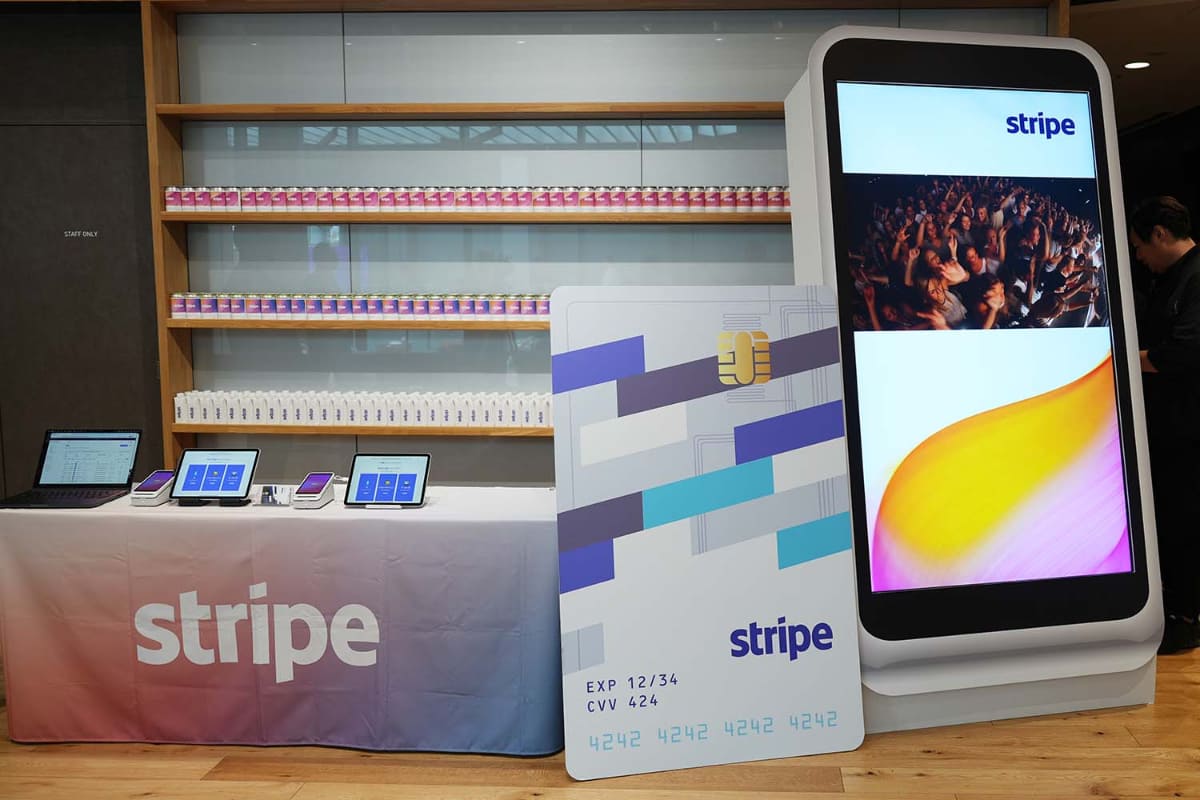
Stripeは15日、国内におけるエージェンティック・コマースの実態調査を発表するとともに、同社の取り組みを紹介した。エージェンティック・コマースについては、今後の進化について自動車の自動運転のような「レベル」を定義し、完全に人を介さない「レベル5=先回り購入」の実現に向けて、歩みを進めていく。
ChatGPTなどのAIサービスから買い物を行なう、あるいはAIエージェントを活用したショッピングサービスなど、AIエージェントを活用した「ショッピング体験」の刷新は各社が取り組みを進めている。オンラインショッピング(EC)だけでなく、AI活用、AIの社会実装に向けたトレンドとして注目を集めている。
その中でも大きな動きと見られるのは、25年9月にOpenAIが発表した「Instant Checkout」と、エージェントコマースのためのプロトコル「ACP(Agentic Commerce Protocol)」の登場だろう。
ChatGPTに欲しい商品について相談できるだけでなく、ChatGPT上から直接商品購入できるという仕組みだ。例えば、「100ドル以下のランニングシューズのおすすめ」といった質問に対し、ChatGPTがECやWebサイトから関連性の高い商品の検索結果を表示。商品がInstant Checkout対応の場合、ユーザーは「購入」をタップして、注文内容・配送先・支払い情報を確認し、チャット画面を離れることなく購入を完了できる。
このInstant CheckoutやACPの決済側の面を担うのがStripeだ。
Stripeは今回、小売業・飲食業・サービス業・金融・保険業を中心に、ECでサービスを展開している全国の従業員数1,000名以上の企業に調査を実施。調査では、日本では展開していないが、「エージェンティック・コマース」というワードや概念は既に浸透し始めているとし、約7割もの企業は、2~3年以内に日本のビジネスに何らかの影響を及ぼすとみているという。
まだ動きはないが、64.4%が3年以内の導入に向けて計画を進めており、早期導入に意欲的であるという。
エージェンティック・コマースに対し、「自動化・業務効率化」と「購買率・売上向上」への期待は大きい。一方で、不安要素としては、「セキュリティ対策の整備」をはじめ、エージェンティック・コマースの運用に不可欠となる「顧客データ基盤の整備」、「決済インフラの整備」、「API・システム連携」などが課題として挙げられている。
■ まるで自動運転? エージェンティックコマースの「レベル5」
期待はされているものの、日本ではほぼ「始まっていない」ともいえるエージェンティック・コマース(ChatGPTのInstant Checkoutは米国のみ開始)。ただし、Stripeでは着実に対応を進めている。
Stripeでは社内開発向けのAIエージェントツール「Minions」や、外部開発支援ツール「Stripe Projects」などを提供している。Minionsは人間の指示なしでプログラミングを完結するAIエージェントで、週1,300以上のプルリクエストを生成。300万以上のテストで品質担保しているという。
Stripe Projectsはターミナル完結型で、CLIからコマンド入力で、Webサービス開発に必要なStripeと外部プロバイダとのインフラ連携を一括管理。ホスティングやデータベース、認証・分析などに対応し、エージェントによる安全な操作を支援している。Vercelなどの多くのプロバイダに対応し、短期間で実際に動くサービス構築を可能としているなど、AI活用を進めている。
ただし、エージェンティック・コマースの実現には、EC事業者の準備だけでなく、ユーザーの変化や、社会的な受容など、多くのハードルも残されている。
そこでStripeが示すのが、エージェンティック・コマースの5段階モデルだ。自動運転レベル分けによく似たもので、レベル1の「入力作業の代行」から、レベル5の「先回り購入」まで、エージェンティック・コマースの進化の段階を示している。
・レベル1:入力作業の自動代行(支払いや配送情報の自動入力)
・レベル2:文脈による検索(曖昧な目的から商品を提案・意思決定を支援)
・レベル3:情報の継承(履歴や好みの活用。パーソナライズされた提案)
・レベル4:判断の移譲(「予算1万円」などの設定のみで購入まで自律)
・レベル5:先回り購入(AIが先回りして必要なものを用意)
現時点のエージェンティック・コマースは、入力作業の代行、意思決定の支援にとどまっており、ChatGPTのInstant Checkoutでも、購入決定はユーザーの判断を必要としている。そのため現時点では「レベル1~2付近」(ストライプジャパン ダニエル・へフェルナン代表取締役)とする。
エージェンティック・コマースの拡大には、技術的な準備だけでなく、エコシステム全体での対応や最適化が必要となってくる。
■ エージェント同士で自動決済「マシン決済」
こうした世界に向け、StripeではOpenAIと共同開発した「ACP」やエージェントが安全に決済を承認・転送する「Shared Payment Tokens(SPT)」、ツール群の「Agentic Commerce Suite」などを提供。加えて、人間を介さず、AIエージェント同士が自動的に決済を行なえるようにするプロトコル「マシン決済」(Machine Payments Protocol/MPP)も展開を開始している。
マシン決済(MPP)は、決済特化型ブロックチェーンのTempoと共同で開発。Stripeの上で、Shared Payment Token (SPT)を介したステーブルコインのほか、カードや後払い(BNPL) で、AIエージェント同士が直接決済できる新たな経済基盤と位置づける。
今後、エージェンティック・コマースの「レベル5」実現時期については、「まだ全然わからない」(へフェルナン氏)。ただし、特にMPPの提供を開始してから見えてきたものもあるとする。
例えば、Claude Codeによるソフトウェア開発でも、必要なタスクに対してトークンの予算(バジェット)を割り当てていくといったことが定着しつつある。
MPPでも同様に、AIエージェントの決済までの作業に応じて予算を設定。例えば、飛行機の予約や検索に少額のトークンやAPI利用の予算を渡し、操作や購入を委ねることで、人を介さずにエージェントだけで自動的に目的の動作を実行し、決済できるようにする。
ストライプジャパンのへフェルナン氏によれば、MPP=「マシンによる自律決済」を市場に出してからの評価が高く、今後の展開が見え始めているという。
「わかってきたのは、ユースケースによって必要なことが全く違うということ。例えば、小売とSaaSでは、エージェントの振る舞いも違い、人が期待していることも違う。たくさんのユースケースを理解し、適応できるところを見つけながら、繰り返し検証していくことが必要」と説明。いきなりAIに高額な購買やすべての意思決定を任せるのではなく、まずは外部リソースへのアクセスのために少額の予算をエージェントに渡し、小さな取引から実績を積ませる「スモールスタート」としてMPPに手応えを感じていると語り、こうした積み重ねで「レベル5に近づいていける」と説明した。
なお、エージェンティック・コマース拡大に向けて期待されたOpenAIのInstant Checkoutは、まだ日本では始まっていない。加えて、OpenAIが企業を重視した戦略転換を図り、コマースの重要度を下げているとも伝えられている。
こうした事情の影響はないのだろうか?
ストライプジャパンの平賀充 代表取締役は、「AIを使ったコマース自体が、まだ始まったばかり。そこは一喜一憂せずに、市場の動向を見ていく。ACPを25年9月に発表してから、本当に1週間ごとにダイナミックにいろいろな状況が変わっているが、技術の変革を注視しながら、市場からのフィードバックをもらい、全体的なAIプラットフォームの戦略をまとめていく」とした。
Stripeは15日、国内におけるエージェンティック・コマースの実態調査を発表するとともに、同社の取り組みを紹介した。エージェンティック・コマースについては、今後の進化について自動車の自動運転のような「レベル」を定義し、完全に人を介さない「レベル5=先回り購入」の実現に向けて、歩みを進めていく。 ChatGPTなどのAIサービスから買い物を行なう、あるいはAIエージェントを活用したショッピングサービスなど、AIエージェントを活用した「ショッピング体験」の刷新は各社が取り組みを進めている。オンラインショッピング(EC)だけでなく、AI活用、AIの社会実装に向けたトレンドとして注目を集めている。 その中でも大きな動きと見られるのは、25年9月にOpenAIが発表した「Instant Checkout」と、エージェントコマースのためのプロトコル「ACP(Agentic Commerce Protocol)」の登場だろう。 ChatGPTに欲しい商品について相談できるだけでなく、ChatGPT上から直接商品購入できるという仕組みだ。例えば、「100ドル以下のランニングシューズのおすすめ」といった質問に対し、ChatGPTがECやWebサイトから関連性の高い商品の検索結果を表示。商品がInstant Checkout対応の場合、ユーザーは「購入」をタップして、注文内容・配送先・支払い情報を確認し、チャット画面を離れることなく購入を完了できる。 このInstant CheckoutやACPの決済側の面を担うのがStripeだ。 Stripeは今回、小売業・飲食業・サービス業・金融・保険業を中心に、ECでサービスを展開している全国の従業員数1,000名以上の企業に調査を実施。調査では、日本では展開していないが、「エージェンティック・コマース」というワードや概念は既に浸透し始めているとし、約7割もの企業は、2~3年以内に日本のビジネスに何らかの影響を及ぼすとみているという。 まだ動きはないが、64.4%が3年以内の導入に向けて計画を進めており、早期導入に意欲的であるという。 エージェンティック・コマースに対し、「自動化・業務効率化」と「購買率・売上向上」への期待は大きい。一方で、不安要素としては、「セキュリティ対策の整備」をはじめ、エージェンティック・コマースの運用に不可欠となる「顧客データ基盤の整備」、「決済インフラの整備」、「API・システム連携」などが課題として挙げられている。 ■ まるで自動運転? エージェンティックコマースの「レベル5」 期待はされているものの、日本ではほぼ「始まっていない」ともいえるエージェンティック・コマース(ChatGPTのInstant Checkoutは米国のみ開始)。ただし、Stripeでは着実に対応を進めている。 Stripeでは社内開発向けのAIエージェントツール「Minions」や、外部開発支援ツール「Stripe Projects」などを提供している。Minionsは人間の指示なしでプログラミングを完結するAIエージェントで、週1,300以上のプルリクエストを生成。300万以上のテストで品質担保しているという。 Stripe Projectsはターミナル完結型で、CLIからコマンド入力で、Webサービス開発に必要なStripeと外部プロバイダとのインフラ連携を一括管理。ホスティングやデータベース、認証・分析などに対応し、エージェントによる安全な操作を支援している。Vercelなどの多くのプロバイダに対応し、短期間で実際に動くサービス構築を可能としているなど、AI活用を進めている。 ただし、エージェンティック・コマースの実現には、EC事業者の準備だけでなく、ユーザーの変化や、社会的な受容など、多くのハードルも残されている。 そこでStripeが示すのが、エージェンティック・コマースの5段階モデルだ。自動運転レベル分けによく似たもので、レベル1の「入力作業の代行」から、レベル5の「先回り購入」まで、エージェンティック・コマースの進化の段階を示している。 ・レベル1:入力作業の自動代行(支払いや配送情報の自動入力) ・レベル2:文脈による検索(曖昧な目的から商品を提案・意思決定を支援) ・レベル3:情報の継承(履歴や好みの活用。パーソナライズされた提案) ・レベル4:判断の移譲(「予算1万円」などの設定のみで購入まで自律) ・レベル5:先回り購入(AIが先回りして必要なものを用意) 現時点のエージェンティック・コマースは、入力作業の代行、意思決定の支援にとどまっており、ChatGPTのInstant Checkoutでも、購入決定はユーザーの判断を必要としている。そのため現時点では「レベル1~2付近」(ストライプジャパン ダニエル・へフェルナン代表取締役)とする。 エージェンティック・コマースの拡大には、技術的な準備だけでなく、エコシステム全体での対応や最適化が必要となってくる。 ■ エージェント同士で自動決済「マシン決済」 こうした世界に向け、StripeではOpenAIと共同開発した「ACP」やエージェントが安全に決済を承認・転送する「Shared Payment Tokens(SPT)」、ツール群の「Agentic Commerce Suite」などを提供。加えて、人間を介さず、AIエージェント同士が自動的に決済を行なえるようにするプロトコル「マシン決済」(Machine Payments Protocol/MPP)も展開を開始している。 マシン決済(MPP)は、決済特化型ブロックチェーンのTempoと共同で開発。Stripeの上で、Shared Payment Token (SPT)を介したステーブルコインのほか、カードや後払い(BNPL) で、AIエージェント同士が直接決済できる新たな経済基盤と位置づける。 今後、エージェンティック・コマースの「レベル5」実現時期については、「まだ全然わからない」(へフェルナン氏)。ただし、特にMPPの提供を開始してから見えてきたものもあるとする。 例えば、Claude Codeによるソフトウェア開発でも、必要なタスクに対してトークンの予算(バジェット)を割り当てていくといったことが定着しつつある。 MPPでも同様に、AIエージェントの決済までの作業に応じて予算を設定。例えば、飛行機の予約や検索に少額のトークンやAPI利用の予算を渡し、操作や購入を委ねることで、人を介さずにエージェントだけで自動的に目的の動作を実行し、決済できるようにする。 ストライプジャパンのへフェルナン氏によれば、MPP=「マシンによる自律決済」を市場に出してからの評価が高く、今後の展開が見え始めているという。 「わかってきたのは、ユースケースによって必要なことが全く違うということ。例えば、小売とSaaSでは、エージェントの振る舞いも違い、人が期待していることも違う。たくさんのユースケースを理解し、適応できるところを見つけながら、繰り返し検証していくことが必要」と説明。いきなりAIに高額な購買やすべての意思決定を任せるのではなく、まずは外部リソースへのアクセスのために少額の予算をエージェントに渡し、小さな取引から実績を積ませる「スモールスタート」としてMPPに手応えを感じていると語り、こうした積み重ねで「レベル5に近づいていける」と説明した。 なお、エージェンティック・コマース拡大に向けて期待されたOpenAIのInstant Checkoutは、まだ日本では始まっていない。加えて、OpenAIが企業を重視した戦略転換を図り、コマースの重要度を下げているとも伝えられている。 こうした事情の影響はないのだろうか? ストライプジャパンの平賀充 代表取締役は、「AIを使ったコマース自体が、まだ始まったばかり。そこは一喜一憂せずに、市場の動向を見ていく。ACPを25年9月に発表してから、本当に1週間ごとにダイナミックにいろいろな状況が変わっているが、技術の変革を注視しながら、市場からのフィードバックをもらい、全体的なAIプラットフォームの戦略をまとめていく」とした。
Stripeは15日、国内におけるエージェンティック・コマースの実態調査を発表するとともに、同社の取り組みを紹介した。エージェンティック・コマースについては、今後の進化について自動車の自動運転のような「レベル」を定義し、完全に人を介さない「レベル5=先回り購入」の実現に向けて、歩みを進めていく。 ChatGPTなどのAIサービスから買い物を行なう、あるいはAIエージェントを活用したショッピングサービスなど、AIエージェントを活用した「ショッピング体験」の刷新は各社が取り組みを進めている。オンラインショッピング(EC)だけでなく、AI活用、AIの社会実装に向けたトレンドとして注目を集めている。 その中でも大きな動きと見られるのは、25年9月にOpenAIが発表した「Instant Checkout」と、エージェントコマースのためのプロトコル「ACP(Agentic Commerce Protocol)」の登場だろう。 ChatGPTに欲しい商品について相談できるだけでなく、ChatGPT上から直接商品購入できるという仕組みだ。例えば、「100ドル以下のランニングシューズのおすすめ」といった質問に対し、ChatGPTがECやWebサイトから関連性の高い商品の検索結果を表示。商品がInstant Checkout対応の場合、ユーザーは「購入」をタップして、注文内容・配送先・支払い情報を確認し、チャット画面を離れることなく購入を完了できる。 このInstant CheckoutやACPの決済側の面を担うのがStripeだ。 Stripeは今回、小売業・飲食業・サービス業・金融・保険業を中心に、ECでサービスを展開している全国の従業員数1,000名以上の企業に調査を実施。調査では、日本では展開していないが、「エージェンティック・コマース」というワードや概念は既に浸透し始めているとし、約7割もの企業は、2~3年以内に日本のビジネスに何らかの影響を及ぼすとみているという。 まだ動きはないが、64.4%が3年以内の導入に向けて計画を進めており、早期導入に意欲的であるという。 エージェンティック・コマースに対し、「自動化・業務効率化」と「購買率・売上向上」への期待は大きい。一方で、不安要素としては、「セキュリティ対策の整備」をはじめ、エージェンティック・コマースの運用に不可欠となる「顧客データ基盤の整備」、「決済インフラの整備」、「API・システム連携」などが課題として挙げられている。 ■ まるで自動運転? エージェンティックコマースの「レベル5」 期待はされているものの、日本ではほぼ「始まっていない」ともいえるエージェンティック・コマース(ChatGPTのInstant Checkoutは米国のみ開始)。ただし、Stripeでは着実に対応を進めている。 Stripeでは社内開発向けのAIエージェントツール「Minions」や、外部開発支援ツール「Stripe Projects」などを提供している。Minionsは人間の指示なしでプログラミングを完結するAIエージェントで、週1,300以上のプルリクエストを生成。300万以上のテストで品質担保しているという。 Stripe Projectsはターミナル完結型で、CLIからコマンド入力で、Webサービス開発に必要なStripeと外部プロバイダとのインフラ連携を一括管理。ホスティングやデータベース、認証・分析などに対応し、エージェントによる安全な操作を支援している。Vercelなどの多くのプロバイダに対応し、短期間で実際に動くサービス構築を可能としているなど、AI活用を進めている。 ただし、エージェンティック・コマースの実現には、EC事業者の準備だけでなく、ユーザーの変化や、社会的な受容など、多くのハードルも残されている。 そこでStripeが示すのが、エージェンティック・コマースの5段階モデルだ。自動運転レベル分けによく似たもので、レベル1の「入力作業の代行」から、レベル5の「先回り購入」まで、エージェンティック・コマースの進化の段階を示している。 ・レベル1:入力作業の自動代行(支払いや配送情報の自動入力) ・レベル2:文脈による検索(曖昧な目的から商品を提案・意思決定を支援) ・レベル3:情報の継承(履歴や好みの活用。パーソナライズされた提案) ・レベル4:判断の移譲(「予算1万円」などの設定のみで購入まで自律) ・レベル5:先回り購入(AIが先回りして必要なものを用意) 現時点のエージェンティック・コマースは、入力作業の代行、意思決定の支援にとどまっており、ChatGPTのInstant Checkoutでも、購入決定はユーザーの判断を必要としている。そのため現時点では「レベル1~2付近」(ストライプジャパン ダニエル・へフェルナン代表取締役)とする。 エージェンティック・コマースの拡大には、技術的な準備だけでなく、エコシステム全体での対応や最適化が必要となってくる。 ■ エージェント同士で自動決済「マシン決済」 こうした世界に向け、StripeではOpenAIと共同開発した「ACP」やエージェントが安全に決済を承認・転送する「Shared Payment Tokens(SPT)」、ツール群の「Agentic Commerce Suite」などを提供。加えて、人間を介さず、AIエージェント同士が自動的に決済を行なえるようにするプロトコル「マシン決済」(Machine Payments Protocol/MPP)も展開を開始している。 マシン決済(MPP)は、決済特化型ブロックチェーンのTempoと共同で開発。Stripeの上で、Shared Payment Token (SPT)を介したステーブルコインのほか、カードや後払い(BNPL) で、AIエージェント同士が直接決済できる新たな経済基盤と位置づける。 今後、エージェンティック・コマースの「レベル5」実現時期については、「まだ全然わからない」(へフェルナン氏)。ただし、特にMPPの提供を開始してから見えてきたものもあるとする。 例えば、Claude Codeによるソフトウェア開発でも、必要なタスクに対してトークンの予算(バジェット)を割り当てていくといったことが定着しつつある。 MPPでも同様に、AIエージェントの決済までの作業に応じて予算を設定。例えば、飛行機の予約や検索に少額のトークンやAPI利用の予算を渡し、操作や購入を委ねることで、人を介さずにエージェントだけで自動的に目的の動作を実行し、決済できるようにする。 ストライプジャパンのへフェルナン氏によれば、MPP=「マシンによる自律決済」を市場に出してからの評価が高く、今後の展開が見え始めているという。 「わかってきたのは、ユースケースによって必要なことが全く違うということ。例えば、小売とSaaSでは、エージェントの振る舞いも違い、人が期待していることも違う。たくさんのユースケースを理解し、適応できるところを見つけながら、繰り返し検証していくことが必要」と説明。いきなりAIに高額な購買やすべての意思決定を任せるのではなく、まずは外部リソースへのアクセスのために少額の予算をエージェントに渡し、小さな取引から実績を積ませる「スモールスタート」としてMPPに手応えを感じていると語り、こうした積み重ねで「レベル5に近づいていける」と説明した。 なお、エージェンティック・コマース拡大に向けて期待されたOpenAIのInstant Checkoutは、まだ日本では始まっていない。加えて、OpenAIが企業を重視した戦略転換を図り、コマースの重要度を下げているとも伝えられている。 こうした事情の影響はないのだろうか? ストライプジャパンの平賀充 代表取締役は、「AIを使ったコマース自体が、まだ始まったばかり。そこは一喜一憂せずに、市場の動向を見ていく。ACPを25年9月に発表してから、本当に1週間ごとにダイナミックにいろいろな状況が変わっているが、技術の変革を注視しながら、市場からのフィードバックをもらい、全体的なAIプラットフォームの戦略をまとめていく」とした。
Vocabulary
General
Proper noun
JLPT N2
JLPT N1
| # | 言葉 | 意味 |
|---|---|---|
| 26 | 決済 | けっさい (決済) : settlement; payment of account |
| 18 | 購入 | こうにゅう (購入) : purchase; buy |
| 10 | 進める | すすめる (進める) : 1. to advance; to move forward; to put (a clock, watch) forward 2. to carry forward (plans, work, etc.); to proceed with; to make progress in; to further; to advance; to hasten; to speed up |
| 10 | 活用 | かつよう (活用) : 1. practical use; application 2. conjugation; inflection |
| 10 | 商品 | しょうひん (商品) : commodity; article of commerce; goods; stock; merchandise |
| 10 | 対応 | たいおう (対応) : 1. correspondence (to); equivalence 2. suitability; coordination; matching; being appropriate (for) |
| 10 | 予算 | よさん (予算) : estimate; budget |
| 8 | 先回り | さきまわり (先回り) : going on ahead; forestalling; anticipating; arrival before another |
| 8 | 展開 | てんかい (展開) : 1. development; evolution; progression; unfolding; (plot) twist 2. expansion; spreading out; extending; deployment; building up |
| 8 | 期待 | きたい (期待) : 1. expectation; anticipation; hope 2. promising; rising; up-and-coming |
| 8 | 開発 | かいはつ (開発) : development; exploitation |
| 8 | 支援 | しえん (支援) : support; backing; aid; assistance |
| 6 | 発表 | はっぴょう (発表) : announcement; publication; presenting; statement; communique; making known; breaking (news story); expressing (one's opinion); releasing; unveiling |
| 6 | 今後 | こんご (今後) : from now on; hereafter |
| 6 | 自動運転 | じどううんてん (自動運転) : automatic operation (machine); automatic driving (vehicle) |
| 6 | 介す | かいす (介す) : 1. to use as an intermediary; to mediate; to assist 2. to worry; to mind; to care |
| 6 | 実現 | じつげん (実現) : implementation (e.g. of a system); materialization; materialisation; realization; realisation; actualization; actualisation |
| 6 | 検索 | けんさく (検索) : looking up (e.g. a word in a dictionary); retrieval (e.g. data); searching for; referring to |
| 6 | 企業 | きぎょう (企業) : enterprise; business; company; corporation |
| 6 | 整備 | せいび (整備) : 1. maintenance; servicing 2. putting in place; establishment; development; preparation; provision; outfitting |
| 6 | 始まる | はじまる (始まる) : 1. to begin; to start; to commence 2. to happen (again); to begin (anew) |
| 6 | 開始 | かいし (開始) : start; commencement; beginning; initiation |
| 6 | ただし | ただし (但し) : but; however; provided that |
| 6 | 外部 | がいぶ (外部) : 1. outside (e.g. of a building); exterior 2. outside (of a group, company, etc.); outside world |
| 6 | 提供 | ていきょう (提供) : 1. offer; tender; providing; supplying; making available; donating (blood, organs, etc.) 2. sponsoring (a TV program) |
| 6 | 代行 | だいこう (代行) : acting as agent; acting on (someone's) behalf; executing business for |
| 6 | 意思決定 | いしけってい (意思決定) : decision-making |
| 6 | 同士 | どうし (同士) : fellow; mutual; companion; comrade |
| 6 | 市場 | いちば (市場) : (town) market; (street) market; marketplace |
| 4 | 取り組み | とりくみ (取り組み) : 1. bout (in sports, etc.); match 2. effort; initiative; dealing with; grappling with; wrestling with |
| 4 | 進化 | しんか (進化) : evolution; progress |
| 4 | 動き | うごき (動き) : 1. movement; move; motion 2. trend; development; change; fluctuation |
| 4 | 直接 | ちょくせつ (直接) : direct; immediate; personal; firsthand |
| 4 | 調査 | ちょうさ (調査) : investigation; examination; inquiry; enquiry; survey |
| 4 | 影響 | えいきょう (影響) : 1. influence; effect 2. to influence; to affect; to have an influence on; to impact; to have an effect on |
| 4 | 導入 | どうにゅう (導入) : introduction; bringing in; leading in; installation |
| 4 | 購買 | こうばい (購買) : 1. procurement; purchase; buying 2. school store; co-op; school canteen; tuck shop |
| 4 | 基盤 | きばん (基盤) : 1. foundation; basis; base; footing; infrastructure 2. bedrock |
| 4 | 連携 | れんけい (連携) : cooperation; coordination; link |
| 4 | のみ | のみ : only; nothing but |
| 4 | 人間 | にんげん (人間) : 1. human being; human; person; man; mankind; humankind 2. character (of a person) |
| 4 | 完結 | かんけつ (完結) : conclusion; completion |
| 4 | 操作 | そうさ (操作) : 1. operation; management; handling 2. manipulating (to one's benefit); manipulation; influencing |
| 4 | 示す | しめす (示す) : 1. to (take out and) show; to demonstrate; to tell; to exemplify; to make apparent 2. to point out (finger, clock hand, needle, etc.) |
| 4 | 段階 | だんかい (段階) : grade; level; stage; class; phase; steps; order; gradation |
| 4 | 自動 | じどう (自動) : 1. automatic 2. intransitive verb |
| 4 | 情報 | じょうほう (情報) : 1. information; news; intelligence; advices 2. information; data contained in characters, signals, code, etc. |
| 4 | 目的 | もくてき (目的) : purpose; goal; aim; objective; intention |
| 4 | 提案 | ていあん (提案) : proposal; proposition; suggestion |
| 4 | 判断 | はんだん (判断) : 1. judgment; judgement; decision; conclusion; adjudication 2. divination |
| 4 | 設定 | せってい (設定) : 1. establishment; creation; posing (a problem); setting (movie, novel, etc.); scene 2. options setting; preference settings; configuration; setup |
| 4 | 自律 | じりつ (自律) : 1. autonomy (philosophy) 2. self-control |
| 4 | 現時点 | げんじてん (現時点) : present point (i.e. in history); at the present time |
| 4 | 代表取締役 | だいひょうとりしまりやく (代表取締役) : representative director; managing director; president; someone chosen by the board of directors from among the directors to actually represent the company in its dealings with the outside world |
| 4 | 拡大 | かくだい (拡大) : magnification; enlargement; expansion; amplification |
| 4 | 自動的 | じどうてき (自動的) : automatic |
| 4 | わかる | わかる (分かる) : 1. to understand; to comprehend; to grasp; to see; to get; to follow 2. to become clear; to be known; to be discovered; to be realized; to be realised; to be found out |
| 4 | 氏 | うじ (氏) : 1. family name; lineage; birth 2. clan |
| 4 | 見える | みえる (見える) : 1. to be seen; to be in sight 2. to look; to seem; to appear |
| 4 | 少額 | しょうがく (少額) : small sum (e.g. of money); small denomination |
| 4 | 渡す | わたす (渡す) : 1. to ferry across (e.g. a river); to carry across; to traverse 2. to lay across; to build across |
| 4 | 戦略 | せんりゃく (戦略) : strategy; tactics |
| 2 | 国内 | こくない (国内) : internal; domestic |
| 2 | 実態調査 | じったいちょうさ (実態調査) : fact-finding investigation; investigation into actual conditions; fact-finding survey |
| 2 | 同社 | どうしゃ (同社) : the same firm |
| 2 | 定義 | ていぎ (定義) : definition |
| 2 | 完全 | かんぜん (完全) : perfect; complete |
| 2 | 歩み | あゆみ (歩み) : 1. walking 2. pace; step |
| 2 | 行なう | おこなう (行う) : to perform; to do; to conduct oneself; to carry out |
| 2 | あるいは | あるいは (或いは) : 1. or; either ... or 2. maybe; perhaps; possibly |
| 2 | 体験 | たいけん (体験) : (practical) experience; personal experience; hands-on experience; first-hand experience |
| 2 | 刷新 | さっしん (刷新) : reform; renovation |
| 2 | 各社 | かくしゃ (各社) : all companies; each company |
| 2 | 実装 | じっそう (実装) : implementation (e.g. of a feature); installation (of equipment); mounting; packaging |
| 2 | 注目 | ちゅうもく (注目) : notice; attention; observation |
| 2 | 集める | あつめる (集める) : to collect; to assemble; to gather |
| 2 | 登場 | とうじょう (登場) : 1. entry (on stage); appearance (on screen) 2. entrance; introduction (into a market) |
| 2 | 仕組み | しくみ (仕組み) : 1. structure; construction; arrangement; contrivance; mechanism; workings 2. plan; plot; contrivance |
| 2 | おすすめ | おすすめ (お勧め) : recommendation; advice; suggestion; encouragement |
| 2 | 関連性 | かんれんせい (関連性) : relatedness; associativity; relation; relationship; relevance |
| 2 | 結果 | けっか (結果) : 1. result; consequence; outcome; effect 2. coming to fruition; bearing fruit |
| 2 | 表示 | ひょうじ (表示) : 1. indication; expression; showing; manifestation; demonstration 2. display; displaying |
| 2 | 注文 | ちゅうもん (注文) : 1. order (for an item) 2. request; demand; condition |
| 2 | 内容 | ないよう (内容) : contents; content; substance; matter; detail; import |
| 2 | 確認 | かくにん (確認) : confirmation; verification; validation; review; check; affirmation; identification |
| 2 | 画面 | がめん (画面) : 1. screen (of a TV, computer, etc.) 2. image (on a screen); picture; scene |
| 2 | 離れる | はなれる (離れる) : 1. to be separated; to be apart; to be distant 2. to leave; to go away |
| 2 | 完了 | かんりょう (完了) : 1. completion; conclusion 2. perfect (tense, form, aspect) |
| 2 | 面 | おもて (面) : 1. face 2. surface |
| 2 | 担う | になう (担う) : 1. to carry on one's shoulder; to shoulder; to bear 2. to bear (burden, responsibility, etc.); to take upon oneself |
| 2 | 小売業 | こうりぎょう (小売業) : retail trade; retailing |
| 2 | 飲食業 | いんしょくぎょう (飲食業) : restaurant industry; restaurant business; catering industry |
| 2 | サービス業 | サービスぎょう (サービス業) : service industry; service sector |
| 2 | 金融 | きんゆう (金融) : 1. finance; financing; credit transacting; loaning of money; circulation of money 2. monetary; financial; credit |
| 2 | 保険業 | ほけんぎょう (保険業) : (the) insurance business |
| 2 | 中心 | ちゅうしん (中心) : 1. center; centre; middle; heart; core; focus; pivot; emphasis; balance 2. -centered; -centred; -focused; -oriented; centered on; focused on |
| 2 | 全国 | ぜんこく (全国) : the whole country |
| 2 | 実施 | じっし (実施) : enforcement; implementation; putting into practice; carrying out; operation; working (e.g. working parameters); enactment |
| 2 | 概念 | がいねん (概念) : general idea; concept; notion |
| 2 | 既に | すでに (既に) : already; too late |
| 2 | 浸透 | しんとう (浸透) : 1. penetration (e.g. market); pervasion (e.g. thought, ideology) 2. permeation; soaking; osmosis |
| 2 | 割 | わり (割り) : 1. rate; ratio; proportion; percentage 2. profit |
| 2 | 及ぼす | およぼす (及ぼす) : to exert (influence); to exercise; to cause (e.g. damage); to do (e.g. harm); to bring about (e.g. benefits); to extend; to have an effect (on) |
| 2 | 早期 | そうき (早期) : early stage |
| 2 | 意欲的 | いよくてき (意欲的) : ambitious; motivated; willful |
| 2 | 自動化 | じどうか (自動化) : automation |
| 2 | 率 | りつ (率) : rate; ratio; proportion; percentage |
| 2 | 売上 | うりあげ (売り上げ) : amount sold; sales; proceeds; takings; turnover |
| 2 | 向上 | こうじょう (向上) : elevation; rise; improvement; advancement; progress |
| 2 | 不安 | ふあん (不安) : anxiety; uneasiness; worry; apprehension; fear; insecurity; suspense |
| 2 | 要素 | ようそ (要素) : 1. component; factor; item (e.g. in list) 2. element (e.g. in array); member (e.g. data structure) |
| 2 | 対策 | たいさく (対策) : measure; step; countermeasure; counterplan; countermove; strategy; preparation (e.g. for a test) |
| 2 | 運用 | うんよう (運用) : 1. making use of; application; practical use; effective management (e.g. of funds) 2. operation; handling; steering (esp. a boat) |
| 2 | 不可欠 | ふかけつ (不可欠) : indispensable; essential |
| 2 | 顧客 | こきゃく (顧客) : customer; client; patron |
| 2 | 課題 | かだい (課題) : 1. subject; theme; issue; matter 2. homework; assignment |
| 2 | まるで | まるで (丸で) : 1. quite; entirely; completely; at all 2. as if; as though; just like |
| 2 | ほぼ | ほぼ (略) : almost; roughly; approximately |
| 2 | いえる | いえる (言える) : 1. to be possible to say; to be able to say 2. said; have said |
| 2 | 米国 | べいこく (米国) : (United States of) America; USA; US |
| 2 | 着実 | ちゃくじつ (着実) : steady; sound; solid; reliable; trustworthy |
| 2 | 社内 | しゃない (社内) : 1. within a company; in-house 2. within a shrine; shrine precincts |
| 2 | 向け | むけ (向け) : intended for ...; oriented towards ...; aimed at ... |
| 2 | 指示 | しじ (指示) : 1. indication; denotation; designation 2. instructions; directions |
| 2 | なし | なし (無し) : 1. without 2. unacceptable; not alright; unsatisfactory |
| 2 | 生成 | せいせい (生成) : creation; generation; formation; derivation |
| 2 | 品質 | ひんしつ (品質) : quality (of a product or a service) |
| 2 | 担保 | たんぽ (担保) : security; guarantee; collateral (e.g. mortgage) |
| 2 | 入力 | にゅうりょく (入力) : input; (data) entry |
| 2 | 一括 | いっかつ (一括) : lumping together; summing up; bundle; lump; batch |
| 2 | 管理 | かんり (管理) : control; management (e.g. of a business) |
| 2 | 認証 | にんしょう (認証) : 1. certification; attestation; authentication; confirmation 2. Imperial attestation |
| 2 | 分析 | ぶんせき (分析) : analysis |
| 2 | 短期間 | たんきかん (短期間) : short term; short time |
| 2 | 実際 | じっさい (実際) : 1. reality; actuality; truth; fact; actual conditions 2. practice (as opposed to theory) |
| 2 | 構築 | こうちく (構築) : construction; building; putting up; erecting; creation; formulation; architecture (systems, agreement, etc.) |
| 2 | 可能 | かのう (可能) : possible; potential; practicable; feasible |
| 2 | 事業者 | じぎょうしゃ (事業者) : 1. business person 2. operator; carrier (telecommunications, transport, etc.) |
| 2 | 変化 | へんか (変化) : 1. change; variation; alteration; mutation; transition; transformation; transfiguration; metamorphosis 2. variety; diversity |
| 2 | 社会的 | しゃかいてき (社会的) : social; societal; societary |
| 2 | 受容 | じゅよう (受容) : reception |
| 2 | 残す | のこす (残す) : 1. to leave (behind) 2. to leave (undone); to not finish |
| 2 | 分け | わけ (分け) : 1. sharing; division 2. draw; tie |
| 2 | 似る | にる (似る) : to resemble; to look like; to be like; to be alike; to be similar; to take after |
| 2 | 支払い | しはらい (支払い) : payment |
| 2 | 配送 | はいそう (配送) : delivery |
| 2 | 自動入力 | じどうにゅうりょく (自動入力) : automatic input |
| 2 | 文脈 | ぶんみゃく (文脈) : 1. context (of a passage); line of thought 2. context; environment; circumstances |
| 2 | 曖昧 | あいまい (曖昧) : 1. vague; ambiguous; unclear 2. shady; disreputable |
| 2 | 継承 | けいしょう (継承) : 1. inheritance; succession; accession 2. share-alike |
| 2 | 履歴 | りれき (履歴) : 1. personal history; background; career 2. log; record; history |
| 2 | 好み | このみ (好み) : liking; taste; choice |
| 2 | 移譲 | いじょう (移譲) : transfer; assignment |
| 2 | とどまる | とどまる (止まる) : 1. to remain; to abide; to stay (in the one place) 2. to be limited to; to be confined to; to only account for |
| 2 | 決定 | けってい (決定) : decision; determination |
| 2 | 付近 | ふきん (付近) : 1. neighborhood; vicinity; environs; district 2. approaching |
| 2 | 技術的 | ぎじゅつてき (技術的) : technical; practical |
| 2 | 全体 | ぜんたい (全体) : whole; entirety; whatever (is the matter) |
| 2 | 最適化 | さいてきか (最適化) : optimization; optimisation |
| 2 | 共同開発 | きょうどうかいはつ (共同開発) : joint development |
| 2 | 承認 | しょうにん (承認) : recognition; acknowledgement; acknowledgment; approval; consent; agreement |
| 2 | 転送 | てんそう (転送) : transfer; redirection; transmission; forwarding (telephone call, e-mail, etc.) |
| 2 | 群 | ぐん (群) : 1. group; bunch; crowd; throng; swarm; band 2. group |
| 2 | 特化 | とっか (特化) : specialization; specialisation |
| 2 | 共同 | きょうどう (共同) : doing together (as equals); sharing; common (land, etc.); joint (statement, etc.); cooperation; co-operation; collaboration; association |
| 2 | 介する | かいする (介する) : 1. to use as an intermediary 2. to worry; to mind; to care |
| 2 | 後払い | あとばらい (後払い) : deferred payment |
| 2 | 新た | あらた (新た) : new; fresh; novel |
| 2 | 位置 | いち (位置) : place; situation; position; location |
| 2 | 時期 | じき (時期) : time; season; period; phase; stage |
| 2 | 全然 | ぜんぜん (全然) : 1. (not) at all; (not) in the slightest 2. wholly; entirely; completely; totally |
| 2 | ソフトウェア開発 | ソフトウェアかいはつ (ソフトウェア開発) : software development |
| 2 | 割り当てる | わりあてる (割り当てる) : to assign; to allot; to allocate; to divide among; to distribute; to prorate; to apportion |
| 2 | 定着 | ていちゃく (定着) : 1. sticking (in one place, position, etc.); settling; fixing; adherence 2. becoming established (of a custom, system, etc.); taking hold; taking root |
| 2 | 同様 | どうよう (同様) : same; similar; (just) like; equal |
| 2 | 作業 | さぎょう (作業) : work; operation; manufacturing; fatigue duty |
| 2 | 応ずる | おうずる (応ずる) : 1. to answer; to respond; to meet 2. to satisfy; to accept |
| 2 | 委ねる | ゆだねる (委ねる) : 1. to entrust (a matter) to; to leave to 2. to abandon oneself to (e.g. pleasure); to yield to (e.g. anger); to devote oneself to |
| 2 | 動作 | どうさ (動作) : action; movements; motions; bearing; behaviour; behavior; execution; actuation; operation; manners |
| 2 | 実行 | じっこう (実行) : execution (e.g. of a plan); carrying out; practice; action; implementation; fulfillment; realization |
| 2 | 評価 | ひょうか (評価) : 1. valuation; appraisal; evaluation; assessment; estimation; rating; judging 2. appreciation; recognition; acknowledgement; rating highly; praising |
| 2 | 全く | まったく (全く) : 1. really; truly; entirely; completely; wholly; perfectly 2. indeed |
| 2 | 小売 | こうり (小売) : retail |
| 2 | 振る舞い | ふるまい (振る舞い) : 1. behavior; behaviour; conduct 2. entertainment; treat; feast; banquet |
| 2 | 違う | ちがう (違う) : 1. to differ (from); to vary 2. to not be in the usual condition |
| 2 | 理解 | りかい (理解) : understanding; comprehension; appreciation; sympathy |
| 2 | 適応 | てきおう (適応) : adaptation; accommodation; conformity |
| 2 | 見つける | みつける (見つける) : 1. to discover; to find (e.g. an error in a book); to come across; to detect; to spot 2. to locate; to find (e.g. something missing); to find fault |
| 2 | 繰り返す | くりかえす (繰り返す) : to repeat; to do something over again |
| 2 | 検証 | けんしょう (検証) : verification; inspection |
| 2 | いきなり | いきなり (行き成り) : abruptly; suddenly; all of a sudden; without warning |
| 2 | 高額 | こうがく (高額) : large sum (money) |
| 2 | 任せる | まかせる (任せる) : 1. to entrust (e.g. a task) to another; to leave to 2. to passively leave to someone else's facilities |
| 2 | 取引 | とりひき (取引) : transactions; dealings; business |
| 2 | 実績 | じっせき (実績) : achievements; actual results; accomplishments; past results; track record |
| 2 | 積む | つむ (積む) : 1. to pile up; to stack 2. to load (car, ship, etc.); to pack |
| 2 | 手応え | てごたえ (手応え) : 1. response (felt in the hands); resistance 2. reaction; response; effect |
| 2 | 感ずる | かんずる (感ずる) : to feel; to sense |
| 2 | 語る | かたる (語る) : 1. to talk about; to speak of; to tell; to narrate 2. to recite; to chant |
| 2 | 積み重ね | つみかさね (積み重ね) : pile; accumulation |
| 2 | 近づく | ちかづく (近づく) : 1. to approach; to draw near; to get close 2. to get acquainted with; to get closer to; to get to know |
| 2 | なお | なお (尚) : 1. still; yet 2. more; still more; greater; further |
| 2 | 重視 | じゅうし (重視) : regarding as important; attaching importance to; taking a serious view of; putting emphasis on |
| 2 | 転換 | てんかん (転換) : conversion; diversion; changeover; commutation; switchover |
| 2 | 図る | はかる (図る) : 1. to plan; to attempt; to devise 2. to plot; to conspire; to scheme |
| 2 | 重要度 | じゅうようど (重要度) : importance; priority |
| 2 | 下げる | さげる (下げる) : 1. to hang; to suspend; to wear (e.g. decoration) 2. to lower; to reduce; to bring down |
| 2 | 伝える | つたえる (伝える) : to convey; to report; to transmit; to communicate; to tell; to impart; to propagate; to teach; to bequeath |
| 2 | 事情 | じじょう (事情) : circumstances; conditions; situation; reasons; state of affairs |
| 2 | 平賀 | ひらか (平賀) : Hiraka (place; surname) |
| 2 | 自体 | じたい (自体) : 1. itself 2. one's own body; oneself |
| 2 | 一喜一憂 | いっきいちゆう (一喜一憂) : now rejoicing, now worrying; swinging from joy to sorrow; glad and sad by turns; alternating hope and fear; unable to put one's mind at ease |
| 2 | 動向 | どうこう (動向) : trend; tendency; movement; attitude |
| 2 | 本当 | ほんとう (本当) : 1. truth; reality; actuality; fact 2. proper; right; correct; official |
| 2 | ごと | ごと (毎) : each; every |
| 2 | 状況 | じょうきょう (状況) : state of affairs (around you); situation; circumstances |
| 2 | 変わる | かわる (変わる) : 1. to change; to be transformed; to be altered; to vary 2. to move to |
| 2 | 変革 | へんかく (変革) : 1. change; transformation; innovation; reform; revolution; revolutionizing; upheaval 2. Reformation |
| 2 | 注視 | ちゅうし (注視) : gazing steadily at; observing (a person) closely; maintain a watch over |
| 2 | 全体的 | ぜんたいてき (全体的) : overall; on the whole |
| 2 | まとめる | まとめる (纏める) : 1. to collect; to put (it all) together; to integrate; to consolidate; to unify 2. to summarize; to aggregate |