クマ対策 方針を転換「保護重視」から「個体数管理の強化」へ
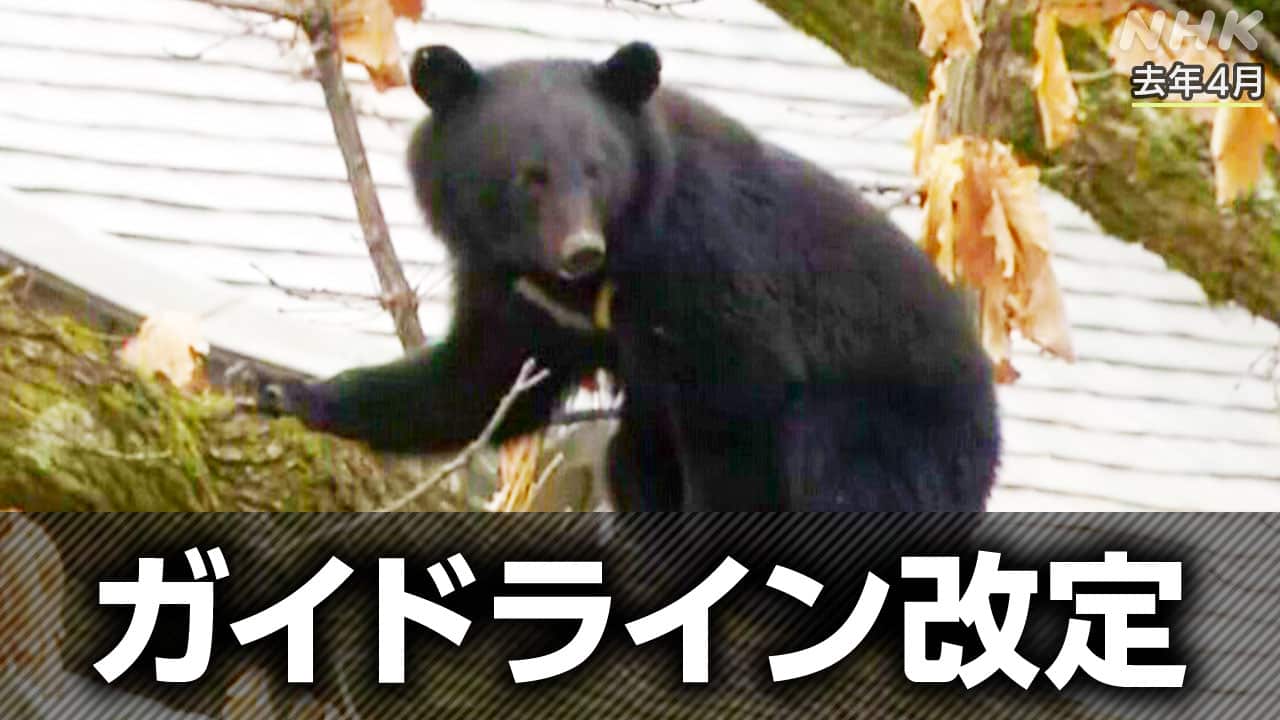
クマが冬眠から明ける時期を迎え、注意が必要となっています。環境省はクマ対策のガイドラインを改定し、これまでの「保護重視」の考え方から「個体数管理の強化」に方針を転換。被害が多い地域では、クマの自然増加率よりも高い割合での捕獲を認める方針を示しました。
3月15日の夕方、北海道根室市で、JR花咲線を利用した男性が、車両の近くを走る1頭のヒグマを撮影しました。
撮影した男性「大きなヒグマが車両を追いかけてきているようでびっくりしました。花咲線にはよく乗っていますが、ヒグマは初めて見ました」
また4月1日には北海道福島町の山の中で死んだシカを食べるヒグマの様子が動画に収められました。撮影した男性によりますと、この動画はドローンで撮影され、ヒグマが土の中に埋めてあったシカの体の一部を引きずり出して食べていたということです。
撮影した男性「冬眠明けのクマが、隠していた餌を食べていたのだと思います。人里には来ないで、自然の中で暮らしていてほしいです」
環境省によりますと、昨年度・令和7年度のクマによる人身被害はことし2月までに237人にのぼり、このうち13人が死亡し、けが人、死者ともに過去最多の被害となっています。
環境省は、都道府県がクマの保護・管理計画を作成する際のガイドラインを4年ぶりに改定し、3日、公表しました。
新たなガイドラインではこれまでの「保護重視」から「個体数管理の強化」への方針転換となる考え方を示しました。
具体的には、これまでは捕獲の上限をクマの自然増加率以下に設定していましたが、新たなガイドラインでは被害が多い地域では、自然増加率よりも高い割合での捕獲を認めています。
また、人とクマとのすみ分けを図るゾーニングを強化するとして、市街地や農地などは「排除エリア」として侵入したクマは速やかな排除を行い、クマが市街地や農地に侵入する経路となっている河川や里山などについては、「管理強化エリア」として、クマの定着を防ぐため、捕獲や電気柵の設置などを積極的に行えるとしています。
そして山林と人里の中間のエリアは「緩衝地帯」としてクマの個体数管理のために捕獲が行えるとしたほか、奥山などは「コア生息地」としてクマにとって良好な生息環境を保全します。
さらに、複数の自治体で、広域に個体群の管理を行うため、「広域協議会」を設置して個体数の目標設定などを行うとしています。
石原環境大臣「従来のクマの個体数を維持、増加の考え方ではなく、被害が生じている地域ではクマの個体数を減少させる考えを示した。ゾーニング管理による人とクマのすみ分けの強化などを行い、クマとのあつれきの軽減を目指す」
木原官房長官「すでに各地で目撃情報が相次ぎ今後、冬眠明けのクマの出没増加が懸念される。春から夏にかけて若いオスの行動範囲が広範になることが予想されているので、自治体からの情報に注意し、夜間に出されたゴミなどクマの誘因物となるものを放置せずに適切に管理するなど十分な警戒をお願いしたい。政府としては、捕獲者に加え、箱わなやクマ撃退スプレーといった資機材の確保など、必要な対策を戦略的かつ計画的に実行していく」
こうした中、個体数管理の一環として冬眠から明けて動き出すクマなどを捕獲する「春期管理捕獲」が一部の自治体で行われています。
春期管理捕獲は2025年の北海道、岩手、秋田、山形、福井、石川、長野の7道県から2026年は宮城、新潟、富山、岐阜の4県を加えて11道県となりました。
春期管理捕獲は、雪がまだ残る時期にクマの足跡を追うことで、比較的捕獲しやすいとされるほか、人里への出没が増え始める前に、人への警戒心を植え付け、出没を抑えるねらいもあります。
環境省は、クマによる被害が深刻化する中、「春期管理捕獲」を行う自治体を増やすため、交付金を活用し自治体への財政支援を行っています。
福井県大野市の山沿いに住む山岸富士男さん(87)は、2025年11月、日課の散歩中にクマに襲われました。
山岸さんによりますと、背後から物音がしたため振り向くと、10メートルほど先からクマが大きく口を開けながら走ってきました。
とっさに後ろを向いて体を丸めてしゃがみ込み、身を守る体勢をとりましたが、クマは山岸さんの背中側から襲いかかったあと正面に回り込み、顔をひっかいてきたということです。
山岸さんは、左の目の周辺を切ったほか、鼻の骨を折る大けがをして20日間ほど入院しました。左目のまぶたは今も開かないということです。
山岸富士男さん「とにかく一瞬のできごとで、どうすることもできませんでした。今回の件でクマに警戒しなければいけないことがよく分かりました。自分は山の近くを散歩するのをやめ、地域の多くの住民は家の近くの柿の木を切りました。みなさんも注意してほしいです」
3月15日の夕方、北海道根室市で、JR花咲線を利用した男性が、車両の近くを走る1頭のヒグマを撮影しました。
撮影した男性「大きなヒグマが車両を追いかけてきているようでびっくりしました。花咲線にはよく乗っていますが、ヒグマは初めて見ました」
また4月1日には北海道福島町の山の中で死んだシカを食べるヒグマの様子が動画に収められました。撮影した男性によりますと、この動画はドローンで撮影され、ヒグマが土の中に埋めてあったシカの体の一部を引きずり出して食べていたということです。
撮影した男性「冬眠明けのクマが、隠していた餌を食べていたのだと思います。人里には来ないで、自然の中で暮らしていてほしいです」
環境省によりますと、昨年度・令和7年度のクマによる人身被害はことし2月までに237人にのぼり、このうち13人が死亡し、けが人、死者ともに過去最多の被害となっています。
環境省は、都道府県がクマの保護・管理計画を作成する際のガイドラインを4年ぶりに改定し、3日、公表しました。
新たなガイドラインではこれまでの「保護重視」から「個体数管理の強化」への方針転換となる考え方を示しました。
具体的には、これまでは捕獲の上限をクマの自然増加率以下に設定していましたが、新たなガイドラインでは被害が多い地域では、自然増加率よりも高い割合での捕獲を認めています。
また、人とクマとのすみ分けを図るゾーニングを強化するとして、市街地や農地などは「排除エリア」として侵入したクマは速やかな排除を行い、クマが市街地や農地に侵入する経路となっている河川や里山などについては、「管理強化エリア」として、クマの定着を防ぐため、捕獲や電気柵の設置などを積極的に行えるとしています。
そして山林と人里の中間のエリアは「緩衝地帯」としてクマの個体数管理のために捕獲が行えるとしたほか、奥山などは「コア生息地」としてクマにとって良好な生息環境を保全します。
さらに、複数の自治体で、広域に個体群の管理を行うため、「広域協議会」を設置して個体数の目標設定などを行うとしています。
石原環境大臣「従来のクマの個体数を維持、増加の考え方ではなく、被害が生じている地域ではクマの個体数を減少させる考えを示した。ゾーニング管理による人とクマのすみ分けの強化などを行い、クマとのあつれきの軽減を目指す」
木原官房長官「すでに各地で目撃情報が相次ぎ今後、冬眠明けのクマの出没増加が懸念される。春から夏にかけて若いオスの行動範囲が広範になることが予想されているので、自治体からの情報に注意し、夜間に出されたゴミなどクマの誘因物となるものを放置せずに適切に管理するなど十分な警戒をお願いしたい。政府としては、捕獲者に加え、箱わなやクマ撃退スプレーといった資機材の確保など、必要な対策を戦略的かつ計画的に実行していく」
こうした中、個体数管理の一環として冬眠から明けて動き出すクマなどを捕獲する「春期管理捕獲」が一部の自治体で行われています。
春期管理捕獲は2025年の北海道、岩手、秋田、山形、福井、石川、長野の7道県から2026年は宮城、新潟、富山、岐阜の4県を加えて11道県となりました。
春期管理捕獲は、雪がまだ残る時期にクマの足跡を追うことで、比較的捕獲しやすいとされるほか、人里への出没が増え始める前に、人への警戒心を植え付け、出没を抑えるねらいもあります。
環境省は、クマによる被害が深刻化する中、「春期管理捕獲」を行う自治体を増やすため、交付金を活用し自治体への財政支援を行っています。
福井県大野市の山沿いに住む山岸富士男さん(87)は、2025年11月、日課の散歩中にクマに襲われました。
山岸さんによりますと、背後から物音がしたため振り向くと、10メートルほど先からクマが大きく口を開けながら走ってきました。
とっさに後ろを向いて体を丸めてしゃがみ込み、身を守る体勢をとりましたが、クマは山岸さんの背中側から襲いかかったあと正面に回り込み、顔をひっかいてきたということです。
山岸さんは、左の目の周辺を切ったほか、鼻の骨を折る大けがをして20日間ほど入院しました。左目のまぶたは今も開かないということです。
山岸富士男さん「とにかく一瞬のできごとで、どうすることもできませんでした。今回の件でクマに警戒しなければいけないことがよく分かりました。自分は山の近くを散歩するのをやめ、地域の多くの住民は家の近くの柿の木を切りました。みなさんも注意してほしいです」
Vocabulary
General
Proper noun
JLPT N2
JLPT N1
| # | 言葉 | 意味 |
|---|---|---|
| 13 | 管理 | かんり (管理) : control; management (e.g. of a business) |
| 12 | 捕獲 | ほかく (捕獲) : capture; seizure |
| 7 | 個体 | こたい (個体) : individual; specimen |
| 7 | 数 | しばしば (屡々) : often; again and again; frequently; repeatedly |
| 6 | 被害 | ひがい (被害) : (suffering) damage; injury; harm |
| 5 | 強化 | きょうか (強化) : strengthening; intensifying; reinforcement; enhancement; solidification |
| 5 | 撮影 | さつえい (撮影) : photography (still or motion); photographing; filming; shooting; (video) recording |
| 5 | 自治体 | じちたい (自治体) : municipality; local government; self-governing body; autonomous body |
| 5 | 山岸 | やまきし (山岸) : Yamakishi (surname) |
| 4 | 冬眠 | とうみん (冬眠) : hibernation; winter sleep; torpor |
| 4 | 環境省 | かんきょうしょう (環境省) : Ministry of the Environment |
| 4 | 地域 | ちいき (地域) : area; region |
| 4 | 自然 | しぜん (自然) : 1. nature 2. natural; spontaneous; automatic |
| 4 | 春期 | しゅんき (春期) : spring term (e.g. school); spring period |
| 3 | 保護 | ほご (保護) : 1. protection; safeguard; guardianship; custody; patronage 2. preservation; conservation |
| 3 | 考え方 | かんがえかた (考え方) : way of thinking |
| 3 | 方針 | ほうしん (方針) : 1. policy; course; plan (of action); principle 2. magnetic needle |
| 3 | 増加率 | ぞうかりつ (増加率) : rate of increase |
| 3 | 示す | しめす (示す) : 1. to (take out and) show; to demonstrate; to tell; to exemplify; to make apparent 2. to point out (finger, clock hand, needle, etc.) |
| 3 | 北海道 | ほっかいどう (北海道) : Hokkaido (island, prefectural-level administrative unit) |
| 3 | 人里 | ひとざと (人里) : human habitation |
| 3 | 出没 | しゅつぼつ (出没) : making frequent appearances; appearing often; appearing and disappearing |
| 2 | 明ける | あける (開ける) : 1. to open (a door, etc.); to unwrap (e.g. parcel, package); to unlock 2. to open (for business, etc.) |
| 2 | 時期 | じき (時期) : time; season; period; phase; stage |
| 2 | 対策 | たいさく (対策) : measure; step; countermeasure; counterplan; countermove; strategy; preparation (e.g. for a test) |
| 2 | 改定 | かいてい (改定) : revision (of a rule, price, etc.); alteration; change |
| 2 | 重視 | じゅうし (重視) : regarding as important; attaching importance to; taking a serious view of; putting emphasis on |
| 2 | 転換 | てんかん (転換) : conversion; diversion; changeover; commutation; switchover |
| 2 | 認める | したためる (認める) : 1. to write (e.g. a letter); to draw up (a document); to take down (e.g. notes) 2. to have (lunch, dinner, etc.); to eat |
| 2 | 花咲線 | はなさきせん (花咲線) : Hanasakisen (unclass) |
| 2 | 車両 | しゃりょう (車両) : rolling stock; railroad cars; wheeled vehicles |
| 2 | 動画 | どうが (動画) : 1. video; movie; moving picture 2. animation; animated cartoon |
| 2 | 一部 | いちぶ (一部) : 1. one part; one portion; one section; some 2. one copy (e.g. of a document) |
| 2 | 食べる | たべる (食べる) : 1. to eat 2. to live on (e.g. a salary); to live off; to subsist on |
| 2 | 明け | あけ (明け) : 1. dawn; daybreak 2. end; soon after something has ended |
| 2 | 新た | あらた (新た) : new; fresh; novel |
| 2 | すみ分け | すみわけ (棲み分け) : 1. habitat isolation 2. compartmentalization; segregation; isolation |
| 2 | 市街地 | しがいち (市街地) : town area; urban area; metropolitan area; built-up area |
| 2 | 農地 | のうち (農地) : agricultural land; farmland |
| 2 | 排除 | はいじょ (排除) : exclusion; removal; rejection; elimination; abatement; lifting (sanctions, etc.) |
| 2 | 侵入 | しんにゅう (侵入) : invasion; incursion; raid; aggression; intrusion; trespass; penetration |
| 2 | 設置 | せっち (設置) : 1. establishment; institution 2. installation (of a machine or equipment) |
| 2 | 広域 | こういき (広域) : 1. wide area 2. wide view (of a digitally displayed map); zoomed-out view |
| 2 | 増加 | ぞうか (増加) : increase; rise; growth; addition; increment |
| 2 | 情報 | じょうほう (情報) : 1. information; news; intelligence; advices 2. information; data contained in characters, signals, code, etc. |
| 2 | 警戒 | けいかい (警戒) : vigilance; caution; alertness; precaution; being on guard |
| 2 | 道県 | どうけん (道県) : prefectures (of Japan, excl. Tokyo, Osaka and Kyoto); Hokkaido and other prefectures |
| 2 | 富士男 | ふじお (富士男) : Fujio (given) |
| 1 | 迎える | むかえる (迎える) : 1. to go out to meet 2. to receive; to welcome; to greet; to salute; to hail; to reach; to approach; to enter (a phase, era, etc.) |
| 1 | 根室市 | ねむろし (根室市) : Nemuro (city) (place) |
| 1 | 追いかける | おいかける (追いかける) : to chase; to run after; to pursue |
| 1 | 乗る | のる (乗る) : 1. to get on (train, plane, bus, ship, etc.); to get in; to board; to take; to embark 2. to get on (e.g. a footstool); to step on; to jump on; to sit on; to mount |
| 1 | 福島町 | ふくしまちょう (福島町) : Fukushimachō (unclass) |
| 1 | 死ぬ | しぬ (死ぬ) : 1. to die; to pass away 2. to lose spirit; to lose vigor; to look dead |
| 1 | 様子 | ようす (様子) : 1. state; state of affairs; situation; circumstances 2. appearance; look; aspect |
| 1 | 収める | おさめる (収める) : 1. to dedicate; to make an offering; to pay (fees) 2. to supply |
| 1 | 埋める | うずめる (埋める) : 1. to cover; to bury (e.g. one's face in hands); to submerge 2. to fill (completely); to stuff; to pack; to cram; to fill up |
| 1 | 引きずる | ひきずる (引きずる) : 1. to drag along; to pull 2. to force someone along |
| 1 | 隠す | かくす (隠す) : to hide; to conceal |
| 1 | 餌 | えさ (餌) : 1. (animal) feed; fodder; pet food 2. bait; lure; enticement |
| 1 | 暮らす | くらす (暮らす) : 1. to live; to get along 2. to spend (time) |
| 1 | 昨年度 | さくねんど (昨年度) : previous year (fiscal, academic, etc.) |
| 1 | 令和 | れいわ (令和) : Reiwa era (May 1, 2019-) |
| 1 | 年度 | ねんど (年度) : 1. fiscal year (usu. April 1 to March 31 in Japan); financial year 2. academic year; school year |
| 1 | 人身 | じんしん (人身) : the human body; one's person |
| 1 | のぼる | のぼる (上る) : 1. to ascend; to go up; to climb 2. to ascend (as a natural process, e.g. the Sun); to rise |
| 1 | 死亡 | しぼう (死亡) : 1. death; mortality 2. to die; to pass away |
| 1 | けが人 | けがにん (けが人) : wounded person; injured person |
| 1 | 死者 | ししゃ (死者) : dead person; (the) deceased; (the) dead; casualties |
| 1 | 過去最多 | かこさいた (過去最多) : highest ever (number of); record-high; most on record |
| 1 | 都道府県 | とどうふけん (都道府県) : prefectures (of Japan); largest administrative divisions of Japan: Tokyo-to, Osaka-fu, Kyoto-fu, Hokkaido and the remaining prefectures |
| 1 | 作成 | さくせい (作成) : drawing up (e.g. legal document, contract, will, etc.); preparing; writing; framing; making; producing; creating; creation |
| 1 | 際 | きわ (際) : 1. edge; brink; verge; side 2. time; moment of |
| 1 | ぶり | ぶり (振り) : 1. style; manner; way 2. after (period of time) again (e.g. meeting again after a year); for the first time in (period of time) |
| 1 | 公表 | こうひょう (公表) : official announcement; proclamation |
| 1 | 具体的 | ぐたいてき (具体的) : concrete; definite; specific; material; substantial |
| 1 | 上限 | じょうげん (上限) : 1. upper limit 2. supremum |
| 1 | 設定 | せってい (設定) : 1. establishment; creation; posing (a problem); setting (movie, novel, etc.); scene 2. options setting; preference settings; configuration; setup |
| 1 | 図る | はかる (図る) : 1. to plan; to attempt; to devise 2. to plot; to conspire; to scheme |
| 1 | 速やか | すみやか (速やか) : quick; speedy; prompt; rapid; swift |
| 1 | 経路 | けいろ (経路) : 1. course; route; path; channel 2. process; means |
| 1 | 河川 | かせん (河川) : rivers |
| 1 | 里山 | さとやま (里山) : 1. undeveloped woodland near populated area 2. settlement pattern of living in upland valleys and cultivating lower slopes |
| 1 | 定着 | ていちゃく (定着) : 1. sticking (in one place, position, etc.); settling; fixing; adherence 2. becoming established (of a custom, system, etc.); taking hold; taking root |
| 1 | 防ぐ | ふせぐ (防ぐ) : 1. to defend against; to protect against 2. to prevent; to avert; to avoid |
| 1 | 電気柵 | でんきさく (電気柵) : electric fence |
| 1 | 積極的 | せっきょくてき (積極的) : positive; assertive; active; proactive; aggressive |
| 1 | 山林 | さんりん (山林) : 1. mountain forest; forest on a mountain; montane forest 2. mountains and forest |
| 1 | 中間 | ちゅうかん (中間) : 1. middle; midway; halfway; centre; center 2. middle position; moderate position; neutral position; middle-of-the-road position |
| 1 | 緩衝地帯 | かんしょうちたい (緩衝地帯) : buffer zone |
| 1 | 奥山 | おくやま (奥山) : remote mountain; mountain recesses |
| 1 | 生息地 | せいそくち (生息地) : habitat; home (e.g. of the tiger) |
| 1 | 良好 | りょうこう (良好) : good; fine; excellent; favorable; favourable; satisfactory |
| 1 | 生息 | せいそく (生息) : inhabiting; living |
| 1 | 環境 | かんきょう (環境) : environment; circumstance |
| 1 | 保全 | ほぜん (保全) : preservation; integrity; conservation; maintenance |
| 1 | 複数 | ふくすう (複数) : plural; multiple; several |
| 1 | 個体群 | こたいぐん (個体群) : population (e.g. of animals) |
| 1 | 協議会 | きょうぎかい (協議会) : conference; council; convention |
| 1 | 目標設定 | もくひょうせってい (目標設定) : goal setting |
| 1 | 石原 | いさ (石原) : Isa (place; surname) |
| 1 | 環境大臣 | かんきょうだいじん (環境大臣) : Minister for the Environment |
| 1 | 従来 | じゅうらい (従来) : 1. up to now; so far 2. traditional; conventional; usual; existing |
| 1 | 維持 | いじ (維持) : maintenance; preservation; improvement |
| 1 | 生ずる | しょうずる (生ずる) : 1. to produce; to yield; to cause 2. to result from; to arise; to be generated |
| 1 | 減少 | げんしょう (減少) : decrease; reduction; decline |
| 1 | 考え | かんがえ (考え) : 1. thinking; thought; view; opinion; concept 2. idea; notion; imagination |
| 1 | あつれき | あつれき (軋轢) : friction; discord; strife |
| 1 | 軽減 | けいげん (軽減) : abatement; reduction |
| 1 | 目指す | めざす (目指す) : 1. to aim at (for, to do, to become); to try for; to have an eye on 2. to go toward; to head for |
| 1 | 木原 | きのはら (木原) : Kinohara (surname) |
| 1 | 官房長官 | かんぼうちょうかん (官房長官) : 1. Chief Cabinet Secretary 2. Chief of Staff of the Presidency |
| 1 | すでに | すでに (既に) : already; too late |
| 1 | 各地 | かくち (各地) : every place; various places |
| 1 | 目撃 | もくげき (目撃) : witnessing; observing; sighting |
| 1 | 相 | さが (性) : 1. one's nature; one's destiny 2. custom; tradition; habit; convention |
| 1 | 次ぐ | つぐ (次ぐ) : to rank next to; to come after |
| 1 | 今後 | こんご (今後) : from now on; hereafter |
| 1 | 懸念 | けねん (懸念) : worry; fear; anxiety; concern |
| 1 | 行動 | こうどう (行動) : action; conduct; behaviour; behavior; mobilization; mobilisation |
| 1 | 範囲 | はんい (範囲) : extent; scope; sphere; range; span |
| 1 | 広範 | こうはん (広範) : wide; extensive; comprehensive; far-reaching; widespread |
| 1 | 予想 | よそう (予想) : expectation; anticipation; prediction; forecast; conjecture |
| 1 | 夜間 | やかん (夜間) : night; nighttime |
| 1 | 誘因 | ゆういん (誘因) : contributing cause; exciting cause; incentive; motive |
| 1 | 放置 | ほうち (放置) : leaving as is; leaving alone; leaving to chance; neglecting; abandoning |
| 1 | 適切 | てきせつ (適切) : appropriate; suitable; fitting; apt; proper; right; pertinent; relevant |
| 1 | 政府 | せいふ (政府) : government; administration |
| 1 | わな | わな (罠) : 1. snare; trap (for catching wild game, etc.) 2. trap (i.e. ruse, subterfuge, etc.) |
| 1 | 撃退 | げきたい (撃退) : repulse; repelling (e.g. the enemy); driving back |
| 1 | 確保 | かくほ (確保) : 1. securing; obtaining; ensuring; guarantee; maintaining 2. belay; belaying |
| 1 | 戦略的 | せんりゃくてき (戦略的) : strategic |
| 1 | 計画的 | けいかくてき (計画的) : planned; scheduled; systematic |
| 1 | 実行 | じっこう (実行) : execution (e.g. of a plan); carrying out; practice; action; implementation; fulfillment; realization |
| 1 | 一環 | いっかん (一環) : 1. link (e.g. in a chain of events); part (of a plan, campaign, activities, etc.) 2. monocyclic |
| 1 | 動く | うごく (動く) : 1. to move; to stir; to shift; to shake; to swing 2. to operate; to run; to go; to work |
| 1 | 岩手 | いわて (岩手) : Iwate (prefecture) |
| 1 | 秋田 | あきた (秋田) : Akita (city, prefecture) |
| 1 | 山形 | やまがた (山形) : 1. Yamagata (city, prefecture) 2. mountain shape; chevron; cone |
| 1 | 福井 | ふくい (福井) : Fukui (city, prefecture) |
| 1 | 石川 | いしかわ (石川) : Ishikawa (prefecture) |
| 1 | 長野 | ながの (長野) : Nagano (city, prefecture) |
| 1 | 宮城 | きゅうじょう (宮城) : Imperial Palace (esp. from 1888 to 1946) |
| 1 | 新潟 | にいがた (新潟) : Niigata (city, prefecture) |
| 1 | 富山 | とやま (富山) : Toyama (city, prefecture) |
| 1 | 岐阜 | ぎふ (岐阜) : Gifu (city, prefecture) |
| 1 | 県 | けん (県) : prefecture (Japan); county (China, Taiwan, Norway, etc.); department (France); province (Italy, Spain, etc.) |
| 1 | 足跡 | あしあと (足跡) : 1. footprints 2. record of page visitors (e.g. in social networking sites) |
| 1 | 追う | おう (追う) : 1. to chase; to run after; to pursue; to follow after 2. to follow (a set order, a trend, etc.) |
| 1 | 比較的 | ひかくてき (比較的) : comparatively; relatively |
| 1 | 増える | ふえる (増える) : to increase; to multiply |
| 1 | 警戒心 | けいかいしん (警戒心) : wariness |
| 1 | 植え付ける | うえつける (植え付ける) : 1. to plant; to transplant 2. to instil (idea, feeling, etc.) |
| 1 | 抑える | おさえる (抑える) : 1. to keep within limits (e.g. spending); to restrain (e.g. emotions); to control; to curb; to hold in check 2. to hold back (e.g. an enemy); to check; to curb; to contain; to quell; to subdue; to suppress; to repress |
| 1 | ねらい | ねらい (狙い) : aim |
| 1 | 深刻化 | しんこくか (深刻化) : becoming more serious or severe; aggravation; intensification |
| 1 | 増やす | ふやす (増やす) : to increase; to add to; to augment |
| 1 | 交付金 | こうふきん (交付金) : subsidy; grant; bounty |
| 1 | 活用 | かつよう (活用) : 1. practical use; application 2. conjugation; inflection |
| 1 | 財政支援 | ざいせいしえん (財政支援) : economic support; financial support |
| 1 | 福井県 | ふくいけん (福井県) : Fukui prefecture (Hokuriku area) |
| 1 | 大野市 | おおのし (大野市) : Oono (city) (place) |
| 1 | 山沿い | やまぞい (山沿い) : along a mountain |
| 1 | 日課 | にっか (日課) : daily routine; daily work; daily lesson |
| 1 | 襲う | おそう (襲う) : 1. to attack; to assail; to make an assault; to strike; to hunt down 2. to succeed (someone in a post, role, etc.) |
| 1 | 背後 | はいご (背後) : 1. back; rear 2. background; behind the scenes |
| 1 | 物音 | ものおと (物音) : sounds |
| 1 | 振り向く | ふりむく (振り向く) : to turn one's face; to turn around; to look over one's shoulder |
| 1 | 大きく | おおきく (大きく) : in a big way; on a grand scale |
| 1 | 開ける | あける (開ける) : 1. to open (a door, etc.); to unwrap (e.g. parcel, package); to unlock 2. to open (for business, etc.) |
| 1 | 走る | はしる (走る) : 1. to run 2. to run (of a vehicle); to drive; to travel; to move; to sail |
| 1 | とっさ | とっさ (咄嗟) : moment; instant |
| 1 | 向く | むく (向く) : 1. to turn toward; to look (up, down, etc.) 2. to face (e.g. east); to look out on |
| 1 | 丸める | まるめる (丸める) : 1. to make round; to roll up; to curl up 2. to seduce; to cajole; to explain away |
| 1 | しゃがみ込む | しゃがみこむ (しゃがみ込む) : to squat; to crouch down (completely, generally with face looking through knees) |
| 1 | 身 | み (身) : 1. body 2. oneself |
| 1 | 守る | まもる (守る) : 1. to protect; to guard; to defend 2. to keep (i.e. a promise); to abide (by the rules); to observe; to obey; to follow |
| 1 | 体勢 | たいせい (体勢) : posture; stance |
| 1 | 襲いかかる | おそいかかる (襲いかかる) : to rush on; to attack; to swoop down on |
| 1 | 正面 | しょうめん (正面) : front; frontage; facade; main |
| 1 | 回り込む | まわりこむ (回り込む) : to go round and cut in; to take a roundabout path |
| 1 | ひっかく | ひっかく (引っかく) : to scratch; to claw |
| 1 | 周辺 | しゅうへん (周辺) : 1. circumference; outskirts; environs; around; in the area of; in the vicinity of 2. (computer) peripheral |
| 1 | 骨 | こつ (骨) : 1. knack; skill; trick; secret; know-how; the ropes; hang 2. bone; skeleton |
| 1 | 日間 | ひあい (日間) : 1. number of days; period of days 2. daily interest rate |
| 1 | 左目 | ひだりめ (左目) : left eye |
| 1 | まぶた | まぶた (瞼) : eyelid |
| 1 | 開く | ひらく (開く) : 1. to open; to undo; to unseal; to unpack 2. to bloom; to unfold; to spread out |
| 1 | とにかく | とにかく (兎に角) : anyhow; at any rate; anyway; somehow or other; generally speaking; in any case; at least |
| 1 | 一瞬 | いっしゅん (一瞬) : instant; moment; for an instant |
| 1 | できごと | できごと (出来事) : incident; affair; happening; event |
| 1 | 件 | くだん (件) : 1. the aforementioned; the said; (man, incident, etc.) in question; the above-mentioned; the aforesaid 2. the usual |
| 1 | 分かる | わかる (分かる) : 1. to understand; to comprehend; to grasp; to see; to get; to follow 2. to become clear; to be known; to be discovered; to be realized; to be realised; to be found out |
| 1 | やめる | やめる (止める) : 1. to stop (an activity); to cease; to discontinue; to end; to quit 2. to cancel; to abandon; to give up; to abolish; to abstain; to refrain |
| 1 | 住民 | じゅうみん (住民) : inhabitant; resident; citizen; population |
| 1 | 柿の木 | かきのき (柿の木) : Japanese persimmon (Diospyros kaki); Chinese persimmon; kaki |