ウクライナ政府高官 “デジタル技術で戦い方大きく変容”
予習
この記事のキーワード — タップで意味×6
無人機
むじんき
drone; unmanned aircraft
×3
次官
じかん
vice-minister; undersecretary
×6
攻撃
こうげき
1. attack; assault; raid; onslaught; offensive 2. criticism; censure; denunciation; condemnation
×4
把握
はあく
grasp; catch; understanding
N1×2
優位
ゆうい
predominance; superiority; ascendancy; advantage; supremacy
N1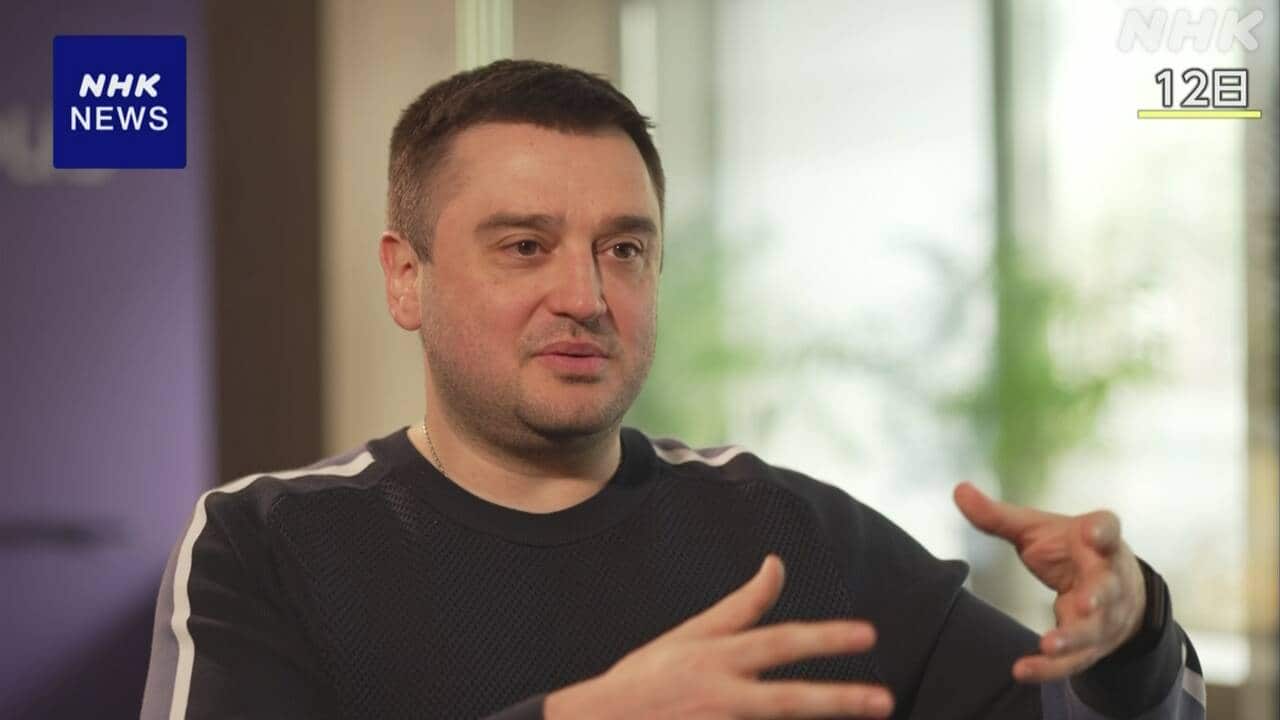
ウクライナ政府の高官がNHKのインタビューに応じ、軍事力で優位に立つロシア軍に対抗する上で、無人機から送られてくる敵陣の情報やAIを活用した戦況の把握などデジタル技術が不可欠となっていて、戦場での戦い方が大きく変容していると指摘しました。
ウクライナデジタル変革省のオレクサンドル・ボルニャコフ次官が今月12日、首都キーウでNHKのインタビューに応じました。
次官は、兵力や戦車、砲弾などの数で優位に立つロシア軍に対抗するため、ウクライナ軍はデジタル技術を有効に活用していると強調しました。
無人機からはロシア軍兵士や兵器などの配置、不足している装備などの情報が前線部隊を通じて随時送られてくるということで、次官は「無人機によって敵の位置や数が把握でき、見えないものはもはや存在しない。ドローンが敵陣を監視し、戦車の数まで把握する」と述べました。
また、こうした無人機はロシアの主な収入源である石油に関連する施設をねらった攻撃にも活用されているということです。
また、AIについて「作戦レベルから戦略レベルの指揮へと役割を拡大している」と述べ、戦況全体の把握や指揮などにも活用されていると明かし、デジタル技術によって戦場での戦い方が大きく変容していると指摘しました。
ロシアとウクライナは、アメリカの提案に応じて今月9日から11日までの3日間の停戦を受け入れる方針を示しました。しかし、その期間中もロシアとウクライナの双方が互いに攻撃を受けたと主張して非難し、停戦は実現しませんでした。
今月13日夜から14日朝にかけては、ロシア軍の大規模な攻撃でウクライナの首都キーウの集合住宅にミサイルが着弾し、子ども3人を含む24人が死亡しました。
これについて、ゼレンスキー大統領はロシア軍が無人機670機以上とミサイル56発を発射し、攻撃したとSNSで明らかにしました。
一方、ロシアでは、中部リャザン州の知事が15日、ウクライナの無人機による攻撃で死者が出たと明らかにするなど、双方による攻撃の応酬が続いています。
ウクライナデジタル変革省のオレクサンドル・ボルニャコフ次官が今月12日、首都キーウでNHKのインタビューに応じました。
次官は、兵力や戦車、砲弾などの数で優位に立つロシア軍に対抗するため、ウクライナ軍はデジタル技術を有効に活用していると強調しました。
無人機からはロシア軍兵士や兵器などの配置、不足している装備などの情報が前線部隊を通じて随時送られてくるということで、次官は「無人機によって敵の位置や数が把握でき、見えないものはもはや存在しない。ドローンが敵陣を監視し、戦車の数まで把握する」と述べました。
また、こうした無人機はロシアの主な収入源である石油に関連する施設をねらった攻撃にも活用されているということです。
また、AIについて「作戦レベルから戦略レベルの指揮へと役割を拡大している」と述べ、戦況全体の把握や指揮などにも活用されていると明かし、デジタル技術によって戦場での戦い方が大きく変容していると指摘しました。
ロシアとウクライナは、アメリカの提案に応じて今月9日から11日までの3日間の停戦を受け入れる方針を示しました。しかし、その期間中もロシアとウクライナの双方が互いに攻撃を受けたと主張して非難し、停戦は実現しませんでした。
今月13日夜から14日朝にかけては、ロシア軍の大規模な攻撃でウクライナの首都キーウの集合住宅にミサイルが着弾し、子ども3人を含む24人が死亡しました。
これについて、ゼレンスキー大統領はロシア軍が無人機670機以上とミサイル56発を発射し、攻撃したとSNSで明らかにしました。
一方、ロシアでは、中部リャザン州の知事が15日、ウクライナの無人機による攻撃で死者が出たと明らかにするなど、双方による攻撃の応酬が続いています。
この記事の単語 (83)
×6
無人機
むじんき
drone; unmanned aircraft
×6
攻撃
こうげき
1. attack; assault; raid; onslaught; offensive 2. criticism; censure; denunciation; condemnation
×4
活用
かつよう
1. practical use; application 2. conjugation; inflection
×4
把握
はあく
grasp; catch; understanding
×3
応じる
おうじる
to respond; to satisfy; to accept; to comply with; to apply for
×3
次官
じかん
vice-minister; undersecretary
×3
数
かず
number; amount
×2
優位
ゆうい
predominance; superiority; ascendancy; advantage; supremacy
×2
対抗
たいこう
opposition; rivalry; competition; antagonism
×2
送る
おくる
1. to send (a thing); to dispatch; to despatch; to transmit 2. to take or escort (a person somewhere); to see off (a person)
×2
敵陣
てきじん
enemy camp; enemy line
×2
情報
じょうほう
1. information; news; intelligence; advices 2. information; data contained in characters, signals, code, etc.
×2
戦況
せんきょう
war situation; progress of a battle
×2
戦場
せんじょう
battlefield; battleground
×2
大きい
おおきい
1. big; large; great 2. loud
×2
変容
へんよう
change in appearance; transformation
×2
指摘
してき
pointing out; identification
×2
首都
しゅと
capital city; metropolis
×2
戦車
せんしゃ
1. tank (military vehicle) 2. chariot
×2
述べる
のべる
to state; to express; to mention
×2
指揮
しき
command; direction
×2
停戦
ていせん
armistice; ceasefire
×2
双方
そうほう
both parties; both sides
×2
明らか
あきらか
1. clear; obvious; evident; plain; definite 2. bright; light
×1
高官
こうかん
high official
×1
軍事力
ぐんじりょく
military force; military strength
×1
不可欠
ふかけつ
indispensable; essential
×1
変革
へんかく
1. change; transformation; innovation; reform; revolution; revolutionizing; upheaval 2. Reformation
×1
兵力
へいりょく
military force; force of arms; strength of an army
×1
砲弾
ほうだん
shell; cannonball
×1
有効
ゆうこう
1. valid; effective 2. yuko (judo)
×1
強調
きょうちょう
emphasis; highlight; stress; stressed point
×1
兵士
へいし
soldier
×1
兵器
へいき
arms; weapon; ordnance
×1
配置
はいち
arrangement (of resources); deployment; stationing; posting; disposition; configuration; layout
×1
不足
ふそく
1. insufficiency; deficiency; shortage; lack; scarcity; deficit 2. dissatisfaction; discontent; complaint
×1
装備
そうび
equipment
×1
前線
ぜんせん
1. (weather) front 2. front line; forward area; action zone
×1
部隊
ぶたい
force; unit; corps; squad; troops; party
×1
通じる
つうじる
1. to be open (to traffic); to lead to; to communicate (with) 2. to flow (liquid, current); to pass; to get through to
×1
随時
ずいじ
1. whenever necessary; as needed; as required; as occasion demands 2. at any time; at all times
×1
敵
てき
1. opponent; rival; adversary 2. menace; danger; threat; enemy
×1
位置
いち
place; situation; position; location
×1
見える
みえる
1. to be seen; to be in sight 2. to look; to seem; to appear
×1
最早
もはや
1. already; now 2. no longer; not any more
×1
存在
そんざい
existence; being
×1
監視
かんし
monitoring; watching; observation; surveillance; guarding; supervision; lookout
×1
主な
おもな
chief; main; principal; important
×1
収入
しゅうにゅう
income; receipts; revenue
×1
石油
せきゆ
1. oil; petroleum 2. kerosene; paraffin
×1
関連
かんれん
relation; connection; relevance
×1
施設
しせつ
1. institution; establishment; facility 2. home (for elderly, orphans, etc.)
×1
狙う
ねらう
1. to aim at 2. to be after (something); to have an eye on
×1
作戦
さくせん
1. tactics; strategy 2. military operation; naval operation
×1
戦略
せんりゃく
strategy; tactics
×1
役割
やくわり
part; assigning (allotment of) parts; role; duties
×1
拡大
かくだい
magnification; enlargement; expansion; amplification
×1
全体
ぜんたい
whole; entirety; whatever (is the matter)
×1
明かす
あかす
1. to pass (the night); to spend 2. to reveal; to divulge; to disclose; to expose
×1
提案
ていあん
proposal; proposition; suggestion
×1
日間
ひあい
1. number of days; period of days 2. daily interest rate
×1
受け入れる
うけいれる
to accept; to receive; to agree
×1
方針
ほうしん
1. policy; course; plan (of action); principle 2. magnetic needle
×1
示す
しめす
1. to (take out and) show; to demonstrate; to tell; to exemplify; to make apparent 2. to point out (finger, clock hand, needle, etc.)
×1
期間中
きかんちゅう
during; for the duration of
×1
互い
たがい
each other; one another
×1
主張
しゅちょう
claim; insistence; assertion; advocacy; emphasis; contention; opinion; tenet
×1
非難
ひなん
criticism; blame; censure; attack; reproach
×1
実現
じつげん
implementation (e.g. of a system); materialization; materialisation; realization; realisation; actualization; actualisation
×1
大規模
だいきぼ
large-scale
×1
集合住宅
しゅうごうじゅうたく
apartment building; housing complex
×1
着弾
ちゃくだん
impact (of a projectile); landing (of a bullet); striking
×1
子供
こども
child
×1
含む
ふくむ
1. to contain; to comprise; to have; to hold; to include; to embrace 2. to hold in the mouth
×1
死亡
しぼう
1. death; mortality 2. to die; to pass away
×1
大統領
だいとうりょう
1. president (of a nation) 2. big man; boss; buddy; mate
×1
機
き
1. chance; opportunity 2. machine
×1
発射
はっしゃ
1. firing (esp. a rocket or missile); launching; shooting; discharge; catapult 2. ejaculation
×1
中部
ちゅうぶ
1. center; centre; middle; heart 2. Chūbu region (incl. Aichi, Nagano, Shizuoka, Niigata, Toyama, Ishikawa, Fukui, Yamanashi and Gifu prefectures)
×1
州
しゅう
1. state (US, Australia, India, Germany, etc.); province (e.g. Canada); canton (e.g. Switzerland); oblast (e.g. Russia); department (e.g. ancient China) 2. continent
×1
知事
ちじ
prefectural governor
×1
死者
ししゃ
dead person; (the) deceased; (the) dead; casualties
×1
応酬
おうしゅう
1. exchange; reciprocation; give-and-take; return 2. reply; riposte