北村信彦/デザイナー──私のスタイル遍歴
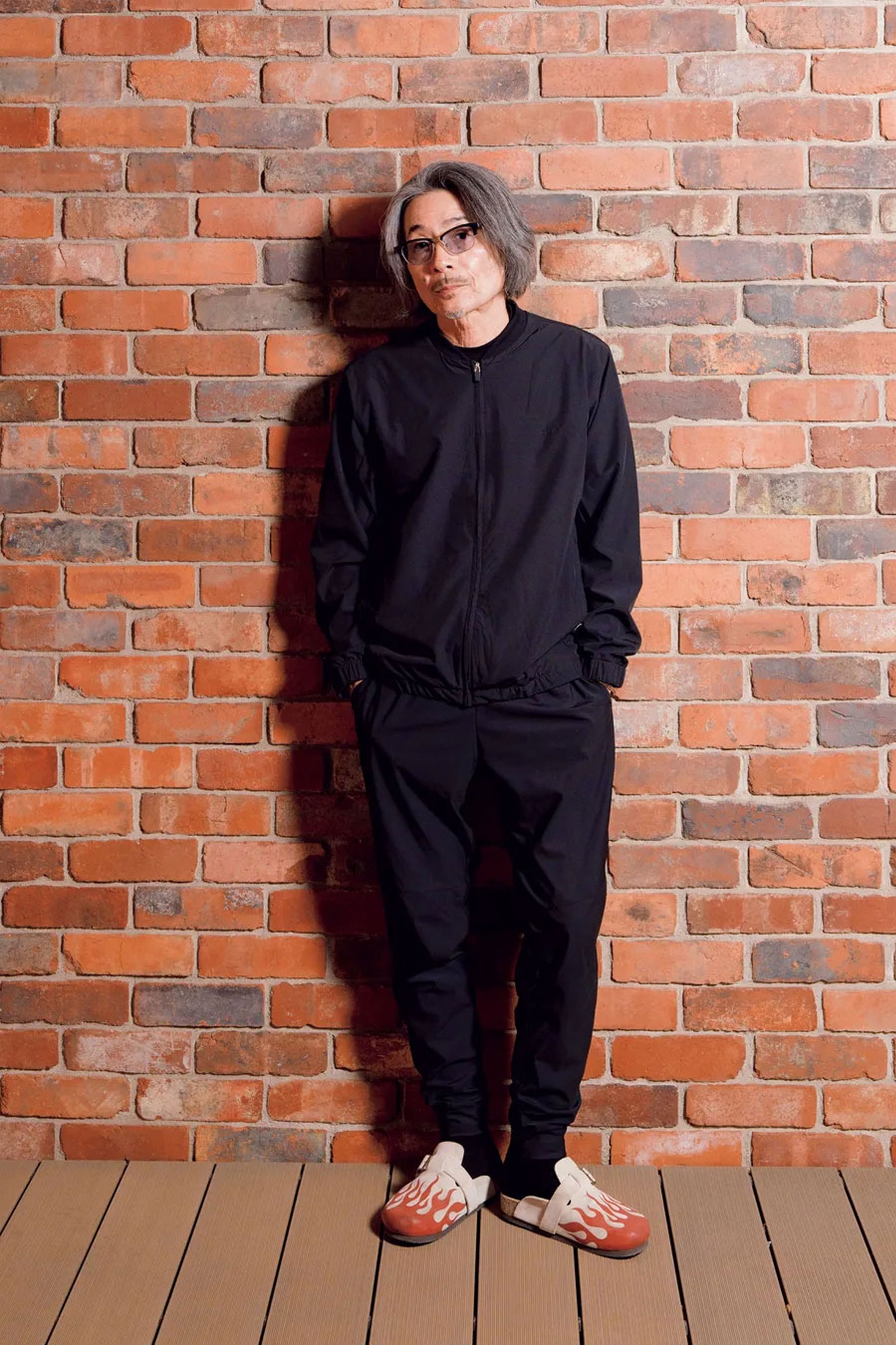
ラジオや雑誌で覗いた遠い世界。海外への憧れも、失敗も、全部が自分のスタイルの肥やしになっていく。あの先輩たちは、何に刺激を受け自分流へ辿り着いたのか。時代を遡り、スタイルの遍歴を辿る。
北村信彦のスタイルの変遷は、いわばヒステリックグラマーの歴史そのもの。本人とブランドが一心同体と言えるほど、哲学が絡み合っている。 「もちろん自分の軸には音楽があります。中学生の頃からロックにハマり、アーティストが着ている服や、ジャケットのアートワークを手掛ける周辺の人たちが気になって、自分なりの興味を掘り下げていきました」 ファッションデザイナーになる以前の経験が、北村のスタイルの核にある。そこへ時代性や街の気分、服のアーカイブを自らの手で紡ぎ合わせ、自分の変遷とともに数々のコレクションを生んできた。 代表例が、さまざまなアーティストとのコラボTだが、それも「ただ好きで」取り組んだわけではない。 「自分とアーティストとの接点を紡ぎながら、ビジネス以前の信頼関係を築いた結果、生まれたものばかり。共に歩んだ歴史の産物のようなものでもあります」 そうして生まれたTシャツは、単なるコラボ品以上のオーラを放つ。これは、「Tシャツは、言葉にするよりも自分を表現するもの」という北村のスタイルの根源に繋がっている。 ◼︎1973 音楽、そしてファッションの入り口 12歳でロックを聴いて衝撃を受け、レコードを収集。ヴェルヴェット・アンダーグラウンドに出会ったあたりから、アーティストの着ている服や、ジャケットのアートワークを手掛けている“周辺の人々”が気になりだす。「かっこいい、真似したい」という欲望が芽生え、ファッションへと繋がっていった。 ◼︎1974-2003 パティ・スミスとの出会い 「中学生の頃、ラジオでパティの曲『Piss Factory』を聴いて人生が変わった」という北村さんは、フジロック出演での来日時に、手紙とTシャツをレコード会社の人に託して渡してもらい、対面を果たす。これがきっかけで、初の写真集『PATTI SMITH: CROSS SECTION』の制作へと繋がった。 ◼︎1974 初めて肌で感じたライブ感! 初めて観賞したライブは、スージー・クアトロの日本初公演。「ステージ上はもちろん、会場のムードや観客の服装まで、“ロック”を目の当たりにした原体験でした」 ◼︎1979-2008 ファッションの原風景を、自分の手で繋ぎ直す 「高校生の頃に観た映画『Quadrophenia(さらば青春の光)』が衝撃的で、翌日からモッズ的なファッションを探し回り、都内のショップを駆け巡りました」。その情熱のまま、ブランド始動後は、その世界観を再現するようにシーズンカタログ(2008年SPRING)へ落とし込んだ。 ◼︎1984 ヒステリックグラマー設立 「ファッションデザイナーになろうなんて思っていなかったよ」と話す北村。ミュージシャンの近くで仕事をしようと決意し、そのルートを探索する中で辿り着いたのが現在のステージだった。ロックを軸に、周辺のアートやサブカルチャーを融合させた服作りは、自然な流れだったという。 ◼︎1984-1988 ブランドデビュー直後の記憶 英語を喋れず、海外へのコンプレックスが強かったという20代。「でも、海を渡ると日本のことは全く知られていない。だから逆にチャンスだと思って、東京から発信できることをやろうと決意したよ」 ◼︎1985-1990 無敵戦隊ソニックユース ソニック・ユースのアートワークを手掛けたことをきっかけに親交が始まり、メンバーを戦隊ヒーロー風に描いてTシャツをデザイン。ソニック・ユース関連のTシャツを度々着用していたカート・コバーンも愛用し、最後のライブとなった日にもこれを着てステージに上がった。 ◼︎2024 ブランド40周年の音楽祭を開催 恵比寿リキッドルームで『HYSTERIC GLAMOUR 40th Anniversary Party』を開催。スタークローラーやプリティ・シックなど、国内外から親交のあるミュージシャンが集結し、40周年を祝った。 ◼︎2025 意外にも、ギター演奏が新たな趣味 コレクター視点ではなく、“自分で鳴らす”ことを目的に楽器を購入したのはこれが初めて。自身が演奏する曲を収録するなど、音楽カルチャーとの距離がさらに縮まった。 ◼︎2025 今もアーティストに支持され続ける 「かつて自分たちが年上の音楽を掘ったのと同じように、最近はZ世代を中心に若いファンが増えている」。アーティストも同様で、韓国の4人組ガールズグループ、2NE1や、ビリー・アイリッシュなどがステージで着用している。 北村信彦/NOBUHIKO KITAMURA 1962年生まれ、東京都出身。東京モード学園1期生として入学し、卒業後はオゾンコミュニティに入社。84年にヒステリックグラマーを設立。 PHOTOGRAPHS BY SHINSAKU YASUJIMA EDIT & WORDS BY KEIICHIRO MIYATA
北村信彦のスタイルの変遷は、いわばヒステリックグラマーの歴史そのもの。本人とブランドが一心同体と言えるほど、哲学が絡み合っている。 「もちろん自分の軸には音楽があります。中学生の頃からロックにハマり、アーティストが着ている服や、ジャケットのアートワークを手掛ける周辺の人たちが気になって、自分なりの興味を掘り下げていきました」 ファッションデザイナーになる以前の経験が、北村のスタイルの核にある。そこへ時代性や街の気分、服のアーカイブを自らの手で紡ぎ合わせ、自分の変遷とともに数々のコレクションを生んできた。 代表例が、さまざまなアーティストとのコラボTだが、それも「ただ好きで」取り組んだわけではない。 「自分とアーティストとの接点を紡ぎながら、ビジネス以前の信頼関係を築いた結果、生まれたものばかり。共に歩んだ歴史の産物のようなものでもあります」 そうして生まれたTシャツは、単なるコラボ品以上のオーラを放つ。これは、「Tシャツは、言葉にするよりも自分を表現するもの」という北村のスタイルの根源に繋がっている。 ◼︎1973 音楽、そしてファッションの入り口 12歳でロックを聴いて衝撃を受け、レコードを収集。ヴェルヴェット・アンダーグラウンドに出会ったあたりから、アーティストの着ている服や、ジャケットのアートワークを手掛けている“周辺の人々”が気になりだす。「かっこいい、真似したい」という欲望が芽生え、ファッションへと繋がっていった。 ◼︎1974-2003 パティ・スミスとの出会い 「中学生の頃、ラジオでパティの曲『Piss Factory』を聴いて人生が変わった」という北村さんは、フジロック出演での来日時に、手紙とTシャツをレコード会社の人に託して渡してもらい、対面を果たす。これがきっかけで、初の写真集『PATTI SMITH: CROSS SECTION』の制作へと繋がった。 ◼︎1974 初めて肌で感じたライブ感! 初めて観賞したライブは、スージー・クアトロの日本初公演。「ステージ上はもちろん、会場のムードや観客の服装まで、“ロック”を目の当たりにした原体験でした」 ◼︎1979-2008 ファッションの原風景を、自分の手で繋ぎ直す 「高校生の頃に観た映画『Quadrophenia(さらば青春の光)』が衝撃的で、翌日からモッズ的なファッションを探し回り、都内のショップを駆け巡りました」。その情熱のまま、ブランド始動後は、その世界観を再現するようにシーズンカタログ(2008年SPRING)へ落とし込んだ。 ◼︎1984 ヒステリックグラマー設立 「ファッションデザイナーになろうなんて思っていなかったよ」と話す北村。ミュージシャンの近くで仕事をしようと決意し、そのルートを探索する中で辿り着いたのが現在のステージだった。ロックを軸に、周辺のアートやサブカルチャーを融合させた服作りは、自然な流れだったという。 ◼︎1984-1988 ブランドデビュー直後の記憶 英語を喋れず、海外へのコンプレックスが強かったという20代。「でも、海を渡ると日本のことは全く知られていない。だから逆にチャンスだと思って、東京から発信できることをやろうと決意したよ」 ◼︎1985-1990 無敵戦隊ソニックユース ソニック・ユースのアートワークを手掛けたことをきっかけに親交が始まり、メンバーを戦隊ヒーロー風に描いてTシャツをデザイン。ソニック・ユース関連のTシャツを度々着用していたカート・コバーンも愛用し、最後のライブとなった日にもこれを着てステージに上がった。 ◼︎2024 ブランド40周年の音楽祭を開催 恵比寿リキッドルームで『HYSTERIC GLAMOUR 40th Anniversary Party』を開催。スタークローラーやプリティ・シックなど、国内外から親交のあるミュージシャンが集結し、40周年を祝った。 ◼︎2025 意外にも、ギター演奏が新たな趣味 コレクター視点ではなく、“自分で鳴らす”ことを目的に楽器を購入したのはこれが初めて。自身が演奏する曲を収録するなど、音楽カルチャーとの距離がさらに縮まった。 ◼︎2025 今もアーティストに支持され続ける 「かつて自分たちが年上の音楽を掘ったのと同じように、最近はZ世代を中心に若いファンが増えている」。アーティストも同様で、韓国の4人組ガールズグループ、2NE1や、ビリー・アイリッシュなどがステージで着用している。 北村信彦/NOBUHIKO KITAMURA 1962年生まれ、東京都出身。東京モード学園1期生として入学し、卒業後はオゾンコミュニティに入社。84年にヒステリックグラマーを設立。 PHOTOGRAPHS BY SHINSAKU YASUJIMA EDIT & WORDS BY KEIICHIRO MIYATA
Vocabulary
General
Proper noun
JLPT N2
JLPT N1
| # | 言葉 | 意味 |
|---|---|---|
| 6 | 北村 | きたむら (北村) : Kitamura (place; surname) |
| 3 | 頃 | ころ (頃) : 1. (approximate) time; around; about; toward 2. suitable time (or condition) |
| 3 | 手掛ける | てがける (手がける) : 1. to handle; to manage; to deal with; to work with; to have experience with 2. to rear; to look after |
| 3 | 周辺 | しゅうへん (周辺) : 1. circumference; outskirts; environs; around; in the area of; in the vicinity of 2. (computer) peripheral |
| 3 | 生まれる | うまれる (生まれる) : to be born |
| 3 | 繋がる | つながる (繋がる) : 1. to be tied together; to be connected to; to be linked to 2. to lead to; to be related to |
| 2 | 海外 | かいがい (海外) : foreign; abroad; overseas |
| 2 | 辿り着く | たどりつく (たどり着く) : to arrive at (after a struggle); to finally reach; to find one's way to; to finally hit on (e.g. an idea) |
| 2 | 信彦 | のぶひこ (信彦) : Nobuhiko (masc) |
| 2 | 変遷 | へんせん (変遷) : change; transition; vicissitudes |
| 2 | 軸 | じく (軸) : 1. axis; shaft; axle 2. center; centre; focal point; key point |
| 2 | 中学生 | ちゅうがくせい (中学生) : junior high school student; middle school pupil |
| 2 | 以前 | いぜん (以前) : ago; since; before; previous |
| 2 | 聴く | きく (聞く) : 1. to hear 2. to listen (e.g. to music) |
| 2 | 曲 | きょく (曲) : 1. composition; piece of music; song; track (on a record) 2. tune; melody; air |
| 2 | きっかけ | きっかけ (切っ掛け) : chance; start; cue; excuse; motive; impetus; occasion |
| 2 | 設立 | せつりつ (設立) : 1. establishment; founding 2. incorporation (of a business) |
| 2 | 決意 | けつい (決意) : decision; determination; resolution |
| 2 | 東京 | とうきょう (東京) : Tokyo |
| 2 | 戦隊 | せんたい (戦隊) : squadron |
| 2 | 親交 | しんこう (親交) : intimacy; friendship; friendly relations |
| 2 | 着用 | ちゃくよう (着用) : wearing (e.g. uniform, seat belt); having on |
| 2 | 周年 | しゅうねん (周年) : 1. whole year; entire year 2. n-th year anniversary |
| 2 | 開催 | かいさい (開催) : holding (a conference, exhibition, etc.); opening; hosting (e.g. the Olympics) |
| 2 | 演奏 | えんそう (演奏) : musical performance |
| 1 | 覗く | のぞく (覗く) : 1. to peek (through a keyhole, gap, etc.) 2. to look down into (a ravine, etc.) |
| 1 | 憧れ | あこがれ (憧れ) : yearning; longing; aspiration; adoration; admiration |
| 1 | 肥やし | こやし (肥やし) : 1. manure; night soil; dung; fertiliser; fertilizer 2. something that will help one develop in the future |
| 1 | 刺激 | しげき (刺激) : stimulus; impetus; incentive; encouragement; motivation; provocation; excitement; thrill |
| 1 | 流 | りゅう (流) : 1. fashion; way; style; manner 2. school (of thought) |
| 1 | 遡る | さかのぼる (遡る) : 1. to go upstream 2. to go back (in time, to origin); to date back to; to trace back to; to make retroactive |
| 1 | 遍歴 | へんれき (遍歴) : travels; pilgrimage; itinerancy |
| 1 | 辿る | たどる (辿る) : to follow (road); to pursue (course); to follow up; to follow (hyperlink) |
| 1 | いわば | いわば (言わば) : so to speak; so to call it; as it were |
| 1 | 本人 | ほんにん (本人) : the person in question; the person themselves; said person |
| 1 | 一心 | いっしん (一心) : 1. one mind 2. wholeheartedness; one's whole heart |
| 1 | 同体 | どうたい (同体) : as one flesh or body; simultaneously |
| 1 | 言える | いえる (言える) : 1. to be possible to say; to be able to say 2. said; have said |
| 1 | 哲学 | てつがく (哲学) : philosophy |
| 1 | 絡み合う | からみあう (絡み合う) : to be(come) intertwined; to be entangled |
| 1 | ハマる | はまる (嵌まる) : 1. to fit; to get into; to go into; to be fitted with (e.g. door with a window) 2. to be fit for (a job, etc.); to be suited for; to satisfy (conditions) |
| 1 | なり | なり (也) : 1. to be 2. to be (location) |
| 1 | 掘り下げる | ほりさげる (掘り下げる) : 1. to dig down 2. to dig into (a matter); to delve into; to probe into; to investigate; to get to the bottom of |
| 1 | 核 | かく (核) : 1. stone (of a fruit); pit; pip 2. core (of an organization, team, etc.); nucleus; heart |
| 1 | 街 | がい (街) : ... street; ... quarter; ... district |
| 1 | 自ら | おのずから (自ずから) : naturally; in due course; by itself; of its own accord |
| 1 | 数々 | しばしば (屡々) : often; again and again; frequently; repeatedly |
| 1 | 生む | うむ (生む) : 1. to give birth; to bear (child); to lay (eggs) 2. to produce; to yield; to give rise to; to deliver |
| 1 | 代表 | だいひょう (代表) : 1. representative; representation; delegation; type; example; model 2. switchboard number; main number |
| 1 | 例 | れい (例) : 1. custom; practice; habit; usual 2. said; aforementioned |
| 1 | ただ | ただ (只) : 1. ordinary; common; usual 2. free of charge |
| 1 | 取り組む | とりくむ (取り組む) : 1. to grapple with; to wrestle with; to engage in a bout; to be matched against 2. to tackle (e.g. a problem); to come to grips with; to work hard on |
| 1 | 接点 | せってん (接点) : 1. tangent point; point of contact 2. contact (electrical, etc.) |
| 1 | 紡ぐ | つむぐ (紡ぐ) : 1. to spin; to make yarn 2. to spin (a tale); to assemble (e.g. words); to put together |
| 1 | 信頼関係 | しんらいかんけい (信頼関係) : relationship of mutual trust; fiduciary relation |
| 1 | 築く | きずく (築く) : 1. to build; to construct; to erect 2. to amass (e.g. fortune); to pile up |
| 1 | 結果 | けっか (結果) : 1. result; consequence; outcome; effect 2. coming to fruition; bearing fruit |
| 1 | 共 | ども (共) : 1. first-person plural (or singular) 2. second or third person plural (implies speaker is of higher status than those referred to) |
| 1 | 歩む | あゆむ (歩む) : 1. to walk; to go on foot 2. to tread (a figurative path); to follow; to lead (a life); to experience |
| 1 | 産物 | さんぶつ (産物) : 1. product; produce 2. result; fruit |
| 1 | のよ | のよ (乃代) : Noyo (unclass) |
| 1 | うな | うな (鰻) : eel (esp. the Japanese eel, Anguilla japonica) |
| 1 | もの | もの (者) : person |
| 1 | 単なる | たんなる (単なる) : mere; simple; sheer |
| 1 | 放つ | はなつ (放つ) : 1. to fire (gun, arrow, questions, etc.); to shoot; to hit (e.g. baseball); to break wind 2. to set free; to release; to let loose |
| 1 | 表現 | ひょうげん (表現) : 1. expression; presentation 2. representation; notation |
| 1 | 根源 | こんげん (根源) : root; source; origin; cause |
| 1 | 入り口 | いりぐち (入口) : entrance; entry; gate; approach; mouth |
| 1 | 衝撃 | しょうげき (衝撃) : shock; impact; crash |
| 1 | 収集 | しゅうしゅう (収集) : 1. collecting; accumulating; gathering 2. collection (of art, stamps, insects, etc.) |
| 1 | 出会う | であう (出会う) : 1. to meet (by chance); to come across; to run across; to encounter; to happen upon 2. to meet (e.g. of rivers, highways, etc.) |
| 1 | あたり | あたり (当たり) : 1. hit 2. success |
| 1 | 人々 | ひとびと (人々) : 1. people; men and women 2. each person; everybody |
| 1 | 真似 | まね (真似) : 1. imitating; copying; mimicry 2. behavior; behaviour; action; conduct |
| 1 | 欲望 | よくぼう (欲望) : desire; appetite; lust |
| 1 | 芽生える | めばえる (芽生える) : to bud; to sprout |
| 1 | 出会い | であい (出会い) : 1. meeting; rendezvous; encounter 2. confluence |
| 1 | 人生 | じんせい (人生) : (human) life (i.e. conception to death) |
| 1 | 変わる | かわる (変わる) : 1. to change; to be transformed; to be altered; to vary 2. to move to |
| 1 | 出演 | しゅつえん (出演) : performance; appearance (in a stage, film, TV show, etc.) |
| 1 | 来日 | らいにち (来日) : arrival in Japan; coming to Japan; visit to Japan |
| 1 | 託する | たくする (託する) : 1. to entrust (someone) with; to leave (a matter) with someone; to place under someone's care 2. to have someone deliver (a message, parcel, etc.); to send (through someone); to leave (a message) with someone |
| 1 | 渡す | わたす (渡す) : 1. to ferry across (e.g. a river); to carry across; to traverse 2. to lay across; to build across |
| 1 | 対面 | たいめん (対面) : 1. meeting face-to-face; seeing in person 2. facing (each other); opposing (traffic, etc.); confronting |
| 1 | 初 | はつ (初) : first; new |
| 1 | 写真集 | しゃしんしゅう (写真集) : photo book (esp. one featuring photos of female celebrities, models); photobook |
| 1 | 制作 | せいさく (制作) : 1. work (film, book) 2. production; creation; turning (something) out; development |
| 1 | 肌 | はだ (肌) : 1. skin 2. body (in the context of intimate bodily contact) |
| 1 | 感ずる | かんずる (感ずる) : to feel; to sense |
| 1 | 観賞 | かんしょう (観賞) : admiration; appreciation; enjoyment; viewing (for pleasure) |
| 1 | 日本初 | にほんはつ (日本初) : first (of its kind) in Japan |
| 1 | 公演 | こうえん (公演) : 1. public performance 2. exhibition in a foreign country |
| 1 | 観客 | かんきゃく (観客) : audience; spectator; spectators |
| 1 | 服装 | ふくそう (服装) : garments; attire |
| 1 | 目の当たり | まのあたり (目の当たり) : just before one's eyes; in one's presence; personally |
| 1 | 原体験 | げんたいけん (原体験) : formative experience (from one's youth) |
| 1 | 原風景 | げんふうけい (原風景) : indelible scene of one's childhood; earliest remembered scene |
| 1 | さらば | さらば (然らば) : 1. farewell 2. be that so; in that case |
| 1 | 青春 | せいしゅん (青春) : youth; springtime of life; adolescent |
| 1 | 衝撃的 | しょうげきてき (衝撃的) : devastating; gut-wrenching; shocking; startling; sensational; astounding; astonishing |
| 1 | 翌日 | よくじつ (翌日) : next day |
| 1 | 探し回る | さがしまわる (探し回る) : to search about for; to hunt around for; to look high and low for; to look everywhere for |
| 1 | 都内 | とない (都内) : (within) the (Tokyo) metropolitan area |
| 1 | 駆け巡る | かけめぐる (駆け巡る) : to run about; to rush about |
| 1 | 情熱 | じょうねつ (情熱) : passion; enthusiasm; zeal |
| 1 | まま | うば (乳母) : wet nurse; nursing mother |
| 1 | 始動 | しどう (始動) : starting (machine, engine, car, etc.); activation |
| 1 | 世界観 | せかいかん (世界観) : 1. world view; outlook on the world; Weltanschauung (philosophy) 2. appearance of a world (e.g. in fiction) |
| 1 | 再現 | さいげん (再現) : 1. reappearance; reemergence; return; revival 2. reproduction; reenactment; recreation |
| 1 | 落とし込む | おとしこむ (落とし込む) : 1. to take down in notes (meeting minutes, etc.) 2. to apply (concepts, ideas, etc. to specific processes or methods) |
| 1 | なんて | なんて (何て) : 1. how ...!; what ...! 2. what?; what's that? |
| 1 | 探索 | たんさく (探索) : search; lookup; hunt; (item of) research; exploration; investigation |
| 1 | 現在 | げんざい (現在) : now; current; present; present time; as of |
| 1 | 融合 | ゆうごう (融合) : agglutination; adhesion; fusion; combination; blending; uniting |
| 1 | 作り | つくり (作り) : 1. making; producing; manufacturing; building; construction; make; structure 2. appearance (attire, make-up, etc.) |
| 1 | 自然 | しぜん (自然) : 1. nature 2. natural; spontaneous; automatic |
| 1 | 流れ | ながれ (流れ) : 1. flow (of a fluid or gas); stream; current 2. flow (of people, things); passage (of time); tide; passing; (changing) trends; tendency |
| 1 | 直後 | ちょくご (直後) : immediately following |
| 1 | 記憶 | きおく (記憶) : 1. memory; recollection; remembrance 2. storage |
| 1 | 全く | まったく (全く) : 1. really; truly; entirely; completely; wholly; perfectly 2. indeed |
| 1 | 知る | しる (知る) : 1. to be aware of; to know; to be conscious of; to cognize; to cognise 2. to notice; to feel |
| 1 | 逆 | ぎゃく (逆) : 1. reverse; opposite 2. converse (of a hypothesis, etc.) |
| 1 | 発信 | はっしん (発信) : 1. dispatch; despatch; transmission; submission 2. informing (e.g. of opinion); sharing (thoughts, etc.); telling |
| 1 | 無敵 | むてき (無敵) : invincible; unrivaled; unrivalled; matchless; unbeatable; undefeatable |
| 1 | 始まる | はじまる (始まる) : 1. to begin; to start; to commence 2. to happen (again); to begin (anew) |
| 1 | 描く | えがく (描く) : 1. to draw; to paint; to sketch 2. to depict; to describe |
| 1 | 関連 | かんれん (関連) : relation; connection; relevance |
| 1 | 度々 | たびたび (度々) : often; again and again; over and over again; repeatedly; frequently |
| 1 | 愛用 | あいよう (愛用) : favorite; favourite; habitually used |
| 1 | 上がる | あがる (上がる) : 1. to rise; to go up; to come up; to ascend; to be raised 2. to enter (esp. from outdoors); to come in; to go in |
| 1 | 音楽祭 | おんがくさい (音楽祭) : music festival |
| 1 | 恵比寿 | えびす (恵比寿) : Ebisu; god of fishing and commerce |
| 1 | 国内外 | こくないがい (国内外) : domestic and foreign; inside and outside the country |
| 1 | 集結 | しゅうけつ (集結) : massing (of troops); gathering |
| 1 | 祝う | いわう (祝う) : 1. to celebrate; to congratulate; to observe (a festival) 2. to present (a gift) in celebration; to drink in celebration |
| 1 | 意外 | いがい (意外) : unexpected; surprising |
| 1 | 新た | あらた (新た) : new; fresh; novel |
| 1 | 視点 | してん (視点) : opinion; point of view; visual point |
| 1 | 鳴らす | ならす (鳴らす) : 1. to ring; to sound; to chime; to beat; to snort (nose); to snap (fingers); to crack (joints) 2. to be popular; to be esteemed; to be reputed |
| 1 | 目的 | もくてき (目的) : purpose; goal; aim; objective; intention |
| 1 | 楽器 | がっき (楽器) : musical instrument |
| 1 | 購入 | こうにゅう (購入) : purchase; buy |
| 1 | 自身 | じしん (自身) : (one's) self; oneself |
| 1 | 収録 | しゅうろく (収録) : 1. compilation; editing 2. recording |
| 1 | 距離 | きょり (距離) : distance; range |
| 1 | 縮まる | ちぢまる (縮まる) : to shorten; to narrow; to close; to shrink |
| 1 | 支持 | しじ (支持) : 1. support; backing; endorsement; approval 2. support; holding up; propping |
| 1 | かつて | かつて (嘗て) : 1. once; before; formerly; ever; former; ex- 2. never yet; never before; first time; still not happened |
| 1 | 自分 | じぶん (自分) : 1. myself; yourself; oneself; himself; herself 2. I; me |
| 1 | たち | やかた (館) : 1. mansion; palace; manor house; castle 2. nobleman; noblewoman; dignitary |
| 1 | 年上 | としうえ (年上) : older; senior |
| 1 | 掘る | ほる (掘る) : 1. to dig; to excavate; to hollow 2. to delve into |
| 1 | 中心 | ちゅうしん (中心) : 1. center; centre; middle; heart; core; focus; pivot; emphasis; balance 2. -centered; -centred; -focused; -oriented; centered on; focused on |
| 1 | 増える | ふえる (増える) : to increase; to multiply |
| 1 | 同様 | どうよう (同様) : same; similar; (just) like; equal |
| 1 | 韓国 | かんこく (韓国) : 1. South Korea; Republic of Korea 2. Korean Empire (1897-1910) |
| 1 | 東京都 | とうきょうと (東京都) : Tokyo Metropolis (prefecture); Tokyo metropolitan area |
| 1 | 出身 | しゅっしん (出身) : person's origin (e.g. city, country, parentage, school) |
| 1 | 卒業後 | そつぎょうご (卒業後) : after graduation |
| 1 | 入社 | にゅうしゃ (入社) : joining a company; getting a job with a company; entering a company |