新型スズキ ジムニーシエラ(5型)の“軽”では得られない部分とは? 軽自動車ジムニーとの悩ましい選択を考える
スズキ「ジムニー」が一部改良で、魅力を増した! 次は普通乗用車規格のジムニーシエラに乗った。『GQ JAPAN』ライフスタイルエディターのイナガキがリポートする。
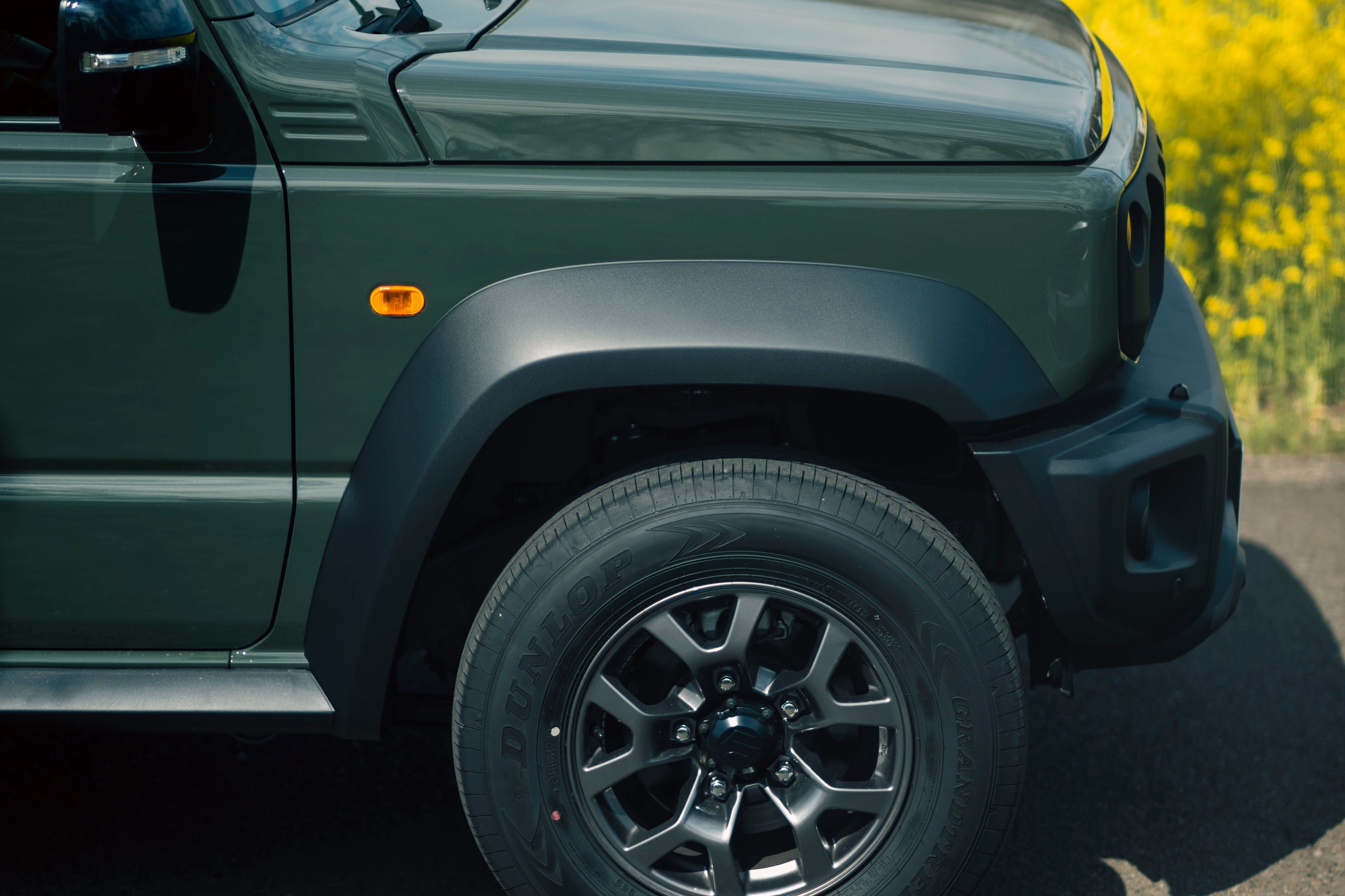
(前のページから続く)ワインディングロードに入ると、トレッドの拡大がもたらす恩恵があらわれる。 前後それぞれ130mm広げられたトレッドと、195/80R15という太いタイヤ(軽ジムニーは175/80R16)により、コーナリング時の安定感が向上。 重心高が高いラダーフレーム構造のクルマであるため、タイトなヘアピンカーブなどでは当然ながらロール(車体の傾き)は発生する。しかし、ロールのスピードが緩やかで予測しやすいため、ドライバーに不安感を与えない。 軽ジムニーが持つ“ヒラヒラ”とした軽快感とは対照的な、グランドツアラー的な落ち着きを持っている。 また、快適性の向上にも注目したい。改良に伴い遮音材や防音材が適切に配置された結果、ロードノイズやエンジン音の侵入が効果的に抑えられている。剛性の高いラダーフレームとストロークの長いサスペンションが路面の凹凸を柔軟にいなし、乗用車から乗り換えても不満のないレベルの快適性を確保する。
ジムニーの購入を検討する際、ほぼすべてのユーザーが直面する悩みが「ジムニー(軽)とジムニーシエラ(普通車)、どちらを選ぶべきか?」の問題だ。 ボディシェル自体は同一であるため、室内空間の広さは変わらない。では、何が違うのか? 最も大きな違いは心臓部にある。 ジムニー(軽)が0.66リッター直列3気筒ターボ(64ps/96Nm)であるのに対し、ジムニーシエラは1.5リッター直列4気筒NA(101ps/130Nm)。軽ジムニーのターボエンジンは、高回転まで回した時の過給によるパンチ力があり、軽量な車体を活かした軽快な走りが持ち味だ。しかし、低回転域でのトルクはやや細く、特に上り坂や高速道路での追い越し加速ではアクセルを深く踏み込む必要がある。 一方のシエラは、排気量が2倍以上あるNAエンジンのため、極低速域からのトルクが太い。発進から巡航まで、エンジンを無理に回すことなく“余裕(余力)”を持って走ることができる。長距離ドライブや高速道路の利用頻度が高い場合は、シエラが有利だろう。 ハンドリングと安定感も違う。全幅とトレッドの違い(シエラの方がトレッドが広い)は、走行安定性に直結する。軽ジムニーは細いタイヤと狭いトレッドにより、日本の狭い林道や雪道での轍(わだち)を避けるようなミリ単位のライン取りを得意とする。狭い場所への進入能力は世界トップクラスだ。 シエラはトレッドが広くタイヤが太いため、直進安定性とコーナリング時の踏ん張り感が強い。横風に対する耐性もシエラの方が高い。安定感やどっしり感を求めるならシエラに軍配が上がる。 さて、維持費と経済性はいかに。 日本独自の規格である軽自動車の最大のメリットは維持費の安さである。 毎年かかる自動車税、2年ごとの車検時の重量税、さらには高速道路の通行料金まで、あらゆる面で軽ジムニーの方がランニングコストを安く抑えられる。シエラは普通乗用車(コンパクトカークラス)の維持費となるため、経済性を最優先するユーザーにとっては軽ジムニーが魅力的に映るはずだ。 エクステリアは、好みの違いだろう。デザイン面での迫力や“ギヤ感”を求めるのであれば、シエラを選択する絶対的な理由となる。
ジムニー(軽規格)を選ぶべきユーザーは、林道や狭い山道を頻繁に走るハードなオフローダーを求める向きだろう。 日本の林道は軽自動車のサイズで作られている場所が多い。シエラのオーバーフェンダーでは物理的に通れない、あるいは擦ってしまうような過酷な道を攻めるなら、軽ジムニー一択である。 もうひとつは、維持費(ランニングコスト)を極力抑えたい人だ。軽自動車のメリットは絶大である。 ジムニーシエラ(普通車規格)を選ぶべきユーザーは、高速道路を使った長距離ドライブや旅行によく出かける向きだ。 1.5リッターエンジンのトルクのゆとり、広いトレッドがもたらす直進安定性、そして向上した静粛性は、長距離移動時の疲労を軽減する。 フル乗車や重い荷物を積載することが多いユーザーもシエラが良い。キャンプ道具を積載するほか、車重が増えた際、1.5リッターエンジンの排気量のゆとりが大きな武器となる。
新しいジムニーシエラは、世界的に見ても直接的なライバルが存在しない、極めて特異で魅力的なクルマである。あえて挙げるなら、ロシアのラーダ「ニーヴァ」くらいか。 軽自動車版のジムニーが持つ絶対的な悪路走破性を一切スポイルすることなく、1.5リッターエンジンの搭載とトレッドの拡大により、“余裕”と“快適性”のプラスアルファの価値を手に入れたのがジムニーシエラである。 日常の足から週末の大自然への冒険まで、1台ですべえをこなし、かつ移動のプロセスそのものを楽しみたいと願うのであれば、ジムニーシエラは、賢明かつワクワクする選択肢となるだろう。 アクセルを踏み込んだ瞬間に感じる頼もしさは、シエラでしか味わえないフィーリングだ。
(前のページから続く)ワインディングロードに入ると、トレッドの拡大がもたらす恩恵があらわれる。 前後それぞれ130mm広げられたトレッドと、195/80R15という太いタイヤ(軽ジムニーは175/80R16)により、コーナリング時の安定感が向上。 重心高が高いラダーフレーム構造のクルマであるため、タイトなヘアピンカーブなどでは当然ながらロール(車体の傾き)は発生する。しかし、ロールのスピードが緩やかで予測しやすいため、ドライバーに不安感を与えない。 軽ジムニーが持つ“ヒラヒラ”とした軽快感とは対照的な、グランドツアラー的な落ち着きを持っている。 また、快適性の向上にも注目したい。改良に伴い遮音材や防音材が適切に配置された結果、ロードノイズやエンジン音の侵入が効果的に抑えられている。剛性の高いラダーフレームとストロークの長いサスペンションが路面の凹凸を柔軟にいなし、乗用車から乗り換えても不満のないレベルの快適性を確保する。
ジムニーの購入を検討する際、ほぼすべてのユーザーが直面する悩みが「ジムニー(軽)とジムニーシエラ(普通車)、どちらを選ぶべきか?」の問題だ。 ボディシェル自体は同一であるため、室内空間の広さは変わらない。では、何が違うのか? 最も大きな違いは心臓部にある。 ジムニー(軽)が0.66リッター直列3気筒ターボ(64ps/96Nm)であるのに対し、ジムニーシエラは1.5リッター直列4気筒NA(101ps/130Nm)。軽ジムニーのターボエンジンは、高回転まで回した時の過給によるパンチ力があり、軽量な車体を活かした軽快な走りが持ち味だ。しかし、低回転域でのトルクはやや細く、特に上り坂や高速道路での追い越し加速ではアクセルを深く踏み込む必要がある。 一方のシエラは、排気量が2倍以上あるNAエンジンのため、極低速域からのトルクが太い。発進から巡航まで、エンジンを無理に回すことなく“余裕(余力)”を持って走ることができる。長距離ドライブや高速道路の利用頻度が高い場合は、シエラが有利だろう。 ハンドリングと安定感も違う。全幅とトレッドの違い(シエラの方がトレッドが広い)は、走行安定性に直結する。軽ジムニーは細いタイヤと狭いトレッドにより、日本の狭い林道や雪道での轍(わだち)を避けるようなミリ単位のライン取りを得意とする。狭い場所への進入能力は世界トップクラスだ。 シエラはトレッドが広くタイヤが太いため、直進安定性とコーナリング時の踏ん張り感が強い。横風に対する耐性もシエラの方が高い。安定感やどっしり感を求めるならシエラに軍配が上がる。 さて、維持費と経済性はいかに。 日本独自の規格である軽自動車の最大のメリットは維持費の安さである。 毎年かかる自動車税、2年ごとの車検時の重量税、さらには高速道路の通行料金まで、あらゆる面で軽ジムニーの方がランニングコストを安く抑えられる。シエラは普通乗用車(コンパクトカークラス)の維持費となるため、経済性を最優先するユーザーにとっては軽ジムニーが魅力的に映るはずだ。 エクステリアは、好みの違いだろう。デザイン面での迫力や“ギヤ感”を求めるのであれば、シエラを選択する絶対的な理由となる。
ジムニー(軽規格)を選ぶべきユーザーは、林道や狭い山道を頻繁に走るハードなオフローダーを求める向きだろう。 日本の林道は軽自動車のサイズで作られている場所が多い。シエラのオーバーフェンダーでは物理的に通れない、あるいは擦ってしまうような過酷な道を攻めるなら、軽ジムニー一択である。 もうひとつは、維持費(ランニングコスト)を極力抑えたい人だ。軽自動車のメリットは絶大である。 ジムニーシエラ(普通車規格)を選ぶべきユーザーは、高速道路を使った長距離ドライブや旅行によく出かける向きだ。 1.5リッターエンジンのトルクのゆとり、広いトレッドがもたらす直進安定性、そして向上した静粛性は、長距離移動時の疲労を軽減する。 フル乗車や重い荷物を積載することが多いユーザーもシエラが良い。キャンプ道具を積載するほか、車重が増えた際、1.5リッターエンジンの排気量のゆとりが大きな武器となる。
新しいジムニーシエラは、世界的に見ても直接的なライバルが存在しない、極めて特異で魅力的なクルマである。あえて挙げるなら、ロシアのラーダ「ニーヴァ」くらいか。 軽自動車版のジムニーが持つ絶対的な悪路走破性を一切スポイルすることなく、1.5リッターエンジンの搭載とトレッドの拡大により、“余裕”と“快適性”のプラスアルファの価値を手に入れたのがジムニーシエラである。 日常の足から週末の大自然への冒険まで、1台ですべえをこなし、かつ移動のプロセスそのものを楽しみたいと願うのであれば、ジムニーシエラは、賢明かつワクワクする選択肢となるだろう。 アクセルを踏み込んだ瞬間に感じる頼もしさは、シエラでしか味わえないフィーリングだ。
Vocabulary
General
Proper noun
JLPT N2
JLPT N1
| # | 言葉 | 意味 |
|---|---|---|
| 10 | 軽 | けい (軽) : 1. light (e.g. aircraft, truck) 2. light motor vehicle (up to 660cc and 64bhp); kei car |
| 4 | 規格 | きかく (規格) : standard; norm |
| 4 | 高速道路 | こうそくどうろ (高速道路) : highway; freeway; expressway; motorway |
| 4 | 維持費 | いじひ (維持費) : maintenance costs |
| 4 | 軽自動車 | けいじどうしゃ (軽自動車) : light motor vehicle (up to 660cc and 64bhp); k-car; kei car |
| 3 | 安定感 | あんていかん (安定感) : sense of stability |
| 3 | 向上 | こうじょう (向上) : elevation; rise; improvement; advancement; progress |
| 3 | 抑える | おさえる (抑える) : 1. to keep within limits (e.g. spending); to restrain (e.g. emotions); to control; to curb; to hold in check 2. to hold back (e.g. an enemy); to check; to curb; to contain; to quell; to subdue; to suppress; to repress |
| 3 | 違い | ちがい (違い) : 1. difference; distinction; discrepancy 2. mistake; error |
| 3 | 長距離 | ちょうきょり (長距離) : long distance; long haul |
| 3 | 安定性 | あんていせい (安定性) : stability; security; equilibrium |
| 3 | 林道 | りんどう (林道) : 1. path through forest; woodland path 2. logging road |
| 3 | 求める | もとめる (求める) : 1. to want; to wish for 2. to request; to demand; to require; to ask for |
| 2 | 改良 | かいりょう (改良) : improvement; reform |
| 2 | 拡大 | かくだい (拡大) : magnification; enlargement; expansion; amplification |
| 2 | もたらす | もたらす (齎す) : to bring; to take; to bring about |
| 2 | 車体 | しゃたい (車体) : body (of car); frame |
| 2 | 軽快 | けいかい (軽快) : 1. light (of movements); nimble; sprightly; springy 2. light-hearted; cheerful; buoyant; jaunty; casual (e.g. clothing); rhythmical (e.g. melody) |
| 2 | 持つ | もつ (持つ) : 1. to hold (in one's hand); to take; to carry 2. to possess; to have; to own |
| 2 | 材 | ざい (材) : 1. wood; lumber; timber 2. (raw) material; stuff; ingredients |
| 2 | 際 | きわ (際) : 1. edge; brink; verge; side 2. time; moment of |
| 2 | 普通車 | ふつうしゃ (普通車) : 1. standard size car 2. ordinary carriage (train); second-class carriage; ordinary car |
| 2 | 直列 | ちょくれつ (直列) : 1. series (e.g. electrical) 2. serial |
| 2 | 気筒 | きとう (気筒) : cylinder |
| 2 | 回転 | かいてん (回転) : rotation (usu. around something); revolution; turning |
| 2 | 回す | まわす (回す) : 1. to turn; to rotate; to spin; to twist; to gyrate 2. to pass around; to send around; to hand around; to circulate |
| 2 | 域 | いき (域) : region; limits; stage; level |
| 2 | 踏み込む | ふみこむ (踏み込む) : 1. to step into (e.g. someone else's territory); to break into; to raid 2. to come to grips with; to get to the core of |
| 2 | 排気量 | はいきりょう (排気量) : (engine) displacement |
| 2 | 余裕 | よゆう (余裕) : 1. surplus; margin; leeway; room; space; time; allowance; flexibility; scope 2. composure; placidity; complacency; calm |
| 2 | 直進 | ちょくしん (直進) : going straight on; going straight ahead |
| 2 | 経済性 | けいざいせい (経済性) : economy (saving money) |
| 2 | 面 | おもて (面) : 1. face 2. surface |
| 2 | 魅力的 | みりょくてき (魅力的) : charming; fascinating; attractive |
| 2 | 絶対的 | ぜったいてき (絶対的) : absolute |
| 2 | 向き | むき (向き) : 1. direction; orientation; aspect; exposure 2. suited to; suitable for; designed for |
| 2 | ゆとり | ゆとり : elbowroom; leeway; room; reserve; margin; allowance; latitude; time (to spare) |
| 2 | 移動 | いどう (移動) : 1. movement; transfer; migration; removal; travel 2. mobile; moving; traveling; travelling; roving |
| 2 | 積載 | せきさい (積載) : lading; loading; carrying |
| 1 | 一部 | いちぶ (一部) : 1. one part; one portion; one section; some 2. one copy (e.g. of a document) |
| 1 | 魅力 | みりょく (魅力) : charm; fascination; glamour; glamor; attraction; appeal |
| 1 | 増す | ます (増す) : to increase; to grow |
| 1 | 乗る | のる (乗る) : 1. to get on (train, plane, bus, ship, etc.); to get in; to board; to take; to embark 2. to get on (e.g. a footstool); to step on; to jump on; to sit on; to mount |
| 1 | 恩恵 | おんけい (恩恵) : grace; favor; favour; blessing; benefit |
| 1 | あらわれる | あらわれる (現れる) : 1. to appear; to come in sight; to become visible; to come out; to embody; to materialize; to materialise 2. to be expressed (e.g. emotions); to become apparent (e.g. trends, effects) |
| 1 | 前後 | ぜんご (前後) : 1. front and rear; front and back; before and behind; back and forth 2. before and after |
| 1 | 広げる | ひろげる (広げる) : 1. to spread; to extend; to expand; to enlarge; to widen; to broaden 2. to unfold; to open; to unroll; to unwrap |
| 1 | 重心 | じゅうしん (重心) : 1. centre of gravity (center) 2. centroid; barycenter |
| 1 | 構造 | こうぞう (構造) : structure; construction; makeup; framework; organization; pattern |
| 1 | 当然 | とうぜん (当然) : 1. natural; right; proper; just; reasonable; appropriate; deserved 2. naturally; as a matter of course; rightly; deservedly; justly; of course |
| 1 | 傾き | かたむき (傾き) : 1. slope; inclination; list 2. tendency; trend; bent; disposition; bias |
| 1 | 発生 | はっせい (発生) : 1. outbreak; spring forth; occurrence; incidence 2. generation (e.g. of power or heat); genesis; origin |
| 1 | 緩やか | ゆるやか (緩やか) : 1. loose; slack 2. gentle (slope, curve); slow (speed) |
| 1 | 予測 | よそく (予測) : prediction; estimation |
| 1 | 不安感 | ふあんかん (不安感) : uneasy feeling; sense of anxiety; malaise |
| 1 | 与える | あたえる (与える) : 1. to give (esp. to someone of lower status); to bestow; to grant; to confer; to present; to award 2. to provide; to afford; to offer; to supply |
| 1 | 対照的 | たいしょうてき (対照的) : contrastive |
| 1 | 落ち着き | おちつき (落ち着き) : 1. calmness; composure; presence of mind 2. stability; steadiness |
| 1 | 注目 | ちゅうもく (注目) : notice; attention; observation |
| 1 | 伴う | ともなう (伴う) : 1. to accompany; to go hand in hand with; to be consequent upon 2. to be accompanied by; to bring with; to take with; to be involved in |
| 1 | 遮音 | しゃおん (遮音) : soundproofing; sound insulation |
| 1 | 防音 | ぼうおん (防音) : soundproof(ing) |
| 1 | 適切 | てきせつ (適切) : appropriate; suitable; fitting; apt; proper; right; pertinent; relevant |
| 1 | 配置 | はいち (配置) : arrangement (of resources); deployment; stationing; posting; disposition; configuration; layout |
| 1 | 結果 | けっか (結果) : 1. result; consequence; outcome; effect 2. coming to fruition; bearing fruit |
| 1 | 侵入 | しんにゅう (侵入) : invasion; incursion; raid; aggression; intrusion; trespass; penetration |
| 1 | 効果的 | こうかてき (効果的) : effective; successful |
| 1 | 剛性 | ごうせい (剛性) : hardness; rigidity |
| 1 | 路面 | ろめん (路面) : road surface |
| 1 | 凹凸 | おうとつ (凹凸) : 1. unevenness; bumpiness; roughness; ruggedness 2. imbalance; inequality; unevenness; disparity |
| 1 | 柔軟 | じゅうなん (柔軟) : flexible; lithe; soft; pliable |
| 1 | 乗用車 | じょうようしゃ (乗用車) : (passenger) car; automobile |
| 1 | 乗り換える | のりかえる (乗り換える) : 1. to transfer (trains); to change (bus, train) 2. to change (to another ideology, party, company, etc.); to switch (to a different system, method, etc.); to move on to (e.g. a new love interest) |
| 1 | 不満 | ふまん (不満) : dissatisfaction; discontent; displeasure; complaint; unhappiness |
| 1 | 確保 | かくほ (確保) : 1. securing; obtaining; ensuring; guarantee; maintaining 2. belay; belaying |
| 1 | 購入 | こうにゅう (購入) : purchase; buy |
| 1 | 検討 | けんとう (検討) : consideration; examination; investigation; study; scrutiny; discussion; analysis; review |
| 1 | ほぼ | ほぼ (略) : almost; roughly; approximately |
| 1 | 直面 | ちょくめん (直面) : 1. confrontation 2. to face; to confront; to encounter |
| 1 | 悩み | なやみ (悩み) : trouble; troubles; worry; distress; sorrows; anguish; agony; problem |
| 1 | 自体 | じたい (自体) : 1. itself 2. one's own body; oneself |
| 1 | 同一 | どういつ (同一) : 1. identical; same; one and the same; equal 2. fair; equal treatment; without discrimination |
| 1 | 広さ | ひろさ (広さ) : extent |
| 1 | 変わる | かわる (変わる) : 1. to change; to be transformed; to be altered; to vary 2. to move to |
| 1 | 最も | もっとも (最も) : most; extremely |
| 1 | 心臓 | しんぞう (心臓) : 1. heart 2. guts; nerve; cheek; gall; spine |
| 1 | 軽量 | けいりょう (軽量) : light weight |
| 1 | 活かす | いかす (生かす) : 1. to make (the best) use of; to put to good use; to leverage (skills, attributes, experience, etc.); to capitalise on (experience, etc.) 2. to let live; to keep alive |
| 1 | 走り | はしり (走り) : 1. running 2. gliding |
| 1 | 持ち味 | もちあじ (持ち味) : 1. inherent flavor; inherent flavour; natural taste 2. distinctive characteristic (of a person, work, etc.); peculiar quality; special ability |
| 1 | 低 | てい (低) : low (level, value, price, etc.) |
| 1 | やや | やや (稍) : a little; partially; somewhat; slightly; semi-; -ish; on the ... side; a short time; a while |
| 1 | 上り坂 | のぼりざか (上り坂) : 1. ascent; uphill; upward slope 2. (gradual) upturn; increase |
| 1 | 追い越し | おいこし (追い越し) : passing; overtaking |
| 1 | 加速 | かそく (加速) : acceleration; speeding up |
| 1 | 深く | ふかく (深く) : deeply; intimately; heartily; sincerely; profoundly |
| 1 | 極 | ごく (極) : 1. quite; very 2. 10^48; quindecillion |
| 1 | 低速 | ていそく (低速) : low speed; slow speed |
| 1 | 発進 | はっしん (発進) : departure; takeoff |
| 1 | 巡航 | じゅんこう (巡航) : cruise; cruising |
| 1 | 余力 | よりょく (余力) : spare energy, time or money; remaining strength; reserve power; money to spare |
| 1 | 頻度 | ひんど (頻度) : frequency (of occurrence) |
| 1 | 有利 | ゆうり (有利) : 1. advantageous; favourable; better; stronger 2. profitable; lucrative; gainful; paying |
| 1 | 全幅 | ぜんぷく (全幅) : 1. full; wholehearted; utmost; all; every 2. overall width |
| 1 | 走行 | そうこう (走行) : 1. running (of a car, bus, etc.); traveling; travelling 2. running (of a program) |
| 1 | 直結 | ちょっけつ (直結) : direct connection; direct link |
| 1 | 雪道 | ゆきみち (雪道) : snow-covered road |
| 1 | 避ける | さける (避ける) : 1. to avoid (physical contact with) 2. to avoid (situation) |
| 1 | 単位 | たんい (単位) : 1. unit; denomination 2. credit (in school) |
| 1 | 取り | とり (取り) : 1. taking; taker; collecting; collector; remover; removal 2. last performer of the day (usu. the star performer); last performance of the day |
| 1 | 得意 | とくい (得意) : 1. triumph; prosperity 2. pride |
| 1 | 進入 | しんにゅう (進入) : entry; approach; penetration |
| 1 | 能力 | のうりょく (能力) : ability; faculty |
| 1 | 広く | ひろく (広く) : widely; far and wide; extensively; universally |
| 1 | 横風 | おうふう (横風) : arrogant; haughty |
| 1 | 耐性 | たいせい (耐性) : resistance (e.g. to antibiotics); tolerance (e.g. drug tolerance) |
| 1 | どっしり | どっしり : 1. bulky and heavy; massive; solid; weighty; substantial 2. dignified; imposing; composed |
| 1 | 軍配 | ぐんばい (軍配) : 1. gourd-shaped war fan 2. referee's fan |
| 1 | 上がる | あがる (上がる) : 1. to rise; to go up; to come up; to ascend; to be raised 2. to enter (esp. from outdoors); to come in; to go in |
| 1 | さて | さて (偖) : well; now; then |
| 1 | いかに | いかに (如何に) : 1. how; in what way 2. how (much); to what extent |
| 1 | 独自 | どくじ (独自) : 1. original; unique; distinctive; characteristic; peculiar 2. independent; one's own; personal |
| 1 | 最大 | さいだい (最大) : biggest; greatest; largest; maximum |
| 1 | 自動車税 | じどうしゃぜい (自動車税) : automobile tax; vehicle tax |
| 1 | ごと | ごと (毎) : each; every |
| 1 | 車検 | しゃけん (車検) : vehicle inspection |
| 1 | 重量 | じゅうりょう (重量) : 1. weight 2. heavyweight boxer |
| 1 | 税 | ぜい (税) : tax |
| 1 | あらゆる | あらゆる (有らゆる) : all; every |
| 1 | 安く | やすく (安く) : inexpensively |
| 1 | 最優先 | さいゆうせん (最優先) : maximum preference; maximum priority; priority handling |
| 1 | 映る | うつる (映る) : to be reflected; to harmonize with (harmonise); to come out (photo); to be projected; to be displayed (on a screen) |
| 1 | 好み | このみ (好み) : liking; taste; choice |
| 1 | 迫力 | はくりょく (迫力) : impressiveness; impact; force; intensity; appeal; strength; punch; edge; vigor |
| 1 | 選択 | せんたく (選択) : selection; choice; option |
| 1 | 山道 | やまみち (山道) : mountain road; mountain trail |
| 1 | 頻繁 | ひんぱん (頻繁) : frequent; incessant |
| 1 | 作る | つくる (作る) : 1. to make; to produce; to manufacture; to build; to construct 2. to prepare (food); to brew (alcohol) |
| 1 | 物理的 | ぶつりてき (物理的) : physical |
| 1 | あるいは | あるいは (或いは) : 1. or; either ... or 2. maybe; perhaps; possibly |
| 1 | 擦る | こする (擦る) : to rub; to scrub; to scrape |
| 1 | 過酷 | かこく (過酷) : severe; harsh; hard; cruel; rigorous |
| 1 | 攻める | せめる (攻める) : to attack; to assault; to assail |
| 1 | 択 | たく (択) : counter for choices, options, etc. |
| 1 | 極力 | きょくりょく (極力) : to the utmost; to the best of one's ability |
| 1 | 絶大 | ぜつだい (絶大) : tremendous; immense |
| 1 | 静粛 | せいしゅく (静粛) : silent |
| 1 | 疲労 | ひろう (疲労) : fatigue; weariness |
| 1 | 軽減 | けいげん (軽減) : abatement; reduction |
| 1 | 乗車 | じょうしゃ (乗車) : boarding (a train, bus, etc.); getting into (e.g. a taxi) |
| 1 | 車重 | しゃじゅう (車重) : vehicle weight; car weight |
| 1 | 増える | ふえる (増える) : to increase; to multiply |
| 1 | 武器 | ぶき (武器) : 1. weapon; arms; ordnance 2. weapon (something used to gain an advantage); asset |
| 1 | 世界的 | せかいてき (世界的) : 1. worldwide; global; international; universal 2. world-famous; world-class |
| 1 | 直接的 | ちょくせつてき (直接的) : direct |
| 1 | 存在 | そんざい (存在) : existence; being |
| 1 | 極めて | きわめて (極めて) : exceedingly; extremely; decisively |
| 1 | 特異 | とくい (特異) : unique; peculiar; singular |
| 1 | あえて | あえて (敢えて) : 1. purposely (of something needless, unexpected or seemingly counterproductive, etc.); daringly (doing something); deliberately; intentionally 2. not necessarily; not particularly; not especially |
| 1 | 版 | はん (版) : 1. edition; version; printing; impression; implementation (e.g. software) 2. plate; block; cast |
| 1 | 悪路 | あくろ (悪路) : bad road |
| 1 | 走破 | そうは (走破) : running the whole distance |
| 1 | 一切 | いっさい (一切) : 1. all; everything; entirety; the whole 2. absolutely (not); (not) at all; (none) whatsoever; without exception |
| 1 | 搭載 | とうさい (搭載) : 1. loading (on board); equipping 2. equipped (with); built-in |
| 1 | 価値 | かち (価値) : value; worth; merit |
| 1 | 入れる | いれる (入れる) : 1. to put in; to let in; to take in; to bring in; to insert; to install (e.g. software); to set (a jewel, etc.); to ink in (e.g. tattoo) 2. to admit; to accept; to employ; to hire |
| 1 | 日常 | にちじょう (日常) : everyday; daily; ordinary; usual; routine; regular |
| 1 | 週末 | しゅうまつ (週末) : weekend |
| 1 | 大自然 | だいしぜん (大自然) : nature; Mother Nature |
| 1 | 冒険 | ぼうけん (冒険) : 1. adventure; venture 2. venture which is unlikely to succeed; risky attempt; danger; hazard; risk |
| 1 | べえ | べ : 1. word used at sentence-end (like a particle) to indicate speculation, volition or invitation 2. familiar suffix used after a personal name |
| 1 | 賢明 | けんめい (賢明) : wise; sensible; well-advised; intelligent; sagacious; prudent |
| 1 | 選択肢 | せんたくし (選択肢) : choices; alternatives; options |
| 1 | 瞬間 | しゅんかん (瞬間) : moment; second; instant |
| 1 | 感じる | かんじる (感じる) : to feel; to sense; to experience |