上皇さまの意向受け 将来の葬儀の規模大幅縮小へ | NHKニュース
予習
この記事のキーワード — タップで意味×19
上皇
じょうこう
retired emperor; ex-emperor; former emperor; emperor emeritus
×13
宮内庁
くないちょう
Imperial Household Agency
×13
葬儀
そうぎ
funeral service
×8
昭和天皇
しょうわてんのう
Emperor Shōwa (1901-1989, reigned 1926-1989); Emperor Showa; Emperor Hirohito
×7
儀
ぎ
1. ceremony 2. matter; affair
N1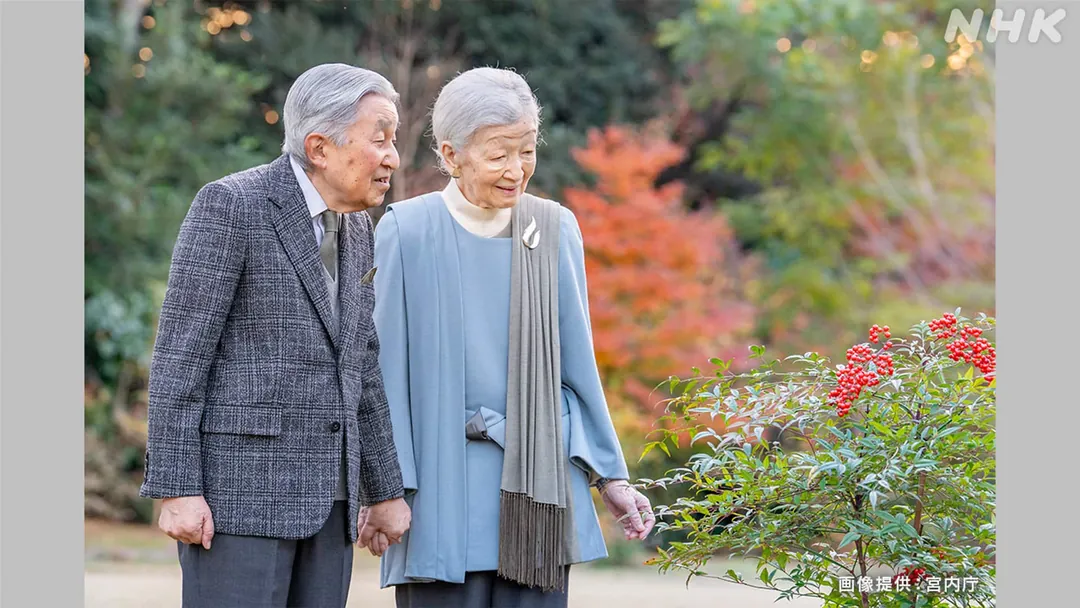
上皇さまが生前退位の意向がにじむビデオメッセージを表されてからことしで10年となり、上皇ご夫妻は公の場にはほぼ出ることなく、穏やかな日々を過ごされています。
ことし93歳となる上皇さまは将来のご自身の葬儀について、国民生活への影響を少なくしたいという意向を、これまで宮内庁の幹部に伝えられています。
こうした意向を受けて、宮内庁は昭和天皇の際には準備を含め新宿御苑を2か月半閉鎖して行った、一般の告別式にあたる儀式を皇居・宮殿で行うことで、規模を大幅に縮小する方向で検討を進めていることが分かりました。
上皇さまは10年前の平成28年、生前退位の意向が強くにじむビデオメッセージを表し、3年後の平成31年に退位されました。
ことし93歳の誕生日を迎える上皇さまは、退位後公の場に出ることはほとんどなくなりましたが、体調に大きな問題はみられず、上皇后さまとともに穏やかな日々を過ごされているということです。
上皇ご夫妻は将来のご自身の葬儀について、皇室の伝統を踏まえつつ、国民生活への影響を少なくしたいという意向を、これまで宮内庁の幹部に伝えられていて、宮内庁はこれを受けて、昭和天皇の葬儀も踏まえながら、検討を進めてきました。
昭和天皇の葬儀の際には、皇室の儀式で、一般の告別式にあたる「葬場殿の儀」と、国が行う「大喪の礼」のため、新宿御苑を2か月半にわたって閉鎖するとともに、新たに総ひのき造りの建物を設置し、国内外からおよそ1万人が参列しました。
関係者によりますと、宮内庁はご夫妻の意向を受けて、「葬場殿の儀」について、皇居宮殿の「松の間」に「殿舎」を設け、宮殿の各部屋や廊下なども使って行う方向で調整が進められているということです。
宮内庁は宮殿への変更に伴い、参列者の数を2500人程度へと大幅に縮小する方向で、検討を進めています。
皇居内の宮殿で儀式が行われれば、国民生活への影響や必要な経費が大幅に減ることになるほか、参列者の安全確保も図りやすいということです。
また、昭和天皇の時に早朝から深夜まで続いた儀式については2日に分け、参列者や皇族方の負担を軽減することも検討されています。
こうした宮内庁の方針は、天皇陛下や秋篠宮さまも了承されていて、今後、国の儀式として行われる「大喪の礼」のあり方にも大きく影響する可能性があります。
宮内庁関係者の1人は、「これまで一貫して国民を思い続けてきた姿勢が表れていると思う」と話しています。
上皇さまは10年前の平成28年8月8日、ビデオメッセージで生前退位の意向が強くにじむお気持ちを表されました。
この中で、前立腺がんと心臓の手術を受けたことや、高齢による体力の低下について触れた上で、「これから先、従来のように重い務めを果たすことが困難になった場合、どのように身を処していくことが、国にとり、国民にとり、また、私のあとを歩む皇族にとり良いことであるかにつき、考えるようになりました」と述べられました。
続いて、「次第に進む身体の衰えを考慮する時、これまでのように、全身全霊をもって象徴の務めを果たしていくことが、難しくなるのではないかと案じています」と語られました。
そして、「これからも皇室がどのような時にも国民と共にあり、相たずさえてこの国の未来を築いていけるよう、そして象徴天皇の務めが常に途切れることなく、安定的に続いていくことをひとえに念じる」と話され、生前退位への意向が強くにじむものとなりました。
また、ビデオメッセージの中では、天皇の終焉という言葉を使いながら、ご自身の葬儀に関しても触れられました。
喪儀に関連する行事と新しい時代に関わる行事が同時に進行すると、関係者や残される家族が非常に厳しい状況下に置かれると指摘し、「こうした事態を避けることは出来ないものだろうかとの思いが、胸に去来することもあります」と話されました。
上皇さまは退位したあとも上皇后さまとともに人々の幸せと社会の安寧を願いながら穏やかな日々を過ごされています。
公の場に出ることはほとんどなくなりましたが、国内外の出来事に目を向け、自然災害が起きた際には、報道を見て避難生活を続けている人々がいることに心を痛められています。
おととし、地震と豪雨で大きな被害を受けた能登半島や、ことし7月に発生した熊本地震など、被災地の状況や被災者の生活を案じられました。
また、国内外で新型コロナウイルスの感染が拡大した際には、人々の健康と日常生活に大きな影響を及ぼしていることを深く案じられました。
上皇さまが忘れてはならない4つの日としてあげられた終戦の日と、広島、長崎の原爆の日、沖縄戦で旧日本軍の組織的な戦闘が終わったとされる6月23日の「慰霊の日」、それに加えて、阪神・淡路大震災や東日本大震災の発生日には黙とうされています。
ことしに入ってからは、正月の新年一般参賀で皇居・宮殿のベランダに立ち、訪れた人たちから祝賀を受けたほか、5月に神奈川県の葉山御用邸で静養した際には、御用邸の裏にある海岸を散策し、海岸を訪れた人たちと交流されました。
心臓の持病がある上皇さまは、薬による治療を受け、症状は比較的安定した状態で維持されていて、上皇后さまとともにお住まいがある赤坂御用地内を散策したり、筋力の低下を防ぐための運動を続けたりされています。
上皇さまは上皇后さまとともに、天皇皇后両陛下や秋篠宮ご夫妻をはじめとした皇族方を見守りながら、穏やかに過ごされています。
関係者によりますと、宮内庁は検討を始めた当初上皇さまの「葬場殿の儀」を宮殿で行うことは考えていなかったということです。
宮内庁によりますと上皇さまは、上皇后さまとともに「葬場殿の儀」について多くの国民が利用している場所を長い間占有しないかなど国民生活への影響に留意する必要があると考えられているということです。
こうした考え方に沿って宮内庁は皇居の東御苑や赤坂御用地といった皇室用の用地を軸に検討を進めていました。
上皇さまは葬場をつくるために多くの樹木を伐採したりすることが無いかどうかなど、環境への影響にも留意する必要があると考えられていたということです。
また暑さ寒さに加え集中豪雨や竜巻など気象条件の急激な変化を非常に心配し、参列者の安全が確保できる場所を選んでほしいとも望まれていました。
こうした意向を受け、宮内庁も当初の方針を転換し、宮殿が最もふさわしいと考えるようになったということです。
明治天皇の葬儀では、一般の告別式にあたる「葬場殿の儀」がいまの明治神宮外苑で行われ、およそ10万坪の敷地に70棟余りの建物が設けられました。
公布の2か月後に崩御した大正天皇の葬儀はこれに基づいて行われ、新宿御苑で実施された「葬場殿の儀」には、およそ7000人が参列しました。
「皇室喪儀令」は戦後廃止され、昭和64年に崩御した昭和天皇の葬儀は、喪儀令を参考にしながら、皇室の伝統にのっとって行われました。
会場の新宿御苑が2か月半にわたって閉鎖されて総ひのき造りの葬場殿などが新たに設置され、皇室の行事の「葬場殿の儀」と国が行う「大喪の礼」が同じ日に行われて、国民や164か国の代表などおよそ1万人が参列しました。
「大喪の礼」が行われる際には、憲法が定める政教分離に反しないよう、葬場から鳥居や大真榊を撤去するなど、宗教性がないよう配慮されました。
昭和天皇が闘病中から社会には自粛ムードが広がり、崩御のあとには、政府が哀悼の意を表するためとして、国民に対して黙とうなどの協力を呼びかけました。
昭和天皇は昭和63年9月に突然吐血し、その後100日余りにわたって続いた闘病中には秋祭りや運動会の中止や延期が相次ぐなど、自粛ムードが広がりました。
昭和64年1月7日に昭和天皇が崩御したあと、政府は哀悼の意を表するためとして、弔旗を掲げることや歌舞音曲を伴う行事を差し控えること、それに、黙とうすることなどの協力を呼びかけました。
アーケードに掲げられていた「迎春」と書かれた看板がおろされたり、ネオンサインが消されたりしました。
また、商店街やデパートの売り場から年賀状や明るい色の服が撤去されたほか、営業を取りやめる店舗も相次ぎました。
象徴天皇制について研究している名古屋大学の河西秀哉教授は、上皇さまがご自身の葬儀による国民生活への影響を少なくしたいという意向を示され、宮内庁が検討を進めていることについて、「在位中から、国民生活への影響ということを大変気にされながらいろいろなことに取り組まれた上皇さまらしい。自分のことで国民に迷惑をかけたくない、多大な影響を与えたくないということだと思う」と話しました。
皇太子だった上皇さまは当時、宮内庁長官に対し、過度の自粛を懸念する考えを伝えられています。
河西教授は、「当時、国民生活が非常に窮屈になっていったことや、経済が停滞したり、自粛しない人に対する批判が集まったりするのを上皇さまは見てきている。ご自身のときには、国民に迷惑をかけるようなことは避けて、最後まで国民統合の象徴としてあり、葬儀もそういう形でやりたいということがご希望としてはあるのではないか」と述べています。
そのうえで、「上皇さまもこういう風に送り出してほしいということを、メッセージとして出されているのだろうなと思う」と話しています。
この記事の単語 (292)
×19
上皇
じょうこう
retired emperor; ex-emperor; former emperor; emperor emeritus
×16
国民
こくみん
people (of a country); nation; citizen; national
×13
葬儀
そうぎ
funeral service
×13
宮内庁
くないちょう
Imperial Household Agency
×10
意向
いこう
intention; idea; inclination; wish
×10
影響
えいきょう
1. influence; effect 2. to influence; to affect; to have an influence on; to impact; to have an effect on
×8
昭和天皇
しょうわてんのう
Emperor Shōwa (1901-1989, reigned 1926-1989); Emperor Showa; Emperor Hirohito
×8
宮殿
きゅうでん
palace
×7
検討
けんとう
consideration; examination; investigation; study; scrutiny; discussion; analysis; review
×7
皇室
こうしつ
Imperial household
×7
儀
ぎ
1. ceremony 2. matter; affair
×6
際
さい
on the occasion of; circumstances; juncture
×6
進める
すすめる
1. to advance; to move forward; to put (a clock, watch) forward 2. to carry forward (plans, work, etc.); to proceed with; to make progress in; to further; to advance; to hasten; to speed up
×5
御自身
ごじしん
himself; yourself; herself
×5
皇居
こうきょ
Imperial Palace (of Japan); imperial residence
×5
上皇后
じょうこうごう
retired empress; ex-empress; former empress; empress emerita
×5
天皇
てんのう
Emperor of Japan
×4
生前退位
せいぜんたいい
abdication of an emperor (before demise)
×4
滲む
にじむ
1. to run (of liquid); to spread 2. to blur; to blot; to be blurred
×4
夫妻
ふさい
husband and wife; married couple
×4
穏やか
おだやか
1. calm; quiet; gentle; peaceful; mild 2. moderate; reasonable; amicable
×4
過ごす
すごす
1. to pass (time); to spend 2. to overdo (esp. of one's alcohol consumption); to drink (alcohol)
×4
新宿御苑
しんじゅくぎょえん
Shinjukugyoen (place)
×4
儀式
ぎしき
ceremony; rite; ritual; service
×4
大喪の礼
たいそうのれい
funeral service of a Japanese emperor
×4
関係者
かんけいしゃ
person concerned; people involved (in an event); those concerned; staff
×4
参列者
さんれつしゃ
attendant; attendee
×4
行事
ぎょうじ
event; function
×4
崩御
ほうぎょ
death (of an emperor); demise
×4
自粛
じしゅく
self-restraint; voluntary restraint; self-imposed control; self-discipline
×3
表す
あらわす
1. to represent; to signify; to stand for 2. to reveal; to show; to display
×3
日々
ひび
every day; daily; day after day; days (e.g. good old days)
×3
閉鎖
へいさ
closing; closure; shutdown; lockout
×3
一般
いっぱん
1. general; universal 2. ordinary; average; common; non-celebrity
×3
告別式
こくべつしき
1. funeral service; memorial service 2. farewell ceremony (e.g. for a retiree)
×3
当たる
あたる
1. to be hit; to strike 2. to touch; to be in contact; to be affixed
×3
大幅
おおはば
1. big; large; drastic; substantial 2. full-width cloth (approx. 72 cm wide for traditional Japanese clothing; approx. 140 cm wide for Western clothing)
×3
方向
ほうこう
1. direction; orientation; bearing; way 2. course (e.g. of action)
×3
平成
へいせい
Heisei era (1989.1.8-2019.4.30)
×3
退位
たいい
abdication
×3
国内外
こくないがい
domestic and foreign; inside and outside the country
×3
参列
さんれつ
attendance; participation; presence
×3
皇族
こうぞく
imperial family; royalty
×3
務め
つとめ
1. service; duty; business; responsibility; task 2. Buddhist religious services
×3
象徴
しょうちょう
(abstract) symbol; emblem; representation
×3
案じる
あんじる
1. to be anxious or concerned about; to ponder (anxiously); to fear 2. to investigate; to consider; to plan
×3
相
あい
together; mutually; fellow
×3
非常
ひじょう
1. emergency 2. extraordinary; unusual
×3
人々
ひとびと
1. people; men and women 2. each person; everybody
×3
黙祷
もくとう
silent prayer
×3
昭和
しょうわ
1. Shōwa era (1926.12.25-1989.1.7) 2. reminiscent of the Shōwa era; Shōwa-nostalgic; old-fashioned; quaint; old-school
×2
幹部
かんぶ
management; (executive) staff; leaders; leadership; top brass; upper echelons
×2
縮小
しゅくしょう
reduction; curtailment
×2
伝統
でんとう
tradition; convention
×2
踏まえる
ふまえる
1. to be based on; to take into account; to build upon; to have origin in 2. to have one's feet firmly planted on; to plant oneself on
×2
新た
あらた
new; fresh; novel
×2
総
そう
whole; all; general; gross; entire; overall
×2
檜
ひのき
hinoki cypress (Chamaecyparis obtusa); Japanese cypress
×2
造り
つくり
1. making; producing; manufacturing; building; construction; make; structure 2. appearance (attire, make-up, etc.)
×2
設置
せっち
1. establishment; institution 2. installation (of a machine or equipment)
×2
設ける
もうける
1. to prepare; to provide 2. to set up; to establish; to organize; to lay down (rules); to make (an excuse)
×2
伴う
ともなう
1. to accompany; to go hand in hand with; to be consequent upon 2. to be accompanied by; to bring with; to take with; to be involved in
×2
方針
ほうしん
1. policy; course; plan (of action); principle 2. magnetic needle
×2
秋篠宮
あきしののみや
Akishinonomiya (surname)
×2
心臓
しんぞう
1. heart 2. guts; nerve; cheek; gall; spine
×2
低下
ていか
fall; decline; lowering; deterioration; degradation
×2
触れる
ふれる
1. to touch; to feel 2. to touch (with)
×2
述べる
のべる
to state; to express; to mention
×2
避ける
さける
1. to avoid (physical contact with) 2. to avoid (situation)
×2
訪れる
おとずれる
1. to visit; to call on 2. to arrive (season, time, situation, etc.); to come; to appear
×2
散策
さんさく
walking; strolling; roaming; wandering; exploring
×2
赤坂
あかさか
Akasaka (place; surname)
×2
御用地
ごようち
Goyouchi (place)
×2
当初
とうしょ
1. beginning; start; outset 2. at first; at the beginning; initially; originally
×2
留意
りゅうい
heeding; paying attention; bearing in mind
×2
明治
めいじ
Meiji era (1868.9.8-1912.7.30)
×2
余り
あまり
1. remainder; remnant; rest; balance; surplus; remains (of a meal); leftovers 2. (not) very; (not) much
×2
撤去
てっきょ
1. withdrawal; revocation; repeal 2. demolition; removal
×2
広がる
ひろがる
to spread (out); to extend; to stretch; to reach to; to get around; to fill (e.g. a space)
×2
政府
せいふ
government; administration
×2
哀悼
あいとう
condolence; regret; tribute; sorrow; sympathy; lament
×2
表する
ひょうする
to express; to show
×2
協力
きょうりょく
cooperation; collaboration
×2
呼び掛ける
よびかける
1. to call out to; to hail; to address 2. to appeal
×2
次ぐ
つぐ
to rank next to; to come after
×2
掲げる
かかげる
1. to put up (a notice, sign, etc.); to hang out (e.g. a banner); to fly (e.g. a flag); to hoist; to raise; to display 2. to hold up high; to raise overhead
×2
河西
かさい
Kasai (place; surname)
×2
教授
きょうじゅ
1. professor 2. teaching; instruction
×2
迷惑
めいわく
1. trouble; bother; annoyance; nuisance; inconvenience 2. to be troubled (by); to be bothered (by); to be inconvenienced (by)
×2
当時
とうじ
at that time; in those days
×1
ほぼ
almost; roughly; approximately
×1
含める
ふくめる
1. to include (in a group or scope) 2. to instruct; to make one understand
×1
規模
きぼ
scale; scope; plan; structure
×1
体調
たいちょう
physical condition; state of health
×1
松
まつ
1. pine tree (Pinus spp.) 2. highest (of a three-tier ranking system)
×1
殿舎
でんしゃ
palace
×1
各
かく
each; every; all
×1
調整
ちょうせい
adjustment; regulation; coordination; reconciliation; tuning; fixing; tailoring
×1
変更
へんこう
change; modification; alteration; revision; amendment
×1
数
かず
number; amount
×1
程度
ていど
degree; amount; grade; standard; of the order of (following a number); about; approximately
×1
経費
けいひ
expenses; expenditure; outgoings; outlays; costs
×1
減る
へる
to decrease (in size or number); to diminish; to abate
×1
安全確保
あんぜんかくほ
maintenance of safety; safety guarantee; ensuring safety
×1
図る
はかる
1. to plan; to attempt; to devise 2. to plot; to conspire; to scheme
×1
早朝
そうちょう
early morning
×1
深夜
しんや
late at night
×1
分ける
わける
1. to divide (into); to split (into); to part; to separate; to divide up; to classify; to sort out; to divide out 2. to share; to distribute; to deal out; to dish out
×1
負担
ふたん
1. burden; load; responsibility 2. bearing (a cost, responsibility, etc.); shouldering
×1
軽減
けいげん
abatement; reduction
×1
天皇陛下
てんのうへいか
His Majesty the Emperor
×1
了承
りょうしょう
acknowledgement; acknowledgment; understanding (e.g. "please be understanding of the mess during our renovation"); noting; acceptance
×1
今後
こんご
from now on; hereafter
×1
在り方
ありかた
1. the way something ought to be 2. the (current) state of things; how things are
×1
可能性
かのうせい
potentiality; likelihood; possibility; availability
×1
一貫
いっかん
1. consistency; coherence; integration 2. one kan (approx. 3.75 kg, 8.3 lb)
×1
姿勢
しせい
1. posture; pose; position; stance; carriage (of the body) 2. attitude; approach; stance
×1
表れる
あらわれる
1. to appear; to come in sight; to become visible; to come out; to embody; to materialize; to materialise 2. to be expressed (e.g. emotions); to become apparent (e.g. trends, effects)
×1
前立腺癌
ぜんりつせんがん
prostate cancer
×1
手術
しゅじゅつ
1. surgery; operation; procedure 2. skill with one's hands; sleight of hand
×1
高齢
こうれい
advanced age; old age
×1
体力
たいりょく
1. stamina; endurance; physical strength; resilience; resistance to disease 2. strength of an organization (e.g. profitability, productivity, economic clout, stability, growth potential)
×1
従来
じゅうらい
1. up to now; so far 2. traditional; conventional; usual; existing
×1
困難
こんなん
1. difficulty; hardship; trouble; distress 2. infeasibility; inability (to carry out)
×1
身
み
1. body 2. oneself
×1
処する
しょする
1. to manage; to deal with; to cope with 2. to sentence; to condemn; to punish
×1
歩む
あゆむ
1. to walk; to go on foot 2. to tread (a figurative path); to follow; to lead (a life); to experience
×1
次第
しだい
1. depending on 2. as soon as; immediately after; upon
×1
身体
からだ
1. body 2. torso; trunk
×1
衰え
おとろえ
weakening; emaciation; decline
×1
考慮
こうりょ
consideration; taking into account
×1
全身全霊
ぜんしんぜんれい
complete devotion; body and soul; one's best
×1
語る
かたる
1. to talk about; to speak of; to tell; to narrate 2. to recite; to chant
×1
共
とも
1. together with 2. same
×1
携える
たずさえる
1. to carry in one's hand; to carry with one; to have on one's person; to bear 2. to take along (someone); to take (someone) with one; to be accompanied by
×1
未来
みらい
1. the future (usually distant) 2. future tense
×1
築く
きずく
1. to build; to construct; to erect 2. to amass (e.g. fortune); to pile up
×1
常
つね
usual state of things
×1
途切れる
とぎれる
to break off; to come to an end; to be interrupted; to be cut short; to pause
×1
安定的
あんていてき
stable
×1
偏に
ひとえに
1. wholly (due to); entirely; solely 2. earnestly; intently; sincerely
×1
念ずる
ねんずる
1. to wish (for); to pray (for); to hope (for) 2. to pray silently; to recite (Buddha's name, sutras, etc.) in one's mind; to chant (a silent prayer)
×1
終焉
しゅうえん
demise
×1
関する
かんする
to concern; to be related
×1
関連
かんれん
relation; connection; relevance
×1
関わる
かかわる
1. to be affected; to be influenced 2. to be concerned with; to have to do with
×1
同時
どうじ
simultaneous; concurrent; same time; synchronous; together
×1
進行
しんこう
1. moving forward (e.g. vehicle); onward movement 2. advance (work, procedure, etc.); advancement; progress
×1
残す
のこす
1. to leave (behind) 2. to leave (undone); to not finish
×1
指摘
してき
pointing out; identification
×1
事態
じたい
situation; (present) state of affairs; circumstances
×1
思い
おもい
1. thought 2. imagination; mind; heart
×1
胸
むね
1. chest; breast 2. breasts; bosom; bust
×1
去来
きょらい
coming and going; recurring (esp. thoughts)
×1
幸せ
しあわせ
happiness; good fortune; luck; blessing
×1
安寧
あんねい
(public) peace; stability; tranquillity
×1
出来事
できごと
incident; affair; happening; event
×1
自然災害
しぜんさいがい
natural disaster
×1
報道
ほうどう
report (of news); reporting; news; information; (media) coverage
×1
避難
ひなん
taking refuge; finding shelter; evacuation; escape; seeking safe haven
×1
痛める
いためる
1. to hurt; to injure; to cause pain 2. to harm; to damage; to spoil
×1
豪雨
ごうう
torrential rain; heavy rain; cloudburst; downpour
×1
被害
ひがい
(suffering) damage; injury; harm
×1
能登半島
のとはんとう
Noto Peninsula (Ishikawa Prefecture)
×1
発生
はっせい
1. outbreak; spring forth; occurrence; incidence 2. generation (e.g. of power or heat); genesis; origin
×1
熊本
くまもと
Kumamoto (city, prefecture)
×1
被災地
ひさいち
area struck (by some disaster); location of a disaster
×1
状況
じょうきょう
state of affairs (around you); situation; circumstances
×1
被災者
ひさいしゃ
victim of (a disaster)
×1
新型コロナウイルス
しんがたコロナウイルス
novel coronavirus (esp. SARS-CoV-2)
×1
感染
かんせん
infection; contagion; becoming infected
×1
拡大
かくだい
magnification; enlargement; expansion; amplification
×1
健康
けんこう
1. health 2. healthy; sound; fit; wholesome
×1
日常生活
にちじょうせいかつ
everyday life; daily life
×1
及ぼす
およぼす
to exert (influence); to exercise; to cause (e.g. damage); to do (e.g. harm); to bring about (e.g. benefits); to extend; to have an effect (on)
×1
終戦
しゅうせん
end of war; cessation of hostilities
×1
広島
ひろしま
Hiroshima (city, prefecture)
×1
長崎
ながさき
Nagasaki (city, prefecture)
×1
原爆
げんばく
atomic bomb; A-bomb
×1
沖縄戦
おきなわせん
Battle of Okinawa (April, 1945)
×1
旧
きゅう
1. old; former; ex- 2. the old; old things; old customs
×1
日本軍
にほんぐん
military of the Empire of Japan
×1
組織的
そしきてき
systematic; organized; organizational
×1
戦闘
せんとう
battle; fight; combat
×1
慰霊
いれい
consoling the spirits of the dead
×1
阪神
はんしん
1. Osaka-Kobe 2. Hanshin (company name: railway, dept. store, baseball team, etc.)
×1
東日本大震災
ひがしにほんだいしんさい
Great East Japan earthquake (March 11, 2011); Tōhoku earthquake; Tohoku earthquake; Sendai earthquake
×1
正月
しょうがつ
1. New Year (esp. first three days) 2. first month of the year; January
×1
新年
しんねん
New Year
×1
一般参賀
いっぱんさんが
congratulatory visit to the Imperial Palace (for New Year and the Emperor's birthday)
×1
祝賀
しゅくが
celebration; congratulations
×1
神奈川県
かながわけん
Kanagawa prefecture (Kanto area)
×1
葉山御用邸
はやまごようてい
Hayamagoyoutei (place)
×1
静養
せいよう
(convalescent) rest
×1
御用邸
ごようてい
imperial villa
×1
交流
こうりゅう
1. exchange (e.g. cultural); interchange; interaction; mingling; mixing; coming together 2. alternating current; AC
×1
持病
じびょう
chronic disease
×1
治療
ちりょう
(medical) treatment; care; therapy; cure; remedy
×1
症状
しょうじょう
symptoms; condition (of a patient)
×1
比較的
ひかくてき
comparatively; relatively
×1
安定
あんてい
stability; steadiness; equilibrium
×1
状態
じょうたい
state; condition; situation; appearance; circumstances
×1
維持
いじ
maintenance; preservation; improvement
×1
住まい
すまい
1. dwelling; house; residence; address 2. living; life
×1
筋力
きんりょく
physical strength; muscle strength
×1
防ぐ
ふせぐ
1. to defend against; to protect against 2. to prevent; to avert; to avoid
×1
皇后
こうごう
(Japanese) empress; queen
×1
両
りょう
1. both (hands, parents, sides, etc.) 2. counter for carriages (e.g. in a train); counter for vehicles
×1
陛下
へいか
Your Majesty; His Majesty; Her Majesty
×1
見守る
みまもる
to watch over; to watch attentively
×1
占有
せんゆう
possession; occupation; occupancy
×1
考え方
かんがえかた
way of thinking
×1
沿う
そう
1. to run along; to run beside; to stick to (a line) 2. to follow (a policy, plan, etc.); to act in accordance with; to align with
×1
御苑
ぎょえん
imperial garden
×1
用地
ようち
site
×1
軸
じく
1. axis; shaft; axle 2. center; centre; focal point; key point
×1
樹木
じゅもく
tree; trees and shrubs
×1
伐採
ばっさい
felling timber; cutting down trees; logging; lumbering
×1
環境
かんきょう
environment; circumstance
×1
暑さ
あつさ
heat (of the weather); hotness
×1
寒さ
さむさ
coldness
×1
集中豪雨
しゅうちゅうごうう
local downpour; severe rain fall
×1
竜巻
たつまき
tornado; waterspout
×1
気象
きしょう
1. weather; climate 2. disposition; temperament
×1
条件
じょうけん
condition; term; requirement; qualification; prerequisite
×1
急激
きゅうげき
sudden; abrupt; rapid; sharp; drastic; radical
×1
変化
へんか
1. change; variation; alteration; mutation; transition; transformation; transfiguration; metamorphosis 2. variety; diversity
×1
確保
かくほ
1. securing; obtaining; ensuring; guarantee; maintaining 2. belay; belaying
×1
望む
のぞむ
1. to desire 2. to wish for; to expect
×1
転換
てんかん
conversion; diversion; changeover; commutation; switchover
×1
最も
もっとも
most; extremely
×1
相応しい
ふさわしい
appropriate; adequate; suitable; fitting; worthy
×1
神宮外苑
じんぐうがいえん
outer gardens of Meiji Shrine
×1
坪
つぼ
1. tsubo; traditional unit of land area, approx. 3.31 square meters 2. tsubo; traditional unit of fabric or paper area, approx. 9.18 square centimeters
×1
敷地
しきち
site; plot; lot; grounds
×1
棟
とう
1. large building; building with a long roof 2. counter for buildings, apartments, etc.
×1
公布
こうふ
official proclamation; announcement; promulgation (e.g. of regulations)
×1
大正
たいしょう
Taishō era (1912.7.30-1926.12.25); Taisho era
×1
基づく
もとづく
to be grounded on; to be based on; to be due to; to originate from
×1
実施
じっし
enforcement; implementation; putting into practice; carrying out; operation; working (e.g. working parameters); enactment
×1
戦後
せんご
postwar period; period after Second World War
×1
廃止
はいし
abolition; repeal
×1
参考
さんこう
reference; consultation
×1
のっとる
1. to take over; to capture; to seize; to commandeer; to occupy; to usurp 2. to hijack (vehicle, account, etc.)
×1
箇国
かこく
counter for countries
×1
代表
だいひょう
1. representative; representation; delegation; type; example; model 2. switchboard number; main number
×1
憲法
けんぽう
1. constitution 2. rules; regulation
×1
定める
さだめる
1. to decide; to determine 2. to establish; to lay down; to prescribe; to provide; to stipulate
×1
政教分離
せいきょうぶんり
separation of church and state
×1
反する
はんする
1. to be contrary to; to be inconsistent with; to contradict 2. to act contrary to (rules or guidelines); to violate; to transgress
×1
鳥居
とりい
torii; Shinto shrine archway
×1
大真
おおま
Ooma (surname)
×1
榊
さかき
1. sakaki (species of evergreen sacred to Shinto, Cleyera japonica) 2. evergreen (esp. one planted or used at a shrine)
×1
配慮
はいりょ
consideration; concern; attention; thoughtfulness; making arrangements; care; trouble
×1
突然
とつぜん
abrupt; sudden; unexpected
×1
吐血
とけつ
vomiting of blood
×1
秋祭り
あきまつり
autumn festival; fall festival
×1
運動会
うんどうかい
athletic meet (esp. at school); sports day
×1
中止
ちゅうし
suspension; stoppage; discontinuance; interruption
×1
延期
えんき
postponement; deferment; adjournment
×1
弔旗
ちょうき
flag at half-mast
×1
歌舞
かぶ
singing and dancing
×1
音曲
おんぎょく
songs with samisen accompaniment; musical performance
×1
差し控える
さしひかえる
1. to be moderate in; to be temperate in; to not do too much of 2. to refrain (from doing); to withhold (an announcement, comment, etc.)
×1
迎春
げいしゅん
New Year's greetings
×1
看板
かんばん
1. signboard; sign; billboard; hoarding; doorplate 2. draw; attraction; feature; highlight; spokesman; figurehead
×1
おろす
1. to sell wholesale 2. to grate (e.g. vegetables)
×1
商店街
しょうてんがい
shopping district; shopping street; downtown
×1
年賀状
ねんがじょう
New Year's card
×1
営業
えいぎょう
1. business; trade; operations 2. sales
×1
取り止める
とりやめる
to cancel; to call off
×1
店舗
てんぽ
shop; store
×1
象徴天皇制
しょうちょうてんのうせい
symbolic emperor system
×1
名古屋大学
なごやだいがく
Nagoya University (organization)
×1
秀哉
しゅうさい
Shuusai (given)
×1
示す
しめす
1. to (take out and) show; to demonstrate; to tell; to exemplify; to make apparent 2. to point out (finger, clock hand, needle, etc.)
×1
在位
ざいい
reign; being on the throne
×1
大変
たいへん
1. very; greatly; terribly; awfully 2. immense; enormous; great
×1
取り組む
とりくむ
1. to grapple with; to wrestle with; to engage in a bout; to be matched against 2. to tackle (e.g. a problem); to come to grips with; to work hard on
×1
多大
ただい
great (quantity, amount, etc.); huge; enormous; serious
×1
与える
あたえる
1. to give (esp. to someone of lower status); to bestow; to grant; to confer; to present; to award 2. to provide; to afford; to offer; to supply
×1
皇太子
こうたいし
crown prince
×1
過度
かど
excessive; immoderate
×1
懸念
けねん
worry; fear; anxiety; concern
×1
考え
かんがえ
1. thinking; thought; view; opinion; concept 2. idea; notion; imagination
×1
窮屈
きゅうくつ
1. narrow; tight; cramped 2. formal; stiff; strict; ceremonious; rigid
×1
停滞
ていたい
stagnation; tie-up; standstill; congestion; delay; accumulation; falling into arrears
×1
批判
ひはん
criticism; judgement; judgment; comment
×1
集まる
あつまる
to gather; to collect; to assemble
×1
統合
とうごう
integration; unification; unity; combination; consolidation; synthesis
×1
希望
きぼう
hope; wish; aspiration
×1
送り出す
おくりだす
to send out; to forward; to show (a person) out