「1つの文明がやって来た」──隠元隆琦が巻き起こした一大ムーブメント。海外から来た禅僧、その人気の理由とは?
予習
この記事のキーワード — タップで意味×8
公案
こうあん
koan; kōan; Zen question for meditation (e.g. the sound of one hand clapping)
×7
悟り
さとり
1. comprehension; understanding 2. enlightenment; spiritual awakening; satori
×8
快
かい
pleasure; delight; enjoyment
N2×5
禅師
ぜんじ
monk; priest, particularly a high-ranking Zen monk honored by the imperial court
×6
ほんとうに
really; truly
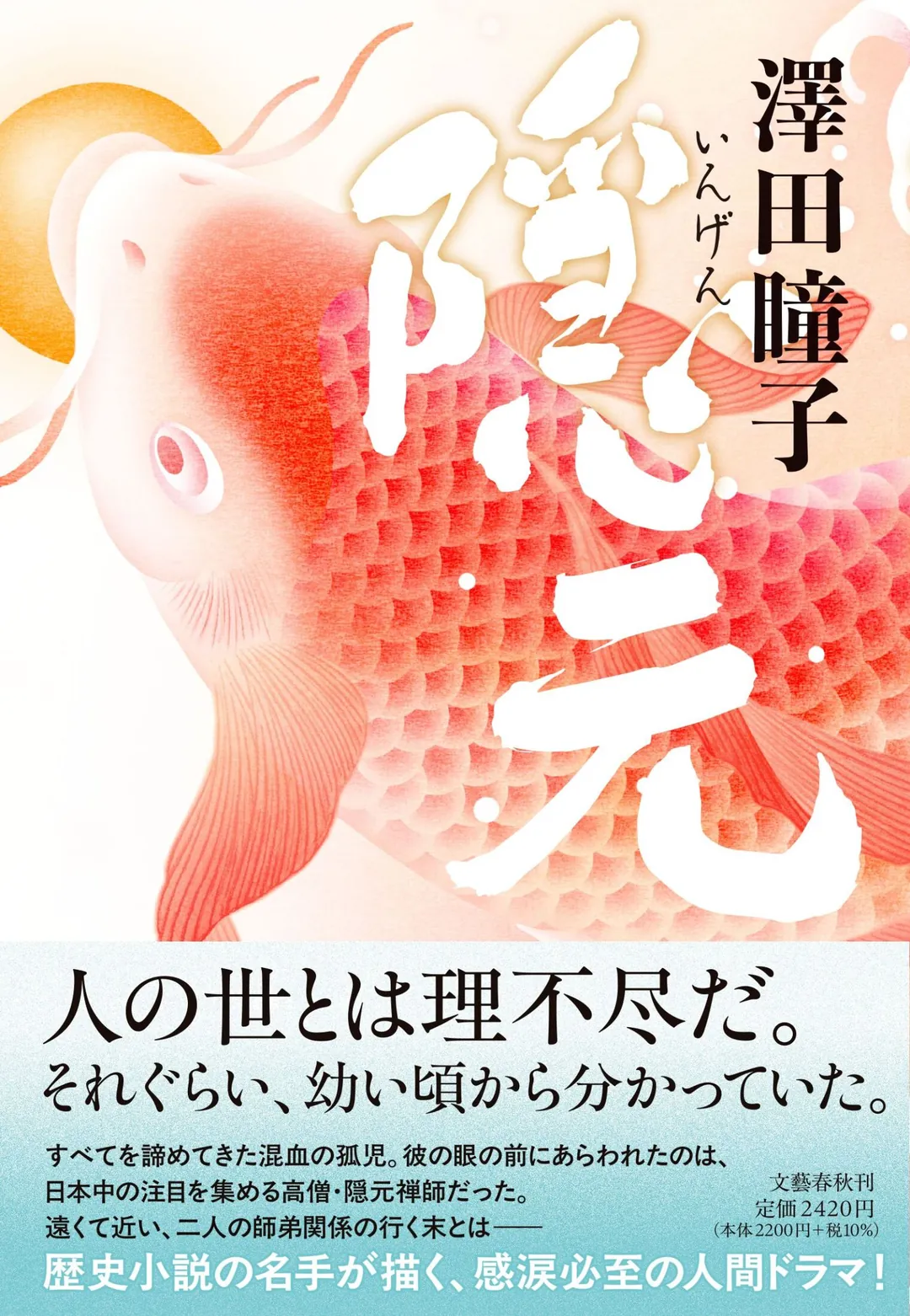
歴史小説作家、澤田瞳子さんが、2026年9月に禅僧、隠元隆琦を題材にとった新刊 『隠元』 を上梓しました。隠元禅師は鎖国時代に来日し、「インゲン豆」や「木魚」「煎茶」「椅子」といったさまざまな文物を日本にもたらした高僧。その実像に、捨て子の寺男・快鳳の視点から迫る歴史長編です。
以前から澤田さんのなかにあった「海外から来た人」と「江戸時代前期」という2つの関心が交差したこの作品。執筆の動機から、長崎取材で得たもの、公案や悟りへの挑戦、そして時代の理不尽をあえて描いた理由まで、たっぷり語っていただきました。
◆◆◆
◆◆◆
歴史小説作家、澤田瞳子さんが、2026年9月に禅僧、隠元隆琦を題材にとった新刊 『隠元』 を上梓しました。隠元禅師は鎖国時代に来日し、「インゲン豆」や「木魚」「煎茶」「椅子」といったさまざまな文物を日本にもたらした高僧。その実像に、捨て子の寺男・快鳳の視点から迫る歴史長編です。 以前から澤田さんのなかにあった「海外から来た人」と「江戸時代前期」という2つの関心が交差したこの作品。執筆の動機から、長崎取材で得たもの、公案や悟りへの挑戦、そして時代の理不尽をあえて描いた理由まで、たっぷり語っていただきました。 ◆◆◆ ◆◆◆
──まず、小説の題材として隠元禅師を取り上げようと思ったきっかけを教えてください。 澤田 「海外から日本に来た人」というテーマに、以前から関心がありました。また、それとは別に、江戸時代前期という時代にも興味を持っていました。長崎でのお仕事の際に、「それなら隠元はどうですか」というお声がけをいただいて。「自分の2つの興味がちょうど合致する人物だな」と気づいたんです。 実は、それまであまり意識したことがなかった人物だったのですが、「これは書いてみたら自分も楽しいんじゃないか」と感じて、今回チャレンジすることにしました。 ──執筆にあたって、隠元禅師が最初に来日した長崎に何度も取材に赴いたと聞いています。現地で得たものを教えてください。 澤田 長崎と聞くと、どうしても江戸時代のオランダ貿易の印象が強いですよね。出島、オランダ坂、そして幕末……私のなかでもそのイメージが先行していました。 ところが、実際に自分の足で歩いてみると、街のなかに中国系の寺院がとても多いんですね。街全体が、オランダのみならず中国とも密接に関わり合い、異文化が深く溶け込んでいるんです。 その街を歩き回りながら、「当時の人たちはこういう異国情緒の中で生きていたんだな」ということを体で知ることができました。何度も伺いましたが、毎回楽しかったし、本当に勉強になりました。 ──もう1人の主人公とも言える寺男・快鳳は、自らの名前以外何も持たない、混血の孤児として描かれています。隠元の実在の弟子ではなく、あえて架空の人物を設定した意図は何だったのでしょうか。 澤田 隠元のお弟子さん、特にお坊様たちは、自分でも書き物をしますし、周囲の人も記録を残す。そのため資料がとても多く残っているんです。そうなると、小説のなかに登場させたとき、どうしても表現の自由度が低くなってしまう。 隠元自身もたくさんの書き物を残していて、彼にまつわる記録も豊富にある。そういう「かっちり固まっている人物」を書くのであれば、快鳳のような架空の人物の目を通して切り取っていくほうが、物語として面白くなるんじゃないかと思いました。 ──快鳳が「自分は何者なのか」と問い続ける姿は、現代の読者にも通じると感じました。彼の自意識を描いていく上で、難しかった点はありましたか。 澤田 彼はほんとうに「何も持たない人物」なんです。読み書きも最初はできない。家族のことも何もわからない。 それって、現代の日本人の感覚とは随分違う。ほんとうに不安だったと思うんです。今の私たちはスマートフォンで簡単に記録が付けられますが、そういうものも何もない時代の話です。そういった人が抱える根源的な不安を掬い取ることは、自分にとって結構難しかったですね。
──作中では、禅僧が悟りを得るために取り組む「公案」に対する、快鳳なりの答えが描かれています。悟りや公案を小説の中に取り上げ、それに挑んだ感想を聞かせてください。 澤田 「悟り」って、ほんとうにわからなくて。取材中にお坊様に「悟りとは何ですか」と聞いたら、「考えることじゃないんですよ」と言われて。「いやいや、余計にわからないよ」となってしまいました(笑)。 公案には、問いがあって回答がある。でも読んでいくうちに、結局大切なのは結論ではなく「考える過程」なんだろうな、という解釈に至りました。 公案の答えはほんとうに無限にあるらしいので、読者の方には別の答えが見えてくるかもしれません。そういうふうに、小説で公案に挑んだこと自体が、私にとっての1つの公案であり悟りになっているといいなと思っています。 ──作品後半では、江戸前期という時代ならではの大きな理不尽が描かれます。あえてそれを描いた理由はなんだったのでしょうか。 澤田 世の中を生きていると、理不尽は大なり小なり誰の前にも現れます。この時代のように「命を取られる」というレベルのことは、今の私たちにはないかもしれません。しかしそれでも理不尽はほんとうにいろんなところにぽっかりと口を開けていて、気がつくとずぶっと落ち込む。そういうものだと思っています。 そういった怖さ、そして今の私たちが平穏に生きられているのはある意味ラッキーなんだということも伝えたくて、あえて大きな理不尽を書きました。
──多くの来日僧がいる中で、特に隠元禅師が庶民の間にまで一大ムーブメントを巻き起こした理由は何だとお考えですか。 澤田 日本という国が、それ以前はとても開かれていたのが、どんどん閉じていって、もうほとんど閉じ切ったそのタイミングで隠元がやってきたわけです。 海外の文化が消えていく中で、彼はほんとうに最新の知識や技術を持ち込みました。仏像を彫る職人や絵師など、技術を伝えるために必要な人たちも連れてきた。それはもう「お坊さんが来た」というレベルではなく、「1つの文明が丸ごと来た」くらいのムーブメントだったと思うんです。 その衝撃は、現代の私たちには少し想像しにくいかもしれません。江戸時代後期のペリー来日、いわゆる「黒船来航」と同じくらいのインパクトがあったんだろうな、と感じました。 ──作品を書き終えた今、隠元という人物をどのように評価されますか? 澤田 彼はお弟子さんの数がとても多くて、しかもそのお弟子さんたちは多種多様なんです。さまざまな宗派のお坊さんから、将軍、貴族、商人まで、本当にさまざまな人が集まっている。 そういった人たちを分け隔てなく受け入れた、懐の広さがあったんだと思います。だから「仏教が来た」ではなく「1つの文化が来た」と感じた人が多かった。絵画の面からアクセスする人もいれば、書の面から、もちろん仏教的な面からも、それぞれの入り口で隠元に近づいていける。 その懐の広さこそが、今日まで彼の名前が語り継がれている理由ではないかと考えています。 ◆◆◆ 鎖国という閉じた時代に、異国からやってきた高僧。彼の姿は、何も持たない孤児・快鳳の目を通すことで、読者にとっても生きた人間として浮かび上がってきます。 歴史小説としての読み応えとともに、人間の普遍的な問いを携えた一作。あなたも快鳳の目を借りて、江戸の長崎へと足を踏み入れてみませんか?
この記事の単語 (196)
×16
隠元
いんげん
common bean; green bean
×12
澤田
さわた
Sawata (surname)
×8
快
かい
pleasure; delight; enjoyment
×8
公案
こうあん
koan; kōan; Zen question for meditation (e.g. the sound of one hand clapping)
×7
悟り
さとり
1. comprehension; understanding 2. enlightenment; spiritual awakening; satori
×7
描く
えがく
1. to draw; to paint; to sketch 2. to depict; to describe
×7
人物
じんぶつ
1. person; character; figure; personage; man; woman 2. one's character; one's personality
×6
長崎
ながさき
Nagasaki (city, prefecture)
×6
理不尽
りふじん
unreasonable; irrational; outrageous; absurd
×6
ほんとうに
really; truly
×5
禅師
ぜんじ
monk; priest, particularly a high-ranking Zen monk honored by the imperial court
×5
来日
らいにち
arrival in Japan; coming to Japan; visit to Japan
×5
江戸時代
えどじだい
Edo period (1603-1868 CE)
×5
敢えて
あえて
1. purposely (of something needless, unexpected or seemingly counterproductive, etc.); daringly (doing something); deliberately; intentionally 2. not necessarily; not particularly; not especially
×4
以前
いぜん
ago; since; before; previous
×4
海外
かいがい
foreign; abroad; overseas
×4
前期
ぜんき
first term; first half-year; preceding period; early period
×4
作品
さくひん
work (e.g. book, film, composition, etc.); opus; performance; production
×4
取材
しゅざい
1. news coverage; collecting data (e.g. for an article); covering (something for media) 2. interview
×4
感じる
かんじる
to feel; to sense; to experience
×4
弟子
でし
pupil; disciple; adherent; follower; apprentice; young person; teacher's student-helper
×4
坊
ぼう
1. bonze; monk 2. monk's dwelling
×4
私達
わたしたち
we; us
×3
歴史小説
れきししょうせつ
historical novel
×3
禅僧
ぜんそう
Zen priest
×3
題材
だいざい
subject; theme
×3
鎖国
さこく
1. national isolation; closing the country (to foreigners) 2. sakoku; policy of national isolation enacted by the Tokugawa shogunate
×3
高僧
こうそう
1. high priest; highly-ranked priest 2. virtuous priest; priest of great sanctity and learning
×3
寺男
てらおとこ
male temple employee (esp. one who does odd jobs)
×3
関心
かんしん
concern; interest
×3
執筆
しっぴつ
writing (e.g. as a profession)
×3
街
まち
1. town; block; neighbourhood; neighborhood 2. downtown; main street
×3
記録
きろく
1. record; minutes; document 2. record (e.g. in sports); results; score
×3
現代
げんだい
nowadays; modern era; modern times; present-day
×3
読者
どくしゃ
reader
×3
答え
こたえ
answer; reply; response; solution
×3
知れる
しれる
1. to become known; to come to light; to be discovered 2. to be known; to be understood
×3
閉じる
とじる
to close (e.g. book, eyes, meeting, etc.); to shut
×3
面
めん
1. face 2. mask; face guard
×2
作家
さっか
author; writer; novelist; artist
×2
瞳子
どうし
pupil
×2
新刊
しんかん
new book; new publication
×2
上梓
じょうし
1. wood-block printing 2. publication
×2
隠元豆
いんげんまめ
common bean (Phaseolus vulgaris); kidney bean; navy bean; wax bean; green bean; string bean; French bean
×2
木魚
もくぎょ
fish gong; fish wood block; temple block; round, hollow, wood block (vaguely fish-shaped, usu. with scales), struck while chanting sutras
×2
煎茶
せんちゃ
1. green tea; green leaf tea; non-powdered tea (as opposed to matcha) 2. medium-grade green tea
×2
椅子
いす
1. chair; stool 2. post; office; position
×2
文物
ぶんぶつ
(the products of) culture or civilization (civilisation)
×2
齎す
もたらす
to bring; to take; to bring about
×2
実像
じつぞう
1. real image 2. real form; real-life image; true picture; actual conditions; actual circumstances
×2
捨て子
すてご
abandoned child; foundling
×2
視点
してん
opinion; point of view; visual point
×2
迫る
せまる
1. to approach; to draw near; to be imminent 2. to press (someone for something); to urge; to compel
×2
長編
ちょうへん
long (e.g. novel, film)
×2
交差
こうさ
1. crossing; intersection 2. (genetic) crossing over
×2
動機
どうき
1. motive; incentive 2. motif
×2
挑戦
ちょうせん
challenge; defiance; dare; attempt; try
×2
たっぷり
full; in plenty; ample
×2
語る
かたる
1. to talk about; to speak of; to tell; to narrate 2. to recite; to chant
×2
取り上げる
とりあげる
1. to pick up 2. to adopt (e.g. a proposal); to accept; to take up (a topic, complaint, etc.); to listen to; to deal with; to feature
×2
何度
なんど
1. how many times 2. how many degrees (temperature, angle, etc.)
×2
本当
ほんとう
1. truth; reality; actuality; fact 2. proper; right; correct; official
×2
孤児
こじ
1. orphan 2. person without friends
×2
架空
かくう
1. fictitious; imaginary; fanciful; fabricated 2. aerial; overhead
×2
書き物
かきもの
1. (piece of) writing; document 2. (act of) writing
×2
残す
のこす
1. to leave (behind) 2. to leave (undone); to not finish
×2
姿
すがた
1. figure; form; shape 2. appearance; dress; guise
×2
って
1. you said; he said; she said; they said 2. if ... then
×2
不安
ふあん
anxiety; uneasiness; worry; apprehension; fear; insecurity; suspense
×2
挑む
いどむ
1. to challenge to (a fight, game, etc.); to throw down the gauntlet; to contend for 2. to tackle (e.g. a problem); to attempt; to go after (a prize, record, etc.)
×2
問い
とい
question; query
×2
江戸
えど
Edo (shogunate capital, now Tokyo); Yedo
×2
懐
ふところ
1. inside the breast of one's clothing (esp. kimono); bosom; (breast) pocket 2. space between one's chest and outstretched arms; (one's) reach
×2
広さ
ひろさ
extent
×2
仏教
ぶっきょう
Buddhism
×2
人間
にんげん
1. human being; human; person; man; mankind; humankind 2. character (of a person)
×1
切っ掛け
きっかけ
chance; start; cue; excuse; motive; impetus; occasion
×1
際
さい
on the occasion of; circumstances; juncture
×1
声掛け
こえかけ
saying something (to someone); greeting; approaching (someone)
×1
合致
がっち
agreement; concurrence; conformance; compliance
×1
気付く
きづく
to notice; to recognize; to recognise; to become aware of; to perceive; to realize; to realise
×1
実
じつ
1. truth; reality 2. sincerity; honesty; fidelity
×1
意識
いしき
1. consciousness 2. becoming aware (of); awareness; sense
×1
当たる
あたる
1. to be hit; to strike 2. to touch; to be in contact; to be affixed
×1
赴く
おもむく
1. to go in the direction of; to proceed toward; to proceed according to; to repair to; to betake oneself to 2. to become; to face (facts, circumstances, etc.)
×1
現地
げんち
actual place; local; on-site
×1
印象
いんしょう
impression
×1
出島
いずしま
Izushima (place)
×1
幕末
ばくまつ
closing days of the Tokugawa shogunate; end of Edo era
×1
先行
せんこう
1. going ahead; going first 2. preceding; coming before; being ahead (e.g. of the times); occurring first; happening prior
×1
実際
じっさい
1. reality; actuality; truth; fact; actual conditions 2. practice (as opposed to theory)
×1
中国系
ちゅうごくけい
Chinese (lineage, ancestry, ethnicity, etc.); Sino-
×1
寺院
じいん
1. Buddhist temple 2. religious building; church; cathedral; mosque
×1
全体
ぜんたい
whole; entirety; whatever (is the matter)
×1
のみ
only; nothing but
×1
中国
ちゅうごく
1. China 2. Chūgoku region of western Honshu (incl. Okayama, Hiroshima, Shimane, Tottori and Yamaguchi prefectures)
×1
密接
みっせつ
1. close (relationship, connection, etc.); intimate; near 2. close (together)
×1
関わり合う
かかわりあう
to get involved or entangled in; to get mixed up in; to have something to do with; to have dealings with
×1
異文化
いぶんか
foreign culture; foreign cultures
×1
溶け込む
とけこむ
1. to melt into; to dissolve into; to merge into 2. to blend into (surroundings); to fit in; to adapt to; to integrate
×1
歩き回る
あるきまわる
to walk about; to walk to and fro; to pace around
×1
当時
とうじ
at that time; in those days
×1
異国情緒
いこくじょうちょ
exotic mood; exotic atmosphere; exoticism
×1
伺う
うかがう
1. to ask; to inquire; to hear; to be told 2. to implore (a god for an oracle); to seek direction (from your superior)
×1
毎回
まいかい
every time; each round
×1
主人公
しゅじんこう
1. protagonist; main character; hero(ine) (of a story) 2. head of household
×1
自ら
みずから
1. oneself 2. oneself; for oneself; personally; in person
×1
混血
こんけつ
mixed race; mixed parentage
×1
実在
じつざい
actual existence; real existence; existing in real life
×1
設定
せってい
1. establishment; creation; posing (a problem); setting (movie, novel, etc.); scene 2. options setting; preference settings; configuration; setup
×1
意図
いと
intention; aim; design
×1
周囲
しゅうい
1. surroundings; environs 2. circumference
×1
資料
しりょう
materials; data; document
×1
登場
とうじょう
1. entry (on stage); appearance (on screen) 2. entrance; introduction (into a market)
×1
表現の自由
ひょうげんのじゆう
freedom of expression
×1
自身
じしん
(one's) self; oneself
×1
纏わる
まつわる
1. to coil around; to follow about 2. to be related to; to concern; to be associated with
×1
豊富
ほうふ
abundant; plentiful; rich; ample
×1
かっちり
1. tightly; exactly; precisely 2. close-fitting (e.g. suit); firm (body); lean
×1
固まる
かたまる
1. to harden; to solidify 2. to become firm; to become certain
×1
切り取る
きりとる
to cut off; to excise; to tear off; to cut out; to whittle down; to tear out; to cut down; to amputate
×1
物語
ものがたり
tale; story; legend
×1
面白い
おもしろい
1. interesting; fascinating; intriguing; enthralling 2. amusing; funny; comical
×1
何者
なにもの
who; what kind of person
×1
問う
とう
1. to ask; to inquire 2. to blame (someone) for; to accuse of; to pursue (question of responsibility); to charge with
×1
通じる
つうじる
1. to be open (to traffic); to lead to; to communicate (with) 2. to flow (liquid, current); to pass; to get through to
×1
自意識
じいしき
self-consciousness
×1
読み書き
よみかき
reading and writing
×1
日本人
にほんじん
Japanese person; Japanese people
×1
感覚
かんかく
sense; sensation; feeling; intuition
×1
随分
ずいぶん
1. very; extremely; surprisingly; considerably; awfully; terribly 2. terrible; horrid; contemptible; reprehensible
×1
抱える
かかえる
1. to hold or carry under or in the arms 2. to have (esp. problems, debts, etc.)
×1
根源
こんげん
root; source; origin; cause
×1
掬い取る
すくいとる
to dip out; to scoop up; to ladle out
×1
作中
さくちゅう
within the story (of a book, play, movie, etc.)
×1
取り組む
とりくむ
1. to grapple with; to wrestle with; to engage in a bout; to be matched against 2. to tackle (e.g. a problem); to come to grips with; to work hard on
×1
感想
かんそう
impressions; thoughts; feelings; reactions
×1
いやいや
no!; no no!; no, not at all
×1
余計
よけい
1. too many; too much; excessive; superfluous; superabundant; extra; spare; surplus 2. unnecessary; needless; uncalled-for; otiose
×1
回答
かいとう
reply; answer
×1
結局
けっきょく
1. after all; in the end; ultimately; eventually 2. conclusion; end
×1
結論
けつろん
conclusion
×1
過程
かてい
process; course; mechanism
×1
解釈
かいしゃく
explanation; interpretation
×1
至る
いたる
1. to arrive at (e.g. a decision); to reach (a stage); to attain 2. to lead to (a place); to get to
×1
無限
むげん
1. infinity; infinitude; eternity 2. infinite; limitless
×1
自体
じたい
1. itself 2. one's own body; oneself
×1
後半
こうはん
second half; latter half
×1
世の中
よのなか
society; the world; the times
×1
大なり
だいなり
greater-than mark (>); right angle bracket
×1
現れる
あらわれる
1. to appear; to come in sight; to become visible; to come out; to embody; to materialize; to materialise 2. to be expressed (e.g. emotions); to become apparent (e.g. trends, effects)
×1
命
いのち
1. life; life force 2. lifetime; lifespan
×1
色んな
いろんな
various
×1
ぽっかり
1. lightly 2. gaping wide
×1
ずぶ
completely; entirely; totally
×1
落ち込む
おちこむ
1. to feel down; to feel sad; to be depressed; to be in low spirits 2. to be in a slump (business, economy, etc.); to be in an unfavourable condition
×1
平穏
へいおん
tranquil; calm; restful; peaceful; quiet
×1
僧
そう
1. monk; priest 2. sangha (the Buddhist community)
×1
庶民
しょみん
common people; ordinary people; masses
×1
一大
いちだい
one large ...; a great ...
×1
巻き起こす
まきおこす
to create (a sensation); to give rise to (controversy)
×1
考え
かんがえ
1. thinking; thought; view; opinion; concept 2. idea; notion; imagination
×1
最新
さいしん
latest; newest; late-breaking (news)
×1
知識
ちしき
knowledge; information
×1
持ち込む
もちこむ
1. to take something into ...; to bring in; to carry in 2. to lodge (a complaint); to file (a plan); to bring (a proposal); to commence negotiations
×1
仏像
ぶつぞう
statue of Buddha; image of Buddha; Buddhist statue; Buddhist image
×1
彫る
ほる
1. to carve; to engrave; to sculpt; to chisel 2. to tattoo
×1
職人
しょくにん
craftsman; artisan; tradesman; worker; workman
×1
絵師
えし
painter; artist; painter supported by patron
×1
文明
ぶんめい
1. civilization; civilisation; culture 2. Bunmei era (1469.4.28-1487.7.20)
×1
丸ごと
まるごと
in its entirety; whole; wholly
×1
衝撃
しょうげき
shock; impact; crash
×1
想像
そうぞう
imagination; guess
×1
後期
こうき
latter period; second half; late stage; third trimester; second semester
×1
所謂
いわゆる
what is called; as it is called; the so-called; so to speak
×1
評価
ひょうか
1. valuation; appraisal; evaluation; assessment; estimation; rating; judging 2. appreciation; recognition; acknowledgement; rating highly; praising
×1
数
かず
number; amount
×1
然も
しかも
1. moreover; furthermore 2. nevertheless; and yet
×1
多種多様
たしゅたよう
a great variety of; diversity
×1
宗派
しゅうは
1. sect; denomination 2. school (e.g. of poetry)
×1
将軍
しょうぐん
general; shogun
×1
貴族
きぞく
noble; aristocrat; peer
×1
商人
しょうにん
merchant; trader; tradesman; dealer; shopkeeper
×1
集まる
あつまる
to gather; to collect; to assemble
×1
受け入れる
うけいれる
to accept; to receive; to agree
×1
絵画
かいが
painting; picture
×1
入り口
いりぐち
entrance; entry; gate; approach; mouth
×1
近付く
ちかづく
1. to approach; to draw near; to get close 2. to get acquainted with; to get closer to; to get to know
×1
こそ
1. it is ... that ...; precisely; in particular; definitely; for sure; only (when, after, because, etc.) 2. although; while; it is the case that ... but
×1
語り継ぐ
かたりつぐ
to transmit; to hand down
×1
異国
いこく
foreign country
×1
浮かび上がる
うかびあがる
1. to rise to the surface 2. to come to the front; to emerge (e.g. from obscurity)
×1
読み応え
よみごたえ
worthwhile reading; substantial reading
×1
普遍的
ふへんてき
universal; omnipresent; ubiquitous
×1
携える
たずさえる
1. to carry in one's hand; to carry with one; to have on one's person; to bear 2. to take along (someone); to take (someone) with one; to be accompanied by
×1
踏み入れる
ふみいれる
to walk in on; to tread upon