トランプ氏「なぜ真珠湾攻撃を…」と爆弾発言⇨現場は不穏な空気に。高市早苗首相の表情は?
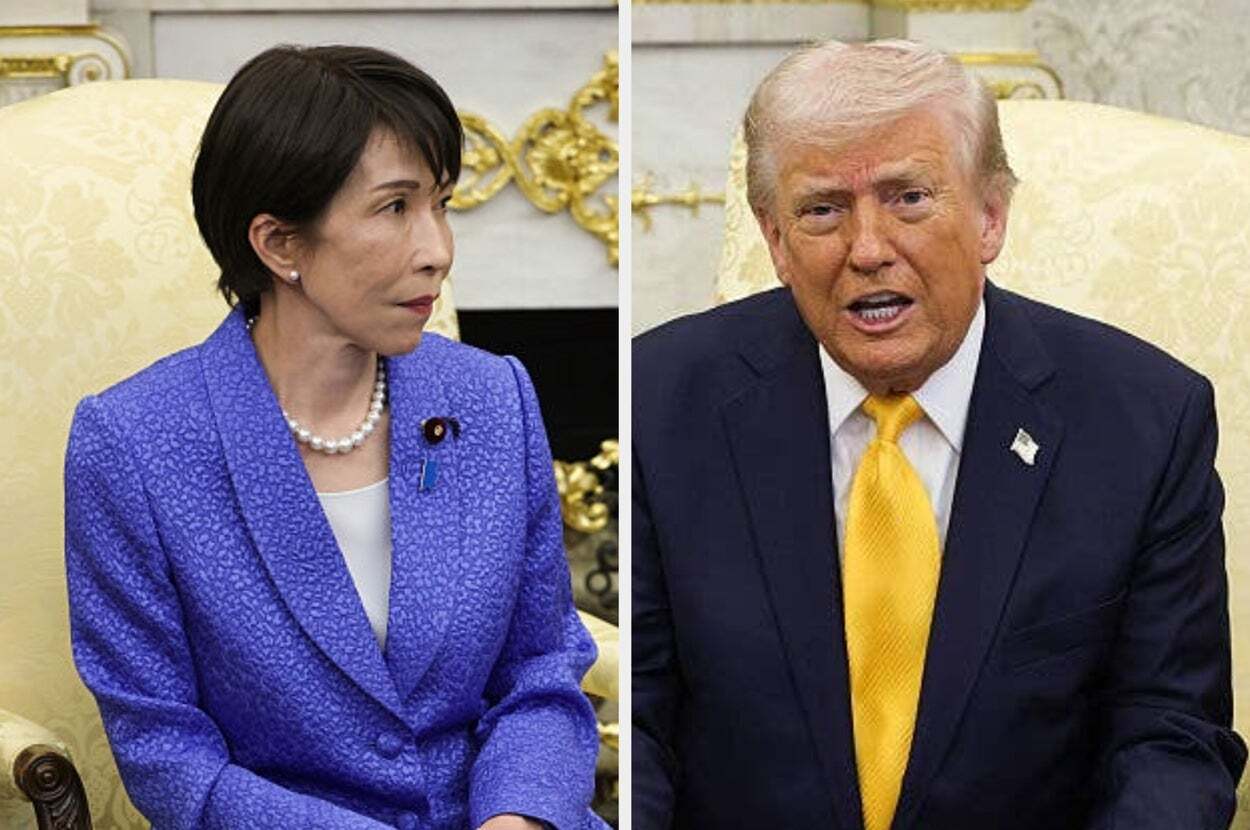
米ホワイトハウスで3月20日未明(日本時間)、高市早苗首相とドナルド・トランプ米大統領による日米首脳会談が開かれた。会談中、トランプ氏が日本の記者団に発した一言と、その際に高市氏が見せた表情が注目されている。
日本の記者団の1人は、トランプ氏にこう質問した。 「イランへの攻撃を開始する前に、なぜ欧州やアジア、日本といった同盟国へ知らせなかったのでしょうか」
トランプ氏は、旧日本軍が1941年に米軍基地を奇襲し、太平洋戦争のきっかけとなった「真珠湾攻撃」について触れ、このように答えた。 「奇襲にしたかったから、誰にも知らせなかった」 「日本ほど、奇襲についてよく知っている国はあるだろうか?」 「なぜ真珠湾のことを事前に知らせてくれなかったんだ?」
高市氏はトランプ氏の発言中、背筋を伸ばし、目を見開き、顔を一瞬しかめるような素振りを見せた。 トランプ氏の「真珠湾」発言により、職務室が一時、静まる様子も映像から確認できる。 トランプ氏は「奇襲にする必要があった」と続け、「最初の2日で戦力の50パーセントを無力化できた」と成果を強調した。
トランプ氏の発言と高市氏の表情をとらえた映像はSNS上で拡散され、以下のような声が上がっている。 「部屋の気まずさがここまで伝わってくる」 「『どうしてこんな話を聞かなきゃいけないのか……』って顔してる」 「言い続けるのもうんざりするほど、大統領の品位を落としている」 「高市さんが明らかに不快感を示す表情をしている」 「アメリカ全体が身をすくめた瞬間だった」
この記事は英語から翻訳・編集しました。翻訳:香川 晴彦
日本の記者団の1人は、トランプ氏にこう質問した。 「イランへの攻撃を開始する前に、なぜ欧州やアジア、日本といった同盟国へ知らせなかったのでしょうか」
トランプ氏は、旧日本軍が1941年に米軍基地を奇襲し、太平洋戦争のきっかけとなった「真珠湾攻撃」について触れ、このように答えた。 「奇襲にしたかったから、誰にも知らせなかった」 「日本ほど、奇襲についてよく知っている国はあるだろうか?」 「なぜ真珠湾のことを事前に知らせてくれなかったんだ?」
高市氏はトランプ氏の発言中、背筋を伸ばし、目を見開き、顔を一瞬しかめるような素振りを見せた。 トランプ氏の「真珠湾」発言により、職務室が一時、静まる様子も映像から確認できる。 トランプ氏は「奇襲にする必要があった」と続け、「最初の2日で戦力の50パーセントを無力化できた」と成果を強調した。
トランプ氏の発言と高市氏の表情をとらえた映像はSNS上で拡散され、以下のような声が上がっている。 「部屋の気まずさがここまで伝わってくる」 「『どうしてこんな話を聞かなきゃいけないのか……』って顔してる」 「言い続けるのもうんざりするほど、大統領の品位を落としている」 「高市さんが明らかに不快感を示す表情をしている」 「アメリカ全体が身をすくめた瞬間だった」
この記事は英語から翻訳・編集しました。翻訳:香川 晴彦
Vocabulary
General
Proper noun
JLPT N2
JLPT N1
| # | 言葉 | 意味 |
|---|---|---|
| 4 | 高市 | こういち (高市) : Kouichi (surname) |
| 4 | 知る | しる (知る) : 1. to be aware of; to know; to be conscious of; to cognize; to cognise 2. to notice; to feel |
| 4 | 奇襲 | きしゅう (奇襲) : surprise attack |
| 3 | 氏 | うじ (氏) : 1. family name; lineage; birth 2. clan |
| 3 | 表情 | ひょうじょう (表情) : 1. facial expression; countenance 2. look; appearance; expression (vocal, etc.) |
| 3 | 発言 | はつげん (発言) : statement; remark; observation; utterance; speech; proposal |
| 2 | 記者団 | きしゃだん (記者団) : press group; press corps; group of reporters; press organization; press organisation |
| 2 | 真珠湾 | しんじゅわん (真珠湾) : Pearl Harbor (place) |
| 2 | 映像 | えいぞう (映像) : 1. image (on a screen); picture (e.g. on a TV) 2. video; film; footage |
| 1 | 未明 | みめい (未明) : early dawn; grey of morning; gray of morning |
| 1 | 高市早苗 | たかいちさなえ (高市早苗) : Takaichi Sanae (1961.3-) (person) |
| 1 | 首相 | しゅしょう (首相) : prime minister; chancellor (Germany, Austria, etc.); premier |
| 1 | 米大統領 | べいだいとうりょう (米大統領) : President of the United States of America; US President |
| 1 | 日米 | にちべい (日米) : Japan and the United States; Japanese-American |
| 1 | 首脳会談 | しゅのうかいだん (首脳会談) : leadership conference; summit meeting; top-level conference |
| 1 | 開く | ひらく (開く) : 1. to open; to undo; to unseal; to unpack 2. to bloom; to unfold; to spread out |
| 1 | 会談 | かいだん (会談) : conversation; conference (usu. between important people); discussion; interview |
| 1 | 発する | はっする (発する) : 1. to let out; to utter; to produce; to emit; to give forth; to discharge 2. to issue; to send; to give |
| 1 | 一言 | ひとこと (一言) : single word; a few words; brief comment |
| 1 | 際 | きわ (際) : 1. edge; brink; verge; side 2. time; moment of |
| 1 | 注目 | ちゅうもく (注目) : notice; attention; observation |
| 1 | 攻撃 | こうげき (攻撃) : 1. attack; assault; raid; onslaught; offensive 2. criticism; censure; denunciation; condemnation |
| 1 | 開始 | かいし (開始) : start; commencement; beginning; initiation |
| 1 | 欧州 | おうしゅう (欧州) : Europe |
| 1 | 同盟国 | どうめいこく (同盟国) : ally (of another nation) |
| 1 | 旧 | きゅう (旧) : 1. old; former; ex- 2. the old; old things; old customs |
| 1 | 日本軍 | にほんぐん (日本軍) : military of the Empire of Japan |
| 1 | 米軍基地 | べいぐんきち (米軍基地) : US military base |
| 1 | 太平洋戦争 | たいへいようせんそう (太平洋戦争) : Pacific War (1941-1945) |
| 1 | きっかけ | きっかけ (切っ掛け) : chance; start; cue; excuse; motive; impetus; occasion |
| 1 | 真珠湾攻撃 | しんじゅわんこうげき (真珠湾攻撃) : Attack on Pearl Harbor (Dec. 7, 1941) |
| 1 | 触れる | ふれる (触れる) : 1. to touch; to feel 2. to touch (with) |
| 1 | 答える | こたえる (答える) : to answer; to reply |
| 1 | 事前 | じぜん (事前) : prior; beforehand; in advance; before the fact; ex ante |
| 1 | 背筋 | せすじ (背筋) : 1. spine; line of the backbone 2. seam down the back (of clothing) |
| 1 | 伸ばす | のばす (伸ばす) : 1. to grow long (e.g. hair, nails) 2. to lengthen; to extend; to stretch |
| 1 | 見開く | みひらく (見開く) : to open one's eyes wide |
| 1 | 一瞬 | いっしゅん (一瞬) : instant; moment; for an instant |
| 1 | しかめる | しかめる (顰める) : to pull a wry face; to screw one's face up; to pucker one's face; to scowl; to grimace; to frown |
| 1 | 素振り | そぶり (素振り) : behavior; behaviour; manner; attitude; bearing |
| 1 | 職務 | しょくむ (職務) : professional duties |
| 1 | 一時 | ひととき (ひと時) : 1. a (short) time; a while; moment 2. one time (in the past); a period; former times |
| 1 | 静まる | しずまる (静まる) : 1. to become quiet; to quiet down; to quieten down 2. to calm down; to die down; to subside; to abate; to be suppressed |
| 1 | 様子 | ようす (様子) : 1. state; state of affairs; situation; circumstances 2. appearance; look; aspect |
| 1 | 確認 | かくにん (確認) : confirmation; verification; validation; review; check; affirmation; identification |
| 1 | 戦力 | せんりょく (戦力) : 1. war potential; military strength; fighting power 2. ability (to compete); capabilities; valuable asset |
| 1 | 無力 | むりょく (無力) : powerlessness; helplessness; incompetent |
| 1 | 化 | か (化) : action of making something; -ification |
| 1 | 成果 | せいか (成果) : (good) result; outcome; fruits (of one's labors); product; accomplishment |
| 1 | 強調 | きょうちょう (強調) : emphasis; highlight; stress; stressed point |
| 1 | とらえる | とらえる (捉える) : 1. to catch; to capture; to seize; to arrest; to grab; to catch hold of 2. to grasp (e.g. meaning); to perceive; to capture (e.g. features) |
| 1 | 拡散 | かくさん (拡散) : scattering; diffusion; spread (e.g. signal across the spectrum) |
| 1 | 上がる | あがる (上がる) : 1. to rise; to go up; to come up; to ascend; to be raised 2. to enter (esp. from outdoors); to come in; to go in |
| 1 | 伝わる | つたわる (伝わる) : to be handed down; to be introduced; to be transmitted; to be circulated; to go along; to walk along |
| 1 | 聞く | きく (聞く) : 1. to hear 2. to listen (e.g. to music) |
| 1 | って | って : 1. you said; he said; she said; they said 2. if ... then |
| 1 | うんざり | うんざり : tedious; boring; being fed up with |
| 1 | 大統領 | だいとうりょう (大統領) : 1. president (of a nation) 2. big man; boss; buddy; mate |
| 1 | 品位 | ひんい (品位) : 1. dignity; grace; nobility 2. grade; quality; fineness; carat; karat |
| 1 | 落とす | おとす (落とす) : 1. to drop; to lose; to let fall; to shed (light); to cast (one's gaze); to pour in (liquid); to leave behind 2. to clean off (dirt, makeup, paint, etc.); to remove (e.g. stains or facial hair); to lose; to spend money at a certain place; to omit; to leave out; to secretly let escape |
| 1 | 明らか | あきらか (明らか) : 1. clear; obvious; evident; plain; definite 2. bright; light |
| 1 | 不快感 | ふかいかん (不快感) : discomfort |
| 1 | 示す | しめす (示す) : 1. to (take out and) show; to demonstrate; to tell; to exemplify; to make apparent 2. to point out (finger, clock hand, needle, etc.) |
| 1 | 全体 | ぜんたい (全体) : whole; entirety; whatever (is the matter) |
| 1 | 身 | み (身) : 1. body 2. oneself |
| 1 | すくめる | すくめる (竦める) : to shrug (shoulders); to duck (head); to draw back (body) |
| 1 | 瞬間 | しゅんかん (瞬間) : moment; second; instant |
| 1 | 記事 | きじ (記事) : article; news story; report; account |
| 1 | 編集 | へんしゅう (編集) : editing; compilation |
| 1 | 香川 | かがわ (香川) : Kagawa (prefecture) |
| 1 | 晴彦 | はるひこ (晴彦) : Haruhiko (masc) |