パラリンピック ロシア代表出場に反発し7か国が開会式不参加へ
6日に開幕するミラノ・コルティナパラリンピックについて、IPC=国際パラリンピック委員会はウクライナへの軍事侵攻を続けるロシアと同盟国のベラルーシの選手が国の代表として出場することに反発し、7つの国が開会式に参加しないと明らかにしました。
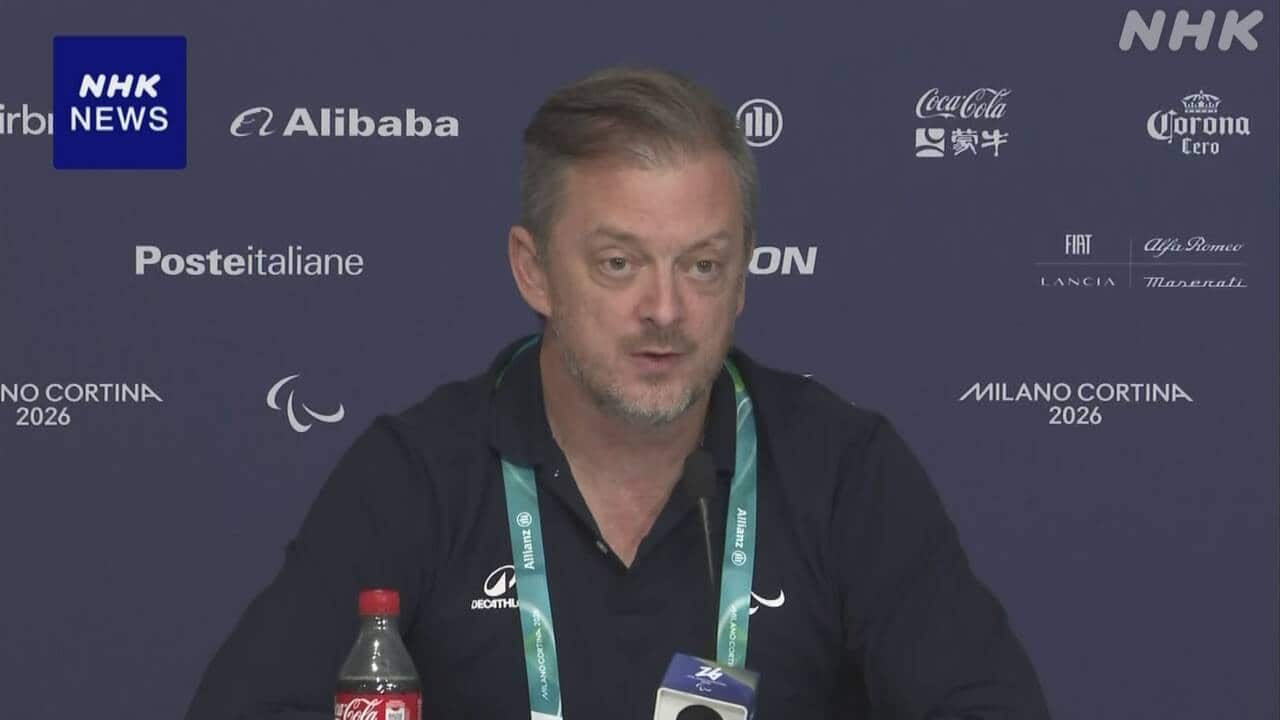
IPCのパーソンズ会長はミラノ・コルティナパラリンピックの開幕を翌日に控えた5日、コルティナで会見に臨みました。
パラリンピックにはウクライナへの軍事侵攻を続けるロシアと同盟国のベラルーシの選手が国旗や国歌を使用する国の代表として出場します。
先月行われたオリンピックでは「中立な立場の個人資格の選手」として出場したため、対応が分かれる形となりました。
IPCによりますと、これに反発してチェコ、エストニア、フィンランド、ラトビア、リトアニア、ポーランド、ウクライナの7つの国が開会式に参加しないということです。
こうした状況についてパーソンズ会長は、「ロシアやベラルーシの選手の参加を発表してから5か月ほどたっていたので、今になってこのような大きな事態になったことに驚いている」と話しました。
そして、今回の決定は去年9月の総会で211の加盟団体のうち177の団体が出席して投票を行った結果決まったことだと説明し、「世界の一部ではこの決定が快く思われていないことは承知している。しかし、自分が決めたことではなく、IPC憲章に基づいた民主的なプロセスで決められたものだ」と述べました。
また、ロシアによるウクライナへの軍事侵攻が始まった直後に開かれた前回の北京大会と同様に、ミラノ・コルティナ大会がアメリカなどとイランとの間で攻撃の応酬が続くなかで開幕することについて、「前回、私は世界で起こっていることに恐怖を感じたが、今回もまたこのような事態が起こり、とてもがっかりしている」と述べました。
IPCは中東情勢の緊迫化で影響を受けている選手団や関係者がいることは発表していますが、「欠場する選手の数などを発表すると臆測が広がる」として具体的な影響については明らかにしていません。
今大会、国の代表として出場が認められたロシアの選手のうち、パラリンピックのアルペンスキーでこれまでに3つの金メダルを獲得しているアレクセイ・ブガエフ選手が4日の公式練習のあとに取材に応じました。
前回の北京大会は出場が認められず、2大会ぶりの出場となるブガエフ選手は、「自分の国を代表してここに来ていることをうれしく思う。目標は金メダルだけだ」と話していました。
ロシアとベラルーシの選手が国の代表として出場することに反発して開会式に参加しないと表明しているラトビアの車いすカーリングの選手は、「私たちは開会式に出席したいと思っていたが、ロシアとベラルーシの選手が自国の旗のもとで出場することになったので、それは不可能だと考えた。なぜなら戦争がすぐそばにあるからだ。多くのウクライナの人々がいま、ラトビアで暮らしていて、本当に大変だ。お金を貯め、アパートなどを持っていたのにすべてを残して自分の国を去らなければならない状況だ」と説明しました。
同じく開会式に参加しないとしているチェコの選手団の副団長は、「本当に難しい決断だったし、決して満足していないが、すべての国々にメッセージを送るべきだと感じた。徹底的に話し合い、選手たちも開会式に参加しないという決定に同意した」と苦しい胸の内を明かしました。
ウクライナパラリンピック委員会のワレーリー・スシュケビッチ委員長は5日、開催地のイタリアでNHKの単独インタビューに応じました。
この中でスシュケビッチ委員長は、今回、ロシアとベラルーシの選手が国の代表として出場することについて、「最も重要な点は侵略国である国家が、パラリンピックで国の代表として出場するべきではないということだ」と述べ、IPC=国際パラリンピック委員会の対応がIPCの憲章に違反していると強く批判しました。
そして、ウクライナの選手がロシアやベラルーシの選手と同時にメダルを獲得した場合の対応について問われると、詳細は検討中だとした上で、「私たちは決してロシアの国歌を表彰台に立って聞くことはない。ロシアの国旗が掲揚されてもそれを見ることは絶対にないだろう」などと述べ、一緒に表彰台には上がらない考えを示しました。
また、IPCの決定に反発してウクライナだけでなく他の国にも開会式に参加しない動きが広がっていることについて、「IPCが憲章に違反しているという事実を認める機会を与えることにつながる」と各国の対応を支持する考えを示しました。
ロシアの選手は、組織的なドーピング問題で、2016年のリオデジャネイロ大会はオリンピックでは陸上を中心に100人以上が除外され、パラリンピックではすべての競技で出場が認められませんでした。
2018年のピョンチャンオリンピックとパラリンピック、2022年の北京オリンピックでは個人資格でのみ出場が認められました。
こうした中、2022年2月にロシアがウクライナへの軍事侵攻を開始し、直後に開かれた北京パラリンピックは、ロシアとその同盟国のベラルーシの選手は個人資格でも出場が認められませんでした。
2024年のパリ大会ではオリンピック、パラリンピックとも個人資格に限って認められました。
しかし、ミラノ・コルティナ大会に向けては、オリンピックとパラリンピックで対応が分かれる形となりました。
IOC=国際オリンピック委員会は、去年9月の理事会で個人資格に限って認める判断を継続することを決めました。一方、IPC=国際パラリンピック委員会はおよそ1週間後に開いた総会で、両国のパラリンピック委員会に対する資格停止を完全に解除することを決め、選手たちがミラノ・コルティナ大会に国の代表として出場できる道が開かれました。
関係者によりますと、総会ではパレスチナに軍事作戦を行っていたイスラエルの選手が国の代表として出場できることを疑問視する意見が相次いだということで、その後の投票でロシアとベラルーシのパラリンピック委員会の完全な形での資格回復が決まりました。
IPCのパーソンズ会長はこの決定について「加盟団体がそれぞれの立場で判断した。断言するのは難しいが、世界各地で複数の紛争が起きているという事実が投票の際の意思決定の過程に影響を与えた可能性はある」と話しています。
IPCのパーソンズ会長はミラノ・コルティナパラリンピックの開幕を翌日に控えた5日、コルティナで会見に臨みました。
パラリンピックにはウクライナへの軍事侵攻を続けるロシアと同盟国のベラルーシの選手が国旗や国歌を使用する国の代表として出場します。
先月行われたオリンピックでは「中立な立場の個人資格の選手」として出場したため、対応が分かれる形となりました。
IPCによりますと、これに反発してチェコ、エストニア、フィンランド、ラトビア、リトアニア、ポーランド、ウクライナの7つの国が開会式に参加しないということです。
こうした状況についてパーソンズ会長は、「ロシアやベラルーシの選手の参加を発表してから5か月ほどたっていたので、今になってこのような大きな事態になったことに驚いている」と話しました。
そして、今回の決定は去年9月の総会で211の加盟団体のうち177の団体が出席して投票を行った結果決まったことだと説明し、「世界の一部ではこの決定が快く思われていないことは承知している。しかし、自分が決めたことではなく、IPC憲章に基づいた民主的なプロセスで決められたものだ」と述べました。
また、ロシアによるウクライナへの軍事侵攻が始まった直後に開かれた前回の北京大会と同様に、ミラノ・コルティナ大会がアメリカなどとイランとの間で攻撃の応酬が続くなかで開幕することについて、「前回、私は世界で起こっていることに恐怖を感じたが、今回もまたこのような事態が起こり、とてもがっかりしている」と述べました。
IPCは中東情勢の緊迫化で影響を受けている選手団や関係者がいることは発表していますが、「欠場する選手の数などを発表すると臆測が広がる」として具体的な影響については明らかにしていません。
今大会、国の代表として出場が認められたロシアの選手のうち、パラリンピックのアルペンスキーでこれまでに3つの金メダルを獲得しているアレクセイ・ブガエフ選手が4日の公式練習のあとに取材に応じました。
前回の北京大会は出場が認められず、2大会ぶりの出場となるブガエフ選手は、「自分の国を代表してここに来ていることをうれしく思う。目標は金メダルだけだ」と話していました。
ロシアとベラルーシの選手が国の代表として出場することに反発して開会式に参加しないと表明しているラトビアの車いすカーリングの選手は、「私たちは開会式に出席したいと思っていたが、ロシアとベラルーシの選手が自国の旗のもとで出場することになったので、それは不可能だと考えた。なぜなら戦争がすぐそばにあるからだ。多くのウクライナの人々がいま、ラトビアで暮らしていて、本当に大変だ。お金を貯め、アパートなどを持っていたのにすべてを残して自分の国を去らなければならない状況だ」と説明しました。
同じく開会式に参加しないとしているチェコの選手団の副団長は、「本当に難しい決断だったし、決して満足していないが、すべての国々にメッセージを送るべきだと感じた。徹底的に話し合い、選手たちも開会式に参加しないという決定に同意した」と苦しい胸の内を明かしました。
ウクライナパラリンピック委員会のワレーリー・スシュケビッチ委員長は5日、開催地のイタリアでNHKの単独インタビューに応じました。
この中でスシュケビッチ委員長は、今回、ロシアとベラルーシの選手が国の代表として出場することについて、「最も重要な点は侵略国である国家が、パラリンピックで国の代表として出場するべきではないということだ」と述べ、IPC=国際パラリンピック委員会の対応がIPCの憲章に違反していると強く批判しました。
そして、ウクライナの選手がロシアやベラルーシの選手と同時にメダルを獲得した場合の対応について問われると、詳細は検討中だとした上で、「私たちは決してロシアの国歌を表彰台に立って聞くことはない。ロシアの国旗が掲揚されてもそれを見ることは絶対にないだろう」などと述べ、一緒に表彰台には上がらない考えを示しました。
また、IPCの決定に反発してウクライナだけでなく他の国にも開会式に参加しない動きが広がっていることについて、「IPCが憲章に違反しているという事実を認める機会を与えることにつながる」と各国の対応を支持する考えを示しました。
ロシアの選手は、組織的なドーピング問題で、2016年のリオデジャネイロ大会はオリンピックでは陸上を中心に100人以上が除外され、パラリンピックではすべての競技で出場が認められませんでした。
2018年のピョンチャンオリンピックとパラリンピック、2022年の北京オリンピックでは個人資格でのみ出場が認められました。
こうした中、2022年2月にロシアがウクライナへの軍事侵攻を開始し、直後に開かれた北京パラリンピックは、ロシアとその同盟国のベラルーシの選手は個人資格でも出場が認められませんでした。
2024年のパリ大会ではオリンピック、パラリンピックとも個人資格に限って認められました。
しかし、ミラノ・コルティナ大会に向けては、オリンピックとパラリンピックで対応が分かれる形となりました。
IOC=国際オリンピック委員会は、去年9月の理事会で個人資格に限って認める判断を継続することを決めました。一方、IPC=国際パラリンピック委員会はおよそ1週間後に開いた総会で、両国のパラリンピック委員会に対する資格停止を完全に解除することを決め、選手たちがミラノ・コルティナ大会に国の代表として出場できる道が開かれました。
関係者によりますと、総会ではパレスチナに軍事作戦を行っていたイスラエルの選手が国の代表として出場できることを疑問視する意見が相次いだということで、その後の投票でロシアとベラルーシのパラリンピック委員会の完全な形での資格回復が決まりました。
IPCのパーソンズ会長はこの決定について「加盟団体がそれぞれの立場で判断した。断言するのは難しいが、世界各地で複数の紛争が起きているという事実が投票の際の意思決定の過程に影響を与えた可能性はある」と話しています。
Vocabulary
General
Proper noun
JLPT N2
JLPT N1
| # | 言葉 | 意味 |
|---|---|---|
| 19 | 選手 | せんしゅ (選手) : player (sports); athlete; team member |
| 15 | 出場 | しゅつじょう (出場) : 1. (stage) appearance; performance 2. participation (e.g. in a tournament) |
| 9 | 代表 | だいひょう (代表) : 1. representative; representation; delegation; type; example; model 2. switchboard number; main number |
| 9 | 大会 | たいかい (大会) : 1. mass meeting; convention; rally; conference; assembly; gathering 2. tournament; competition; contest; meet |
| 8 | 認める | したためる (認める) : 1. to write (e.g. a letter); to draw up (a document); to take down (e.g. notes) 2. to have (lunch, dinner, etc.); to eat |
| 7 | 開会式 | かいかいしき (開会式) : opening ceremony |
| 7 | 参加 | さんか (参加) : participation; joining; entry; adherence |
| 7 | 資格 | しかく (資格) : qualifications; requirements; capabilities |
| 5 | 個人 | こじん (個人) : individual; private person; personal; private |
| 5 | 対応 | たいおう (対応) : 1. correspondence (to); equivalence 2. suitability; coordination; matching; being appropriate (for) |
| 5 | 決定 | けってい (決定) : decision; determination |
| 4 | 反発 | はんぱつ (反発) : 1. opposition; rebellion; revolt; resistance; backlash; refusal 2. rebounding; recoiling; repulsion |
| 4 | 決める | きめる (決める) : 1. to decide; to choose; to determine; to make up one's mind; to resolve; to set one's heart on; to settle; to arrange; to set; to appoint; to fix 2. to clinch (a victory); to decide (the outcome of a match) |
| 4 | 述べる | のべる (述べる) : to state; to express; to mention |
| 4 | 開く | ひらく (開く) : 1. to open; to undo; to unseal; to unpack 2. to bloom; to unfold; to spread out |
| 4 | 北京 | ペキン (北京) : Beijing (China); Peking |
| 3 | 開幕 | かいまく (開幕) : 1. raising the curtain 2. opening (of an event); start of a season |
| 3 | 国際 | こくさい (国際) : 1. international 2. diplomatic intercourse |
| 3 | 同盟国 | どうめいこく (同盟国) : ally (of another nation) |
| 3 | 会長 | かいちょう (会長) : president (of a society); chairman |
| 3 | 発表 | はっぴょう (発表) : announcement; publication; presenting; statement; communique; making known; breaking (news story); expressing (one's opinion); releasing; unveiling |
| 3 | 総会 | そうかい (総会) : general meeting |
| 3 | 団体 | だんたい (団体) : organization; organisation; association |
| 3 | 投票 | とうひょう (投票) : voting; poll |
| 3 | 憲章 | けんしょう (憲章) : charter |
| 3 | 前回 | ぜんかい (前回) : previous time; last time; previous installment; previous instalment; previous session |
| 3 | 影響 | えいきょう (影響) : 1. influence; effect 2. to influence; to affect; to have an influence on; to impact; to have an effect on |
| 3 | 委員会 | いいんかい (委員会) : committee; commission; board; panel; committee meeting |
| 2 | 明らか | あきらか (明らか) : 1. clear; obvious; evident; plain; definite 2. bright; light |
| 2 | 国旗 | こっき (国旗) : national flag |
| 2 | 国歌 | こっか (国歌) : national anthem |
| 2 | 立場 | たちば (立場) : 1. position; situation 2. viewpoint; standpoint; point of view |
| 2 | 分かれる | わかれる (分かれる) : 1. to branch; to fork; to diverge 2. to separate; to split; to divide |
| 2 | 状況 | じょうきょう (状況) : state of affairs (around you); situation; circumstances |
| 2 | 事態 | じたい (事態) : situation; (present) state of affairs; circumstances |
| 2 | 加盟 | かめい (加盟) : joining (an association, agreement, etc.); participation; affiliation; accession |
| 2 | 決まる | きまる (決まる) : 1. to be decided; to be settled; to be fixed; to be arranged 2. to be unchanging; to be the same (as always); to be fixed; to be set |
| 2 | 直後 | ちょくご (直後) : immediately following |
| 2 | 起こる | おこる (起こる) : to occur; to happen |
| 2 | 感ずる | かんずる (感ずる) : to feel; to sense |
| 2 | 選手団 | せんしゅだん (選手団) : team; squad |
| 2 | 関係者 | かんけいしゃ (関係者) : person concerned; people involved (in an event); those concerned; staff |
| 2 | 広がる | ひろがる (広がる) : to spread (out); to extend; to stretch; to reach to; to get around; to fill (e.g. a space) |
| 2 | 金メダル | きんメダル (金メダル) : gold medal |
| 2 | 獲得 | かくとく (獲得) : acquisition; possession |
| 2 | 応ずる | おうずる (応ずる) : 1. to answer; to respond; to meet 2. to satisfy; to accept |
| 2 | 私たち | わたしたち (私たち) : we; us |
| 2 | 本当 | ほんとう (本当) : 1. truth; reality; actuality; fact 2. proper; right; correct; official |
| 2 | 委員長 | いいんちょう (委員長) : (committee) chairman; president |
| 2 | 違反 | いはん (違反) : violation; offense; offence; breach; transgression; infringement; contravention |
| 2 | 表彰台 | ひょうしょうだい (表彰台) : victory stand; winners' podium |
| 2 | 考え | かんがえ (考え) : 1. thinking; thought; view; opinion; concept 2. idea; notion; imagination |
| 2 | 示す | しめす (示す) : 1. to (take out and) show; to demonstrate; to tell; to exemplify; to make apparent 2. to point out (finger, clock hand, needle, etc.) |
| 2 | 事実 | じじつ (事実) : fact; truth; reality |
| 2 | 与える | あたえる (与える) : 1. to give (esp. to someone of lower status); to bestow; to grant; to confer; to present; to award 2. to provide; to afford; to offer; to supply |
| 2 | 限る | かぎる (限る) : 1. to restrict; to limit; to confine 2. to be restricted to; to be limited to; to be confined to |
| 2 | 判断 | はんだん (判断) : 1. judgment; judgement; decision; conclusion; adjudication 2. divination |
| 2 | 完全 | かんぜん (完全) : perfect; complete |
| 1 | 翌日 | よくじつ (翌日) : next day |
| 1 | 控える | ひかえる (控える) : 1. to be temperate in; to refrain; to abstain; to hold back; to restrain oneself from excessive ... 2. to make notes; to jot down (e.g. phone number) |
| 1 | 会見 | かいけん (会見) : interview; audience; meeting; (viewing) party |
| 1 | 臨む | のぞむ (臨む) : 1. to look out on; to overlook; to front onto 2. to face (a situation, crisis, etc.); to meet (e.g. death); to be confronted by |
| 1 | 使用 | しよう (使用) : use; application; employment; utilization; utilisation |
| 1 | 中立 | ちゅうりつ (中立) : neutrality |
| 1 | たつ | たつ (起つ) : to rise up; to initiate (political) action |
| 1 | 驚く | おどろく (驚く) : to be surprised; to be astonished |
| 1 | 結果 | けっか (結果) : 1. result; consequence; outcome; effect 2. coming to fruition; bearing fruit |
| 1 | 一部 | いちぶ (一部) : 1. one part; one portion; one section; some 2. one copy (e.g. of a document) |
| 1 | 快く | こころよく (快く) : 1. comfortably; pleasantly; cheerfully 2. willingly; gladly; readily; with pleasure; with good grace |
| 1 | 基づく | もとづく (基づく) : to be grounded on; to be based on; to be due to; to originate from |
| 1 | 民主的 | みんしゅてき (民主的) : democratic |
| 1 | 始まる | はじまる (始まる) : 1. to begin; to start; to commence 2. to happen (again); to begin (anew) |
| 1 | 同様 | どうよう (同様) : same; similar; (just) like; equal |
| 1 | 攻撃 | こうげき (攻撃) : 1. attack; assault; raid; onslaught; offensive 2. criticism; censure; denunciation; condemnation |
| 1 | 応酬 | おうしゅう (応酬) : 1. exchange; reciprocation; give-and-take; return 2. reply; riposte |
| 1 | 恐怖 | きょうふ (恐怖) : fear; dread; dismay; terror; horror; scare; panic |
| 1 | がっかり | がっかり : 1. to be disappointed; to be dejected; to be downhearted; to lose heart; to feel let down 2. to feel exhausted; to feel drained |
| 1 | 中東 | ちゅうとう (中東) : Middle East |
| 1 | 情勢 | じょうせい (情勢) : state of things; state of affairs; condition; situation; circumstances |
| 1 | 緊迫 | きんぱく (緊迫) : tension; strain |
| 1 | 化 | か (化) : action of making something; -ification |
| 1 | 欠場 | けつじょう (欠場) : absence; not taking part |
| 1 | 数 | しばしば (屡々) : often; again and again; frequently; repeatedly |
| 1 | 臆測 | おくそく (憶測) : guess; speculation; supposition |
| 1 | 具体的 | ぐたいてき (具体的) : concrete; definite; specific; material; substantial |
| 1 | 取材 | しゅざい (取材) : 1. news coverage; collecting data (e.g. for an article); covering (something for media) 2. interview |
| 1 | ぶり | ぶり (振り) : 1. style; manner; way 2. after (period of time) again (e.g. meeting again after a year); for the first time in (period of time) |
| 1 | 目標 | めじるし (目印) : 1. mark (for quick identification or recognition); sign 2. landmark; guide |
| 1 | 表明 | ひょうめい (表明) : declaration; indication; representation; manifestation; demonstration; expression; announcement; assertion |
| 1 | 車いす | くるまいす (車椅子) : wheelchair; folding push-chair |
| 1 | 自国 | じこく (自国) : one's own country |
| 1 | 旗 | はた (旗) : 1. flag 2. pataka (banner) |
| 1 | もと | もと (元) : 1. origin; source 2. base; basis; foundation; root |
| 1 | 不可能 | ふかのう (不可能) : impossible |
| 1 | 考える | かんがえる (考える) : 1. to think (about, of); to think over; to ponder; to contemplate; to reflect (on); to meditate (on) 2. to consider; to bear in mind; to allow for; to take into consideration |
| 1 | 人々 | ひとびと (人々) : 1. people; men and women 2. each person; everybody |
| 1 | 暮らす | くらす (暮らす) : 1. to live; to get along 2. to spend (time) |
| 1 | 大変 | たいへん (大変) : 1. very; greatly; terribly; awfully 2. immense; enormous; great |
| 1 | 貯める | ためる (貯める) : to save up (money) |
| 1 | 持つ | もつ (持つ) : 1. to hold (in one's hand); to take; to carry 2. to possess; to have; to own |
| 1 | 残す | のこす (残す) : 1. to leave (behind) 2. to leave (undone); to not finish |
| 1 | 同じく | おなじく (同じく) : similarly; same (idea); same (name) |
| 1 | 副 | ふく (副) : 1. assistant; associate; vice-; sub-; deputy; substitute; auxiliary; supplementary; additional; collateral 2. duplicate; copy |
| 1 | 団長 | だんちょう (団長) : leader of a delegation (body, party) |
| 1 | 決断 | けつだん (決断) : decision; determination |
| 1 | 満足 | まんぞく (満足) : 1. satisfaction; contentment; gratification 2. sufficient; satisfactory; enough; adequate; proper; decent |
| 1 | 国々 | くにぐに (国々) : countries |
| 1 | 徹底的 | てっていてき (徹底的) : thorough; exhaustive; complete |
| 1 | 話し合う | はなしあう (話し合う) : to discuss; to talk together |
| 1 | 同意 | どうい (同意) : 1. agreement; consent; approval; assent 2. same opinion; same view |
| 1 | 苦しい | くるしい (苦しい) : 1. painful; difficult; tough; hard 2. distressing; (psychologically) difficult; stressful; awkward (e.g. position) |
| 1 | 胸 | むね (胸) : 1. chest; breast 2. breasts; bosom; bust |
| 1 | 明かす | あかす (明かす) : 1. to pass (the night); to spend 2. to reveal; to divulge; to disclose; to expose |
| 1 | 開催地 | かいさいち (開催地) : place where a meeting (conference, etc.) is held; venue |
| 1 | 単独インタビュー | たんどくインタビュー (単独インタビュー) : exclusive interview |
| 1 | 最も | もっとも (最も) : most; extremely |
| 1 | 重要 | じゅうよう (重要) : important; momentous; essential; principal; major |
| 1 | 侵略 | しんりゃく (侵略) : aggression; invasion; raid |
| 1 | 国家 | こっか (国家) : state; country; nation |
| 1 | 批判 | ひはん (批判) : criticism; judgement; judgment; comment |
| 1 | 同時 | どうじ (同時) : simultaneous; concurrent; same time; synchronous; together |
| 1 | 問う | とう (問う) : 1. to ask; to inquire 2. to blame (someone) for; to accuse of; to pursue (question of responsibility); to charge with |
| 1 | 詳細 | しょうさい (詳細) : 1. details; particulars; specifics 2. detailed; specific; minute |
| 1 | 検討中 | けんとうちゅう (検討中) : under investigation; under consideration; under review; pending (decision, etc.); awaiting verification |
| 1 | 立つ | たつ (立つ) : 1. to stand; to rise; to stand up 2. to find oneself (e.g. in a difficult position) |
| 1 | 掲揚 | けいよう (掲揚) : hoisting (e.g. a flag); raising; flying; putting up |
| 1 | 絶対 | ぜったい (絶対) : 1. definitely; absolutely; unconditionally 2. absolute; unconditional; unmistakable |
| 1 | 上がる | あがる (上がる) : 1. to rise; to go up; to come up; to ascend; to be raised 2. to enter (esp. from outdoors); to come in; to go in |
| 1 | 他 | ほか (他) : 1. other (place, thing, person); the rest 2. outside; beyond |
| 1 | 動き | うごき (動き) : 1. movement; move; motion 2. trend; development; change; fluctuation |
| 1 | つながる | つながる (繋がる) : 1. to be tied together; to be connected to; to be linked to 2. to lead to; to be related to |
| 1 | 各国 | かっこく (各国) : 1. each nation 2. many nations; many countries |
| 1 | 支持 | しじ (支持) : 1. support; backing; endorsement; approval 2. support; holding up; propping |
| 1 | 組織的 | そしきてき (組織的) : systematic; organized; organizational |
| 1 | 陸上 | りくじょう (陸上) : 1. (on) land; ground; shore 2. track-and-field events |
| 1 | 中心 | ちゅうしん (中心) : 1. center; centre; middle; heart; core; focus; pivot; emphasis; balance 2. -centered; -centred; -focused; -oriented; centered on; focused on |
| 1 | 除外 | じょがい (除外) : exception; exclusion |
| 1 | 競技 | きょうぎ (競技) : game; match; contest |
| 1 | のみ | のみ : only; nothing but |
| 1 | 開始 | かいし (開始) : start; commencement; beginning; initiation |
| 1 | 国際オリンピック委員会 | こくさいオリンピックいいんかい (国際オリンピック委員会) : International Olympic Committee; IOC (organization) |
| 1 | 理事会 | りじかい (理事会) : board of directors; board of trustees |
| 1 | 継続 | けいぞく (継続) : continuation |
| 1 | 両国 | りょうこく (両国) : 1. both countries 2. Ryōgoku (area of Tokyo) |
| 1 | 停止 | ていし (停止) : 1. stoppage; coming to a stop; halt; standstill 2. ceasing (movement, activity, etc.); suspension (of operations); interruption (e.g. of electricity supply); cutting off |
| 1 | 解除 | かいじょ (解除) : cancellation; rescinding; release; calling off; lifting (sanctions); delisting |
| 1 | 軍事作戦 | ぐんじさくせん (軍事作戦) : 1. military operation 2. military tactics; military strategy |
| 1 | 疑問視 | ぎもんし (疑問視) : doubting; questioning; being skeptical (of) |
| 1 | 相 | さが (性) : 1. one's nature; one's destiny 2. custom; tradition; habit; convention |
| 1 | 次ぐ | つぐ (次ぐ) : to rank next to; to come after |
| 1 | その後 | そのあと (その後) : after that; afterwards; thereafter |
| 1 | 回復 | かいふく (回復) : 1. restoration; rehabilitation; recovery; return; replevin; improvement 2. recovery (from an illness); recuperation; convalescence |
| 1 | 断言 | だんげん (断言) : assertion; declaration; affirmation |
| 1 | 世界各地 | せかいかくち (世界各地) : every part of the world; all over the world; the four corners of the world |
| 1 | 複数 | ふくすう (複数) : plural; multiple; several |
| 1 | 紛争 | ふんそう (紛争) : dispute; conflict; trouble; strife |
| 1 | 起きる | おきる (起きる) : 1. to get up; to rise; to blaze up (fire) 2. to wake up; to be awake; to stay awake |
| 1 | 際 | きわ (際) : 1. edge; brink; verge; side 2. time; moment of |
| 1 | 意思決定 | いしけってい (意思決定) : decision-making |
| 1 | 過程 | かてい (過程) : process; course; mechanism |
| 1 | 可能性 | かのうせい (可能性) : potentiality; likelihood; possibility; availability |