「人間証明」World ID、画面越しでも“人間”と確認 東大松尾研と連携
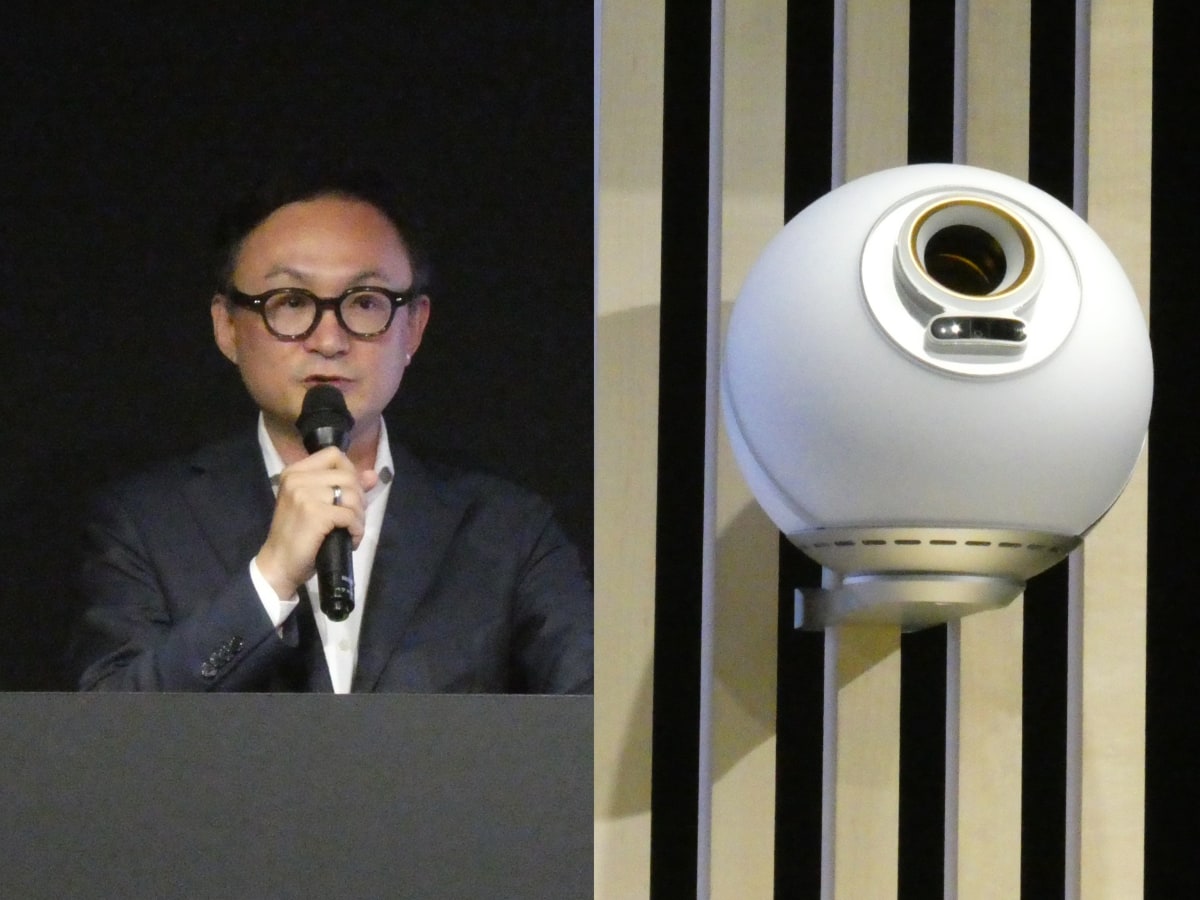
オンライン上で人間であることを示す認証基盤「World ID」を展開するTools for Humanityは、World IDの機能拡張と外部サービス連携の強化、東京大学との産学連携を発表した。
東京大学 松尾研究室は、同基盤を支えるバックエンド「AMPC」のパートナーとして参画する。Tools for Humanity 日本代表 牧野友衛氏は、今回の発表をWorld IDの普及段階から「実際に社会実装していくフェーズ」に移る動きと説明した。
World IDは、オンライン上で「人間であること」と「1人につき1つのID」であることを示す仕組み。牧野氏は、AIの普及で偽アカウントや偽情報が増え、インターネットの信頼が揺らぐとの危機感から、この仕組みを進めてきたと説明した。メールアドレスや電話番号では複数アカウントを防ぎきれず、政府発行IDをそのまま使う方法は不要な個人情報の提供につながるため、匿名性を保ちながら人間に1つのIDを与えることが解決策になるという考えに基づいている。
認証には専用端末の「Orb」を使う。Orbは日本各地に設置されており、Orbの設置場所で認証を受ける流れ。日本国内での設置は220カ所、認証自体は数十秒、全体でも数分以内に完了すると説明した。Orbでは顔と目の画像を撮影し、復元できない暗号コードを生成して利用者のアプリに戻す。データは同社サーバーではなく、利用者のアプリ内に保持する仕組みという。Google ドライブやiCloudに暗号コードをバックアップ可能で、機種変時にはバックアップデータから復号できる。
今回の更新点は、World IDを人間認証だけでなく本人確認まで広げたことにある。牧野氏は、政府発行IDを使ったゼロ知識証明による本人確認と、顔画像を使った当人確認を追加したと説明。日本ではパスポートとマイナンバーカードに対応し、NFCで読み込んだ情報をアプリ内に保存する。たとえば年齢確認では、生年月日そのものを渡さず、「18歳以上か」に対して、「はい」「いいえ」で返す使い方を想定する。
顔認証では、Orbで取得した顔画像をアプリ内に戻し、その画像と現在の顔を照合して当人確認を行なう。牧野氏は、World IDを「人間認証から本人確認、顔認証までを統一して事業者が使える仕組み」として提供すると説明した。
あわせて、認証と管理に特化した独立アプリ「World ID」アプリを新たに用意する。ベータ版を近日公開する予定。さらに、認証の仕組み自体をオープンソース化し、他社アプリやプラットフォームが組み込めるSDKも提供する。牧野氏は、今後は各サービスのアプリの中にWorld ID認証そのものを入れられるようにすると説明した。
個人向けの連携先としては、まずTinderを挙げた。Tinderではプロフィール上に人型バッジ「Human Badge」を表示し、そのアカウントの背後に実在の人がいることを示す。日本が最初の展開市場で、すでにTinder Japanで利用可能。牧野氏は、1人1IDの仕組みであるため、問題を起こして削除されたアカウントが再び同じ形で認証付きアカウントを作りにくくなり、詐欺抑止にもつながると説明した。
業務用途ではZoomとの連携も打ち出した。Orb認証時に取得した顔画像、PCカメラに映る顔、会議画面上の顔の3点をリアルタイムで照合し、本人確認を行なう仕組み。ディープフェイク対策としての活用を想定し、将来的にはZoom Marketplace向けプラグインとして提供する。DocuSignとの連携も発表し、オンライン契約時に「人間であること」と「署名すべき本人であること」の確認に使う考えを示した。
日本での用途について牧野氏は、将来の構想ではなく、今起きているオンライン詐欺への対応を重視すると述べた。ディープフェイク対策やオンライン署名時の認証、マッチングアプリ、C2C取引やオンラインショッピングでの詐欺対策など、日本でも関連性の高い領域を重点的に進めたい考え。
基盤面では、東京大学がAMPCのパートナーとして加わる。AMPCは複数拠点で計算を分散しながら認証を支える仕組みで、東京大学は5つ目の拠点となる。松尾豊教授は、単一拠点が侵害されても影響を抑えるために複数拠点が重要であり、自身の研究室がそのサーバー管理を担うと説明した。あわせて、こうした役割を「新しい時代のインターネット拠点」のようなものだと位置付けた。
松尾氏は、人間かAIかの区別がつきにくい時代に入りつつあり、メールやメッセージ、ビデオ通話の相手が本当に人かどうかを確認する基盤の重要性は今後さらに高まるとの見方も示した。
オンライン上で人間であることを示す認証基盤「World ID」を展開するTools for Humanityは、World IDの機能拡張と外部サービス連携の強化、東京大学との産学連携を発表した。 東京大学 松尾研究室は、同基盤を支えるバックエンド「AMPC」のパートナーとして参画する。Tools for Humanity 日本代表 牧野友衛氏は、今回の発表をWorld IDの普及段階から「実際に社会実装していくフェーズ」に移る動きと説明した。 World IDは、オンライン上で「人間であること」と「1人につき1つのID」であることを示す仕組み。牧野氏は、AIの普及で偽アカウントや偽情報が増え、インターネットの信頼が揺らぐとの危機感から、この仕組みを進めてきたと説明した。メールアドレスや電話番号では複数アカウントを防ぎきれず、政府発行IDをそのまま使う方法は不要な個人情報の提供につながるため、匿名性を保ちながら人間に1つのIDを与えることが解決策になるという考えに基づいている。 認証には専用端末の「Orb」を使う。Orbは日本各地に設置されており、Orbの設置場所で認証を受ける流れ。日本国内での設置は220カ所、認証自体は数十秒、全体でも数分以内に完了すると説明した。Orbでは顔と目の画像を撮影し、復元できない暗号コードを生成して利用者のアプリに戻す。データは同社サーバーではなく、利用者のアプリ内に保持する仕組みという。Google ドライブやiCloudに暗号コードをバックアップ可能で、機種変時にはバックアップデータから復号できる。 今回の更新点は、World IDを人間認証だけでなく本人確認まで広げたことにある。牧野氏は、政府発行IDを使ったゼロ知識証明による本人確認と、顔画像を使った当人確認を追加したと説明。日本ではパスポートとマイナンバーカードに対応し、NFCで読み込んだ情報をアプリ内に保存する。たとえば年齢確認では、生年月日そのものを渡さず、「18歳以上か」に対して、「はい」「いいえ」で返す使い方を想定する。 顔認証では、Orbで取得した顔画像をアプリ内に戻し、その画像と現在の顔を照合して当人確認を行なう。牧野氏は、World IDを「人間認証から本人確認、顔認証までを統一して事業者が使える仕組み」として提供すると説明した。 あわせて、認証と管理に特化した独立アプリ「World ID」アプリを新たに用意する。ベータ版を近日公開する予定。さらに、認証の仕組み自体をオープンソース化し、他社アプリやプラットフォームが組み込めるSDKも提供する。牧野氏は、今後は各サービスのアプリの中にWorld ID認証そのものを入れられるようにすると説明した。 個人向けの連携先としては、まずTinderを挙げた。Tinderではプロフィール上に人型バッジ「Human Badge」を表示し、そのアカウントの背後に実在の人がいることを示す。日本が最初の展開市場で、すでにTinder Japanで利用可能。牧野氏は、1人1IDの仕組みであるため、問題を起こして削除されたアカウントが再び同じ形で認証付きアカウントを作りにくくなり、詐欺抑止にもつながると説明した。 業務用途ではZoomとの連携も打ち出した。Orb認証時に取得した顔画像、PCカメラに映る顔、会議画面上の顔の3点をリアルタイムで照合し、本人確認を行なう仕組み。ディープフェイク対策としての活用を想定し、将来的にはZoom Marketplace向けプラグインとして提供する。DocuSignとの連携も発表し、オンライン契約時に「人間であること」と「署名すべき本人であること」の確認に使う考えを示した。 日本での用途について牧野氏は、将来の構想ではなく、今起きているオンライン詐欺への対応を重視すると述べた。ディープフェイク対策やオンライン署名時の認証、マッチングアプリ、C2C取引やオンラインショッピングでの詐欺対策など、日本でも関連性の高い領域を重点的に進めたい考え。 基盤面では、東京大学がAMPCのパートナーとして加わる。AMPCは複数拠点で計算を分散しながら認証を支える仕組みで、東京大学は5つ目の拠点となる。松尾豊教授は、単一拠点が侵害されても影響を抑えるために複数拠点が重要であり、自身の研究室がそのサーバー管理を担うと説明した。あわせて、こうした役割を「新しい時代のインターネット拠点」のようなものだと位置付けた。 松尾氏は、人間かAIかの区別がつきにくい時代に入りつつあり、メールやメッセージ、ビデオ通話の相手が本当に人かどうかを確認する基盤の重要性は今後さらに高まるとの見方も示した。
オンライン上で人間であることを示す認証基盤「World ID」を展開するTools for Humanityは、World IDの機能拡張と外部サービス連携の強化、東京大学との産学連携を発表した。 東京大学 松尾研究室は、同基盤を支えるバックエンド「AMPC」のパートナーとして参画する。Tools for Humanity 日本代表 牧野友衛氏は、今回の発表をWorld IDの普及段階から「実際に社会実装していくフェーズ」に移る動きと説明した。 World IDは、オンライン上で「人間であること」と「1人につき1つのID」であることを示す仕組み。牧野氏は、AIの普及で偽アカウントや偽情報が増え、インターネットの信頼が揺らぐとの危機感から、この仕組みを進めてきたと説明した。メールアドレスや電話番号では複数アカウントを防ぎきれず、政府発行IDをそのまま使う方法は不要な個人情報の提供につながるため、匿名性を保ちながら人間に1つのIDを与えることが解決策になるという考えに基づいている。 認証には専用端末の「Orb」を使う。Orbは日本各地に設置されており、Orbの設置場所で認証を受ける流れ。日本国内での設置は220カ所、認証自体は数十秒、全体でも数分以内に完了すると説明した。Orbでは顔と目の画像を撮影し、復元できない暗号コードを生成して利用者のアプリに戻す。データは同社サーバーではなく、利用者のアプリ内に保持する仕組みという。Google ドライブやiCloudに暗号コードをバックアップ可能で、機種変時にはバックアップデータから復号できる。 今回の更新点は、World IDを人間認証だけでなく本人確認まで広げたことにある。牧野氏は、政府発行IDを使ったゼロ知識証明による本人確認と、顔画像を使った当人確認を追加したと説明。日本ではパスポートとマイナンバーカードに対応し、NFCで読み込んだ情報をアプリ内に保存する。たとえば年齢確認では、生年月日そのものを渡さず、「18歳以上か」に対して、「はい」「いいえ」で返す使い方を想定する。 顔認証では、Orbで取得した顔画像をアプリ内に戻し、その画像と現在の顔を照合して当人確認を行なう。牧野氏は、World IDを「人間認証から本人確認、顔認証までを統一して事業者が使える仕組み」として提供すると説明した。 あわせて、認証と管理に特化した独立アプリ「World ID」アプリを新たに用意する。ベータ版を近日公開する予定。さらに、認証の仕組み自体をオープンソース化し、他社アプリやプラットフォームが組み込めるSDKも提供する。牧野氏は、今後は各サービスのアプリの中にWorld ID認証そのものを入れられるようにすると説明した。 個人向けの連携先としては、まずTinderを挙げた。Tinderではプロフィール上に人型バッジ「Human Badge」を表示し、そのアカウントの背後に実在の人がいることを示す。日本が最初の展開市場で、すでにTinder Japanで利用可能。牧野氏は、1人1IDの仕組みであるため、問題を起こして削除されたアカウントが再び同じ形で認証付きアカウントを作りにくくなり、詐欺抑止にもつながると説明した。 業務用途ではZoomとの連携も打ち出した。Orb認証時に取得した顔画像、PCカメラに映る顔、会議画面上の顔の3点をリアルタイムで照合し、本人確認を行なう仕組み。ディープフェイク対策としての活用を想定し、将来的にはZoom Marketplace向けプラグインとして提供する。DocuSignとの連携も発表し、オンライン契約時に「人間であること」と「署名すべき本人であること」の確認に使う考えを示した。 日本での用途について牧野氏は、将来の構想ではなく、今起きているオンライン詐欺への対応を重視すると述べた。ディープフェイク対策やオンライン署名時の認証、マッチングアプリ、C2C取引やオンラインショッピングでの詐欺対策など、日本でも関連性の高い領域を重点的に進めたい考え。 基盤面では、東京大学がAMPCのパートナーとして加わる。AMPCは複数拠点で計算を分散しながら認証を支える仕組みで、東京大学は5つ目の拠点となる。松尾豊教授は、単一拠点が侵害されても影響を抑えるために複数拠点が重要であり、自身の研究室がそのサーバー管理を担うと説明した。あわせて、こうした役割を「新しい時代のインターネット拠点」のようなものだと位置付けた。 松尾氏は、人間かAIかの区別がつきにくい時代に入りつつあり、メールやメッセージ、ビデオ通話の相手が本当に人かどうかを確認する基盤の重要性は今後さらに高まるとの見方も示した。
Vocabulary
General
Proper noun
JLPT N2
JLPT N1
| # | 言葉 | 意味 |
|---|---|---|
| 26 | 認証 | にんしょう (認証) : 1. certification; attestation; authentication; confirmation 2. Imperial attestation |
| 16 | 仕組み | しくみ (仕組み) : 1. structure; construction; arrangement; contrivance; mechanism; workings 2. plan; plot; contrivance |
| 14 | 人間 | にんげん (人間) : 1. human being; human; person; man; mankind; humankind 2. character (of a person) |
| 14 | 牧野 | ぼくや (牧野) : pasture land; ranch |
| 10 | 示す | しめす (示す) : 1. to (take out and) show; to demonstrate; to tell; to exemplify; to make apparent 2. to point out (finger, clock hand, needle, etc.) |
| 10 | 連携 | れんけい (連携) : cooperation; coordination; link |
| 10 | 画像 | がぞう (画像) : image; picture; portrait |
| 10 | 拠点 | きょてん (拠点) : position; location; base; point; site |
| 8 | 基盤 | きばん (基盤) : 1. foundation; basis; base; footing; infrastructure 2. bedrock |
| 8 | 東京大学 | とうきょうだいがく (東京大学) : Tokyo University (organization) |
| 8 | 提供 | ていきょう (提供) : 1. offer; tender; providing; supplying; making available; donating (blood, organs, etc.) 2. sponsoring (a TV program) |
| 8 | 本人確認 | ほんにんかくにん (本人確認) : identity verification |
| 8 | 確認 | かくにん (確認) : confirmation; verification; validation; review; check; affirmation; identification |
| 6 | 発表 | はっぴょう (発表) : announcement; publication; presenting; statement; communique; making known; breaking (news story); expressing (one's opinion); releasing; unveiling |
| 6 | 松尾 | まつお (松尾) : Matsuo (place; surname) |
| 6 | 複数 | ふくすう (複数) : plural; multiple; several |
| 6 | 考え | かんがえ (考え) : 1. thinking; thought; view; opinion; concept 2. idea; notion; imagination |
| 6 | 設置 | せっち (設置) : 1. establishment; institution 2. installation (of a machine or equipment) |
| 6 | 詐欺 | さぎ (詐欺) : fraud; swindle; graft; cheating; trick; scam |
| 6 | 対策 | たいさく (対策) : measure; step; countermeasure; counterplan; countermove; strategy; preparation (e.g. for a test) |
| 4 | 展開 | てんかい (展開) : 1. development; evolution; progression; unfolding; (plot) twist 2. expansion; spreading out; extending; deployment; building up |
| 4 | 支える | ささえる (支える) : 1. to support; to prop; to sustain; to underlay; to hold up; to defend 2. to hold at bay; to stem; to check |
| 4 | 氏 | うじ (氏) : 1. family name; lineage; birth 2. clan |
| 4 | 普及 | ふきゅう (普及) : diffusion; spread; popularization; promulgation; familiarization |
| 4 | 進める | すすめる (進める) : 1. to advance; to move forward; to put (a clock, watch) forward 2. to carry forward (plans, work, etc.); to proceed with; to make progress in; to further; to advance; to hasten; to speed up |
| 4 | 政府 | せいふ (政府) : government; administration |
| 4 | 発行 | はっこう (発行) : 1. publication; issue (of journal, newspaper, etc.) 2. issue (of banknotes, bonds, passport, etc.) |
| 4 | つながる | つながる (繋がる) : 1. to be tied together; to be connected to; to be linked to 2. to lead to; to be related to |
| 4 | 自体 | じたい (自体) : 1. itself 2. one's own body; oneself |
| 4 | 暗号 | あんごう (暗号) : code; password; cipher |
| 4 | 利用者 | りようしゃ (利用者) : user; end-user; consumer |
| 4 | 戻す | もどす (戻す) : 1. to put back; to return; to give back; to restore (to a previous state, e.g. defrosting, reconstituting, reconciling); to turn back (e.g. clock hand) 2. to vomit; to throw up |
| 4 | 当人 | とうにん (当人) : the person concerned; the person in question; the said person |
| 4 | 対応 | たいおう (対応) : 1. correspondence (to); equivalence 2. suitability; coordination; matching; being appropriate (for) |
| 4 | 想定 | そうてい (想定) : hypothesis; supposition; assumption |
| 4 | 顔認証 | かおにんしょう (顔認証) : authentication by facial recognition |
| 4 | 取得 | とりえ (取り柄) : worth; merit; value; good point; redeeming feature; saving grace |
| 4 | 照合 | しょうごう (照合) : collation; comparison |
| 4 | 行なう | おこなう (行う) : to perform; to do; to conduct oneself; to carry out |
| 4 | あわせる | あわせる (会わせる) : 1. to make (someone) to meet; to let (someone) meet 2. to expose to; to subject to |
| 4 | 管理 | かんり (管理) : control; management (e.g. of a business) |
| 4 | 今後 | こんご (今後) : from now on; hereafter |
| 4 | 用途 | ようと (用途) : use; service; purpose |
| 4 | 署名 | しょめい (署名) : signature |
| 2 | 外部 | がいぶ (外部) : 1. outside (e.g. of a building); exterior 2. outside (of a group, company, etc.); outside world |
| 2 | 強化 | きょうか (強化) : strengthening; intensifying; reinforcement; enhancement; solidification |
| 2 | 産 | うぶ (初) : 1. innocent; naive; unsophisticated; inexperienced; green; wet behind the ears 2. birth- |
| 2 | 参画 | さんかく (参画) : taking part (in planning); participation |
| 2 | 代表 | だいひょう (代表) : 1. representative; representation; delegation; type; example; model 2. switchboard number; main number |
| 2 | 友衛 | ともえ (友衛) : Tomoe (fem) |
| 2 | 段階 | だんかい (段階) : grade; level; stage; class; phase; steps; order; gradation |
| 2 | 実際 | じっさい (実際) : 1. reality; actuality; truth; fact; actual conditions 2. practice (as opposed to theory) |
| 2 | 実装 | じっそう (実装) : implementation (e.g. of a feature); installation (of equipment); mounting; packaging |
| 2 | 動き | うごき (動き) : 1. movement; move; motion 2. trend; development; change; fluctuation |
| 2 | 偽アカウント | にせアカウント (偽アカウント) : fake account (e.g. on social media) |
| 2 | 偽情報 | にせじょうほう (偽情報) : disinformation; false information |
| 2 | 増える | ふえる (増える) : to increase; to multiply |
| 2 | 信頼 | しんらい (信頼) : reliance; trust; faith; confidence |
| 2 | 揺らぐ | ゆらぐ (揺らぐ) : 1. to swing; to sway; to shake; to tremble 2. to waver; to feel shaken; to become unstable |
| 2 | 危機感 | ききかん (危機感) : sense of impending crisis; sense of danger |
| 2 | 電話番号 | でんわばんごう (電話番号) : telephone number |
| 2 | 防ぐ | ふせぐ (防ぐ) : 1. to defend against; to protect against 2. to prevent; to avert; to avoid |
| 2 | そのまま | そのまま (其のまま) : 1. without change; as is 2. just like; extremely similar |
| 2 | 方法 | ほうほう (方法) : method; process; manner; way; means; technique |
| 2 | 不要 | ふよう (不要) : unnecessary; unneeded |
| 2 | 個人情報 | こじんじょうほう (個人情報) : personal information |
| 2 | 匿名性 | とくめいせい (匿名性) : anonymity |
| 2 | 保つ | たもつ (保つ) : 1. to keep; to preserve; to hold; to retain; to maintain; to sustain 2. to last; to endure; to keep well (food); to wear well; to be durable |
| 2 | 与える | あたえる (与える) : 1. to give (esp. to someone of lower status); to bestow; to grant; to confer; to present; to award 2. to provide; to afford; to offer; to supply |
| 2 | 解決策 | かいけつさく (解決策) : solution; solution strategy |
| 2 | 基づく | もとづく (基づく) : to be grounded on; to be based on; to be due to; to originate from |
| 2 | 各地 | かくち (各地) : every place; various places |
| 2 | 場所 | ばしょ (場所) : 1. place; location; spot; position 2. room; space |
| 2 | 流れ | ながれ (流れ) : 1. flow (of a fluid or gas); stream; current 2. flow (of people, things); passage (of time); tide; passing; (changing) trends; tendency |
| 2 | 日本国内 | にほんこくない (日本国内) : Japanese domestic |
| 2 | カ所 | かしょ (箇所) : 1. place; point; part; spot; area; passage; portion 2. counter for places, parts, passages, etc. |
| 2 | 秒 | びょう (秒) : 1. second (unit of time) 2. arc second |
| 2 | 全体 | ぜんたい (全体) : whole; entirety; whatever (is the matter) |
| 2 | 完了 | かんりょう (完了) : 1. completion; conclusion 2. perfect (tense, form, aspect) |
| 2 | 撮影 | さつえい (撮影) : photography (still or motion); photographing; filming; shooting; (video) recording |
| 2 | 復元 | ふくげん (復元) : restoration (to original state or location); reconstruction; reversion |
| 2 | 生成 | せいせい (生成) : creation; generation; formation; derivation |
| 2 | 同社 | どうしゃ (同社) : the same firm |
| 2 | 保持 | ほじ (保持) : retention; maintenance; preservation |
| 2 | 可能 | かのう (可能) : possible; potential; practicable; feasible |
| 2 | 機種変 | きしゅへん (機種変) : changing cell phone models |
| 2 | 復号 | ふくごう (復号) : decoding; decryption |
| 2 | 更新 | こうしん (更新) : renewal; update; innovation; improvement |
| 2 | 広げる | ひろげる (広げる) : 1. to spread; to extend; to expand; to enlarge; to widen; to broaden 2. to unfold; to open; to unroll; to unwrap |
| 2 | 追加 | ついか (追加) : addition; supplement; appending; appendix |
| 2 | 読み込む | よみこむ (読み込む) : 1. to read thoroughly; to read repeatedly 2. to express (e.g. emotion in poetry) |
| 2 | 情報 | じょうほう (情報) : 1. information; news; intelligence; advices 2. information; data contained in characters, signals, code, etc. |
| 2 | 保存 | ほぞん (保存) : 1. preservation; conservation; storage; maintenance 2. saving (e.g. to disk) |
| 2 | 年齢確認 | ねんれいかくにん (年齢確認) : age verification |
| 2 | 生年月日 | せいねんがっぴ (生年月日) : birth date; date of birth; DOB |
| 2 | 渡す | わたす (渡す) : 1. to ferry across (e.g. a river); to carry across; to traverse 2. to lay across; to build across |
| 2 | 使い方 | つかいかた (使い方) : way to use something; treatment; management (of help) |
| 2 | 現在 | げんざい (現在) : now; current; present; present time; as of |
| 2 | 統一 | とういつ (統一) : unity; consolidation; uniformity; unification; compatible |
| 2 | 事業者 | じぎょうしゃ (事業者) : 1. business person 2. operator; carrier (telecommunications, transport, etc.) |
| 2 | 使える | つかえる (使える) : to be usable; to be serviceable; to be useful |
| 2 | 特化 | とっか (特化) : specialization; specialisation |
| 2 | 独立 | どくりつ (独立) : 1. independence; self-reliance; supporting oneself; being on one's own 2. independence (e.g. of a nation); freedom |
| 2 | 新た | あらた (新た) : new; fresh; novel |
| 2 | ベータ版 | ベータばん (ベータ版) : beta version |
| 2 | 近日 | きんじつ (近日) : soon; in a few days |
| 2 | 公開 | こうかい (公開) : opening to the public; making available to the public; putting on display; exhibiting; showing (play, movie, etc.); holding (interview, etc.); open; public |
| 2 | 化 | か (化) : action of making something; -ification |
| 2 | 他社 | たしゃ (他社) : another company; other company |
| 2 | 各 | かく (各) : each; every; all |
| 2 | 入れる | いれる (入れる) : 1. to put in; to let in; to take in; to bring in; to insert; to install (e.g. software); to set (a jewel, etc.); to ink in (e.g. tattoo) 2. to admit; to accept; to employ; to hire |
| 2 | 個人向け | こじんむけ (個人向け) : targeted at individuals |
| 2 | 表示 | ひょうじ (表示) : 1. indication; expression; showing; manifestation; demonstration 2. display; displaying |
| 2 | 背後 | はいご (背後) : 1. back; rear 2. background; behind the scenes |
| 2 | 実在 | じつざい (実在) : actual existence; real existence; existing in real life |
| 2 | 市場 | いちば (市場) : (town) market; (street) market; marketplace |
| 2 | すでに | すでに (既に) : already; too late |
| 2 | 利用可能 | りようかのう (利用可能) : available; usable (e.g. bandwidth) |
| 2 | 起こす | おこす (起こす) : 1. to raise; to raise up; to set up; to pick up 2. to wake; to wake up; to waken; to awaken |
| 2 | 削除 | さくじょ (削除) : deletion; elimination; erasure; striking out |
| 2 | 再び | ふたたび (再び) : again; once more; a second time |
| 2 | 付き | つき (付き) : 1. furnished with; including 2. attached to |
| 2 | 作る | つくる (作る) : 1. to make; to produce; to manufacture; to build; to construct 2. to prepare (food); to brew (alcohol) |
| 2 | 抑止 | よくし (抑止) : check; checkmate; stave off; control; restraint; inhibit; deterrent; deterrence |
| 2 | 業務 | ぎょうむ (業務) : business; affairs; duties; work; procedure; task; action; function; (business) operations; operational |
| 2 | 打ち出す | うちだす (打ち出す) : 1. to emboss 2. to print out; to print |
| 2 | 映る | うつる (映る) : to be reflected; to harmonize with (harmonise); to come out (photo); to be projected; to be displayed (on a screen) |
| 2 | 画面 | がめん (画面) : 1. screen (of a TV, computer, etc.) 2. image (on a screen); picture; scene |
| 2 | 活用 | かつよう (活用) : 1. practical use; application 2. conjugation; inflection |
| 2 | 将来的 | しょうらいてき (将来的) : future; possible; potential; prospective |
| 2 | 向け | むけ (向け) : intended for ...; oriented towards ...; aimed at ... |
| 2 | 契約 | けいやく (契約) : contract; compact; agreement |
| 2 | 本人 | ほんにん (本人) : the person in question; the person themselves; said person |
| 2 | 構想 | こうそう (構想) : plan; plot; idea; conception; vision; scheme |
| 2 | 起きる | おきる (起きる) : 1. to get up; to rise; to blaze up (fire) 2. to wake up; to be awake; to stay awake |
| 2 | 重視 | じゅうし (重視) : regarding as important; attaching importance to; taking a serious view of; putting emphasis on |
| 2 | 述べる | のべる (述べる) : to state; to express; to mention |
| 2 | 取引 | とりひき (取引) : transactions; dealings; business |
| 2 | 関連性 | かんれんせい (関連性) : relatedness; associativity; relation; relationship; relevance |
| 2 | 領域 | りょういき (領域) : area; domain; territory; field; range; region; regime |
| 2 | 重点的 | じゅうてんてき (重点的) : prioritized; focused; concentrated; predominant |
| 2 | 面 | おもて (面) : 1. face 2. surface |
| 2 | 加わる | くわわる (加わる) : 1. to be added to; to be appended 2. to join in (e.g. a group of friends); to participate |
| 2 | 計算 | けいさん (計算) : 1. calculation; reckoning; count 2. forecast |
| 2 | 分散 | ぶんさん (分散) : 1. dispersion; breakup; scattering; decentralization; decentralisation; distribution 2. variance |
| 2 | 教授 | きょうじゅ (教授) : 1. professor 2. teaching; instruction |
| 2 | 単一 | たんいつ (単一) : single; simple; sole; individual; unitary |
| 2 | 侵害 | しんがい (侵害) : infringement; violation; invasion; encroachment; trespass |
| 2 | 影響 | えいきょう (影響) : 1. influence; effect 2. to influence; to affect; to have an influence on; to impact; to have an effect on |
| 2 | 抑える | おさえる (抑える) : 1. to keep within limits (e.g. spending); to restrain (e.g. emotions); to control; to curb; to hold in check 2. to hold back (e.g. an enemy); to check; to curb; to contain; to quell; to subdue; to suppress; to repress |
| 2 | 重要 | じゅうよう (重要) : important; momentous; essential; principal; major |
| 2 | 自身 | じしん (自身) : (one's) self; oneself |
| 2 | 担う | になう (担う) : 1. to carry on one's shoulder; to shoulder; to bear 2. to bear (burden, responsibility, etc.); to take upon oneself |
| 2 | 役割 | やくわり (役割) : part; assigning (allotment of) parts; role; duties |
| 2 | 新しい | あたらしい (新しい) : new; novel; fresh; recent; latest; up-to-date; modern |
| 2 | 時代 | じだい (時代) : 1. period; epoch; era; age 2. the times; those days |
| 2 | のよ | のよ (乃代) : Noyo (unclass) |
| 2 | うな | うな (鰻) : eel (esp. the Japanese eel, Anguilla japonica) |
| 2 | もの | もの (者) : person |
| 2 | 位置 | いち (位置) : place; situation; position; location |
| 2 | 区別 | くべつ (区別) : distinction; differentiation; classification |
| 2 | 通話 | つうわ (通話) : 1. telephone call; speaking over the telephone; (Internet) voice call 2. counter for telephone calls of a set duration |
| 2 | 相手 | あいて (相手) : 1. companion; partner; company 2. other party; addressee |
| 2 | 本当 | ほんとう (本当) : 1. truth; reality; actuality; fact 2. proper; right; correct; official |
| 2 | 重要性 | じゅうようせい (重要性) : importance; gravity |
| 2 | 高まる | たかまる (高まる) : to rise; to swell; to be promoted |
| 2 | 見方 | みかた (見方) : 1. viewpoint; point of view 2. way of understanding; way of appreciating; how to look at something (e.g. noh, train schedule) |