【風、薫る】直美の断髪シーンに驚きの声「まさか自分の髪とは…」「役者魂すごすぎ」
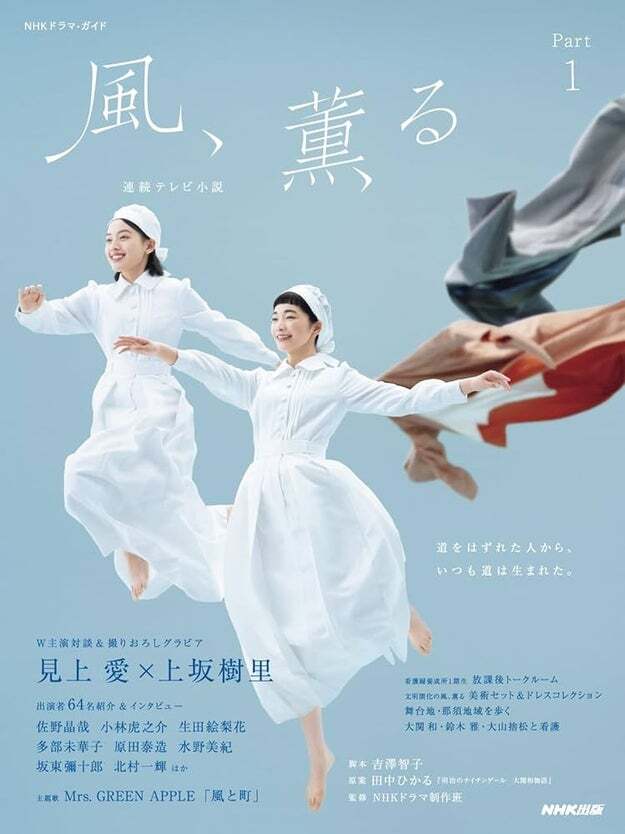
NHK連続テレビ小説『風、薫る』の公式アカウントが4月29日にXとInstagramを更新。直美の断髪シーンの場面動画を公開しました。
俳優の見上愛さんと上坂樹里さんがW主演を務める同作は、明治という激動の社会を舞台にした、ちょっと型破りな二人のナースの冒険物語です。 それぞれに生きづらさを抱えた二人の主人公・一ノ瀬りん(見上さん)と大家直美(上坂さん)が、当時まだ知られていなかった看護の世界に飛び込み、傷ついた人々を守るために奔走し、時に強き者と戦う姿が描かれます。 ※以下、ネタバレが含まれます。 現在、放送中の第5週では、トレインドナースになることを目指して看護婦養成所の一期生となったりんと直美の新たな生活が描かれます。養成所には他にも、多江(生田絵梨花さん)、喜代(菊池亜希子さん)、ゆき(中井友望さん)、しのぶ(木越明さん)、トメ(原嶋凛さん)と、個性豊かな面々が集いますが、年齢も生い立ちも異なる彼女たちは、なかなか打ち解けることができず、寮生活は波乱の幕開けとなりました。 直美は、それまで長かった髪をバッサリと切り、ボブヘアにイメチェンした姿で登場。髪を切った理由を問われると「己の出自や自分の未来を考え、悩むのも髪と一緒に断ち切りました」などと説明していました。 一方、意固地な態度を繰り返す直美は、りんから「髪と一緒にいろいろ断ち切ったってそう自分にうそついてるみたい」「うそつきで不細工」などと辛辣な言葉で指摘されてしまいます。 そんな中、同日に放送された第23回では、直美が髪を短く切った時を回想するシーンが描かれました。 それは、小日向こと寛太(藤原季節さん)に騙されたことがわかった後のこと。思いつめた表情で教会にやってきた直美は、おもむろにハサミを取り出し、ほどいた髪を切り始めます。 そこにやってきたのは、教会の牧師・吉江(原田泰造さん)でした。
公式アカウントは、 「吉江先生:『直美さん……』」 「泣きながら直美の髪を切る吉江先生… 直美役の上坂さんはこのシーンでご自身の髪にはさみを入れました」 と、コメントを添えて、1本の動画を投稿。
堪えきれず、涙を流しながら自らの髪にハサミを入れる直美。 その光景を目にした吉江は、「直美さん……!」と驚きの声をあげます。 それでも、滅多に見せない直美の涙に、吉江もただならぬ想いを汲み取ったのでしょうか。場面が変わり、きちんと椅子に座り直した直美の後ろには、ハサミを手にした吉江の姿が映っています。 震える手で直美の後ろ髪に触れる吉江。「こんなにきれいなのに……こんなにきれいなのに……」と顔中を涙に濡らしながら、直美の髪を整えてあげるのでした。
この投稿には、以下のようなコメントが寄せられています。 「まさか自分の髪とは思わなかった」 「一発撮りだったのかな!?」 「役とはいえ、自分の髪を切るって……役者魂すごすぎです」 「吉江先生の涙にも切なくなりました」 「朝から号泣」
俳優の見上愛さんと上坂樹里さんがW主演を務める同作は、明治という激動の社会を舞台にした、ちょっと型破りな二人のナースの冒険物語です。 それぞれに生きづらさを抱えた二人の主人公・一ノ瀬りん(見上さん)と大家直美(上坂さん)が、当時まだ知られていなかった看護の世界に飛び込み、傷ついた人々を守るために奔走し、時に強き者と戦う姿が描かれます。 ※以下、ネタバレが含まれます。 現在、放送中の第5週では、トレインドナースになることを目指して看護婦養成所の一期生となったりんと直美の新たな生活が描かれます。養成所には他にも、多江(生田絵梨花さん)、喜代(菊池亜希子さん)、ゆき(中井友望さん)、しのぶ(木越明さん)、トメ(原嶋凛さん)と、個性豊かな面々が集いますが、年齢も生い立ちも異なる彼女たちは、なかなか打ち解けることができず、寮生活は波乱の幕開けとなりました。 直美は、それまで長かった髪をバッサリと切り、ボブヘアにイメチェンした姿で登場。髪を切った理由を問われると「己の出自や自分の未来を考え、悩むのも髪と一緒に断ち切りました」などと説明していました。 一方、意固地な態度を繰り返す直美は、りんから「髪と一緒にいろいろ断ち切ったってそう自分にうそついてるみたい」「うそつきで不細工」などと辛辣な言葉で指摘されてしまいます。 そんな中、同日に放送された第23回では、直美が髪を短く切った時を回想するシーンが描かれました。 それは、小日向こと寛太(藤原季節さん)に騙されたことがわかった後のこと。思いつめた表情で教会にやってきた直美は、おもむろにハサミを取り出し、ほどいた髪を切り始めます。 そこにやってきたのは、教会の牧師・吉江(原田泰造さん)でした。
公式アカウントは、 「吉江先生:『直美さん……』」 「泣きながら直美の髪を切る吉江先生… 直美役の上坂さんはこのシーンでご自身の髪にはさみを入れました」 と、コメントを添えて、1本の動画を投稿。
堪えきれず、涙を流しながら自らの髪にハサミを入れる直美。 その光景を目にした吉江は、「直美さん……!」と驚きの声をあげます。 それでも、滅多に見せない直美の涙に、吉江もただならぬ想いを汲み取ったのでしょうか。場面が変わり、きちんと椅子に座り直した直美の後ろには、ハサミを手にした吉江の姿が映っています。 震える手で直美の後ろ髪に触れる吉江。「こんなにきれいなのに……こんなにきれいなのに……」と顔中を涙に濡らしながら、直美の髪を整えてあげるのでした。
この投稿には、以下のようなコメントが寄せられています。 「まさか自分の髪とは思わなかった」 「一発撮りだったのかな!?」 「役とはいえ、自分の髪を切るって……役者魂すごすぎです」 「吉江先生の涙にも切なくなりました」 「朝から号泣」
Vocabulary
General
Proper noun
JLPT N2
JLPT N1
| # | 言葉 | 意味 |
|---|---|---|
| 16 | 直美 | すぐみ (直美) : Sugumi (unclass) |
| 8 | 吉江 | さちえ (吉江) : Sachie (fem) |
| 4 | 涙 | なみだ (涙) : 1. tear; tears; lachrymal secretion 2. sympathy |
| 3 | 上坂 | うえさか (上坂) : Uesaka (surname) |
| 3 | 姿 | すがた (姿) : 1. figure; form; shape 2. appearance; dress; guise |
| 3 | 描く | えがく (描く) : 1. to draw; to paint; to sketch 2. to depict; to describe |
| 2 | 場面 | ばめん (場面) : 1. scene; setting; place (where something happens); scenario; case 2. scene (in a movie, play); shot |
| 2 | 動画 | どうが (動画) : 1. video; movie; moving picture 2. animation; animated cartoon |
| 2 | 見上 | けんじょう (見上) : Kenjou (surname) |
| 2 | りん | りん (厘) : 1. one-hundredth; 0.3 mm (one-hundredth of a sun); 0.1 percent (one-hundredth of a wari); 0.0375 grams (one-hundredth of a monme) 2. rin (monetary unit; 0.001 yen) |
| 2 | 第 | だい (第) : prefix for forming ordinal numbers |
| 2 | 養成所 | ようせいじょ (養成所) : training school |
| 2 | 断ち切る | たちきる (断ち切る) : 1. to cut apart (cloth, paper, etc.) 2. to sever (ties); to break off (relationship); to overcome (habit, addiction) |
| 2 | 役 | えき (役) : 1. war; campaign; battle 2. unpaid work (ritsuryo system); forced labor |
| 2 | 投稿 | とうこう (投稿) : contribution (to a newspaper, magazine, etc.); submission; post (on a blog, social media, etc.) |
| 1 | NHK | エヌエイチケー (NHK) : NHK; Japan Broadcasting Corporation |
| 1 | 連続 | れんぞく (連続) : continuation; succession; series |
| 1 | 薫る | かおる (香る) : to smell sweet; to be fragrant |
| 1 | 更新 | こうしん (更新) : renewal; update; innovation; improvement |
| 1 | 断髪 | だんぱつ (断髪) : 1. cutting of hair (to a short length); haircutting 2. bobbed hair; bob |
| 1 | 公開 | こうかい (公開) : opening to the public; making available to the public; putting on display; exhibiting; showing (play, movie, etc.); holding (interview, etc.); open; public |
| 1 | 俳優 | はいゆう (俳優) : actor; actress; player; performer |
| 1 | 樹里 | いつき (樹里) : Itsuki (fem) |
| 1 | 主演 | しゅえん (主演) : starring; playing the leading part |
| 1 | 務める | つとめる (勤める) : 1. to work (for); to be employed (at); to serve (in) 2. to serve (as); to act (as); to fill (the position of); to play the role (of) |
| 1 | 同作 | どうさく (同作) : 1. work by the same author (artist, etc.) 2. work in the same style; same way of making |
| 1 | 明治 | めいじ (明治) : Meiji era (1868.9.8-1912.7.30) |
| 1 | 激動 | げきどう (激動) : violent shock; agitation; turbulence; turmoil; upheaval; excitement |
| 1 | 舞台 | ぶたい (舞台) : 1. stage (theatre, theater) 2. scene or setting (e.g. of novel, play, etc.) |
| 1 | 型破り | かたやぶり (型破り) : unusual; unconventional; mold-breaking; outside the box |
| 1 | 冒険 | ぼうけん (冒険) : 1. adventure; venture 2. venture which is unlikely to succeed; risky attempt; danger; hazard; risk |
| 1 | 物語 | ものがたり (物語) : tale; story; legend |
| 1 | 生きる | いきる (生きる) : 1. to live; to exist 2. to make a living; to subsist |
| 1 | づら | づら : wig; hairpiece |
| 1 | 抱える | かかえる (抱える) : 1. to hold or carry under or in the arms 2. to have (esp. problems, debts, etc.) |
| 1 | 主人公 | しゅじんこう (主人公) : 1. protagonist; main character; hero(ine) (of a story) 2. head of household |
| 1 | 一ノ瀬 | いちのせ (一ノ瀬) : Ichinose (surname) |
| 1 | 大家 | おおや (大家) : landlord; landlady |
| 1 | 当時 | とうじ (当時) : at that time; in those days |
| 1 | 知る | しる (知る) : 1. to be aware of; to know; to be conscious of; to cognize; to cognise 2. to notice; to feel |
| 1 | 看護 | かんご (看護) : nursing; (army) nurse |
| 1 | 飛び込む | とびこむ (飛び込む) : 1. to jump in; to leap in; to plunge into; to dive 2. to burst in; to barge in |
| 1 | 傷つく | きずつく (傷つく) : 1. to be wounded; to get injured 2. to get hurt feelings |
| 1 | 人々 | ひとびと (人々) : 1. people; men and women 2. each person; everybody |
| 1 | 守る | まもる (守る) : 1. to protect; to guard; to defend 2. to keep (i.e. a promise); to abide (by the rules); to observe; to obey; to follow |
| 1 | 奔走 | ほんそう (奔走) : running about; making every effort; being busily engaged (in something); good offices |
| 1 | 戦う | たたかう (戦う) : 1. to make war (on); to wage war (against); to go to war (with); to fight (with); to do battle (against) 2. to compete (against) |
| 1 | 含む | ふくむ (含む) : 1. to contain; to comprise; to have; to hold; to include; to embrace 2. to hold in the mouth |
| 1 | 現在 | げんざい (現在) : now; current; present; present time; as of |
| 1 | 目指す | めざす (目指す) : 1. to aim at (for, to do, to become); to try for; to have an eye on 2. to go toward; to head for |
| 1 | りんと | りんと (倫士) : Rinto (given) |
| 1 | 新た | あらた (新た) : new; fresh; novel |
| 1 | 他 | ほか (他) : 1. other (place, thing, person); the rest 2. outside; beyond |
| 1 | 多江 | たえ (多江) : Tae (fem; surname) |
| 1 | 生田 | いきた (生田) : Ikita (surname) |
| 1 | 絵梨花 | えりか (絵梨花) : Erika (fem) |
| 1 | 喜代 | きしろ (喜代) : Kishiro (surname) |
| 1 | 菊池 | きくいけ (菊池) : Kikuike (surname) |
| 1 | 亜希子 | あきこ (亜希子) : Akiko (fem) |
| 1 | 中井 | ない (中井) : Nai (surname) |
| 1 | 友望 | ともの (友望) : Tomono (fem) |
| 1 | しのぶ | しのぶ (偲ぶ) : 1. to recollect; to remember; to reminisce; to be nostalgic for 2. to imagine; to guess; to infer |
| 1 | 木越 | きこえ (木越) : Kikoe (surname) |
| 1 | 原嶋 | はらしま (原嶋) : Harashima (place; surname) |
| 1 | 個性 | こせい (個性) : individuality; personality; quirk; idiosyncrasy; character; individual characteristic |
| 1 | 豊か | ゆたか (豊か) : 1. abundant; wealthy; plentiful; rich; affluent 2. very; extremely; full of; great |
| 1 | 面々 | めんめん (面々) : every person; each one; everybody |
| 1 | 集う | つどう (集う) : to meet; to assemble; to congregate |
| 1 | 年齢 | ねんれい (年齢) : age; years |
| 1 | 生い立ち | おいたち (生い立ち) : 1. growth; development 2. one's early life; upbringing; personal history |
| 1 | 異なる | ことなる (異なる) : to differ; to vary; to disagree |
| 1 | 彼女 | かのじょ (彼女) : 1. she; her 2. girlfriend |
| 1 | たち | やかた (館) : 1. mansion; palace; manor house; castle 2. nobleman; noblewoman; dignitary |
| 1 | 打ち解ける | うちとける (打ち解ける) : to open one's heart; to throw off reserve; to be frank |
| 1 | 寮生活 | りょうせいかつ (寮生活) : life in a dormitory; dormitory life |
| 1 | 波乱 | はらん (波乱) : disturbance; trouble; ups and downs |
| 1 | 幕開け | まくあけ (幕開け) : 1. the rise of the curtain; opening (of play) 2. beginning (e.g. of an era); opening (festival, event, etc.) |
| 1 | 登場 | とうじょう (登場) : 1. entry (on stage); appearance (on screen) 2. entrance; introduction (into a market) |
| 1 | 問う | とう (問う) : 1. to ask; to inquire 2. to blame (someone) for; to accuse of; to pursue (question of responsibility); to charge with |
| 1 | 己 | おのれ (己) : 1. oneself (itself, etc.) 2. I; me |
| 1 | 出自 | しゅつじ (出自) : 1. origin; birthplace 2. descent; lineage; ancestry; stock |
| 1 | 未来 | みらい (未来) : 1. the future (usually distant) 2. future tense |
| 1 | 考える | かんがえる (考える) : 1. to think (about, of); to think over; to ponder; to contemplate; to reflect (on); to meditate (on) 2. to consider; to bear in mind; to allow for; to take into consideration |
| 1 | 悩む | なやむ (悩む) : to be worried; to be troubled |
| 1 | 意固地 | いこじ (意固地) : obstinate; stubborn; obdurate; headstrong; willful; perverse |
| 1 | 態度 | たいど (態度) : 1. attitude; manner; behaviour; demeanour; bearing 2. attitude (towards an issue, etc.); position; stance; stand |
| 1 | 繰り返す | くりかえす (繰り返す) : to repeat; to do something over again |
| 1 | みたい | みたい : -like; sort of; similar to; resembling |
| 1 | うそつき | うそつき (嘘つき) : liar; fibber |
| 1 | 不細工 | ぶさいく (不細工) : 1. clumsy (work) 2. plain (e.g. looks); ugly; homely; unattractive |
| 1 | 辛辣 | しんらつ (辛辣) : bitter (e.g. criticism); sharp; biting; severe; scathing; harsh |
| 1 | 指摘 | してき (指摘) : pointing out; identification |
| 1 | 同日 | どうじつ (同日) : the same day |
| 1 | 回想 | かいそう (回想) : recollection; retrospection; reflection; reminiscence |
| 1 | 小日向 | おひなた (小日向) : Ohinata (surname) |
| 1 | 寛太 | かんた (寛太) : Kanta (given) |
| 1 | 藤原 | えりあね (藤原) : Eriane (surname) |
| 1 | 季節 | きせつ (季節) : season; time of year |
| 1 | 騙す | だます (騙す) : 1. to trick; to cheat; to deceive 2. to coax; to wheedle; to soothe and humor (humour) |
| 1 | わかる | わかる (分かる) : 1. to understand; to comprehend; to grasp; to see; to get; to follow 2. to become clear; to be known; to be discovered; to be realized; to be realised; to be found out |
| 1 | 思いつめる | おもいつめる (思い詰める) : to think hard; to brood over; to worry too much (about); to torment oneself (with the thought of) |
| 1 | 表情 | ひょうじょう (表情) : 1. facial expression; countenance 2. look; appearance; expression (vocal, etc.) |
| 1 | おもむろに | おもむろに (徐ろに) : 1. suddenly; abruptly 2. deliberately; slowly; gently |
| 1 | 取り出す | とりだす (取り出す) : 1. to take out; to produce; to pick out 2. to fetch; to retrieve |
| 1 | ほどく | ほどく (解く) : to undo; to untie; to unfasten; to unlace; to unravel; to loosen; to unpack |
| 1 | 牧師 | ぼくし (牧師) : pastor; minister; clergyman; reverend |
| 1 | 原田泰造 | はらだたいぞう (原田泰造) : Harada Taizou (1970.3.24-) (person) |
| 1 | 泣き | なき (泣き) : weeping; lamenting |
| 1 | ながら | ながら (乍ら) : 1. while; during; as 2. while; although; though; despite; in spite of; notwithstanding |
| 1 | ご自身 | ごじしん (御自身) : himself; yourself; herself |
| 1 | はさみ | はさみ (鋏) : 1. scissors; shears; clippers 2. hole punch |
| 1 | 入れる | いれる (入れる) : 1. to put in; to let in; to take in; to bring in; to insert; to install (e.g. software); to set (a jewel, etc.); to ink in (e.g. tattoo) 2. to admit; to accept; to employ; to hire |
| 1 | 添える | そえる (添える) : 1. to garnish; to accompany (as a card does a gift) 2. to add to as support; to prop up |
| 1 | 堪える | たえる (耐える) : 1. to bear; to stand; to endure; to put up with 2. to support; to withstand; to resist; to brave |
| 1 | 流す | ながす (流す) : 1. to drain; to pour; to spill; to shed (blood, tears) 2. to wash away |
| 1 | 自ら | おのずから (自ずから) : naturally; in due course; by itself; of its own accord |
| 1 | 光景 | こうけい (光景) : scene; spectacle; sight; view |
| 1 | 驚き | おどろき (驚き) : surprise; astonishment; wonder; amazement |
| 1 | 滅多 | めった (滅多) : 1. thoughtless; reckless; careless; rash 2. seldom; rare |
| 1 | ただ | ただ (只) : 1. ordinary; common; usual 2. free of charge |
| 1 | 想い | おもい (思い) : 1. thought 2. imagination; mind; heart |
| 1 | 汲み取る | くみとる (汲み取る) : 1. to draw (water); to scoop up; to dip up; to pump out 2. to understand (someone's feelings, etc.); to grasp; to surmise; to take into consideration |
| 1 | 変わる | かわる (変わる) : 1. to change; to be transformed; to be altered; to vary 2. to move to |
| 1 | きちんと | きちんと : 1. properly; accurately; exactly; precisely; regularly 2. neatly; tidily; orderly |
| 1 | 椅子 | いす (椅子) : 1. chair; stool 2. post; office; position |
| 1 | 座り直す | すわりなおす (座り直す) : to reseat oneself; to correct one's posture |
| 1 | 映る | うつる (映る) : to be reflected; to harmonize with (harmonise); to come out (photo); to be projected; to be displayed (on a screen) |
| 1 | 震える | ふるえる (震える) : to shiver; to shake; to quake; to tremble; to quaver; to quiver |
| 1 | 後ろ髪 | うしろがみ (後ろ髪) : hair on the back of one's head |
| 1 | 触れる | ふれる (触れる) : 1. to touch; to feel 2. to touch (with) |
| 1 | 濡らす | ぬらす (濡らす) : to wet; to moisten; to dampen; to soak; to dip |
| 1 | 整える | ととのえる (整える) : 1. to put in order; to arrange; to tidy up; to straighten; to adjust; to fix 2. to get ready; to prepare; to arrange; to supply; to assemble; to buy |
| 1 | 寄せる | よせる (寄せる) : 1. to come near; to let someone approach 2. to bring near; to bring together; to collect; to gather |
| 1 | まさか | まさか (真逆) : 1. by no means; never!; well, I never!; you don't say!; certainly (not) 2. something unexpected; emergency |
| 1 | 撮る | とる (撮る) : 1. to take (a photo) 2. to record (video, audio, etc.); to make (a film) |
| 1 | って | って : 1. you said; he said; she said; they said 2. if ... then |
| 1 | 役者 | やくしゃ (役者) : 1. actor; actress 2. man of wits; clever person; cunning fellow |
| 1 | 魂 | たましい (魂) : soul; spirit |
| 1 | すご | しゅご (守護) : 1. protection; safeguard 2. shugo (Kamakura or Muromachi period military governor) |
| 1 | 号泣 | ごうきゅう (号泣) : 1. crying loudly; bawling; wailing; lamentation 2. crying one's eyes out (without making noise); breaking into a flood of tears; crying buckets; weeping |