スタジオニコルソンが関西初の直営店を京都にオープン!
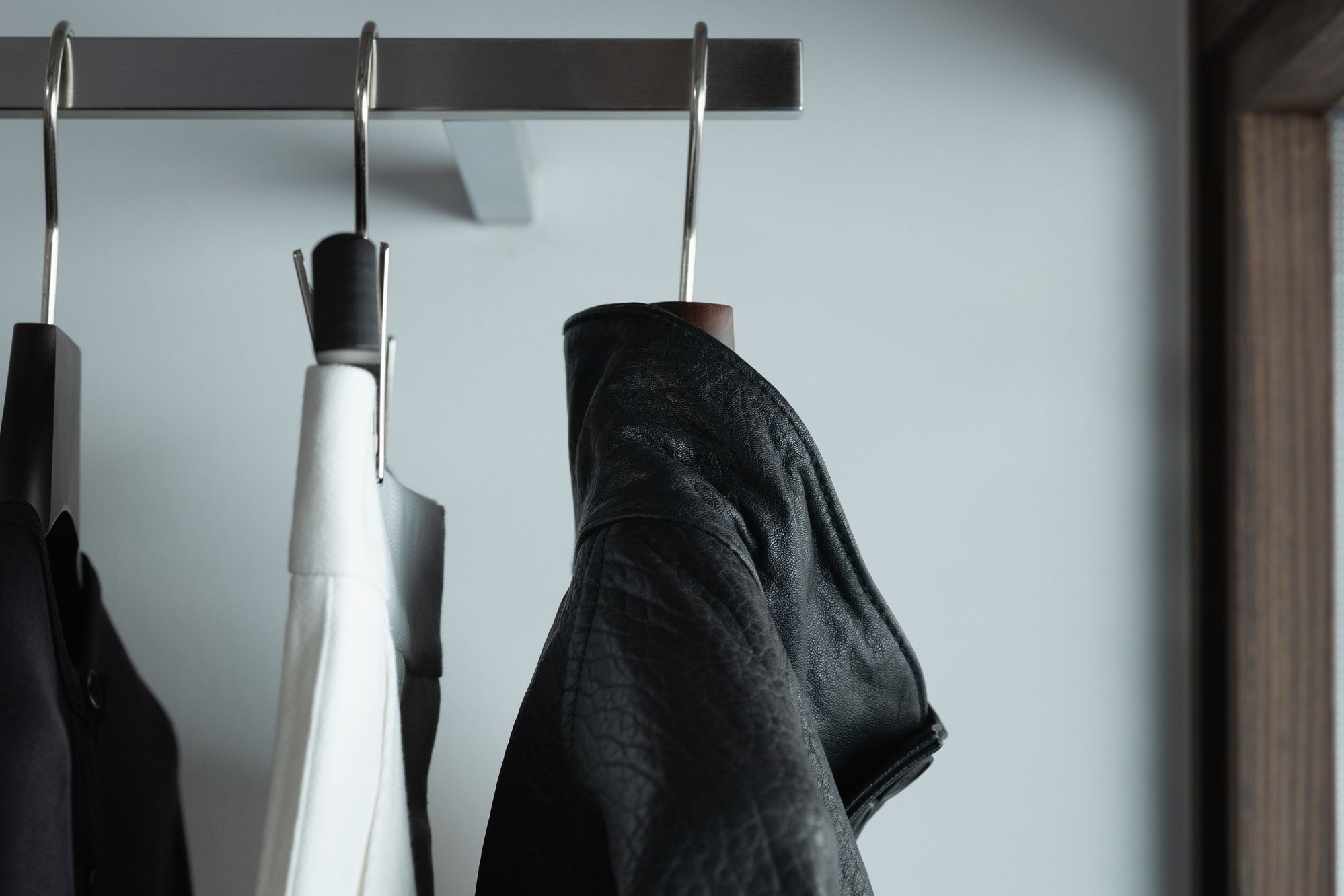
2010年にニック・ウェイクマンが設立した英国ブランドのスタジオニコルソン(STUDIO NICHOLSON)は、“ファブリックファースト”を理念に掲げ、上質な素材使いとミニマルかつモダンなデザインで人気のブランドだ。そんなスタジオニコルソンが、国内では青山店、渋谷パルコ店に続く3店舗目にして関西初となる直営店を、2026年3月19日(木)に京都にオープンした。
貴金属工房として使われていた二層の京町家を改装した京都店は、スタジオニコルソンが打ち出すインダストリアル×レジデンシャルのトレンドと、真黒石の庭や京提灯などの伝統美を融合し、隅々までニック・ウェイクマンのこだわりが光るスタジオニコルソンならではのモノづくりの世界観を体現した店舗となっている。オープンのために来日したニック・ウェイクマンに、新店舗やコラボレーションからブランドのフィロソフィーまで訊いた。 ──直営店を京都にだそうとしたきっかけから教えてください。 大きな理由のひとつは、単純に京都が好きだということ。東京とはまた違った魅力を持つ街だと感じています。スタジオ ニコルソンがグローバルブランドとして成長していくなかで、意識しているのは、インターナショナルな人々が行き交う都市に拠点を構えること。これまでも上海やロンドン、パリなど、世界中から人が集まる都市に出店してきました。すでに東京には2店舗があるので、3店舗目は関西エリアで最も国際色豊かな街として京都を選びました。 今後、大阪などへの展開の可能性もありますが、京都の魅力は、東京では実現しにくい独特の佇まいを持つ店舗がつくれる点にあると感じています。そうした京都ならではのロケーションであることも、出店を決めた大きな理由です。 ──京都店の特徴はどこにありますか? 素材をとても大切にしています。服づくりにおけるファブリックはもちろんですが、ストアにおいても建材をひとつの“素材”として捉えています。店舗において、世界共通で使用しているマテリアルがいくつかあり、京都店では元の家屋にあった杉材を活かしながら色調なども加えたアプローチで新旧の木材を組み合わせ、ブランドの考える温かみある木、“ウォームウッド”を表現しています。 そしてもうひとつがステンレススチールです。京都店では、商品をかけるラックや受付、キャッシャーまわりに取り入れています。さらに、温かみのあるコンクリート素材も重要な要素で、1階の床に使用しています。加えて、白いタイルも共通して使っているマテリアルです。 こうした素材を共通項として持たせることで、新しいストアをオープンする際にも、“スタジオ ニコルソンらしさ”を自然と感じてもらえるようにしています。たとえ服や商品をすべて取り払ったとしても、同じ素材で構成されていれば、空間そのものからブランドらしさが伝わる。そんな店舗デザインを意識しています。 ──国際色豊かな京都に店舗を出すことで、顧客とどのような関係を築いていきたいですか? スタジオニコルソンのオーディエンスは、アートや工芸に親和性の高い方が多いと感じています。京都には、豊かな伝統文化のヘリテージがあります。だからこそ、地元の方々とのつながりを、丁寧に育てていきたい。コンパクトな店舗なので、大きな商業性を追うのではなく、繊細で、静かに深まる関係性を育む場にになればといいと思っています。 ──京都店限定のコラボレーションでエシャペを選んだ理由を教えてください。 エシャペのプロダクトを自分自身で購入して愛用していたことがきっかけです。ブランドの理念やタオルを実際に手に取ったことでブランドを知り、久﨑康晴さんと話をするなかで自然な流れでコラボレーションがスタートしました。 特に魅力に感じたのは、ファブリックのクオリティです。エシャペを調べていくうちに、実用性とサステイナビリティというブランドの思想や哲学にも共感するようになり、コラボレーションを実現するなら京都がふさわしいと思いこのプロジェクトが誕生しました。コラボレーションは、シルエットはスタジオニコルソンのデザインをベースにしつつ、エシャペの得意とするボタニカルダイを用いた素材を取り入れているのが特徴です。 ──スタジオニコルソンのデザインはミニマリズムの哲学が息づいていますが、昨今のクワイエットラグジュアリーのトレンドについてどのように思いますか? 私たちはラグジュアリーを目指しているわけではなくて、あえて言うなら「精神的にコンテンポラリーである」ことを大切にしています。「クワイエットラグジュアリー」という言葉が出てきたのは、おそらくここ3〜4年くらいだと思いますが、その前からミニマリズムという考え方自体はずっと存在していましたよね。たとえば80年代のジル サンダーや安藤忠雄さんの建築も、まさにミニマリズムとして評価されてきたものだと思います。 私たちはニコルソン的なミニマリズムの姿勢を大切にしてきて、特別新しいものではありません。メディアのつくった「クワイエットラグジュアリー」という言葉自体は、もしかしたらこの先なくなるかもしれませんが、デザインにおける純粋なミニマリズムは、これからも変わらず残り続けるものだと思っています。 ミニマリズムって、結局はマテリアルの質に向き合うことだと思うので、シルエットがすごく重要になるのも、パターンや装飾、たとえば刺繍のようなもので素材を誤魔化すことができないので、究極的には素材そのもののクオリティが問われるんですよね。 私はファブリックに強く惹かれていて、まるで取り憑かれているような感覚なんです。もともとロンドンでテキスタイルを学んでいたこともあって、それ以来ずっと、素材への関心が自分の軸になっています。 映画です。とりわけ1984〜85年頃から95年頃までの約10年間の作品に強く惹かれます。その時代の映画に登場する、どこか歪で個性的なキャラクターの存在が、自分の中では大きなリファレンスになっています。たとえば、ハリソン・フォードやミッキーロークの武骨さや、ウディ・アレンのアイコニックなチノパンの佇まいなど、フィルムのなかのキャラクターが服をどうスタイリングして魅せるかに影響を受けています。 また、写真や映画のビジュアルイメージも重要なインスピレーション源です。素材に関してはミニマリズムをベースにしつつ、フォルムやシルエットにおいては、映画的な人物像から影響を受け、よりリアルで、少しグランジーなニュアンスを帯びたバランスを意識しています。 いまアイフォンのなかにあるムードボードを見ると、安藤忠雄と犬のような関係性のある風景や、ポール・ニューマンが歩く何気ない瞬間、名前のない誰かの断片的な存在感などがあり、日常のリアリティを重視しています。 服は単なるプロダクトではなく、そこに着る人のアチチュードや空気感が宿ります。そのため、デザインにおいては、形や素材だけでなく、“どう在るか”というスタンスを内包させることを大切にしています。こうした映画や人物像は、その態度を定義するための重要なリファレンスになっています。 ──日本のアーティストからインスパイアされることはありますか? 安藤忠雄さんの建築は、自分にとって大きなインスピレーションのひとつです。たとえば、京都店の階段への光の入り方が、直島の「光の教会」のようだと感じて、とても嬉しかったですね。安藤さんの存在は、やはり大きいです。 もう一人、思い浮かぶのは川久保玲さんです。83歳になった今でも現役で活動されていて、その姿勢には強く惹かれます。日本においては、特に建築からインスピレーションを受けることが多いです。素材や空間の使い方がとてもユニークで、東京を歩いていると、タイルの使い方ひとつとっても惹かれることがよくあって、そうした日常の中に発見がたくさんあります。 ビジネスは順調に進んでいます。その一方で、クリエイティブ面では、今後はホームウェアに取り組んでいきたいと考えています。具体的にどのようなものを作るかについて、明確なアイデアが固まっているわけではありませんが、たとえば今京都ストアのオープンに際して制作したエシャペとの取り組みは、その可能性を示す良い例だと思っています。 エシャペとのコラボレーションは、外出時にはスタジオニコルソンの世界観を感じられ、さらに帰宅後もその延長としてブランドのエッセンスを生活の中で感じられるという点で、非常に意義のあるものになっています。ライフスタイルの中でブランドのイメージを体感できるプロダクトは、とても重要だと考えています。また、さまざまなコラボレーションをすでに計画しており、こちらもぜひ楽しみにしていただければと思います。 ニック・ウェイクマン イギリス、ノッティンガム生まれ。チェルシー・スクール・オブ・アーツのテキスタイル・デザイン科を修了。ディーゼル、マークス&スペンサーを経て、セレクトショップ「Supra Girls(スープラガールズ)」や自身のブランドBirdie(バーディ)で成功を収める。2年の休止期間の後、2010年にスタジオ ニコルソンを始動。 STUDIO NICHOLSON KYOTO 住:京都府京都市中京区寺町通蛸薬師下る円福寺前町268 営:11:00~20:00 TEL:075-708-6602
貴金属工房として使われていた二層の京町家を改装した京都店は、スタジオニコルソンが打ち出すインダストリアル×レジデンシャルのトレンドと、真黒石の庭や京提灯などの伝統美を融合し、隅々までニック・ウェイクマンのこだわりが光るスタジオニコルソンならではのモノづくりの世界観を体現した店舗となっている。オープンのために来日したニック・ウェイクマンに、新店舗やコラボレーションからブランドのフィロソフィーまで訊いた。 ──直営店を京都にだそうとしたきっかけから教えてください。 大きな理由のひとつは、単純に京都が好きだということ。東京とはまた違った魅力を持つ街だと感じています。スタジオ ニコルソンがグローバルブランドとして成長していくなかで、意識しているのは、インターナショナルな人々が行き交う都市に拠点を構えること。これまでも上海やロンドン、パリなど、世界中から人が集まる都市に出店してきました。すでに東京には2店舗があるので、3店舗目は関西エリアで最も国際色豊かな街として京都を選びました。 今後、大阪などへの展開の可能性もありますが、京都の魅力は、東京では実現しにくい独特の佇まいを持つ店舗がつくれる点にあると感じています。そうした京都ならではのロケーションであることも、出店を決めた大きな理由です。 ──京都店の特徴はどこにありますか? 素材をとても大切にしています。服づくりにおけるファブリックはもちろんですが、ストアにおいても建材をひとつの“素材”として捉えています。店舗において、世界共通で使用しているマテリアルがいくつかあり、京都店では元の家屋にあった杉材を活かしながら色調なども加えたアプローチで新旧の木材を組み合わせ、ブランドの考える温かみある木、“ウォームウッド”を表現しています。 そしてもうひとつがステンレススチールです。京都店では、商品をかけるラックや受付、キャッシャーまわりに取り入れています。さらに、温かみのあるコンクリート素材も重要な要素で、1階の床に使用しています。加えて、白いタイルも共通して使っているマテリアルです。 こうした素材を共通項として持たせることで、新しいストアをオープンする際にも、“スタジオ ニコルソンらしさ”を自然と感じてもらえるようにしています。たとえ服や商品をすべて取り払ったとしても、同じ素材で構成されていれば、空間そのものからブランドらしさが伝わる。そんな店舗デザインを意識しています。 ──国際色豊かな京都に店舗を出すことで、顧客とどのような関係を築いていきたいですか? スタジオニコルソンのオーディエンスは、アートや工芸に親和性の高い方が多いと感じています。京都には、豊かな伝統文化のヘリテージがあります。だからこそ、地元の方々とのつながりを、丁寧に育てていきたい。コンパクトな店舗なので、大きな商業性を追うのではなく、繊細で、静かに深まる関係性を育む場にになればといいと思っています。 ──京都店限定のコラボレーションでエシャペを選んだ理由を教えてください。 エシャペのプロダクトを自分自身で購入して愛用していたことがきっかけです。ブランドの理念やタオルを実際に手に取ったことでブランドを知り、久﨑康晴さんと話をするなかで自然な流れでコラボレーションがスタートしました。 特に魅力に感じたのは、ファブリックのクオリティです。エシャペを調べていくうちに、実用性とサステイナビリティというブランドの思想や哲学にも共感するようになり、コラボレーションを実現するなら京都がふさわしいと思いこのプロジェクトが誕生しました。コラボレーションは、シルエットはスタジオニコルソンのデザインをベースにしつつ、エシャペの得意とするボタニカルダイを用いた素材を取り入れているのが特徴です。 ──スタジオニコルソンのデザインはミニマリズムの哲学が息づいていますが、昨今のクワイエットラグジュアリーのトレンドについてどのように思いますか? 私たちはラグジュアリーを目指しているわけではなくて、あえて言うなら「精神的にコンテンポラリーである」ことを大切にしています。「クワイエットラグジュアリー」という言葉が出てきたのは、おそらくここ3〜4年くらいだと思いますが、その前からミニマリズムという考え方自体はずっと存在していましたよね。たとえば80年代のジル サンダーや安藤忠雄さんの建築も、まさにミニマリズムとして評価されてきたものだと思います。 私たちはニコルソン的なミニマリズムの姿勢を大切にしてきて、特別新しいものではありません。メディアのつくった「クワイエットラグジュアリー」という言葉自体は、もしかしたらこの先なくなるかもしれませんが、デザインにおける純粋なミニマリズムは、これからも変わらず残り続けるものだと思っています。 ミニマリズムって、結局はマテリアルの質に向き合うことだと思うので、シルエットがすごく重要になるのも、パターンや装飾、たとえば刺繍のようなもので素材を誤魔化すことができないので、究極的には素材そのもののクオリティが問われるんですよね。 私はファブリックに強く惹かれていて、まるで取り憑かれているような感覚なんです。もともとロンドンでテキスタイルを学んでいたこともあって、それ以来ずっと、素材への関心が自分の軸になっています。 映画です。とりわけ1984〜85年頃から95年頃までの約10年間の作品に強く惹かれます。その時代の映画に登場する、どこか歪で個性的なキャラクターの存在が、自分の中では大きなリファレンスになっています。たとえば、ハリソン・フォードやミッキーロークの武骨さや、ウディ・アレンのアイコニックなチノパンの佇まいなど、フィルムのなかのキャラクターが服をどうスタイリングして魅せるかに影響を受けています。 また、写真や映画のビジュアルイメージも重要なインスピレーション源です。素材に関してはミニマリズムをベースにしつつ、フォルムやシルエットにおいては、映画的な人物像から影響を受け、よりリアルで、少しグランジーなニュアンスを帯びたバランスを意識しています。 いまアイフォンのなかにあるムードボードを見ると、安藤忠雄と犬のような関係性のある風景や、ポール・ニューマンが歩く何気ない瞬間、名前のない誰かの断片的な存在感などがあり、日常のリアリティを重視しています。 服は単なるプロダクトではなく、そこに着る人のアチチュードや空気感が宿ります。そのため、デザインにおいては、形や素材だけでなく、“どう在るか”というスタンスを内包させることを大切にしています。こうした映画や人物像は、その態度を定義するための重要なリファレンスになっています。 ──日本のアーティストからインスパイアされることはありますか? 安藤忠雄さんの建築は、自分にとって大きなインスピレーションのひとつです。たとえば、京都店の階段への光の入り方が、直島の「光の教会」のようだと感じて、とても嬉しかったですね。安藤さんの存在は、やはり大きいです。 もう一人、思い浮かぶのは川久保玲さんです。83歳になった今でも現役で活動されていて、その姿勢には強く惹かれます。日本においては、特に建築からインスピレーションを受けることが多いです。素材や空間の使い方がとてもユニークで、東京を歩いていると、タイルの使い方ひとつとっても惹かれることがよくあって、そうした日常の中に発見がたくさんあります。 ビジネスは順調に進んでいます。その一方で、クリエイティブ面では、今後はホームウェアに取り組んでいきたいと考えています。具体的にどのようなものを作るかについて、明確なアイデアが固まっているわけではありませんが、たとえば今京都ストアのオープンに際して制作したエシャペとの取り組みは、その可能性を示す良い例だと思っています。 エシャペとのコラボレーションは、外出時にはスタジオニコルソンの世界観を感じられ、さらに帰宅後もその延長としてブランドのエッセンスを生活の中で感じられるという点で、非常に意義のあるものになっています。ライフスタイルの中でブランドのイメージを体感できるプロダクトは、とても重要だと考えています。また、さまざまなコラボレーションをすでに計画しており、こちらもぜひ楽しみにしていただければと思います。 ニック・ウェイクマン イギリス、ノッティンガム生まれ。チェルシー・スクール・オブ・アーツのテキスタイル・デザイン科を修了。ディーゼル、マークス&スペンサーを経て、セレクトショップ「Supra Girls(スープラガールズ)」や自身のブランドBirdie(バーディ)で成功を収める。2年の休止期間の後、2010年にスタジオ ニコルソンを始動。 STUDIO NICHOLSON KYOTO 住:京都府京都市中京区寺町通蛸薬師下る円福寺前町268 営:11:00~20:00 TEL:075-708-6602
Vocabulary
General
Proper noun
JLPT N2
JLPT N1
| # | 言葉 | 意味 |
|---|---|---|
| 16 | 京都 | きょうと (京都) : Kyoto (city, prefecture) |
| 13 | 素材 | そざい (素材) : 1. ingredient; (raw) material; resource 2. unprocessed timber; raw timber |
| 9 | 店舗 | てんぽ (店舗) : shop; store |
| 8 | 感ずる | かんずる (感ずる) : to feel; to sense |
| 5 | 重要 | じゅうよう (重要) : important; momentous; essential; principal; major |
| 4 | 東京 | とうきょう (東京) : Tokyo |
| 4 | 惹く | ひく (惹く) : to draw (attention, sympathy, etc.); to attract (e.g. interest) |
| 3 | 魅力 | みりょく (魅力) : charm; fascination; glamour; glamor; attraction; appeal |
| 3 | 意識 | いしき (意識) : 1. consciousness 2. becoming aware (of); awareness; sense |
| 3 | 豊か | ゆたか (豊か) : 1. abundant; wealthy; plentiful; rich; affluent 2. very; extremely; full of; great |
| 3 | 存在 | そんざい (存在) : existence; being |
| 3 | 安藤忠雄 | あんどうただお (安藤忠雄) : Andou Tadao (1941.9-) (architect) (person) |
| 3 | 建築 | けんちく (建築) : construction; architecture (of buildings) |
| 2 | 理念 | りねん (理念) : (Platonic) ideal (of how things ought to be, e.g. human rights); foundational principle; idea; conception (e.g. of the university); doctrine; ideology |
| 2 | 関西 | かんさい (関西) : 1. Kansai; region consisting of Osaka, Kobe, Kyoto and surrounding prefectures 2. Kansai; south-western half of Japan (during the feudal era) |
| 2 | 直営店 | ちょくえいてん (直営店) : directly managed store (as opposed to a distributor) |
| 2 | 世界観 | せかいかん (世界観) : 1. world view; outlook on the world; Weltanschauung (philosophy) 2. appearance of a world (e.g. in fiction) |
| 2 | きっかけ | きっかけ (切っ掛け) : chance; start; cue; excuse; motive; impetus; occasion |
| 2 | 教える | おしえる (教える) : 1. to teach; to instruct 2. to tell; to inform |
| 2 | 街 | がい (街) : ... street; ... quarter; ... district |
| 2 | 都市 | とし (都市) : town; city; municipal; urban |
| 2 | 出店 | でみせ (出店) : 1. food stand; food stall 2. branch store |
| 2 | すでに | すでに (既に) : already; too late |
| 2 | 選ぶ | えらぶ (選ぶ) : to choose; to select |
| 2 | 今後 | こんご (今後) : from now on; hereafter |
| 2 | 可能性 | かのうせい (可能性) : potentiality; likelihood; possibility; availability |
| 2 | 実現 | じつげん (実現) : implementation (e.g. of a system); materialization; materialisation; realization; realisation; actualization; actualisation |
| 2 | 佇まい | たたずまい (佇まい) : appearance; shape; form; atmosphere; look; feel |
| 2 | 特徴 | とくちょう (特徴) : feature; trait; characteristic; peculiarity; distinction |
| 2 | 共通 | きょうつう (共通) : 1. common; shared; mutual 2. to be common (to); to be shared (by) |
| 2 | 使用 | しよう (使用) : use; application; employment; utilization; utilisation |
| 2 | 温かみ | あたたかみ (暖かみ) : warmth |
| 2 | 商品 | しょうひん (商品) : commodity; article of commerce; goods; stock; merchandise |
| 2 | 取り入れる | とりいれる (取り入れる) : 1. to harvest; to reap 2. to take in; to gather in |
| 2 | らし | ねじ (螺子) : 1. screw 2. key (of a clock, watch, etc.); spring (of a clock, watch, etc.) |
| 2 | 自然 | しぜん (自然) : 1. nature 2. natural; spontaneous; automatic |
| 2 | 空間 | くうかん (空間) : space; room; airspace |
| 2 | 関係性 | かんけいせい (関係性) : relationship; relation |
| 2 | 哲学 | てつがく (哲学) : philosophy |
| 2 | 私たち | わたしたち (私たち) : we; us |
| 2 | 自体 | じたい (自体) : 1. itself 2. one's own body; oneself |
| 2 | ずっと | ずっと : 1. continuously in some state (for a long time, distance); throughout; all along; the whole time; all the way 2. much (better, etc.); by far; far and away |
| 2 | 姿勢 | しせい (姿勢) : 1. posture; pose; position; stance; carriage (of the body) 2. attitude; approach; stance |
| 2 | 頃 | ころ (頃) : 1. (approximate) time; around; about; toward 2. suitable time (or condition) |
| 2 | 影響 | えいきょう (影響) : 1. influence; effect 2. to influence; to affect; to have an influence on; to impact; to have an effect on |
| 2 | 人物像 | じんぶつぞう (人物像) : statue; picture; picture revealing character |
| 2 | 日常 | にちじょう (日常) : everyday; daily; ordinary; usual; routine; regular |
| 2 | 使い方 | つかいかた (使い方) : way to use something; treatment; management (of help) |
| 2 | 考える | かんがえる (考える) : 1. to think (about, of); to think over; to ponder; to contemplate; to reflect (on); to meditate (on) 2. to consider; to bear in mind; to allow for; to take into consideration |
| 1 | 設立 | せつりつ (設立) : 1. establishment; founding 2. incorporation (of a business) |
| 1 | 英国 | えいこく (英国) : United Kingdom; Britain; Great Britain |
| 1 | 掲げる | かかげる (掲げる) : 1. to put up (a notice, sign, etc.); to hang out (e.g. a banner); to fly (e.g. a flag); to hoist; to raise; to display 2. to hold up high; to raise overhead |
| 1 | 上質 | じょうしつ (上質) : fine quality |
| 1 | 使い | つかい (使い) : 1. errand; mission; going as envoy 2. messenger; bearer; errand boy; errand girl |
| 1 | 人気 | にんき (人気) : 1. popularity; public favor 2. condition (e.g. market); tone; character; nature |
| 1 | 国内 | こくない (国内) : internal; domestic |
| 1 | 青山 | せいざん (青山) : 1. lush mountain; green mountain 2. grave; burial place |
| 1 | 渋谷 | しだや (渋谷) : Shidaya (surname) |
| 1 | 初 | はつ (初) : first; new |
| 1 | 貴金属 | ききんぞく (貴金属) : precious metal |
| 1 | 工房 | こうぼう (工房) : workshop; studio; atelier |
| 1 | 層 | そう (層) : 1. layer; stratum; seam; bed 2. class; stratum; bracket; group |
| 1 | 改装 | かいそう (改装) : remodelling; remodeling; reorganization; reorganisation |
| 1 | 打ち出す | うちだす (打ち出す) : 1. to emboss 2. to print out; to print |
| 1 | 黒石 | くろいし (黒石) : 1. black stone 2. black (go pieces) |
| 1 | 提灯 | ちょうちん (提灯) : paper lantern; Chinese lantern; Japanese lantern |
| 1 | 伝統 | でんとう (伝統) : tradition; convention |
| 1 | 美 | び (美) : beauty |
| 1 | 融合 | ゆうごう (融合) : agglutination; adhesion; fusion; combination; blending; uniting |
| 1 | 隅々 | すみずみ (隅々) : every corner; every nook and cranny; all the ins and outs |
| 1 | こだわり | こだわり (拘り) : 1. obsession; fixation; hangup; determination; fastidiousness; pickiness about (trait, style, etc.) 2. complaining; criticizing |
| 1 | モノづくり | ものづくり (物作り) : 1. manufacturing; craftsmanship; making things by hand 2. making New-Year's decorations |
| 1 | 体現 | たいげん (体現) : personification; impersonation; embodiment |
| 1 | 来日 | らいにち (来日) : arrival in Japan; coming to Japan; visit to Japan |
| 1 | 訊く | きく (訊く) : to ask; to enquire; to query |
| 1 | 単純 | たんじゅん (単純) : simple; plain; uncomplicated; straightforward |
| 1 | 違う | ちがう (違う) : 1. to differ (from); to vary 2. to not be in the usual condition |
| 1 | 成長 | せいちょう (成長) : 1. growth; development; growing up; becoming an adult 2. growth (of a company, the economy, etc.) |
| 1 | 人々 | ひとびと (人々) : 1. people; men and women 2. each person; everybody |
| 1 | 行き交う | ゆきかう (行き交う) : to come and go; to go back and forth |
| 1 | 拠点 | きょてん (拠点) : position; location; base; point; site |
| 1 | 構える | かまえる (構える) : 1. to set up (a house, store, etc.); to build; to establish; to run; to maintain 2. to have at the ready (e.g. a gun); to hold in preparation (e.g. a camera); to prepare in advance (e.g. a meal) |
| 1 | 上海 | シャンハイ (上海) : Shanghai (China) |
| 1 | 世界中 | せかいじゅう (世界中) : around the world; throughout the world |
| 1 | 集まる | あつまる (集まる) : to gather; to collect; to assemble |
| 1 | 最も | もっとも (最も) : most; extremely |
| 1 | 大阪 | おおさか (大阪) : 1. Osaka (city, prefecture) 2. large hill |
| 1 | 展開 | てんかい (展開) : 1. development; evolution; progression; unfolding; (plot) twist 2. expansion; spreading out; extending; deployment; building up |
| 1 | 独特 | どくとく (独特) : 1. peculiarity; uniqueness; characteristic 2. understood only by oneself |
| 1 | 決める | きめる (決める) : 1. to decide; to choose; to determine; to make up one's mind; to resolve; to set one's heart on; to settle; to arrange; to set; to appoint; to fix 2. to clinch (a victory); to decide (the outcome of a match) |
| 1 | づくり | づくり (作り) : 1. making; forming; cultivating; growing 2. form; appearance |
| 1 | 建材 | けんざい (建材) : building material |
| 1 | 捉える | とらえる (捉える) : 1. to catch; to capture; to seize; to arrest; to grab; to catch hold of 2. to grasp (e.g. meaning); to perceive; to capture (e.g. features) |
| 1 | 家屋 | かおく (家屋) : house; building |
| 1 | 杉材 | すぎざい (杉材) : cedar wood |
| 1 | 活かす | いかす (生かす) : 1. to make (the best) use of; to put to good use; to leverage (skills, attributes, experience, etc.); to capitalise on (experience, etc.) 2. to let live; to keep alive |
| 1 | 色調 | しきちょう (色調) : color tone; colour tone |
| 1 | 新旧 | しんきゅう (新旧) : new and old; incoming and outgoing |
| 1 | 木材 | もくざい (木材) : lumber; timber; wood |
| 1 | 組み合わせる | くみあわせる (組み合わせる) : to join together; to combine; to join up |
| 1 | 表現 | ひょうげん (表現) : 1. expression; presentation 2. representation; notation |
| 1 | 要素 | ようそ (要素) : 1. component; factor; item (e.g. in list) 2. element (e.g. in array); member (e.g. data structure) |
| 1 | 床 | とこ (床) : 1. bed; bedding 2. sickbed |
| 1 | 共通項 | きょうつうこう (共通項) : point in common; common term; common trait; common denominator |
| 1 | 持つ | もつ (持つ) : 1. to hold (in one's hand); to take; to carry 2. to possess; to have; to own |
| 1 | 際 | きわ (際) : 1. edge; brink; verge; side 2. time; moment of |
| 1 | たとえ | たとえ (例え) : 1. example 2. simile; metaphor; allegory; fable; parable |
| 1 | 取り払う | とりはらう (取り払う) : to clear away; to remove; to demolish |
| 1 | 構成 | こうせい (構成) : composition; construction; formation; makeup; structure; organization; organisation |
| 1 | 伝わる | つたわる (伝わる) : to be handed down; to be introduced; to be transmitted; to be circulated; to go along; to walk along |
| 1 | 顧客 | こきゃく (顧客) : customer; client; patron |
| 1 | 築く | きずく (築く) : 1. to build; to construct; to erect 2. to amass (e.g. fortune); to pile up |
| 1 | 工芸 | こうげい (工芸) : industrial arts; craft |
| 1 | 親和性 | しんわせい (親和性) : affinity |
| 1 | 伝統文化 | でんとうぶんか (伝統文化) : traditional culture |
| 1 | こそ | こそ : 1. it is ... that ...; precisely; in particular; definitely; for sure; only (when, after, because, etc.) 2. although; while; it is the case that ... but |
| 1 | 地元 | じもと (地元) : 1. home area; home town 2. local |
| 1 | 方々 | かたがた (方々) : 1. people; (all) persons; everyone; ladies and gentlemen 2. you (usu. plural) |
| 1 | つながり | つながり (繋がり) : connection; link; relationship |
| 1 | 育てる | そだてる (育てる) : 1. to raise; to rear; to bring up 2. to train; to teach; to educate |
| 1 | 商業 | しょうぎょう (商業) : commerce; trade; business |
| 1 | 追う | おう (追う) : 1. to chase; to run after; to pursue; to follow after 2. to follow (a set order, a trend, etc.) |
| 1 | 繊細 | せんさい (繊細) : 1. dainty; delicate (e.g. fingers); fine; slim 2. sensitive; delicate (feelings, sense, etc.); subtle |
| 1 | 深まる | ふかまる (深まる) : to deepen; to heighten; to intensify |
| 1 | 育む | はぐくむ (育む) : 1. to raise; to bring up; to rear 2. to cultivate; to foster; to nurture |
| 1 | 限定 | げんてい (限定) : limit; restriction |
| 1 | 自分自身 | じぶんじしん (自分自身) : oneself; myself |
| 1 | 購入 | こうにゅう (購入) : purchase; buy |
| 1 | 愛用 | あいよう (愛用) : favorite; favourite; habitually used |
| 1 | 実際 | じっさい (実際) : 1. reality; actuality; truth; fact; actual conditions 2. practice (as opposed to theory) |
| 1 | 取る | とる (取る) : 1. to take; to pick up; to grab; to catch 2. to pass; to hand; to give |
| 1 | 知る | しる (知る) : 1. to be aware of; to know; to be conscious of; to cognize; to cognise 2. to notice; to feel |
| 1 | 久 | きゅう (久) : Kyuu (surname; given) |
| 1 | 﨑 | さき (崎) : small peninsula; cape; promontory; headland |
| 1 | 康晴 | こうせい (康晴) : Kousei (given) |
| 1 | 流れ | ながれ (流れ) : 1. flow (of a fluid or gas); stream; current 2. flow (of people, things); passage (of time); tide; passing; (changing) trends; tendency |
| 1 | 調べる | しらべる (調べる) : to examine; to look up; to investigate; to check up; to sense; to study; to inquire; to search |
| 1 | 実用性 | じつようせい (実用性) : practicality; utility; usefulness |
| 1 | 思想 | しそう (思想) : thought; idea; ideology |
| 1 | 共感 | きょうかん (共感) : sympathy; empathy; response |
| 1 | ふさわしい | ふさわしい (相応しい) : appropriate; adequate; suitable; fitting; worthy |
| 1 | 誕生 | たんじょう (誕生) : birth; creation; formation |
| 1 | 得意 | とくい (得意) : 1. triumph; prosperity 2. pride |
| 1 | 用いる | もちいる (用いる) : to use; to make use of; to utilize; to utilise |
| 1 | 息づく | いきづく (息衝く) : 1. to breathe (heavily); to pant; to gasp; to sigh 2. to live |
| 1 | 昨今 | さっこん (昨今) : nowadays; recently |
| 1 | 目指す | めざす (目指す) : 1. to aim at (for, to do, to become); to try for; to have an eye on 2. to go toward; to head for |
| 1 | あえて | あえて (敢えて) : 1. purposely (of something needless, unexpected or seemingly counterproductive, etc.); daringly (doing something); deliberately; intentionally 2. not necessarily; not particularly; not especially |
| 1 | 精神的 | せいしんてき (精神的) : mental; spiritual; emotional |
| 1 | おそらく | おそらく (恐らく) : perhaps; likely; probably; I dare say |
| 1 | 考え方 | かんがえかた (考え方) : way of thinking |
| 1 | まさに | まさに (正に) : 1. exactly; surely; certainly; just 2. right then; just then; at that moment |
| 1 | 評価 | ひょうか (評価) : 1. valuation; appraisal; evaluation; assessment; estimation; rating; judging 2. appreciation; recognition; acknowledgement; rating highly; praising |
| 1 | つくる | つくる (作る) : 1. to make; to produce; to manufacture; to build; to construct 2. to prepare (food); to brew (alcohol) |
| 1 | 言葉 | ことば (言葉) : 1. language; dialect 2. word; words; phrase; term; expression; remark |
| 1 | この先 | このさき (この先) : beyond this point; from now on; after this |
| 1 | しれる | しれる (知れる) : 1. to become known; to come to light; to be discovered 2. to be known; to be understood |
| 1 | 純粋 | じゅんすい (純粋) : pure; true; genuine; unmixed |
| 1 | 変わる | かわる (変わる) : 1. to change; to be transformed; to be altered; to vary 2. to move to |
| 1 | 残る | のこる (残る) : to remain; to be left |
| 1 | って | って : 1. you said; he said; she said; they said 2. if ... then |
| 1 | 結局 | けっきょく (結局) : 1. after all; in the end; ultimately; eventually 2. conclusion; end |
| 1 | 向き合う | むきあう (向き合う) : 1. to be opposite; to face each other 2. to confront (an issue); to face |
| 1 | すごく | すごく (凄く) : awfully; very; immensely |
| 1 | 装飾 | そうしょく (装飾) : ornament; decoration |
| 1 | 刺繍 | ししゅう (刺繍) : embroidery |
| 1 | のよ | のよ (乃代) : Noyo (unclass) |
| 1 | うな | うな (鰻) : eel (esp. the Japanese eel, Anguilla japonica) |
| 1 | もの | もの (者) : person |
| 1 | 誤魔化す | ごまかす (誤魔化す) : 1. to deceive; to falsify; to misrepresent; to cheat; to swindle; to tamper; to juggle; to manipulate 2. to dodge; to beg the question (issue, difficulties) |
| 1 | 究極 | きゅうきょく (究極) : ultimate; final; last; eventual |
| 1 | 問う | とう (問う) : 1. to ask; to inquire 2. to blame (someone) for; to accuse of; to pursue (question of responsibility); to charge with |
| 1 | まるで | まるで (丸で) : 1. quite; entirely; completely; at all 2. as if; as though; just like |
| 1 | 取り憑く | とりつく (取り憑く) : to take hold of; to possess; to haunt |
| 1 | 感覚 | かんかく (感覚) : sense; sensation; feeling; intuition |
| 1 | もともと | もともと (元々) : originally; by nature; from the start |
| 1 | 学ぶ | まなぶ (学ぶ) : to study (in depth); to learn; to take lessons in |
| 1 | 以来 | いらい (以来) : since; henceforth |
| 1 | 関心 | かんしん (関心) : concern; interest |
| 1 | 軸 | じく (軸) : 1. axis; shaft; axle 2. center; centre; focal point; key point |
| 1 | とりわけ | とりわけ (取り分け) : 1. especially; above all 2. inter alia; among others |
| 1 | 年間 | ねんかん (年間) : 1. (period of) a year 2. during an era |
| 1 | 作品 | さくひん (作品) : work (e.g. book, film, composition, etc.); opus; performance; production |
| 1 | 登場 | とうじょう (登場) : 1. entry (on stage); appearance (on screen) 2. entrance; introduction (into a market) |
| 1 | 歪 | いびつ (歪) : 1. distorted; crooked; irregular; warped 2. oval; elliptical shape |
| 1 | 個性的 | こせいてき (個性的) : individual; distinctive; unique; characteristic; personal; idiosyncratic |
| 1 | 武骨 | ぶこつ (無骨) : boorish; unrefined; rustic; uncouth; clumsy; brusque |
| 1 | 源 | みなもと (源) : 1. source (of a river); fountainhead 2. source; origin; root |
| 1 | 関する | かんする (関する) : to concern; to be related |
| 1 | 帯びる | おびる (帯びる) : 1. to wear (sword, decoration, etc.); to carry 2. to be entrusted (e.g. with a mission); to take on |
| 1 | 風景 | ふうけい (風景) : 1. scenery; scene; landscape; view; sight 2. scene (e.g. of a crime) |
| 1 | 瞬間 | しゅんかん (瞬間) : moment; second; instant |
| 1 | 断片的 | だんぺんてき (断片的) : fragmentary |
| 1 | 存在感 | そんざいかん (存在感) : presence (impressive quality) |
| 1 | 重視 | じゅうし (重視) : regarding as important; attaching importance to; taking a serious view of; putting emphasis on |
| 1 | 単なる | たんなる (単なる) : mere; simple; sheer |
| 1 | 空気感 | くうきかん (空気感) : atmosphere (esp. of a place or person); mood; vibe; ambience |
| 1 | 宿る | やどる (宿る) : 1. to dwell; to live; to remain 2. to stay at; to take shelter at; to stop at; to lodge at |
| 1 | 内包 | ないほう (内包) : 1. connotation; comprehension; intension 2. inclusion; containment within |
| 1 | 態度 | たいど (態度) : 1. attitude; manner; behaviour; demeanour; bearing 2. attitude (towards an issue, etc.); position; stance; stand |
| 1 | 定義 | ていぎ (定義) : definition |
| 1 | 直島 | なおしま (直島) : Naoshima (place; surname) |
| 1 | 安藤 | あんぞう (安藤) : Anzou (surname) |
| 1 | さん | さん : 1. Mr.; Mrs.; Miss; Ms.; -san 2. politeness marker |
| 1 | 思い浮かぶ | おもいうかぶ (思い浮かぶ) : to occur to; to remind of; to come to mind |
| 1 | 川久保玲 | かわくぼれい (川久保玲) : Kawakubo Rei (1942.10-) (person) |
| 1 | 現役 | げんえき (現役) : 1. active duty; active service 2. student taking (university) entrance exams while still enrolled in school; student who passed their university entrance exams on the first try |
| 1 | 活動 | かつどう (活動) : 1. activity (of a person, organization, animal, volcano, etc.); action 2. movie (esp. during the silent movie period) |
| 1 | 歩く | あるく (歩く) : to walk |
| 1 | 発見 | はっけん (発見) : discovery; detection; finding |
| 1 | 順調 | じゅんちょう (順調) : favourable; favorable; doing well; OK; all right |
| 1 | 進む | すすむ (進む) : 1. to advance; to go forward 2. to precede; to go ahead (of) |
| 1 | 面 | おもて (面) : 1. face 2. surface |
| 1 | 取り組む | とりくむ (取り組む) : 1. to grapple with; to wrestle with; to engage in a bout; to be matched against 2. to tackle (e.g. a problem); to come to grips with; to work hard on |
| 1 | 具体的 | ぐたいてき (具体的) : concrete; definite; specific; material; substantial |
| 1 | 明確 | めいかく (明確) : clear; precise; definite; distinct |
| 1 | 固まる | かたまる (固まる) : 1. to harden; to solidify 2. to become firm; to become certain |
| 1 | 際する | さいする (際する) : to arrive; to come to pass |
| 1 | 制作 | せいさく (制作) : 1. work (film, book) 2. production; creation; turning (something) out; development |
| 1 | 取り組み | とりくみ (取り組み) : 1. bout (in sports, etc.); match 2. effort; initiative; dealing with; grappling with; wrestling with |
| 1 | 示す | しめす (示す) : 1. to (take out and) show; to demonstrate; to tell; to exemplify; to make apparent 2. to point out (finger, clock hand, needle, etc.) |
| 1 | 例 | れい (例) : 1. custom; practice; habit; usual 2. said; aforementioned |
| 1 | 外出 | がいしゅつ (外出) : going out; outing; leaving (one's home, office, etc.) |
| 1 | 帰宅 | きたく (帰宅) : returning home |
| 1 | 延長 | えんちょう (延長) : 1. extension; elongation; prolongation; lengthening 2. Enchō era (923.4.11-931.4.26) |
| 1 | 非常 | ひじょう (非常) : 1. emergency 2. extraordinary; unusual |
| 1 | 意義 | いぎ (意義) : meaning; significance |
| 1 | 体感 | たいかん (体感) : bodily sensation; sense; experience |
| 1 | 生まれ | うまれ (生まれ) : 1. birth; birthplace 2. born in (country, month, imperial era, zodiac year, etc.) |
| 1 | 修了 | しゅうりょう (修了) : completion (of a course) |
| 1 | 経る | へる (経る) : 1. to pass; to elapse; to go by 2. to pass through; to go through |
| 1 | 自身 | じしん (自身) : (one's) self; oneself |
| 1 | 成功 | せいこう (成功) : success; hit |
| 1 | 収める | おさめる (収める) : 1. to dedicate; to make an offering; to pay (fees) 2. to supply |
| 1 | 休止 | きゅうし (休止) : pause; cessation; rest |
| 1 | 期間 | きかん (期間) : period; term; interval |
| 1 | 始動 | しどう (始動) : starting (machine, engine, car, etc.); activation |
| 1 | 京都府 | きょうとふ (京都府) : Kyoto Prefecture |
| 1 | 京都市中京区 | きょうとしなかぎょうく (京都市中京区) : Kyoutoshinakagyouku (place) |
| 1 | 寺町通 | てらまちどおり (寺町通) : Teramachidoori (place) |
| 1 | 蛸薬師 | たこやくし (蛸薬師) : Takoyakushi (place) |
| 1 | 円福寺前町 | えんぷくじまえちょう (円福寺前町) : Enpukujimaechō (place) |