予算案めぐり 8日に地方公聴会 与党の賛成多数で議決 衆院議運
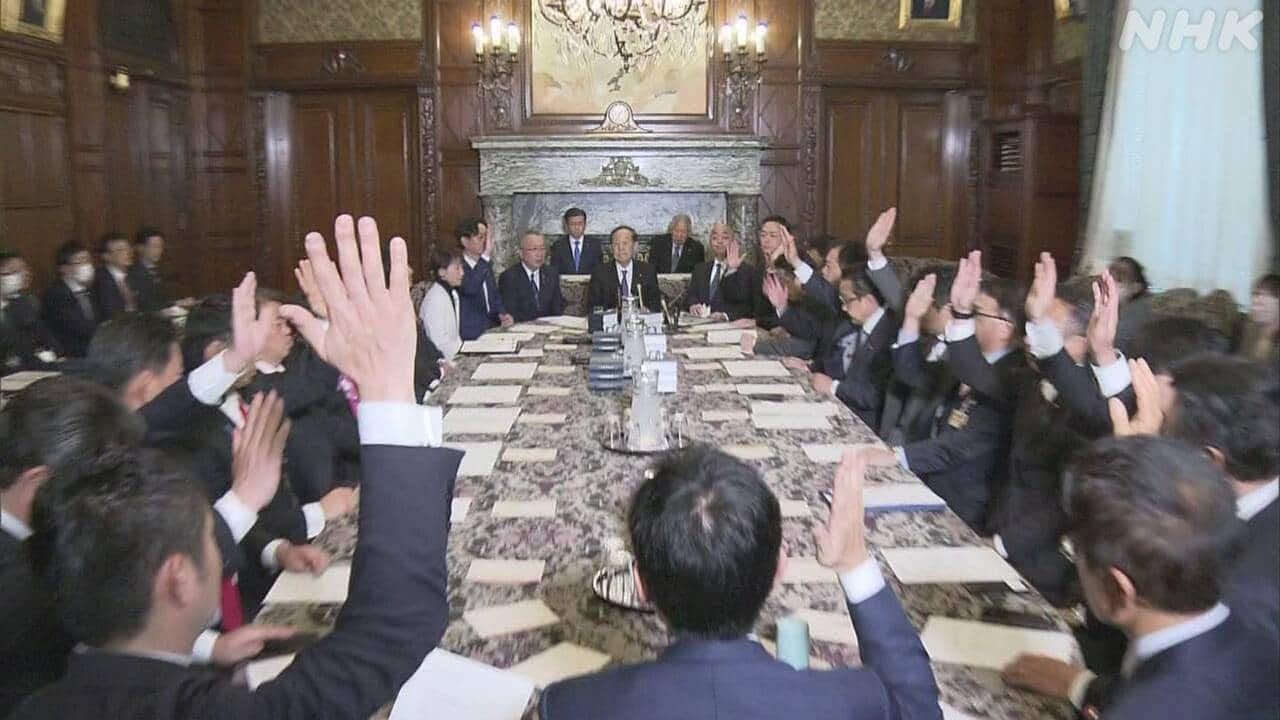
新年度予算案をめぐり、衆議院議院運営委員会で来週の地方公聴会の開催について採決が行われ、野党が反対する中、与党の賛成多数で議決されました。
新年度予算案の年度内成立を目指す与党側は、3日の衆議院予算委員会で、来週8日に鹿児島県と岩手県で地方公聴会を開くことなどを、与党の賛成多数で議決しました。
地方公聴会などの開催には議長の承認が必要なことから、4日の衆議院議院運営委員会で協議が行われました。
この中で野党からは「開催自体に異論はないが、これまでの手続きは容認できない」とか、「審議が不十分でまだ地方公聴会を開くべきではない」など、反対する意見が相次ぎました。
そして採決が行われ、自民党と日本維新の会の賛成多数で、8日の地方公聴会の開催が議決されました。
このあと与党側の筆頭理事を務める自民党の村井英樹氏は記者団に対し「充実した審議と早期成立に全力をあげている。必要なプロセスに野党の賛同が得られなかったのは大変残念だ」と述べました。
野党側の筆頭理事を務める中道改革連合の中川康洋氏は「イラン情勢などもある中、まだまだ丁寧に時間をかけて審議すべきであり、一方的に職権で決められた手続きは承認できない」と述べました。
新年度予算案の審議日程をめぐり、与党側は新たに7日に一般質疑を、来週9日に集中審議を行うことなどを提案し、与野党の間で引き続き協議することになりました。
新年度予算案を審議している衆議院予算委員会では、4日からそれぞれの府省庁の予算措置について専門的な質疑を行う「省庁別審査」が始まりました。
与野党は、6日まで予定される「省庁別審査」を終えたあとの審議日程を昼の理事会で協議し、与党側は6日午後と7日に一般質疑を、来週9日に集中審議を行うことを提案しました。
野党側が夕方の理事会でも回答を保留したため、自民党の坂本予算委員長が6日午後に一般質疑を行うことを職権で決め、そのほかの日程は与野党の間で引き続き協議することになりました。
予算案の審議日程をめぐっては、3日の委員会で▽8日の日曜日に地方公聴会を、▽10日に採決の前提となる中央公聴会を開くことを、与党の賛成多数で議決しています。
新年度予算案の審議日程をめぐり、4日朝の衆議院予算委員会の理事会で野党側は、採決の前提となる中央公聴会の開催を与党の賛成多数で議決するなどした委員会運営に対して、強く抗議しました。
新年度=令和8年度予算案の年度内成立を目指す与党側は、3日の衆議院予算委員会で、来週8日の日曜日に地方公聴会を、10日に採決の前提となる中央公聴会を開くことを賛成多数で議決しました。
こうした委員会運営について、4日朝の理事会で野党側は「議会人としてありえないやり方だ」などと強く抗議しました。さらに、充実した審議が必要だとして集中審議を行うよう求めました。
これに対して与党側は先に提案した日程に沿って、6日午後に一般質疑を行いたいと提案し、引き続き、協議することになりました。
国民民主党の古川代表代行は記者会見で「異例なことばかりで、かつてない事態が起きている。国民のお金をどう使うかという議会で最も大事な予算審議がないがしろにされる状況は極めて遺憾だ」と述べました。
また、予算案への対応をめぐり「賛否の判断にも、もちろん影響してくる。どんなに中身が賛同できるものでも、決めるプロセスがあまりにむちゃくちゃであれば、いいとは言えない。与党には再考してもらいたい」と述べました。
新年度予算案の年度内成立を目指す与党側は、3日の衆議院予算委員会で、来週8日に鹿児島県と岩手県で地方公聴会を開くことなどを、与党の賛成多数で議決しました。
地方公聴会などの開催には議長の承認が必要なことから、4日の衆議院議院運営委員会で協議が行われました。
この中で野党からは「開催自体に異論はないが、これまでの手続きは容認できない」とか、「審議が不十分でまだ地方公聴会を開くべきではない」など、反対する意見が相次ぎました。
そして採決が行われ、自民党と日本維新の会の賛成多数で、8日の地方公聴会の開催が議決されました。
このあと与党側の筆頭理事を務める自民党の村井英樹氏は記者団に対し「充実した審議と早期成立に全力をあげている。必要なプロセスに野党の賛同が得られなかったのは大変残念だ」と述べました。
野党側の筆頭理事を務める中道改革連合の中川康洋氏は「イラン情勢などもある中、まだまだ丁寧に時間をかけて審議すべきであり、一方的に職権で決められた手続きは承認できない」と述べました。
新年度予算案の審議日程をめぐり、与党側は新たに7日に一般質疑を、来週9日に集中審議を行うことなどを提案し、与野党の間で引き続き協議することになりました。
新年度予算案を審議している衆議院予算委員会では、4日からそれぞれの府省庁の予算措置について専門的な質疑を行う「省庁別審査」が始まりました。
与野党は、6日まで予定される「省庁別審査」を終えたあとの審議日程を昼の理事会で協議し、与党側は6日午後と7日に一般質疑を、来週9日に集中審議を行うことを提案しました。
野党側が夕方の理事会でも回答を保留したため、自民党の坂本予算委員長が6日午後に一般質疑を行うことを職権で決め、そのほかの日程は与野党の間で引き続き協議することになりました。
予算案の審議日程をめぐっては、3日の委員会で▽8日の日曜日に地方公聴会を、▽10日に採決の前提となる中央公聴会を開くことを、与党の賛成多数で議決しています。
新年度予算案の審議日程をめぐり、4日朝の衆議院予算委員会の理事会で野党側は、採決の前提となる中央公聴会の開催を与党の賛成多数で議決するなどした委員会運営に対して、強く抗議しました。
新年度=令和8年度予算案の年度内成立を目指す与党側は、3日の衆議院予算委員会で、来週8日の日曜日に地方公聴会を、10日に採決の前提となる中央公聴会を開くことを賛成多数で議決しました。
こうした委員会運営について、4日朝の理事会で野党側は「議会人としてありえないやり方だ」などと強く抗議しました。さらに、充実した審議が必要だとして集中審議を行うよう求めました。
これに対して与党側は先に提案した日程に沿って、6日午後に一般質疑を行いたいと提案し、引き続き、協議することになりました。
国民民主党の古川代表代行は記者会見で「異例なことばかりで、かつてない事態が起きている。国民のお金をどう使うかという議会で最も大事な予算審議がないがしろにされる状況は極めて遺憾だ」と述べました。
また、予算案への対応をめぐり「賛否の判断にも、もちろん影響してくる。どんなに中身が賛同できるものでも、決めるプロセスがあまりにむちゃくちゃであれば、いいとは言えない。与党には再考してもらいたい」と述べました。
Vocabulary
General
Proper noun
JLPT N2
JLPT N1
| # | 言葉 | 意味 |
|---|---|---|
| 11 | 与党 | よとう (与党) : ruling party; government party; party in power; government |
| 10 | 公聴会 | こうちょうかい (公聴会) : public hearing |
| 10 | 審議 | しんぎ (審議) : deliberation |
| 8 | 予算案 | よさんあん (予算案) : draft budget |
| 7 | 地方 | ちほう (地方) : 1. district; region; area; locality 2. the country; countryside; the provinces; rural area |
| 7 | 野党 | やとう (野党) : opposition party; political opposition; opposition |
| 6 | 賛成多数 | さんせいたすう (賛成多数) : majority (vote) |
| 6 | 議決 | ぎけつ (議決) : resolution; decision; vote |
| 6 | 日程 | にってい (日程) : schedule; program; programme; agenda |
| 5 | めぐる | めぐる (巡る) : 1. to go around 2. to return |
| 5 | 委員会 | いいんかい (委員会) : committee; commission; board; panel; committee meeting |
| 5 | 開催 | かいさい (開催) : holding (a conference, exhibition, etc.); opening; hosting (e.g. the Olympics) |
| 5 | 採決 | さいけつ (採決) : vote; ballot; division |
| 5 | 協議 | きょうぎ (協議) : conference; consultation; discussion; negotiation |
| 5 | 質疑 | しつぎ (質疑) : 1. question 2. interpellation |
| 4 | 運営 | うんえい (運営) : management; administration; operation |
| 4 | 衆議院 | しゅうぎいん (衆議院) : House of Representatives (lower house of the National Diet of Japan) |
| 4 | 予算委員会 | よさんいいんかい (予算委員会) : 1. Budget Committee (of the Upper and Lower Houses of the Diet) 2. budget committee |
| 4 | 述べる | のべる (述べる) : to state; to express; to mention |
| 4 | 一般 | いっぱん (一般) : 1. general; universal 2. ordinary; average; common; non-celebrity |
| 4 | 提案 | ていあん (提案) : proposal; proposition; suggestion |
| 4 | 理事会 | りじかい (理事会) : board of directors; board of trustees |
| 3 | 成立 | せいりつ (成立) : 1. formation; establishment; materialization; coming into existence 2. conclusion (e.g. of a deal); reaching (e.g. an agreement); approval; completion; closing; enacting; arrangement |
| 3 | 自民党 | じみんとう (自民党) : Liberal Democratic Party; LDP |
| 3 | 集中審議 | しゅうちゅうしんぎ (集中審議) : 1. intensive deliberation 2. televised parliamentary debate for an important issue (esp. the budget) |
| 3 | 与野党 | よやとう (与野党) : ruling and opposition parties; parties in and out of power |
| 3 | 引き続く | ひきつづく (引き続く) : to continue (for a long time); to occur in succession; to come next (e.g. on TV) |
| 3 | 省庁 | しょうちょう (省庁) : ministries and government offices; the authorities |
| 3 | 予算 | よさん (予算) : estimate; budget |
| 3 | 前提 | ぜんてい (前提) : 1. condition; assumption; prerequisite; hypothesis 2. intention; intent; aim; goal |
| 3 | 中央 | ちゅうおう (中央) : 1. centre; center; middle; heart 2. metropolis; capital city; central government |
| 2 | 衆議 | しゅうぎ (衆議) : mass meeting |
| 2 | 院議 | いんぎ (院議) : legislative decision |
| 2 | 目指す | めざす (目指す) : 1. to aim at (for, to do, to become); to try for; to have an eye on 2. to go toward; to head for |
| 2 | 承認 | しょうにん (承認) : recognition; acknowledgement; acknowledgment; approval; consent; agreement |
| 2 | 手続き | てつづき (手続き) : procedure; process; proceedings; formalities |
| 2 | 筆頭 | ひっとう (筆頭) : 1. brush tip 2. first on a list |
| 2 | 理事 | りじ (理事) : director; trustee |
| 2 | 務める | つとめる (勤める) : 1. to work (for); to be employed (at); to serve (in) 2. to serve (as); to act (as); to fill (the position of); to play the role (of) |
| 2 | 氏 | うじ (氏) : 1. family name; lineage; birth 2. clan |
| 2 | 充実 | じゅうじつ (充実) : 1. fullness; completion; perfection; substantiality 2. enhancement; improvement; enrichment; upgrading |
| 2 | 賛同 | さんどう (賛同) : approval; endorsement |
| 2 | 職権 | しょっけん (職権) : one's (official) authority; power |
| 2 | 決める | きめる (決める) : 1. to decide; to choose; to determine; to make up one's mind; to resolve; to set one's heart on; to settle; to arrange; to set; to appoint; to fix 2. to clinch (a victory); to decide (the outcome of a match) |
| 2 | 審査 | しんさ (審査) : judging; inspection; examination; investigation; review |
| 2 | 抗議 | こうぎ (抗議) : protest; objection |
| 2 | 議会 | ぎかい (議会) : congress; parliament; diet; legislative assembly |
| 2 | 国民 | こくみん (国民) : people (of a country); nation; citizen; national |
| 1 | 鹿児島県 | かごしまけん (鹿児島県) : Kagoshima prefecture (Kyushu) |
| 1 | 岩手県 | いわてけん (岩手県) : Iwate prefecture (Tōhoku area) |
| 1 | 議長 | ぎちょう (議長) : chair; chairman; chairperson; speaker (of an assembly); president (of a council, senate, etc.) |
| 1 | 自体 | じたい (自体) : 1. itself 2. one's own body; oneself |
| 1 | 異論 | いろん (異論) : different opinion; objection |
| 1 | 容認 | ようにん (容認) : approval |
| 1 | 不十分 | ふじゅうぶん (不十分) : insufficient; inadequate; imperfect |
| 1 | 相 | さが (性) : 1. one's nature; one's destiny 2. custom; tradition; habit; convention |
| 1 | 次ぐ | つぐ (次ぐ) : to rank next to; to come after |
| 1 | 日本維新の会 | にっぽんいしんのかい (日本維新の会) : Nippon Ishin no Kai; Japan Innovation Party |
| 1 | 村井 | むらい (村井) : Murai (place; surname) |
| 1 | 英樹 | えいき (英樹) : Eiki (given) |
| 1 | 記者団 | きしゃだん (記者団) : press group; press corps; group of reporters; press organization; press organisation |
| 1 | 早期 | そうき (早期) : early stage |
| 1 | 全力 | ぜんりょく (全力) : all one's power (strength, energy, efforts); one's utmost |
| 1 | 大変 | たいへん (大変) : 1. very; greatly; terribly; awfully 2. immense; enormous; great |
| 1 | 中道 | ちゅうどう (中道) : 1. middle of the road; centrism; moderation; golden mean 2. the middle (of what one is doing); half-way |
| 1 | 改革 | かいかく (改革) : reform; reformation; reorganization |
| 1 | 連合 | れんごう (連合) : 1. union; alliance; combination 2. RENGO (Japanese Trade Union Confederation) |
| 1 | 中川 | なかかわ (中川) : Nakakawa (surname) |
| 1 | 康洋 | こうよう (康洋) : Kouyou (given) |
| 1 | 情勢 | じょうせい (情勢) : state of things; state of affairs; condition; situation; circumstances |
| 1 | まだまだ | まだまだ (未だ未だ) : 1. still; much more; (not) yet 2. still a long way to go; still a long way off; not there yet |
| 1 | 一方的 | いっぽうてき (一方的) : one-sided; unilateral; arbitrary |
| 1 | 新た | あらた (新た) : new; fresh; novel |
| 1 | 府 | ふ (府) : 1. (metropolitan) prefecture (of Osaka and Kyoto) 2. the centre or seat (of) (center) |
| 1 | 措置 | そち (措置) : measure; step; action |
| 1 | 専門的 | せんもんてき (専門的) : technical (e.g. discussion); exclusive; professional |
| 1 | 始まる | はじまる (始まる) : 1. to begin; to start; to commence 2. to happen (again); to begin (anew) |
| 1 | 回答 | かいとう (回答) : reply; answer |
| 1 | 保留 | ほりゅう (保留) : reservation; putting on hold; deferment |
| 1 | 坂本 | かるめら (坂本) : Karumera (surname) |
| 1 | 委員長 | いいんちょう (委員長) : (committee) chairman; president |
| 1 | 令和 | れいわ (令和) : Reiwa era (May 1, 2019-) |
| 1 | 年度 | ねんど (年度) : 1. fiscal year (usu. April 1 to March 31 in Japan); financial year 2. academic year; school year |
| 1 | やり方 | やりかた (やり方) : way (of doing); manner; method; means |
| 1 | 求める | もとめる (求める) : 1. to want; to wish for 2. to request; to demand; to require; to ask for |
| 1 | 沿う | そう (沿う) : 1. to run along; to run beside; to stick to (a line) 2. to follow (a policy, plan, etc.); to act in accordance with; to align with |
| 1 | 民主党 | みんしゅとう (民主党) : 1. Democratic Party (esp. DPJ or US Democratic Party) 2. Constitutional Democratic Party of Japan |
| 1 | 古川 | ふるかわ (古川) : old river |
| 1 | 代表代行 | だいひょうだいこう (代表代行) : acting leader (usu. of a party) |
| 1 | 記者会見 | きしゃかいけん (記者会見) : press conference |
| 1 | 異例 | いれい (異例) : exceptional; unusual; extraordinary; unprecedented; singular |
| 1 | かつて | かつて (嘗て) : 1. once; before; formerly; ever; former; ex- 2. never yet; never before; first time; still not happened |
| 1 | 事態 | じたい (事態) : situation; (present) state of affairs; circumstances |
| 1 | 起きる | おきる (起きる) : 1. to get up; to rise; to blaze up (fire) 2. to wake up; to be awake; to stay awake |
| 1 | 最も | もっとも (最も) : most; extremely |
| 1 | ないがしろ | ないがしろ (蔑ろ) : (a) slight; disrespect; making light (of); neglect |
| 1 | 状況 | じょうきょう (状況) : state of affairs (around you); situation; circumstances |
| 1 | 極めて | きわめて (極めて) : exceedingly; extremely; decisively |
| 1 | 遺憾 | いかん (遺憾) : regrettable; unsatisfactory; deplorable; lamentable |
| 1 | 対応 | たいおう (対応) : 1. correspondence (to); equivalence 2. suitability; coordination; matching; being appropriate (for) |
| 1 | 賛否 | さんぴ (賛否) : yes and no; for and against |
| 1 | 判断 | はんだん (判断) : 1. judgment; judgement; decision; conclusion; adjudication 2. divination |
| 1 | 影響 | えいきょう (影響) : 1. influence; effect 2. to influence; to affect; to have an influence on; to impact; to have an effect on |
| 1 | 中身 | あてみ (当て身) : blow to a vital point of a person's body; striking techniques (judo) |
| 1 | むちゃくちゃ | むちゃくちゃ (無茶苦茶) : 1. nonsensical; unreasonable; absurd; unrealistic 2. awfully; extremely; to excess; senseless; reckless |
| 1 | 言える | いえる (言える) : 1. to be possible to say; to be able to say 2. said; have said |
| 1 | 再考 | さいこう (再考) : reconsideration |