「トクリュウ」匿名・流動型犯罪グループとみられる強盗などの事件相次ぐ 背景は
予習
この記事のキーワード — タップで意味×17
強盗
ごうとう
1. robber; mugger 2. robbery; burglary
×23
役
やく
1. role; assignment; responsibility; duty; function; job; service 2. position (of responsibility); post; office
N1×21
事件
じけん
event; affair; incident; case; plot; trouble; scandal
×17
逮捕
たいほ
arrest; apprehension; capture
×8
強盗事件
ごうとうじけん
robbery; robbery case; burglary
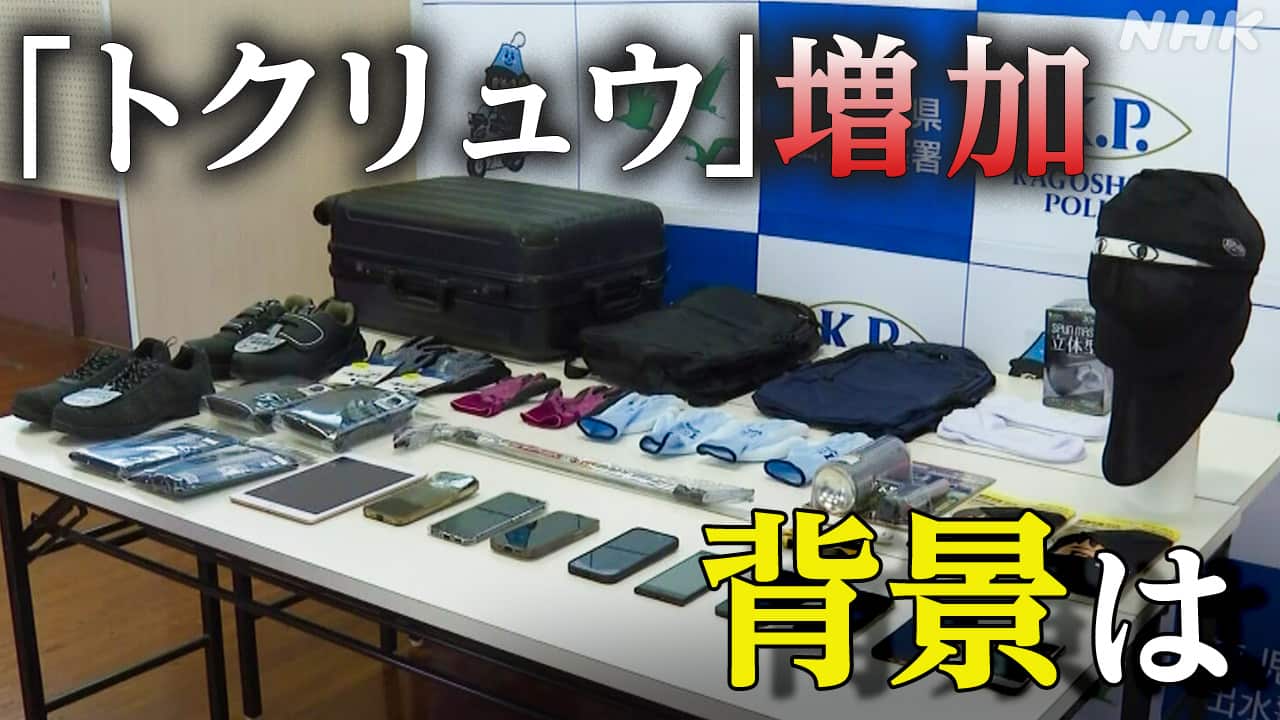
東京都内でことしに入ってから「トクリュウ」、匿名・流動型犯罪グループとみられる強盗や窃盗などの事件が相次いでいます。また、「トクリュウ」が関与したとみられる事件は全国で発生しています。
「トクリュウ」に加わるきっかけとなっているのが闇バイト。捜査関係者によりますと、このところ、SNSでの募集の呼びかけが広がりつつあるといいます。具体的にどのように行われているのか。なぜ、若者が犯罪に手を染めてしまうのか。「トクリュウ」をめぐる動向をまとめました。
佐賀県の住宅に強盗に入る目的でバールを準備して集まったり、在宅確認の電話をかけたりしたなどとして徳島市や神奈川県などに住む10代から40代の5人が今月相次いで警察に逮捕されました。
逮捕されたのは徳島市の会社員、井川翔太容疑者(27)や神奈川県の19歳の専門学校生など10代から40代のあわせて5人です。
警察によりますと、先月30日から今月1日にかけて、佐賀県の住宅に強盗に入る目的でバールなどを準備して集まったなどとして強盗予備の疑いが持たれています。
今月1日の未明に鹿児島県出水市で不審な乗用車について通報があり、警察が調べたところ、この車からバールやガスバーナーなどが見つかったということです。
警察は車に乗っていた井川容疑者ら3人をその場で逮捕し、その後の捜査で、在宅確認の電話をかけた疑いや金銭の回収役として待機していた疑いで新たに専門学校生ら2人を逮捕しました。
別々の地域に住んでいて、それぞれが強盗に関する役割を与えられていたとみられることから、警察は匿名・流動型犯罪グループの実行役だった可能性もあるとみて調べています。
また、警視庁によりますと、都内ではことし2月、新宿区四谷の貴金属買い取り業者の事務所に男らが配管などの点検を装って侵入し金品を奪おうとする事件が起きたほか、3月には新宿区と葛飾区の質店に男らが相次いで押し入り、このうち葛飾区で現金110万円余りが奪われるなど、匿名・流動型犯罪グループとみられる強盗や窃盗などの事件が相次いでいます。
21日も、新宿区四谷で強盗を行う目的で貴金属買い取り業者の事務所の近くをうろついたなどとして、容疑者が逮捕される事件がありました。
捜査関係者によりますと、未遂も含めるとことし2月以降、あわせて12件に上っていて、これまでに実行役やリクルート役など少なくとも24人が逮捕されたということです。
年代別では20代が11人と最も多く、次いで10代が7人、30代と40代がそれぞれ3人と20代以下の若者が目立っています。
これまでの調べで、逮捕された24人はSNSで闇バイトに応募したり、知人から誘われたりして事件に加わったとみられるということです。
12件の事件のうち、被害に遭ったのは店舗が7件と最も多く、業態は質店や携帯電話買い取り店、それに酒店などさまざまです。
会社事務所兼住宅が狙われたケースも1件あり、住人が「警察を呼ぶぞ」と叫ぶと犯人は逃走し、被害はなかったということです。
一方、捜査関係者によりますと、栃木県の強盗殺人事件の現場周辺で今月6日に目撃された車と車種や色が同じ車がことし3月、新宿区の酒店で起きた窃盗未遂事件の現場付近の防犯カメラに写っていたことが分かったということです。
警視庁はこうした状況や手口などから、一部の事件は上位の指示役が重なっている可能性もあるとみて、実態の解明を進めています。
捜査関係者によりますと、ことしに入ってから都内で起きた匿名・流動型犯罪グループとみられる強盗事件などで逮捕された24人のうち、10代と20代の若者はあわせて18人と7割以上を占めています。
このうち、ことし2月に新宿区四谷の貴金属買い取り業者に男らが配管などの点検を装って侵入し金品を奪おうとした事件では、逮捕された5人のうち4人が10代で、中には17歳の高校生もいました。
4人のうち3人は実行役、1人は実行役をバイクで送迎する役割だったとみられるということです。
また、ことし4月に強盗を行う目的でバールやナイフなどを準備し、東京・上野の駐車場に待機していたとして6人が逮捕された事件でも、このうち3人が10代、2人が20代でした。
警視庁は逮捕された24人が事件に関わったいきさつを調べていますが、捜査関係者によりますと、20代以下の容疑者の中にはSNSで闇バイトに応募したケースのほか、同級生や先輩に誘われたケースなどがあったということです。
首都圏では、2022年からよくとしにかけて、フィリピンの入管施設にいた「ルフィ」などと名乗る幹部らによる一連の広域強盗事件が起きたほか、おととしには別の匿名・流動型犯罪グループとみられる強盗事件が18件相次ぎました。
いずれのグループも指示役の幹部らが逮捕・起訴されましたが、都内ではことしに入って再び、強盗事件などが連続して発生している現状があります。
その背景について警察当局は、SNSなどで集められた面識のないメンバーが実行役となり、秘匿性の高い通信アプリを通じて指示を受けるという、匿名・流動型犯罪グループのいわば「ビジネスモデル」が広がったことがあるのではないかとしています。
その上で、指示役が闇バイトに応募してくる若者などをいわば「使い捨て」にして、逮捕されるリスクが高い強盗などの事件を次々に起こしているとみられるということです。
一方、都内ではターゲットとなる現場が住宅から店舗や金の取り引きの現場にシフトしている状況もうかがえます。
捜査関係者によりますと、ことしに入ってから起きた一部の事件では、グループが取り引きなどの情報を事前に把握していた疑いがあるということです。
警視庁は住民が被害に遭う事件が相次ぎ取締りが強化される中、より確実に金品を得られる店舗などを狙うようになった可能性があるとみています。
また、捜査関係者によりますと、グループのメンバーは闇バイトの募集だけでなく、最近は知人を誘う形で集めるケースも増えているとみられるということです。
ある捜査幹部は、メンバーが指示に従う後輩を誘うようになったことで実行役の低年齢化につながっている側面もあるのではないかとしています。
捜査関係者によりますと、募集の呼びかけは、「X」以外のSNSや一般の求人サイトにも広がりつつあるといいます。
「ルフィグループ」による一連の広域強盗事件や、おととし首都圏の1都3県で相次いだ強盗事件では、指示役らが「X」で「ホワイト案件」などと投稿し、実行役を集めるケースが多かったとみられています。
一方、ことしに入ってから都内で起きた強盗事件などでは、SNSの「スレッズ」の投稿を見たことがきっかけで事件に加わったとみられる容疑者が複数いるということです。
捜査関係者によりますと、このうちの1人は「モノを運ぶ仕事の運転役。高額報酬」という内容の投稿を見て連絡を取ったところ、秘匿性の高い通信アプリに誘導され、その後、レンタカーを借りて現場へ向かうよう指示されたということです。
警視庁によりますと、「X」や「スレッズ」では最近、強盗を意味するとみられる「T案件」とか実行役を意味するとみられる「プレーヤー」、それに窃盗を意味するとみられる「ルパン」などの隠語を使った投稿が目立っているといいます。
また、捜査関係者によりますと、SNSのほか、一般の求人サイトでも闇バイトの募集とみられるケースが確認されているということです。
警視庁は闇バイトの募集とみられるSNSの投稿をAIで抽出し、個別に警告する取り組みを去年から始めるなど対策を強化していて、先月までの9か月間にあわせて4万4645件の警告を行ったということです。
警視庁は高額報酬をうたったり、仕事の内容があいまいだったりする求人には応じないよう、注意を呼びかけています。
法務省は去年8月、少年院に収容されている全員を対象に闇バイトに関する特別調査を行い、先月その結果を公表しました。
この中で「闇バイトを行ったことがある」と答えたのは、およそ1700人のうち、33%にあたる554人に上りました。
そのきっかけについては▽「友人・先輩などから紹介された」が461人と8割以上を占め▽「SNSで見つけた」が121人▽「SNSで知り合った人から誘われた」が80人などとなっています。
闇バイトを行おうと思った理由は複数回答で▽「お金がほしかったから」が421人▽「簡単に稼げそうだったから」が328人と金銭目的が最も多くなりました。
また、回数別では▽「2~5回」が168人と最も多く▽「10回以上」が121人▽「6~9回」が49人▽「1回」が94人となっていて、闇バイトに繰り返し関わるケースが多いことが分かります。
SNSなどを通じて知らない人に仕事を頼まれ、金をもらったことがあると答えたのは384人で、内容は▽指定された場所で荷物を受け取る▽ATMで現金を引き出す▽マッチングアプリなどで知らない人と連絡を取る▽指定された番号に電話をかけるなどさまざまでした。
「闇バイトを行ったことを後悔しているか」という質問に対しては、およそ6割にあたる326人が「後悔している」、4割にあたる210人が「後悔していない」と答えています。
調査結果について、法務省は「闇バイトにかかる犯罪行為の違法性や被害者に与える影響の重大さなどを認識させるとともに、正しいアルバイトの探し方や交友関係のあり方などについて指導する必要がある」としています。
おととし、首都圏の1都3県で相次いだ強盗事件の一部に関わったとして逮捕・起訴された20代の被告が、事件の詳細や氏名を明らかにしないことを条件に今月、東京拘置所でNHKの記者との面会に応じました。
この中で被告は、今回の事件を含めて3回、SNSを通じて闇バイトに応募した経験があることを明らかにしました。
出し子をした際に逮捕され、およそ2年間服役しましたが、詐欺で高額の報酬が得られることを知っていたため、刑務所を出た後、再び闇バイトに応募してしまったといいます。
今回の事件も、SNSで「即日高額バイト」という投稿を見て応募し、強盗の実行役として関わったということですが、その理由については「当時、借金を抱えていて金に困っていた」と説明しました。
一方、応募した相手からは当初、「詐欺グループを抜け出した人物から現金を回収する仕事だ」と説明を受けていて、強盗に加担することになるとは思っていなかったといいます。
指定された集合場所にはバールを持った実行役らがいて、そこで初めて強盗であることを知ったということです。
被告は事件に加わることをためらいましたが、一緒にいた人物に「逃げるなよ」と言われ、結局、住宅に押し入ってハンマーを手に住人を脅したということです。
この時の状況については「ほかの実行役がその場にいた上、指示役ともスマートフォンで通話していたため逃げられないと思い、やるしかないと考えた」と振り返りました。
その上で「強盗と分かった時点でやめていればよかった。被害者には『殺されるかもしれない』と怖い思いをさせてしまい、申し訳なく思っている」と話していました。
一方で、記者が「刑務所を出た後に再び闇バイトに手を染める可能性はあるか」と尋ねると、被告は「もし金に困ったら絶対にしないとは言い切れない」と答えました。
その理由については「1度闇バイトを経験すると簡単に金が手に入ることに味をしめてしまい、逮捕されるリスクよりもその可能性を信じてしまうからだ」とした上で「金に困っても、自分のように闇バイトには絶対に手を出さない方がいい」と話していました。
法務省と連携し、少年院などで教育プログラムを提供している民間の団体は、闇バイトに関する特別調査の結果を受けて、高校生などを対象にした出前授業に力を入れています。
東京の一般社団法人「ハッシャダイソーシャル」は若者が闇バイトに関わることを防ごうと各地の高校を訪問し、独自の教材を使った授業を行っています。
使われている教材には、SNSのアルバイト募集に軽い気持ちで応じた少年がその後、強盗に加担させられそうになるまでを描いた漫画などが掲載されています。
団体によりますと、SNS上では「お金がない」「稼げるバイト」などと検索すると金に困っている人の投稿がすぐに表示され、闇バイトのリクルート役にとっては実行役となるターゲットを見つけやすいといいます。
さらに、SNSは検索履歴に応じてそれぞれの興味や関心に近い内容が表示される仕組みになっているため、金に困っている人のもとに闇バイト募集の投稿が届きやすくなっていることも事件が相次ぐ背景にあるとしています。
21日の授業では、団体の事業責任者を務める高宮大史さんがこうした実態について説明した上で、闇バイトの実行役は「使い捨て」の要員であり、高額の報酬や甘いことばに決してだまされないこと、仮に加担してしまった場合は、闇バイトではないかと気づいた時点ですぐに警察などに相談するよう呼びかけました。
また「軽作業で日給5万円」という投稿内容を例に挙げ、「このような投稿を見たらどうしたらよいと思うか」と問いかけると、生徒たちは「まずは疑うことが必要だと思う」とか「人に相談する」などと答えていました。
授業を受けた3年の女子生徒「私もアルバイトをしているので、犯罪に加担することがないよう気をつけようと思いました。『短時間で高額報酬』などの怪しい誘いには乗りません」
3年の男子生徒以前、スマートフォンに知らない連絡先から突然、「スマートフォンで簡単に操作するだけで日給1万円から5万円もらえる」というメッセージが送られてきた経験があるということで「その時は怪しいと思い返信しませんでしたが、きょう授業を受けて改めてこうした連絡には気をつけようと思いました」
高宮大史さん「犯罪に巻き込まれてこれからの人生がマイナスからのスタートにならないよう、生徒たちには知識を身につけ、正しい選択ができるようになってほしい」
犯罪社会学が専門で、少年を対象にした非行に関するアンケート調査なども行っている京都大学大学院の岡邊健教授は、1度闇バイトに手を出すと抜けられなくなる構造があると指摘します。
教授は「闇バイトは犯罪としては比較的軽い特殊詐欺の受け子や出し子から始まることが多いが、個人情報を握られ抜け出せなくなる中、しだいに強盗のような重大な犯罪にエスカレートしてしまう。また、指示役から『捕まらない』と説明を受け、洗脳されている面もある。実際に受け子や出し子で“成功”してしまうとこれは大丈夫だという考えになり、気がつくとリスクの高い犯罪に加担してしまっている。グループの首謀者は巧妙な構造を作っているといえる」と話しています。
また、若者が闇バイトに手を出すきっかけについては、「金に困っているという生活苦が基本的な背景としてある」とした上で、「犯罪と全く知らずに応募するケースはかなり少ない。怪しいことは分かっているが、それをやらなければきょうの食事にも困るといった状況に追い込まれた時に手を出してしまうケースが多い」としています。
その上で、教授は「1度やってしまうとそれを繰り返し、やがて逮捕される。そして少年院などから出ても生活状況は変わらないため、以前関わったグループのつながりの中でみずから求めたり、電話がかかってきたりして再び同じような犯罪に加担してしまうこともある。背景にあるのは生きづらい状況だ。生活保護や公的な窓口など困った時に頼れる先があること、立ち直りの手段があることを教育現場などで中高生のうちから伝え、犯罪の道に入らせないようにすることが対策として最も重要だ」と話していました。
「トクリュウ」に加わるきっかけとなっているのが闇バイト。捜査関係者によりますと、このところ、SNSでの募集の呼びかけが広がりつつあるといいます。具体的にどのように行われているのか。なぜ、若者が犯罪に手を染めてしまうのか。「トクリュウ」をめぐる動向をまとめました。
佐賀県の住宅に強盗に入る目的でバールを準備して集まったり、在宅確認の電話をかけたりしたなどとして徳島市や神奈川県などに住む10代から40代の5人が今月相次いで警察に逮捕されました。
逮捕されたのは徳島市の会社員、井川翔太容疑者(27)や神奈川県の19歳の専門学校生など10代から40代のあわせて5人です。
警察によりますと、先月30日から今月1日にかけて、佐賀県の住宅に強盗に入る目的でバールなどを準備して集まったなどとして強盗予備の疑いが持たれています。
今月1日の未明に鹿児島県出水市で不審な乗用車について通報があり、警察が調べたところ、この車からバールやガスバーナーなどが見つかったということです。
警察は車に乗っていた井川容疑者ら3人をその場で逮捕し、その後の捜査で、在宅確認の電話をかけた疑いや金銭の回収役として待機していた疑いで新たに専門学校生ら2人を逮捕しました。
別々の地域に住んでいて、それぞれが強盗に関する役割を与えられていたとみられることから、警察は匿名・流動型犯罪グループの実行役だった可能性もあるとみて調べています。
また、警視庁によりますと、都内ではことし2月、新宿区四谷の貴金属買い取り業者の事務所に男らが配管などの点検を装って侵入し金品を奪おうとする事件が起きたほか、3月には新宿区と葛飾区の質店に男らが相次いで押し入り、このうち葛飾区で現金110万円余りが奪われるなど、匿名・流動型犯罪グループとみられる強盗や窃盗などの事件が相次いでいます。
21日も、新宿区四谷で強盗を行う目的で貴金属買い取り業者の事務所の近くをうろついたなどとして、容疑者が逮捕される事件がありました。
捜査関係者によりますと、未遂も含めるとことし2月以降、あわせて12件に上っていて、これまでに実行役やリクルート役など少なくとも24人が逮捕されたということです。
年代別では20代が11人と最も多く、次いで10代が7人、30代と40代がそれぞれ3人と20代以下の若者が目立っています。
これまでの調べで、逮捕された24人はSNSで闇バイトに応募したり、知人から誘われたりして事件に加わったとみられるということです。
12件の事件のうち、被害に遭ったのは店舗が7件と最も多く、業態は質店や携帯電話買い取り店、それに酒店などさまざまです。
会社事務所兼住宅が狙われたケースも1件あり、住人が「警察を呼ぶぞ」と叫ぶと犯人は逃走し、被害はなかったということです。
一方、捜査関係者によりますと、栃木県の強盗殺人事件の現場周辺で今月6日に目撃された車と車種や色が同じ車がことし3月、新宿区の酒店で起きた窃盗未遂事件の現場付近の防犯カメラに写っていたことが分かったということです。
警視庁はこうした状況や手口などから、一部の事件は上位の指示役が重なっている可能性もあるとみて、実態の解明を進めています。
捜査関係者によりますと、ことしに入ってから都内で起きた匿名・流動型犯罪グループとみられる強盗事件などで逮捕された24人のうち、10代と20代の若者はあわせて18人と7割以上を占めています。
このうち、ことし2月に新宿区四谷の貴金属買い取り業者に男らが配管などの点検を装って侵入し金品を奪おうとした事件では、逮捕された5人のうち4人が10代で、中には17歳の高校生もいました。
4人のうち3人は実行役、1人は実行役をバイクで送迎する役割だったとみられるということです。
また、ことし4月に強盗を行う目的でバールやナイフなどを準備し、東京・上野の駐車場に待機していたとして6人が逮捕された事件でも、このうち3人が10代、2人が20代でした。
警視庁は逮捕された24人が事件に関わったいきさつを調べていますが、捜査関係者によりますと、20代以下の容疑者の中にはSNSで闇バイトに応募したケースのほか、同級生や先輩に誘われたケースなどがあったということです。
首都圏では、2022年からよくとしにかけて、フィリピンの入管施設にいた「ルフィ」などと名乗る幹部らによる一連の広域強盗事件が起きたほか、おととしには別の匿名・流動型犯罪グループとみられる強盗事件が18件相次ぎました。
いずれのグループも指示役の幹部らが逮捕・起訴されましたが、都内ではことしに入って再び、強盗事件などが連続して発生している現状があります。
その背景について警察当局は、SNSなどで集められた面識のないメンバーが実行役となり、秘匿性の高い通信アプリを通じて指示を受けるという、匿名・流動型犯罪グループのいわば「ビジネスモデル」が広がったことがあるのではないかとしています。
その上で、指示役が闇バイトに応募してくる若者などをいわば「使い捨て」にして、逮捕されるリスクが高い強盗などの事件を次々に起こしているとみられるということです。
一方、都内ではターゲットとなる現場が住宅から店舗や金の取り引きの現場にシフトしている状況もうかがえます。
捜査関係者によりますと、ことしに入ってから起きた一部の事件では、グループが取り引きなどの情報を事前に把握していた疑いがあるということです。
警視庁は住民が被害に遭う事件が相次ぎ取締りが強化される中、より確実に金品を得られる店舗などを狙うようになった可能性があるとみています。
また、捜査関係者によりますと、グループのメンバーは闇バイトの募集だけでなく、最近は知人を誘う形で集めるケースも増えているとみられるということです。
ある捜査幹部は、メンバーが指示に従う後輩を誘うようになったことで実行役の低年齢化につながっている側面もあるのではないかとしています。
捜査関係者によりますと、募集の呼びかけは、「X」以外のSNSや一般の求人サイトにも広がりつつあるといいます。
「ルフィグループ」による一連の広域強盗事件や、おととし首都圏の1都3県で相次いだ強盗事件では、指示役らが「X」で「ホワイト案件」などと投稿し、実行役を集めるケースが多かったとみられています。
一方、ことしに入ってから都内で起きた強盗事件などでは、SNSの「スレッズ」の投稿を見たことがきっかけで事件に加わったとみられる容疑者が複数いるということです。
捜査関係者によりますと、このうちの1人は「モノを運ぶ仕事の運転役。高額報酬」という内容の投稿を見て連絡を取ったところ、秘匿性の高い通信アプリに誘導され、その後、レンタカーを借りて現場へ向かうよう指示されたということです。
警視庁によりますと、「X」や「スレッズ」では最近、強盗を意味するとみられる「T案件」とか実行役を意味するとみられる「プレーヤー」、それに窃盗を意味するとみられる「ルパン」などの隠語を使った投稿が目立っているといいます。
また、捜査関係者によりますと、SNSのほか、一般の求人サイトでも闇バイトの募集とみられるケースが確認されているということです。
警視庁は闇バイトの募集とみられるSNSの投稿をAIで抽出し、個別に警告する取り組みを去年から始めるなど対策を強化していて、先月までの9か月間にあわせて4万4645件の警告を行ったということです。
警視庁は高額報酬をうたったり、仕事の内容があいまいだったりする求人には応じないよう、注意を呼びかけています。
法務省は去年8月、少年院に収容されている全員を対象に闇バイトに関する特別調査を行い、先月その結果を公表しました。
この中で「闇バイトを行ったことがある」と答えたのは、およそ1700人のうち、33%にあたる554人に上りました。
そのきっかけについては▽「友人・先輩などから紹介された」が461人と8割以上を占め▽「SNSで見つけた」が121人▽「SNSで知り合った人から誘われた」が80人などとなっています。
闇バイトを行おうと思った理由は複数回答で▽「お金がほしかったから」が421人▽「簡単に稼げそうだったから」が328人と金銭目的が最も多くなりました。
また、回数別では▽「2~5回」が168人と最も多く▽「10回以上」が121人▽「6~9回」が49人▽「1回」が94人となっていて、闇バイトに繰り返し関わるケースが多いことが分かります。
SNSなどを通じて知らない人に仕事を頼まれ、金をもらったことがあると答えたのは384人で、内容は▽指定された場所で荷物を受け取る▽ATMで現金を引き出す▽マッチングアプリなどで知らない人と連絡を取る▽指定された番号に電話をかけるなどさまざまでした。
「闇バイトを行ったことを後悔しているか」という質問に対しては、およそ6割にあたる326人が「後悔している」、4割にあたる210人が「後悔していない」と答えています。
調査結果について、法務省は「闇バイトにかかる犯罪行為の違法性や被害者に与える影響の重大さなどを認識させるとともに、正しいアルバイトの探し方や交友関係のあり方などについて指導する必要がある」としています。
おととし、首都圏の1都3県で相次いだ強盗事件の一部に関わったとして逮捕・起訴された20代の被告が、事件の詳細や氏名を明らかにしないことを条件に今月、東京拘置所でNHKの記者との面会に応じました。
この中で被告は、今回の事件を含めて3回、SNSを通じて闇バイトに応募した経験があることを明らかにしました。
出し子をした際に逮捕され、およそ2年間服役しましたが、詐欺で高額の報酬が得られることを知っていたため、刑務所を出た後、再び闇バイトに応募してしまったといいます。
今回の事件も、SNSで「即日高額バイト」という投稿を見て応募し、強盗の実行役として関わったということですが、その理由については「当時、借金を抱えていて金に困っていた」と説明しました。
一方、応募した相手からは当初、「詐欺グループを抜け出した人物から現金を回収する仕事だ」と説明を受けていて、強盗に加担することになるとは思っていなかったといいます。
指定された集合場所にはバールを持った実行役らがいて、そこで初めて強盗であることを知ったということです。
被告は事件に加わることをためらいましたが、一緒にいた人物に「逃げるなよ」と言われ、結局、住宅に押し入ってハンマーを手に住人を脅したということです。
この時の状況については「ほかの実行役がその場にいた上、指示役ともスマートフォンで通話していたため逃げられないと思い、やるしかないと考えた」と振り返りました。
その上で「強盗と分かった時点でやめていればよかった。被害者には『殺されるかもしれない』と怖い思いをさせてしまい、申し訳なく思っている」と話していました。
一方で、記者が「刑務所を出た後に再び闇バイトに手を染める可能性はあるか」と尋ねると、被告は「もし金に困ったら絶対にしないとは言い切れない」と答えました。
その理由については「1度闇バイトを経験すると簡単に金が手に入ることに味をしめてしまい、逮捕されるリスクよりもその可能性を信じてしまうからだ」とした上で「金に困っても、自分のように闇バイトには絶対に手を出さない方がいい」と話していました。
法務省と連携し、少年院などで教育プログラムを提供している民間の団体は、闇バイトに関する特別調査の結果を受けて、高校生などを対象にした出前授業に力を入れています。
東京の一般社団法人「ハッシャダイソーシャル」は若者が闇バイトに関わることを防ごうと各地の高校を訪問し、独自の教材を使った授業を行っています。
使われている教材には、SNSのアルバイト募集に軽い気持ちで応じた少年がその後、強盗に加担させられそうになるまでを描いた漫画などが掲載されています。
団体によりますと、SNS上では「お金がない」「稼げるバイト」などと検索すると金に困っている人の投稿がすぐに表示され、闇バイトのリクルート役にとっては実行役となるターゲットを見つけやすいといいます。
さらに、SNSは検索履歴に応じてそれぞれの興味や関心に近い内容が表示される仕組みになっているため、金に困っている人のもとに闇バイト募集の投稿が届きやすくなっていることも事件が相次ぐ背景にあるとしています。
21日の授業では、団体の事業責任者を務める高宮大史さんがこうした実態について説明した上で、闇バイトの実行役は「使い捨て」の要員であり、高額の報酬や甘いことばに決してだまされないこと、仮に加担してしまった場合は、闇バイトではないかと気づいた時点ですぐに警察などに相談するよう呼びかけました。
また「軽作業で日給5万円」という投稿内容を例に挙げ、「このような投稿を見たらどうしたらよいと思うか」と問いかけると、生徒たちは「まずは疑うことが必要だと思う」とか「人に相談する」などと答えていました。
授業を受けた3年の女子生徒「私もアルバイトをしているので、犯罪に加担することがないよう気をつけようと思いました。『短時間で高額報酬』などの怪しい誘いには乗りません」
3年の男子生徒以前、スマートフォンに知らない連絡先から突然、「スマートフォンで簡単に操作するだけで日給1万円から5万円もらえる」というメッセージが送られてきた経験があるということで「その時は怪しいと思い返信しませんでしたが、きょう授業を受けて改めてこうした連絡には気をつけようと思いました」
高宮大史さん「犯罪に巻き込まれてこれからの人生がマイナスからのスタートにならないよう、生徒たちには知識を身につけ、正しい選択ができるようになってほしい」
犯罪社会学が専門で、少年を対象にした非行に関するアンケート調査なども行っている京都大学大学院の岡邊健教授は、1度闇バイトに手を出すと抜けられなくなる構造があると指摘します。
教授は「闇バイトは犯罪としては比較的軽い特殊詐欺の受け子や出し子から始まることが多いが、個人情報を握られ抜け出せなくなる中、しだいに強盗のような重大な犯罪にエスカレートしてしまう。また、指示役から『捕まらない』と説明を受け、洗脳されている面もある。実際に受け子や出し子で“成功”してしまうとこれは大丈夫だという考えになり、気がつくとリスクの高い犯罪に加担してしまっている。グループの首謀者は巧妙な構造を作っているといえる」と話しています。
また、若者が闇バイトに手を出すきっかけについては、「金に困っているという生活苦が基本的な背景としてある」とした上で、「犯罪と全く知らずに応募するケースはかなり少ない。怪しいことは分かっているが、それをやらなければきょうの食事にも困るといった状況に追い込まれた時に手を出してしまうケースが多い」としています。
その上で、教授は「1度やってしまうとそれを繰り返し、やがて逮捕される。そして少年院などから出ても生活状況は変わらないため、以前関わったグループのつながりの中でみずから求めたり、電話がかかってきたりして再び同じような犯罪に加担してしまうこともある。背景にあるのは生きづらい状況だ。生活保護や公的な窓口など困った時に頼れる先があること、立ち直りの手段があることを教育現場などで中高生のうちから伝え、犯罪の道に入らせないようにすることが対策として最も重要だ」と話していました。
この記事の単語 (368)
×23
役
やく
1. role; assignment; responsibility; duty; function; job; service 2. position (of responsibility); post; office
×21
事件
じけん
event; affair; incident; case; plot; trouble; scandal
×17
強盗
ごうとう
1. robber; mugger 2. robbery; burglary
×17
逮捕
たいほ
arrest; apprehension; capture
×13
実行
じっこう
execution (e.g. of a plan); carrying out; practice; action; implementation; fulfillment; realization
×10
投稿
とうこう
contribution (to a newspaper, magazine, etc.); submission; post (on a blog, social media, etc.)
×9
相
あい
together; mutually; fellow
×9
次ぐ
つぐ
to rank next to; to come after
×9
犯罪
はんざい
crime; offence; offense
×9
指示
しじ
1. indication; denotation; designation 2. instructions; directions
×8
応募
おうぼ
application; subscription; entry (competition, raffle, etc.); enlistment
×8
強盗事件
ごうとうじけん
robbery; robbery case; burglary
×7
募集
ぼしゅう
1. recruitment; invitation; selection; advertisement; taking applications 2. raising (funds, donations, etc.); collection; subscription; solicitation
×7
警視庁
けいしちょう
Metropolitan Police Department (esp. Tokyo)
×7
困る
こまる
1. to be troubled; to have difficulty; to be in a fix; to be at a loss; to be stumped; to be embarrassed 2. to be bothered; to be inconvenienced; to be annoyed
×6
若者
わかもの
young man; young woman; young people; youth; youngsters
×6
起きる
おきる
1. to get up; to rise; to blaze up (fire) 2. to wake up; to be awake; to stay awake
×6
件
けん
1. matter; affair; case; item; subject 2. counter for (received) emails, text messages, voicemail messages, etc.
×6
状況
じょうきょう
state of affairs (around you); situation; circumstances
×6
関わる
かかわる
1. to be affected; to be influenced 2. to be concerned with; to have to do with
×6
高額
こうがく
large sum (money)
×6
知る
しる
1. to be aware of; to know; to be conscious of; to cognize; to cognise 2. to notice; to feel
×6
加担
かたん
support; participation; assistance; complicity; conspiracy
×5
住宅
じゅうたく
residence; housing; residential building
×5
目的
もくてき
purpose; goal; aim; objective; intention
×5
容疑者
ようぎしゃ
suspect (person)
×5
可能性
かのうせい
potentiality; likelihood; possibility; availability
×5
都内
とない
(within) the (Tokyo) metropolitan area
×5
新宿区
しんじゅくく
Shinjukuku (place)
×5
最も
もっとも
most; extremely
×5
誘う
さそう
1. to invite; to ask (someone to do); to call (for); to take (someone) along 2. to tempt; to lure; to entice; to seduce
×5
現場
げんば
1. actual spot; scene; scene of the crime; site; location; setting 2. shop floor; factory floor; (on) site
×5
報酬
ほうしゅう
remuneration; recompense; reward; toll
×5
内容
ないよう
contents; content; substance; matter; detail; import
×5
答える
こたえる
to answer; to reply
×4
窃盗
せっとう
theft; stealing; larceny
×4
加わる
くわわる
1. to be added to; to be appended 2. to join in (e.g. a group of friends); to participate
×4
切っ掛け
きっかけ
chance; start; cue; excuse; motive; impetus; occasion
×4
合わせる
あわせる
1. to match (rhythm, speed, etc.) 2. to join together; to unite; to combine; to add up
×4
疑い
うたがい
doubt; question; uncertainty; skepticism; scepticism; suspicion; distrust
×4
関する
かんする
to concern; to be related
×4
分かる
わかる
1. to understand; to comprehend; to grasp; to see; to get; to follow 2. to become clear; to be known; to be discovered; to be realized; to be realised; to be found out
×4
割
わり
1. rate; ratio; proportion; percentage 2. profit
×4
再び
ふたたび
again; once more; a second time
×4
背景
はいけい
1. background; scenery; backdrop; setting 2. background (of an incident, situation, etc.); circumstances; context
×4
応じる
おうじる
to respond; to satisfy; to accept; to comply with; to apply for
×4
被告
ひこく
defendant; the accused
×3
広がる
ひろがる
to spread (out); to extend; to stretch; to reach to; to get around; to fill (e.g. a space)
×3
確認
かくにん
confirmation; verification; validation; review; check; affirmation; identification
×3
調べる
しらべる
to examine; to look up; to investigate; to check up; to sense; to study; to inquire; to search
×3
四谷
したに
Shitani (unclass)
×3
貴金属
ききんぞく
precious metal
×3
買い取り
かいとり
1. purchase; buying; buying out 2. buying used articles as a company; trade-in; buy back
×3
金品
きんぴん
money and goods
×3
奪う
うばう
to snatch away; to dispossess; to steal
×3
現金
げんきん
1. cash; ready money; money on hand; currency 2. mercenary; self-interested; calculating
×3
被害
ひがい
(suffering) damage; injury; harm
×3
店舗
てんぽ
shop; store
×3
一部
いちぶ
1. one part; one portion; one section; some 2. one copy (e.g. of a document)
×3
首都圏
しゅとけん
the capital city (often Tokyo) area (typically within 50 km of city's centre) (center)
×3
幹部
かんぶ
management; (executive) staff; leaders; leadership; top brass; upper echelons
×3
通じる
つうじる
1. to be open (to traffic); to lead to; to communicate (with) 2. to flow (liquid, current); to pass; to get through to
×3
求人
きゅうじん
recruiting; job offer; job vacancy
×3
法務省
ほうむしょう
Ministry of Justice
×3
少年院
しょうねんいん
reform school; reformatory; youth detention center (centre)
×3
対象
たいしょう
target; object (of worship, study, etc.); subject (of taxation, etc.)
×3
調査
ちょうさ
investigation; examination; inquiry; enquiry; survey
×3
当たる
あたる
1. to be hit; to strike 2. to touch; to be in contact; to be affixed
×3
指定
してい
designation; specification; assignment; appointment; pointing at
×3
後悔
こうかい
regret; repentance; remorse
×3
出し子
だしこ
1. dried small sardines, etc. used to make fish stock 2. person in bank transfer scam whose role it is to withdraw the cash
×3
団体
だんたい
organization; organisation; association
×3
怪しい
あやしい
1. suspicious; dubious; questionable; dodgy; shady; fishy 2. doubtful; unsure; uncertain; unlikely; implausible
×3
教授
きょうじゅ
1. professor 2. teaching; instruction
×2
発生
はっせい
1. outbreak; spring forth; occurrence; incidence 2. generation (e.g. of power or heat); genesis; origin
×2
呼び掛け
よびかけ
call; appeal
×2
染める
そめる
to dye; to colour; to color
×2
佐賀県
さがけん
Saga prefecture (Kyushu)
×2
集まる
あつまる
to gather; to collect; to assemble
×2
在宅
ざいたく
being in; being at home
×2
徳島市
とくしまし
Tokushima (city) (place)
×2
神奈川県
かながわけん
Kanagawa prefecture (Kanto area)
×2
井川
いかわ
Ikawa (place; surname; given)
×2
持つ
もつ
1. to hold (in one's hand); to take; to carry 2. to possess; to have; to own
×2
乗る
のる
1. to get on (train, plane, bus, ship, etc.); to get in; to board; to take; to embark 2. to get on (e.g. a footstool); to step on; to jump on; to sit on; to mount
×2
捜査
そうさ
search (esp. in criminal investigations); investigation; inquiry; enquiry
×2
金銭
きんせん
money; cash
×2
回収
かいしゅう
collection; recovery; withdrawal; retrieval
×2
待機
たいき
standing by; awaiting an opportunity; being on alert
×2
二人
ふたり
two persons; two people; pair; couple
×2
役割
やくわり
part; assigning (allotment of) parts; role; duties
×2
与える
あたえる
1. to give (esp. to someone of lower status); to bestow; to grant; to confer; to present; to award 2. to provide; to afford; to offer; to supply
×2
配管
はいかん
plumbing; piping
×2
点検
てんけん
inspection; examination; checking
×2
装う
よそおう
1. to dress (oneself in); to attire oneself in; to adorn; to decorate 2. to pretend; to feign; to affect; to disguise oneself as
×2
侵入
しんにゅう
invasion; incursion; raid; aggression; intrusion; trespass; penetration
×2
葛飾区
かつしかく
Katsushikaku (place)
×2
質店
しちてん
pawnshop
×2
押し入る
おしいる
to push in; to force into; to break in (e.g. into a house); to intrude
×2
未遂
みすい
failed attempt (at a crime, suicide, etc.)
×2
含める
ふくめる
1. to include (in a group or scope) 2. to instruct; to make one understand
×2
上る
あがる
1. to rise; to go up; to come up; to ascend; to be raised 2. to enter (esp. from outdoors); to come in; to go in
×2
目立つ
めだつ
to be conspicuous; to stand out
×2
知人
ちじん
friend; acquaintance
×2
会う
あう
1. to meet; to encounter; to see 2. to have an accident; to have a bad experience
×2
酒店
さかだな
alcohol-selling shop
×2
狙う
ねらう
1. to aim at 2. to be after (something); to have an eye on
×2
住人
じゅうにん
1. dweller; inhabitant; resident 2. user (of a website)
×2
実態
じったい
true state; actual condition; reality
×2
占める
しめる
1. to occupy; to hold 2. to account for; to make up; to take up
×2
一人
ひとり
1. one person 2. being alone; being by oneself
×2
東京
とうきょう
Tokyo
×2
一連
いちれん
1. series; chain; sequence 2. two reams (i.e. 1000 sheets of paper)
×2
広域
こういき
1. wide area 2. wide view (of a digitally displayed map); zoomed-out view
×2
起訴
きそ
prosecution; indictment
×2
通信
つうしん
correspondence; communication; transmission; news; signal; telecommunications
×2
言わば
いわば
so to speak; so to call it; as it were
×2
使い捨て
つかいすて
throwaway; disposable; single-use
×2
取り引き
とりひき
transactions; dealings; business
×2
強化
きょうか
strengthening; intensifying; reinforcement; enhancement; solidification
×2
一般
いっぱん
1. general; universal 2. ordinary; average; common; non-celebrity
×2
県
けん
prefecture (Japan); county (China, Taiwan, Norway, etc.); department (France); province (Italy, Spain, etc.)
×2
案件
あんけん
1. matter (to discuss); item (on the agenda); issue; topic 2. (court) case
×2
警告
けいこく
warning; advice
×2
対策
たいさく
measure; step; countermeasure; counterplan; countermove; strategy; preparation (e.g. for a test)
×2
呼び掛ける
よびかける
1. to call out to; to hail; to address 2. to appeal
×2
結果
けっか
1. result; consequence; outcome; effect 2. coming to fruition; bearing fruit
×2
見付ける
みつける
1. to discover; to find (e.g. an error in a book); to come across; to detect; to spot 2. to locate; to find (e.g. something missing); to find fault
×2
稼ぐ
かせぐ
1. to earn (income); to make (money) 2. to score (points, victory); to gain (time); to play (for time)
×2
被害者
ひがいしゃ
victim; injured party; sufferer
×2
重大
じゅうだい
serious; important; significant; grave; weighty
×2
明らか
あきらか
1. clear; obvious; evident; plain; definite 2. bright; light
×2
記者
きしゃ
reporter; journalist
×2
詐欺
さぎ
fraud; swindle; graft; cheating; trick; scam
×2
刑務所
けいむしょ
prison; penitentiary
×2
抜け出す
ぬけだす
1. to slip out; to sneak away; to break free; to get through (a difficult situation) 2. to break into the lead; to get ahead
×2
人物
じんぶつ
1. person; character; figure; personage; man; woman 2. one's character; one's personality
×2
時点
じてん
point in time; occasion
×2
絶対
ぜったい
1. definitely; absolutely; unconditionally 2. absolute; unconditional; unmistakable
×2
教材
きょうざい
teaching materials
×2
少年
しょうねん
boy; juvenile; young boy; youth; lad
×2
表示
ひょうじ
1. indication; expression; showing; manifestation; demonstration 2. display; displaying
×2
高宮
たかみや
Takamiya (place; surname)
×2
太史
たいし
Taishi (unclass)
×2
日給
にっきゅう
daily wages
×2
以前
いぜん
ago; since; before; previous
×2
構造
こうぞう
structure; construction; makeup; framework; organization; pattern
×1
関与
かんよ
participation; taking part in; participating in; being concerned in
×1
全国
ぜんこく
the whole country
×1
具体的
ぐたいてき
concrete; definite; specific; material; substantial
×1
巡る
めぐる
1. to go around 2. to return
×1
動向
どうこう
trend; tendency; movement; attitude
×1
纏める
まとめる
1. to collect; to put (it all) together; to integrate; to consolidate; to unify 2. to summarize; to aggregate
×1
会社員
かいしゃいん
company employee; office worker; white-collar worker
×1
翔太
しょうた
Shouta (masc)
×1
予備
よび
1. reserve; spare 2. preparation; preliminaries
×1
未明
みめい
early dawn; grey of morning; gray of morning
×1
鹿児島県
かごしまけん
Kagoshima prefecture (Kyushu)
×1
出水市
いずみし
Izumi (city) (place)
×1
不審
ふしん
incomplete understanding; doubt; question; distrust; suspicion; strangeness; infidelity
×1
乗用車
じょうようしゃ
(passenger) car; automobile
×1
通報
つうほう
1. report; notification; tip; bulletin 2. message (in information and communication theory)
×1
見付かる
みつかる
to be found; to be discovered
×1
その後
そのあと
after that; afterwards; thereafter
×1
新た
あらた
new; fresh; novel
×1
別々
べつべつ
separate; respective
×1
地域
ちいき
area; region
×1
住む
すむ
to live (of humans); to reside; to inhabit; to dwell; to abide
×1
余り
あまり
1. remainder; remnant; rest; balance; surplus; remains (of a meal); leftovers 2. (not) very; (not) much
×1
彷徨く
うろつく
1. to loiter; to putter; to prowl; to wander aimlessly; to knock around; to hang around 2. to be confused from not knowing what to do
×1
以降
いこう
on and after; as from; hereafter; thereafter; since
×1
少ない
すくない
few; a little; scarce; insufficient; seldom
×1
次いで
ついで
next; secondly; subsequently
×1
調べ
しらべ
1. investigation; inspection; examination 2. tune; note; melody
×1
業態
ぎょうたい
1. business conditions 2. business category; line of business
×1
携帯電話
けいたいでんわ
mobile telephone; cellular telephone
×1
買い取る
かいとる
to buy; to purchase
×1
兼
けん
cum (e.g. bedroom-cum-study); holding both roles (e.g. Prime Minister and Minister of Foreign Affairs); and; in addition; concurrently; at the same time
×1
ぞ
adds force or indicates command
×1
叫ぶ
さけぶ
1. to shout; to cry; to scream; to shriek; to yell; to exclaim 2. to clamor (for or against); to clamour (for or against)
×1
犯人
はんにん
offender; criminal; culprit
×1
逃走
とうそう
flight; desertion; escape
×1
栃木県
とちぎけん
Tochigi prefecture (Kanto area)
×1
殺人事件
さつじんじけん
murder case
×1
周辺
しゅうへん
1. circumference; outskirts; environs; around; in the area of; in the vicinity of 2. (computer) peripheral
×1
目撃
もくげき
witnessing; observing; sighting
×1
車種
しゃしゅ
1. car model 2. type of (wheeled) vehicle; vehicle classification
×1
付近
ふきん
1. neighborhood; vicinity; environs; district 2. approaching
×1
防犯カメラ
ぼうはんカメラ
security camera
×1
写る
うつる
to be photographed; to be projected
×1
手口
てぐち
modus operandi; criminal technique; trick
×1
上位
じょうい
1. superior (in rank); top; ranking 2. higher order (e.g. byte)
×1
重なる
かさなる
1. to be piled up; to lie on top of one another 2. to come one after another; to happen over and over; to pile up (e.g. stress); to accumulate
×1
解明
かいめい
elucidation; explication; explaining; unravelling; clarification; understanding
×1
進める
すすめる
1. to advance; to move forward; to put (a clock, watch) forward 2. to carry forward (plans, work, etc.); to proceed with; to make progress in; to further; to advance; to hasten; to speed up
×1
送迎
そうげい
seeing off and meeting on return
×1
上野
こうずけ
Kōzuke (former province located in present-day Gunma Prefecture)
×1
経緯
いきさつ
1. details; particulars; whole story; sequence of events; chronology; circumstances; how it started; how things got this way 2. longitude and latitude
×1
同級生
どうきゅうせい
classmate
×1
入管
にゅうかん
Immigration Bureau
×1
施設
しせつ
1. institution; establishment; facility 2. home (for elderly, orphans, etc.)
×1
名乗る
なのる
1. to give one's name (as); to introduce oneself (as) 2. to claim to be; to call oneself; to wear the title of
×1
いずれ
1. where; which; who 2. anyway; anyhow; at any rate
×1
連続
れんぞく
continuation; succession; series
×1
現状
げんじょう
present condition; existing state; status quo; current state
×1
当局
とうきょく
1. authorities; relevant authorities; authorities concerned 2. this office
×1
集める
あつめる
to collect; to assemble; to gather
×1
面識
めんしき
acquaintance
×1
次々
つぎつぎ
in succession; one by one
×1
起こす
おこす
1. to raise; to raise up; to set up; to pick up 2. to wake; to wake up; to waken; to awaken
×1
うかがう
1. to peep (through); to peek; to examine (esp. covertly) 2. to await (one's chance)
×1
情報
じょうほう
1. information; news; intelligence; advices 2. information; data contained in characters, signals, code, etc.
×1
事前
じぜん
prior; beforehand; in advance; before the fact; ex ante
×1
把握
はあく
grasp; catch; understanding
×1
住民
じゅうみん
inhabitant; resident; citizen; population
×1
取り締まり
とりしまり
control; management; supervision
×1
確実
かくじつ
certain; sure; definite; reliable; sound; solid; safe; secure
×1
増える
ふえる
to increase; to multiply
×1
従う
したがう
1. to obey (an order, law, etc.); to abide by (a rule, custom, etc.); to follow; to observe; to conform to; to yield to 2. to follow (a person); to accompany; to go with
×1
後輩
こうはい
junior (at work, school, etc.); younger people; younger student
×1
低年齢
ていねんれい
young (e.g. young children); of few years
×1
繋がる
つながる
1. to be tied together; to be connected to; to be linked to 2. to lead to; to be related to
×1
側面
そくめん
1. side; flank; profile; sidelight; lateral 2. aspect; dimension
×1
多い
おおい
1. many; numerous; a lot 2. large amount of; large quantity of; a lot; much
×1
複数
ふくすう
plural; multiple; several
×1
取る
とる
1. to take; to pick up; to grab; to catch 2. to pass; to hand; to give
×1
誘導
ゆうどう
guidance; leading; induction; introduction; incitement; inducement
×1
借りる
かりる
1. to borrow; to have a loan 2. to rent; to hire
×1
隠語
いんご
secret language; jargon; cant; argot; slang
×1
抽出
ちゅうしゅつ
1. extraction; abstraction 2. selection (from a group); sampling
×1
個別
こべつ
individual; separate; personal; case-by-case
×1
取り組み
とりくみ
1. bout (in sports, etc.); match 2. effort; initiative; dealing with; grappling with; wrestling with
×1
歌う
うたう
1. to sing 2. to sing (one's praises in a poem, etc.); to compose a poem; to recite a poem
×1
曖昧
あいまい
1. vague; ambiguous; unclear 2. shady; disreputable
×1
収容
しゅうよう
1. accommodation; reception; housing 2. seating
×1
全員
ぜんいん
all members; all hands; everyone; everybody; whole crew
×1
公表
こうひょう
official announcement; proclamation
×1
友人
ゆうじん
friend
×1
知り合う
しりあう
to get to know each other; to make acquaintance
×1
複数回答
ふくすうかいとう
check all that apply (question format); multiple answers allowed; CATA
×1
回数
かいすう
number of times; frequency; count
×1
繰り返し
くりかえし
1. repetition; repeat; reiteration; iteration; refrain; cycle 2. repeatedly
×1
頼む
たのむ
1. to request; to beg; to ask 2. to call; to order; to reserve
×1
受け取る
うけとる
1. to receive; to get; to accept 2. to take; to interpret; to understand
×1
調査結果
ちょうさけっか
results (of a study)
×1
犯罪行為
はんざいこうい
criminal act
×1
違法性
いほうせい
illegality
×1
影響
えいきょう
1. influence; effect 2. to influence; to affect; to have an influence on; to impact; to have an effect on
×1
認識
にんしき
recognition; awareness; perception; understanding; knowledge; cognition; cognizance; cognisance
×1
交友関係
こうゆうかんけい
one's relationships; people one knows; circle of friends
×1
在り方
ありかた
1. the way something ought to be 2. the (current) state of things; how things are
×1
指導
しどう
1. guidance; leadership; instruction; direction; coaching 2. shido (disciplinary action for a minor infringement of the rules of judo)
×1
詳細
しょうさい
1. details; particulars; specifics 2. detailed; specific; minute
×1
氏名
しめい
(full) name; identity
×1
条件
じょうけん
condition; term; requirement; qualification; prerequisite
×1
東京拘置所
とうきょうこうちしょ
Toukyoukouchisho (place)
×1
面会
めんかい
meeting (face-to-face); seeing; visit; interview
×1
際
さい
on the occasion of; circumstances; juncture
×1
年間
ねんかん
1. (period of) a year 2. during an era
×1
服役
ふくえき
1. penal servitude; serving time in prison 2. military service
×1
即日
そくじつ
(on) the same day
×1
当時
とうじ
at that time; in those days
×1
借金
しゃっきん
debt; loan; liabilities; borrowing money
×1
抱える
かかえる
1. to hold or carry under or in the arms 2. to have (esp. problems, debts, etc.)
×1
相手
あいて
1. companion; partner; company 2. other party; addressee
×1
当初
とうしょ
1. beginning; start; outset 2. at first; at the beginning; initially; originally
×1
集合場所
しゅうごうばしょ
meeting place; rendezvous (point); roll-call (assembly) point; appointed (designated) place
×1
躊躇う
ためらう
to hesitate; to waver
×1
結局
けっきょく
1. after all; in the end; ultimately; eventually 2. conclusion; end
×1
脅す
おどす
to threaten; to menace; to frighten (into doing)
×1
通話
つうわ
1. telephone call; speaking over the telephone; (Internet) voice call 2. counter for telephone calls of a set duration
×1
逃げる
にげる
to escape; to run away
×1
考える
かんがえる
1. to think (about, of); to think over; to ponder; to contemplate; to reflect (on); to meditate (on) 2. to consider; to bear in mind; to allow for; to take into consideration
×1
振り返る
ふりかえる
1. to turn one's head; to look over one's shoulder; to turn around; to look back 2. to think back (on); to reminisce; to look back (on); to reflect (on)
×1
やめる
1. to stop (an activity); to cease; to discontinue; to end; to quit 2. to cancel; to abandon; to give up; to abolish; to abstain; to refrain
×1
殺す
ころす
1. to kill; to slay; to murder; to slaughter 2. to suppress; to block; to hamper; to destroy (e.g. talent); to eliminate (e.g. an odour); to spoil (e.g. a flavour); to kill (e.g. one's speed)
×1
知れる
しれる
1. to become known; to come to light; to be discovered 2. to be known; to be understood
×1
思い
おもい
1. thought 2. imagination; mind; heart
×1
申し訳
もうしわけ
apology; excuse
×1
言い切る
いいきる
1. to declare; to assert; to state definitively 2. to finish saying; to say it all; to finish one's sentence
×1
しめる
to strangle; to constrict
×1
信じる
しんじる
to believe; to believe in; to place trust in; to confide in; to have faith in
×1
連携
れんけい
cooperation; coordination; link
×1
提供
ていきょう
1. offer; tender; providing; supplying; making available; donating (blood, organs, etc.) 2. sponsoring (a TV program)
×1
民間
みんかん
1. private; non-governmental; non-official; civilian; civil 2. folk; popular
×1
出前
でまえ
home delivery (of food); outside catering
×1
授業
じゅぎょう
lesson; class work; teaching; instruction
×1
入れる
いれる
1. to put in; to let in; to take in; to bring in; to insert; to install (e.g. software); to set (a jewel, etc.); to ink in (e.g. tattoo) 2. to admit; to accept; to employ; to hire
×1
一般社団法人
いっぱんしゃだんほうじん
general incorporated association
×1
防ぐ
ふせぐ
1. to defend against; to protect against 2. to prevent; to avert; to avoid
×1
各地
かくち
every place; various places
×1
訪問
ほうもん
call; visit
×1
独自
どくじ
1. original; unique; distinctive; characteristic; peculiar 2. independent; one's own; personal
×1
描く
えがく
1. to draw; to paint; to sketch 2. to depict; to describe
×1
掲載
けいさい
publication (e.g. of an article in a newspaper); carrying (e.g. a story); running (e.g. a serial); insertion (e.g. of an advertisement); printing; posting (e.g. on the web)
×1
検索
けんさく
looking up (e.g. a word in a dictionary); retrieval (e.g. data); searching for; referring to
×1
検索履歴
けんさくりれき
search history
×1
関心
かんしん
concern; interest
×1
仕組み
しくみ
1. structure; construction; arrangement; contrivance; mechanism; workings 2. plan; plot; contrivance
×1
下
もと
1. under (guidance, supervision, rules, the law, etc.) 2. under (a flag, the sun, etc.); beneath
×1
届く
とどく
1. to reach; to touch; to get to; to carry (of sound) 2. to be delivered; to arrive
×1
務める
つとめる
1. to work (for); to be employed (at); to serve (in) 2. to serve (as); to act (as); to fill (the position of); to play the role (of)
×1
要員
よういん
(necessary) personnel; required person
×1
騙す
だます
1. to trick; to cheat; to deceive 2. to coax; to wheedle; to soothe and humor (humour)
×1
仮
かり
1. temporary; provisional; interim 2. fictitious; assumed (name); alias
×1
気付く
きづく
to notice; to recognize; to recognise; to become aware of; to perceive; to realize; to realise
×1
例
れい
1. custom; practice; habit; usual 2. said; aforementioned
×1
問い掛ける
といかける
1. to ask a question 2. to begin to ask a question
×1
疑う
うたがう
to doubt; to distrust; to be suspicious of; to suspect
×1
女子
じょし
woman; girl
×1
短時間
たんじかん
short time
×1
誘い
さそい
1. invitation; introduction 2. temptation
×1
男子
だんし
youth; young man
×1
連絡先
れんらくさき
contact address
×1
突然
とつぜん
abrupt; sudden; unexpected
×1
操作
そうさ
1. operation; management; handling 2. manipulating (to one's benefit); manipulation; influencing
×1
送る
おくる
1. to send (a thing); to dispatch; to despatch; to transmit 2. to take or escort (a person somewhere); to see off (a person)
×1
返信
へんしん
reply (e.g. email, fax, letter); answer
×1
改めて
あらためて
1. another time; again; over again; once again; anew 2. formally; especially; intentionally; deliberately
×1
巻き込む
まきこむ
1. to roll up; to enfold; to swallow up 2. to involve; to drag into
×1
人生
じんせい
(human) life (i.e. conception to death)
×1
知識
ちしき
knowledge; information
×1
身
み
1. body 2. oneself
×1
選択
せんたく
selection; choice; option
×1
犯罪社会学
はんざいしゃかいがく
criminal sociology
×1
専門
せんもん
speciality; specialty; subject of study; expert; area of expertise
×1
非行
ひこう
delinquency; misconduct
×1
京都大学
きょうとだいがく
Kyoto University (organization)
×1
大学院
だいがくいん
graduate school
×1
岡邊
おかべ
Okabe (surname)
×1
指摘
してき
pointing out; identification
×1
比較的
ひかくてき
comparatively; relatively
×1
特殊詐欺
とくしゅさぎ
variant of bank-transfer fraud
×1
個人情報
こじんじょうほう
personal information
×1
握る
にぎる
1. to clasp; to grasp; to grip; to clutch 2. to make (nigirizushi, rice ball, etc.); to form; to press into shape; to mold; to mould
×1
次第
しだい
1. depending on 2. as soon as; immediately after; upon
×1
捕まる
つかまる
1. to be caught; to be arrested 2. to hold on to; to grasp
×1
洗脳
せんのう
brainwashing
×1
面
めん
1. face 2. mask; face guard
×1
実際
じっさい
1. reality; actuality; truth; fact; actual conditions 2. practice (as opposed to theory)
×1
成功
せいこう
success; hit
×1
考え
かんがえ
1. thinking; thought; view; opinion; concept 2. idea; notion; imagination
×1
首謀
しゅぼう
1. plotting; planning (crime, intrigue) 2. ringleader; mastermind; leader (of a plot)
×1
巧妙
こうみょう
ingenious; skillful; clever; deft
×1
作る
つくる
1. to make; to produce; to manufacture; to build; to construct 2. to prepare (food); to brew (alcohol)
×1
いえる
1. to be possible to say; to be able to say 2. said; have said
×1
生活苦
せいかつく
life's struggles
×1
基本的
きほんてき
fundamental; basic
×1
全く
まったく
1. really; truly; entirely; completely; wholly; perfectly 2. indeed
×1
可成
かなり
considerably; fairly; quite
×1
追い込む
おいこむ
1. to herd; to drive; to chase; to corral 2. to corner; to force someone into doing
×1
繰り返す
くりかえす
to repeat; to do something over again
×1
軈て
やがて
1. before long; soon; shortly 2. almost; nearly
×1
変わる
かわる
1. to change; to be transformed; to be altered; to vary 2. to move to
×1
繋がり
つながり
connection; link; relationship
×1
自ら
みずから
1. oneself 2. oneself; for oneself; personally; in person
×1
求める
もとめる
1. to want; to wish for 2. to request; to demand; to require; to ask for
×1
生きる
いきる
1. to live; to exist 2. to make a living; to subsist
×1
生活保護
せいかつほご
livelihood protection; public assistance; welfare
×1
公的
こうてき
public; official
×1
窓口
まどぐち
1. counter; window; teller window; ticket window 2. contact person; point of contact
×1
頼る
たよる
to rely on; to depend on; to count on; to turn to (for help)
×1
立ち直り
たちなおり
recovery; restoration
×1
手段
しゅだん
means; way; measure
×1
教育現場
きょういくげんば
educational interface; the classroom; the chalkface
×1
中高生
ちゅうこうせい
middle and high-school students
×1
伝える
つたえる
to convey; to report; to transmit; to communicate; to tell; to impart; to propagate; to teach; to bequeath
×1
重要
じゅうよう
important; momentous; essential; principal; major