北海道・三陸沖後発地震注意情報 日頃の備え学校でも呼びかけ
20日夕方に起きた三陸沖の大地震を受けて、気象庁は千島海溝・日本海溝沿いでは、巨大地震の発生の可能性がふだんより高まっているとして「北海道・三陸沖後発地震注意情報」を発表しています。北海道から千葉県にかけての182市町村が対象で、日頃からの備えを確認するようにしてください。
北海道・三陸沖後発地震注意情報の発表状況、巨大地震の被害想定や備えの解説・関連ニュースをまとめています。
20日夕方に発生した三陸沖を震源とするマグニチュード7.7の地震では青森県階上町で震度5強の揺れを観測したほか、北海道から東北にかけて津波警報や注意報が発表されて岩手県の久慈港で80センチの津波を観測しました。
国土地理院によりますと、今回の地震に伴って東北の地盤が震源の方向に動き、岩手県普代村の観測点では東へおよそ8センチ移動したということです。
三陸沖では20日の地震の後も地震活動が続いていて、22日午前11時までに震度1以上を観測する地震があわせて19回発生しています。
三陸沖や青森県東方沖では去年以降、マグニチュード7前後の規模の大きな地震が相次いでいて、政府の地震調査委員会の小原一成委員長は、21日の臨時の会合のあと「感覚的にはかなり活発だと思う。もともと、地震が続発する領域でもあり、いつ大きな地震が起きてもおかしくない。日頃からの地震への備えを十分に行ってほしい」と呼びかけました。
気象庁は今回の地震で千島海溝・日本海溝沿いでは、巨大地震が発生する可能性がふだんと比べ高まっているとして、「北海道・三陸沖後発地震注意情報」を発表しています。
防災対応が求められる自治体は、北海道と青森県、岩手県、宮城県、福島県、茨城県、千葉県のあわせて182市町村です。
この情報が出ても必ず巨大地震が起きる訳ではないため、事前の避難は求められていませんが、気象庁は1週間は、すぐに逃げられるように非常用持ち出し袋を準備することなどを求めています。
また、避難場所や避難経路の確認、家具の固定、食料や水、トイレなどの備蓄品の確認など、日頃の備えも改めて確認するよう求めています。
午前11時までの3時間には青森県八戸市で30.5メートル、岩手県紫波町で25.1メートルの最大瞬間風速を観測していて、東北では夕方にかけて暴風に警戒が必要です。
また、北日本では上空の寒気の影響で大気の状態が不安定になっていて落雷や竜巻などの激しい突風、ひょうに注意し、雷の音が聞こえたり冷たい風が吹いたりするなど発達した積乱雲が近づく兆しがある場合は、頑丈な建物の中に移動するなど安全を確保してください。
20日の地震で宮城県沿岸部には津波注意報が発表され、石巻市鮎川では30センチの津波を観測しました。
市によりますと、雄勝地区の小島漁港にある川の水がまちに流れ込むのを防ぐ「陸閘(りくこう)」という設備が閉まらないトラブルがあったということです。
「陸閘」は市が管理していて、津波警報や津波注意報が発表されると、自動的に閉まることになっていますが、市の担当者が地震発生後にシステムを確認したところ、動いていないことが分かったということです。
先月10日に実施した業者による点検では異常はなかったということで、現在は完全に閉めた状態にしています。
石巻市内では去年12月の青森県東方沖での地震の際も雄勝地区の別の漁港の水門で同じようなトラブルがあり、この時は、電気系統の不具合が原因だったということです。
石巻市水産課は「今回は大きな潮位の変化がなかったが、本来あってはならないことだ。原因を調べ、十分な対策を講じたい」としています。
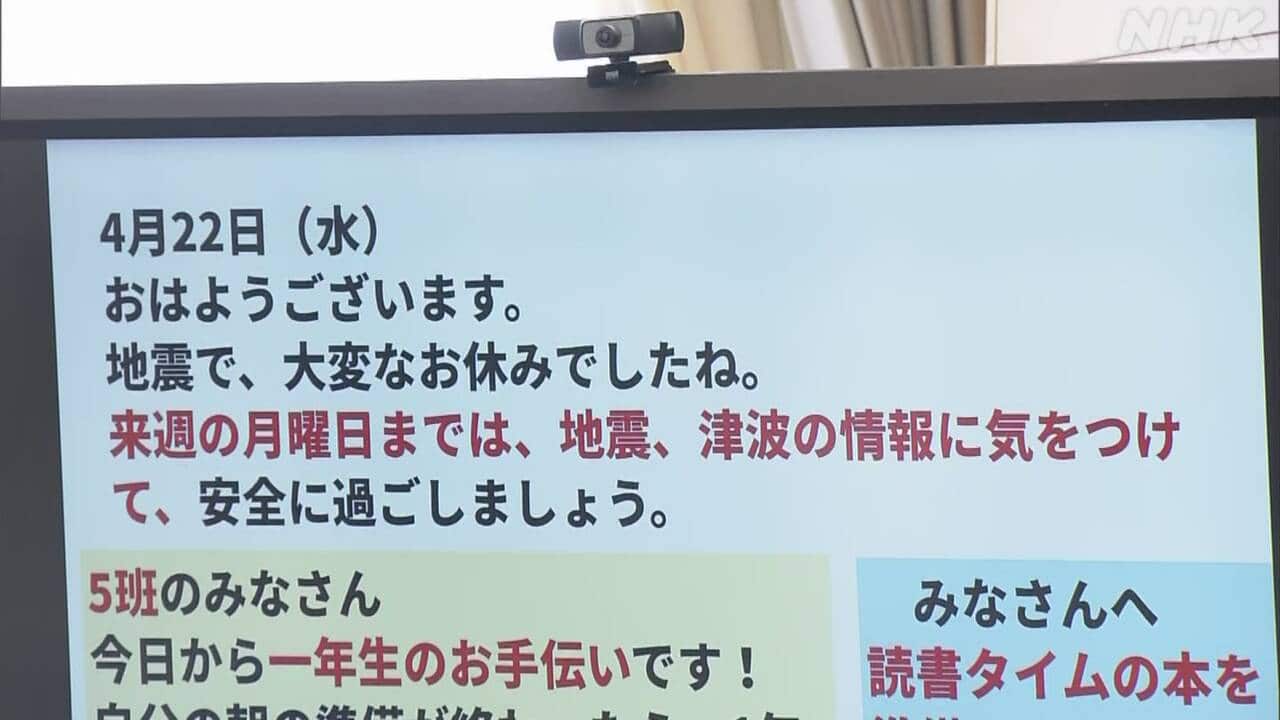
20日の地震で津波警報や注意報などが発表されたことを受け、北海道浦河町では町立の小学校4校と中学校1校が21日は臨時休校となっていましたが、22日から授業を再開しました。
このうち津波の浸水想定区域にある堺町小学校の6年生の教室では、授業の前に担任が「後発地震注意情報が発表され、大きな地震が発生する可能性がふだんより高まっている」と児童に説明しました。
そのうえで、津波のおそれがある場合にすぐに避難できるよう、ふだんは教室の外に置くことになっているジャンパーや帽子などをいすにかけたり机の中に入れたりするよう呼びかけました。
また、各教室に配置したペットボトル入りの飲料水とカイロの場所を説明し、避難する手順も確認していました。
6年生の男子児童は「大きな地震が来たらすぐ山に逃げることを意識して、家族と食べ物を備えるなど気をつけて過ごしたいです」と話していました。
担任の蘇田由紀子教諭は「授業中だけでなく休み時間などにも安全に避難できるよう、いつもより声かけをしていきたい」と話していました。
また、岩手県釜石市では、小中学校2校が臨時休校していましたが、いずれも22日から授業を再開しました。
このうち避難所となったため臨時休校していた釜石東中学校では22日朝、生徒が教職員に見守られながら登校しました。
3年生の朝のホームルームでは、担任の教員が「北海道・三陸沖後発地震注意情報」が発表されていることを受け、地震が起きた時は落ち着いて行動するよう呼びかけました。
3年生の男子生徒は「みんな無事でほっとしました。1日しか休校にならなくてよかったです。自宅には防災バッグを準備していて、今後も何かあればすぐ避難したいです」と話していました。
釜石東中学校の高橋晃一校長は「生徒も落ち着いていて、ふだんどおりの様子でした。自分の命は自分で守ることを基本に、生徒が冷静に判断できるよう指導したい」と話していました。
青森県八戸市では、20日の地震で、2つの給食センターの施設の一部が壊れる被害が確認されました。
このため21日は市立の小中学校65校すべてが臨時休校となっていましたが、給食に非常食を提供する対応で22日から授業を再開しました。
この学校では22日の給食に非常食のレトルトカレーを提供し、23日以降は、生徒たちにおかずを持ってきてもらうことにしています。
子どもを車で送り届けた母親は「こういう時なので、違った形での給食の提供に挑戦してもらえれば」と話していました。
八戸市教育委員会は「北海道・三陸沖後発地震注意情報」が発表されていることを受け、部活動などでは子どもたちの安全を最優先にするよう求める通知を市内の小中学校に出しています。
八戸市立北稜中学校の梅村光江校長は「学校の安全を確認し、授業を再開しました。生徒には安全確保を第一に登下校するよう呼びかけていきます」と話していました。
北海道・三陸沖後発地震注意情報の発表状況、巨大地震の被害想定や備えの解説・関連ニュースをまとめています。
20日夕方に発生した三陸沖を震源とするマグニチュード7.7の地震では青森県階上町で震度5強の揺れを観測したほか、北海道から東北にかけて津波警報や注意報が発表されて岩手県の久慈港で80センチの津波を観測しました。
国土地理院によりますと、今回の地震に伴って東北の地盤が震源の方向に動き、岩手県普代村の観測点では東へおよそ8センチ移動したということです。
三陸沖では20日の地震の後も地震活動が続いていて、22日午前11時までに震度1以上を観測する地震があわせて19回発生しています。
三陸沖や青森県東方沖では去年以降、マグニチュード7前後の規模の大きな地震が相次いでいて、政府の地震調査委員会の小原一成委員長は、21日の臨時の会合のあと「感覚的にはかなり活発だと思う。もともと、地震が続発する領域でもあり、いつ大きな地震が起きてもおかしくない。日頃からの地震への備えを十分に行ってほしい」と呼びかけました。
気象庁は今回の地震で千島海溝・日本海溝沿いでは、巨大地震が発生する可能性がふだんと比べ高まっているとして、「北海道・三陸沖後発地震注意情報」を発表しています。
防災対応が求められる自治体は、北海道と青森県、岩手県、宮城県、福島県、茨城県、千葉県のあわせて182市町村です。
この情報が出ても必ず巨大地震が起きる訳ではないため、事前の避難は求められていませんが、気象庁は1週間は、すぐに逃げられるように非常用持ち出し袋を準備することなどを求めています。
また、避難場所や避難経路の確認、家具の固定、食料や水、トイレなどの備蓄品の確認など、日頃の備えも改めて確認するよう求めています。
午前11時までの3時間には青森県八戸市で30.5メートル、岩手県紫波町で25.1メートルの最大瞬間風速を観測していて、東北では夕方にかけて暴風に警戒が必要です。
また、北日本では上空の寒気の影響で大気の状態が不安定になっていて落雷や竜巻などの激しい突風、ひょうに注意し、雷の音が聞こえたり冷たい風が吹いたりするなど発達した積乱雲が近づく兆しがある場合は、頑丈な建物の中に移動するなど安全を確保してください。
20日の地震で宮城県沿岸部には津波注意報が発表され、石巻市鮎川では30センチの津波を観測しました。
市によりますと、雄勝地区の小島漁港にある川の水がまちに流れ込むのを防ぐ「陸閘(りくこう)」という設備が閉まらないトラブルがあったということです。
「陸閘」は市が管理していて、津波警報や津波注意報が発表されると、自動的に閉まることになっていますが、市の担当者が地震発生後にシステムを確認したところ、動いていないことが分かったということです。
先月10日に実施した業者による点検では異常はなかったということで、現在は完全に閉めた状態にしています。
石巻市内では去年12月の青森県東方沖での地震の際も雄勝地区の別の漁港の水門で同じようなトラブルがあり、この時は、電気系統の不具合が原因だったということです。
石巻市水産課は「今回は大きな潮位の変化がなかったが、本来あってはならないことだ。原因を調べ、十分な対策を講じたい」としています。
20日の地震で津波警報や注意報などが発表されたことを受け、北海道浦河町では町立の小学校4校と中学校1校が21日は臨時休校となっていましたが、22日から授業を再開しました。
このうち津波の浸水想定区域にある堺町小学校の6年生の教室では、授業の前に担任が「後発地震注意情報が発表され、大きな地震が発生する可能性がふだんより高まっている」と児童に説明しました。
そのうえで、津波のおそれがある場合にすぐに避難できるよう、ふだんは教室の外に置くことになっているジャンパーや帽子などをいすにかけたり机の中に入れたりするよう呼びかけました。
また、各教室に配置したペットボトル入りの飲料水とカイロの場所を説明し、避難する手順も確認していました。
6年生の男子児童は「大きな地震が来たらすぐ山に逃げることを意識して、家族と食べ物を備えるなど気をつけて過ごしたいです」と話していました。
担任の蘇田由紀子教諭は「授業中だけでなく休み時間などにも安全に避難できるよう、いつもより声かけをしていきたい」と話していました。
また、岩手県釜石市では、小中学校2校が臨時休校していましたが、いずれも22日から授業を再開しました。
このうち避難所となったため臨時休校していた釜石東中学校では22日朝、生徒が教職員に見守られながら登校しました。
3年生の朝のホームルームでは、担任の教員が「北海道・三陸沖後発地震注意情報」が発表されていることを受け、地震が起きた時は落ち着いて行動するよう呼びかけました。
3年生の男子生徒は「みんな無事でほっとしました。1日しか休校にならなくてよかったです。自宅には防災バッグを準備していて、今後も何かあればすぐ避難したいです」と話していました。
釜石東中学校の高橋晃一校長は「生徒も落ち着いていて、ふだんどおりの様子でした。自分の命は自分で守ることを基本に、生徒が冷静に判断できるよう指導したい」と話していました。
青森県八戸市では、20日の地震で、2つの給食センターの施設の一部が壊れる被害が確認されました。
このため21日は市立の小中学校65校すべてが臨時休校となっていましたが、給食に非常食を提供する対応で22日から授業を再開しました。
この学校では22日の給食に非常食のレトルトカレーを提供し、23日以降は、生徒たちにおかずを持ってきてもらうことにしています。
子どもを車で送り届けた母親は「こういう時なので、違った形での給食の提供に挑戦してもらえれば」と話していました。
八戸市教育委員会は「北海道・三陸沖後発地震注意情報」が発表されていることを受け、部活動などでは子どもたちの安全を最優先にするよう求める通知を市内の小中学校に出しています。
八戸市立北稜中学校の梅村光江校長は「学校の安全を確認し、授業を再開しました。生徒には安全確保を第一に登下校するよう呼びかけていきます」と話していました。
Vocabulary
General
Proper noun
JLPT N2
JLPT N1
| # | 言葉 | 意味 |
|---|---|---|
| 10 | 発表 | はっぴょう (発表) : announcement; publication; presenting; statement; communique; making known; breaking (news story); expressing (one's opinion); releasing; unveiling |
| 9 | 三陸 | さんりく (三陸) : Sanriku (the three former provinces of Rikuzen, Rikuchū and Rikuō) |
| 9 | 北海道 | ほっかいどう (北海道) : Hokkaido (island, prefectural-level administrative unit) |
| 8 | 確認 | かくにん (確認) : confirmation; verification; validation; review; check; affirmation; identification |
| 7 | 情報 | じょうほう (情報) : 1. information; news; intelligence; advices 2. information; data contained in characters, signals, code, etc. |
| 6 | 発生 | はっせい (発生) : 1. outbreak; spring forth; occurrence; incidence 2. generation (e.g. of power or heat); genesis; origin |
| 6 | 後発 | こうはつ (後発) : starting late; late departure |
| 6 | 青森県 | あおもりけん (青森県) : Aomori prefecture (Tōhoku area) |
| 6 | 観測 | かんそく (観測) : observation; survey; measurement |
| 6 | 避難 | ひなん (避難) : taking refuge; finding shelter; evacuation; escape; seeking safe haven |
| 5 | ふだん | ふだん (不断) : 1. constant; persistent; unremitting; ceaseless 2. indecisiveness |
| 5 | 岩手県 | いわてけん (岩手県) : Iwate prefecture (Tōhoku area) |
| 5 | 求める | もとめる (求める) : 1. to want; to wish for 2. to request; to demand; to require; to ask for |
| 4 | 海溝 | かいこう (海溝) : ocean trench; deep |
| 4 | 巨大地震 | きょだいじしん (巨大地震) : massive earthquake; megaquake |
| 4 | 備え | そなえ (備え) : preparation; provision; guarding |
| 4 | 津波 | つなみ (津波) : tsunami; tidal wave |
| 4 | 呼びかける | よびかける (呼びかける) : 1. to call out to; to hail; to address 2. to appeal |
| 4 | 八戸市 | はちのへし (八戸市) : Hachinohe (city) (place) |
| 4 | 再開 | さいかい (再開) : reopening; resumption; restarting |
| 4 | 年生 | ねんせい (年生) : pupil in ... year; student in ... year |
| 4 | 給食 | きゅうしょく (給食) : provision of lunch (e.g. at office, school, etc.); providing a meal; lunch service |
| 3 | 起きる | おきる (起きる) : 1. to get up; to rise; to blaze up (fire) 2. to wake up; to be awake; to stay awake |
| 3 | 気象庁 | きしょうちょう (気象庁) : (Japanese) Meteorological Agency; JMA |
| 3 | 可能性 | かのうせい (可能性) : potentiality; likelihood; possibility; availability |
| 3 | 高まる | たかまる (高まる) : to rise; to swell; to be promoted |
| 3 | 日頃 | ひごろ (日ごろ) : normally; habitually |
| 3 | 東北 | とうほく (東北) : 1. north-east 2. Tōhoku (northernmost six prefectures of Honshu); Tohoku |
| 3 | 津波警報 | つなみけいほう (津波警報) : tsunami warning |
| 3 | 石巻市 | いしのまきし (石巻市) : Ishinomaki (city) (place) |
| 3 | 担任 | たんにん (担任) : 1. being in charge of (esp. a class or subject); taking charge of 2. class teacher; homeroom teacher; form teacher |
| 3 | 小中学校 | しょうちゅうがっこう (小中学校) : elementary and middle schools |
| 3 | 提供 | ていきょう (提供) : 1. offer; tender; providing; supplying; making available; donating (blood, organs, etc.) 2. sponsoring (a TV program) |
| 2 | 千島 | ちしま (千島) : Kurile Islands |
| 2 | 沿い | ぞい (沿い) : along |
| 2 | 千葉県 | ちばけん (千葉県) : Chiba prefecture (Kanto area) |
| 2 | 市町村 | しちょうそん (市町村) : cities, towns and villages; municipalities |
| 2 | 震源 | しんげん (震源) : hypocentre (of an earthquake); hypocenter |
| 2 | 震度 | しんど (震度) : seismic intensity |
| 2 | 注意報 | ちゅういほう (注意報) : warning (e.g. for a storm); advisory |
| 2 | 動く | うごく (動く) : 1. to move; to stir; to shift; to shake; to swing 2. to operate; to run; to go; to work |
| 2 | 移動 | いどう (移動) : 1. movement; transfer; migration; removal; travel 2. mobile; moving; traveling; travelling; roving |
| 2 | あわせる | あわせる (会わせる) : 1. to make (someone) to meet; to let (someone) meet 2. to expose to; to subject to |
| 2 | 東方 | とうほう (東方) : 1. eastern direction 2. the Orient |
| 2 | 沖 | おき (沖) : 1. open sea 2. Okinawa |
| 2 | 以降 | いこう (以降) : on and after; as from; hereafter; thereafter; since |
| 2 | 防災 | ぼうさい (防災) : disaster preparedness; prevention of damage resulting from a natural disaster; protection against disaster |
| 2 | 対応 | たいおう (対応) : 1. correspondence (to); equivalence 2. suitability; coordination; matching; being appropriate (for) |
| 2 | 宮城県 | みやぎけん (宮城県) : Miyagi prefecture (Tōhoku area) |
| 2 | 状態 | じょうたい (状態) : state; condition; situation; appearance; circumstances |
| 2 | 津波注意報 | つなみちゅういほう (津波注意報) : tsunami advisory |
| 2 | 雄勝 | おかち (雄勝) : Okachi (place) |
| 2 | 地区 | ちく (地区) : district; section; sector |
| 2 | 漁港 | ぎょこう (漁港) : fishing harbour; fishing harbor |
| 2 | 児童 | じどう (児童) : children; juvenile |
| 2 | 男子 | だんし (男子) : youth; young man |
| 2 | 釜石 | かまいし (釜石) : Kamaishi (place; surname) |
| 2 | 東中 | あずまなか (東中) : Azumanaka (surname) |
| 2 | 学校 | がっこう (学校) : school |
| 2 | 落ち着く | おちつく (落ち着く) : 1. to calm down; to compose oneself; to regain presence of mind 2. to calm down; to settle down; to die down; to become stable; to abate |
| 1 | 大地震 | おおじしん (大地震) : major earthquake; large earthquake |
| 1 | 対象 | たいしょう (対象) : target; object (of worship, study, etc.); subject (of taxation, etc.) |
| 1 | 状況 | じょうきょう (状況) : state of affairs (around you); situation; circumstances |
| 1 | 解説 | かいせつ (解説) : explanation; commentary; exposition; elucidation |
| 1 | 関連 | かんれん (関連) : relation; connection; relevance |
| 1 | まとめる | まとめる (纏める) : 1. to collect; to put (it all) together; to integrate; to consolidate; to unify 2. to summarize; to aggregate |
| 1 | 階上町 | はしかみちょう (階上町) : Hashikamichō (place) |
| 1 | 揺れ | ゆれ (揺れ) : 1. shaking; shake; jolt; jolting; vibration; tremor; flickering 2. unsettledness; instability; vacillating; wavering |
| 1 | 久慈港 | くじこう (久慈港) : Kujikou (place) |
| 1 | 国土地理院 | こくどちりいん (国土地理院) : Geospatial Information Authority of Japan (2010-); Geographical Survey Institute (1949-2010) (organization) |
| 1 | 伴う | ともなう (伴う) : 1. to accompany; to go hand in hand with; to be consequent upon 2. to be accompanied by; to bring with; to take with; to be involved in |
| 1 | 地盤 | じばん (地盤) : 1. ground; crust (earth); bed (gravel, river, etc.) 2. foundation (building, etc.); base |
| 1 | 方向 | ほうこう (方向) : 1. direction; orientation; bearing; way 2. course (e.g. of action) |
| 1 | 普代村 | ふだいむら (普代村) : Fudaimura (place) |
| 1 | 活動 | かつどう (活動) : 1. activity (of a person, organization, animal, volcano, etc.); action 2. movie (esp. during the silent movie period) |
| 1 | 前後 | ぜんご (前後) : 1. front and rear; front and back; before and behind; back and forth 2. before and after |
| 1 | 規模 | きぼ (規模) : scale; scope; plan; structure |
| 1 | 相 | さが (性) : 1. one's nature; one's destiny 2. custom; tradition; habit; convention |
| 1 | 次ぐ | つぐ (次ぐ) : to rank next to; to come after |
| 1 | 政府 | せいふ (政府) : government; administration |
| 1 | 地震 | じしん (地震) : earthquake |
| 1 | 調査 | ちょうさ (調査) : investigation; examination; inquiry; enquiry; survey |
| 1 | 委員会 | いいんかい (委員会) : committee; commission; board; panel; committee meeting |
| 1 | 小原 | おはら (小原) : Ohara (place; surname) |
| 1 | 一成 | いちなり (一成) : Ichinari (given) |
| 1 | 委員長 | いいんちょう (委員長) : (committee) chairman; president |
| 1 | 臨時 | りんじ (臨時) : 1. temporary; provisional; interim 2. special; extraordinary; extra |
| 1 | 会合 | かいごう (会合) : 1. meeting; assembly; gathering 2. association |
| 1 | 感覚 | かんかく (感覚) : sense; sensation; feeling; intuition |
| 1 | かなり | かなり (可也) : considerably; fairly; quite |
| 1 | 活発 | かっぱつ (活発) : lively; active; vigorous; animated; brisk |
| 1 | もともと | もともと (元々) : originally; by nature; from the start |
| 1 | 続発 | ぞくはつ (続発) : successive occurrence; frequent occurrence; succession (of); series |
| 1 | 領域 | りょういき (領域) : area; domain; territory; field; range; region; regime |
| 1 | 比べる | くらべる (比べる) : 1. to compare; to make a comparison 2. to compete; to vie |
| 1 | 自治体 | じちたい (自治体) : municipality; local government; self-governing body; autonomous body |
| 1 | 福島県 | ふくしまけん (福島県) : Fukushima prefecture (Tōhoku area) |
| 1 | 茨城県 | いばらきけん (茨城県) : Ibaraki prefecture |
| 1 | 事前 | じぜん (事前) : prior; beforehand; in advance; before the fact; ex ante |
| 1 | 逃げる | にげる (逃げる) : to escape; to run away |
| 1 | 非常 | ひじょう (非常) : 1. emergency 2. extraordinary; unusual |
| 1 | 持ち出し | もちだし (持ち出し) : 1. taking something out; carrying out 2. providing money oneself; paying with one's own money |
| 1 | 袋 | ふくろ (袋) : 1. bag; sack; pouch 2. skin of an orange (and other like fruits) |
| 1 | 避難場所 | ひなんばしょ (避難場所) : evacuation site; exposure; refuge shelter; shelter |
| 1 | 避難経路 | ひなんけいろ (避難経路) : escape route; evacuation route |
| 1 | 家具 | かぐ (家具) : furniture |
| 1 | 固定 | こてい (固定) : 1. fixing (in place); being fixed (in place); securing; anchoring; fastening down 2. fixing (e.g. salary, capital); keeping the same |
| 1 | 食料 | しょくりょう (食料) : food |
| 1 | 備蓄 | びちく (備蓄) : stockpile; reserves; storing; stocking up; laying in (supplies) |
| 1 | 改めて | あらためて (改めて) : 1. another time; again; over again; once again; anew 2. formally; especially; intentionally; deliberately |
| 1 | 紫波町 | しわちょう (紫波町) : Shiwachō (place) |
| 1 | 暴風 | ぼうふう (暴風) : storm; windstorm; gale |
| 1 | 警戒 | けいかい (警戒) : vigilance; caution; alertness; precaution; being on guard |
| 1 | 北日本 | きたにほん (北日本) : northern Japan (usu. referring to Tōhoku and Hokkaido) |
| 1 | 上空 | じょうくう (上空) : sky; the skies; high-altitude sky; upper air |
| 1 | 寒気 | さむけ (寒気) : 1. chill; the shivers; shivering fit 2. cold; coldness; cold air |
| 1 | 影響 | えいきょう (影響) : 1. influence; effect 2. to influence; to affect; to have an influence on; to impact; to have an effect on |
| 1 | 大気 | たいき (大気) : 1. atmosphere; air 2. magnanimity; generosity |
| 1 | 不安定 | ふあんてい (不安定) : instability; insecurity; crankiness |
| 1 | 落雷 | らくらい (落雷) : 1. lightning strike; thunderbolt; bolt of lightning 2. to strike (lightning); to be struck by lightning |
| 1 | 竜巻 | たつまき (竜巻) : tornado; waterspout |
| 1 | 激しい | はげしい (激しい) : 1. violent; furious; tempestuous 2. extreme; intense; fierce; strong |
| 1 | 突風 | とっぷう (突風) : gust (of wind); blast |
| 1 | ひょう | ひょう (票) : 1. vote; ballot 2. label; ticket; tag; stub |
| 1 | 雷 | かみなり (雷) : 1. lightning; thunder; thunderbolt 2. god of thunder; god of lightning |
| 1 | 聞こえる | きこえる (聞こえる) : 1. to be heard; to be audible 2. to be said to be; to be reputed |
| 1 | 吹く | ふく (吹く) : 1. to blow (of the wind) 2. to blow (one's breath); to breathe out; to blow on (hot tea, candles, etc.); to puff |
| 1 | 発達 | はったつ (発達) : development; growth |
| 1 | 積乱雲 | せきらんうん (積乱雲) : cumulonimbus cloud |
| 1 | 近づく | ちかづく (近づく) : 1. to approach; to draw near; to get close 2. to get acquainted with; to get closer to; to get to know |
| 1 | 兆し | きざし (兆し) : signs; omen; symptoms |
| 1 | 頑丈 | がんじょう (頑丈) : solid; firm; stout; burly; strong; sturdy |
| 1 | 確保 | かくほ (確保) : 1. securing; obtaining; ensuring; guarantee; maintaining 2. belay; belaying |
| 1 | 鮎川 | あいかわ (鮎川) : Aikawa (place) |
| 1 | 小島 | こじま (小島) : small island; islet |
| 1 | 流れ込む | ながれこむ (流れ込む) : to flow into; to pour into; to stream into |
| 1 | 防ぐ | ふせぐ (防ぐ) : 1. to defend against; to protect against 2. to prevent; to avert; to avoid |
| 1 | 設備 | せつび (設備) : equipment; facilities; installation; accommodations; conveniences; arrangements |
| 1 | 閉まる | しまる (閉まる) : 1. to be shut; to close; to be closed 2. to be firm (of a body, face, etc.); to be well-knit |
| 1 | 陸閘 | りっこう (陸閘) : land lock; floodwall gate |
| 1 | 管理 | かんり (管理) : control; management (e.g. of a business) |
| 1 | 自動的 | じどうてき (自動的) : automatic |
| 1 | 担当者 | たんとうしゃ (担当者) : person in charge (of an area of work); person responsible; contact (person) |
| 1 | 分かる | わかる (分かる) : 1. to understand; to comprehend; to grasp; to see; to get; to follow 2. to become clear; to be known; to be discovered; to be realized; to be realised; to be found out |
| 1 | 実施 | じっし (実施) : enforcement; implementation; putting into practice; carrying out; operation; working (e.g. working parameters); enactment |
| 1 | 業者 | ぎょうしゃ (業者) : 1. trader; dealer; businessman; vendor; supplier; manufacturer 2. fellow trader; people in the same trade |
| 1 | 点検 | てんけん (点検) : inspection; examination; checking |
| 1 | 異常 | いじょう (異常) : strangeness; abnormality; disorder |
| 1 | 現在 | げんざい (現在) : now; current; present; present time; as of |
| 1 | 完全 | かんぜん (完全) : perfect; complete |
| 1 | 閉める | しめる (閉める) : to close; to shut |
| 1 | 際 | きわ (際) : 1. edge; brink; verge; side 2. time; moment of |
| 1 | 水門 | すいもん (水門) : sluice gate; water gate; flood gate |
| 1 | 系統 | けいとう (系統) : 1. system 2. lineage; ancestry; family line |
| 1 | 不具合 | ふぐあい (不具合) : 1. flaw; defect; problem; bug; malfunction; failure; discrepancy 2. inconvenient |
| 1 | 水産 | すいさん (水産) : aquatic products; fisheries |
| 1 | 課 | か (課) : 1. lesson 2. section (in an organization); division; department |
| 1 | 潮位 | ちょうい (潮位) : tide level |
| 1 | 変化 | へんか (変化) : 1. change; variation; alteration; mutation; transition; transformation; transfiguration; metamorphosis 2. variety; diversity |
| 1 | 本来 | ほんらい (本来) : 1. originally; primarily 2. essentially; intrinsically; naturally; by nature; in (and of) itself |
| 1 | 調べる | しらべる (調べる) : to examine; to look up; to investigate; to check up; to sense; to study; to inquire; to search |
| 1 | 対策 | たいさく (対策) : measure; step; countermeasure; counterplan; countermove; strategy; preparation (e.g. for a test) |
| 1 | 講ずる | こうずる (講ずる) : 1. to take measures; to work out a plan 2. to lecture; to read aloud |
| 1 | 浦河町 | うらかわちょう (浦河町) : Urakawachō (place) |
| 1 | 浸水 | しんすい (浸水) : inundation; submersion; flood |
| 1 | 想定 | そうてい (想定) : hypothesis; supposition; assumption |
| 1 | 区域 | くいき (区域) : 1. limits; boundary; domain; zone; sphere; territory 2. area (e.g. in programming languages) |
| 1 | 堺町 | さかいちょう (堺町) : Sakaichō (place) |
| 1 | おそれ | おそれ (恐れ) : fear; horror; anxiety; concern; uneasiness; reverence |
| 1 | 入れる | いれる (入れる) : 1. to put in; to let in; to take in; to bring in; to insert; to install (e.g. software); to set (a jewel, etc.); to ink in (e.g. tattoo) 2. to admit; to accept; to employ; to hire |
| 1 | 各 | かく (各) : each; every; all |
| 1 | 配置 | はいち (配置) : arrangement (of resources); deployment; stationing; posting; disposition; configuration; layout |
| 1 | 入り | いり (入り) : 1. entering 2. setting (of the Sun) |
| 1 | 飲料水 | いんりょうすい (飲料水) : drinking water |
| 1 | 手順 | てじゅん (手順) : process; procedure; sequence; protocol; instruction |
| 1 | 意識 | いしき (意識) : 1. consciousness 2. becoming aware (of); awareness; sense |
| 1 | 備える | そなえる (備える) : 1. to furnish with; to equip with; to provide; to install 2. to prepare for; to make preparations for; to make provision for |
| 1 | 過ごす | すごす (過ごす) : 1. to pass (time); to spend 2. to overdo (esp. of one's alcohol consumption); to drink (alcohol) |
| 1 | 蘇田 | そだ (蘇田) : Soda (surname) |
| 1 | 由紀子 | きこ (由紀子) : Kiko (fem) |
| 1 | 教諭 | きょうゆ (教諭) : (licensed) teacher |
| 1 | 声かけ | こえかけ (声かけ) : saying something (to someone); greeting; approaching (someone) |
| 1 | 釜石市 | かまいしし (釜石市) : Kamai (city) (place) |
| 1 | いずれ | いずれ (何れ) : 1. where; which; who 2. anyway; anyhow; at any rate |
| 1 | 教職員 | きょうしょくいん (教職員) : teaching staff; faculty |
| 1 | 見守る | みまもる (見守る) : to watch over; to watch attentively |
| 1 | 登校 | とうこう (登校) : attendance (at school); going to school |
| 1 | 教員 | きょういん (教員) : teacher; instructor; teaching staff; faculty member |
| 1 | 行動 | こうどう (行動) : action; conduct; behaviour; behavior; mobilization; mobilisation |
| 1 | 無事 | ぶじ (無事) : 1. safety; security; peace; quiet 2. safely; without incident; successfully |
| 1 | ほっと | ほっと : 1. with a feeling of relief; with a sigh of relief 2. deeply (sigh) |
| 1 | 休校 | きゅうこう (休校) : (temporary) closure of school |
| 1 | 自宅 | じたく (自宅) : one's home; one's house |
| 1 | 今後 | こんご (今後) : from now on; hereafter |
| 1 | 高橋 | かかはし (高橋) : Kakahashi (surname) |
| 1 | 晃一 | あきいち (晃一) : Akiichi (unclass) |
| 1 | どおり | どおり (通り) : 1. in accordance with; following 2. roughly; about |
| 1 | 様子 | ようす (様子) : 1. state; state of affairs; situation; circumstances 2. appearance; look; aspect |
| 1 | 命 | いのち (命) : 1. life; life force 2. lifetime; lifespan |
| 1 | 守る | まもる (守る) : 1. to protect; to guard; to defend 2. to keep (i.e. a promise); to abide (by the rules); to observe; to obey; to follow |
| 1 | 基本 | きほん (基本) : basics; fundamentals; basis; foundation |
| 1 | 冷静 | れいせい (冷静) : calmness; composure; coolness; serenity; presence of mind |
| 1 | 判断 | はんだん (判断) : 1. judgment; judgement; decision; conclusion; adjudication 2. divination |
| 1 | 指導 | しどう (指導) : 1. guidance; leadership; instruction; direction; coaching 2. shido (disciplinary action for a minor infringement of the rules of judo) |
| 1 | 施設 | しせつ (施設) : 1. institution; establishment; facility 2. home (for elderly, orphans, etc.) |
| 1 | 一部 | いちぶ (一部) : 1. one part; one portion; one section; some 2. one copy (e.g. of a document) |
| 1 | 被害 | ひがい (被害) : (suffering) damage; injury; harm |
| 1 | 非 | ひ (非) : 1. fault; error; mistake 2. going poorly; being disadvantageous; being unfavorable |
| 1 | 常食 | じょうしょく (常食) : daily food; regular diet; staple food |
| 1 | 非常食 | ひじょうしょく (非常食) : emergency rations |
| 1 | おかず | おかず (お菜) : 1. small dish (usu. one of several accompanying rice); side dish 2. fill; fill-in (drumming) |
| 1 | 持つ | もつ (持つ) : 1. to hold (in one's hand); to take; to carry 2. to possess; to have; to own |
| 1 | 子ども | こども (子供) : child |
| 1 | 送り届ける | おくりとどける (送り届ける) : to send to; to deliver; to escort (a person) home |
| 1 | 母親 | ははおや (母親) : mother |
| 1 | 違う | ちがう (違う) : 1. to differ (from); to vary 2. to not be in the usual condition |
| 1 | 挑戦 | ちょうせん (挑戦) : challenge; defiance; dare; attempt; try |
| 1 | 教育委員会 | きょういくいいんかい (教育委員会) : Board of Education |
| 1 | 部活動 | ぶかつどう (部活動) : club activities; extracurricular activities |
| 1 | 子どもたち | こどもたち (子供たち) : children |
| 1 | 最優先 | さいゆうせん (最優先) : maximum preference; maximum priority; priority handling |
| 1 | 通知 | つうち (通知) : notice; notification; report; posting |
| 1 | 梅村 | うめむら (梅村) : Umemura (surname) |
| 1 | 光江 | みつえ (光江) : Mitsue (fem; surname) |
| 1 | 安全確保 | あんぜんかくほ (安全確保) : maintenance of safety; safety guarantee; ensuring safety |
| 1 | 第 | だい (第) : prefix for forming ordinal numbers |
| 1 | 登下校 | とうげこう (登下校) : going to and from school |