小泉進次郎氏、硫黄島での「忘れられない出来事」で外務省職員を絶賛→「本当の平和活動」「願いを叶えてあげられたのはよかった」
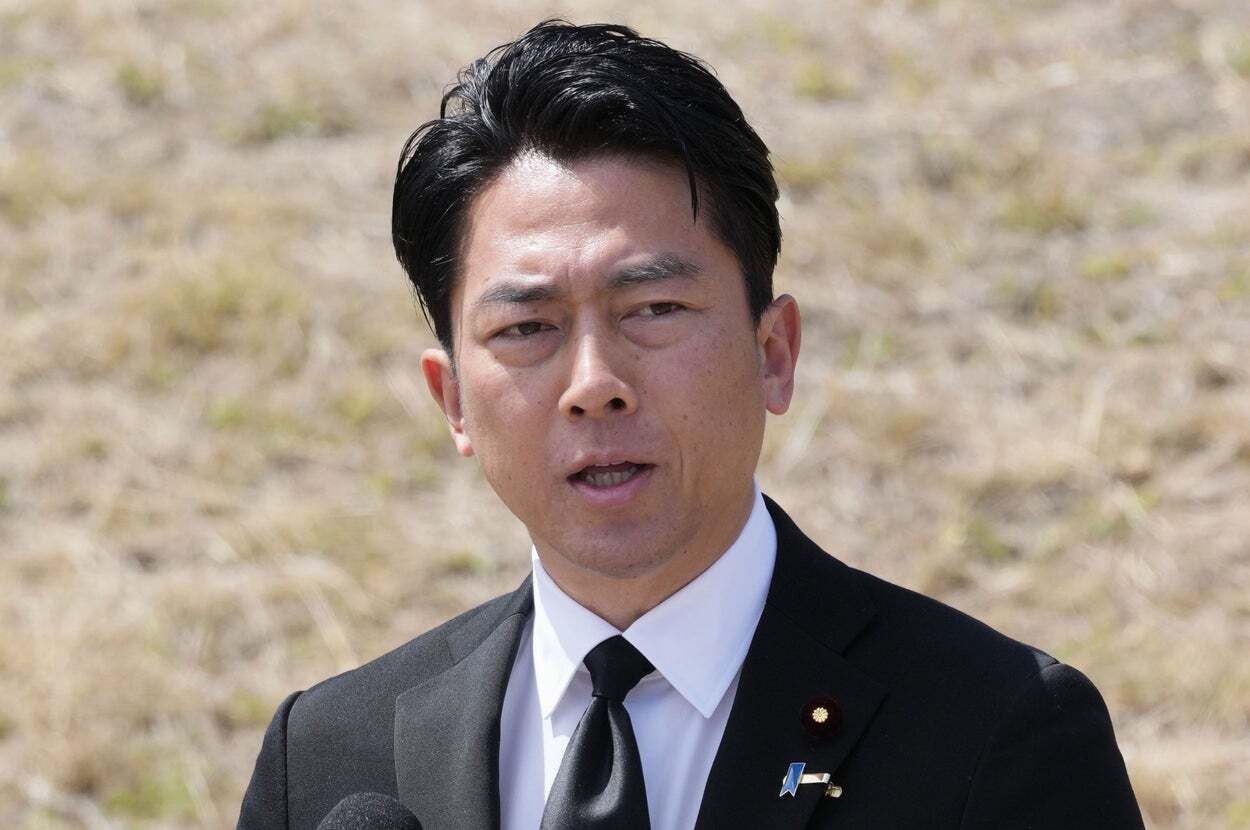
小泉進次郎防衛大臣は3月28日、硫黄島戦の戦没者を慰霊する目的で行われた「日米硫黄島戦没者合同慰霊追悼顕彰式」と「硫黄島戦没者慰霊追悼顕彰式」に参列しました。
同式典のあと、参加者からの“難しいお願い”に対応した外務省職員の行動を称賛し、感謝の言葉を述べた投稿が話題になっています。
小泉進次郎防衛大臣は3月28日、硫黄島戦の戦没者を慰霊する目的で行われた「日米硫黄島戦没者合同慰霊追悼顕彰式」と「硫黄島戦没者慰霊追悼顕彰式」に参列しました。 同式典のあと、参加者からの“難しいお願い”に対応した外務省職員の行動を称賛し、感謝の言葉を述べた投稿が話題になっています。
硫黄島(東京都小笠原村)は、都心から1200km離れた離島。太平洋戦争末期の1945年、日本軍の守備隊と米軍の激戦地となりました。この戦闘は「硫黄島の戦い」と呼ばれています。 同島で犠牲となった戦没者を慰霊し、日米の友好と恒久和平を祈念することを目的とした「日米硫黄島戦没者合同慰霊追悼顕彰式」が行われました。 小泉防衛大臣は、同式典の終了後に起きた「硫黄島での忘れられない出来事」として、Xに2枚の写真を投稿。現場で柔軟に対応した外務省職員に対する感謝の言葉とともに、平和への想いを語っています。
投稿によると、事の始まりは式典終了後。81年前の硫黄島での戦いに従軍し、現在は90歳以上になった元米軍人の方に挨拶をしたときのことだそうです。 その際に、元軍人の同伴者の一人から「彼(元軍人)が摺鉢山(すりばちやま)に登りたいと言ってる。彼の年齢を考えると今回が最後の機会かもしれない。日本側の関係者からは難しいと断られてしまったが、何とかならないか?」と懇願された小泉防衛大臣。摺鉢山の山頂は、米兵が星条旗を掲げる写真がアメリカでは対日戦勝のシンボルになったことでも知られる場所です。元軍人はどうしても登りたかったものとみられます。
それは、硫黄島の足元の悪さやスケジュールの問題など、さまざまな理由で難しい依頼だったそうです。しかし、小泉防衛大臣は「車椅子でお話した様子を見ても、今回が本当に最後かもしれない」と考え、運営側である外務省の担当者に急遽相談したとのこと。 投稿された1枚目の写真には、まさに追悼顕彰式の会場で元軍人の方たちと交渉していると思われる、小泉防衛大臣の姿が写っています。
2枚目の写真には摺鉢山の山頂にある慰霊碑前で、米国の退役軍人らと撮影している小泉防衛大臣の姿が。ギリギリの調整をした結果、 最終的に元軍人の人たちは無事に摺鉢山に登れたそうです。 この時の様子について、小泉防衛大臣は「元米軍人の同伴者からは、涙を流して『本当にありがとう。願いを叶えてくれてありがとう。アメリカに来たら連絡してくれ。何でもするから』と喜んでもらえました」とつづっています。
さらに、小泉防衛大臣は「元軍人の方々に、人生最後になるかもしれない思い出を作ることが出来、日米の新たな歴史の1ページを刻むことに繋がったのは、現場で柔軟に対応してくれた外務省の担当者のお陰です」と現場で対応にあたった職員を絶賛。 外務省の職員だけではなく、「昨日も一緒に柔軟に対応してくれた自衛隊のバスの運転手」など多くの関係者への感謝を述べると、最後に「改めて、日米同盟で堅く結ばれた両国が、インド太平洋地域の平和と繁栄を実現するために、協力し、努力を重ねていくことを防衛大臣として、一政治家として胸に刻みつけた時間でした」とつづり、投稿を締めくくりました。
SNSでは小泉防衛大臣の投稿に、以下のような反応が寄せられています。 「願いを叶えてあげられたのはよかった」 「これはいい仕事。どれだけ称賛しても足りないくらいにいい仕事」 「大臣らしからぬ柔軟な対応」 「みんなこういう姿勢を見せるのは、簡単にやれると思いがちだけど、結構難しいことなのよね」
小泉進次郎防衛大臣は3月28日、硫黄島戦の戦没者を慰霊する目的で行われた「日米硫黄島戦没者合同慰霊追悼顕彰式」と「硫黄島戦没者慰霊追悼顕彰式」に参列しました。 同式典のあと、参加者からの“難しいお願い”に対応した外務省職員の行動を称賛し、感謝の言葉を述べた投稿が話題になっています。
硫黄島(東京都小笠原村)は、都心から1200km離れた離島。太平洋戦争末期の1945年、日本軍の守備隊と米軍の激戦地となりました。この戦闘は「硫黄島の戦い」と呼ばれています。 同島で犠牲となった戦没者を慰霊し、日米の友好と恒久和平を祈念することを目的とした「日米硫黄島戦没者合同慰霊追悼顕彰式」が行われました。 小泉防衛大臣は、同式典の終了後に起きた「硫黄島での忘れられない出来事」として、Xに2枚の写真を投稿。現場で柔軟に対応した外務省職員に対する感謝の言葉とともに、平和への想いを語っています。
投稿によると、事の始まりは式典終了後。81年前の硫黄島での戦いに従軍し、現在は90歳以上になった元米軍人の方に挨拶をしたときのことだそうです。 その際に、元軍人の同伴者の一人から「彼(元軍人)が摺鉢山(すりばちやま)に登りたいと言ってる。彼の年齢を考えると今回が最後の機会かもしれない。日本側の関係者からは難しいと断られてしまったが、何とかならないか?」と懇願された小泉防衛大臣。摺鉢山の山頂は、米兵が星条旗を掲げる写真がアメリカでは対日戦勝のシンボルになったことでも知られる場所です。元軍人はどうしても登りたかったものとみられます。
それは、硫黄島の足元の悪さやスケジュールの問題など、さまざまな理由で難しい依頼だったそうです。しかし、小泉防衛大臣は「車椅子でお話した様子を見ても、今回が本当に最後かもしれない」と考え、運営側である外務省の担当者に急遽相談したとのこと。 投稿された1枚目の写真には、まさに追悼顕彰式の会場で元軍人の方たちと交渉していると思われる、小泉防衛大臣の姿が写っています。
2枚目の写真には摺鉢山の山頂にある慰霊碑前で、米国の退役軍人らと撮影している小泉防衛大臣の姿が。ギリギリの調整をした結果、 最終的に元軍人の人たちは無事に摺鉢山に登れたそうです。 この時の様子について、小泉防衛大臣は「元米軍人の同伴者からは、涙を流して『本当にありがとう。願いを叶えてくれてありがとう。アメリカに来たら連絡してくれ。何でもするから』と喜んでもらえました」とつづっています。
さらに、小泉防衛大臣は「元軍人の方々に、人生最後になるかもしれない思い出を作ることが出来、日米の新たな歴史の1ページを刻むことに繋がったのは、現場で柔軟に対応してくれた外務省の担当者のお陰です」と現場で対応にあたった職員を絶賛。 外務省の職員だけではなく、「昨日も一緒に柔軟に対応してくれた自衛隊のバスの運転手」など多くの関係者への感謝を述べると、最後に「改めて、日米同盟で堅く結ばれた両国が、インド太平洋地域の平和と繁栄を実現するために、協力し、努力を重ねていくことを防衛大臣として、一政治家として胸に刻みつけた時間でした」とつづり、投稿を締めくくりました。
SNSでは小泉防衛大臣の投稿に、以下のような反応が寄せられています。 「願いを叶えてあげられたのはよかった」 「これはいい仕事。どれだけ称賛しても足りないくらいにいい仕事」 「大臣らしからぬ柔軟な対応」 「みんなこういう姿勢を見せるのは、簡単にやれると思いがちだけど、結構難しいことなのよね」
Vocabulary
General
Proper noun
JLPT N2
JLPT N1
| # | 言葉 | 意味 |
|---|---|---|
| 11 | 防衛大臣 | ぼうえいだいじん (防衛大臣) : Minister of Defense; Minister of Defence |
| 8 | 硫黄島 | いおうがしま (硫黄島) : Ioutou; Ioujima; Iougashima (Iwo Jima) (Kagoshima Prefecture) (place) |
| 8 | 戦没者 | せんぼつしゃ (戦没者) : persons who have fallen in battle |
| 8 | 慰霊 | いれい (慰霊) : consoling the spirits of the dead |
| 8 | 小泉 | おいずみ (小泉) : Oizumi (unclass) |
| 7 | 対応 | たいおう (対応) : 1. correspondence (to); equivalence 2. suitability; coordination; matching; being appropriate (for) |
| 7 | 投稿 | とうこう (投稿) : contribution (to a newspaper, magazine, etc.); submission; post (on a blog, social media, etc.) |
| 6 | 日米 | にちべい (日米) : Japan and the United States; Japanese-American |
| 6 | 追悼 | ついとう (追悼) : mourning (dead persons); memorial |
| 6 | 顕彰 | けんしょう (顕彰) : honouring (publicly); honoring; making someone's good deeds or achievements well-known |
| 6 | 式 | しき (式) : 1. equation; formula; expression 2. ceremony |
| 4 | 式典 | しきてん (式典) : ceremony; rites |
| 4 | 感謝 | かんしゃ (感謝) : thanks; gratitude |
| 4 | 柔軟 | じゅうなん (柔軟) : flexible; lithe; soft; pliable |
| 4 | 摺鉢山 | すりばちやま (摺鉢山) : Suribachiyama (unclass) |
| 3 | 目的 | もくてき (目的) : purpose; goal; aim; objective; intention |
| 3 | 硫黄 | いおう (硫黄) : sulfur (S); sulphur |
| 3 | 合同 | ごうどう (合同) : 1. combination; union; incorporation; amalgamation; fusion 2. congruence |
| 3 | 称賛 | しょうさん (賞賛) : praise; admiration; commendation; approbation |
| 3 | 述べる | のべる (述べる) : to state; to express; to mention |
| 3 | 現場 | げんば (現場) : 1. actual spot; scene; scene of the crime; site; location; setting 2. shop floor; factory floor; (on) site |
| 3 | しれる | しれる (知れる) : 1. to become known; to come to light; to be discovered 2. to be known; to be understood |
| 3 | 外務省 | がいむしょう (外務省) : Ministry of Foreign Affairs |
| 2 | 小泉進次郎 | こいずみしんじろう (小泉進次郎) : Koizumi Shinjirou (person) |
| 2 | 戦 | いくさ (戦) : 1. war; battle; campaign; fight 2. troops; forces |
| 2 | 参列 | さんれつ (参列) : attendance; participation; presence |
| 2 | 参加者 | さんかしゃ (参加者) : participant; entrant |
| 2 | お願い | おねがい (お願い) : 1. request; favour (to ask); wish 2. please |
| 2 | 行動 | こうどう (行動) : action; conduct; behaviour; behavior; mobilization; mobilisation |
| 2 | 話題 | わだい (話題) : topic; subject |
| 2 | 終了 | しゅうりょう (終了) : end; close; termination |
| 2 | 平和 | へいわ (平和) : peace; harmony |
| 2 | 軍人 | ぐんじん (軍人) : military personnel; soldier |
| 2 | 同伴者 | どうはんしゃ (同伴者) : companion |
| 2 | 登る | のぼる (上る) : 1. to ascend; to go up; to climb 2. to ascend (as a natural process, e.g. the Sun); to rise |
| 2 | 関係者 | かんけいしゃ (関係者) : person concerned; people involved (in an event); those concerned; staff |
| 2 | 山頂 | さんちょう (山頂) : summit (of a mountain) |
| 2 | 様子 | ようす (様子) : 1. state; state of affairs; situation; circumstances 2. appearance; look; aspect |
| 2 | 本当 | ほんとう (本当) : 1. truth; reality; actuality; fact 2. proper; right; correct; official |
| 2 | 担当者 | たんとうしゃ (担当者) : person in charge (of an area of work); person responsible; contact (person) |
| 2 | 姿 | すがた (姿) : 1. figure; form; shape 2. appearance; dress; guise |
| 2 | ありがとう | ありがとう (有り難う) : thank you; thanks |
| 2 | 願い | ねがい (願い) : 1. desire; wish; hope 2. request; entreaty; plea; appeal |
| 2 | 叶える | かなえる (叶える) : 1. to grant (request, wish); to answer (prayer) 2. to fulfill (conditions); to meet (requirements) |
| 2 | つづる | つづる (綴る) : 1. to spell 2. to write; to compose; to frame |
| 2 | 職員 | しょくいん (職員) : staff member; personnel |
| 1 | 東京都 | とうきょうと (東京都) : Tokyo Metropolis (prefecture); Tokyo metropolitan area |
| 1 | 小笠原村 | おがさわらむら (小笠原村) : Ogasawaramura (place) |
| 1 | 都心 | としん (都心) : city centre (center) (esp. capital city); urban centre; heart of city a metropolis |
| 1 | 離れる | はなれる (離れる) : 1. to be separated; to be apart; to be distant 2. to leave; to go away |
| 1 | 離島 | りとう (離島) : 1. isolated island; outlying island 2. leaving an island |
| 1 | 太平洋戦争 | たいへいようせんそう (太平洋戦争) : Pacific War (1941-1945) |
| 1 | 末期 | まつご (末期) : deathbed; hour of death |
| 1 | 日本軍 | にほんぐん (日本軍) : military of the Empire of Japan |
| 1 | 守備隊 | しゅびたい (守備隊) : garrison |
| 1 | 米軍 | べいぐん (米軍) : US armed forces |
| 1 | 激戦地 | げきせんち (激戦地) : site of a bloody battle |
| 1 | 戦闘 | せんとう (戦闘) : battle; fight; combat |
| 1 | 硫黄島の戦い | いおうとうのたたかい (硫黄島の戦い) : Battle of Iwo Jima (1945) |
| 1 | 呼ぶ | よぶ (呼ぶ) : 1. to call out (to); to call; to invoke 2. to summon (a doctor, etc.) |
| 1 | 犠牲 | ぎせい (犠牲) : 1. sacrifice; victim; scapegoat 2. sacrifice (to the gods) |
| 1 | 友好 | ゆうこう (友好) : friendship |
| 1 | 恒久 | こうきゅう (恒久) : permanence; perpetuity |
| 1 | 和平 | わへい (和平) : peace |
| 1 | 祈念 | きねん (祈念) : prayer |
| 1 | 起きる | おきる (起きる) : 1. to get up; to rise; to blaze up (fire) 2. to wake up; to be awake; to stay awake |
| 1 | 出来事 | できごと (出来事) : incident; affair; happening; event |
| 1 | 想い | おもい (思い) : 1. thought 2. imagination; mind; heart |
| 1 | 語る | かたる (語る) : 1. to talk about; to speak of; to tell; to narrate 2. to recite; to chant |
| 1 | 始まり | はじまり (始まり) : origin; beginning |
| 1 | 戦い | たたかい (戦い) : battle; fight; struggle; conflict |
| 1 | 従軍 | じゅうぐん (従軍) : military service; serving in a war; taking part in a campaign |
| 1 | 現在 | げんざい (現在) : now; current; present; present time; as of |
| 1 | 挨拶 | あいさつ (挨拶) : 1. greeting; greetings; salutation; salute; condolences; congratulations 2. speech (congratulatory or appreciative); address |
| 1 | 際 | きわ (際) : 1. edge; brink; verge; side 2. time; moment of |
| 1 | すりばち | すりばち (すり鉢) : (earthenware) mortar (for grinding) |
| 1 | 年齢 | ねんれい (年齢) : age; years |
| 1 | 断る | ことわる (断る) : 1. to refuse; to reject; to dismiss; to turn down; to decline 2. to inform; to give notice; to tell in advance |
| 1 | 懇願 | こんがん (懇願) : entreaty; supplication; petition |
| 1 | 米兵 | べいへい (米兵) : American soldier; US serviceman; US servicewoman |
| 1 | 星条旗 | せいじょうき (星条旗) : 1. Stars and Stripes (US flag) 2. Star-Spangled Banner (US anthem) |
| 1 | 掲げる | かかげる (掲げる) : 1. to put up (a notice, sign, etc.); to hang out (e.g. a banner); to fly (e.g. a flag); to hoist; to raise; to display 2. to hold up high; to raise overhead |
| 1 | 対日 | たいにち (対日) : toward Japan; with Japan |
| 1 | 戦勝 | せんしょう (戦勝) : winning a war; victory |
| 1 | 知る | しる (知る) : 1. to be aware of; to know; to be conscious of; to cognize; to cognise 2. to notice; to feel |
| 1 | 足元 | あしもと (足元) : 1. at one's feet; underfoot; one's step (as in "watch your step") 2. gait; pace; step |
| 1 | 依頼 | いらい (依頼) : 1. request; commission; entrusting (with a matter) 2. dependence; reliance |
| 1 | 車椅子 | くるまいす (車椅子) : wheelchair; folding push-chair |
| 1 | 考える | かんがえる (考える) : 1. to think (about, of); to think over; to ponder; to contemplate; to reflect (on); to meditate (on) 2. to consider; to bear in mind; to allow for; to take into consideration |
| 1 | 急遽 | きゅうきょ (急遽) : 1. hurriedly; in a hurry; in haste 2. sudden |
| 1 | まさに | まさに (正に) : 1. exactly; surely; certainly; just 2. right then; just then; at that moment |
| 1 | 交渉 | こうしょう (交渉) : 1. negotiations; discussions 2. connection |
| 1 | 写る | うつる (写る) : to be photographed; to be projected |
| 1 | 慰霊碑 | いれいひ (慰霊碑) : cenotaph; memorial monument |
| 1 | 米国 | べいこく (米国) : (United States of) America; USA; US |
| 1 | 退役軍人 | たいえきぐんじん (退役軍人) : ex-serviceman; veteran |
| 1 | 撮影 | さつえい (撮影) : photography (still or motion); photographing; filming; shooting; (video) recording |
| 1 | 調整 | ちょうせい (調整) : adjustment; regulation; coordination; reconciliation; tuning; fixing; tailoring |
| 1 | 結果 | けっか (結果) : 1. result; consequence; outcome; effect 2. coming to fruition; bearing fruit |
| 1 | 最終的 | さいしゅうてき (最終的) : final; eventual; ultimate |
| 1 | 無事 | ぶじ (無事) : 1. safety; security; peace; quiet 2. safely; without incident; successfully |
| 1 | 涙 | なみだ (涙) : 1. tear; tears; lachrymal secretion 2. sympathy |
| 1 | 流す | ながす (流す) : 1. to drain; to pour; to spill; to shed (blood, tears) 2. to wash away |
| 1 | 喜ぶ | よろこぶ (喜ぶ) : 1. to be delighted; to be glad; to be pleased 2. to congratulate |
| 1 | 方々 | かたがた (方々) : 1. people; (all) persons; everyone; ladies and gentlemen 2. you (usu. plural) |
| 1 | 人生 | じんせい (人生) : (human) life (i.e. conception to death) |
| 1 | 思い出 | おもいで (思い出) : memories; recollections; reminiscence |
| 1 | 新た | あらた (新た) : new; fresh; novel |
| 1 | 刻む | きざむ (刻む) : 1. to mince; to cut fine; to chop up; to hash; to shred 2. to carve; to engrave; to chisel; to notch |
| 1 | 繋がる | つながる (繋がる) : 1. to be tied together; to be connected to; to be linked to 2. to lead to; to be related to |
| 1 | お陰 | おかげ (お陰) : 1. grace (of God); benevolence (of Buddha); blessing 2. assistance; help; aid |
| 1 | あたる | あたる (当たる) : 1. to be hit; to strike 2. to touch; to be in contact; to be affixed |
| 1 | 絶賛 | ぜっさん (絶賛) : high praise; great admiration; rave reviews |
| 1 | 自衛隊 | じえいたい (自衛隊) : 1. self-defence force; self-defense force 2. Japan Self-Defense Force; JSDF |
| 1 | 改めて | あらためて (改めて) : 1. another time; again; over again; once again; anew 2. formally; especially; intentionally; deliberately |
| 1 | 同盟 | どうめい (同盟) : alliance; union; league |
| 1 | 結ぶ | むすぶ (結ぶ) : 1. to tie; to bind; to link 2. to bear (fruit) |
| 1 | 両国 | りょうこく (両国) : 1. both countries 2. Ryōgoku (area of Tokyo) |
| 1 | インド太平洋 | インドたいへいよう (インド太平洋) : Indo-Pacific |
| 1 | 地域 | ちいき (地域) : area; region |
| 1 | 繁栄 | はんえい (繁栄) : prosperity; thriving; flourishing |
| 1 | 実現 | じつげん (実現) : implementation (e.g. of a system); materialization; materialisation; realization; realisation; actualization; actualisation |
| 1 | 協力 | きょうりょく (協力) : cooperation; collaboration |
| 1 | 努力 | どりょく (努力) : effort; exertion; endeavour; endeavor; hard work; striving |
| 1 | 重ねる | かさねる (重ねる) : 1. to pile up; to heap up; to stack up; to put on top of another 2. to repeat many times over; to go through repeatedly; to accumulate |
| 1 | 政治家 | せいじか (政治家) : politician; statesman |
| 1 | 胸 | むね (胸) : 1. chest; breast 2. breasts; bosom; bust |
| 1 | 刻みつける | きざみつける (刻みつける) : to engrave; to carve out |
| 1 | 締めくくる | しめくくる (締めくくる) : 1. to bring to a finish 2. to bind firmly |
| 1 | 反応 | はんのう (反応) : reaction; response |
| 1 | 寄せる | よせる (寄せる) : 1. to come near; to let someone approach 2. to bring near; to bring together; to collect; to gather |
| 1 | 足りる | たりる (足りる) : 1. to be sufficient; to be enough 2. to be worth doing; to be worthy of; to deserve |
| 1 | 大臣 | だいじん (大臣) : cabinet minister |
| 1 | 姿勢 | しせい (姿勢) : 1. posture; pose; position; stance; carriage (of the body) 2. attitude; approach; stance |
| 1 | がち | がち (雅致) : artistry; good taste; elegance; grace |