歴代文化オタク大名が揃えた国宝20点以上がズラリ! 特別展「百万石!加賀前田家」
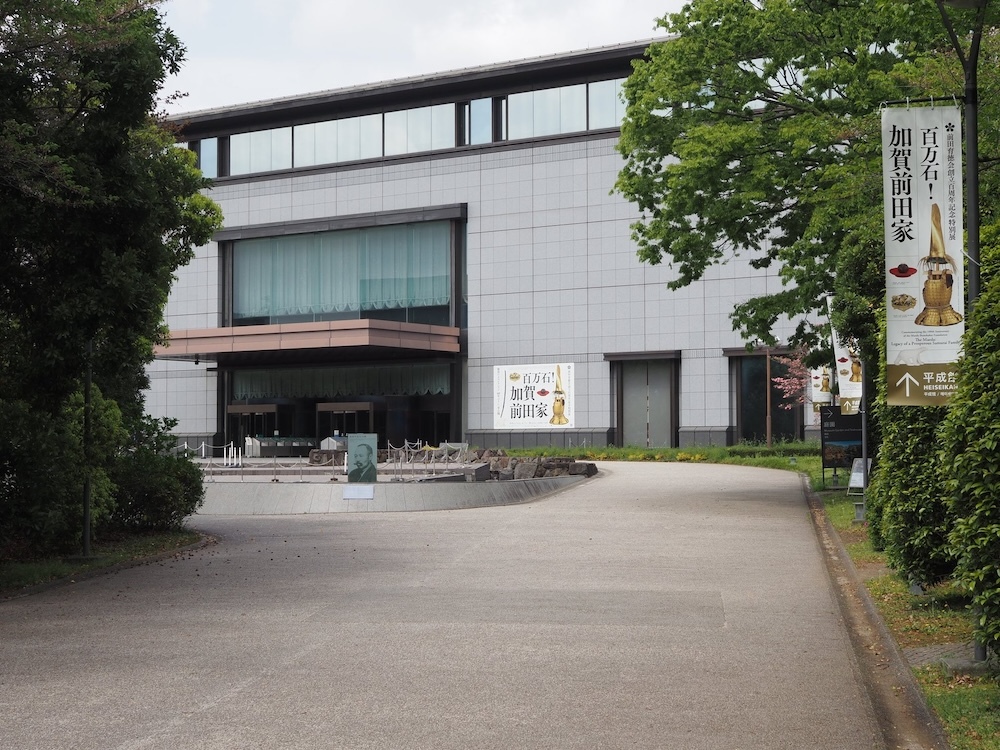
東京・上野の東京国立博物館で、前田育徳会創立百周年記念 特別展「百万石!加賀前田家」が始まった。会期は6月7日まで。
同展のチラシや特設サイトは、事前に何度か確認していたが、正直に言えば、それほどの展覧会とも思えなかった。だが、実際に展覧会場へ踏み入れると、国宝20点以上、重要文化財に至っては数えるのが面倒になるほどの数の作品が揃った展覧会だった。以下では、そんな、神レベルの作品が揃った同展の魅力を伝えていく。
前田育徳会創立百周年記念 特別展「百万石!加賀前田家」
会期:2026年4月14日〜6月7日
会場:東京国立博物館 平成館
料金:一般 2,300円、大学生 1,300円、高校生 900円
なお同展は、最後のひと部屋(第5章の一部エリア)を除いては、観覧者による撮影は禁止。以下は、主催者の撮影許可を得たうえで掲載している。また、以下で紹介する展示品は、記載がなければ前田育徳会の所蔵。
■ 戦国最強クラスの武将・利家と「加賀百万石」の始まり
加賀前田家といえば、まず思い浮かぶのは前田利家だろう。現在放送されているNHKの大河ドラマ「豊臣兄弟!」でも登場し、まだ身分の高くなかった豊臣秀吉を、主君の織田信長が観覧する武芸の御前試合にて、容赦なく叩きのめしている。槍の名手だったことで「槍の又左」と呼ばれた彼は、間違いなく戦国最強の武将の1人に挙げられる。
前田利家を含む当時の戦国武将が凄いのは、単に武芸に秀でた脳筋だった訳ではなく、智謀にも優れていたこと。前田利家は、織田家の中では豊臣秀吉のライバルであり、友人であり、豊臣政権下ではもちろん重用され、秀吉死後には五大名の1人として徳川家康を牽制した。
ここまでの史実をみれば、徳川家康が天下を取る過程で、減封または改易(取り潰し)されていても不思議がないように思えるが、実際には、関ヶ原の戦いの際には、既に家督を継いでいた長男の前田利長がしっかりと東軍(徳川家康方)について戦い、今の石川県と富山県にあたる加賀、越中、能登の3カ国、あわせて百万石以上が安堵されている。
約250年続いた徳川幕府の政権下で、100万石を越える藩は加賀前田家が唯一であり、徳川家を除けば最大の家ということになる。
まだまだ加賀前田家の凄さを記したいところだが、そろそろ特別展についての話に移そう。
会場に入ると、まず正対するのが鮮やかな金色の甲冑《金小札白糸素懸威胴丸具足》。
名前が漢字ばかりで、お経か呪文か? というほどだが、これは「素材+飾り糸の色+結び方+形+セット内容」を記したもの。まず「金小札(きんこざね)」は「金色の小さな板」を使っているということ。その小札同士を連結している糸が「白糸」であり、その白糸で小札同士を「素懸威(すがけおどし)」……つまり、動きやすいよう少し間隔をあけて素懸にして編んだ、「胴丸」というタイプの鎧だということ。「具足」とは、兜から手を守る籠手や脛当てまでの一式が揃っているという意味だ。
意味が分かれば「そのまんまのネーミングだな」となる。以下のほとんどの出品名も、難しい漢字が使われていることも多いが「そのまんま」のものがほとんどだ。
そして歩を進めると、前田利家の長男の利長から14代の慶寧(よしやす)までが作った、甲冑がズラリと並べられている。おそらくほとんど使われることはなかっただろうが、約250年の江戸時代だけでなく、その後の明治や大正、昭和の時代も1つの家が続いたことの重みを感じる(もちろん令和の現在も続いている)。
武家としての加賀前田家を象徴する展示品は、これら歴代当主の甲冑だけではない。甲冑を見た後に振り返れば、様々な彩りと意匠の陣羽織が壁いっぱいに掛けられている。思わず「オッシャレ〜!」と、感嘆してしまった。
甲冑や陣羽織などをじっくりと見た後には、畳み掛けるように、藤原俊成や定家などを含む、平安鎌倉の能書家というか書のスーパースターたちの作品が並ぶコーナーが続く。
だが、この記事では先に進んで「刀剣の間」とでも呼びたくなる、太刀や刀、短刀が並ぶ部屋へと進む。「何があるの?」と聞かれれば、「よくぞ聞いてくれました」と、とうとうと語りたくなるような逸品が、この部屋にも揃っている。
ここで最も注目を集めるだろう太刀が《銘 光世作》。「名物 大典太(おおでんた)」という通称でよく知られる、12世紀の平安時代に三池光世により作られた、伝説的なひと振り。室町時代には足利将軍家に伝わり、足利義昭から豊臣秀吉、そして前田利家へと渡ったとされている。
その名物の大典太を収めるための刀装が、《茶皺韋包糸巻太刀(ちゃしぼかわつつみいとまきのたち)》だ。3代の利常が、刀剣鑑定家で研師として知られる本阿弥(ほんあみ)の光甫(こうほ)に作らせたもので、茶色の皺(しぼ)感のある雰囲気が、触ってみたくなるほど渋い。ちなみに制作者の光甫は、国宝の「舟橋蒔絵硯箱」などが有名な本阿弥光悦の孫。この刀装自体が国宝で、大典太の背後のケースに展示されている。
ほかにも前田家重宝の刀剣が見られるが、国宝だけ挙げておく。
まず、《銘 行光(ゆきみつ)》は、柄に刻まれている(きられている)銘のとおり、相州(相模国)の行光が作った短刀。現在は東京国立博物館の所蔵だが、6代の前田吉徳が、徳川綱吉の形見として拝領したものだという。
前述の行光と同じく、刀工の国光(くにみつ)の弟子だったとも言われる、鎌倉時代末期の刀工、相州正宗が制作したとされる刀が《無銘 正宗(名物 太郎作正宗)》。徳川家康の家臣、水野太郎作正重が所有していたため、この通称となった。
その正宗の弟子で、鎌倉から南北朝時代の刀工、江義弘(ごうのよしひろ)により作られたとされるのが、《刀 無銘 義弘(名物 富田江)》。作刀した刀工の名が刻まれていないことから「無銘」なのだが、本阿弥家から「義弘の作だろう」と推定され(極められ)た逸品。
そのほか、前述した国宝の《茶皺韋包糸巻太刀(ちゃしぼかわつつみいとまきのたち)》をはじめ、刀装もいくつか展示されていた。さらに、刀装を飾る金具の制作者として有名な、後藤祐乗(ゆうじょう)をはじめとする、後藤家の作品がファイリングされた《後藤家歴代装剣小道具》などは、よく知る人ならば、展示ケースに張り付いて離れられなくなるだろう。いや、よく知らない筆者もその精緻な細工に驚き、離れられなくなった
■ 国宝の古書跡の数々から耀変天目まで!
途中の部屋を飛ばして書き進めてしまったが、刀剣の部屋の前には、書跡マニアが狂喜乱舞しかねないエリアもある。全く大げさな表現ではなく、実際に、神レベルの古書跡が揃っているのだ。
なお、古書跡については、時期によって展示品が異なる場合がある。以下に記すのは、展示期間の最初期のものだという点に留意してほしい。
古いものから言えば、奈良時代の8世紀に記された国宝の《賢愚経残巻》がある。これは聖武天皇が書いたと伝わり「大聖武」と通称されている。
時代が下り平安の作品は、同時代の書跡界隈のスーパースターが揃い踏みと言っても良いだろう。真筆なのか不明だが“伝”小野道風筆の《白楽天続古詩断簡(綾地切)》から、藤原定信が書いた国宝の《金沢本万葉集》(文化庁保管)、筆者不明ながら国宝の《古今和歌集 巻十九残巻(高野切)》などは序の口と言っていい。
まだまだ国宝は続き、藤原清輔の筆と伝わる《古今和歌集(清輔本)》や、東京国立博物館所蔵の《元永本古今和歌集》、はたまた能書家の三蹟の1人に挙げられる、藤原行成(こうぜい)の孫、藤原伊房筆の《十五番歌合》、または《十巻本歌合》、千載和歌集の撰者として知られる、藤原俊成(しゅんぜい)が平安時代後期に書いた《広田社二十九番歌合》と、国宝だけをピックアップして書き連ねるだけでも骨が折れる。
多くが、書がしたためられている紙、料紙が美しく、平安時代に完成していったひらがなの優雅な筆跡とあわせて、この時代の人たちの美的感覚に圧倒される。
そうして国宝の出品が続いて感覚が鈍った頃に、展示ケースには《土佐日記》が、なにげなくポンッと置かれているのを見た。これは馴染み深いタイトルなのでホッとする。しかも見てみれば、誰もが知る同日記の冒頭の「をとこもすなる日記といふものを……」で始まるページが開かれていて、しかも筆者でも読める。
特別感もなく置いてあるわりには、こちらも国宝で、藤原定家(さだいえ/ていか)によるものらしい。「定家って、こんな独特の形をした字も書いていたのね」と思うほど書に通じているわけではないが、少し風変わりな書き方。土佐日記の著者である紀貫之の自筆本を定家が手に入れ、ウキウキしながら写し取ったものだという。その筆跡を忠実に真似て書写した箇所もあるそうで、その直後には「令知其手跡之体、如形写留之、謀詐之輩、以他手跡多称其筆、可謂奇怪」と、記されているとか……。
「(紀貫之公の)直筆の筆跡がどのようなものかを後世に伝えるため、その形通りに書き写しておいた。最近、偽造を企む輩が、他人の筆跡を(貫之公の)真筆だと称して多く出回らせているというが、全くもってけしからん(奇怪な)ことである」
この一文は、藤原定家が「私は紀貫之さんの筆跡を知っているのだよ、フフフ」と勝ち誇っているようにも思える。
古書跡ばかりでなく、絵巻もいくつか展示されている。その中で筆者がムムムと唸ったのが、鎌倉時代に描かれた《豊明絵草紙(とよのあかりえぞうし)》。その一部しか展示されていないが、この絵草紙は「最愛の妻をなくしたエリートの公家が、世俗の栄華を捨てて、妻の菩提を弔うために出家する」というストーリーだという。墨線のみで描く、一見すると「下書きかな?」と思ってしまう「白描画」というもの。これが、ものすごい緻密さで情景が描かれているのだ。しばし見入ってしまった。
■ 茶道具の名品から幻の耀変天目まで
当時の最もポピュラーな文化系の趣味の1つ、「茶の湯」にまつわる展示品も多かった。見る人が見れば「おぉ!」の連続となるようなお宝が並んでいるのだろうが、残念ながら筆者には素養がなく、唯一「ほほぉ〜」となったのが、12〜13世紀、中国の南宋時代に建窯(ようけん)という窯で作られた、《大名物 耀変天目(ようへんてんもく)》。
「え? 耀変天目が展示されるなんて聞いてなかったよ」というほど、キラキラと耀変に輝く茶碗は有名。日本に、というより世界に3点しか残っていないと認識していたが、前田家にも伝わっていたのか……と。だがよく見れば、こちらの耀変天目は重要文化財の指定。世界に3点と言われているのは、いずれも国宝に指定されている。筆者も他で何度か見たことのある一品があるが、もっと、誰もが分かるくらいにキラッキラとしていた。それでも、耀変天目が見られるのはとても貴重な機会だろう。
■ 学芸員のような5代当主が築いた国内有数のコレクション
同展の会場を進むほどに、ワクワクする気持ちが高まっていく。展示品に国宝や重要文化財が多い、つまりは美術品または学術分野における価値が高いと認められているものが多いからなのだが、単に質の高い美術品が多いからではない。刀剣や甲冑、書跡や絵画など、江戸時代までの日本の博物誌を見ているような面白さが感じられる。
当たり前だと思われるかもしれないが、前田家には、博物館の学芸員のような藩主がいたからこそ、この質の高いコレクションが形成されたのだと思う。他藩にも数寄者や趣味人は多かっただろうけれども研究者のような大名は、それほど多くはなかったはず。
加賀の前田家当主の中でも、もし同時代人であったなら、最も会いたいと思っているのが、5代当主の前田綱紀(つなのり・4代藩主)。1643年の生まれなので、江戸時代の前期から中期までを生きた人。政治家としても有名だったのかもしれないが、筆者が注目しているのは、この時代から文化的なトレンドとなる博物学の分野においてだ。
カール・フォン・リンネに由来する「西洋式分類学」が日本で普及するのは明治時代以降のこと。だがそれ以前、大陸伝来の、本草学などの学問が主流であった、日本の博物学黎明期において、前田綱紀が示した存在感は極めて大きいと言える。大名の趣味が高じて、などというレベルではない。漢字やその用例と類語を書きとめた百科事典的な雑記帳「桑華字苑」と、蔵書目録である「桑華書志」の全83冊を、自身が筆をとるほどのガチ勢なのだ。
その文脈で、前田綱紀と彼が蒐集して分類したコレクションは、今展では広いスペースを使って展開されている。中でも見応えがあるのが《百工比照(ひゃっこうびしょう)》。工芸を対象とした実物資料および図案と技術見本をまとめ、木箱に収めたもの。展示室をぐるりと巡ると、息を呑むほどすばらしい、おそらく当時の最高水準の工芸品の数々が、引き出しのような箱に整然と納められている。まるで宝石箱のようだ。これらを見れば、加賀前田家が治めた現在の石川県において、今なお加賀友禅や輪島塗、金沢箔といった多彩な伝統工芸が盛んであることにも頷ける。
前田綱紀は、今回の主人公と言ってもいいだろう。《百工比照》をはじめ、彼が残した日記帳や、集めた書の数々、保護した宝生流の能楽に関連する品々など、所狭しと展示されている。
その中で、誰でも価値が分かりやすい国宝指定の展示品に触れておく。平安時代の藤原道長と同世代の、藤原公任(きんとう)がまとめた儀式書《北山抄(ほくざんしょう)》、同じく平安時代の源俊房の日記である《水左記(すいさき)》、平安時代後期に書写された伝存最古の正史である《日本書紀》、菅原道真が六国史を分類再編集した《類聚国史(るいじゅこくし)》の現存最古の写本などもある。ほかにもいくつもの国宝があるが、それぞれ歴史資料としての価値が高いものが多い。また、後年になって、これだけのものが国宝に指定されるというのは、前田綱紀の審美眼の鋭さを示している。
今展では、前田綱紀以降の、近代の侯爵前田家から昭和時代の当主が蒐集したコレクションも見られる。
こういうものも国宝に指定されるのかと思ったのが、《孔侍中帖(こうじちゅうじょう)》。書聖、書の神様と言われた中国・東晋時代の王羲之(おうぎし)の書簡の「模本」。つまり複製品なのだが、王羲之が活躍したのが4世紀のことで、模写されたのが7〜8世紀の唐の時代ということ。普段は想像することもないくらいに昔の人の書跡を体感して、頭がクラクラして……楽しい。
とりとめもなく綴ってしまったが、特別展「百万石!加賀前田家」の魅力は多岐にわたっているため、まとめるのが難しい。とにかく、国宝ハンター的な感覚で行くのはもちろん、古書跡が好きな人、または「名物 大典太(おおでんた)」をはじめとした刀剣が見たいという人、そのほかにも茶器が見たい、布や織物などのテキスタイルを見たい人にも、強くおすすめしたい。
筆者は全てを見たい派だが、特化型の人には、1つの展示室または展示ケースを見るだけでも大満足できるのではないだろうか。それくらい、一つ一つが強いオーラを放つ展示品が、無数に散りばめられた展覧会だった。
東京・上野の東京国立博物館で、前田育徳会創立百周年記念 特別展「百万石!加賀前田家」が始まった。会期は6月7日まで。 同展のチラシや特設サイトは、事前に何度か確認していたが、正直に言えば、それほどの展覧会とも思えなかった。だが、実際に展覧会場へ踏み入れると、国宝20点以上、重要文化財に至っては数えるのが面倒になるほどの数の作品が揃った展覧会だった。以下では、そんな、神レベルの作品が揃った同展の魅力を伝えていく。 前田育徳会創立百周年記念 特別展「百万石!加賀前田家」 会期:2026年4月14日〜6月7日 会場:東京国立博物館 平成館 料金:一般 2,300円、大学生 1,300円、高校生 900円 なお同展は、最後のひと部屋(第5章の一部エリア)を除いては、観覧者による撮影は禁止。以下は、主催者の撮影許可を得たうえで掲載している。また、以下で紹介する展示品は、記載がなければ前田育徳会の所蔵。 ■ 戦国最強クラスの武将・利家と「加賀百万石」の始まり 加賀前田家といえば、まず思い浮かぶのは前田利家だろう。現在放送されているNHKの大河ドラマ「豊臣兄弟!」でも登場し、まだ身分の高くなかった豊臣秀吉を、主君の織田信長が観覧する武芸の御前試合にて、容赦なく叩きのめしている。槍の名手だったことで「槍の又左」と呼ばれた彼は、間違いなく戦国最強の武将の1人に挙げられる。 前田利家を含む当時の戦国武将が凄いのは、単に武芸に秀でた脳筋だった訳ではなく、智謀にも優れていたこと。前田利家は、織田家の中では豊臣秀吉のライバルであり、友人であり、豊臣政権下ではもちろん重用され、秀吉死後には五大名の1人として徳川家康を牽制した。 ここまでの史実をみれば、徳川家康が天下を取る過程で、減封または改易(取り潰し)されていても不思議がないように思えるが、実際には、関ヶ原の戦いの際には、既に家督を継いでいた長男の前田利長がしっかりと東軍(徳川家康方)について戦い、今の石川県と富山県にあたる加賀、越中、能登の3カ国、あわせて百万石以上が安堵されている。 約250年続いた徳川幕府の政権下で、100万石を越える藩は加賀前田家が唯一であり、徳川家を除けば最大の家ということになる。 まだまだ加賀前田家の凄さを記したいところだが、そろそろ特別展についての話に移そう。 会場に入ると、まず正対するのが鮮やかな金色の甲冑《金小札白糸素懸威胴丸具足》。 名前が漢字ばかりで、お経か呪文か? というほどだが、これは「素材+飾り糸の色+結び方+形+セット内容」を記したもの。まず「金小札(きんこざね)」は「金色の小さな板」を使っているということ。その小札同士を連結している糸が「白糸」であり、その白糸で小札同士を「素懸威(すがけおどし)」……つまり、動きやすいよう少し間隔をあけて素懸にして編んだ、「胴丸」というタイプの鎧だということ。「具足」とは、兜から手を守る籠手や脛当てまでの一式が揃っているという意味だ。 意味が分かれば「そのまんまのネーミングだな」となる。以下のほとんどの出品名も、難しい漢字が使われていることも多いが「そのまんま」のものがほとんどだ。 そして歩を進めると、前田利家の長男の利長から14代の慶寧(よしやす)までが作った、甲冑がズラリと並べられている。おそらくほとんど使われることはなかっただろうが、約250年の江戸時代だけでなく、その後の明治や大正、昭和の時代も1つの家が続いたことの重みを感じる(もちろん令和の現在も続いている)。 武家としての加賀前田家を象徴する展示品は、これら歴代当主の甲冑だけではない。甲冑を見た後に振り返れば、様々な彩りと意匠の陣羽織が壁いっぱいに掛けられている。思わず「オッシャレ〜!」と、感嘆してしまった。 甲冑や陣羽織などをじっくりと見た後には、畳み掛けるように、藤原俊成や定家などを含む、平安鎌倉の能書家というか書のスーパースターたちの作品が並ぶコーナーが続く。 だが、この記事では先に進んで「刀剣の間」とでも呼びたくなる、太刀や刀、短刀が並ぶ部屋へと進む。「何があるの?」と聞かれれば、「よくぞ聞いてくれました」と、とうとうと語りたくなるような逸品が、この部屋にも揃っている。 ここで最も注目を集めるだろう太刀が《銘 光世作》。「名物 大典太(おおでんた)」という通称でよく知られる、12世紀の平安時代に三池光世により作られた、伝説的なひと振り。室町時代には足利将軍家に伝わり、足利義昭から豊臣秀吉、そして前田利家へと渡ったとされている。 その名物の大典太を収めるための刀装が、《茶皺韋包糸巻太刀(ちゃしぼかわつつみいとまきのたち)》だ。3代の利常が、刀剣鑑定家で研師として知られる本阿弥(ほんあみ)の光甫(こうほ)に作らせたもので、茶色の皺(しぼ)感のある雰囲気が、触ってみたくなるほど渋い。ちなみに制作者の光甫は、国宝の「舟橋蒔絵硯箱」などが有名な本阿弥光悦の孫。この刀装自体が国宝で、大典太の背後のケースに展示されている。 ほかにも前田家重宝の刀剣が見られるが、国宝だけ挙げておく。 まず、《銘 行光(ゆきみつ)》は、柄に刻まれている(きられている)銘のとおり、相州(相模国)の行光が作った短刀。現在は東京国立博物館の所蔵だが、6代の前田吉徳が、徳川綱吉の形見として拝領したものだという。 前述の行光と同じく、刀工の国光(くにみつ)の弟子だったとも言われる、鎌倉時代末期の刀工、相州正宗が制作したとされる刀が《無銘 正宗(名物 太郎作正宗)》。徳川家康の家臣、水野太郎作正重が所有していたため、この通称となった。 その正宗の弟子で、鎌倉から南北朝時代の刀工、江義弘(ごうのよしひろ)により作られたとされるのが、《刀 無銘 義弘(名物 富田江)》。作刀した刀工の名が刻まれていないことから「無銘」なのだが、本阿弥家から「義弘の作だろう」と推定され(極められ)た逸品。 そのほか、前述した国宝の《茶皺韋包糸巻太刀(ちゃしぼかわつつみいとまきのたち)》をはじめ、刀装もいくつか展示されていた。さらに、刀装を飾る金具の制作者として有名な、後藤祐乗(ゆうじょう)をはじめとする、後藤家の作品がファイリングされた《後藤家歴代装剣小道具》などは、よく知る人ならば、展示ケースに張り付いて離れられなくなるだろう。いや、よく知らない筆者もその精緻な細工に驚き、離れられなくなった ■ 国宝の古書跡の数々から耀変天目まで! 途中の部屋を飛ばして書き進めてしまったが、刀剣の部屋の前には、書跡マニアが狂喜乱舞しかねないエリアもある。全く大げさな表現ではなく、実際に、神レベルの古書跡が揃っているのだ。 なお、古書跡については、時期によって展示品が異なる場合がある。以下に記すのは、展示期間の最初期のものだという点に留意してほしい。 古いものから言えば、奈良時代の8世紀に記された国宝の《賢愚経残巻》がある。これは聖武天皇が書いたと伝わり「大聖武」と通称されている。 時代が下り平安の作品は、同時代の書跡界隈のスーパースターが揃い踏みと言っても良いだろう。真筆なのか不明だが“伝”小野道風筆の《白楽天続古詩断簡(綾地切)》から、藤原定信が書いた国宝の《金沢本万葉集》(文化庁保管)、筆者不明ながら国宝の《古今和歌集 巻十九残巻(高野切)》などは序の口と言っていい。 まだまだ国宝は続き、藤原清輔の筆と伝わる《古今和歌集(清輔本)》や、東京国立博物館所蔵の《元永本古今和歌集》、はたまた能書家の三蹟の1人に挙げられる、藤原行成(こうぜい)の孫、藤原伊房筆の《十五番歌合》、または《十巻本歌合》、千載和歌集の撰者として知られる、藤原俊成(しゅんぜい)が平安時代後期に書いた《広田社二十九番歌合》と、国宝だけをピックアップして書き連ねるだけでも骨が折れる。 多くが、書がしたためられている紙、料紙が美しく、平安時代に完成していったひらがなの優雅な筆跡とあわせて、この時代の人たちの美的感覚に圧倒される。 そうして国宝の出品が続いて感覚が鈍った頃に、展示ケースには《土佐日記》が、なにげなくポンッと置かれているのを見た。これは馴染み深いタイトルなのでホッとする。しかも見てみれば、誰もが知る同日記の冒頭の「をとこもすなる日記といふものを……」で始まるページが開かれていて、しかも筆者でも読める。 特別感もなく置いてあるわりには、こちらも国宝で、藤原定家(さだいえ/ていか)によるものらしい。「定家って、こんな独特の形をした字も書いていたのね」と思うほど書に通じているわけではないが、少し風変わりな書き方。土佐日記の著者である紀貫之の自筆本を定家が手に入れ、ウキウキしながら写し取ったものだという。その筆跡を忠実に真似て書写した箇所もあるそうで、その直後には「令知其手跡之体、如形写留之、謀詐之輩、以他手跡多称其筆、可謂奇怪」と、記されているとか……。 「(紀貫之公の)直筆の筆跡がどのようなものかを後世に伝えるため、その形通りに書き写しておいた。最近、偽造を企む輩が、他人の筆跡を(貫之公の)真筆だと称して多く出回らせているというが、全くもってけしからん(奇怪な)ことである」 この一文は、藤原定家が「私は紀貫之さんの筆跡を知っているのだよ、フフフ」と勝ち誇っているようにも思える。 古書跡ばかりでなく、絵巻もいくつか展示されている。その中で筆者がムムムと唸ったのが、鎌倉時代に描かれた《豊明絵草紙(とよのあかりえぞうし)》。その一部しか展示されていないが、この絵草紙は「最愛の妻をなくしたエリートの公家が、世俗の栄華を捨てて、妻の菩提を弔うために出家する」というストーリーだという。墨線のみで描く、一見すると「下書きかな?」と思ってしまう「白描画」というもの。これが、ものすごい緻密さで情景が描かれているのだ。しばし見入ってしまった。 ■ 茶道具の名品から幻の耀変天目まで 当時の最もポピュラーな文化系の趣味の1つ、「茶の湯」にまつわる展示品も多かった。見る人が見れば「おぉ!」の連続となるようなお宝が並んでいるのだろうが、残念ながら筆者には素養がなく、唯一「ほほぉ〜」となったのが、12〜13世紀、中国の南宋時代に建窯(ようけん)という窯で作られた、《大名物 耀変天目(ようへんてんもく)》。 「え? 耀変天目が展示されるなんて聞いてなかったよ」というほど、キラキラと耀変に輝く茶碗は有名。日本に、というより世界に3点しか残っていないと認識していたが、前田家にも伝わっていたのか……と。だがよく見れば、こちらの耀変天目は重要文化財の指定。世界に3点と言われているのは、いずれも国宝に指定されている。筆者も他で何度か見たことのある一品があるが、もっと、誰もが分かるくらいにキラッキラとしていた。それでも、耀変天目が見られるのはとても貴重な機会だろう。 ■ 学芸員のような5代当主が築いた国内有数のコレクション 同展の会場を進むほどに、ワクワクする気持ちが高まっていく。展示品に国宝や重要文化財が多い、つまりは美術品または学術分野における価値が高いと認められているものが多いからなのだが、単に質の高い美術品が多いからではない。刀剣や甲冑、書跡や絵画など、江戸時代までの日本の博物誌を見ているような面白さが感じられる。 当たり前だと思われるかもしれないが、前田家には、博物館の学芸員のような藩主がいたからこそ、この質の高いコレクションが形成されたのだと思う。他藩にも数寄者や趣味人は多かっただろうけれども研究者のような大名は、それほど多くはなかったはず。 加賀の前田家当主の中でも、もし同時代人であったなら、最も会いたいと思っているのが、5代当主の前田綱紀(つなのり・4代藩主)。1643年の生まれなので、江戸時代の前期から中期までを生きた人。政治家としても有名だったのかもしれないが、筆者が注目しているのは、この時代から文化的なトレンドとなる博物学の分野においてだ。 カール・フォン・リンネに由来する「西洋式分類学」が日本で普及するのは明治時代以降のこと。だがそれ以前、大陸伝来の、本草学などの学問が主流であった、日本の博物学黎明期において、前田綱紀が示した存在感は極めて大きいと言える。大名の趣味が高じて、などというレベルではない。漢字やその用例と類語を書きとめた百科事典的な雑記帳「桑華字苑」と、蔵書目録である「桑華書志」の全83冊を、自身が筆をとるほどのガチ勢なのだ。 その文脈で、前田綱紀と彼が蒐集して分類したコレクションは、今展では広いスペースを使って展開されている。中でも見応えがあるのが《百工比照(ひゃっこうびしょう)》。工芸を対象とした実物資料および図案と技術見本をまとめ、木箱に収めたもの。展示室をぐるりと巡ると、息を呑むほどすばらしい、おそらく当時の最高水準の工芸品の数々が、引き出しのような箱に整然と納められている。まるで宝石箱のようだ。これらを見れば、加賀前田家が治めた現在の石川県において、今なお加賀友禅や輪島塗、金沢箔といった多彩な伝統工芸が盛んであることにも頷ける。 前田綱紀は、今回の主人公と言ってもいいだろう。《百工比照》をはじめ、彼が残した日記帳や、集めた書の数々、保護した宝生流の能楽に関連する品々など、所狭しと展示されている。 その中で、誰でも価値が分かりやすい国宝指定の展示品に触れておく。平安時代の藤原道長と同世代の、藤原公任(きんとう)がまとめた儀式書《北山抄(ほくざんしょう)》、同じく平安時代の源俊房の日記である《水左記(すいさき)》、平安時代後期に書写された伝存最古の正史である《日本書紀》、菅原道真が六国史を分類再編集した《類聚国史(るいじゅこくし)》の現存最古の写本などもある。ほかにもいくつもの国宝があるが、それぞれ歴史資料としての価値が高いものが多い。また、後年になって、これだけのものが国宝に指定されるというのは、前田綱紀の審美眼の鋭さを示している。 今展では、前田綱紀以降の、近代の侯爵前田家から昭和時代の当主が蒐集したコレクションも見られる。 こういうものも国宝に指定されるのかと思ったのが、《孔侍中帖(こうじちゅうじょう)》。書聖、書の神様と言われた中国・東晋時代の王羲之(おうぎし)の書簡の「模本」。つまり複製品なのだが、王羲之が活躍したのが4世紀のことで、模写されたのが7〜8世紀の唐の時代ということ。普段は想像することもないくらいに昔の人の書跡を体感して、頭がクラクラして……楽しい。 とりとめもなく綴ってしまったが、特別展「百万石!加賀前田家」の魅力は多岐にわたっているため、まとめるのが難しい。とにかく、国宝ハンター的な感覚で行くのはもちろん、古書跡が好きな人、または「名物 大典太(おおでんた)」をはじめとした刀剣が見たいという人、そのほかにも茶器が見たい、布や織物などのテキスタイルを見たい人にも、強くおすすめしたい。 筆者は全てを見たい派だが、特化型の人には、1つの展示室または展示ケースを見るだけでも大満足できるのではないだろうか。それくらい、一つ一つが強いオーラを放つ展示品が、無数に散りばめられた展覧会だった。
東京・上野の東京国立博物館で、前田育徳会創立百周年記念 特別展「百万石!加賀前田家」が始まった。会期は6月7日まで。 同展のチラシや特設サイトは、事前に何度か確認していたが、正直に言えば、それほどの展覧会とも思えなかった。だが、実際に展覧会場へ踏み入れると、国宝20点以上、重要文化財に至っては数えるのが面倒になるほどの数の作品が揃った展覧会だった。以下では、そんな、神レベルの作品が揃った同展の魅力を伝えていく。 前田育徳会創立百周年記念 特別展「百万石!加賀前田家」 会期:2026年4月14日〜6月7日 会場:東京国立博物館 平成館 料金:一般 2,300円、大学生 1,300円、高校生 900円 なお同展は、最後のひと部屋(第5章の一部エリア)を除いては、観覧者による撮影は禁止。以下は、主催者の撮影許可を得たうえで掲載している。また、以下で紹介する展示品は、記載がなければ前田育徳会の所蔵。 ■ 戦国最強クラスの武将・利家と「加賀百万石」の始まり 加賀前田家といえば、まず思い浮かぶのは前田利家だろう。現在放送されているNHKの大河ドラマ「豊臣兄弟!」でも登場し、まだ身分の高くなかった豊臣秀吉を、主君の織田信長が観覧する武芸の御前試合にて、容赦なく叩きのめしている。槍の名手だったことで「槍の又左」と呼ばれた彼は、間違いなく戦国最強の武将の1人に挙げられる。 前田利家を含む当時の戦国武将が凄いのは、単に武芸に秀でた脳筋だった訳ではなく、智謀にも優れていたこと。前田利家は、織田家の中では豊臣秀吉のライバルであり、友人であり、豊臣政権下ではもちろん重用され、秀吉死後には五大名の1人として徳川家康を牽制した。 ここまでの史実をみれば、徳川家康が天下を取る過程で、減封または改易(取り潰し)されていても不思議がないように思えるが、実際には、関ヶ原の戦いの際には、既に家督を継いでいた長男の前田利長がしっかりと東軍(徳川家康方)について戦い、今の石川県と富山県にあたる加賀、越中、能登の3カ国、あわせて百万石以上が安堵されている。 約250年続いた徳川幕府の政権下で、100万石を越える藩は加賀前田家が唯一であり、徳川家を除けば最大の家ということになる。 まだまだ加賀前田家の凄さを記したいところだが、そろそろ特別展についての話に移そう。 会場に入ると、まず正対するのが鮮やかな金色の甲冑《金小札白糸素懸威胴丸具足》。 名前が漢字ばかりで、お経か呪文か? というほどだが、これは「素材+飾り糸の色+結び方+形+セット内容」を記したもの。まず「金小札(きんこざね)」は「金色の小さな板」を使っているということ。その小札同士を連結している糸が「白糸」であり、その白糸で小札同士を「素懸威(すがけおどし)」……つまり、動きやすいよう少し間隔をあけて素懸にして編んだ、「胴丸」というタイプの鎧だということ。「具足」とは、兜から手を守る籠手や脛当てまでの一式が揃っているという意味だ。 意味が分かれば「そのまんまのネーミングだな」となる。以下のほとんどの出品名も、難しい漢字が使われていることも多いが「そのまんま」のものがほとんどだ。 そして歩を進めると、前田利家の長男の利長から14代の慶寧(よしやす)までが作った、甲冑がズラリと並べられている。おそらくほとんど使われることはなかっただろうが、約250年の江戸時代だけでなく、その後の明治や大正、昭和の時代も1つの家が続いたことの重みを感じる(もちろん令和の現在も続いている)。 武家としての加賀前田家を象徴する展示品は、これら歴代当主の甲冑だけではない。甲冑を見た後に振り返れば、様々な彩りと意匠の陣羽織が壁いっぱいに掛けられている。思わず「オッシャレ〜!」と、感嘆してしまった。 甲冑や陣羽織などをじっくりと見た後には、畳み掛けるように、藤原俊成や定家などを含む、平安鎌倉の能書家というか書のスーパースターたちの作品が並ぶコーナーが続く。 だが、この記事では先に進んで「刀剣の間」とでも呼びたくなる、太刀や刀、短刀が並ぶ部屋へと進む。「何があるの?」と聞かれれば、「よくぞ聞いてくれました」と、とうとうと語りたくなるような逸品が、この部屋にも揃っている。 ここで最も注目を集めるだろう太刀が《銘 光世作》。「名物 大典太(おおでんた)」という通称でよく知られる、12世紀の平安時代に三池光世により作られた、伝説的なひと振り。室町時代には足利将軍家に伝わり、足利義昭から豊臣秀吉、そして前田利家へと渡ったとされている。 その名物の大典太を収めるための刀装が、《茶皺韋包糸巻太刀(ちゃしぼかわつつみいとまきのたち)》だ。3代の利常が、刀剣鑑定家で研師として知られる本阿弥(ほんあみ)の光甫(こうほ)に作らせたもので、茶色の皺(しぼ)感のある雰囲気が、触ってみたくなるほど渋い。ちなみに制作者の光甫は、国宝の「舟橋蒔絵硯箱」などが有名な本阿弥光悦の孫。この刀装自体が国宝で、大典太の背後のケースに展示されている。 ほかにも前田家重宝の刀剣が見られるが、国宝だけ挙げておく。 まず、《銘 行光(ゆきみつ)》は、柄に刻まれている(きられている)銘のとおり、相州(相模国)の行光が作った短刀。現在は東京国立博物館の所蔵だが、6代の前田吉徳が、徳川綱吉の形見として拝領したものだという。 前述の行光と同じく、刀工の国光(くにみつ)の弟子だったとも言われる、鎌倉時代末期の刀工、相州正宗が制作したとされる刀が《無銘 正宗(名物 太郎作正宗)》。徳川家康の家臣、水野太郎作正重が所有していたため、この通称となった。 その正宗の弟子で、鎌倉から南北朝時代の刀工、江義弘(ごうのよしひろ)により作られたとされるのが、《刀 無銘 義弘(名物 富田江)》。作刀した刀工の名が刻まれていないことから「無銘」なのだが、本阿弥家から「義弘の作だろう」と推定され(極められ)た逸品。 そのほか、前述した国宝の《茶皺韋包糸巻太刀(ちゃしぼかわつつみいとまきのたち)》をはじめ、刀装もいくつか展示されていた。さらに、刀装を飾る金具の制作者として有名な、後藤祐乗(ゆうじょう)をはじめとする、後藤家の作品がファイリングされた《後藤家歴代装剣小道具》などは、よく知る人ならば、展示ケースに張り付いて離れられなくなるだろう。いや、よく知らない筆者もその精緻な細工に驚き、離れられなくなった ■ 国宝の古書跡の数々から耀変天目まで! 途中の部屋を飛ばして書き進めてしまったが、刀剣の部屋の前には、書跡マニアが狂喜乱舞しかねないエリアもある。全く大げさな表現ではなく、実際に、神レベルの古書跡が揃っているのだ。 なお、古書跡については、時期によって展示品が異なる場合がある。以下に記すのは、展示期間の最初期のものだという点に留意してほしい。 古いものから言えば、奈良時代の8世紀に記された国宝の《賢愚経残巻》がある。これは聖武天皇が書いたと伝わり「大聖武」と通称されている。 時代が下り平安の作品は、同時代の書跡界隈のスーパースターが揃い踏みと言っても良いだろう。真筆なのか不明だが“伝”小野道風筆の《白楽天続古詩断簡(綾地切)》から、藤原定信が書いた国宝の《金沢本万葉集》(文化庁保管)、筆者不明ながら国宝の《古今和歌集 巻十九残巻(高野切)》などは序の口と言っていい。 まだまだ国宝は続き、藤原清輔の筆と伝わる《古今和歌集(清輔本)》や、東京国立博物館所蔵の《元永本古今和歌集》、はたまた能書家の三蹟の1人に挙げられる、藤原行成(こうぜい)の孫、藤原伊房筆の《十五番歌合》、または《十巻本歌合》、千載和歌集の撰者として知られる、藤原俊成(しゅんぜい)が平安時代後期に書いた《広田社二十九番歌合》と、国宝だけをピックアップして書き連ねるだけでも骨が折れる。 多くが、書がしたためられている紙、料紙が美しく、平安時代に完成していったひらがなの優雅な筆跡とあわせて、この時代の人たちの美的感覚に圧倒される。 そうして国宝の出品が続いて感覚が鈍った頃に、展示ケースには《土佐日記》が、なにげなくポンッと置かれているのを見た。これは馴染み深いタイトルなのでホッとする。しかも見てみれば、誰もが知る同日記の冒頭の「をとこもすなる日記といふものを……」で始まるページが開かれていて、しかも筆者でも読める。 特別感もなく置いてあるわりには、こちらも国宝で、藤原定家(さだいえ/ていか)によるものらしい。「定家って、こんな独特の形をした字も書いていたのね」と思うほど書に通じているわけではないが、少し風変わりな書き方。土佐日記の著者である紀貫之の自筆本を定家が手に入れ、ウキウキしながら写し取ったものだという。その筆跡を忠実に真似て書写した箇所もあるそうで、その直後には「令知其手跡之体、如形写留之、謀詐之輩、以他手跡多称其筆、可謂奇怪」と、記されているとか……。 「(紀貫之公の)直筆の筆跡がどのようなものかを後世に伝えるため、その形通りに書き写しておいた。最近、偽造を企む輩が、他人の筆跡を(貫之公の)真筆だと称して多く出回らせているというが、全くもってけしからん(奇怪な)ことである」 この一文は、藤原定家が「私は紀貫之さんの筆跡を知っているのだよ、フフフ」と勝ち誇っているようにも思える。 古書跡ばかりでなく、絵巻もいくつか展示されている。その中で筆者がムムムと唸ったのが、鎌倉時代に描かれた《豊明絵草紙(とよのあかりえぞうし)》。その一部しか展示されていないが、この絵草紙は「最愛の妻をなくしたエリートの公家が、世俗の栄華を捨てて、妻の菩提を弔うために出家する」というストーリーだという。墨線のみで描く、一見すると「下書きかな?」と思ってしまう「白描画」というもの。これが、ものすごい緻密さで情景が描かれているのだ。しばし見入ってしまった。 ■ 茶道具の名品から幻の耀変天目まで 当時の最もポピュラーな文化系の趣味の1つ、「茶の湯」にまつわる展示品も多かった。見る人が見れば「おぉ!」の連続となるようなお宝が並んでいるのだろうが、残念ながら筆者には素養がなく、唯一「ほほぉ〜」となったのが、12〜13世紀、中国の南宋時代に建窯(ようけん)という窯で作られた、《大名物 耀変天目(ようへんてんもく)》。 「え? 耀変天目が展示されるなんて聞いてなかったよ」というほど、キラキラと耀変に輝く茶碗は有名。日本に、というより世界に3点しか残っていないと認識していたが、前田家にも伝わっていたのか……と。だがよく見れば、こちらの耀変天目は重要文化財の指定。世界に3点と言われているのは、いずれも国宝に指定されている。筆者も他で何度か見たことのある一品があるが、もっと、誰もが分かるくらいにキラッキラとしていた。それでも、耀変天目が見られるのはとても貴重な機会だろう。 ■ 学芸員のような5代当主が築いた国内有数のコレクション 同展の会場を進むほどに、ワクワクする気持ちが高まっていく。展示品に国宝や重要文化財が多い、つまりは美術品または学術分野における価値が高いと認められているものが多いからなのだが、単に質の高い美術品が多いからではない。刀剣や甲冑、書跡や絵画など、江戸時代までの日本の博物誌を見ているような面白さが感じられる。 当たり前だと思われるかもしれないが、前田家には、博物館の学芸員のような藩主がいたからこそ、この質の高いコレクションが形成されたのだと思う。他藩にも数寄者や趣味人は多かっただろうけれども研究者のような大名は、それほど多くはなかったはず。 加賀の前田家当主の中でも、もし同時代人であったなら、最も会いたいと思っているのが、5代当主の前田綱紀(つなのり・4代藩主)。1643年の生まれなので、江戸時代の前期から中期までを生きた人。政治家としても有名だったのかもしれないが、筆者が注目しているのは、この時代から文化的なトレンドとなる博物学の分野においてだ。 カール・フォン・リンネに由来する「西洋式分類学」が日本で普及するのは明治時代以降のこと。だがそれ以前、大陸伝来の、本草学などの学問が主流であった、日本の博物学黎明期において、前田綱紀が示した存在感は極めて大きいと言える。大名の趣味が高じて、などというレベルではない。漢字やその用例と類語を書きとめた百科事典的な雑記帳「桑華字苑」と、蔵書目録である「桑華書志」の全83冊を、自身が筆をとるほどのガチ勢なのだ。 その文脈で、前田綱紀と彼が蒐集して分類したコレクションは、今展では広いスペースを使って展開されている。中でも見応えがあるのが《百工比照(ひゃっこうびしょう)》。工芸を対象とした実物資料および図案と技術見本をまとめ、木箱に収めたもの。展示室をぐるりと巡ると、息を呑むほどすばらしい、おそらく当時の最高水準の工芸品の数々が、引き出しのような箱に整然と納められている。まるで宝石箱のようだ。これらを見れば、加賀前田家が治めた現在の石川県において、今なお加賀友禅や輪島塗、金沢箔といった多彩な伝統工芸が盛んであることにも頷ける。 前田綱紀は、今回の主人公と言ってもいいだろう。《百工比照》をはじめ、彼が残した日記帳や、集めた書の数々、保護した宝生流の能楽に関連する品々など、所狭しと展示されている。 その中で、誰でも価値が分かりやすい国宝指定の展示品に触れておく。平安時代の藤原道長と同世代の、藤原公任(きんとう)がまとめた儀式書《北山抄(ほくざんしょう)》、同じく平安時代の源俊房の日記である《水左記(すいさき)》、平安時代後期に書写された伝存最古の正史である《日本書紀》、菅原道真が六国史を分類再編集した《類聚国史(るいじゅこくし)》の現存最古の写本などもある。ほかにもいくつもの国宝があるが、それぞれ歴史資料としての価値が高いものが多い。また、後年になって、これだけのものが国宝に指定されるというのは、前田綱紀の審美眼の鋭さを示している。 今展では、前田綱紀以降の、近代の侯爵前田家から昭和時代の当主が蒐集したコレクションも見られる。 こういうものも国宝に指定されるのかと思ったのが、《孔侍中帖(こうじちゅうじょう)》。書聖、書の神様と言われた中国・東晋時代の王羲之(おうぎし)の書簡の「模本」。つまり複製品なのだが、王羲之が活躍したのが4世紀のことで、模写されたのが7〜8世紀の唐の時代ということ。普段は想像することもないくらいに昔の人の書跡を体感して、頭がクラクラして……楽しい。 とりとめもなく綴ってしまったが、特別展「百万石!加賀前田家」の魅力は多岐にわたっているため、まとめるのが難しい。とにかく、国宝ハンター的な感覚で行くのはもちろん、古書跡が好きな人、または「名物 大典太(おおでんた)」をはじめとした刀剣が見たいという人、そのほかにも茶器が見たい、布や織物などのテキスタイルを見たい人にも、強くおすすめしたい。 筆者は全てを見たい派だが、特化型の人には、1つの展示室または展示ケースを見るだけでも大満足できるのではないだろうか。それくらい、一つ一つが強いオーラを放つ展示品が、無数に散りばめられた展覧会だった。
Vocabulary
General
Proper noun
JLPT N2
JLPT N1
| # | 言葉 | 意味 |
|---|---|---|
| 46 | 前田 | あえだ (前田) : Aeda (surname) |
| 40 | 国宝 | こくほう (国宝) : national treasure |
| 34 | 展示 | てんじ (展示) : exhibition; display |
| 24 | 加賀 | かが (加賀) : Kaga (former province located in the south of present-day Ishikawa Prefecture) |
| 20 | 藤原 | えりあね (藤原) : Eriane (surname) |
| 16 | 筆者 | ひっしゃ (筆者) : writer; author |
| 14 | 刀 | かたな (刀) : 1. sword (esp. Japanese single-edged); katana 2. scalpel |
| 12 | 甲冑 | かっちゅう (甲冑) : armor and helmet (armour) |
| 12 | 作る | つくる (作る) : 1. to make; to produce; to manufacture; to build; to construct 2. to prepare (food); to brew (alcohol) |
| 12 | 刀剣 | とうけん (刀剣) : sword; dagger; knife; bayonet |
| 12 | 名物 | めいぶつ (名物) : famous product; special product; speciality; specialty |
| 12 | 平安時代 | へいあんじだい (平安時代) : Heian period (794-1185) |
| 12 | 天目 | てんもく (天目) : 1. tenmoku; ceramics (esp. tea bowls) with a dark glaze that resembles oil spotting 2. tenmoku tea-bowl; dark-glazed conical tea-bowl of Chinese origin |
| 12 | 綱紀 | こうき (綱紀) : law and order; discipline |
| 10 | 作品 | さくひん (作品) : work (e.g. book, film, composition, etc.); opus; performance; production |
| 10 | 揃う | そろう (揃う) : 1. to be complete; to be all present; to make a full set; to be satisfied (of conditions) 2. to be equal; to be uniform; to be even; to match; to agree |
| 10 | 前田利家 | まえだとしいえ (前田利家) : Maeda Toshiie (person) |
| 10 | 記す | しるす (記す) : 1. to write down; to note; to jot down 2. to remember |
| 10 | 当主 | とうしゅ (当主) : (present) head of a family |
| 10 | 定家 | さだいえ (定家) : Sadaie (surname) |
| 10 | 知る | しる (知る) : 1. to be aware of; to know; to be conscious of; to cognize; to cognise 2. to notice; to feel |
| 10 | 世紀 | せいき (世紀) : 1. century 2. era |
| 10 | 装 | そう (装) : 1. clothing; dressing 2. binding (of a book) |
| 10 | 古書 | こしょ (古書) : 1. old book; rare book; classic 2. secondhand book; used book |
| 10 | 跡 | あと (跡) : 1. trace; tracks; mark; sign 2. site; remains; ruins |
| 10 | 筆 | ふで (筆) : 1. writing brush; paintbrush; pen 2. writing with a brush; drawing with a brush; penmanship; something drawn with a brush |
| 10 | 筆跡 | ひっせき (筆跡) : 1. handwriting 2. calligraphy specimen; example of penmanship; holograph |
| 10 | 指定 | してい (指定) : designation; specification; assignment; appointment; pointing at |
| 8 | 東京国立博物館 | とうきょうこくりつはくぶつかん (東京国立博物館) : Tokyo National Museum (place) |
| 8 | 特別展 | とくべつてん (特別展) : special exhibition (at museum, etc.) |
| 8 | 現在 | げんざい (現在) : now; current; present; present time; as of |
| 8 | 徳川家康 | とくがわいえやす (徳川家康) : Tokugawa Ieyasu (1543.1.31-1616.6.1), Shougun 1603-1605 (person) |
| 8 | 小札 | こざね (小札) : armor platelet |
| 8 | 太刀 | たち (太刀) : 1. long sword (esp. the tachi, worn on the hip edge down by samurai); large sword 2. straight single-edged Japanese sword (from the mid-Heian period or earlier) |
| 8 | 大典 | たいてん (大典) : 1. grand ceremony; state ceremony 2. important law; legal canon |
| 8 | 伝わる | つたわる (伝わる) : to be handed down; to be introduced; to be transmitted; to be circulated; to go along; to walk along |
| 8 | 刀工 | とうこう (刀工) : swordsmith; swordmaker |
| 8 | 正宗 | まさむね (正宗) : 1. famous sword; sword blade by Masamune 2. sake; Japanese rice wine; brand of sake from Nada region during Tenpō era (1830-1844) |
| 8 | 書跡 | しょせき (書跡) : writing; penmanship |
| 8 | 書く | かく (書く) : 1. to write; to compose; to pen 2. to draw; to paint |
| 6 | 育徳 | いくとく (育徳) : Ikutoku (given) |
| 6 | 思える | おもえる (思える) : to seem; to appear likely |
| 6 | 実際 | じっさい (実際) : 1. reality; actuality; truth; fact; actual conditions 2. practice (as opposed to theory) |
| 6 | 重要文化財 | じゅうようぶんかざい (重要文化財) : important cultural property; important cultural asset |
| 6 | 神 | かみ (神) : 1. god; deity; divinity; spirit; kami 2. incredible; fantastic; amazing |
| 6 | なお | なお (尚) : 1. still; yet 2. more; still more; greater; further |
| 6 | 所蔵 | しょぞう (所蔵) : (in one's) possession |
| 6 | 戦国 | せんごく (戦国) : 1. country in civil war; country disarrayed by war 2. Warring States period (Japan, China) |
| 6 | 武将 | ぶしょう (武将) : military commander |
| 6 | 豊臣秀吉 | とよとみひでよし (豊臣秀吉) : Toyotomi Hideyoshi |
| 6 | 当時 | とうじ (当時) : at that time; in those days |
| 6 | 大名 | だいみょう (大名) : daimyo (Japanese feudal lord) |
| 6 | 白糸 | しらいと (白糸) : white thread |
| 6 | つまり | つまり (詰まり) : 1. that is to say; that is; in other words; I mean; that (this, it) means 2. in short; in brief; to sum up; ultimately; in the end; in the long run; when all is said and done; what it all comes down to; when you get right down to it; basically |
| 6 | 江戸時代 | えどじだい (江戸時代) : Edo period (1603-1868 CE) |
| 6 | 聞く | きく (聞く) : 1. to hear 2. to listen (e.g. to music) |
| 6 | 最も | もっとも (最も) : most; extremely |
| 6 | 銘 | めい (銘) : 1. inscription; epitaph 2. (manufacturer's) engraved signature |
| 6 | 通称 | つうしょう (通称) : popular name; common name; nickname; alias |
| 6 | 行光 | いくみつ (行光) : Ikumitsu (unclass) |
| 6 | 無銘 | むめい (無銘) : unsigned; without a signature |
| 6 | 義弘 | みちひろ (義弘) : Michihiro (unclass) |
| 6 | 数々 | しばしば (屡々) : often; again and again; frequently; repeatedly |
| 6 | 古今和歌集 | こきんわかしゅう (古今和歌集) : Kokin Wakashū (Heian period collection of poetry) |
| 6 | 紀貫之 | きつらゆき (紀貫之) : Ki Tsurayuki (Poet of the Heian period, included in the Ogura Hyakunin Isshu) (person) |
| 6 | 描く | えがく (描く) : 1. to draw; to paint; to sketch 2. to depict; to describe |
| 6 | 価値 | かち (価値) : value; worth; merit |
| 6 | まとめる | まとめる (纏める) : 1. to collect; to put (it all) together; to integrate; to consolidate; to unify 2. to summarize; to aggregate |
| 4 | 創立 | そうりつ (創立) : establishment; founding; organization; organisation |
| 4 | 周年 | しゅうねん (周年) : 1. whole year; entire year 2. n-th year anniversary |
| 4 | 記念 | きねん (記念) : commemoration; celebration; honoring the memory of something; turning something into a memento; memory |
| 4 | 会期 | かいき (会期) : session (of a legislature) |
| 4 | 何度 | なんど (何度) : 1. how many times 2. how many degrees (temperature, angle, etc.) |
| 4 | 魅力 | みりょく (魅力) : charm; fascination; glamour; glamor; attraction; appeal |
| 4 | 一部 | いちぶ (一部) : 1. one part; one portion; one section; some 2. one copy (e.g. of a document) |
| 4 | 除く | のぞく (除く) : 1. to remove; to eliminate; to eradicate 2. to exclude; to except |
| 4 | 撮影 | さつえい (撮影) : photography (still or motion); photographing; filming; shooting; (video) recording |
| 4 | 最強 | さいきょう (最強) : strongest |
| 4 | 豊臣 | とよおみ (豊臣) : Toyoomi (given) |
| 4 | 武芸 | ぶげい (武芸) : martial arts |
| 4 | 槍 | やり (槍) : 1. spear; lance 2. javelin |
| 4 | 呼ぶ | よぶ (呼ぶ) : 1. to call out (to); to call; to invoke 2. to summon (a doctor, etc.) |
| 4 | 含む | ふくむ (含む) : 1. to contain; to comprise; to have; to hold; to include; to embrace 2. to hold in the mouth |
| 4 | 単に | たんに (単に) : simply; merely; only; solely |
| 4 | 政権 | せいけん (政権) : (political) administration; political power |
| 4 | 長男 | ちょうなん (長男) : eldest son (may be the only son); first-born son |
| 4 | 石川県 | いしかわけん (石川県) : Ishikawa prefecture (Hokuriku area) |
| 4 | あわせる | あわせる (会わせる) : 1. to make (someone) to meet; to let (someone) meet 2. to expose to; to subject to |
| 4 | 唯一 | ゆいいつ (唯一) : only; sole; unique |
| 4 | まだまだ | まだまだ (未だ未だ) : 1. still; much more; (not) yet 2. still a long way to go; still a long way off; not there yet |
| 4 | 金色 | きんいろ (金色) : golden (colour, color) |
| 4 | 威 | おどし (縅) : leather strap binding the plates of traditional Japanese armor (armour) |
| 4 | 胴丸 | どうまる (胴丸) : light torso armour opening at the right, originally used for infantry combat; dō-maru |
| 4 | 具足 | ぐそく (具足) : 1. completeness; being fully equipped 2. (suit of) armor; armour |
| 4 | 経 | たて (縦) : 1. the vertical; height 2. front-to-back; length |
| 4 | 同士 | どうし (同士) : fellow; mutual; companion; comrade |
| 4 | 分かる | わかる (分かる) : 1. to understand; to comprehend; to grasp; to see; to get; to follow 2. to become clear; to be known; to be discovered; to be realized; to be realised; to be found out |
| 4 | まんま | まま (儘) : 1. as it is; as one likes; because; as 2. condition; state |
| 4 | 出品 | しゅっぴん (出品) : exhibiting; showing; putting on display; putting up for sale; entering (a work into a competition); submitting |
| 4 | おそらく | おそらく (恐らく) : perhaps; likely; probably; I dare say |
| 4 | 歴代 | れきだい (歴代) : successive generations; successive emperors |
| 4 | 陣羽織 | じんばおり (陣羽織) : battle surcoat |
| 4 | 俊成 | しゅんじょう (俊成) : Shunjou (given) |
| 4 | 平安 | へいあん (平安) : 1. peace; tranquility; tranquillity 2. Heian period (794-1185) |
| 4 | 鎌倉 | かまくら (鎌倉) : Kamakura (city) |
| 4 | 短刀 | たんとう (短刀) : short sword; knife; dagger; dirk; tantō |
| 4 | 逸品 | いっぴん (逸品) : excellent article; fine item; rare beauty; masterpiece; gem |
| 4 | 注目 | ちゅうもく (注目) : notice; attention; observation |
| 4 | 光世 | こうせい (光世) : Kousei (given) |
| 4 | おお | おお (大) : 1. large; big; great; major; important; serious; heavy; loud 2. older; senior |
| 4 | 収める | おさめる (収める) : 1. to dedicate; to make an offering; to pay (fees) 2. to supply |
| 4 | 皺 | しわ (皺) : 1. wrinkle; crease 2. ripple |
| 4 | 包 | パオ (包) : yurt |
| 4 | 糸巻 | いとまき (糸巻き) : 1. spool (of thread); reel; bobbin 2. tuning peg |
| 4 | ちゃ | ちゃ (茶) : 1. tea 2. tea plant (Camellia sinensis) |
| 4 | しぼ | しぼ (思慕) : yearning; longing for; deep affection |
| 4 | わ | われ (我) : 1. I; me 2. oneself |
| 4 | つつむ | つつむ (包む) : 1. to wrap up; to pack; to bundle; to do up 2. to cover; to envelop; to shroud; to engulf |
| 4 | いとま | ひま (暇) : 1. spare time; free time; leisure 2. time (e.g. time it takes to do something) |
| 4 | きの | きの : Kino (fem) |
| 4 | 本阿弥 | ほんあみ (本阿弥) : Hon'ami (surname) |
| 4 | 光甫 | こうすけ (光甫) : Kousuke (unclass) |
| 4 | 孫 | まご (孫) : grandchild |
| 4 | 刻む | きざむ (刻む) : 1. to mince; to cut fine; to chop up; to hash; to shred 2. to carve; to engrave; to chisel; to notch |
| 4 | 相州 | あいしゅう (相州) : Aishuu (unclass) |
| 4 | 前述 | ぜんじゅつ (前述) : aforementioned; above-mentioned |
| 4 | 同じく | おなじく (同じく) : similarly; same (idea); same (name) |
| 4 | 弟子 | でし (弟子) : pupil; disciple; adherent; follower; apprentice; young person; teacher's student-helper |
| 4 | 鎌倉時代 | かまくらじだい (鎌倉時代) : Kamakura period (1185-1333 CE) |
| 4 | 太郎 | たろう (太郎) : Tarō (masc) |
| 4 | じょう | じょう (尉) : 1. inspector (third highest of the four administrative ranks of the ritsuryo system) 2. (noh) old man |
| 4 | 後藤 | がとう (後藤) : Gatou (surname) |
| 4 | 離れる | はなれる (離れる) : 1. to be separated; to be apart; to be distant 2. to leave; to go away |
| 4 | 全く | まったく (全く) : 1. really; truly; entirely; completely; wholly; perfectly 2. indeed |
| 4 | 同時代 | どうじだい (同時代) : the same age; same period |
| 4 | 真筆 | しんぴつ (真筆) : autograph; one's own handwriting; personal note |
| 4 | 不明 | ふめい (不明) : 1. unclear; obscure; indistinct; uncertain; ambiguous 2. unknown; unidentified |
| 4 | 金沢 | かなざわ (金沢) : Kanazawa (city in Ishikawa) |
| 4 | 巻 | まき (巻) : 1. roll (e.g. of cloth) 2. winding (e.g. watch) |
| 4 | 清輔 | きよすけ (清輔) : Kiyosuke (surname; given) |
| 4 | 歌合 | うたあわせ (歌合) : poetry contest |
| 4 | 後期 | こうき (後期) : latter period; second half; late stage; third trimester; second semester |
| 4 | 感覚 | かんかく (感覚) : sense; sensation; feeling; intuition |
| 4 | 土佐日記 | とさにっき (土佐日記) : Tosa Diary (935CE) (work) |
| 4 | しかも | しかも (然も) : 1. moreover; furthermore 2. nevertheless; and yet |
| 4 | 書写 | しょしゃ (書写) : 1. transcription; copying 2. handwriting (as a school subject); penmanship |
| 4 | 其 | それ (其れ) : 1. that; it 2. then; that point (in time); that time |
| 4 | 手跡 | しゅせき (手跡) : 1. handwriting 2. calligraphy specimen; example of penmanship; holograph |
| 4 | 之 | これ (此れ) : 1. this; this one 2. this person |
| 4 | 輩 | ともがら (輩) : comrade; fellow |
| 4 | 他 | ほか (他) : 1. other (place, thing, person); the rest 2. outside; beyond |
| 4 | 奇怪 | きかい (奇怪) : strange; wonderful; weird; outrageous; mysterious |
| 4 | 絵草紙 | えぞうし (絵草紙) : picture book |
| 4 | 中国 | ちゅうごく (中国) : 1. China 2. Chūgoku region of western Honshu (incl. Okayama, Hiroshima, Shimane, Tottori and Yamaguchi prefectures) |
| 4 | 学芸員 | がくげいいん (学芸員) : curator (e.g. museum) |
| 4 | 美術品 | びじゅつひん (美術品) : work of art |
| 4 | 分野 | ぶんや (分野) : field; sphere; realm; division; branch |
| 4 | しれる | しれる (知れる) : 1. to become known; to come to light; to be discovered 2. to be known; to be understood |
| 4 | 藩主 | はんしゅ (藩主) : feudal lord; daimyo |
| 4 | 博物学 | はくぶつがく (博物学) : natural history |
| 4 | 以降 | いこう (以降) : on and after; as from; hereafter; thereafter; since |
| 4 | 示す | しめす (示す) : 1. to (take out and) show; to demonstrate; to tell; to exemplify; to make apparent 2. to point out (finger, clock hand, needle, etc.) |
| 4 | 蒐集 | しゅうしゅう (収集) : 1. collecting; accumulating; gathering 2. collection (of art, stamps, insects, etc.) |
| 4 | 分類 | ぶんるい (分類) : classification; categorization; sorting |
| 4 | 展 | てん (展) : exhibition; exhibit |
| 4 | 展示室 | てんじしつ (展示室) : 1. exhibition room (e.g. museum) 2. showroom (for goods) |
| 4 | 最古 | さいこ (最古) : the oldest |
| 4 | 王羲之 | おうぎし (王羲之) : Ougishi (unclass) |
| 2 | 東京 | とうきょう (東京) : Tokyo |
| 2 | 上野 | こうずけ (上野) : Kōzuke (former province located in present-day Gunma Prefecture) |
| 2 | 始まる | はじまる (始まる) : 1. to begin; to start; to commence 2. to happen (again); to begin (anew) |
| 2 | 特設 | とくせつ (特設) : setting up specially; special installation |
| 2 | 事前 | じぜん (事前) : prior; beforehand; in advance; before the fact; ex ante |
| 2 | 確認 | かくにん (確認) : confirmation; verification; validation; review; check; affirmation; identification |
| 2 | 正直 | しょうじき (正直) : 1. honest; frank; candid; straightforward 2. honestly; frankly |
| 2 | 踏み入れる | ふみいれる (踏み入れる) : to walk in on; to tread upon |
| 2 | 至る | いたる (至る) : 1. to arrive at (e.g. a decision); to reach (a stage); to attain 2. to lead to (a place); to get to |
| 2 | 数える | かぞえる (数える) : to count; to enumerate |
| 2 | 面倒 | めんどう (面倒) : 1. trouble; bother 2. trouble; difficulty |
| 2 | 数 | しばしば (屡々) : often; again and again; frequently; repeatedly |
| 2 | 伝える | つたえる (伝える) : to convey; to report; to transmit; to communicate; to tell; to impart; to propagate; to teach; to bequeath |
| 2 | 平成 | へいせい (平成) : Heisei era (1989.1.8-2019.4.30) |
| 2 | 料金 | りょうきん (料金) : fee; charge; fare |
| 2 | 一般 | いっぱん (一般) : 1. general; universal 2. ordinary; average; common; non-celebrity |
| 2 | 第 | だい (第) : prefix for forming ordinal numbers |
| 2 | 章 | しょう (章) : 1. chapter; section 2. medal; badge; insignia |
| 2 | 観覧者 | かんらんしゃ (観覧者) : spectator; visitor |
| 2 | 禁止 | きんし (禁止) : prohibition; inhibition; ban |
| 2 | 主催者 | しゅさいしゃ (主催者) : sponsor; promoter; impresario; organizer; organiser |
| 2 | 許可 | きょか (許可) : 1. permission; approval; authorization; license 2. to permit; to authorize |
| 2 | 掲載 | けいさい (掲載) : publication (e.g. of an article in a newspaper); carrying (e.g. a story); running (e.g. a serial); insertion (e.g. of an advertisement); printing; posting (e.g. on the web) |
| 2 | 記載 | きさい (記載) : mention (in a document); record; entry; statement; listing |
| 2 | 利家 | としいえ (利家) : Toshiie (given) |
| 2 | 始まり | はじまり (始まり) : origin; beginning |
| 2 | 思い浮かぶ | おもいうかぶ (思い浮かぶ) : to occur to; to remind of; to come to mind |
| 2 | 大河ドラマ | たいがドラマ (大河ドラマ) : large-scale, long-running TV series (esp. of period pieces produced by NHK) |
| 2 | 兄弟 | きょうだい (兄弟) : 1. siblings; brothers and sisters 2. brothers |
| 2 | 登場 | とうじょう (登場) : 1. entry (on stage); appearance (on screen) 2. entrance; introduction (into a market) |
| 2 | 身分 | みぶん (身分) : 1. (social) standing; status; position; rank 2. identity; birth; origin |
| 2 | 主君 | しゅくん (主君) : lord; master |
| 2 | 織田信長 | おだのぶなが (織田信長) : Oda Nobunaga (1534-1582.6.21) (person) |
| 2 | 観覧 | かんらん (観覧) : viewing |
| 2 | 御前 | おまえ (お前) : 1. you 2. presence (of a god, nobleman, etc.) |
| 2 | にて | で : 1. at; in 2. at; when |
| 2 | 容赦なく | ようしゃなく (容赦なく) : mercilessly; relentlessly; unsparingly |
| 2 | 叩きのめす | たたきのめす (叩きのめす) : to knock down; to beat up (till unable to stand) |
| 2 | 名手 | めいしゅ (名手) : 1. master; expert 2. expert board game player (chess, go, shogi, etc.) |
| 2 | 又 | また (又) : 1. again; once more; once again; another time; some other time 2. also; too; as well; likewise |
| 2 | 間違い | まちがい (間違い) : 1. mistake; error; blunder 2. accident; mishap; trouble |
| 2 | 秀でる | ひいでる (秀でる) : to excel; to surpass |
| 2 | 脳 | のう (脳) : 1. brain 2. brains; mind |
| 2 | 筋 | すじ (筋) : 1. muscle; tendon; sinew 2. vein; artery |
| 2 | 智謀 | ちぼう (知謀) : ingenuity; resourcefulness |
| 2 | 優れる | すぐれる (優れる) : to surpass; to outstrip; to excel |
| 2 | 織田 | おさだ (織田) : Osada (surname) |
| 2 | 友人 | ゆうじん (友人) : friend |
| 2 | 重用 | じゅうよう (重用) : appointing to a responsible post; making much of |
| 2 | 秀吉 | しゅうきち (秀吉) : Shuukichi (given) |
| 2 | 死後 | しご (死後) : after death |
| 2 | 牽制 | けんせい (牽制) : 1. check; keeping in check; restraint; curbing; reining in; discouraging (from doing) 2. containment (of enemy forces); diversionary action; feint operation; show of force |
| 2 | 史実 | しじつ (史実) : historical fact |
| 2 | 天下 | てんか (天下) : 1. the whole world 2. the whole country |
| 2 | 過程 | かてい (過程) : process; course; mechanism |
| 2 | 減封 | げんぽう (減封) : forced reduction of a daimyo's land by the Edo Shogunate; curtailment of a daimyo's domain |
| 2 | 改易 | かいえき (改易) : change of rank |
| 2 | 不思議 | ふしぎ (不思議) : 1. wonderful; marvelous; strange; incredible; amazing; curious; miraculous; mysterious 2. strangely enough; oddly enough; for some reason; curiously |
| 2 | 関ヶ原の戦い | せきがはらのたたかい (関ヶ原の戦い) : Battle of Sekigahara (1600) |
| 2 | 際 | きわ (際) : 1. edge; brink; verge; side 2. time; moment of |
| 2 | 既に | すでに (既に) : already; too late |
| 2 | 家督 | かとく (家督) : 1. heir; successor 2. family estate; family fortune; inheritance |
| 2 | 継ぐ | つぐ (継ぐ) : 1. to succeed (a person, to a position, etc.); to inherit; to take over; to follow 2. to patch (clothes); to mend; to repair |
| 2 | 前田利長 | まえだとしなが (前田利長) : Maeda Toshinaga (person) |
| 2 | 東軍 | とうぐん (東軍) : 1. eastern army (in a civil war) 2. Eastern Army (Battle of Sekigahara) |
| 2 | 戦う | たたかう (戦う) : 1. to make war (on); to wage war (against); to go to war (with); to fight (with); to do battle (against) 2. to compete (against) |
| 2 | 富山県 | とやまけん (富山県) : Toyama prefecture (Hokuriku area) |
| 2 | あたる | あたる (当たる) : 1. to be hit; to strike 2. to touch; to be in contact; to be affixed |
| 2 | 越中 | えっちゅう (越中) : Etchū (former province located in present-day Toyama Prefecture) |
| 2 | 能登 | のと (能登) : 1. Noto (former province located in the north of present-day Ishikawa Prefecture) 2. Noto (peninsula) |
| 2 | カ国 | かこく (カ国) : counter for countries |
| 2 | 安堵 | あんど (安堵) : 1. relief; reassurance 2. recognition of right to land ownership (by the shogunate, a feudal lord, etc.) |
| 2 | 徳川幕府 | とくがわばくふ (徳川幕府) : Tokugawa shogunate (i.e. the Edo shogunate, 1603-1867) |
| 2 | 越える | こえる (越える) : 1. to cross over; to cross; to pass through; to pass over (out of); to go beyond; to go past 2. to exceed; to surpass; to be more (than) |
| 2 | 藩 | はん (藩) : feudal domain (Edo and early Meiji periods, precursor to current prefectures); fiefdom; province |
| 2 | 徳川家 | とくがわけ (徳川家) : the House of Tokugawa; the Tokugawas |
| 2 | 最大 | さいだい (最大) : biggest; greatest; largest; maximum |
| 2 | 移す | うつす (移す) : 1. to change; to swap; to substitute; to transfer 2. to change the object of one's interest or focus |
| 2 | 正対 | せいたい (正対) : confronting directly; meeting face-to-face |
| 2 | 鮮やか | あざやか (鮮やか) : 1. vivid; bright; brilliant; clear; fresh; vibrant 2. skillful; skilful; adept; adroit; deft; brilliant; beautiful; fine; excellent |
| 2 | 呪文 | じゅもん (呪文) : spell; charm; incantation; magic word |
| 2 | 素材 | そざい (素材) : 1. ingredient; (raw) material; resource 2. unprocessed timber; raw timber |
| 2 | 飾り | かざり (飾り) : decoration; ornament; trimmings |
| 2 | 結び方 | むすびかた (結び方) : way of tying a knot |
| 2 | きんこ | きんこ (禁錮) : imprisonment (without forced labour); incarceration; confinement |
| 2 | ざ | ざ (座) : 1. seat; place 2. position; status |
| 2 | 板 | いた (板) : 1. board; plank 2. sheet (of metal); plate (of glass); pane; slab |
| 2 | 連結 | れんけつ (連結) : concatenation; coupling; connection; linking; consolidation (e.g. of company accounts) |
| 2 | す | そろ (候) : 1. to be 2. to do |
| 2 | おどし | おどし (脅し) : 1. threat 2. bird-scaring device (scarecrow, gun, etc.) |
| 2 | 動く | うごく (動く) : 1. to move; to stir; to shift; to shake; to swing 2. to operate; to run; to go; to work |
| 2 | 間隔 | かんかく (間隔) : 1. space; interval 2. space character; whitespace |
| 2 | あける | あける (開ける) : 1. to open (a door, etc.); to unwrap (e.g. parcel, package); to unlock 2. to open (for business, etc.) |
| 2 | 編む | あむ (編む) : 1. to knit; to plait; to braid 2. to compile (anthology, dictionary, etc.); to edit |
| 2 | 鎧 | よろい (鎧) : armor; armour |
| 2 | 兜 | かぶと (兜) : helmet (of a warrior); headpiece |
| 2 | 守る | まもる (守る) : 1. to protect; to guard; to defend 2. to keep (i.e. a promise); to abide (by the rules); to observe; to obey; to follow |
| 2 | 籠手 | こて (籠手) : gauntlet (used in Kendo); bracer; fencing glove |
| 2 | 脛当て | すねあて (脛当て) : greaves; shin guards |
| 2 | 一式 | いっしき (一式) : complete set; all; everything |
| 2 | 進める | すすめる (進める) : 1. to advance; to move forward; to put (a clock, watch) forward 2. to carry forward (plans, work, etc.); to proceed with; to make progress in; to further; to advance; to hasten; to speed up |
| 2 | 利長 | としお (利長) : Toshio (given) |
| 2 | 慶寧 | よしやす (慶寧) : Yoshiyasu (given) |
| 2 | 並べる | ならべる (並べる) : 1. to line up; to set up; to arrange in a line 2. to enumerate; to itemize |
| 2 | その後 | そのあと (その後) : after that; afterwards; thereafter |
| 2 | 明治 | めいじ (明治) : Meiji era (1868.9.8-1912.7.30) |
| 2 | 大正 | たいしょう (大正) : Taishō era (1912.7.30-1926.12.25); Taisho era |
| 2 | 昭和 | しょうわ (昭和) : 1. Shōwa era (1926.12.25-1989.1.7) 2. reminiscent of the Shōwa era; Shōwa-nostalgic; old-fashioned; quaint; old-school |
| 2 | 重み | おもみ (重み) : 1. weight 2. weight (e.g. of someone's words); burden; grandeur; dignity |
| 2 | 感じる | かんじる (感じる) : to feel; to sense; to experience |
| 2 | 令和 | れいわ (令和) : Reiwa era (May 1, 2019-) |
| 2 | 武家 | ぶけ (武家) : samurai; warrior; military family |
| 2 | 象徴 | しょうちょう (象徴) : (abstract) symbol; emblem; representation |
| 2 | 振り返る | ふりかえる (振り返る) : 1. to turn one's head; to look over one's shoulder; to turn around; to look back 2. to think back (on); to reminisce; to look back (on); to reflect (on) |
| 2 | 様々 | さまざま (様々) : various; varied; diverse; all sorts of |
| 2 | 彩り | いろどり (彩り) : 1. coloring; colouring; coloration; colouration 2. color scheme; colour scheme; coordination (of colour) |
| 2 | 意匠 | いしょう (意匠) : design |
| 2 | 感嘆 | かんたん (感嘆) : admiration; wonder; astonishment |
| 2 | じっくり | じっくり : deliberately; carefully; thoroughly; without rushing |
| 2 | 畳み掛ける | たたみかける (畳み掛ける) : to press for an answer; to shower questions on someone |
| 2 | 記事 | きじ (記事) : article; news story; report; account |
| 2 | 進む | すすむ (進む) : 1. to advance; to go forward 2. to precede; to go ahead (of) |
| 2 | ぞ | ぞ : adds force or indicates command |
| 2 | 語る | かたる (語る) : 1. to talk about; to speak of; to tell; to narrate 2. to recite; to chant |
| 2 | 三池 | みいけ (三池) : Miike (place; surname) |
| 2 | 伝説 | でんせつ (伝説) : tradition; legend; folklore |
| 2 | 振り | ふり (振り) : 1. swing; shake; wave; swinging 2. appearance; behaviour |
| 2 | 室町時代 | むろまちじだい (室町時代) : Muromachi period (1333-1573 CE) |
| 2 | 足利 | あしかか (足利) : Ashikaka (surname) |
| 2 | 将軍家 | しょうぐんけ (将軍家) : family positioned to accede to the shogunate |
| 2 | 足利義昭 | あしかがよしあき (足利義昭) : Ashikaga Yoshiaki (1537-1597.10.9), Shougun 1568-1573 (person) |
| 2 | 利常 | としつね (利常) : Toshitsune (unclass) |
| 2 | 鑑定家 | かんていか (鑑定家) : judge; appraiser |
| 2 | 雰囲気 | ふんいき (雰囲気) : 1. atmosphere; mood; ambience; ambiance; aura; feel 2. a certain air; presence; special aura; something (about someone) |
| 2 | 触る | さわる (触る) : 1. to touch; to feel 2. to get involved (with); to approach |
| 2 | 渋い | しぶい (渋い) : 1. astringent; bitter; puckery; rough; harsh; tart 2. austere; elegant (and unobtrusive); refined; quiet (and simple); sober; sombre; subdued; tasteful (in a quiet way); understated |
| 2 | ちなみ | ちなみ (因み) : 1. association; link; connection 2. pledge (esp. for marriage); promise |
| 2 | 舟橋 | ふなはし (舟橋) : pontoon |
| 2 | 蒔絵 | まきえ (蒔絵) : gold or silver lacquer; lacquer decoration sprinkled with metal powder |
| 2 | 硯箱 | すずりばこ (硯箱) : inkstone case |
| 2 | 本阿弥光悦 | ほんあみこうえつ (本阿弥光悦) : Hon'ami Kouetsu (1558-1637) (person) |
| 2 | 自体 | じたい (自体) : 1. itself 2. one's own body; oneself |
| 2 | 背後 | はいご (背後) : 1. back; rear 2. background; behind the scenes |
| 2 | 重宝 | ちょうほう (重宝) : 1. convenient; useful; handy; helpful 2. finding useful; coming in handy; using often |
| 2 | 柄 | え (柄) : 1. handle; grip 2. stalk (of a mushroom, leaf, etc.) |
| 2 | とおり | とおり (通り) : 1. avenue; street; way; road 2. coming and going; street traffic |
| 2 | 相模国 | さがみのくに (相模国) : Sagami Province (from Nara period until Meiji) (place) |
| 2 | 吉徳 | よしとく (吉徳) : Yoshitoku (surname; given) |
| 2 | 徳川綱吉 | とくがわつなよし (徳川綱吉) : Tokugawa Tsunayoshi (1646.2.23-1709.2.19), Shougun 1680-1709 (person) |
| 2 | 形見 | かたみ (形見) : memento (esp. of a deceased person); keepsake; heirloom; remembrance; souvenir |
| 2 | 拝領 | はいりょう (拝領) : receiving (from a superior); bestowed |
| 2 | 国光 | こっこう (国光) : 1. national glory 2. Ralls Genet (cultivar of apple); Ralls Janet; Rawls Jennet |
| 2 | 末期 | まつご (末期) : deathbed; hour of death |
| 2 | 制作 | せいさく (制作) : 1. work (film, book) 2. production; creation; turning (something) out; development |
| 2 | 家臣 | かしん (家臣) : vassal; retainer |
| 2 | 水野 | みすの (水野) : Misuno (surname) |
| 2 | 正重 | しょうしげ (正重) : Shoushige (surname) |
| 2 | 所有 | しょゆう (所有) : one's possessions; ownership |
| 2 | 南北朝時代 | なんぼくちょうじだい (南北朝時代) : period of the northern and southern dynasties (in China, 5th-6th c. CE in Japan, 1336-92) |
| 2 | ごう | ごう (業) : 1. karma 2. result of one's karma; fate; destiny |
| 2 | よしひろ | よしひろ (愛広) : Yoshihiro (unclass) |
| 2 | 富田 | とくだ (富田) : Tokuda (surname) |
| 2 | 作刀 | さくとう (作刀) : Japanese sword making |
| 2 | 推定 | すいてい (推定) : 1. presumption; assumption 2. estimation |
| 2 | 極める | きめる (決める) : 1. to decide; to choose; to determine; to make up one's mind; to resolve; to set one's heart on; to settle; to arrange; to set; to appoint; to fix 2. to clinch (a victory); to decide (the outcome of a match) |
| 2 | 金具 | かなぐ (金具) : metal fittings; metal fixtures |
| 2 | 後藤祐乗 | ごとうゆうじょう (後藤祐乗) : Gotou Yuujou (person) |
| 2 | ゆう | ゆう (結う) : 1. to do up (hair); to dress; to arrange 2. to tie; to bind; to fasten; to make (a fence) |
| 2 | 剣 | けん (剣) : 1. sword (esp. a large, double-edged one); blade 2. bayonet |
| 2 | 小道具 | こどうぐ (小道具) : 1. small tool; gadget 2. (stage) properties; prop |
| 2 | 張り付く | はりつく (張り付く) : 1. to stick (to); to cling (to) 2. to stay (e.g. in the office) |
| 2 | 精緻 | せいち (精緻) : delicate; minute; fine; detailed; subtle |
| 2 | 細工 | さいく (細工) : 1. work; workmanship; craftsmanship; handiwork 2. artifice; trick; device; tampering; doctoring |
| 2 | 驚く | おどろく (驚く) : to be surprised; to be astonished |
| 2 | 飛ばす | とばす (飛ばす) : 1. to let fly; to make fly; to send flying; to blow off (e.g. in the wind); to launch; to fire; to hurl; to shoot 2. to skip over; to leave out; to omit; to drop (e.g. a stitch) |
| 2 | 狂喜乱舞 | きょうきらんぶ (狂喜乱舞) : boisterous dance; dancing wildly |
| 2 | かね | おはぐろ (お歯黒) : 1. tooth blackening 2. tooth-blackening dye |
| 2 | 大げさ | おおげさ (大げさ) : grandiose; exaggerated |
| 2 | 表現 | ひょうげん (表現) : 1. expression; presentation 2. representation; notation |
| 2 | 時期 | じき (時期) : time; season; period; phase; stage |
| 2 | 異なる | ことなる (異なる) : to differ; to vary; to disagree |
| 2 | 期間 | きかん (期間) : period; term; interval |
| 2 | 期 | き (期) : 1. period; time 2. opportunity; chance; occasion |
| 2 | 留意 | りゅうい (留意) : heeding; paying attention; bearing in mind |
| 2 | 奈良時代 | ならじだい (奈良時代) : Nara period (710-794 CE) |
| 2 | 賢愚 | けんぐ (賢愚) : the wise and the foolish |
| 2 | 聖武天皇 | しょうむてんのう (聖武天皇) : Emperor Shoumu; Shoumu Tenno (701-756 CE, reigning: 724-749 CE) (person) |
| 2 | 大聖 | たいせい (大聖) : great sage |
| 2 | 下る | さがる (下がる) : 1. to come down; to go down; to fall; to drop; to sink; to get lower 2. to hang; to dangle |
| 2 | 界隈 | かいわい (界隈) : neighborhood; neighbourhood; vicinity |
| 2 | 揃い踏み | そろいぶみ (揃い踏み) : 1. ritual stamping in the ring 2. lineup; appearance together |
| 2 | 伝 | つて (伝) : 1. means of making contact; intermediary; go-between 2. connections; influence; pull; good offices |
| 2 | 小野 | おの (小野) : plain; field |
| 2 | 道風 | とうふう (道風) : Toufuu (given) |
| 2 | 白楽天 | はくらくてん (白楽天) : Hakurakuten (unclass) |
| 2 | 続 | ぞく (続) : continuation; sequel |
| 2 | 古詩 | こし (古詩) : ancient poems |
| 2 | 綾地 | あやち (綾地) : Ayachi (surname) |
| 2 | 定信 | さだのぶ (定信) : Sadanobu (surname; given) |
| 2 | 万葉集 | まんようしゅう (万葉集) : Man'yōshū (8th century anthology of Japanese poetry) |
| 2 | 文化庁 | ぶんかちょう (文化庁) : (Japanese) Agency for Cultural Affairs |
| 2 | 保管 | ほかん (保管) : charge; custody; safekeeping; deposit; storage |
| 2 | 高野 | こうの (高野) : Kouno (place; surname) |
| 2 | 序の口 | じょのくち (序の口) : 1. the beginning (as in "this is only the beginning") 2. lowest division in sumo |
| 2 | 元永 | げんえい (元永) : Gen'ei era (1118.4.3-1120.4.10) |
| 2 | はたまた | はたまた (将又) : or |
| 2 | 行成 | いきなり (行き成り) : abruptly; suddenly; all of a sudden; without warning |
| 2 | 伊房 | いぶさ (伊房) : Ibusa (place) |
| 2 | 本歌 | ほんか (本歌) : original verse poem |
| 2 | 合 | あい (合い) : 1. between-season wear; spring and autumn clothing; spring and fall clothing 2. together |
| 2 | 千載 | せんねん (千年) : millennium; one thousand years; long time |
| 2 | 和歌 | わか (和歌) : waka; classic Japanese poem, esp. a tanka, often 31 morae |
| 2 | 撰者 | せんじゃ (撰者) : author; compiler; editor |
| 2 | しゅん | しゅん (旬) : 1. season (e.g. fruit, fish) 2. in vogue; popular; fresh; up to date |
| 2 | ぜ | ぜ (是) : righteousness; justice; right |
| 2 | い | い (偉) : greatness |
| 2 | 広田 | こうだ (広田) : Kouda (surname) |
| 2 | 書き連ねる | かきつらねる (書き連ねる) : to make a list; to enumerate |
| 2 | 骨 | こつ (骨) : 1. knack; skill; trick; secret; know-how; the ropes; hang 2. bone; skeleton |
| 2 | したためる | したためる (認める) : 1. to write (e.g. a letter); to draw up (a document); to take down (e.g. notes) 2. to have (lunch, dinner, etc.); to eat |
| 2 | 料紙 | りょうし (料紙) : writing paper |
| 2 | 完成 | かんせい (完成) : 1. complete; completion 2. perfection; accomplishment |
| 2 | 優雅 | ゆうが (優雅) : 1. elegant; graceful; refined 2. leisurely; comfortable; easy; carefree |
| 2 | 美的感覚 | びてきかんかく (美的感覚) : aesthetic feeling; aesthetic sense; sense of beauty |
| 2 | 圧倒 | あっとう (圧倒) : 1. to overwhelm (e.g. an opponent); to overpower; to crush; to defeat completely 2. to overwhelm (someone with emotion); to move; to impress; to fill with emotion |
| 2 | 鈍る | にぶる (鈍る) : 1. to become blunt; to grow dull 2. to become less capable; to weaken; to falter |
| 2 | 頃 | ころ (頃) : 1. (approximate) time; around; about; toward 2. suitable time (or condition) |
| 2 | げ | げ (気) : seeming; giving the appearance of; giving one the feeling of |
| 2 | 馴染み深い | なじみぶかい (馴染み深い) : extremely familiar; very well-acquainted |
| 2 | ホッと | ほっと : 1. with a feeling of relief; with a sigh of relief 2. deeply (sigh) |
| 2 | 同日 | どうじつ (同日) : the same day |
| 2 | 記 | き (記) : 1. account; history; chronicle; annals; record 2. Kojiki; Records of Ancient Matters |
| 2 | 冒頭 | ぼうとう (冒頭) : beginning; start; outset |
| 2 | とこ | ところ (所) : 1. place; spot; scene; site 2. address |
| 2 | いふ | いふ (委付) : abandonment (rights, property) |
| 2 | 開く | ひらく (開く) : 1. to open; to undo; to unseal; to unpack 2. to bloom; to unfold; to spread out |
| 2 | わり | わり (割り) : 1. rate; ratio; proportion; percentage 2. profit |
| 2 | さだ | さだ (定) : certainly; truly |
| 2 | ていか | ていか (低下) : fall; decline; lowering; deterioration; degradation |
| 2 | って | って : 1. you said; he said; she said; they said 2. if ... then |
| 2 | 独特 | どくとく (独特) : 1. peculiarity; uniqueness; characteristic 2. understood only by oneself |
| 2 | 通ずる | つうずる (通ずる) : 1. to be open (to traffic); to lead to; to communicate (with) 2. to flow (liquid, current); to pass; to get through to |
| 2 | 風変わり | ふうがわり (風変わり) : strange; eccentric |
| 2 | 書き方 | かきかた (書き方) : 1. way of writing; manner of writing 2. penmanship (esp. used in old textbooks); calligraphy |
| 2 | 著者 | ちょしゃ (著者) : author (usu. of a particular book); writer |
| 2 | 自筆 | じひつ (自筆) : one's own handwriting; autograph; holograph |
| 2 | 入れる | いれる (入れる) : 1. to put in; to let in; to take in; to bring in; to insert; to install (e.g. software); to set (a jewel, etc.); to ink in (e.g. tattoo) 2. to admit; to accept; to employ; to hire |
| 2 | 写し取る | うつしとる (写し取る) : to make a copy; to transcribe; to reproduce; to trace |
| 2 | 忠実 | ちゅうじつ (忠実) : faithful; devoted; loyal; honest; true |
| 2 | 真似る | まねる (真似る) : to mimic; to imitate |
| 2 | 箇所 | かしょ (箇所) : 1. place; point; part; spot; area; passage; portion 2. counter for places, parts, passages, etc. |
| 2 | 直後 | ちょくご (直後) : immediately following |
| 2 | 令 | れい (令) : 1. command; order; dictation 2. nth year in the Reiwa era (May 1, 2019-) |
| 2 | 留 | ルーブル (留) : ruble (Russian currency); rouble |
| 2 | 謀 | はかりごと (謀) : plan; strategy |
| 2 | 可 | か (可) : 1. acceptable; satisfactory; allowed; permitted 2. approval; being in favour; (a) vote in favour; aye |
| 2 | 謂 | いい (謂) : what was said; what it means; origin of a story (or tradition, etc.) |
| 2 | 直筆 | じきひつ (直筆) : one's own handwriting; autograph |
| 2 | 後世 | こうせい (後世) : posterity; future life; life to come |
| 2 | 通り | とおり (通り) : 1. avenue; street; way; road 2. coming and going; street traffic |
| 2 | 書き写す | かきうつす (書き写す) : to transcribe; to copy |
| 2 | 偽造 | ぎぞう (偽造) : forgery; falsification; fabrication; counterfeiting |
| 2 | 企む | たくらむ (企む) : to scheme; to plan; to play a trick; to invent; to conspire; to frame up |
| 2 | 他人 | たにん (他人) : 1. another person; other people; others 2. unrelated person (i.e. not related by blood) |
| 2 | 貫之 | かんし (貫之) : Kanshi (given) |
| 2 | 称する | しょうする (称する) : 1. to take the name of; to call oneself 2. to pretend; to feign; to purport |
| 2 | 出回る | でまわる (出回る) : 1. to appear on the market; to be in season (e.g. fruit) 2. to circulate widely; to make the rounds; to go around; to float around |
| 2 | けしからん | けしからん (怪しからん) : outrageous; scandalous; inexcusable; disgraceful; shameful; rude |
| 2 | 勝ち誇る | かちほこる (勝ち誇る) : to triumph; to be elated with success |
| 2 | 絵巻 | えまき (絵巻) : picture scroll |
| 2 | 唸る | うなる (唸る) : 1. to groan; to moan 2. to roar; to howl; to growl |
| 2 | 豊明 | とみあき (豊明) : Tomiaki (unclass) |
| 2 | あかり | あかり (明かり) : 1. light; illumination; glow; gleam 2. lamp; light |
| 2 | えぞ | えぞ (蝦夷) : 1. Emishi; historical term for non-Yamato peoples in northern Japan 2. Yezo (northern part of Meiji-era Japan, esp. Hokkaido, but also Sakhalin and the Kuril Islands) |
| 2 | うし | うし (丑) : 1. the Ox (second sign of the Chinese zodiac) 2. hour of the Ox (around 2am, 1-3am, or 2-4am) |
| 2 | 最愛 | さいあい (最愛) : beloved; dearest |
| 2 | なくす | なくす (無くす) : 1. to lose (something); to mislay 2. to get rid of; to eliminate; to remove |
| 2 | 公家 | くげ (公家) : 1. court noble; nobility 2. Imperial Court |
| 2 | 世俗 | せぞく (世俗) : 1. wordly things; common customs; ordinary life; popular taste 2. the world; the (common) people; the masses |
| 2 | 栄華 | えいが (栄華) : prosperity; glory; splendour; splendor; majesty; luxury |
| 2 | 捨てる | すてる (捨てる) : 1. to throw away; to cast away; to dump; to discard 2. to abandon; to desert; to leave |
| 2 | 菩提 | ぼだい (菩提) : 1. bodhi; enlightenment 2. happiness in the next world |
| 2 | 弔う | とむらう (弔う) : 1. to mourn for; to grieve for; to condole with (the bereaved family, etc.) 2. to hold a memorial service for; to hold a funeral service for |
| 2 | 出家 | しゅっけ (出家) : 1. entering the priesthood 2. priest; monk; bonze |
| 2 | 墨 | すみ (墨) : 1. sumi; India ink; Chinese ink; ink stick; ink-cake 2. squid ink; octopus ink |
| 2 | のみ | のみ : only; nothing but |
| 2 | 一見 | いっけん (一見) : 1. look; glimpse; glance 2. apparently; seemingly |
| 2 | 下書き | したがき (下書き) : draft; rough copy |
| 2 | 描画 | びょうが (描画) : drawing; painting |
| 2 | ものすごい | ものすごい (物凄い) : 1. terrific; staggering; tremendous; incredible; extreme 2. frightful; ghastly; horrific; terrible; awful; gruesome; eerie |
| 2 | 緻密 | ちみつ (緻密) : minute; fine; delicate; accurate; precise; elaborate |
| 2 | 情景 | じょうけい (情景) : spectacle; sight; scene |
| 2 | しばし | しばし (暫し) : for a short while; for a brief period; soon; in a short while |
| 2 | 見入る | みいる (見入る) : to gaze at; to fix one's eyes upon |
| 2 | 茶道具 | ちゃどうぐ (茶道具) : tea utensils |
| 2 | 名品 | めいひん (名品) : fine product; masterpiece |
| 2 | 幻 | まぼろし (幻) : 1. phantom; vision; illusion; dream; apparition 2. extremely rare item |
| 2 | 文化系 | ぶんかけい (文化系) : cultural |
| 2 | 茶の湯 | ちゃのゆ (茶の湯) : tea ceremony |
| 2 | まつわる | まつわる (纏わる) : 1. to coil around; to follow about 2. to be related to; to concern; to be associated with |
| 2 | 連続 | れんぞく (連続) : continuation; succession; series |
| 2 | 宝 | たから (宝) : treasure |
| 2 | 並ぶ | ならぶ (並ぶ) : 1. to line up; to stand in a line 2. to rival; to match; to equal |
| 2 | 素養 | そよう (素養) : grounding (in a skill or subject); knowledge; training; achievements; attainments; accomplishments |
| 2 | 南宋 | なんそう (南宋) : Southern Song dynasty (China, 1127-1279) |
| 2 | 窯 | かま (窯) : stove; furnace; kiln |
| 2 | もく | もく (目) : 1. order 2. item (of a budget revision, etc.) |
| 2 | なんて | なんて (何て) : 1. how ...!; what ...! 2. what?; what's that? |
| 2 | 輝く | かがやく (輝く) : to shine; to glitter; to sparkle |
| 2 | 茶碗 | ちゃわん (茶碗) : rice bowl; tea cup; teacup |
| 2 | 残る | のこる (残る) : to remain; to be left |
| 2 | 認識 | にんしき (認識) : recognition; awareness; perception; understanding; knowledge; cognition; cognizance; cognisance |
| 2 | いずれ | いずれ (何れ) : 1. where; which; who 2. anyway; anyhow; at any rate |
| 2 | 貴重 | きちょう (貴重) : precious; valuable |
| 2 | 築く | きずく (築く) : 1. to build; to construct; to erect 2. to amass (e.g. fortune); to pile up |
| 2 | 国内 | こくない (国内) : internal; domestic |
| 2 | 有数 | ゆうすう (有数) : prominent; leading; foremost; distinguished |
| 2 | 高まる | たかまる (高まる) : to rise; to swell; to be promoted |
| 2 | 学術 | がくじゅつ (学術) : science; learning; scholarship; arts and sciences; academic pursuits |
| 2 | 認める | したためる (認める) : 1. to write (e.g. a letter); to draw up (a document); to take down (e.g. notes) 2. to have (lunch, dinner, etc.); to eat |
| 2 | 絵画 | かいが (絵画) : painting; picture |
| 2 | 博物誌 | はくぶつし (博物誌) : natural history |
| 2 | 面白 | おもしろ (面白) : amusing; funny; interesting |
| 2 | 感ずる | かんずる (感ずる) : to feel; to sense |
| 2 | 当たり前 | あたりまえ (当たり前) : 1. natural; reasonable; obvious 2. usual; common; ordinary; commonplace; the norm |
| 2 | 博物館 | はくぶつかん (博物館) : museum |
| 2 | こそ | こそ : 1. it is ... that ...; precisely; in particular; definitely; for sure; only (when, after, because, etc.) 2. although; while; it is the case that ... but |
| 2 | 形成 | けいせい (形成) : 1. formation; molding; making up; taking form; giving form to 2. repair (e.g. plastic surgery); replacement; -plasty |
| 2 | 数寄者 | すきしゃ (数寄者) : 1. man of refined tastes; refined person; tea ceremony master 2. lewd man; lecher |
| 2 | 研究者 | けんきゅうしゃ (研究者) : researcher |
| 2 | 会う | あう (会う) : 1. to meet; to encounter; to see 2. to have an accident; to have a bad experience |
| 2 | つな | つな (綱) : 1. rope; cord; line 2. grand champion's braided belt |
| 2 | のり | のり (海苔) : nori; laver; edible seaweed, usu. Porphyra yezoensis or P. tenera, usu. dried and pressed into sheets |
| 2 | 生まれ | うまれ (生まれ) : 1. birth; birthplace 2. born in (country, month, imperial era, zodiac year, etc.) |
| 2 | 前期 | ぜんき (前期) : first term; first half-year; preceding period; early period |
| 2 | 中期 | ちゅうき (中期) : 1. middle period 2. medium-term |
| 2 | 生きる | いきる (生きる) : 1. to live; to exist 2. to make a living; to subsist |
| 2 | 政治家 | せいじか (政治家) : politician; statesman |
| 2 | 文化的 | ぶんかてき (文化的) : cultural |
| 2 | 由来 | ゆらい (由来) : 1. origin; source; history; derivation 2. originally; from the start; by nature |
| 2 | 西洋式 | せいようしき (西洋式) : western style or fashion |
| 2 | 分類学 | ぶんるいがく (分類学) : taxonomy; science of classification |
| 2 | 普及 | ふきゅう (普及) : diffusion; spread; popularization; promulgation; familiarization |
| 2 | 明治時代 | めいじじだい (明治時代) : Meiji period (1868-1912) |
| 2 | 以前 | いぜん (以前) : ago; since; before; previous |
| 2 | 大陸 | たいりく (大陸) : 1. continent 2. continental Asia (esp. mainland China) |
| 2 | 伝来 | でんらい (伝来) : ancestral; hereditary; imported; transmitted; handed down |
| 2 | 本草学 | ほんぞうがく (本草学) : study of plants, minerals, and animals for use in Chinese medicine; herbalism; pharmacognosy |
| 2 | 学問 | がくもん (学問) : 1. scholarship; study; learning 2. discipline; branch of learning; (a) science |
| 2 | 主流 | しゅりゅう (主流) : 1. mainstream; commonplace 2. main course (of a river); main stream |
| 2 | 黎明期 | れいめいき (黎明期) : dawning (of a new era); dawn |
| 2 | 存在感 | そんざいかん (存在感) : presence (impressive quality) |
| 2 | 極めて | きわめて (極めて) : exceedingly; extremely; decisively |
| 2 | 言える | いえる (言える) : 1. to be possible to say; to be able to say 2. said; have said |
| 2 | 高ずる | こうずる (高ずる) : to grow in intensity; to be aggravated; to get worse; to develop |
| 2 | 用例 | ようれい (用例) : example; illustration |
| 2 | 類語 | るいご (類語) : quasi-synonym (word that has a similar meaning to another, but is not interchangeable) |
| 2 | 書きとめる | かきとめる (書き留める) : to write down; to make a note of; to put on record; to chronicle |
| 2 | 百科事典 | ひゃっかじてん (百科事典) : encyclopedia; encyclopaedia |
| 2 | 雑記帳 | ざっきちょう (雑記帳) : notebook; exercise book |
| 2 | 桑 | くわ (桑) : mulberry (tree) |
| 2 | 華字 | かじ (華字) : Chinese character |
| 2 | 苑 | その (園) : 1. garden (esp. man-made); orchard; park; plantation 2. place; location |
| 2 | 蔵書 | ぞうしょ (蔵書) : collection of books; (personal) library |
| 2 | 目録 | もくろく (目録) : 1. catalogue; catalog; inventory; index; list 2. certificate indicating an impending gift |
| 2 | 全 | ぜん (全) : 1. all; whole; entire; complete; total; pan- 2. complete (set); in total |
| 2 | 自身 | じしん (自身) : (one's) self; oneself |
| 2 | 勢 | せい (勢) : 1. energy 2. military strength |
| 2 | 文脈 | ぶんみゃく (文脈) : 1. context (of a passage); line of thought 2. context; environment; circumstances |
| 2 | 展開 | てんかい (展開) : 1. development; evolution; progression; unfolding; (plot) twist 2. expansion; spreading out; extending; deployment; building up |
| 2 | 見応え | みごたえ (見応え) : (being) worth seeing; impressive |
| 2 | び | び (美) : beauty |
| 2 | 工芸 | こうげい (工芸) : industrial arts; craft |
| 2 | 対象 | たいしょう (対象) : target; object (of worship, study, etc.); subject (of taxation, etc.) |
| 2 | 実物 | じつぶつ (実物) : real thing; original; actual |
| 2 | 資料 | しりょう (資料) : materials; data; document |
| 2 | および | および (及び) : and; as well as |
| 2 | 図案 | ずあん (図案) : design; sketch |
| 2 | 見本 | みほん (見本) : 1. sample; specimen; pattern 2. model; example |
| 2 | 木箱 | きばこ (木箱) : wooden box; wooden crate |
| 2 | ぐるり | ぐるり : surroundings; circumference |
| 2 | 巡る | めぐる (巡る) : 1. to go around 2. to return |
| 2 | 息 | いき (息) : 1. breath; breathing 2. tone; mood |
| 2 | 呑む | のむ (飲む) : 1. to drink; to gulp; to swallow; to take (medicine) 2. to smoke (tobacco) |
| 2 | 最高 | さいこう (最高) : 1. most; highest; maximum; uppermost; supreme 2. best; wonderful; finest |
| 2 | 水準 | すいじゅん (水準) : 1. level; standard 2. water level |
| 2 | 工芸品 | こうげいひん (工芸品) : handicraft; industrial art object |
| 2 | 整然 | せいぜん (整然) : orderly; regular; systematic; well-organized; well-organised; trim; tidy; accurate |
| 2 | 納める | おさめる (収める) : 1. to dedicate; to make an offering; to pay (fees) 2. to supply |
| 2 | まるで | まるで (丸で) : 1. quite; entirely; completely; at all 2. as if; as though; just like |
| 2 | 宝石箱 | ほうせきばこ (宝石箱) : jewel box; jewelry box; jewelry case; casket |
| 2 | 治める | おさめる (治める) : 1. to govern; to manage 2. to subdue |
| 2 | 友禅 | ゆうぜん (友禅) : type of dyeing method or pattern; silk printed by the Yuzen process |
| 2 | 輪島 | わしま (輪島) : Washima (surname) |
| 2 | 箔 | はく (箔) : 1. foil; (gold, etc.) leaf 2. prestige |
| 2 | 多彩 | たさい (多彩) : variegated; varicoloured; varicolored; multi-coloured; multi-colored; diverse |
| 2 | 伝統工芸 | でんとうこうげい (伝統工芸) : traditional craft; traditional handicrafts |
| 2 | 主人公 | しゅじんこう (主人公) : 1. protagonist; main character; hero(ine) (of a story) 2. head of household |
| 2 | 残す | のこす (残す) : 1. to leave (behind) 2. to leave (undone); to not finish |
| 2 | 記帳 | きちょう (記帳) : registry; entry; book-keeping; signature |
| 2 | 集める | あつめる (集める) : to collect; to assemble; to gather |
| 2 | 保護 | ほご (保護) : 1. protection; safeguard; guardianship; custody; patronage 2. preservation; conservation |
| 2 | 宝生 | ほうしょう (宝生) : Ratnasambhava; The Jewel-born (a dhyani-Buddha) |
| 2 | 能楽 | のうがく (能楽) : noh play |
| 2 | 関連 | かんれん (関連) : relation; connection; relevance |
| 2 | 品々 | しなじな (品々) : various articles |
| 2 | 触れる | ふれる (触れる) : 1. to touch; to feel 2. to touch (with) |
| 2 | 道長 | どうちょう (道長) : head of a martial arts organization (organisation) |
| 2 | 同世代 | どうせだい (同世代) : same generation; one's generation |
| 2 | 公任 | きんとう (公任) : Kintou (surname) |
| 2 | 儀式 | ぎしき (儀式) : ceremony; rite; ritual; service |
| 2 | 北山 | きたやま (北山) : northern hill |
| 2 | ほく | ほく : Hoku (fem) |
| 2 | ざんしょう | ざんしょう (残照) : afterglow |
| 2 | 房 | ふさ (房) : 1. tuft (of hair, threads, etc.); fringe; tassel 2. bunch (of grapes, bananas, etc.); cluster (of flowers) |
| 2 | 伝存 | でんそん (伝存) : to be handed down from antiquity |
| 2 | 正史 | せいし (正史) : official history; authorized history |
| 2 | 日本書紀 | にほんしょき (日本書紀) : Nihon Shoki; Nihongi; Chronicles of Japan |
| 2 | 菅原道真 | すがわらのみちざね (菅原道真) : Sugawara no Michizane (845-903) (person) |
| 2 | 六国史 | りっこくし (六国史) : Rikkokushi; the six ancient Japanese historical collections compiled between the Nara and Heian periods |
| 2 | 類聚 | るいじゅ (類聚) : collection of similar objects; classification by similarity |
| 2 | 国史 | こくし (国史) : history of a nation; Japanese history |
| 2 | るい | るい (塁) : 1. base; bag; sack 2. fortress; stronghold |
| 2 | こく | こく (古句) : ancient expression; old poem |
| 2 | 現存 | げんぞん (現存) : existing; living; extant |
| 2 | 写本 | しゃほん (写本) : manuscript (book); written copy of a book; codex; transcription; copying |
| 2 | 歴史資料 | れきししりょう (歴史資料) : historical records; historical materials |
| 2 | 後年 | こうねん (後年) : future years; in (one's) later years |
| 2 | 審美眼 | しんびがん (審美眼) : aesthetic sense; sense of beauty; eye for the beautiful |
| 2 | 鋭 | えい (鋭) : 1. sharpness 2. sharp weapon; blade |
| 2 | 近代 | きんだい (近代) : 1. present day; modern times; recent times 2. early modern period (in Japan, usu. from the Meiji Restoration until the end of World War II) |
| 2 | 侯爵 | こうしゃく (侯爵) : marquis; marquess |
| 2 | 昭和時代 | しょうわじだい (昭和時代) : Shōwa period (1926-1989); Showa period |
| 2 | 帖 | じょう (帖) : 1. folding book 2. counter for units of paper and nori (48 pages of Mino paper; 20 pages of hanshi; 10 sheets of nori) |
| 2 | こうじ | こうじ (後事) : future affairs; affairs after one's death |
| 2 | 書聖 | しょせい (書聖) : famous or accomplished calligrapher |
| 2 | 様 | ざま (様) : 1. mess; sorry state; plight; sad sight 2. -ways; -wards |
| 2 | 東晋 | とうしん (東晋) : Eastern Jin dynasty (China, 317-420 CE); Eastern Chin dynasty |
| 2 | 書簡 | しょかん (書簡) : letter; note; epistle; correspondence |
| 2 | 模本 | もほん (模本) : copy of an original manuscript, picture, piece of calligraphy, etc. |
| 2 | 複製品 | ふくせいひん (複製品) : copy; reproduction; replica; facsimile |
| 2 | 活躍 | かつやく (活躍) : 1. activity (esp. energetic); great efforts; conspicuous service 2. to flourish; to participate actively; to play an active role |
| 2 | 模写 | もしゃ (模写) : copy (of the real thing); copying; reproduction; tracing |
| 2 | 普段 | ふだん (普段) : 1. usual; normal; everyday; habitual; ordinary 2. usually; normally; generally; habitually; always |
| 2 | 想像 | そうぞう (想像) : imagination; guess |
| 2 | 体感 | たいかん (体感) : bodily sensation; sense; experience |
| 2 | とりとめ | とりとめ (取り留め) : coherence; order; focus; point |
| 2 | 綴る | つづる (綴る) : 1. to spell 2. to write; to compose; to frame |
| 2 | 多岐 | たき (多岐) : digression; many divergences |
| 2 | とにかく | とにかく (兎に角) : anyhow; at any rate; anyway; somehow or other; generally speaking; in any case; at least |
| 2 | 茶器 | ちゃき (茶器) : 1. tea utensils 2. container for powdered green tea (tea ceremony) |
| 2 | 布 | ぬの (布) : 1. cloth 2. bujian (spade-shaped bronze coin of ancient China) |
| 2 | 織物 | おりもの (織物) : textile; fabric |
| 2 | すすめる | すすめる (進める) : 1. to advance; to move forward; to put (a clock, watch) forward 2. to carry forward (plans, work, etc.); to proceed with; to make progress in; to further; to advance; to hasten; to speed up |
| 2 | 全て | すべて (全て) : 1. everything; all; the whole 2. entirely; completely; wholly; all |
| 2 | 派 | は (派) : 1. clique; group; coterie 2. (political) faction; wing; party; camp |
| 2 | 特化 | とっか (特化) : specialization; specialisation |
| 2 | 満足 | まんぞく (満足) : 1. satisfaction; contentment; gratification 2. sufficient; satisfactory; enough; adequate; proper; decent |
| 2 | 放つ | はなつ (放つ) : 1. to fire (gun, arrow, questions, etc.); to shoot; to hit (e.g. baseball); to break wind 2. to set free; to release; to let loose |
| 2 | 無数 | むすう (無数) : innumerable; countless; numberless |
| 2 | 散りばめる | ちりばめる (散りばめる) : to inlay; to set; to stud (e.g. star-studded sky); to enchase (something) with; to mount (gems) |