再審制度見直し えん罪被害者や家族 早期救済の制度改正を訴え
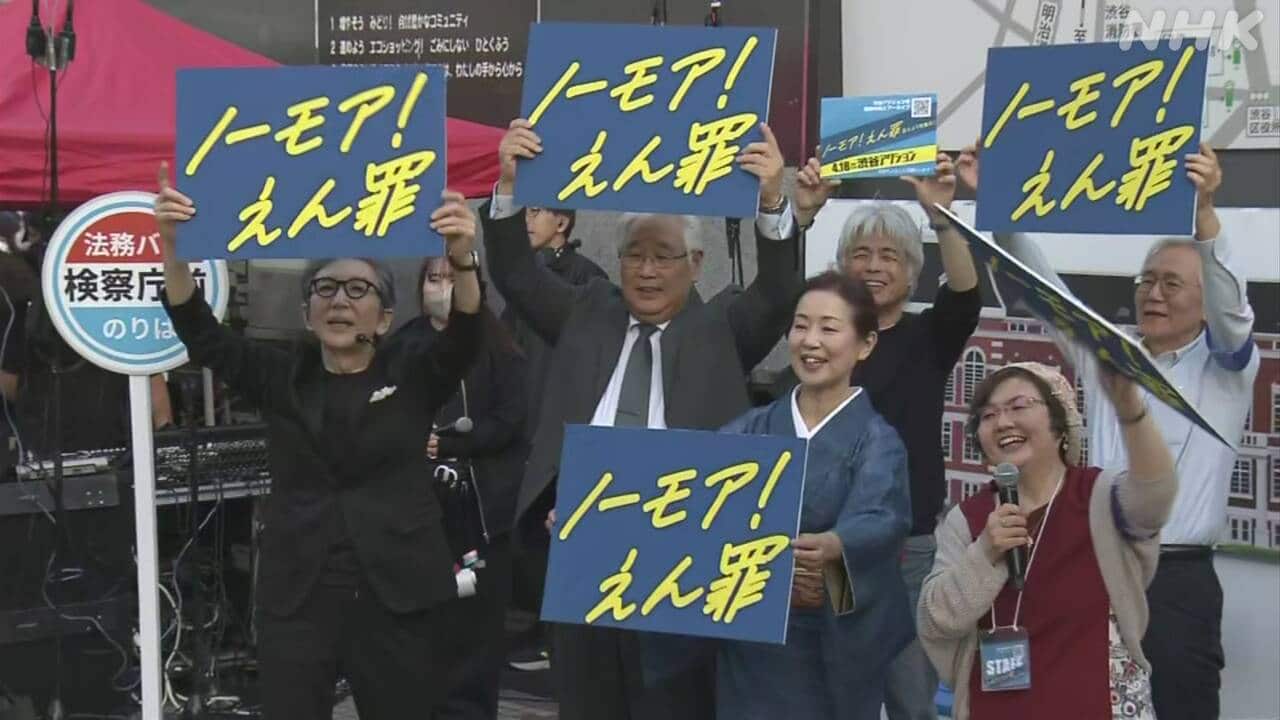
再審制度の見直しをめぐる議論が続く中、えん罪の被害者や家族などが東京 渋谷で集会を開き、えん罪からの早期救済につながる制度改正の実現を訴えました。
再審制度の見直しに向けて、政府は今月15日、自民党に修正案を示しましたが、再審開始決定に対する検察の不服申し立ては禁止せず、十分な理由があると認める場合に限るなどとした内容に賛否両論が出て、議論が続いています。
18日はえん罪の被害者や家族、支援する弁護士などで作る実行委員会が渋谷駅前の広場で集会を開きました。
この中で、再審で無罪が確定した袴田巌さん(90)の姉のひで子さん(93)は「検察の不服申し立てがあるから、再審開始になっても、またぶり返しになる。いつまでこんなことをしているのか。法務省には人間として考えてほしい」と述べ、不服申し立てを禁止するよう訴えました。
また、再審で無罪が確定した前川彰司さん(60)は、自身の再審請求の審理を踏まえ「検察が無罪の証拠を隠していた。今、証拠開示のあり方が議論されているが、全面的に開示すべきではないか」と述べました。
最後に参加者たちは「ノーモア!えん罪」、「変えよう再審法」というボードを掲げて、えん罪からの早期救済につながる制度改正の実現を訴えました。
42年前、滋賀県日野町で起きた強盗殺人事件で無期懲役が言い渡されて服役中に75歳で亡くなり、ことし2月に再審開始が決まった阪原弘さんの長男の弘次さん(65)も集会に参加しました。
弘次さんは「父は家に帰りたい、家族と幸せに過ごしたいとずっと言い続けて亡くなりました。父の名誉を回復したいという思いで闘っています。今、再審が認められるのは、ラクダが針の穴を通るように難しいと言われていますが、これではいけないと思います」と訴えました。
再審開始決定に対する検察の不服申し立てを禁止する規定を設けるかどうかは、再審制度の見直しの焦点の1つとなっています。
再審制度が見直されるきっかけとなったのは、このところ重大な事件で再審が開かれ、無罪になるケースが相次いだことです。いずれも救済までに長い年月がかかったため、制度の不備が指摘されました。
このうち、60年前に静岡県で一家4人が殺害された事件で一度死刑が確定していた袴田巌さんのケースでは、2014年に静岡地方裁判所が出した再審開始決定が検察の不服申し立てを受けて東京高等裁判所で取り消され、2023年に再審開始が確定するまでに9年が費やされました。
また、40年前に福井市で女子中学生が殺害された事件で服役した前川彰司さんのケースでは、2011年に名古屋高等裁判所金沢支部が出した再審開始決定が検察の異議申し立てを受けて名古屋高等裁判所で取り消され、おととし再審開始が確定するまでに13年が費やされました。
こうした経緯を踏まえ、えん罪の被害者などから「検察の不服申し立てが救済の遅れにつながった」として禁止を求める声が上がり、法務大臣から法制審議会に諮問された際の検討項目の1つになりました。
しかし、去年4月から再審制度の見直しを議論した法制審議会の部会では、弁護士の委員が不服申し立ての禁止を求めたのに対して反対意見が相次ぎ、議論が紛糾しました。
強く反発したのは検察の委員で「三審制のもとで最高裁判所まで慎重な審理が尽くされて有罪判決が確定した事案であっても、一度再審開始決定が出れば、それが誤った判断でも再審が開かれることになる。確定判決による法的な安定性が著しく害される」と主張し、譲りませんでした。
さらに学者の委員からも、「不服申し立ての禁止は確定判決を軽視するものだ」などと同調する声が上がりました。
結果として、部会で法改正の要綱案を取りまとめる際の採決では、不服申し立てを禁止する規定を盛り込まないことに13人の委員のうち10人が賛成し、2月12日、法制審議会から法務大臣に要綱が答申されました。
42年前、滋賀県日野町で起きた強盗殺人事件で無期懲役が確定し、服役中に75歳で死亡した阪原弘さんについて、最高裁判所はことし2月24日の決定で再審を認めました。
このケースでも、2018年に大津地方裁判所が再審を認めたあと、検察が不服申し立てを重ね、最高裁の決定までに7年半ほどが費やされました。
阪原さんの長男の弘次さんは「検察が不服申し立てをしなければ、すでに再審が始められて、無罪が確定していると思う」と話し、検察の不服申し立てを禁止するよう求めています。
再審制度の見直しをめぐり、自民党内で政府の修正案に賛否両論が出ている現状について、元刑事裁判官で、学習院大学法科大学院の半田靖史教授は「法制審議会の答申自体にもいろいろな議論があり、必ずしも多くの人が満足できる内容とは言えなかった。大きな問題とされてきた点が、活発に議論されているのは歓迎すべきことだ」と述べました。
修正案でも、再審開始決定に対する検察の不服申し立ての禁止が盛り込まれていないことについて、半田教授は「法務省には、1審から最高裁まで十分に審理を尽くして確定させた判決が簡単に取り消されると、司法への信頼が失われてしまうという考えがあり、そうした主張も理解できる」としました。
その一方で「最高裁の判断をひっくり返すとなると、丁寧で慎重な審理が行われ、相当なハードルがあるので、再審開始決定は簡単に出されるわけではない。また、再審開始になる事件は非常に少なく、そうしたレアケースを考えて司法の信頼が揺らぐというのは大げさともいえる」と述べました。
そのうえで、今後の制度見直しの議論に向けて「無実の人が拘束されて一生を終えるような犠牲の上に立った法的安定性は、砂上の楼閣のようなものだ。誤っているものは誤りを率直に認めて再出発するというのが、本当の法的安定性や司法への信頼につながると思う。国民の目線で国会議員や政府がさらに議論を進めていくのがあるべき姿だ」と話しています。
再審制度の見直しに向けて、政府は今月15日、自民党に修正案を示しましたが、再審開始決定に対する検察の不服申し立ては禁止せず、十分な理由があると認める場合に限るなどとした内容に賛否両論が出て、議論が続いています。
18日はえん罪の被害者や家族、支援する弁護士などで作る実行委員会が渋谷駅前の広場で集会を開きました。
この中で、再審で無罪が確定した袴田巌さん(90)の姉のひで子さん(93)は「検察の不服申し立てがあるから、再審開始になっても、またぶり返しになる。いつまでこんなことをしているのか。法務省には人間として考えてほしい」と述べ、不服申し立てを禁止するよう訴えました。
また、再審で無罪が確定した前川彰司さん(60)は、自身の再審請求の審理を踏まえ「検察が無罪の証拠を隠していた。今、証拠開示のあり方が議論されているが、全面的に開示すべきではないか」と述べました。
最後に参加者たちは「ノーモア!えん罪」、「変えよう再審法」というボードを掲げて、えん罪からの早期救済につながる制度改正の実現を訴えました。
42年前、滋賀県日野町で起きた強盗殺人事件で無期懲役が言い渡されて服役中に75歳で亡くなり、ことし2月に再審開始が決まった阪原弘さんの長男の弘次さん(65)も集会に参加しました。
弘次さんは「父は家に帰りたい、家族と幸せに過ごしたいとずっと言い続けて亡くなりました。父の名誉を回復したいという思いで闘っています。今、再審が認められるのは、ラクダが針の穴を通るように難しいと言われていますが、これではいけないと思います」と訴えました。
再審開始決定に対する検察の不服申し立てを禁止する規定を設けるかどうかは、再審制度の見直しの焦点の1つとなっています。
再審制度が見直されるきっかけとなったのは、このところ重大な事件で再審が開かれ、無罪になるケースが相次いだことです。いずれも救済までに長い年月がかかったため、制度の不備が指摘されました。
このうち、60年前に静岡県で一家4人が殺害された事件で一度死刑が確定していた袴田巌さんのケースでは、2014年に静岡地方裁判所が出した再審開始決定が検察の不服申し立てを受けて東京高等裁判所で取り消され、2023年に再審開始が確定するまでに9年が費やされました。
また、40年前に福井市で女子中学生が殺害された事件で服役した前川彰司さんのケースでは、2011年に名古屋高等裁判所金沢支部が出した再審開始決定が検察の異議申し立てを受けて名古屋高等裁判所で取り消され、おととし再審開始が確定するまでに13年が費やされました。
こうした経緯を踏まえ、えん罪の被害者などから「検察の不服申し立てが救済の遅れにつながった」として禁止を求める声が上がり、法務大臣から法制審議会に諮問された際の検討項目の1つになりました。
しかし、去年4月から再審制度の見直しを議論した法制審議会の部会では、弁護士の委員が不服申し立ての禁止を求めたのに対して反対意見が相次ぎ、議論が紛糾しました。
強く反発したのは検察の委員で「三審制のもとで最高裁判所まで慎重な審理が尽くされて有罪判決が確定した事案であっても、一度再審開始決定が出れば、それが誤った判断でも再審が開かれることになる。確定判決による法的な安定性が著しく害される」と主張し、譲りませんでした。
さらに学者の委員からも、「不服申し立ての禁止は確定判決を軽視するものだ」などと同調する声が上がりました。
結果として、部会で法改正の要綱案を取りまとめる際の採決では、不服申し立てを禁止する規定を盛り込まないことに13人の委員のうち10人が賛成し、2月12日、法制審議会から法務大臣に要綱が答申されました。
42年前、滋賀県日野町で起きた強盗殺人事件で無期懲役が確定し、服役中に75歳で死亡した阪原弘さんについて、最高裁判所はことし2月24日の決定で再審を認めました。
このケースでも、2018年に大津地方裁判所が再審を認めたあと、検察が不服申し立てを重ね、最高裁の決定までに7年半ほどが費やされました。
阪原さんの長男の弘次さんは「検察が不服申し立てをしなければ、すでに再審が始められて、無罪が確定していると思う」と話し、検察の不服申し立てを禁止するよう求めています。
再審制度の見直しをめぐり、自民党内で政府の修正案に賛否両論が出ている現状について、元刑事裁判官で、学習院大学法科大学院の半田靖史教授は「法制審議会の答申自体にもいろいろな議論があり、必ずしも多くの人が満足できる内容とは言えなかった。大きな問題とされてきた点が、活発に議論されているのは歓迎すべきことだ」と述べました。
修正案でも、再審開始決定に対する検察の不服申し立ての禁止が盛り込まれていないことについて、半田教授は「法務省には、1審から最高裁まで十分に審理を尽くして確定させた判決が簡単に取り消されると、司法への信頼が失われてしまうという考えがあり、そうした主張も理解できる」としました。
その一方で「最高裁の判断をひっくり返すとなると、丁寧で慎重な審理が行われ、相当なハードルがあるので、再審開始決定は簡単に出されるわけではない。また、再審開始になる事件は非常に少なく、そうしたレアケースを考えて司法の信頼が揺らぐというのは大げさともいえる」と述べました。
そのうえで、今後の制度見直しの議論に向けて「無実の人が拘束されて一生を終えるような犠牲の上に立った法的安定性は、砂上の楼閣のようなものだ。誤っているものは誤りを率直に認めて再出発するというのが、本当の法的安定性や司法への信頼につながると思う。国民の目線で国会議員や政府がさらに議論を進めていくのがあるべき姿だ」と話しています。
Vocabulary
General
Proper noun
JLPT N2
JLPT N1
| # | 言葉 | 意味 |
|---|---|---|
| 28 | 再審 | さいしん (再審) : 1. retrial; reopening of a case 2. review; reexamination |
| 13 | 不服 | ふふく (不服) : dissatisfaction; discontent; disapproval; objection; complaint; protest; disagreement |
| 13 | 申し立て | もうしたて (申し立て) : statement; account (of something); declaration; allegation |
| 12 | 開始 | かいし (開始) : start; commencement; beginning; initiation |
| 12 | 検察 | けんさつ (検察) : examination; investigation; prosecution |
| 10 | 制度 | せいど (制度) : system; institution; organization; organisation |
| 9 | 議論 | ぎろん (議論) : argument; discussion; dispute; controversy |
| 9 | 決定 | けってい (決定) : decision; determination |
| 9 | 禁止 | きんし (禁止) : prohibition; inhibition; ban |
| 9 | 確定 | かくてい (確定) : 1. decision; settlement 2. definition |
| 6 | 見直し | みなおし (見直し) : review; reconsideration; revision |
| 6 | えん罪 | えんざい (冤罪) : false charge; false accusation; misrepresentation |
| 5 | 認める | したためる (認める) : 1. to write (e.g. a letter); to draw up (a document); to take down (e.g. notes) 2. to have (lunch, dinner, etc.); to eat |
| 5 | 無罪 | むざい (無罪) : innocence; being not guilty |
| 4 | 開く | ひらく (開く) : 1. to open; to undo; to unseal; to unpack 2. to bloom; to unfold; to spread out |
| 4 | 救済 | きゅうさい (救済) : 1. relief; aid; help; rescue 2. (religious) salvation; (Christian) grace |
| 4 | つながる | つながる (繋がる) : 1. to be tied together; to be connected to; to be linked to 2. to lead to; to be related to |
| 4 | 訴える | うったえる (訴える) : 1. to raise; to bring to (someone's attention) 2. to appeal to (reason, emotions, etc.); to work on (one's emotions); to play on (one's sympathies) |
| 4 | 述べる | のべる (述べる) : to state; to express; to mention |
| 4 | 審理 | しんり (審理) : trial |
| 4 | 事件 | じけん (事件) : event; affair; incident; case; plot; trouble; scandal |
| 4 | 法制 | ほうせい (法制) : legislation; laws |
| 4 | 審議会 | しんぎかい (審議会) : council (deliberative, consultative); commission of inquiry (enquiry) |
| 4 | 委員 | いいん (委員) : committee member |
| 3 | 被害者 | ひがいしゃ (被害者) : victim; injured party; sufferer |
| 3 | 集会 | しゅうかい (集会) : meeting; assembly; gathering; congregation; convention; rally |
| 3 | 政府 | せいふ (政府) : government; administration |
| 3 | 修正案 | しゅうせいあん (修正案) : proposed amendment |
| 3 | 服役 | ふくえき (服役) : 1. penal servitude; serving time in prison 2. military service |
| 3 | 弘次 | こうじ (弘次) : Kouji (masc) |
| 3 | 高等裁判所 | こうとうさいばんしょ (高等裁判所) : High Court |
| 3 | 取り消す | とりけす (取り消す) : to cancel; to withdraw; to retract; to take back (words, etc.); to revoke |
| 3 | 費やす | ついやす (費やす) : 1. to spend; to expend; to consume 2. to waste; to squander; to throw away |
| 3 | 求める | もとめる (求める) : 1. to want; to wish for 2. to request; to demand; to require; to ask for |
| 3 | 法的 | ほうてき (法的) : legal |
| 3 | 安定性 | あんていせい (安定性) : stability; security; equilibrium |
| 3 | 最高裁 | さいこうさい (最高裁) : Supreme Court |
| 3 | 司法 | しほう (司法) : administration of justice |
| 3 | 信頼 | しんらい (信頼) : reliance; trust; faith; confidence |
| 2 | めぐる | めぐる (巡る) : 1. to go around 2. to return |
| 2 | 東京 | とうきょう (東京) : Tokyo |
| 2 | 早期 | そうき (早期) : early stage |
| 2 | 改正 | かいせい (改正) : revision; amendment; alteration |
| 2 | 実現 | じつげん (実現) : implementation (e.g. of a system); materialization; materialisation; realization; realisation; actualization; actualisation |
| 2 | 自民党 | じみんとう (自民党) : Liberal Democratic Party; LDP |
| 2 | 内容 | ないよう (内容) : contents; content; substance; matter; detail; import |
| 2 | 賛否両論 | さんぴりょうろん (賛否両論) : arguments for and against; pros and cons; mixed reception; mixed reviews |
| 2 | 弁護士 | べんごし (弁護士) : lawyer; attorney |
| 2 | 袴田 | えりた (袴田) : Erita (surname) |
| 2 | 法務省 | ほうむしょう (法務省) : Ministry of Justice |
| 2 | 考える | かんがえる (考える) : 1. to think (about, of); to think over; to ponder; to contemplate; to reflect (on); to meditate (on) 2. to consider; to bear in mind; to allow for; to take into consideration |
| 2 | 前川 | ぜんせん (前川) : Zensen (given) |
| 2 | 彰司 | しょうじ (彰司) : Shouji (given) |
| 2 | 踏まえる | ふまえる (踏まえる) : 1. to be based on; to take into account; to build upon; to have origin in 2. to have one's feet firmly planted on; to plant oneself on |
| 2 | 滋賀県 | しがけん (滋賀県) : Shiga prefecture (Kinki area) |
| 2 | 日野町 | ひのちょう (日野町) : Hinochō (place) |
| 2 | 起きる | おきる (起きる) : 1. to get up; to rise; to blaze up (fire) 2. to wake up; to be awake; to stay awake |
| 2 | 強盗 | ごうとう (強盗) : 1. robber; mugger 2. robbery; burglary |
| 2 | 殺人事件 | さつじんじけん (殺人事件) : murder case |
| 2 | 無期懲役 | むきちょうえき (無期懲役) : life imprisonment; imprisonment for life; indefinite imprisonment |
| 2 | 亡くなる | なくなる (亡くなる) : to die |
| 2 | 阪 | さか (坂) : 1. slope; incline; hill 2. milestone; (age) mark |
| 2 | 原弘 | はらひろむ (原弘) : Hara Hiromu (1903.6.22-1986.3.26) (person) |
| 2 | 長男 | ちょうなん (長男) : eldest son (may be the only son); first-born son |
| 2 | 規定 | きてい (規定) : stipulation; prescription; provision; regulation; rule |
| 2 | 相 | さが (性) : 1. one's nature; one's destiny 2. custom; tradition; habit; convention |
| 2 | 次ぐ | つぐ (次ぐ) : to rank next to; to come after |
| 2 | 殺害 | さつがい (殺害) : killing; murder |
| 2 | 地方裁判所 | ちほうさいばんしょ (地方裁判所) : district court; local court |
| 2 | 名古屋 | なごや (名古屋) : Nagoya (city) |
| 2 | 上がる | あがる (上がる) : 1. to rise; to go up; to come up; to ascend; to be raised 2. to enter (esp. from outdoors); to come in; to go in |
| 2 | 法務大臣 | ほうむだいじん (法務大臣) : Minister of Justice |
| 2 | 際 | きわ (際) : 1. edge; brink; verge; side 2. time; moment of |
| 2 | 部会 | ぶかい (部会) : section meeting |
| 2 | 審 | あきら (審) : Akira (surname; given) |
| 2 | 最高裁判所 | さいこうさいばんしょ (最高裁判所) : Supreme Court |
| 2 | 慎重 | しんちょう (慎重) : careful; cautious; prudent; discreet; deliberate |
| 2 | 誤る | あやまる (誤る) : 1. to make a mistake (in); to commit an error; to do incorrectly; to err 2. to be wrong; to be incorrect; to be false; to be mistaken |
| 2 | 判断 | はんだん (判断) : 1. judgment; judgement; decision; conclusion; adjudication 2. divination |
| 2 | 確定判決 | かくていはんけつ (確定判決) : final decision |
| 2 | 主張 | しゅちょう (主張) : claim; insistence; assertion; advocacy; emphasis; contention; opinion; tenet |
| 2 | 要綱 | ようこう (要綱) : main principle; gist; general plan; guidelines; outline |
| 2 | 盛り込む | もりこむ (盛り込む) : 1. to incorporate; to include 2. to fill (a vessel) with |
| 2 | 答申 | とうしん (答申) : report; reply; findings |
| 2 | 半田 | はんだ (半田) : solder; pewter |
| 2 | 教授 | きょうじゅ (教授) : 1. professor 2. teaching; instruction |
| 1 | 渋谷 | しだや (渋谷) : Shidaya (surname) |
| 1 | 示す | しめす (示す) : 1. to (take out and) show; to demonstrate; to tell; to exemplify; to make apparent 2. to point out (finger, clock hand, needle, etc.) |
| 1 | 限る | かぎる (限る) : 1. to restrict; to limit; to confine 2. to be restricted to; to be limited to; to be confined to |
| 1 | 支援 | しえん (支援) : support; backing; aid; assistance |
| 1 | 実行委員会 | じっこういいんかい (実行委員会) : executive committee |
| 1 | 渋谷駅 | しぶやえき (渋谷駅) : Shibuya Station (station) |
| 1 | 広場 | ひろば (広場) : 1. public square; square; plaza; piazza; forum 2. open space; clearing |
| 1 | ひ | ひ (火) : fire; flame; blaze |
| 1 | 人間 | にんげん (人間) : 1. human being; human; person; man; mankind; humankind 2. character (of a person) |
| 1 | 自身 | じしん (自身) : (one's) self; oneself |
| 1 | 請求 | せいきゅう (請求) : claim; demand; charge; application; request; billing (for a service) |
| 1 | 証拠 | しょうこ (証拠) : evidence; proof |
| 1 | 隠す | かくす (隠す) : to hide; to conceal |
| 1 | あり方 | ありかた (あり方) : 1. the way something ought to be 2. the (current) state of things; how things are |
| 1 | 全面的 | ぜんめんてき (全面的) : total; complete; all-out; general; extensive; full-scale |
| 1 | 開示 | かいじ (開示) : release (e.g. information); disclosure (legal); show; indication; display |
| 1 | 参加者 | さんかしゃ (参加者) : participant; entrant |
| 1 | 変える | かえる (変える) : 1. to change; to alter; to transform; to convert; to turn; to vary 2. to reform; to revise; to amend |
| 1 | 法 | ほう (法) : 1. law; act; principle 2. method |
| 1 | 掲げる | かかげる (掲げる) : 1. to put up (a notice, sign, etc.); to hang out (e.g. a banner); to fly (e.g. a flag); to hoist; to raise; to display 2. to hold up high; to raise overhead |
| 1 | 言い渡す | いいわたす (言い渡す) : to announce; to tell; to sentence; to order |
| 1 | 決まる | きまる (決まる) : 1. to be decided; to be settled; to be fixed; to be arranged 2. to be unchanging; to be the same (as always); to be fixed; to be set |
| 1 | 参加 | さんか (参加) : participation; joining; entry; adherence |
| 1 | 帰り | かえり (帰り) : return; coming back |
| 1 | たい | たい (他意) : other intention; hidden purpose; ulterior motive; ill will; malice |
| 1 | 幸せ | しあわせ (幸せ) : happiness; good fortune; luck; blessing |
| 1 | 過ごす | すごす (過ごす) : 1. to pass (time); to spend 2. to overdo (esp. of one's alcohol consumption); to drink (alcohol) |
| 1 | ずっと | ずっと : 1. continuously in some state (for a long time, distance); throughout; all along; the whole time; all the way 2. much (better, etc.); by far; far and away |
| 1 | 名誉 | めいよ (名誉) : honor; honour; credit; prestige |
| 1 | 回復 | かいふく (回復) : 1. restoration; rehabilitation; recovery; return; replevin; improvement 2. recovery (from an illness); recuperation; convalescence |
| 1 | 思い | おもい (思い) : 1. thought 2. imagination; mind; heart |
| 1 | 闘う | たたかう (戦う) : 1. to make war (on); to wage war (against); to go to war (with); to fight (with); to do battle (against) 2. to compete (against) |
| 1 | 針 | はり (針) : 1. needle; pin 2. hook |
| 1 | 穴 | あな (穴) : 1. hole; opening; perforation 2. pit; hollow; hole (in the ground, etc.) |
| 1 | 設ける | もうける (設ける) : 1. to prepare; to provide 2. to set up; to establish; to organize; to lay down (rules); to make (an excuse) |
| 1 | 焦点 | しょうてん (焦点) : focus (e.g. photographic); focal point |
| 1 | 見直す | みなおす (見直す) : 1. to look at again 2. to re-examine (policy, estimate, plan, etc.); to review |
| 1 | きっかけ | きっかけ (切っ掛け) : chance; start; cue; excuse; motive; impetus; occasion |
| 1 | 重大 | じゅうだい (重大) : serious; important; significant; grave; weighty |
| 1 | いずれ | いずれ (何れ) : 1. where; which; who 2. anyway; anyhow; at any rate |
| 1 | 年月 | としつき (年月) : months and years |
| 1 | 不備 | ふび (不備) : 1. defect; deficiency; imperfection; inadequacy; lack 2. Yours in haste |
| 1 | 指摘 | してき (指摘) : pointing out; identification |
| 1 | 静岡県 | しずおかけん (静岡県) : Shizuoka prefecture (Chūbu area) |
| 1 | 一家 | いっか (一家) : 1. a family; a household; a home; one's family; whole family 2. (one's own) style; school |
| 1 | 死刑 | しけい (死刑) : death penalty; capital punishment |
| 1 | 静岡 | しずおか (静岡) : Shizuoka (city, prefecture) |
| 1 | 福井市 | ふくいし (福井市) : Fukui (city) (place) |
| 1 | 女子 | じょし (女子) : woman; girl |
| 1 | 中学生 | ちゅうがくせい (中学生) : junior high school student; middle school pupil |
| 1 | 金沢 | かなざわ (金沢) : Kanazawa (city in Ishikawa) |
| 1 | 支部 | しぶ (支部) : branch; subdivision |
| 1 | 異議申し立て | いぎもうしたて (異議申立て) : formal objection; opposition (e.g. to a patent) |
| 1 | 経緯 | いきさつ (経緯) : 1. details; particulars; whole story; sequence of events; chronology; circumstances; how it started; how things got this way 2. longitude and latitude |
| 1 | 遅れ | おくれ (遅れ) : delay; lag; postponement; falling behind |
| 1 | 諮問 | しもん (諮問) : consultation; question; enquiry; inquiry |
| 1 | 検討 | けんとう (検討) : consideration; examination; investigation; study; scrutiny; discussion; analysis; review |
| 1 | 項目 | こうもく (項目) : 1. item; heading; category; clause 2. headword (in a dictionary, encyclopedia, etc.); entry |
| 1 | 紛糾 | ふんきゅう (紛糾) : complication; confusion; disorder |
| 1 | 反発 | はんぱつ (反発) : 1. opposition; rebellion; revolt; resistance; backlash; refusal 2. rebounding; recoiling; repulsion |
| 1 | 制 | せい (制) : system; organization; organisation; imperial command; laws; regulation; control; government; suppression; restraint; holding back; establishment |
| 1 | もと | もと (元) : 1. origin; source 2. base; basis; foundation; root |
| 1 | 有罪判決 | ゆうざいはんけつ (有罪判決) : guilty verdict; judgment of guilty (judgement) |
| 1 | 事案 | じあん (事案) : concern; circumstance which is becoming a problem; case (court) |
| 1 | 出る | でる (出る) : 1. to leave; to exit; to go out; to come out; to get out 2. to leave (on a journey); to depart; to start out; to set out |
| 1 | 著しく | いちじるしく (著しく) : considerably; remarkably; strikingly |
| 1 | 害す | がいす (害す) : 1. to injure; to damage; to harm; to hurt 2. to kill |
| 1 | 譲る | ゆずる (譲る) : 1. to hand over; to transfer; to turn over; to assign; to convey; to bequeath 2. to give up (e.g. one's seat); to give way |
| 1 | 学者 | がくしゃ (学者) : scholar |
| 1 | 軽視 | けいし (軽視) : making light of; thinking little of; slighting; belittling; dismissing; contempt; disdain |
| 1 | 同調 | どうちょう (同調) : sympathy; agreement with; alignment; conformity; tuning |
| 1 | 結果 | けっか (結果) : 1. result; consequence; outcome; effect 2. coming to fruition; bearing fruit |
| 1 | 法改正 | ほうかいせい (法改正) : change in the law; legal reform |
| 1 | 案 | あん (案) : 1. idea; plan; proposal; suggestion; (government) bill 2. draft; rough copy |
| 1 | 取りまとめる | とりまとめる (取りまとめる) : 1. to collect; to gather; to compile; to assemble 2. to arrange; to settle |
| 1 | 採決 | さいけつ (採決) : vote; ballot; division |
| 1 | 賛成 | さんせい (賛成) : approval; agreement; support; favour; favor |
| 1 | 死亡 | しぼう (死亡) : 1. death; mortality 2. to die; to pass away |
| 1 | 大津 | おおつ (大津) : Ōtsu (city in Shiga) |
| 1 | 重ねる | かさねる (重ねる) : 1. to pile up; to heap up; to stack up; to put on top of another 2. to repeat many times over; to go through repeatedly; to accumulate |
| 1 | 阪原 | さかはら (阪原) : Sakahara (surname) |
| 1 | すでに | すでに (既に) : already; too late |
| 1 | 現状 | げんじょう (現状) : present condition; existing state; status quo; current state |
| 1 | 刑事 | けいじ (刑事) : 1. (police) detective 2. criminal matter |
| 1 | 裁判官 | さいばんかん (裁判官) : judge |
| 1 | 学習院大学 | がくしゅういんだいがく (学習院大学) : Gakushuuin University (organization) |
| 1 | 法科大学院 | ほうかだいがくいん (法科大学院) : law school |
| 1 | 靖史 | せいし (靖史) : Seishi (unclass) |
| 1 | 自体 | じたい (自体) : 1. itself 2. one's own body; oneself |
| 1 | しも | しも (霜) : 1. frost 2. white hair; grey hair; gray hair |
| 1 | 満足 | まんぞく (満足) : 1. satisfaction; contentment; gratification 2. sufficient; satisfactory; enough; adequate; proper; decent |
| 1 | 言える | いえる (言える) : 1. to be possible to say; to be able to say 2. said; have said |
| 1 | 活発 | かっぱつ (活発) : lively; active; vigorous; animated; brisk |
| 1 | 歓迎 | かんげい (歓迎) : welcome; reception |
| 1 | 判決 | はんけつ (判決) : judicial decision; judgement; judgment; sentence; decree |
| 1 | 失う | うしなう (失う) : 1. to lose 2. to miss (a change, opportunity) |
| 1 | 考え | かんがえ (考え) : 1. thinking; thought; view; opinion; concept 2. idea; notion; imagination |
| 1 | 理解 | りかい (理解) : understanding; comprehension; appreciation; sympathy |
| 1 | ひっくり返す | ひっくりかえす (ひっくり返す) : 1. to turn over; to turn upside down; to turn up; to turn inside out; to turn out 2. to knock over; to tip over |
| 1 | 相当 | そうとう (相当) : 1. corresponding to (in meaning, function, etc.); being equivalent to 2. appropriate; suitable; befitting; proportionate |
| 1 | 非常 | ひじょう (非常) : 1. emergency 2. extraordinary; unusual |
| 1 | 揺らぐ | ゆらぐ (揺らぐ) : 1. to swing; to sway; to shake; to tremble 2. to waver; to feel shaken; to become unstable |
| 1 | 大げさ | おおげさ (大げさ) : grandiose; exaggerated |
| 1 | いえる | いえる (言える) : 1. to be possible to say; to be able to say 2. said; have said |
| 1 | 今後 | こんご (今後) : from now on; hereafter |
| 1 | 無実 | むじつ (無実) : 1. innocence; guiltlessness; false accusation; false charge 2. absence of the fact; insubstantiality; lacking substance |
| 1 | 拘束 | こうそく (拘束) : restriction; restraint; binding; constraint |
| 1 | 一生 | いっしょう (一生) : 1. whole life; a lifetime; all through life; one existence; a generation; an age; the whole world; the era 2. (the only, the greatest, etc.) of one's life |
| 1 | 犠牲 | ぎせい (犠牲) : 1. sacrifice; victim; scapegoat 2. sacrifice (to the gods) |
| 1 | 立つ | たつ (立つ) : 1. to stand; to rise; to stand up 2. to find oneself (e.g. in a difficult position) |
| 1 | 砂上の楼閣 | さじょうのろうかく (砂上の楼閣) : house built on sand; house of cards |
| 1 | のよ | のよ (乃代) : Noyo (unclass) |
| 1 | うな | うな (鰻) : eel (esp. the Japanese eel, Anguilla japonica) |
| 1 | もの | もの (者) : person |
| 1 | 誤り | あやまり (誤り) : error; mistake; slip; bug |
| 1 | 率直 | そっちょく (率直) : frank; candid; straightforward; openhearted; direct; outspoken |
| 1 | 再出発 | さいしゅっぱつ (再出発) : restart; fresh start |
| 1 | 本当 | ほんとう (本当) : 1. truth; reality; actuality; fact 2. proper; right; correct; official |
| 1 | 国民 | こくみん (国民) : people (of a country); nation; citizen; national |
| 1 | 目線 | めせん (目線) : 1. (one's) gaze; direction in which one is looking 2. point of view; standpoint |
| 1 | 国会議員 | こっかいぎいん (国会議員) : member of the Diet; Diet member; member of parliament; MP |
| 1 | 進める | すすめる (進める) : 1. to advance; to move forward; to put (a clock, watch) forward 2. to carry forward (plans, work, etc.); to proceed with; to make progress in; to further; to advance; to hasten; to speed up |
| 1 | 姿 | すがた (姿) : 1. figure; form; shape 2. appearance; dress; guise |