岩手 花巻 伝統の「泣き相撲」子どもの健やかな成長願う
予習
この記事のキーワード — タップで意味×3
赤ちゃん
あかちゃん
baby; infant
N1×2
健やか
すこやか
vigorous; healthy; sound
N1×3
子供
こども
child
×2
泣く
なく
to cry; to weep; to sob; to howl
×2
成長
せいちょう
1. growth; development; growing up; becoming an adult 2. growth (of a company, the economy, etc.)
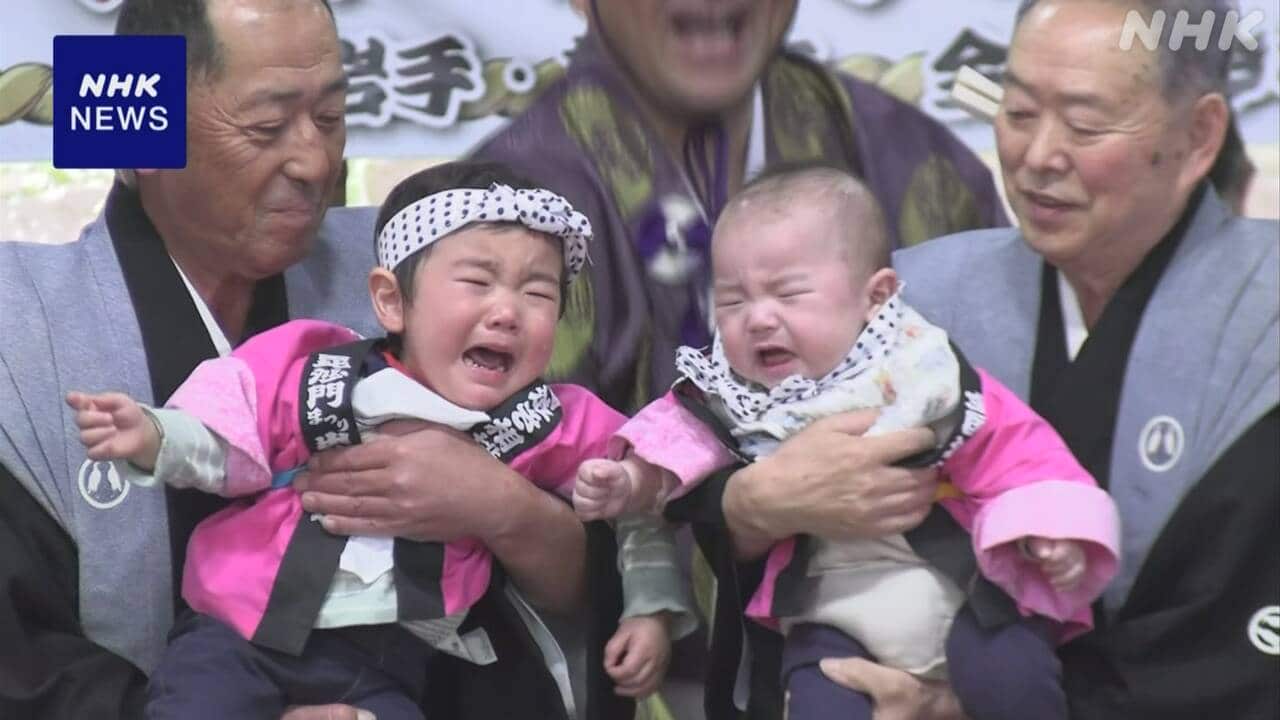
子どもの健やかな成長を願う岩手県花巻市の伝統行事、『泣き相撲』が行われ、境内に赤ちゃんたちの元気な声が響きました。
この『泣き相撲』は花巻市東和町の三熊野神社に江戸時代から伝わる行事で、子どもの健やかな成長と五穀豊じょうを願って毎年、春と秋に行われています。
今回は4日と5日の開催で、地元のほか、遠くは愛知県など全国から生後半年から1歳半までの子どもおよそ600人が参加します。
子どもたちはピンク色のはっぴに鉢巻き姿で、親方と呼ばれるかみしも姿の男性に抱かれて東西に分かれて土俵に上がりました。
そして、「よう、よう」という掛け声にあわせてお互いに顔を近づけてにらめっこをしました。
先に泣いたほうが負けですが、中には土俵に上がる前から泣き出す赤ちゃんや、笑みを浮かべる赤ちゃんもいて、かわいらしい様子に会場は大きな歓声と笑顔に包まれていました。
地元・花巻市内から参加したという女の子の父親は「優しく、誰とでも仲よくできるような子に育ってほしいです」と話していました。
この『泣き相撲』は花巻市東和町の三熊野神社に江戸時代から伝わる行事で、子どもの健やかな成長と五穀豊じょうを願って毎年、春と秋に行われています。
今回は4日と5日の開催で、地元のほか、遠くは愛知県など全国から生後半年から1歳半までの子どもおよそ600人が参加します。
子どもたちはピンク色のはっぴに鉢巻き姿で、親方と呼ばれるかみしも姿の男性に抱かれて東西に分かれて土俵に上がりました。
そして、「よう、よう」という掛け声にあわせてお互いに顔を近づけてにらめっこをしました。
先に泣いたほうが負けですが、中には土俵に上がる前から泣き出す赤ちゃんや、笑みを浮かべる赤ちゃんもいて、かわいらしい様子に会場は大きな歓声と笑顔に包まれていました。
地元・花巻市内から参加したという女の子の父親は「優しく、誰とでも仲よくできるような子に育ってほしいです」と話していました。
この記事の単語 (54)
×3
子供
こども
child
×3
赤ちゃん
あかちゃん
baby; infant
×2
健やか
すこやか
vigorous; healthy; sound
×2
成長
せいちょう
1. growth; development; growing up; becoming an adult 2. growth (of a company, the economy, etc.)
×2
花巻市
はなまきし
Hanamaki (city) (place)
×2
地元
じもと
1. home area; home town 2. local
×2
参加
さんか
participation; joining; entry; adherence
×2
姿
すがた
1. figure; form; shape 2. appearance; dress; guise
×2
土俵
どひょう
1. (wrestling) ring 2. forum (e.g. for discussion)
×2
上がる
あがる
1. to rise; to go up; to come up; to ascend; to be raised 2. to enter (esp. from outdoors); to come in; to go in
×2
泣く
なく
to cry; to weep; to sob; to howl
×1
岩手県
いわてけん
Iwate prefecture (Tōhoku area)
×1
境内
けいだい
grounds (esp. of shrines and temples); compound; churchyard; precincts
×1
響く
ひびく
1. to resound; to be heard far away 2. to reverberate; to shake; to vibrate
×1
東和町
とうわちょう
Touwachō (place)
×1
熊野神社
くまのじんしゃ
Kumanojinsha (place)
×1
江戸時代
えどじだい
Edo period (1603-1868 CE)
×1
伝わる
つたわる
to be handed down; to be introduced; to be transmitted; to be circulated; to go along; to walk along
×1
行事
ぎょうじ
event; function
×1
五穀
ごこく
the five grains (wheat, rice, beans, millet (awa and kibi))
×1
開催
かいさい
holding (a conference, exhibition, etc.); opening; hosting (e.g. the Olympics)
×1
愛知県
あいちけん
Aichi prefecture (Chūbu area)
×1
全国
ぜんこく
the whole country
×1
生後
せいご
post-natal; since birth
×1
半年
はんとし
half a year; six months
×1
子供達
こどもたち
children
×1
ピンク色
ピンクいろ
pink
×1
法被
はっぴ
happi coat; happy coat; workman's livery coat; traditional Japanese straight-sleeved coat
×1
鉢巻き
はちまき
headband
×1
親方
おやかた
1. master; boss; chief; foreman; supervisor 2. stable master
×1
呼ぶ
よぶ
1. to call out (to); to call; to invoke 2. to summon (a doctor, etc.)
×1
上下
かみしも
1. samurai costume; old ceremonial costume 2. top and bottom; up and down; high and low; above and below; upper and lower ends
×1
抱く
いだく
1. to hold in one's arms (e.g. a baby); to embrace; to hug 2. to have (a thought or feeling); to hold; to harbour (suspicion, doubt, etc.); to harbor; to bear (a grudge, ill will, etc.); to entertain (hope, illusions, etc.); to cherish (e.g. an ambition)
×1
東西
とうざい
1. east and west 2. Orient and Occident; East and West
×1
分かれる
わかれる
1. to branch; to fork; to diverge 2. to separate; to split; to divide
×1
掛け声
かけごえ
shout (of encouragement, etc.); yell (used to time or encourage activity, e.g. "Heave ho!")
×1
合わせる
あわせる
1. to match (rhythm, speed, etc.) 2. to join together; to unite; to combine; to add up
×1
互い
たがい
each other; one another
×1
近付ける
ちかづける
1. to bring near; to bring close; to let go near 2. to associate with; to bring (people) together; to let come near (of a person)
×1
睨めっこ
にらめっこ
1. staring-out (down) game; game in which two children looking at each other try to make the opponents laugh first 2. constant looking at something (e.g. the computer screen, the clock, etc.)
×1
負け
まけ
1. defeat; loss; losing (a game) 2. failing to live up to (one's name, looks, etc.)
×1
笑み
えみ
smile
×1
浮かべる
うかべる
1. to float; to set afloat; to launch 2. to show on one's face (smile, sadness, etc.)
×1
可愛らしい
かわいらしい
lovely; sweet
×1
様子
ようす
1. state; state of affairs; situation; circumstances 2. appearance; look; aspect
×1
歓声
かんせい
cheer; shout of joy
×1
笑顔
えがお
smiling face; smile
×1
包む
つつむ
1. to wrap up; to pack; to bundle; to do up 2. to cover; to envelop; to shroud; to engulf
×1
花巻
はなまき
Hanamaki (place; surname)
×1
市内
しない
(within a) city; local
×1
父親
ちちおや
father
×1
優しい
やさしい
tender; kind; gentle; graceful; affectionate; amiable
×1
仲良く
なかよく
1. on good terms with; on cordial terms with; getting along well with; happily; peacefully 2. to make friends with; to be good friends with; to get along with
×1
育つ
そだつ
to be raised (e.g. child); to be brought up; to grow (up)