池袋 店員刺殺事件 逃げる女性を追いかけ執ように襲ったか
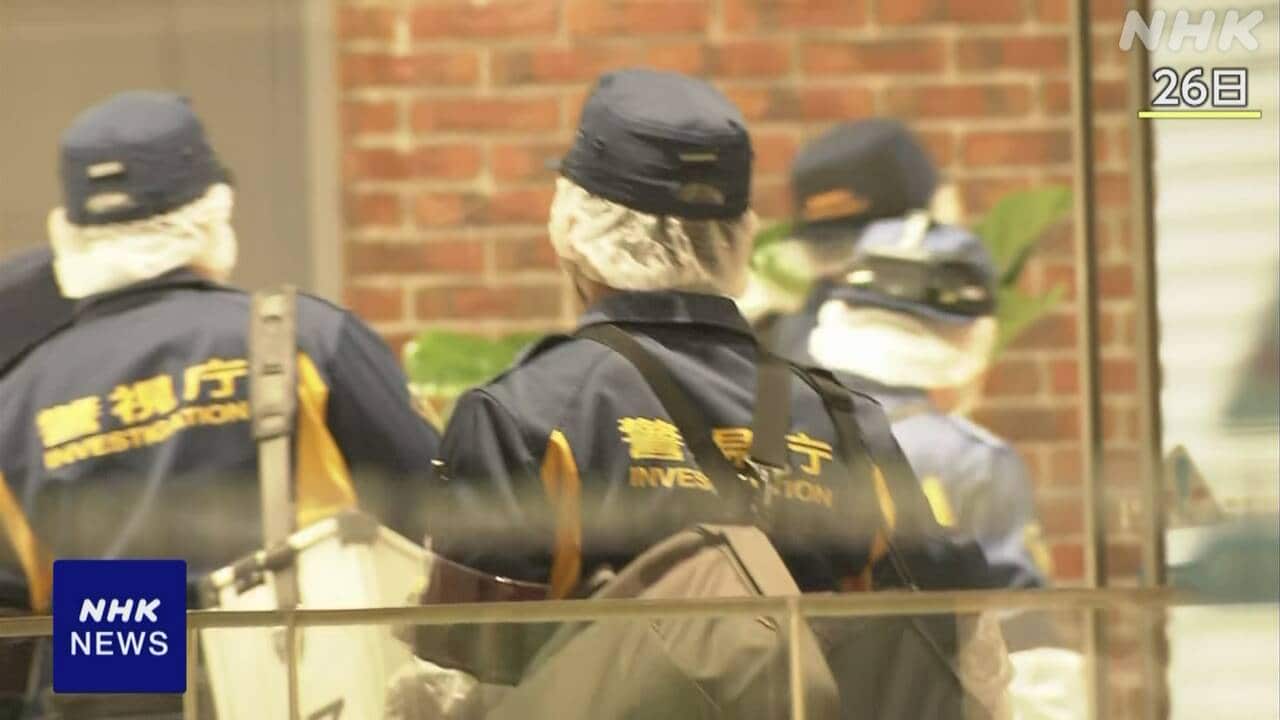
26日、東京 池袋の商業施設「サンシャインシティ」に入るポケットモンスターのキャラクターショップで店員の21歳の女性が刃物で刺されて死亡した事件で、元交際相手の容疑者が逃げる女性を追いかけ、倒れたところに覆い被さるなど執ように襲いかかったとみられることが捜査関係者への取材で分かりました。
26日の夜、東京 池袋の商業施設「サンシャインシティ」の2階に入る「ポケモンセンターメガトウキョー」でアルバイトの店員、春川萌衣さん(21)が首などを刃物で刺されて死亡しました。
警視庁によりますと、刺したとみられるのは元交際相手で住所・職業不詳の廣川大起容疑者(26)で、その場でみずからを刺して死亡したということです。
その後の防犯カメラなどの捜査で、容疑者が当時、レジカウンターの中にいた女性に切りつけた後、逃げる女性を追いかけてさらに首の付近を刺すなど執ように襲いかかったとみられることが捜査関係者への取材で分かりました。
防犯カメラには、倒れた女性に覆い被さった上で女性とみずからを刃物で交互に刺す様子も数十秒間にわたって写っていたということです。
女性は去年12月にストーカー被害について警視庁に相談し、容疑者はストーカー規制法違反などの罪で略式命令を受けたあと釈放されていたということで、警視庁が事件の詳しいいきさつを調べています。
亡くなった春川萌衣さんの弟の友人で、同じ中学校の出身だという19歳の女性は「萌衣さんは年下に対しても優しく、誰とでも分け隔てなく話す人で、同じ部活ではありませんでしたが、よく話しかけてくれました。萌衣さんと弟は当時からポケットモンスターが好きなことで知られていて、ポケモンの話題をふると楽しそうに話していたのが印象に残っています。友人のお姉さんが事件に巻き込まれたと知ってすごく悲しかったし、怖かったです」と話していました。
ストーカー被害をめぐっては、ストーカー規制法に基づいてつきまといなどの行為を禁じる「禁止命令」を受けた加害者への対策が課題となっています。
今回の事件では、警視庁がことし1月29日、容疑者に対して禁止命令を出していました。
この時にはストーカー行為を認めた上で、「復縁したかった。もう近づきません」と話し、命令の受領書に署名したということです。
その際、警視庁はストーカーの加害者を対象にしたカウンセリングや治療を受けるよう促しましたが、容疑者はそれを断り、その後も受診していなかったということです。
警察庁によりますと、おととし、禁止命令を受けた加害者など3271人を対象に受診を働きかけたところ、継続的な治療やカウンセリングにつながった人は184人と全体の5%にとどまり、90%にあたる2954人は受診を拒否していました。
また、受診を働きかけたもののつきまといなどの行為を再び行った人は168人いたということです。
日本では受診の働きかけは任意で行われていて、継続的に受診する際の費用負担の課題もあり、去年も治療などにつながったのは233人にとどまっています。
全国の警察は禁止命令を受けた加害者全員に電話で連絡を取って接触を図り、必要に応じて受診を促すとともに、再発の兆しがないか、注意深く状況を確認する取り組みを続けることにしています。
警視庁によりますと、女性は廣川容疑者と八王子市内の別のアルバイト先で知り合い、おととし10月ごろから交際していましたが、去年7月ごろに別れたといいます。
その後、容疑者のストーカー行為が始まったとみられ、「今夜中に連絡ください。助けてください」という内容のメッセージカードやポケットモンスターのカードが入った紙袋を女性の自宅玄関に置くなどのつきまとい行為をしていたということです。
去年12月25日の朝、女性は八王子警察署に初めて相談に訪れ、「別れた元交際相手がつきまとってくる。仕事帰りに自宅までついてくることが何度かあった」と話したということです。
警視庁は相談を受理した後、女性を自宅まで送り届けましたが、その際、容疑者が自宅周辺をうろついていたことなどから、ストーカー規制法違反の疑いで逮捕しました。
調べに対し「ストーカー行為をしたことに間違いない」と容疑を認めていたということです。
当時はレンタカーで女性の自宅近くを訪れていて、車内からは刃渡り10センチの果物ナイフ1本が見つかりました。
容疑者はその後、ことし1月8日に銃刀法違反の疑いで追送検されたほか、1月15日には女性を去年、スマートフォンで盗撮した疑いで再逮捕されました。
さらに、警視庁は1月29日にストーカー規制法に基づいてつきまといなどを禁止する「禁止命令」を出します。
この時にはストーカー行為を改めて認めた上で、「復縁したかった。もう近づきません」と話し、命令の受領書に署名したということです。
禁止命令を出した際、警視庁はストーカーの加害者を対象にしたカウンセリングや治療を受けるよう促しましたが、容疑者はそれを断り、その後も受診していなかったということです。
警視庁は容疑者の釈放に備えて、女性を親族の家に避難させたり、自宅に防犯カメラを設置してもらったりする対応をとったほか、今月にかけて毎月、女性と電話で連絡を取り、変わったことがないか尋ねていたとしています。
警視庁によりますと、容疑者が釈放されて以降、女性からは毎月の電話連絡で「異常はありません」と報告を受けていたほか、女性の自宅やアルバイト先で容疑者の姿が目撃されることもなかったということです。
容疑者が女性の今のアルバイト先を把握していたことから、警視庁は仕事を変えることも提案したということですが、女性は「ポケモンセンターで働くのが夢でした。仕事はやめたくない」と話していたということです。
事件当日、容疑者は店を1人で訪れ、多くの客や店員がいる中で女性を襲ったとみられるということで、警視庁は引き続き、詳しいいきさつを調べています。
26日の夜、東京 池袋の商業施設「サンシャインシティ」の2階に入る「ポケモンセンターメガトウキョー」でアルバイトの店員、春川萌衣さん(21)が首などを刃物で刺されて死亡しました。
警視庁によりますと、刺したとみられるのは元交際相手で住所・職業不詳の廣川大起容疑者(26)で、その場でみずからを刺して死亡したということです。
その後の防犯カメラなどの捜査で、容疑者が当時、レジカウンターの中にいた女性に切りつけた後、逃げる女性を追いかけてさらに首の付近を刺すなど執ように襲いかかったとみられることが捜査関係者への取材で分かりました。
防犯カメラには、倒れた女性に覆い被さった上で女性とみずからを刃物で交互に刺す様子も数十秒間にわたって写っていたということです。
女性は去年12月にストーカー被害について警視庁に相談し、容疑者はストーカー規制法違反などの罪で略式命令を受けたあと釈放されていたということで、警視庁が事件の詳しいいきさつを調べています。
亡くなった春川萌衣さんの弟の友人で、同じ中学校の出身だという19歳の女性は「萌衣さんは年下に対しても優しく、誰とでも分け隔てなく話す人で、同じ部活ではありませんでしたが、よく話しかけてくれました。萌衣さんと弟は当時からポケットモンスターが好きなことで知られていて、ポケモンの話題をふると楽しそうに話していたのが印象に残っています。友人のお姉さんが事件に巻き込まれたと知ってすごく悲しかったし、怖かったです」と話していました。
ストーカー被害をめぐっては、ストーカー規制法に基づいてつきまといなどの行為を禁じる「禁止命令」を受けた加害者への対策が課題となっています。
今回の事件では、警視庁がことし1月29日、容疑者に対して禁止命令を出していました。
この時にはストーカー行為を認めた上で、「復縁したかった。もう近づきません」と話し、命令の受領書に署名したということです。
その際、警視庁はストーカーの加害者を対象にしたカウンセリングや治療を受けるよう促しましたが、容疑者はそれを断り、その後も受診していなかったということです。
警察庁によりますと、おととし、禁止命令を受けた加害者など3271人を対象に受診を働きかけたところ、継続的な治療やカウンセリングにつながった人は184人と全体の5%にとどまり、90%にあたる2954人は受診を拒否していました。
また、受診を働きかけたもののつきまといなどの行為を再び行った人は168人いたということです。
日本では受診の働きかけは任意で行われていて、継続的に受診する際の費用負担の課題もあり、去年も治療などにつながったのは233人にとどまっています。
全国の警察は禁止命令を受けた加害者全員に電話で連絡を取って接触を図り、必要に応じて受診を促すとともに、再発の兆しがないか、注意深く状況を確認する取り組みを続けることにしています。
警視庁によりますと、女性は廣川容疑者と八王子市内の別のアルバイト先で知り合い、おととし10月ごろから交際していましたが、去年7月ごろに別れたといいます。
その後、容疑者のストーカー行為が始まったとみられ、「今夜中に連絡ください。助けてください」という内容のメッセージカードやポケットモンスターのカードが入った紙袋を女性の自宅玄関に置くなどのつきまとい行為をしていたということです。
去年12月25日の朝、女性は八王子警察署に初めて相談に訪れ、「別れた元交際相手がつきまとってくる。仕事帰りに自宅までついてくることが何度かあった」と話したということです。
警視庁は相談を受理した後、女性を自宅まで送り届けましたが、その際、容疑者が自宅周辺をうろついていたことなどから、ストーカー規制法違反の疑いで逮捕しました。
調べに対し「ストーカー行為をしたことに間違いない」と容疑を認めていたということです。
当時はレンタカーで女性の自宅近くを訪れていて、車内からは刃渡り10センチの果物ナイフ1本が見つかりました。
容疑者はその後、ことし1月8日に銃刀法違反の疑いで追送検されたほか、1月15日には女性を去年、スマートフォンで盗撮した疑いで再逮捕されました。
さらに、警視庁は1月29日にストーカー規制法に基づいてつきまといなどを禁止する「禁止命令」を出します。
この時にはストーカー行為を改めて認めた上で、「復縁したかった。もう近づきません」と話し、命令の受領書に署名したということです。
禁止命令を出した際、警視庁はストーカーの加害者を対象にしたカウンセリングや治療を受けるよう促しましたが、容疑者はそれを断り、その後も受診していなかったということです。
警視庁は容疑者の釈放に備えて、女性を親族の家に避難させたり、自宅に防犯カメラを設置してもらったりする対応をとったほか、今月にかけて毎月、女性と電話で連絡を取り、変わったことがないか尋ねていたとしています。
警視庁によりますと、容疑者が釈放されて以降、女性からは毎月の電話連絡で「異常はありません」と報告を受けていたほか、女性の自宅やアルバイト先で容疑者の姿が目撃されることもなかったということです。
容疑者が女性の今のアルバイト先を把握していたことから、警視庁は仕事を変えることも提案したということですが、女性は「ポケモンセンターで働くのが夢でした。仕事はやめたくない」と話していたということです。
事件当日、容疑者は店を1人で訪れ、多くの客や店員がいる中で女性を襲ったとみられるということで、警視庁は引き続き、詳しいいきさつを調べています。
Vocabulary
General
Proper noun
JLPT N2
JLPT N1
| # | 言葉 | 意味 |
|---|---|---|
| 16 | 容疑者 | ようぎしゃ (容疑者) : suspect (person) |
| 13 | 警視庁 | けいしちょう (警視庁) : Metropolitan Police Department (esp. Tokyo) |
| 8 | 受診 | じゅしん (受診) : having a medical examination; seeing a doctor |
| 7 | 行為 | こうい (行為) : act; deed; conduct |
| 7 | 自宅 | じたく (自宅) : one's home; one's house |
| 6 | 刺す | さす (刺す) : 1. to pierce; to stab; to prick; to stick; to thrust 2. to sting; to bite |
| 6 | 禁止命令 | きんしめいれい (禁止命令) : interdict; prohibition order; writ of prohibition |
| 5 | つきまとう | つきまとう (付きまとう) : 1. to follow around; to shadow; to tag along 2. to haunt one (e.g. feeling, failure); to follow one |
| 5 | 加害者 | かがいしゃ (加害者) : assailant; perpetrator; wrong-doer; aggressor |
| 4 | 事件 | じけん (事件) : event; affair; incident; case; plot; trouble; scandal |
| 4 | 萌衣 | めい (萌衣) : Mei (fem) |
| 4 | 際 | きわ (際) : 1. edge; brink; verge; side 2. time; moment of |
| 4 | 治療 | ちりょう (治療) : (medical) treatment; care; therapy; cure; remedy |
| 3 | 刃物 | はもの (刃物) : edged tool; cutlery |
| 3 | 死亡 | しぼう (死亡) : 1. death; mortality 2. to die; to pass away |
| 3 | 交際相手 | こうさいあいて (交際相手) : person one is dating; significant other; partner; boyfriend; girlfriend |
| 3 | その後 | そのあと (その後) : after that; afterwards; thereafter |
| 3 | 防犯カメラ | ぼうはんカメラ (防犯カメラ) : security camera |
| 3 | 当時 | とうじ (当時) : at that time; in those days |
| 3 | 違反 | いはん (違反) : violation; offense; offence; breach; transgression; infringement; contravention |
| 3 | 命令 | めいれい (命令) : 1. order; command; decree; directive 2. (software) instruction; statement |
| 3 | 釈放 | しゃくほう (釈放) : release; liberation; acquittal |
| 3 | 認める | したためる (認める) : 1. to write (e.g. a letter); to draw up (a document); to take down (e.g. notes) 2. to have (lunch, dinner, etc.); to eat |
| 3 | 対象 | たいしょう (対象) : target; object (of worship, study, etc.); subject (of taxation, etc.) |
| 3 | 促す | うながす (促す) : 1. to urge; to encourage; to press; to prompt; to draw (attention to) 2. to stimulate (e.g. growth); to hasten (e.g. development); to quicken; to accelerate; to promote |
| 3 | アルバイト先 | アルバイトさき (アルバイト先) : part-time employer; place where one works part-time |
| 3 | 訪れる | おとずれる (訪れる) : 1. to visit; to call on 2. to arrive (season, time, situation, etc.); to come; to appear |
| 3 | 疑い | うたがい (疑い) : doubt; question; uncertainty; skepticism; scepticism; suspicion; distrust |
| 2 | 東京 | とうきょう (東京) : Tokyo |
| 2 | 池袋 | いけふくろ (池袋) : Ikefukuro (surname) |
| 2 | 追いかける | おいかける (追いかける) : to chase; to run after; to pursue |
| 2 | 倒れる | たおれる (倒れる) : 1. to fall (over, down); to collapse; to take a fall; to topple 2. to be destroyed (in a collapse); to collapse; to cave in; to crumble; to give away |
| 2 | 覆い被さる | おおいかぶさる (覆い被さる) : 1. to hang over; to cover 2. to fall upon someone (responsibility, burden, pressure, etc.) |
| 2 | 執よう | しつよう (執拗) : persistent; obstinate; tenacious; relentless; insistent; importunate; persevering; stubborn |
| 2 | 襲いかかる | おそいかかる (襲いかかる) : to rush on; to attack; to swoop down on |
| 2 | 取材 | しゅざい (取材) : 1. news coverage; collecting data (e.g. for an article); covering (something for media) 2. interview |
| 2 | 分かる | わかる (分かる) : 1. to understand; to comprehend; to grasp; to see; to get; to follow 2. to become clear; to be known; to be discovered; to be realized; to be realised; to be found out |
| 2 | 春川 | しゅんせん (春川) : Shunsen (given) |
| 2 | 廣川 | ひろかわ (廣川) : Hirokawa (surname) |
| 2 | みずから | みずから (自ら) : 1. oneself 2. oneself; for oneself; personally; in person |
| 2 | 詳しい | くわしい (詳しい) : 1. detailed; full; minute 2. knowing very well; knowledgeable (about); well-acquainted (with); well-informed (about); familiar (with) |
| 2 | いきさつ | いきさつ (経緯) : 1. details; particulars; whole story; sequence of events; chronology; circumstances; how it started; how things got this way 2. longitude and latitude |
| 2 | 調べる | しらべる (調べる) : to examine; to look up; to investigate; to check up; to sense; to study; to inquire; to search |
| 2 | 友人 | ゆうじん (友人) : friend |
| 2 | 知る | しる (知る) : 1. to be aware of; to know; to be conscious of; to cognize; to cognise 2. to notice; to feel |
| 2 | 基づく | もとづく (基づく) : to be grounded on; to be based on; to be due to; to originate from |
| 2 | 課題 | かだい (課題) : 1. subject; theme; issue; matter 2. homework; assignment |
| 2 | 復縁 | ふくえん (復縁) : reconciliation (with one's spouse, adopted child, etc.) |
| 2 | 近づく | ちかづく (近づく) : 1. to approach; to draw near; to get close 2. to get acquainted with; to get closer to; to get to know |
| 2 | 受領書 | じゅりょうしょ (受領書) : receipt |
| 2 | 署名 | しょめい (署名) : signature |
| 2 | 断る | ことわる (断る) : 1. to refuse; to reject; to dismiss; to turn down; to decline 2. to inform; to give notice; to tell in advance |
| 2 | 働きかける | はたらきかける (働きかける) : 1. to work on (someone); to appeal to; to make approaches to; to pressure; to exert influence on; to seek action from 2. to begin to work |
| 2 | 継続的 | けいぞくてき (継続的) : continuous |
| 2 | つながる | つながる (繋がる) : 1. to be tied together; to be connected to; to be linked to 2. to lead to; to be related to |
| 2 | とどまる | とどまる (止まる) : 1. to remain; to abide; to stay (in the one place) 2. to be limited to; to be confined to; to only account for |
| 2 | 取る | とる (取る) : 1. to take; to pick up; to grab; to catch 2. to pass; to hand; to give |
| 2 | 別れる | わかれる (別れる) : 1. to part (usu. of people); to part from; to part with; to be apart from 2. to separate (of a couple); to break up; to divorce |
| 1 | 職業 | しょくぎょう (職業) : occupation; profession; job; vocation; trade; calling; business |
| 1 | 不詳 | ふしょう (不詳) : unknown; unidentified; unspecified |
| 1 | 大起 | おおき (大起) : Ooki (surname) |
| 1 | 捜査 | そうさ (捜査) : search (esp. in criminal investigations); investigation; inquiry; enquiry |
| 1 | 切りつける | きりつける (切りつける) : to cut at; to slash at |
| 1 | 付近 | ふきん (付近) : 1. neighborhood; vicinity; environs; district 2. approaching |
| 1 | 交互 | こうご (交互) : alternate; alternating; mutual; reciprocal |
| 1 | 様子 | ようす (様子) : 1. state; state of affairs; situation; circumstances 2. appearance; look; aspect |
| 1 | 写る | うつる (写る) : to be photographed; to be projected |
| 1 | 罪 | つみ (罪) : 1. crime; sin; wrongdoing; indiscretion 2. penalty; sentence; punishment |
| 1 | 略式 | りゃくしき (略式) : informal; simplified |
| 1 | 亡くなる | なくなる (亡くなる) : to die |
| 1 | 出身 | しゅっしん (出身) : person's origin (e.g. city, country, parentage, school) |
| 1 | 年下 | としした (年下) : younger; junior |
| 1 | 分け隔て | わけへだて (分け隔て) : distinction; favoritism; favouritism; discrimination |
| 1 | 部活 | ぶかつ (部活) : club activities; extracurricular activities |
| 1 | 話しかける | はなしかける (話しかける) : 1. to address (someone); to accost a person; to talk (to someone) 2. to begin to talk; to start a conversation |
| 1 | 話題 | わだい (話題) : topic; subject |
| 1 | 印象 | いんしょう (印象) : impression |
| 1 | 残る | のこる (残る) : to remain; to be left |
| 1 | 巻き込む | まきこむ (巻き込む) : 1. to roll up; to enfold; to swallow up 2. to involve; to drag into |
| 1 | すごく | すごく (凄く) : awfully; very; immensely |
| 1 | めぐる | めぐる (巡る) : 1. to go around 2. to return |
| 1 | 禁じる | きんじる (禁じる) : to prohibit |
| 1 | 対策 | たいさく (対策) : measure; step; countermeasure; counterplan; countermove; strategy; preparation (e.g. for a test) |
| 1 | 警察庁 | けいさつちょう (警察庁) : National Police Agency |
| 1 | 全体 | ぜんたい (全体) : whole; entirety; whatever (is the matter) |
| 1 | あたる | あたる (当たる) : 1. to be hit; to strike 2. to touch; to be in contact; to be affixed |
| 1 | 拒否 | きょひ (拒否) : refusal; rejection; denial; veto |
| 1 | 再び | ふたたび (再び) : again; once more; a second time |
| 1 | 働きかけ | はたらきかけ (働きかけ) : pressure; encouragement; urging; promoting |
| 1 | 任意 | にんい (任意) : 1. optional; voluntary; arbitrary; random; discretionary; facultative; spontaneous; any 2. arbitrary |
| 1 | 全国 | ぜんこく (全国) : the whole country |
| 1 | 全員 | ぜんいん (全員) : all members; all hands; everyone; everybody; whole crew |
| 1 | 接触 | せっしょく (接触) : touch; contact |
| 1 | 図る | はかる (図る) : 1. to plan; to attempt; to devise 2. to plot; to conspire; to scheme |
| 1 | 応ずる | おうずる (応ずる) : 1. to answer; to respond; to meet 2. to satisfy; to accept |
| 1 | 再発 | さいはつ (再発) : return; relapse; recurrence |
| 1 | 兆し | きざし (兆し) : signs; omen; symptoms |
| 1 | 深く | ふかく (深く) : deeply; intimately; heartily; sincerely; profoundly |
| 1 | 状況 | じょうきょう (状況) : state of affairs (around you); situation; circumstances |
| 1 | 確認 | かくにん (確認) : confirmation; verification; validation; review; check; affirmation; identification |
| 1 | 取り組み | とりくみ (取り組み) : 1. bout (in sports, etc.); match 2. effort; initiative; dealing with; grappling with; wrestling with |
| 1 | 八王子市 | はちおうじし (八王子市) : Hachiouji (city) (place) |
| 1 | 知り合う | しりあう (知り合う) : to get to know each other; to make acquaintance |
| 1 | 交際 | こうさい (交際) : company; friendship; association; society; acquaintance |
| 1 | 始まる | はじまる (始まる) : 1. to begin; to start; to commence 2. to happen (again); to begin (anew) |
| 1 | 助ける | たすける (助ける) : 1. to save; to rescue 2. to help; to assist |
| 1 | 内容 | ないよう (内容) : contents; content; substance; matter; detail; import |
| 1 | 紙袋 | かみぶくろ (紙袋) : paper bag |
| 1 | 八王子 | はちおうじ (八王子) : Hachiōji (city) |
| 1 | 警察署 | けいさつしょ (警察署) : police station |
| 1 | 仕事帰り | しごとがえり (仕事帰り) : going home from work; on the way home from work |
| 1 | 何度 | なんど (何度) : 1. how many times 2. how many degrees (temperature, angle, etc.) |
| 1 | 受理 | じゅり (受理) : acceptance |
| 1 | 送り届ける | おくりとどける (送り届ける) : to send to; to deliver; to escort (a person) home |
| 1 | 周辺 | しゅうへん (周辺) : 1. circumference; outskirts; environs; around; in the area of; in the vicinity of 2. (computer) peripheral |
| 1 | うろつく | うろつく (彷徨く) : 1. to loiter; to putter; to prowl; to wander aimlessly; to knock around; to hang around 2. to be confused from not knowing what to do |
| 1 | 逮捕 | たいほ (逮捕) : arrest; apprehension; capture |
| 1 | 調べ | しらべ (調べ) : 1. investigation; inspection; examination 2. tune; note; melody |
| 1 | 間違い | まちがい (間違い) : 1. mistake; error; blunder 2. accident; mishap; trouble |
| 1 | 容疑 | ようぎ (容疑) : suspicion; charge |
| 1 | 車内 | しゃない (車内) : inside a car (train, bus, etc.) |
| 1 | 刃渡り | はわたり (刃渡り) : 1. length of a blade (sword, knife, etc.) 2. walking on the edge of a sword |
| 1 | 果物ナイフ | くだものナイフ (果物ナイフ) : fruit knife; paring knife |
| 1 | 見つかる | みつかる (見つかる) : to be found; to be discovered |
| 1 | 銃刀法 | じゅうとうほう (銃刀法) : Swords and Firearms Control Law (1958) |
| 1 | 追 | おいさき (追) : Oisaki (surname) |
| 1 | 送検 | そうけん (送検) : sending the person accused to the prosecutor |
| 1 | 盗撮 | とうさつ (盗撮) : sneak photography; non-consensual photography; peeping photos |
| 1 | 再逮捕 | さいたいほ (再逮捕) : rearrest; recapture |
| 1 | 禁止 | きんし (禁止) : prohibition; inhibition; ban |
| 1 | 改めて | あらためて (改めて) : 1. another time; again; over again; once again; anew 2. formally; especially; intentionally; deliberately |
| 1 | 備える | そなえる (備える) : 1. to furnish with; to equip with; to provide; to install 2. to prepare for; to make preparations for; to make provision for |
| 1 | 親族 | しんぞく (親族) : relative; relation |
| 1 | 避難 | ひなん (避難) : taking refuge; finding shelter; evacuation; escape; seeking safe haven |
| 1 | 設置 | せっち (設置) : 1. establishment; institution 2. installation (of a machine or equipment) |
| 1 | 対応 | たいおう (対応) : 1. correspondence (to); equivalence 2. suitability; coordination; matching; being appropriate (for) |
| 1 | 変わる | かわる (変わる) : 1. to change; to be transformed; to be altered; to vary 2. to move to |
| 1 | 尋ねる | たずねる (尋ねる) : 1. to ask; to enquire; to inquire 2. to search; to look for; to look into; to investigate |
| 1 | 以降 | いこう (以降) : on and after; as from; hereafter; thereafter; since |
| 1 | 異常 | いじょう (異常) : strangeness; abnormality; disorder |
| 1 | 報告 | ほうこく (報告) : report; information |
| 1 | 姿 | すがた (姿) : 1. figure; form; shape 2. appearance; dress; guise |
| 1 | 目撃 | もくげき (目撃) : witnessing; observing; sighting |
| 1 | 把握 | はあく (把握) : grasp; catch; understanding |
| 1 | 提案 | ていあん (提案) : proposal; proposition; suggestion |
| 1 | やめる | やめる (止める) : 1. to stop (an activity); to cease; to discontinue; to end; to quit 2. to cancel; to abandon; to give up; to abolish; to abstain; to refrain |
| 1 | 襲う | おそう (襲う) : 1. to attack; to assail; to make an assault; to strike; to hunt down 2. to succeed (someone in a post, role, etc.) |
| 1 | 引き続く | ひきつづく (引き続く) : to continue (for a long time); to occur in succession; to come next (e.g. on TV) |