地下鉄サリン事件から31年 今も26%がPTSDに 被害者アンケート
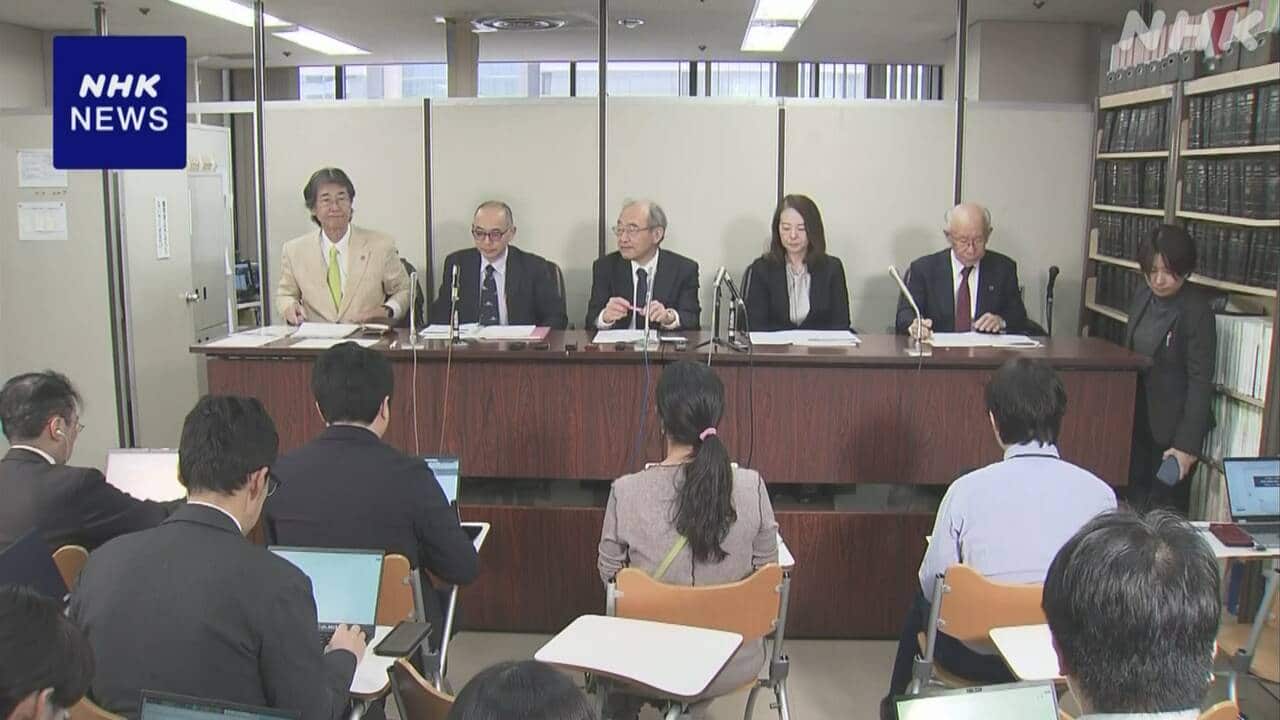
14人が死亡し、およそ6300人が被害に遭ったオウム真理教による「地下鉄サリン事件」からまもなく31年となる中、被害者を対象としたアンケートに回答した人の26%に、「PTSD」=心的外傷後ストレス障害とみられる症状が続いていることがわかりました。
この調査は、去年11月から12月にかけて、被害者や遺族を支援する「オウム真理教犯罪被害者支援機構」が、研究者とともに行い、地下鉄サリン事件の被害者やその家族1058人のうち、323人から回答を得ました。
この中で、PTSDの症状の有無を心理テストで調べたところ、被害者の26.1%にPTSDとみられる症状が続いていることがわかり、自由記述では、「いまだに地下鉄に1人で乗れない」などの回答がありました。
また、「目が疲れやすい」などの目の不調を訴える人は、被害者の7割以上にのぼっていて、心身の不調は、いずれも、2015年に公表された前回の調査結果から改善していないことがうかがえます。
さらに、事件に対する現在の気持ちを聞いたところ、被害者の7割以上が、「事件を風化させたくない」とか「後継団体を解散させてほしい」と回答したほか、およそ4割が、「死刑が執行されても気が晴れなかった」と回答しました。
事件や被害者支援に関して望んでいることは、被害者の4割が「マスコミの継続的な報道」と回答し、最も多くなりました。
調査にあたった筑波大学の松井豊名誉教授は「化学的なテロは、自分の症状がどう変化するか分からないという、未知の不安を強く感じる。その不安が継続していることが、PTSD症状が緩和していない理由の一つではないか。回復していてほしいという希望をもっていたが、30年たっても苦しんでいる方がいる」と話していました。
また、共立女子大学の高橋幸子助教は「この10年間、被害者が望む経済的支援や健康診断は行われておらず、このような大きな事件の被害者になっても、自分でなんとかしなければならない現実を見せつけられた」と話していました。
この調査は、去年11月から12月にかけて、被害者や遺族を支援する「オウム真理教犯罪被害者支援機構」が、研究者とともに行い、地下鉄サリン事件の被害者やその家族1058人のうち、323人から回答を得ました。
この中で、PTSDの症状の有無を心理テストで調べたところ、被害者の26.1%にPTSDとみられる症状が続いていることがわかり、自由記述では、「いまだに地下鉄に1人で乗れない」などの回答がありました。
また、「目が疲れやすい」などの目の不調を訴える人は、被害者の7割以上にのぼっていて、心身の不調は、いずれも、2015年に公表された前回の調査結果から改善していないことがうかがえます。
さらに、事件に対する現在の気持ちを聞いたところ、被害者の7割以上が、「事件を風化させたくない」とか「後継団体を解散させてほしい」と回答したほか、およそ4割が、「死刑が執行されても気が晴れなかった」と回答しました。
事件や被害者支援に関して望んでいることは、被害者の4割が「マスコミの継続的な報道」と回答し、最も多くなりました。
調査にあたった筑波大学の松井豊名誉教授は「化学的なテロは、自分の症状がどう変化するか分からないという、未知の不安を強く感じる。その不安が継続していることが、PTSD症状が緩和していない理由の一つではないか。回復していてほしいという希望をもっていたが、30年たっても苦しんでいる方がいる」と話していました。
また、共立女子大学の高橋幸子助教は「この10年間、被害者が望む経済的支援や健康診断は行われておらず、このような大きな事件の被害者になっても、自分でなんとかしなければならない現実を見せつけられた」と話していました。
Vocabulary
General
Proper noun
JLPT N2
JLPT N1
| # | 言葉 | 意味 |
|---|---|---|
| 11 | 被害者 | ひがいしゃ (被害者) : victim; injured party; sufferer |
| 6 | 回答 | かいとう (回答) : reply; answer |
| 5 | 症状 | しょうじょう (症状) : symptoms; condition (of a patient) |
| 4 | 支援 | しえん (支援) : support; backing; aid; assistance |
| 4 | 割 | わり (割り) : 1. rate; ratio; proportion; percentage 2. profit |
| 4 | 事件 | じけん (事件) : event; affair; incident; case; plot; trouble; scandal |
| 2 | オウム真理教 | オウムしんりきょう (オウム真理教) : Aum Shinrikyo; Japanese religious group responsible for the 1995 sarin gas attack on the Tokyo subway |
| 2 | 地下鉄サリン事件 | ちかてつサリンじけん (地下鉄サリン事件) : sarin gas attack on the Tokyo subway (March 20, 1995) |
| 2 | わかる | わかる (分かる) : 1. to understand; to comprehend; to grasp; to see; to get; to follow 2. to become clear; to be known; to be discovered; to be realized; to be realised; to be found out |
| 2 | 調査 | ちょうさ (調査) : investigation; examination; inquiry; enquiry; survey |
| 2 | 不調 | ふちょう (不調) : bad condition; not to work out (i.e. a deal); disagreement; break-off; disorder; slump; out of form |
| 2 | 望む | のぞむ (望む) : 1. to desire 2. to wish for; to expect |
| 2 | 不安 | ふあん (不安) : anxiety; uneasiness; worry; apprehension; fear; insecurity; suspense |
| 1 | 死亡 | しぼう (死亡) : 1. death; mortality 2. to die; to pass away |
| 1 | 被害 | ひがい (被害) : (suffering) damage; injury; harm |
| 1 | 遭う | あう (会う) : 1. to meet; to encounter; to see 2. to have an accident; to have a bad experience |
| 1 | ま | まあ : 1. just (e.g. "just wait here"); come now; now, now 2. tolerably; passably; moderately; reasonably; fairly; rather; somewhat |
| 1 | 対象 | たいしょう (対象) : target; object (of worship, study, etc.); subject (of taxation, etc.) |
| 1 | 心的外傷後ストレス障害 | しんてきがいしょうごストレスしょうがい (心的外傷後ストレス障害) : post-traumatic stress disorder; PTSD |
| 1 | 遺族 | いぞく (遺族) : bereaved family; surviving family; family of the deceased |
| 1 | 犯罪 | はんざい (犯罪) : crime; offence; offense |
| 1 | 機構 | きこう (機構) : mechanism; organization; organisation |
| 1 | 研究者 | けんきゅうしゃ (研究者) : researcher |
| 1 | 有無 | うむ (有無) : 1. existence or nonexistence; presence or absence 2. consent or refusal; yes or no |
| 1 | 心理 | しんり (心理) : state of mind; mentality; psychology |
| 1 | 調べる | しらべる (調べる) : to examine; to look up; to investigate; to check up; to sense; to study; to inquire; to search |
| 1 | 記述 | きじゅつ (記述) : description; account |
| 1 | いまだ | まだ (未だ) : 1. still; as yet; only 2. (not) yet |
| 1 | 疲れる | つかれる (疲れる) : 1. to get tired; to tire; to get fatigued; to become exhausted; to grow weary 2. to become worn out (of a well-used object) |
| 1 | 訴える | うったえる (訴える) : 1. to raise; to bring to (someone's attention) 2. to appeal to (reason, emotions, etc.); to work on (one's emotions); to play on (one's sympathies) |
| 1 | のぼる | のぼる (上る) : 1. to ascend; to go up; to climb 2. to ascend (as a natural process, e.g. the Sun); to rise |
| 1 | 心身 | しんしん (心身) : mind and body |
| 1 | いずれ | いずれ (何れ) : 1. where; which; who 2. anyway; anyhow; at any rate |
| 1 | 公表 | こうひょう (公表) : official announcement; proclamation |
| 1 | 前回 | ぜんかい (前回) : previous time; last time; previous installment; previous instalment; previous session |
| 1 | 調査結果 | ちょうさけっか (調査結果) : results (of a study) |
| 1 | 改善 | かいぜん (改善) : 1. betterment; improvement 2. kaizen (Japanese business philosophy of continuous improvement) |
| 1 | 現在 | げんざい (現在) : now; current; present; present time; as of |
| 1 | 聞く | きく (聞く) : 1. to hear 2. to listen (e.g. to music) |
| 1 | 風化 | ふうか (風化) : 1. weathering 2. fading (of memories) |
| 1 | 後継 | こうけい (後継) : 1. succession 2. successor |
| 1 | 団体 | だんたい (団体) : organization; organisation; association |
| 1 | 解散 | かいさん (解散) : 1. breaking up (e.g. meeting); dispersing (e.g. crowd) 2. dissolving (company, organization, etc.); liquidating; disbanding |
| 1 | 死刑 | しけい (死刑) : death penalty; capital punishment |
| 1 | 執行 | しっこう (執行) : 1. execution; carrying out; performance; enforcement; exercise; service 2. lead monk performing various tasks in a temple |
| 1 | 関する | かんする (関する) : to concern; to be related |
| 1 | 継続的 | けいぞくてき (継続的) : continuous |
| 1 | 報道 | ほうどう (報道) : report (of news); reporting; news; information; (media) coverage |
| 1 | 最も | もっとも (最も) : most; extremely |
| 1 | あたる | あたる (当たる) : 1. to be hit; to strike 2. to touch; to be in contact; to be affixed |
| 1 | 筑波大学 | つくばだいがく (筑波大学) : Tsukuba University (organization) |
| 1 | 松井 | まつい (松井) : Matsui (place; surname; fem) |
| 1 | 名誉教授 | めいよきょうじゅ (名誉教授) : emeritus professor |
| 1 | 化学的 | かがくてき (化学的) : chemical |
| 1 | 変化 | へんか (変化) : 1. change; variation; alteration; mutation; transition; transformation; transfiguration; metamorphosis 2. variety; diversity |
| 1 | 分かる | わかる (分かる) : 1. to understand; to comprehend; to grasp; to see; to get; to follow 2. to become clear; to be known; to be discovered; to be realized; to be realised; to be found out |
| 1 | 未知 | みち (未知) : not yet known; unknown; strange |
| 1 | 感じる | かんじる (感じる) : to feel; to sense; to experience |
| 1 | 継続 | けいぞく (継続) : continuation |
| 1 | 緩和 | かんわ (緩和) : relief; mitigation; alleviation; relaxation (of restrictions, tensions, etc.); easing; softening |
| 1 | 回復 | かいふく (回復) : 1. restoration; rehabilitation; recovery; return; replevin; improvement 2. recovery (from an illness); recuperation; convalescence |
| 1 | 希望 | きぼう (希望) : hope; wish; aspiration |
| 1 | たつ | たつ (起つ) : to rise up; to initiate (political) action |
| 1 | 苦しむ | くるしむ (苦しむ) : to suffer; to groan; to be worried |
| 1 | 共立女子大学 | きょうりつじょしだいがく (共立女子大学) : Kyoritsu Women's University (organization) |
| 1 | 高橋幸子 | たかはしさちこ (高橋幸子) : Takahashi Sachiko (1986.10.20-) (person) |
| 1 | 助教 | じょきょう (助教) : assistant professor |
| 1 | 年間 | ねんかん (年間) : 1. (period of) a year 2. during an era |
| 1 | 経済的 | けいざいてき (経済的) : economic; economical; financial |
| 1 | 健康診断 | けんこうしんだん (健康診断) : physical examination |
| 1 | 現実 | げんじつ (現実) : reality; actuality; hard fact |
| 1 | 見せつける | みせつける (見せつける) : to make a display of; to show off; to flaunt |