BTSのアルバム『ARIRANG』が問う、現代の「ルーツ」とは?
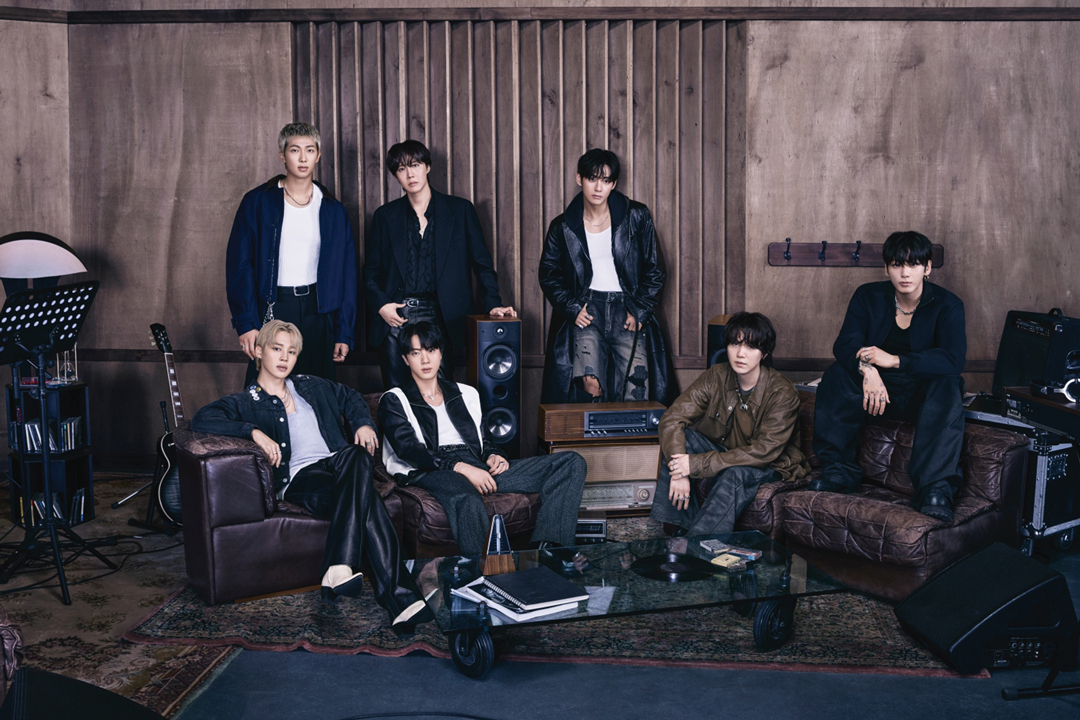
BTSが約3年9カ月ぶりに帰ってきた。届けられたThe 5th Albumのタイトルは『ARIRANG』。アートワークとともに高らかに韓国のアイデンティティを掲げる本作だが、一方で参加プロデューサーのリストにはDiplo、Ryan Tedder、Kevin Parker、El Guinchoら世界で活躍する多国籍なクリエイターが名を連ねている。「韓国回帰」を謳いながら、なぜこれほどの制作陣が必要だったのか? プロデューサーの顔ぶれから、BTSが目指した音楽を読み解く。
3月20日にリリースされた『ARIRANG』は全14曲。タイトルは韓国の代表的民謡「アリラン」から取られ、公式のプレスリリースにも「born in Korea, playing for the world/韓国で生まれ、世界で鳴らす」という標語に掲げられていた。1曲目「Body to Body」の後半では実際にアリランの旋律がサンプリングされ、インタールード的な6曲目「No. 29」では韓国の国宝・聖徳大王神鐘の音だけが1分38秒にわたって鳴り続ける。さらにはNetflixで世界同時中継された光化門での復帰公演や、景福宮を背景にしたグループ写真からも、韓国ルーツを高らかに示しているのは明らかだろう。 ところがクレジットに目を移すと、そこに並んでいるのはDiplo、Mike WiLL Made-It、JPEGMAFIA、Flume、El Guincho、Kevin Parker(Tame Impala)、Ryan Tedder、Picard Brothersといった、いずれも欧米の第一線で活動するソングライターやプロデューサーたちだ。 当然こんな疑問が浮かぶはず。「韓国のルーツを掲げたアルバムに、なぜここまで多国籍の布陣が必要だったのだろうか?」 ■「国宝」が真っ二つにするアルバム 韓国ルーツに向き合いながらも、それらを世界のリスナーに届けるためには、第一線のプロデューサーが必要だった……と考えるのが自然な流れかもしれない。その真偽は憶測するしかないのだが、ひとつ確かなのは単純に「節操なく豪華プロデューサーのサウンドを散りばめたアルバム」ではない、ということだ。 個々の楽曲ではなく、アルバム全体を通してプロデューサークレジットを眺めてみれば、それは一目瞭然だ。 前半5曲にはMike WiLL Made-ItやFlumeといった、アトランタ・トラップやフューチャー・ベースを主戦場とするハードで重いサウンドを得意とするプロデューサーが集中。2000年代ポップラップを彷彿させながらも後半でアリランとポストEDMが衝突する「Body to Body」、ジャージークラブをエキセントリックに料理した「FYA」、変則リズムのトラップ"2.0"など、前半はとにかくBTSが現在進行形のアーティストであることを証明しようとするかのように、ビート中心の曲作りが行われている。 一方、先述したインタールード的な「No. 29」を挟んで、後半ではサウンドが一変する。タイトル曲"SWIM"以降クレジットに並ぶのは、Ryan Tedderや、Bad Bunnyの制作にも参加した越境型プロデューサーのTyler Spryといった、歌メロを重視する印象のクリエイターたち。「Merry Go Round」や、ソウル・ポップロックな「Into the Sun」など、後半は「No. 29」の長い鐘の余韻の延長線にあるような、深く潜り、染み入るような楽曲が連なっていく。この2部構成自体は作品を聴けば誰もが感じるところだと思うが、クレジット面でも前半と後半でコントラストが確認できるわけだ。 ただし、『ARIRANG』は対照的な構成を作りながらも一枚のアルバムとしての統一性を保っていることにも同時に注目したい。その最大の立役者の一人は、前半の「Body To Body」、「FYA」から後半の「Like Animals」、「One More Night」、「Into the Sun」まで計5曲に関わっているDiploだろう。まるで前後半の温度差を縫い合わせるように、彼のサウンドが機能している。 そんな中で気になるのは、異物とも言える二人のプロデューサー。2曲目「Hooligan」のEl Guinchoと、8曲目「Merry Go Round」のKevin Parkerだ。El GuinchoはROSALÍAの『MOTOMAMI』を支えたスペインのプロデューサーで、アングロ圏のポップ文法から外れた前衛性を本作に持ち込んでいる。オーストラリアのKevin Parkerはあらゆる文脈と接続しながらも同時に切り離されているかのようなサイケデリックな感覚で『ARIRANG』の世界観を拡張しているかのようだ。 ■文脈を作るプロデュース、核を作る作曲? というわけで、『ARIRANG』には世界のポップ音楽シーンで活躍する豪華な外部プロデューサー陣が集結しているのだが、もう一人この名前を無視するわけにはいかない。デビューから12年以上にわたってBTSのサウンドを定義してきた、Pdoggだ。RMを発掘し、BTS結成のきっかけを作った彼は、かつてBTSの音を全面的に作る作曲家でありプロデューサーだった。だが『ARIRANG』ではこの構図が変わっているようだ。 本作でPdoggは「Body to Body」、「Aliens」、「SWIM」など6曲にクレジットされているが、いずれも外部プロデューサーとの共同名義。一方でソングライターとしては「FYA」以外の全曲に参加しており、比重が明らかに変化しているのがわかる。 この変化の意図と理由はやはり推測するしかないのだが、ここでは一つの視点を提示したい。それは「BTSを取り巻く状況の変化」と「音楽の聴かれ方の変化」への適応だ。BTSはご存知の通り韓国ひいてはアジア圏を超えたファンダムを獲得しており、「Dynamite」での大ブレイク以降はファンダムを超えたさらに大きなマーケットをターゲットとする存在となった。つまり、これまで以上にアメリカを中心とした世界の音楽シーンを照準に合わせるフェーズにいるのだ(その好例がJung Kookのソロアルバム『GOLDEN』だろう)。それに加え、TikTokを筆頭としたアルゴリズムの力がさらに増している状況に適応するためには、すでに現在の世界の音楽シーンで成功しているプロデューサーを起用するのが最適解だ。 だが、そこには危険も潜んでいる。「流行のサウンドをバックに、BTSの7人が歌っているだけの作品」になるリスクだ。いかに「BTSの作品」とするか? その答えが、どんなプロダクションを施しても変わらない"核"としての作曲だったのではないだろうか? BTSメンバーとともにBTSを作ってきたPdoggが、より強固な"核"を作ることにフォーカスした。これが一つの仮説だ。 ■Bad Bunnyと藤井風と並べて見える、「ルーツ」の現在地 この「ルーツ回帰」の動きはBTSだけのものではない。2025年から2026年にかけて、非英語圏の重要アーティストたちがそれぞれ異なる方法でそれを試みている。 まずはプエルトリコ出身のラテンスターBad Bunny。2025年にリリースした『Debí Tirar Más Fotos』はレゲトンやラテントラップに加え、プエルトリコの伝統音楽がこれまで以上に作品の核に組み込まれたアルバムだった。リリース後にはサンフアンで30公演のレジデンシーを開催し、初期公演はプエルトリコ住民限定。先日のラテン・アメリカをレペゼンしたスーパーボウルハーフタイムショーもこの延長線上にあった。 そして藤井風。最新作『Prema』は異質なルーツ回帰だ。本編9曲がすべて英語。NewJeansの制作で知られる韓国人プロデューサー250と済州島で共同制作することで、80年代から2000年代の米R&Bという彼なりの音楽ルーツの一つに回帰。ミュージシャンとして燃え尽きを経験したアーティストは、生まれ故郷や言葉とは違う「別のルーツ」に自らを接続することで復活を果たしたのだ。 BTSは両者の中間にいるのかもしれない。韓国の音楽批評サイトIZMが「『ARIRANG』というタイトルがマクガフィンのように感じられる」と指摘しているが、『ARIRANG』は最初から完成された韓国回帰を目指した作品ではないのではないだろうか? 言ってみれば、これはローカルなルーツをグローバル・ポップへ翻訳しようとする過程そのものを記録したアルバムなのではないか。 実際、Netflixのドキュメンタリー『BTS: THE RETURN』では、まさにこの翻訳をめぐるメンバー間の議論が映し出されていた。争点になったのは「アリランをどの程度まで前面に出すか」だった。j-hopeはサンプルの引用が長すぎると感じ、Jung Kookは海外のリスナーにその意味が伝わりにくいのではないかと指摘した。一方でSUGAはもっと韓国語を増やしたいと主張していた。彼らが議論していたのは「韓国性を入れるか/入れないか」ではない。どうすれば過剰なナショナリズムに見えず、かつ自分たちのルーツを誠実に示せるか。その繊細な線引きだった。 そしてこの議論が、まさに『ARIRANG』の構造に反映されているように思える。1曲目でアリランを高らかに鳴らし、6曲目で国宝の鐘を響かせたあと、残りの8曲では韓国性を音の表層には出さない。だが、DiploやKevin Parkerのビートの上で歌っていても、そこにはBTSにしか出せない言葉、メロディー、呼吸があり、ニュアンスがある。12年かけて培われた、どんなサウンドに乗っても消えない訛りのようなもの。伝統楽器の引用やサンプリングではなく、その訛りこそが、2026年におけるBTSの「韓国性」なのではないだろうか。 リーダーのRMは韓国News1のインタビューで、こう語っている。「韓国的なものが何なのか今も再定義され続け変化している。僕たちもその流れの一部になったらおもしろそうだ」。『ARIRANG』は完成された回答ではない。だが、「ルーツとは何か」という問いに対する、2026年のもっとも誠実な応答の一つだと思う。それは、複数の視点に晒され、揺れ続けているものなのだから。 文・照沼健太 編集・遠藤加奈(GQ)
3月20日にリリースされた『ARIRANG』は全14曲。タイトルは韓国の代表的民謡「アリラン」から取られ、公式のプレスリリースにも「born in Korea, playing for the world/韓国で生まれ、世界で鳴らす」という標語に掲げられていた。1曲目「Body to Body」の後半では実際にアリランの旋律がサンプリングされ、インタールード的な6曲目「No. 29」では韓国の国宝・聖徳大王神鐘の音だけが1分38秒にわたって鳴り続ける。さらにはNetflixで世界同時中継された光化門での復帰公演や、景福宮を背景にしたグループ写真からも、韓国ルーツを高らかに示しているのは明らかだろう。 ところがクレジットに目を移すと、そこに並んでいるのはDiplo、Mike WiLL Made-It、JPEGMAFIA、Flume、El Guincho、Kevin Parker(Tame Impala)、Ryan Tedder、Picard Brothersといった、いずれも欧米の第一線で活動するソングライターやプロデューサーたちだ。 当然こんな疑問が浮かぶはず。「韓国のルーツを掲げたアルバムに、なぜここまで多国籍の布陣が必要だったのだろうか?」 ■「国宝」が真っ二つにするアルバム 韓国ルーツに向き合いながらも、それらを世界のリスナーに届けるためには、第一線のプロデューサーが必要だった……と考えるのが自然な流れかもしれない。その真偽は憶測するしかないのだが、ひとつ確かなのは単純に「節操なく豪華プロデューサーのサウンドを散りばめたアルバム」ではない、ということだ。 個々の楽曲ではなく、アルバム全体を通してプロデューサークレジットを眺めてみれば、それは一目瞭然だ。 前半5曲にはMike WiLL Made-ItやFlumeといった、アトランタ・トラップやフューチャー・ベースを主戦場とするハードで重いサウンドを得意とするプロデューサーが集中。2000年代ポップラップを彷彿させながらも後半でアリランとポストEDMが衝突する「Body to Body」、ジャージークラブをエキセントリックに料理した「FYA」、変則リズムのトラップ"2.0"など、前半はとにかくBTSが現在進行形のアーティストであることを証明しようとするかのように、ビート中心の曲作りが行われている。 一方、先述したインタールード的な「No. 29」を挟んで、後半ではサウンドが一変する。タイトル曲"SWIM"以降クレジットに並ぶのは、Ryan Tedderや、Bad Bunnyの制作にも参加した越境型プロデューサーのTyler Spryといった、歌メロを重視する印象のクリエイターたち。「Merry Go Round」や、ソウル・ポップロックな「Into the Sun」など、後半は「No. 29」の長い鐘の余韻の延長線にあるような、深く潜り、染み入るような楽曲が連なっていく。この2部構成自体は作品を聴けば誰もが感じるところだと思うが、クレジット面でも前半と後半でコントラストが確認できるわけだ。 ただし、『ARIRANG』は対照的な構成を作りながらも一枚のアルバムとしての統一性を保っていることにも同時に注目したい。その最大の立役者の一人は、前半の「Body To Body」、「FYA」から後半の「Like Animals」、「One More Night」、「Into the Sun」まで計5曲に関わっているDiploだろう。まるで前後半の温度差を縫い合わせるように、彼のサウンドが機能している。 そんな中で気になるのは、異物とも言える二人のプロデューサー。2曲目「Hooligan」のEl Guinchoと、8曲目「Merry Go Round」のKevin Parkerだ。El GuinchoはROSALÍAの『MOTOMAMI』を支えたスペインのプロデューサーで、アングロ圏のポップ文法から外れた前衛性を本作に持ち込んでいる。オーストラリアのKevin Parkerはあらゆる文脈と接続しながらも同時に切り離されているかのようなサイケデリックな感覚で『ARIRANG』の世界観を拡張しているかのようだ。 ■文脈を作るプロデュース、核を作る作曲? というわけで、『ARIRANG』には世界のポップ音楽シーンで活躍する豪華な外部プロデューサー陣が集結しているのだが、もう一人この名前を無視するわけにはいかない。デビューから12年以上にわたってBTSのサウンドを定義してきた、Pdoggだ。RMを発掘し、BTS結成のきっかけを作った彼は、かつてBTSの音を全面的に作る作曲家でありプロデューサーだった。だが『ARIRANG』ではこの構図が変わっているようだ。 本作でPdoggは「Body to Body」、「Aliens」、「SWIM」など6曲にクレジットされているが、いずれも外部プロデューサーとの共同名義。一方でソングライターとしては「FYA」以外の全曲に参加しており、比重が明らかに変化しているのがわかる。 この変化の意図と理由はやはり推測するしかないのだが、ここでは一つの視点を提示したい。それは「BTSを取り巻く状況の変化」と「音楽の聴かれ方の変化」への適応だ。BTSはご存知の通り韓国ひいてはアジア圏を超えたファンダムを獲得しており、「Dynamite」での大ブレイク以降はファンダムを超えたさらに大きなマーケットをターゲットとする存在となった。つまり、これまで以上にアメリカを中心とした世界の音楽シーンを照準に合わせるフェーズにいるのだ(その好例がJung Kookのソロアルバム『GOLDEN』だろう)。それに加え、TikTokを筆頭としたアルゴリズムの力がさらに増している状況に適応するためには、すでに現在の世界の音楽シーンで成功しているプロデューサーを起用するのが最適解だ。 だが、そこには危険も潜んでいる。「流行のサウンドをバックに、BTSの7人が歌っているだけの作品」になるリスクだ。いかに「BTSの作品」とするか? その答えが、どんなプロダクションを施しても変わらない"核"としての作曲だったのではないだろうか? BTSメンバーとともにBTSを作ってきたPdoggが、より強固な"核"を作ることにフォーカスした。これが一つの仮説だ。 ■Bad Bunnyと藤井風と並べて見える、「ルーツ」の現在地 この「ルーツ回帰」の動きはBTSだけのものではない。2025年から2026年にかけて、非英語圏の重要アーティストたちがそれぞれ異なる方法でそれを試みている。 まずはプエルトリコ出身のラテンスターBad Bunny。2025年にリリースした『Debí Tirar Más Fotos』はレゲトンやラテントラップに加え、プエルトリコの伝統音楽がこれまで以上に作品の核に組み込まれたアルバムだった。リリース後にはサンフアンで30公演のレジデンシーを開催し、初期公演はプエルトリコ住民限定。先日のラテン・アメリカをレペゼンしたスーパーボウルハーフタイムショーもこの延長線上にあった。 そして藤井風。最新作『Prema』は異質なルーツ回帰だ。本編9曲がすべて英語。NewJeansの制作で知られる韓国人プロデューサー250と済州島で共同制作することで、80年代から2000年代の米R&Bという彼なりの音楽ルーツの一つに回帰。ミュージシャンとして燃え尽きを経験したアーティストは、生まれ故郷や言葉とは違う「別のルーツ」に自らを接続することで復活を果たしたのだ。 BTSは両者の中間にいるのかもしれない。韓国の音楽批評サイトIZMが「『ARIRANG』というタイトルがマクガフィンのように感じられる」と指摘しているが、『ARIRANG』は最初から完成された韓国回帰を目指した作品ではないのではないだろうか? 言ってみれば、これはローカルなルーツをグローバル・ポップへ翻訳しようとする過程そのものを記録したアルバムなのではないか。 実際、Netflixのドキュメンタリー『BTS: THE RETURN』では、まさにこの翻訳をめぐるメンバー間の議論が映し出されていた。争点になったのは「アリランをどの程度まで前面に出すか」だった。j-hopeはサンプルの引用が長すぎると感じ、Jung Kookは海外のリスナーにその意味が伝わりにくいのではないかと指摘した。一方でSUGAはもっと韓国語を増やしたいと主張していた。彼らが議論していたのは「韓国性を入れるか/入れないか」ではない。どうすれば過剰なナショナリズムに見えず、かつ自分たちのルーツを誠実に示せるか。その繊細な線引きだった。 そしてこの議論が、まさに『ARIRANG』の構造に反映されているように思える。1曲目でアリランを高らかに鳴らし、6曲目で国宝の鐘を響かせたあと、残りの8曲では韓国性を音の表層には出さない。だが、DiploやKevin Parkerのビートの上で歌っていても、そこにはBTSにしか出せない言葉、メロディー、呼吸があり、ニュアンスがある。12年かけて培われた、どんなサウンドに乗っても消えない訛りのようなもの。伝統楽器の引用やサンプリングではなく、その訛りこそが、2026年におけるBTSの「韓国性」なのではないだろうか。 リーダーのRMは韓国News1のインタビューで、こう語っている。「韓国的なものが何なのか今も再定義され続け変化している。僕たちもその流れの一部になったらおもしろそうだ」。『ARIRANG』は完成された回答ではない。だが、「ルーツとは何か」という問いに対する、2026年のもっとも誠実な応答の一つだと思う。それは、複数の視点に晒され、揺れ続けているものなのだから。 文・照沼健太 編集・遠藤加奈(GQ)
Vocabulary
General
Proper noun
JLPT N2
JLPT N1
| # | 言葉 | 意味 |
|---|---|---|
| 15 | 韓国 | かんこく (韓国) : 1. South Korea; Republic of Korea 2. Korean Empire (1897-1910) |
| 12 | 曲 | きょく (曲) : 1. composition; piece of music; song; track (on a record) 2. tune; melody; air |
| 6 | 後半 | こうはん (後半) : second half; latter half |
| 5 | 回帰 | かいき (回帰) : 1. return (to); revolution; recurrence 2. regression |
| 5 | 作品 | さくひん (作品) : work (e.g. book, film, composition, etc.); opus; performance; production |
| 5 | 変化 | へんか (変化) : 1. change; variation; alteration; mutation; transition; transformation; transfiguration; metamorphosis 2. variety; diversity |
| 4 | 前半 | ぜんはん (前半) : first half |
| 4 | 核 | かく (核) : 1. stone (of a fruit); pit; pip 2. core (of an organization, team, etc.); nucleus; heart |
| 3 | 高らか | たからか (高らか) : loud; sonorous; ringing |
| 3 | 掲げる | かかげる (掲げる) : 1. to put up (a notice, sign, etc.); to hang out (e.g. a banner); to fly (e.g. a flag); to hoist; to raise; to display 2. to hold up high; to raise overhead |
| 3 | 本作 | ほんさく (本作) : this piece; this work |
| 3 | 参加 | さんか (参加) : participation; joining; entry; adherence |
| 3 | 国宝 | こくほう (国宝) : national treasure |
| 3 | 鐘 | かね (鐘) : bell (often a large hanging bell); chime |
| 3 | 同時 | どうじ (同時) : simultaneous; concurrent; same time; synchronous; together |
| 3 | 公演 | こうえん (公演) : 1. public performance 2. exhibition in a foreign country |
| 3 | 作る | つくる (作る) : 1. to make; to produce; to manufacture; to build; to construct 2. to prepare (food); to brew (alcohol) |
| 3 | 議論 | ぎろん (議論) : argument; discussion; dispute; controversy |
| 2 | 活躍 | かつやく (活躍) : 1. activity (esp. energetic); great efforts; conspicuous service 2. to flourish; to participate actively; to play an active role |
| 2 | 多国籍 | たこくせき (多国籍) : multinational; transnational |
| 2 | 目指す | めざす (目指す) : 1. to aim at (for, to do, to become); to try for; to have an eye on 2. to go toward; to head for |
| 2 | 生まれる | うまれる (生まれる) : to be born |
| 2 | 鳴らす | ならす (鳴らす) : 1. to ring; to sound; to chime; to beat; to snort (nose); to snap (fingers); to crack (joints) 2. to be popular; to be esteemed; to be reputed |
| 2 | 実際 | じっさい (実際) : 1. reality; actuality; truth; fact; actual conditions 2. practice (as opposed to theory) |
| 2 | 明らか | あきらか (明らか) : 1. clear; obvious; evident; plain; definite 2. bright; light |
| 2 | いずれ | いずれ (何れ) : 1. where; which; who 2. anyway; anyhow; at any rate |
| 2 | 流れ | ながれ (流れ) : 1. flow (of a fluid or gas); stream; current 2. flow (of people, things); passage (of time); tide; passing; (changing) trends; tendency |
| 2 | しれる | しれる (知れる) : 1. to become known; to come to light; to be discovered 2. to be known; to be understood |
| 2 | 豪華 | ごうか (豪華) : extravagant; lavish; opulent; luxurious; magnificent; splendid; fancy; gorgeous |
| 2 | 楽曲 | がっきょく (楽曲) : musical composition; tune |
| 2 | 中心 | ちゅうしん (中心) : 1. center; centre; middle; heart; core; focus; pivot; emphasis; balance 2. -centered; -centred; -focused; -oriented; centered on; focused on |
| 2 | 以降 | いこう (以降) : on and after; as from; hereafter; thereafter; since |
| 2 | 制作 | せいさく (制作) : 1. work (film, book) 2. production; creation; turning (something) out; development |
| 2 | 構成 | こうせい (構成) : composition; construction; formation; makeup; structure; organization; organisation |
| 2 | 聴く | きく (聞く) : 1. to hear 2. to listen (e.g. to music) |
| 2 | 圏 | けん (圏) : 1. sphere; circle; range; area; zone; bloc 2. category |
| 2 | 文脈 | ぶんみゃく (文脈) : 1. context (of a passage); line of thought 2. context; environment; circumstances |
| 2 | 接続 | せつぞく (接続) : 1. connection; attachment; union; join; joint; link 2. changing trains |
| 2 | 作曲 | さっきょく (作曲) : composition; setting (of music) |
| 2 | 外部 | がいぶ (外部) : 1. outside (e.g. of a building); exterior 2. outside (of a group, company, etc.); outside world |
| 2 | 定義 | ていぎ (定義) : definition |
| 2 | 変わる | かわる (変わる) : 1. to change; to be transformed; to be altered; to vary 2. to move to |
| 2 | 視点 | してん (視点) : opinion; point of view; visual point |
| 2 | 状況 | じょうきょう (状況) : state of affairs (around you); situation; circumstances |
| 2 | 適応 | てきおう (適応) : adaptation; accommodation; conformity |
| 2 | 超える | こえる (越える) : 1. to cross over; to cross; to pass through; to pass over (out of); to go beyond; to go past 2. to exceed; to surpass; to be more (than) |
| 2 | 歌う | うたう (歌う) : 1. to sing 2. to sing (one's praises in a poem, etc.); to compose a poem; to recite a poem |
| 2 | 藤井 | ふあびお (藤井) : Fuabio (surname) |
| 2 | 感ずる | かんずる (感ずる) : to feel; to sense |
| 2 | 指摘 | してき (指摘) : pointing out; identification |
| 2 | 完成 | かんせい (完成) : 1. complete; completion 2. perfection; accomplishment |
| 2 | まさに | まさに (正に) : 1. exactly; surely; certainly; just 2. right then; just then; at that moment |
| 2 | 引用 | いんよう (引用) : quotation; citation; reference |
| 2 | 誠実 | せいじつ (誠実) : sincere; honest; faithful |
| 2 | 訛り | なまり (訛り) : 1. accent (of one's speech) 2. dialect; provincialism; patois |
| 1 | カ月 | かげつ (ヶ月) : months (period of) |
| 1 | ぶり | ぶり (振り) : 1. style; manner; way 2. after (period of time) again (e.g. meeting again after a year); for the first time in (period of time) |
| 1 | 帰る | かえる (帰る) : 1. to return; to come home; to go home; to go back 2. to leave |
| 1 | 届ける | とどける (届ける) : 1. to deliver; to forward; to send 2. to report; to notify; to file notice (to the authorities); to give notice; to register |
| 1 | 連ねる | つらねる (連ねる) : 1. to line up; to put in a row 2. to add (to a group); to accept (as a member of an organization, etc.); to join (e.g. a list) |
| 1 | 謳う | うたう (謳う) : 1. to extol; to sing the praises of; to celebrate 2. to declare; to stipulate; to express; to state; to insist |
| 1 | 顔ぶれ | かおぶれ (顔ぶれ) : 1. personnel; members; lineup (of a team); roster; cast (of a play) 2. announcement of next day's match-ups |
| 1 | 読み解く | よみとく (読み解く) : 1. to read and understand; to subject to close analysis; to read deeply; to read carefully (esp. a difficult text) 2. to decipher; to decode |
| 1 | 全 | ぜん (全) : 1. all; whole; entire; complete; total; pan- 2. complete (set); in total |
| 1 | 代表的 | だいひょうてき (代表的) : representative; exemplary; model |
| 1 | 民謡 | みんよう (民謡) : folk song; popular song |
| 1 | 取る | とる (取る) : 1. to take; to pick up; to grab; to catch 2. to pass; to hand; to give |
| 1 | 公式 | こうしき (公式) : 1. official; formal 2. formula (e.g. mathematical) |
| 1 | 標語 | ひょうご (標語) : motto; slogan; catchword |
| 1 | 旋律 | せんりつ (旋律) : melody; tune |
| 1 | 聖徳 | せいとく (聖徳) : 1. imperial virtue; heavenly virtue 2. greatest virtue; highest virtue |
| 1 | 大王 | だいおう (大王) : great king |
| 1 | 神 | かみ (神) : 1. god; deity; divinity; spirit; kami 2. incredible; fantastic; amazing |
| 1 | 秒 | びょう (秒) : 1. second (unit of time) 2. arc second |
| 1 | 鳴る | なる (鳴る) : to sound; to ring; to resound; to echo; to roar; to rumble |
| 1 | 中継 | ちゅうけい (中継) : 1. relay; hook-up 2. relay broadcasting |
| 1 | 光化 | こうか (光化) : conversion to fiber optics |
| 1 | 復帰 | ふっき (復帰) : 1. return; comeback; reinstatement 2. carriage return; CR |
| 1 | 景福 | かげとみ (景福) : Kagetomi (given) |
| 1 | 背景 | はいけい (背景) : 1. background; scenery; backdrop; setting 2. background (of an incident, situation, etc.); circumstances; context |
| 1 | 示す | しめす (示す) : 1. to (take out and) show; to demonstrate; to tell; to exemplify; to make apparent 2. to point out (finger, clock hand, needle, etc.) |
| 1 | 移す | うつす (移す) : 1. to change; to swap; to substitute; to transfer 2. to change the object of one's interest or focus |
| 1 | 並ぶ | ならぶ (並ぶ) : 1. to line up; to stand in a line 2. to rival; to match; to equal |
| 1 | 欧米 | おうべい (欧米) : Europe and America; the West |
| 1 | 第 | だい (第) : prefix for forming ordinal numbers |
| 1 | 活動 | かつどう (活動) : 1. activity (of a person, organization, animal, volcano, etc.); action 2. movie (esp. during the silent movie period) |
| 1 | 当然 | とうぜん (当然) : 1. natural; right; proper; just; reasonable; appropriate; deserved 2. naturally; as a matter of course; rightly; deservedly; justly; of course |
| 1 | 疑問 | ぎもん (疑問) : doubt; question; suspicion; dubiousness |
| 1 | 浮かぶ | うかぶ (浮かぶ) : 1. to float; to be suspended 2. to rise to the surface; to appear; to emerge; to show up; to loom (up) |
| 1 | 布陣 | ふじん (布陣) : 1. battle formation 2. lineup (e.g. for a game) |
| 1 | 向き合う | むきあう (向き合う) : 1. to be opposite; to face each other 2. to confront (an issue); to face |
| 1 | 第一線 | だいいっせん (第一線) : the front (of a battlefield); forefront |
| 1 | 自然 | しぜん (自然) : 1. nature 2. natural; spontaneous; automatic |
| 1 | 真偽 | しんぎ (真偽) : truth or falsehood; genuineness; authenticity; veracity |
| 1 | 憶測 | おくそく (憶測) : guess; speculation; supposition |
| 1 | 単純 | たんじゅん (単純) : simple; plain; uncomplicated; straightforward |
| 1 | 節操 | せっそう (節操) : constancy; integrity; fidelity; principle; faithfulness; honor; honour |
| 1 | 散りばめる | ちりばめる (散りばめる) : to inlay; to set; to stud (e.g. star-studded sky); to enchase (something) with; to mount (gems) |
| 1 | 個々 | ここ (個々) : individual; one by one; separate; each |
| 1 | 全体 | ぜんたい (全体) : whole; entirety; whatever (is the matter) |
| 1 | 眺める | ながめる (眺める) : 1. to look at; to gaze at; to watch; to stare at 2. to look out over; to get a view of; to admire (e.g. the scenery) |
| 1 | 一目 | ひとめ (一目) : 1. glance; look; glimpse 2. complete view; bird's-eye view |
| 1 | 瞭然 | りょうぜん (瞭然) : obvious; evident; clear |
| 1 | 主戦場 | しゅせんじょう (主戦場) : main theater of war; principal battlefield |
| 1 | 得意 | とくい (得意) : 1. triumph; prosperity 2. pride |
| 1 | 集中 | しゅうちゅう (集中) : 1. concentration; focusing; convergence; centralization; integration; gathering together 2. within a collection of works |
| 1 | 彷彿 | ほうふつ (彷彿) : 1. (bearing a) close resemblance; vivid reminder (e.g. of the past) 2. dim; faint; vague; blurred |
| 1 | 衝突 | しょうとつ (衝突) : 1. collision; crash; running into 2. conflict; quarrel; clashing |
| 1 | 変則 | へんそく (変則) : irregularity; anomaly |
| 1 | とにかく | とにかく (兎に角) : anyhow; at any rate; anyway; somehow or other; generally speaking; in any case; at least |
| 1 | 現在進行形 | げんざいしんこうけい (現在進行形) : present continuous tense; present progressive form |
| 1 | 証明 | しょうめい (証明) : proof; testimony; demonstration; verification; certification |
| 1 | 曲作り | きょくづくり (曲作り) : musical composition; melody writing; song writing |
| 1 | 先述 | せんじゅつ (先述) : aforementioned; above-mentioned |
| 1 | 挟む | はさむ (挟む) : 1. to hold between (e.g. one's fingers, chopsticks); to grip (from both sides) 2. to put between; to sandwich between; to insert; to interpose |
| 1 | 一変 | いっぺん (一変) : complete change; about-face |
| 1 | 越境 | えっきょう (越境) : border transgression |
| 1 | 重視 | じゅうし (重視) : regarding as important; attaching importance to; taking a serious view of; putting emphasis on |
| 1 | 印象 | いんしょう (印象) : impression |
| 1 | 余韻 | よいん (余韻) : 1. reverberation; swelling (of a hymn); trailing note 2. lingering memory; aftertaste |
| 1 | 深く | ふかく (深く) : deeply; intimately; heartily; sincerely; profoundly |
| 1 | 潜る | くぐる (潜る) : 1. to go under; to pass under; to go through; to pass through 2. to dive (into or under the water) |
| 1 | 染み入る | しみいる (染み入る) : to soak into; to permeate |
| 1 | 連なる | つらなる (連なる) : 1. to extend; to stretch out; to stand in a row 2. to attend; to participate in |
| 1 | 自体 | じたい (自体) : 1. itself 2. one's own body; oneself |
| 1 | 感じる | かんじる (感じる) : to feel; to sense; to experience |
| 1 | 面 | おもて (面) : 1. face 2. surface |
| 1 | 確認 | かくにん (確認) : confirmation; verification; validation; review; check; affirmation; identification |
| 1 | ただし | ただし (但し) : but; however; provided that |
| 1 | 対照的 | たいしょうてき (対照的) : contrastive |
| 1 | 統一性 | とういつせい (統一性) : uniformity; integrity |
| 1 | 保つ | たもつ (保つ) : 1. to keep; to preserve; to hold; to retain; to maintain; to sustain 2. to last; to endure; to keep well (food); to wear well; to be durable |
| 1 | 注目 | ちゅうもく (注目) : notice; attention; observation |
| 1 | 最大 | さいだい (最大) : biggest; greatest; largest; maximum |
| 1 | 立役者 | たてやくしゃ (立役者) : 1. leading actor; star 2. leading figure; central figure; key figure; leading spirit |
| 1 | 関わる | かかわる (関わる) : 1. to be affected; to be influenced 2. to be concerned with; to have to do with |
| 1 | まるで | まるで (丸で) : 1. quite; entirely; completely; at all 2. as if; as though; just like |
| 1 | 温度 | おんど (温度) : temperature |
| 1 | 差 | さ (差) : 1. difference; variation 2. difference |
| 1 | 縫い合わせる | ぬいあわせる (縫い合わせる) : to sew up; to sew together |
| 1 | 機能 | きのう (機能) : function; facility; faculty; feature |
| 1 | 異物 | いぶつ (異物) : 1. foreign substance; foreign body; foreign contamination; foreign material 2. strange object; unusual object |
| 1 | 言える | いえる (言える) : 1. to be possible to say; to be able to say 2. said; have said |
| 1 | 支える | ささえる (支える) : 1. to support; to prop; to sustain; to underlay; to hold up; to defend 2. to hold at bay; to stem; to check |
| 1 | 外れる | はずれる (外れる) : 1. to be disconnected; to get out of place; to be off; to be out (e.g. of gear) 2. to miss the mark; to get it wrong (e.g. guess, expectation); to draw a blank (e.g. lottery) |
| 1 | 前衛 | ぜんえい (前衛) : 1. advance guard; vanguard 2. avant-garde (e.g. music) |
| 1 | 持ち込む | もちこむ (持ち込む) : 1. to take something into ...; to bring in; to carry in 2. to lodge (a complaint); to file (a plan); to bring (a proposal); to commence negotiations |
| 1 | あらゆる | あらゆる (有らゆる) : all; every |
| 1 | 切り離す | きりはなす (切り離す) : to detach; to decapitate; to cut loose; to let loose; to dismember |
| 1 | 感覚 | かんかく (感覚) : sense; sensation; feeling; intuition |
| 1 | 世界観 | せかいかん (世界観) : 1. world view; outlook on the world; Weltanschauung (philosophy) 2. appearance of a world (e.g. in fiction) |
| 1 | 拡張 | かくちょう (拡張) : 1. expansion; extension; enlargement 2. escape; ESC |
| 1 | 陣 | じん (陣) : 1. battle formation 2. camp; encampment; position |
| 1 | 集結 | しゅうけつ (集結) : massing (of troops); gathering |
| 1 | 無視 | むし (無視) : disregarding; ignoring |
| 1 | 発掘 | はっくつ (発掘) : 1. excavation; exhumation 2. discovery (e.g. new talent) |
| 1 | 結成 | けっせい (結成) : formation; combination |
| 1 | きっかけ | きっかけ (切っ掛け) : chance; start; cue; excuse; motive; impetus; occasion |
| 1 | かつて | かつて (嘗て) : 1. once; before; formerly; ever; former; ex- 2. never yet; never before; first time; still not happened |
| 1 | 全面的 | ぜんめんてき (全面的) : total; complete; all-out; general; extensive; full-scale |
| 1 | 作曲家 | さっきょくか (作曲家) : composer |
| 1 | 構図 | こうず (構図) : composition |
| 1 | 全曲 | ぜんきょく (全曲) : all compositions; the entire composition |
| 1 | 比重 | ひじゅう (比重) : 1. specific gravity; relative density 2. relative importance; weight |
| 1 | 意図 | いと (意図) : intention; aim; design |
| 1 | 推測 | すいそく (推測) : guess; conjecture |
| 1 | 提示 | ていじ (提示) : presentation; exhibit; suggest; citation |
| 1 | 取り巻く | とりまく (取り巻く) : to surround; to encircle; to enclose |
| 1 | ご存知 | ごぞんじ (ご存じ) : 1. knowing 2. (an) acquaintance |
| 1 | 通り | とおり (通り) : 1. avenue; street; way; road 2. coming and going; street traffic |
| 1 | ひいては | ひいては (延いては) : not only ... but also; in addition to; consequently |
| 1 | 獲得 | かくとく (獲得) : acquisition; possession |
| 1 | 存在 | そんざい (存在) : existence; being |
| 1 | つまり | つまり (詰まり) : 1. that is to say; that is; in other words; I mean; that (this, it) means 2. in short; in brief; to sum up; ultimately; in the end; in the long run; when all is said and done; what it all comes down to; when you get right down to it; basically |
| 1 | 照準 | しょうじゅん (照準) : sight (e.g. of a gun); aim; alignment |
| 1 | 合わせる | あわせる (合わせる) : 1. to match (rhythm, speed, etc.) 2. to join together; to unite; to combine; to add up |
| 1 | 好例 | こうれい (好例) : good example |
| 1 | 筆頭 | ひっとう (筆頭) : 1. brush tip 2. first on a list |
| 1 | 増す | ます (増す) : to increase; to grow |
| 1 | すでに | すでに (既に) : already; too late |
| 1 | 現在 | げんざい (現在) : now; current; present; present time; as of |
| 1 | 成功 | せいこう (成功) : success; hit |
| 1 | 起用 | きよう (起用) : appointment (to a position, job, etc.); being used for a role; promotion |
| 1 | 潜む | ひそむ (潜む) : to lurk; to be hidden; to be concealed; to lie dormant; to be latent |
| 1 | 流行 | りゅうこう (流行) : 1. fashion; trend; vogue; craze; fad; popularity 2. prevalence (of a disease); epidemic |
| 1 | いかに | いかに (如何に) : 1. how; in what way 2. how (much); to what extent |
| 1 | 答え | こたえ (答え) : answer; reply; response; solution |
| 1 | 施す | ほどこす (施す) : 1. to give (time, money, goods); to donate 2. to do; to perform; to conduct |
| 1 | 強固 | きょうこ (強固) : firm; strong; solid; stable |
| 1 | 仮説 | かせつ (仮説) : hypothesis; supposition; assumption; tentative theory |
| 1 | 並べる | ならべる (並べる) : 1. to line up; to set up; to arrange in a line 2. to enumerate; to itemize |
| 1 | 現在地 | げんざいち (現在地) : present location; current location; "you are here" (on map) |
| 1 | 動き | うごき (動き) : 1. movement; move; motion 2. trend; development; change; fluctuation |
| 1 | 非 | ひ (非) : 1. fault; error; mistake 2. going poorly; being disadvantageous; being unfavorable |
| 1 | 英語圏 | えいごけん (英語圏) : English-speaking world; English-speaking countries; Anglosphere |
| 1 | 重要 | じゅうよう (重要) : important; momentous; essential; principal; major |
| 1 | 異なる | ことなる (異なる) : to differ; to vary; to disagree |
| 1 | 方法 | ほうほう (方法) : method; process; manner; way; means; technique |
| 1 | 試みる | こころみる (試みる) : to try; to attempt; to have a go (at something) |
| 1 | 出身 | しゅっしん (出身) : person's origin (e.g. city, country, parentage, school) |
| 1 | 伝統音楽 | でんとうおんがく (伝統音楽) : traditional music |
| 1 | 組み込む | くみこむ (組み込む) : to insert; to include; to incorporate; to cut in (printing) |
| 1 | 開催 | かいさい (開催) : holding (a conference, exhibition, etc.); opening; hosting (e.g. the Olympics) |
| 1 | 初期 | しょき (初期) : 1. early (days); initial stage 2. initial |
| 1 | 住民 | じゅうみん (住民) : inhabitant; resident; citizen; population |
| 1 | 限定 | げんてい (限定) : limit; restriction |
| 1 | 先日 | せんじつ (先日) : the other day; a few days ago |
| 1 | 最新作 | さいしんさく (最新作) : most recent work (e.g. book, film, etc.); latest work; latest offering |
| 1 | 異質 | いしつ (異質) : different (quality, nature); heterogeneous |
| 1 | 本編 | ほんぺん (本編) : 1. original story; original version 2. this volume |
| 1 | 知る | しる (知る) : 1. to be aware of; to know; to be conscious of; to cognize; to cognise 2. to notice; to feel |
| 1 | 韓国人 | かんこくじん (韓国人) : South Korean person |
| 1 | 済州島 | チェジュとう (チェジュ島) : Cheju Island (Korea); Jeju Island (place) |
| 1 | 共同制作 | きょうどうせいさく (共同制作) : co-production; collaboration |
| 1 | なり | なり (也) : 1. to be 2. to be (location) |
| 1 | 燃え尽きる | もえつきる (燃え尽きる) : to burn out |
| 1 | 故郷 | ふるさと (故郷) : 1. home town; birthplace; native place; one's old home 2. ruins; historic remains |
| 1 | 自ら | おのずから (自ずから) : naturally; in due course; by itself; of its own accord |
| 1 | 復活 | ふっかつ (復活) : 1. revival (e.g. musical); come-back 2. restoration; rebirth; resurrection |
| 1 | 両者 | りょうしゃ (両者) : pair; the two; both persons; both things |
| 1 | 中間 | ちゅうかん (中間) : 1. middle; midway; halfway; centre; center 2. middle position; moderate position; neutral position; middle-of-the-road position |
| 1 | 批評 | ひひょう (批評) : criticism; review; commentary |
| 1 | 過程 | かてい (過程) : process; course; mechanism |
| 1 | 記録 | きろく (記録) : 1. record; minutes; document 2. record (e.g. in sports); results; score |
| 1 | めぐる | めぐる (巡る) : 1. to go around 2. to return |
| 1 | 映し出す | うつしだす (映し出す) : 1. to project; to show 2. to portray; to depict; to describe; to reflect |
| 1 | 争点 | そうてん (争点) : point at issue |
| 1 | 程度 | ていど (程度) : degree; amount; grade; standard; of the order of (following a number); about; approximately |
| 1 | 前面 | ぜんめん (前面) : 1. front part; frontage; facade 2. initial pledge (e.g. election); opening slogan |
| 1 | 海外 | かいがい (海外) : foreign; abroad; overseas |
| 1 | 伝わる | つたわる (伝わる) : to be handed down; to be introduced; to be transmitted; to be circulated; to go along; to walk along |
| 1 | 韓国語 | かんこくご (韓国語) : Korean (language) |
| 1 | 増やす | ふやす (増やす) : to increase; to add to; to augment |
| 1 | 主張 | しゅちょう (主張) : claim; insistence; assertion; advocacy; emphasis; contention; opinion; tenet |
| 1 | 入れる | いれる (入れる) : 1. to put in; to let in; to take in; to bring in; to insert; to install (e.g. software); to set (a jewel, etc.); to ink in (e.g. tattoo) 2. to admit; to accept; to employ; to hire |
| 1 | 過剰 | かじょう (過剰) : excess; surplus; superabundance; overabundance |
| 1 | 見える | みえる (見える) : 1. to be seen; to be in sight 2. to look; to seem; to appear |
| 1 | 自分 | じぶん (自分) : 1. myself; yourself; oneself; himself; herself 2. I; me |
| 1 | たち | やかた (館) : 1. mansion; palace; manor house; castle 2. nobleman; noblewoman; dignitary |
| 1 | 繊細 | せんさい (繊細) : 1. dainty; delicate (e.g. fingers); fine; slim 2. sensitive; delicate (feelings, sense, etc.); subtle |
| 1 | 線引き | せんびき (線引き) : 1. delineation; demarcation 2. drawing a line (e.g. between what's acceptable and unacceptable) |
| 1 | 構造 | こうぞう (構造) : structure; construction; makeup; framework; organization; pattern |
| 1 | 反映 | はんえい (反映) : 1. reflection (light, image, situation, attitude, etc.); reflecting 2. influence; application (e.g. of an update) |
| 1 | 思える | おもえる (思える) : to seem; to appear likely |
| 1 | 響く | ひびく (響く) : 1. to resound; to be heard far away 2. to reverberate; to shake; to vibrate |
| 1 | 残り | のこり (残り) : remnant; residue; remaining; left-over |
| 1 | 表層 | ひょうそう (表層) : surface; outer layer |
| 1 | 呼吸 | こきゅう (呼吸) : 1. breathing; respiration 2. knack; trick; secret (of doing something) |
| 1 | 培う | つちかう (培う) : to cultivate; to foster |
| 1 | 乗る | のる (乗る) : 1. to get on (train, plane, bus, ship, etc.); to get in; to board; to take; to embark 2. to get on (e.g. a footstool); to step on; to jump on; to sit on; to mount |
| 1 | 消える | きえる (消える) : to go out; to vanish; to disappear |
| 1 | のよ | のよ (乃代) : Noyo (unclass) |
| 1 | うな | うな (鰻) : eel (esp. the Japanese eel, Anguilla japonica) |
| 1 | もの | もの (者) : person |
| 1 | 伝統 | でんとう (伝統) : tradition; convention |
| 1 | 楽器 | がっき (楽器) : musical instrument |
| 1 | こそ | こそ : 1. it is ... that ...; precisely; in particular; definitely; for sure; only (when, after, because, etc.) 2. although; while; it is the case that ... but |
| 1 | 語る | かたる (語る) : 1. to talk about; to speak of; to tell; to narrate 2. to recite; to chant |
| 1 | 再 | さい (再) : re-; again; repeated; deutero-; deuto-; deuter- |
| 1 | 僕たち | ぼくたち (僕たち) : we |
| 1 | 一部 | いちぶ (一部) : 1. one part; one portion; one section; some 2. one copy (e.g. of a document) |
| 1 | おもしろ | おもしろ (面白) : amusing; funny; interesting |
| 1 | 回答 | かいとう (回答) : reply; answer |
| 1 | 問い | とい (問い) : question; query |
| 1 | 応答 | おうとう (応答) : reply; answer; response |
| 1 | 複数 | ふくすう (複数) : plural; multiple; several |
| 1 | 晒す | さらす (晒す) : 1. to expose (to the sun, public, danger, etc.) 2. to bleach; to refine |
| 1 | 揺れる | ゆれる (揺れる) : to shake; to sway; to waver |
| 1 | 照沼 | しょうぬま (照沼) : Shounuma (surname) |
| 1 | 健太 | けんた (健太) : Kenta (given) |
| 1 | 編集 | へんしゅう (編集) : editing; compilation |
| 1 | 遠藤 | えとう (遠藤) : Etou (surname) |
| 1 | 加奈 | かな (加奈) : Kana (fem) |