【風、薫る】見上愛、人気俳優との“再会”オフショットに反響「父上様」「懐かしくうれしい」
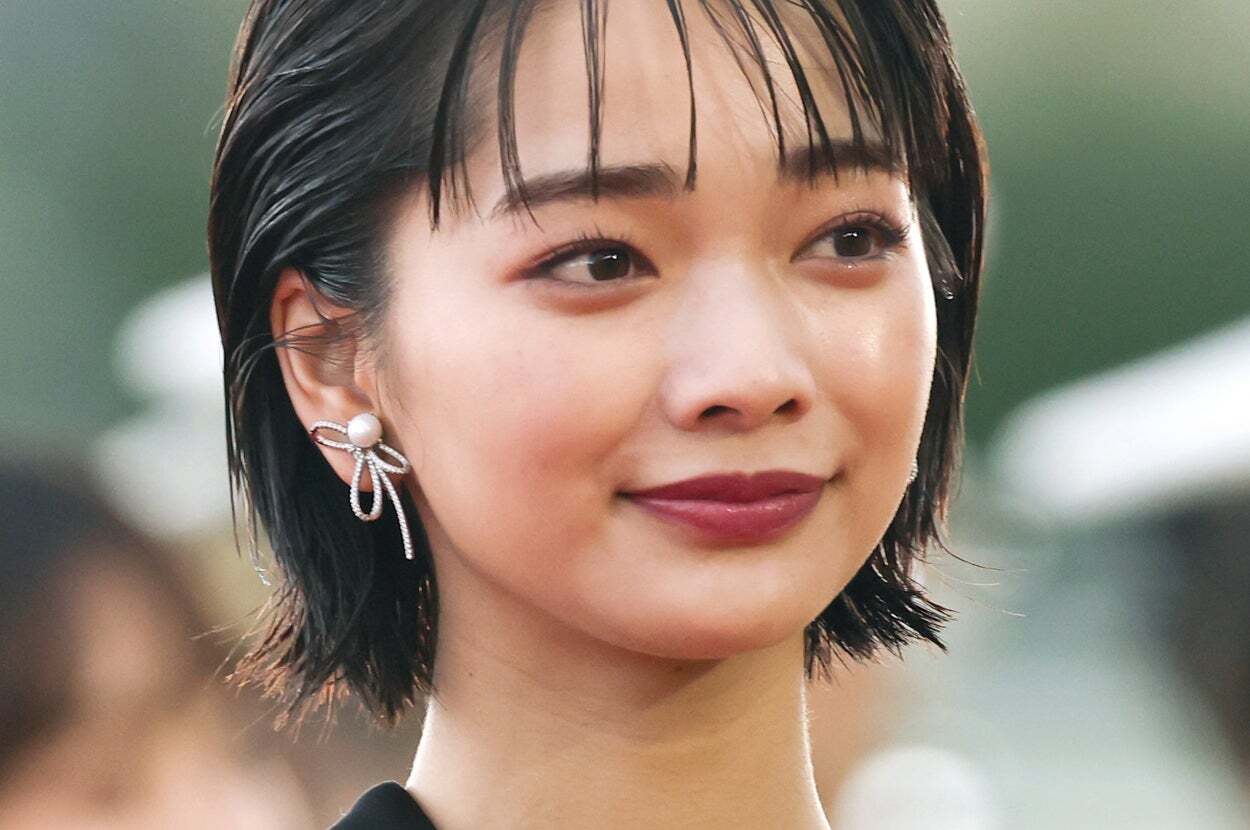
俳優の見上愛さんのスタッフが運用する公式アカウントが、4月21日にXを更新。俳優の北村一輝さんとのオフショットを公開しました。
俳優の見上愛さんと上坂樹里さんがW主演を務める、NHK連続テレビ小説『風、薫る』は、明治という激動の社会を舞台にした、ちょっと型破りな二人のナースの冒険物語です。 それぞれに生きづらさを抱えた二人の主人公・一ノ瀬りん(見上さん)と大家直美(上坂さん)が、当時まだ知られていなかった看護の世界に飛び込み、傷ついた人々を守るために奔走し、時に強き者と戦う姿が描かれます。 ※以下、ネタバレが含まれます。 栃木県の那須で元家老の長女として生まれたりん。物心ついたときには父・信右衛門(北村さん)は帰農し、母・美津(水野美紀さん)、妹の安(早坂美海さん)の家族4人で幸せに暮らしていました。 4月2日放送の第4回、感染症にかかった信右衛門をまともに看病してやることができないことにりんは葛藤します。信右衛門は闘病の末、死に至り、この出来事が後のりんの人生にも大きく関わることに……。 その後、嫁ぎ先から娘の環(宮島るかさん)を連れて東京へ出奔したりん。 同日放送の第17回では、 “鹿鳴館の華”と呼ばれる大山捨松(多部未華子さん)からトレインドナース(訓練された看護師)にならないかと勧誘を受けたことを美津に話し、反対される場面が描かれました。 公式アカウントは 「『風、薫る』第17回ありがとうございました!」 「父上、北村一輝さんが遊びに来てくださった際のオフショットです」 「明日もお楽しみに!」 とコメントし、1枚の写真を投稿。
写真には、赤い着物姿の見上さんと、ベージュのジャケットを羽織りメガネをかけた北村さんが、それぞれ笑顔で写っています。 明治時代のセットの中に現代の服装で現れた北村さんが印象的ですね!
ファンからは 「父上様✨環ちゃんを抱っこさせてあげたかったですね」 「懐かしくうれしい」 「栃木の優しいお父さん、大好きでした」 「父上も心配で来てくれてる✨」 「いい雰囲気のオフショットだね」 などの声が寄せられています。
俳優の見上愛さんと上坂樹里さんがW主演を務める、NHK連続テレビ小説『風、薫る』は、明治という激動の社会を舞台にした、ちょっと型破りな二人のナースの冒険物語です。 それぞれに生きづらさを抱えた二人の主人公・一ノ瀬りん(見上さん)と大家直美(上坂さん)が、当時まだ知られていなかった看護の世界に飛び込み、傷ついた人々を守るために奔走し、時に強き者と戦う姿が描かれます。 ※以下、ネタバレが含まれます。 栃木県の那須で元家老の長女として生まれたりん。物心ついたときには父・信右衛門(北村さん)は帰農し、母・美津(水野美紀さん)、妹の安(早坂美海さん)の家族4人で幸せに暮らしていました。 4月2日放送の第4回、感染症にかかった信右衛門をまともに看病してやることができないことにりんは葛藤します。信右衛門は闘病の末、死に至り、この出来事が後のりんの人生にも大きく関わることに……。 その後、嫁ぎ先から娘の環(宮島るかさん)を連れて東京へ出奔したりん。 同日放送の第17回では、 “鹿鳴館の華”と呼ばれる大山捨松(多部未華子さん)からトレインドナース(訓練された看護師)にならないかと勧誘を受けたことを美津に話し、反対される場面が描かれました。 公式アカウントは 「『風、薫る』第17回ありがとうございました!」 「父上、北村一輝さんが遊びに来てくださった際のオフショットです」 「明日もお楽しみに!」 とコメントし、1枚の写真を投稿。
写真には、赤い着物姿の見上さんと、ベージュのジャケットを羽織りメガネをかけた北村さんが、それぞれ笑顔で写っています。 明治時代のセットの中に現代の服装で現れた北村さんが印象的ですね!
ファンからは 「父上様✨環ちゃんを抱っこさせてあげたかったですね」 「懐かしくうれしい」 「栃木の優しいお父さん、大好きでした」 「父上も心配で来てくれてる✨」 「いい雰囲気のオフショットだね」 などの声が寄せられています。
Vocabulary
General
Proper noun
JLPT N2
JLPT N1
| # | 言葉 | 意味 |
|---|---|---|
| 5 | りん | りん (厘) : 1. one-hundredth; 0.3 mm (one-hundredth of a sun); 0.1 percent (one-hundredth of a wari); 0.0375 grams (one-hundredth of a monme) 2. rin (monetary unit; 0.001 yen) |
| 4 | 見上 | けんじょう (見上) : Kenjou (surname) |
| 3 | 俳優 | はいゆう (俳優) : actor; actress; player; performer |
| 3 | 信 | しん (信) : 1. honesty; sincerity; fidelity 2. trust; reliance; confidence |
| 3 | 右衛門 | うえもん (右衛門) : Uemon (given) |
| 3 | 北村 | きたむら (北村) : Kitamura (place; surname) |
| 3 | 第 | だい (第) : prefix for forming ordinal numbers |
| 2 | 北村一輝 | きたむらかずき (北村一輝) : Kitamura Kazuki (1969.7.17-) (person) |
| 2 | 上坂 | うえさか (上坂) : Uesaka (surname) |
| 2 | 薫る | かおる (香る) : to smell sweet; to be fragrant |
| 2 | 描く | えがく (描く) : 1. to draw; to paint; to sketch 2. to depict; to describe |
| 2 | 美津 | みつ (美津) : Mitsu (fem; surname) |
| 1 | 運用 | うんよう (運用) : 1. making use of; application; practical use; effective management (e.g. of funds) 2. operation; handling; steering (esp. a boat) |
| 1 | 更新 | こうしん (更新) : renewal; update; innovation; improvement |
| 1 | 公開 | こうかい (公開) : opening to the public; making available to the public; putting on display; exhibiting; showing (play, movie, etc.); holding (interview, etc.); open; public |
| 1 | 樹里 | いつき (樹里) : Itsuki (fem) |
| 1 | 主演 | しゅえん (主演) : starring; playing the leading part |
| 1 | 務める | つとめる (勤める) : 1. to work (for); to be employed (at); to serve (in) 2. to serve (as); to act (as); to fill (the position of); to play the role (of) |
| 1 | NHK | エヌエイチケー (NHK) : NHK; Japan Broadcasting Corporation |
| 1 | 連続 | れんぞく (連続) : continuation; succession; series |
| 1 | 明治 | めいじ (明治) : Meiji era (1868.9.8-1912.7.30) |
| 1 | 激動 | げきどう (激動) : violent shock; agitation; turbulence; turmoil; upheaval; excitement |
| 1 | 舞台 | ぶたい (舞台) : 1. stage (theatre, theater) 2. scene or setting (e.g. of novel, play, etc.) |
| 1 | 型破り | かたやぶり (型破り) : unusual; unconventional; mold-breaking; outside the box |
| 1 | 冒険 | ぼうけん (冒険) : 1. adventure; venture 2. venture which is unlikely to succeed; risky attempt; danger; hazard; risk |
| 1 | 物語 | ものがたり (物語) : tale; story; legend |
| 1 | 生きる | いきる (生きる) : 1. to live; to exist 2. to make a living; to subsist |
| 1 | づら | づら : wig; hairpiece |
| 1 | 抱える | かかえる (抱える) : 1. to hold or carry under or in the arms 2. to have (esp. problems, debts, etc.) |
| 1 | 主人公 | しゅじんこう (主人公) : 1. protagonist; main character; hero(ine) (of a story) 2. head of household |
| 1 | 一ノ瀬 | いちのせ (一ノ瀬) : Ichinose (surname) |
| 1 | 大家 | おおや (大家) : landlord; landlady |
| 1 | 直美 | すぐみ (直美) : Sugumi (unclass) |
| 1 | 当時 | とうじ (当時) : at that time; in those days |
| 1 | 知る | しる (知る) : 1. to be aware of; to know; to be conscious of; to cognize; to cognise 2. to notice; to feel |
| 1 | 看護 | かんご (看護) : nursing; (army) nurse |
| 1 | 飛び込む | とびこむ (飛び込む) : 1. to jump in; to leap in; to plunge into; to dive 2. to burst in; to barge in |
| 1 | 傷つく | きずつく (傷つく) : 1. to be wounded; to get injured 2. to get hurt feelings |
| 1 | 人々 | ひとびと (人々) : 1. people; men and women 2. each person; everybody |
| 1 | 守る | まもる (守る) : 1. to protect; to guard; to defend 2. to keep (i.e. a promise); to abide (by the rules); to observe; to obey; to follow |
| 1 | 奔走 | ほんそう (奔走) : running about; making every effort; being busily engaged (in something); good offices |
| 1 | 戦う | たたかう (戦う) : 1. to make war (on); to wage war (against); to go to war (with); to fight (with); to do battle (against) 2. to compete (against) |
| 1 | 姿 | すがた (姿) : 1. figure; form; shape 2. appearance; dress; guise |
| 1 | 含む | ふくむ (含む) : 1. to contain; to comprise; to have; to hold; to include; to embrace 2. to hold in the mouth |
| 1 | 栃木県 | とちぎけん (栃木県) : Tochigi prefecture (Kanto area) |
| 1 | 那須 | ともす (那須) : Tomosu (surname) |
| 1 | 家老 | かろう (家老) : chief retainer; daimyo's minister |
| 1 | 長女 | ちょうじょ (長女) : eldest daughter; first-born daughter |
| 1 | 生まれる | うまれる (生まれる) : to be born |
| 1 | 物心 | ものごころ (物心) : awareness of things around one; ability to understand what is going on around oneself; judgment; judgement; discretion |
| 1 | 帰農 | きのう (帰農) : take up farming again |
| 1 | 水野美紀 | みずのみき (水野美紀) : Mizuno Miki (fem; person) |
| 1 | 早坂 | さおとめ (早坂) : Saotome (unclass) |
| 1 | 美海 | うみ (美海) : Umi (fem) |
| 1 | 幸せ | しあわせ (幸せ) : happiness; good fortune; luck; blessing |
| 1 | 暮らす | くらす (暮らす) : 1. to live; to get along 2. to spend (time) |
| 1 | 感染症 | かんせんしょう (感染症) : infectious disease; infection |
| 1 | まとも | まとも (真面) : 1. the front 2. honesty; uprightness; directness |
| 1 | 看病 | かんびょう (看病) : nursing (a patient) |
| 1 | 葛藤 | かっとう (葛藤) : conflict; complication; troubles; discord |
| 1 | 闘病 | とうびょう (闘病) : fighting against an illness |
| 1 | 末 | うら (末) : top end; tip |
| 1 | 至る | いたる (至る) : 1. to arrive at (e.g. a decision); to reach (a stage); to attain 2. to lead to (a place); to get to |
| 1 | 出来事 | できごと (出来事) : incident; affair; happening; event |
| 1 | 人生 | じんせい (人生) : (human) life (i.e. conception to death) |
| 1 | 大きく | おおきく (大きく) : in a big way; on a grand scale |
| 1 | 関わる | かかわる (関わる) : 1. to be affected; to be influenced 2. to be concerned with; to have to do with |
| 1 | 嫁ぎ先 | とつぎさき (嫁ぎ先) : family a woman has married into |
| 1 | 宮島 | みやしま (宮島) : Miyashima (surname) |
| 1 | かさん | かさん (加算) : addition; adding; supplement |
| 1 | 連れる | つれる (連れる) : to take (someone) with one; to bring along; to go with; to be accompanied by |
| 1 | 東京 | とうきょう (東京) : Tokyo |
| 1 | 出奔 | しゅっぽん (出奔) : flight; running away; absconding; elopement |
| 1 | 同日 | どうじつ (同日) : the same day |
| 1 | 鹿鳴館 | ろくめいかん (鹿鳴館) : Meiji-era Western-style building in downtown Tokyo, constructed in 1883 for entertaining foreign diplomats and dignitaries (place) |
| 1 | 華 | はな (花) : 1. flower; blossom; bloom; petal 2. cherry blossom |
| 1 | 呼ぶ | よぶ (呼ぶ) : 1. to call out (to); to call; to invoke 2. to summon (a doctor, etc.) |
| 1 | 大山捨松 | おおやますてまつ (大山捨松) : Ooyama Sutematsu (1860.3.16-1919.2.18) (person) |
| 1 | 多部未華子 | たべみかこ (多部未華子) : Tabe Mikako (1989.1.25-) (person) |
| 1 | 訓練 | くんれん (訓練) : training; drill; practice; discipline |
| 1 | 看護師 | かんごし (看護師) : (hospital) nurse; registered nurse; RN |
| 1 | 勧誘 | かんゆう (勧誘) : invitation; solicitation; canvassing; canvasing; inducement; persuasion; encouragement |
| 1 | 場面 | ばめん (場面) : 1. scene; setting; place (where something happens); scenario; case 2. scene (in a movie, play); shot |
| 1 | ありがとう | ありがとう (有り難う) : thank you; thanks |
| 1 | 際 | きわ (際) : 1. edge; brink; verge; side 2. time; moment of |
| 1 | 投稿 | とうこう (投稿) : contribution (to a newspaper, magazine, etc.); submission; post (on a blog, social media, etc.) |
| 1 | 着物姿 | きものすがた (着物姿) : dressed in a kimono |
| 1 | 羽織る | はおる (羽織る) : to put on (coat, gown, etc.) |
| 1 | 笑顔 | えがお (笑顔) : smiling face; smile |
| 1 | 写る | うつる (写る) : to be photographed; to be projected |
| 1 | 明治時代 | めいじじだい (明治時代) : Meiji period (1868-1912) |
| 1 | 現代 | げんだい (現代) : nowadays; modern era; modern times; present-day |
| 1 | 服装 | ふくそう (服装) : garments; attire |
| 1 | 現れる | あらわれる (現れる) : 1. to appear; to come in sight; to become visible; to come out; to embody; to materialize; to materialise 2. to be expressed (e.g. emotions); to become apparent (e.g. trends, effects) |
| 1 | 印象的 | いんしょうてき (印象的) : impressive; striking; memorable; impactful |
| 1 | 様 | ざま (様) : 1. mess; sorry state; plight; sad sight 2. -ways; -wards |
| 1 | 環 | わ (輪) : 1. ring; circle; loop 2. hoop |
| 1 | 抱っこ | だっこ (抱っこ) : hug; carrying in one's arms (a baby, pet, doll, etc.) |
| 1 | 栃木 | とちぎ (栃木) : Tochigi (city, prefecture) |
| 1 | 雰囲気 | ふんいき (雰囲気) : 1. atmosphere; mood; ambience; ambiance; aura; feel 2. a certain air; presence; special aura; something (about someone) |
| 1 | 寄せる | よせる (寄せる) : 1. to come near; to let someone approach 2. to bring near; to bring together; to collect; to gather |