『シンプル・アクシデント/偶然』──何度も逮捕されているジャファル・パナヒ監督が、それでもイランで映画を作り続ける理由
2025年のカンヌ国際映画祭でパルムドールを受賞し、世界三大映画祭を制した史上4人目の監督となったイラン出身のジャファル・パナヒ。これまで拘束や逮捕をされ、現在もイラン裁判所から懲役1年を言い渡されているにも関わらず「イランで映画を撮り続ける以外に考えられない」と語る、その理由を尋ねた。
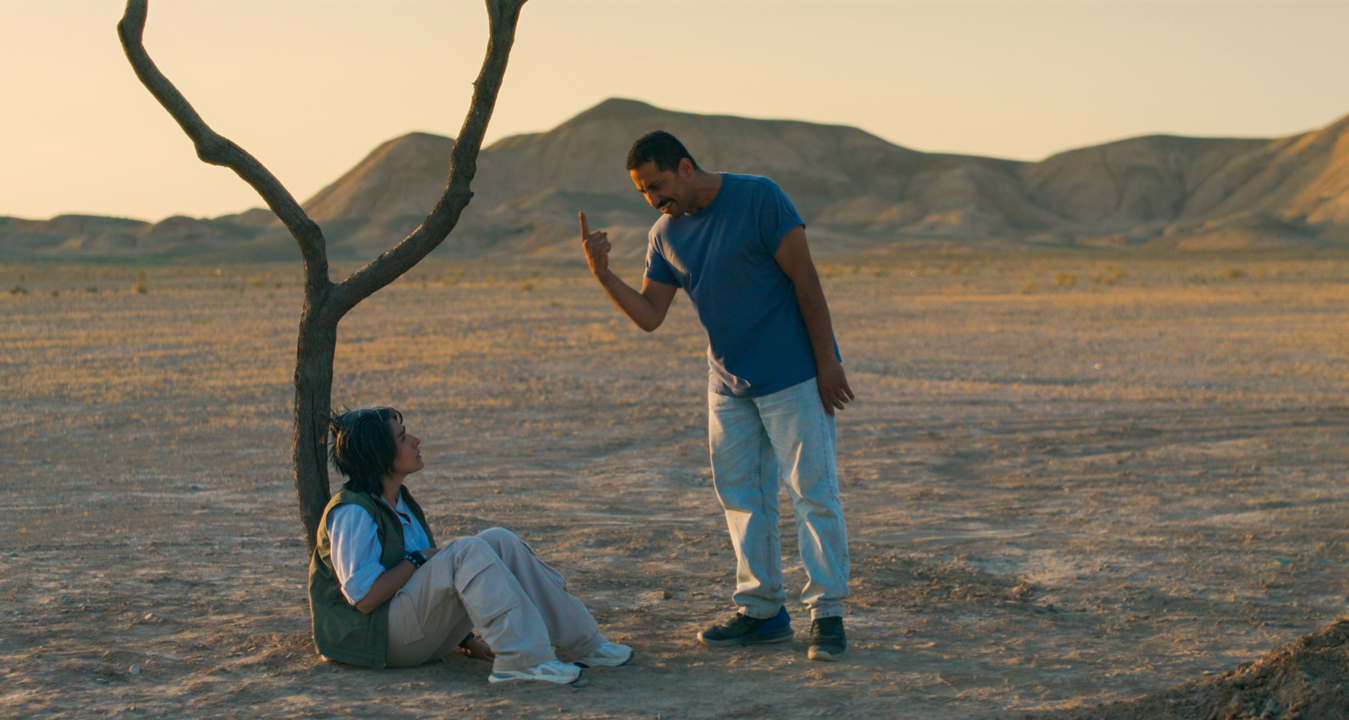
第78回カンヌ国際映画祭で最高賞に輝き、アカデミー賞では2部門にノミネートされたジャファル・パナヒ監督の新作『シンプル・アクシデント/偶然』。かつて不当に投獄され拷問を受けたワヒドは、ある偶然から、自分を痛めつけた当事者と思われる義足の男に出会う。しかし拷問中に目隠しをされていた彼は、男の顔を見たことがない。疑うきっかけとなったのは男が義足を引きずる音だった。咄嗟に誘拐するものの疑念が生じたワヒドは、同じく拷問を受けたことのある仲間たちに声をかける。 ドラマ、サスペンス、アクション、さらに時折ユーモアが混ざり観客を引きずり込む手腕はみごとだ。カンヌ以降、海外でプロモーションを行っていたパナヒ監督は、2025年12月、イランで行われた欠席裁判で1年の禁固刑を受けた。戻れば当然、刑に服さなければならないはずだが、今年のアカデミー賞授賞式に出席後、国内の状況が悪化するなか、ついにイランの家族の元に戻ったという。 本稿は2025年のカンヌ映画祭と、その後オンラインで取材した際の監督のインタビューだ。 ──本作のアイデアは、あなたが刑務所で体験したことから生まれたと聞きました。どのような状況だったか、聞かせていただけますか。 わたしはいわゆる社会派の監督で、映画のインスピレーションを自分の周りの環境から得ます。刑務所に居たとき、受刑者たちからさまざまな話を聞きました。べつに映画を撮るという頭があったわけではなく、ただ時間を一緒に過ごすなかで彼らの話に耳を傾け、その物語を聞くことで、自分の置かれた状況に耐えようとしていたとも言えます。ですからこの映画はわたし自身の経験だけでなく、集団的な経験の結果でもあるのです。 刑務所では誰もがワヒドのような経験をしています。尋問のときに目隠しをされ、壁の前に座らせられるので、唯一頼れる感覚は聴覚だけになるのです。背後には質問をし、こちらの話しに注意深く耳を傾けている男がいる。ですから尋問をされているとき、わたしたちはその男のことを想像するのです。何歳か、どんな顔か、もしどこかで彼に再び出逢ったらわかるだろうか、など。そこからこの映画のアイデアが浮かびました。もし彼らの生き方や世界との関わりを描きたいと思ったら、音にすべてを集中させる必要がある。それによって映画のサウンドを考案し、ストーリーの根幹を成すことになったのです。 ──誘拐して砂漠に連れ出すものの、男は気絶し、そこから仲間内で議論になり、一体どうなるのかというサスペンスが加速していきます。そこには観客にもモラルを問いかける狙いがありましたか? そうですね。まず待たされることから生まれる緊張と宙吊りの時間を、観客にも共有して欲しいと思いました。ある者は怒りに任せて殺すべきだと言い、ある者はもっと男に尋問を続けるべきだと言う。観客は彼らの言い分を聞きながら、彼らがそれぞれどんな過去を背負ってきたかを知ると同時に、その疑念を理解する。その過程でおのずと自分のモラルに問いかけることになるのです。 ──本作でもうひとつ驚くのは、ユーモアがあることです。彼らが相談しあっているシビアな状況のときでさえ、どこか可笑しく感じられる瞬間があります。 人間はどこにいても、どんな状況にあっても、悲しい瞬間でさえも、笑顔になるときはあるでしょう。それがリアルな人生なのです。観客が現実をより深く感じ、信じることができるように、映画にもそれが反映されるべきだと思います。だから映画の最後の20分以外はユーモアを入れました。そしてラスト20分に静寂の時間をもうけ、観客が劇場を出てからも映画のことを考え続けるようなトーンにしたいと思いました。もし映画全体がラストの20分のようにシリアスな展開だったら、単調だと感じて、最後に衝撃を受けることはなかったでしょう。ラストで鮮烈な感動を与えたかったのです。 ──あなたはこれまでどんな弾圧を受けてもイランに留まり、困難な状況下で映画を撮り続けてきました。その闘志はどこからくるのでしょうか? わたしには映画を撮ることしかできないからです。妻に訊いていただければわかりますが、ランプ1つ交換できないのです(笑)。もちろん、どんな場所にも、その土地特有の問題や葛藤はあります。その土地で何が問題なのかを理解し解決するには、その土地にいなければなりません。そのような体制や権力は、外から見るととても恐ろしく、理解不能に思えます。しかし実際にその中で生きていると、自然と知恵がつき、作品を創作してプレッシャーから逃れる方法を見つけることができるのです。 アーティストがまず自らに対してやるべきことは、自分自身と向き合い、明確に問うことです。「わたしは誰なのか、何をどのように行いたいのか?」。わたしが思うに、映画監督は2種類に分けられます。ひとつは観客の現状や欲求を見つめ、観客の嗜好に合わせて映画を作ろうとするタイプ。もうひとつは自分が作りたいものを作るタイプ。世界中の監督の95パーセントは前者で、残りの5パーセントが後者です。監督自身がどちらのグループに属するかを決めたとき、最悪の状況下でも最善を尽くす解決策を見出すでしょう。もちろんそれには代償が伴います。政府や国家は、その監督が再び創作することを許さないかもしれない。状況はとても困難かもしれない。しかし彼らがそれを受け入れたとき、おのずと道が開けると思います。 ──映画監督になろうと思った頃から、それは変わらない信念でしたか? はい、最初からわたしは芸術としての映画に対して、絶対的な信念を持っていました。あるエピソードをお話ししましょう。学生時代、テレビ用の短編映画を制作する依頼を受けたことを覚えています。当時、わたしはヒッチコックが大好きで、映画と映画制作のすべてをヒッチコックから学びました。そして、その学びをもとに短編映画を作りました。しかし編集作業に入ると、理論上はすべて正しくても、作品に魂がないことに気づきました。わたしはこの映画は自分のフィルモグラフィーには入れられないし、自分の署名も入れられないと思った。当時はすべてネガフィルムだったので、わたしはラボに行き、映画のネガを盗んで外に持ち出し、切り刻んで破壊し、二度とフィルムが残らないようにしたのです。当時わたしのことを知っている人は誰もいませんでしたが、わたしは自分が絶対的に信じている映画の基準と神聖さに従いました。いまに至るまで、どんな状況でもその神聖さを踏みにじりたいとは思っていません。 ──アカデミー賞の授賞式が終わったら、イランに帰ると宣言されています。イラン国外で映画を撮る可能性はないと思いますか? なにごとも不可能ではないと思います。しかし国外で創作活動をおこなうには、その土地や文化への何らかの理解と認識が不可欠ですし、それは表面的なものであってはなりません。わたしはこれまで何度も海外の映画祭を訪れましたが、いつもインタビューを受けて帰ってくるだけで、これらの場所への理解を深めることはできませんでした。もしわたしが国外で映画を作ったとしても、おそらく私が望むような映画にはならないでしょう。自分が十分に理解しているテーマに焦点を当てない限りは。 わたしの目標はイランを永久に離れて国外で映画を作ることではありません。わたしがやりたいのはただ映画を作ることではなく、私が信じ、望む映画を作ることです。わたしはつねに自分が身を置く環境からインスパイアされた映画を作ってきました。ですからイランで映画を撮り続ける以外に考えられないのです。 ■ジャファル・パナヒ/Jaʻfar Panāhī 1960年イラン生まれ。1995年、初長編映画『白い風船』で第48回カンヌ国際映画祭カメラ・ドール(新人監督賞) 、第8回東京国際映画祭ヤングシネマ・東京ゴールド賞を受賞。イランの女性の権利に焦点を当てた『チャドルと生きる』(2000)『オフサイド・ガールズ』(2006)がヴェネチア、ベルリンなどの映画祭で受賞するが、2作品ともイランでは上映禁止に。 2009年7月、大統領の再選をめぐる抗議活動で死亡したデモ参加者の追悼式に出席した後、逮捕され、86日間の拘束後に保釈。その後映画制作・メディア取材・国外退去の禁止を20年間命じられ、違反すれば6年の禁固刑が科されるとの判決を受ける。 こうした制限にもかかわらず、精力的に作品を作り続け、『閉ざされたカーテン』でベルリン国際映画祭で銀熊賞(脚本賞)、『人生タクシー』で金熊賞、『ある女優の不在』でカンヌ国際映画祭脚本賞を受賞した。2022年7月に再び逮捕され、ハンガーストライキを経て翌年2月3日に釈放。同年、ヴェネチア国際映画祭で『熊は、いない』が審査員特別賞を受賞した。 2025年12月、イラン国外にいるパナヒ監督は、イラン裁判所より懲役1年と2年間の渡航禁止、そして政治団体・社会団体への参加禁止を言い渡された。パナヒ監督の弁護士はSNSで、この判決に対して必要な法的措置を取り、控訴すると発表している。 ■『シンプル・アクシデント/偶然』 5月8日(金)より新宿ピカデリー、ヒューマントラストシネマ有楽町、 Bunkamuraル・シネマ 渋谷宮下ほか全国公開 ©LesFilmsPelleas 配給:セテラ・インターナショナル 文・佐藤久理子 編集・遠藤加奈(GQ)
第78回カンヌ国際映画祭で最高賞に輝き、アカデミー賞では2部門にノミネートされたジャファル・パナヒ監督の新作『シンプル・アクシデント/偶然』。かつて不当に投獄され拷問を受けたワヒドは、ある偶然から、自分を痛めつけた当事者と思われる義足の男に出会う。しかし拷問中に目隠しをされていた彼は、男の顔を見たことがない。疑うきっかけとなったのは男が義足を引きずる音だった。咄嗟に誘拐するものの疑念が生じたワヒドは、同じく拷問を受けたことのある仲間たちに声をかける。 ドラマ、サスペンス、アクション、さらに時折ユーモアが混ざり観客を引きずり込む手腕はみごとだ。カンヌ以降、海外でプロモーションを行っていたパナヒ監督は、2025年12月、イランで行われた欠席裁判で1年の禁固刑を受けた。戻れば当然、刑に服さなければならないはずだが、今年のアカデミー賞授賞式に出席後、国内の状況が悪化するなか、ついにイランの家族の元に戻ったという。 本稿は2025年のカンヌ映画祭と、その後オンラインで取材した際の監督のインタビューだ。 ──本作のアイデアは、あなたが刑務所で体験したことから生まれたと聞きました。どのような状況だったか、聞かせていただけますか。 わたしはいわゆる社会派の監督で、映画のインスピレーションを自分の周りの環境から得ます。刑務所に居たとき、受刑者たちからさまざまな話を聞きました。べつに映画を撮るという頭があったわけではなく、ただ時間を一緒に過ごすなかで彼らの話に耳を傾け、その物語を聞くことで、自分の置かれた状況に耐えようとしていたとも言えます。ですからこの映画はわたし自身の経験だけでなく、集団的な経験の結果でもあるのです。 刑務所では誰もがワヒドのような経験をしています。尋問のときに目隠しをされ、壁の前に座らせられるので、唯一頼れる感覚は聴覚だけになるのです。背後には質問をし、こちらの話しに注意深く耳を傾けている男がいる。ですから尋問をされているとき、わたしたちはその男のことを想像するのです。何歳か、どんな顔か、もしどこかで彼に再び出逢ったらわかるだろうか、など。そこからこの映画のアイデアが浮かびました。もし彼らの生き方や世界との関わりを描きたいと思ったら、音にすべてを集中させる必要がある。それによって映画のサウンドを考案し、ストーリーの根幹を成すことになったのです。 ──誘拐して砂漠に連れ出すものの、男は気絶し、そこから仲間内で議論になり、一体どうなるのかというサスペンスが加速していきます。そこには観客にもモラルを問いかける狙いがありましたか? そうですね。まず待たされることから生まれる緊張と宙吊りの時間を、観客にも共有して欲しいと思いました。ある者は怒りに任せて殺すべきだと言い、ある者はもっと男に尋問を続けるべきだと言う。観客は彼らの言い分を聞きながら、彼らがそれぞれどんな過去を背負ってきたかを知ると同時に、その疑念を理解する。その過程でおのずと自分のモラルに問いかけることになるのです。 ──本作でもうひとつ驚くのは、ユーモアがあることです。彼らが相談しあっているシビアな状況のときでさえ、どこか可笑しく感じられる瞬間があります。 人間はどこにいても、どんな状況にあっても、悲しい瞬間でさえも、笑顔になるときはあるでしょう。それがリアルな人生なのです。観客が現実をより深く感じ、信じることができるように、映画にもそれが反映されるべきだと思います。だから映画の最後の20分以外はユーモアを入れました。そしてラスト20分に静寂の時間をもうけ、観客が劇場を出てからも映画のことを考え続けるようなトーンにしたいと思いました。もし映画全体がラストの20分のようにシリアスな展開だったら、単調だと感じて、最後に衝撃を受けることはなかったでしょう。ラストで鮮烈な感動を与えたかったのです。 ──あなたはこれまでどんな弾圧を受けてもイランに留まり、困難な状況下で映画を撮り続けてきました。その闘志はどこからくるのでしょうか? わたしには映画を撮ることしかできないからです。妻に訊いていただければわかりますが、ランプ1つ交換できないのです(笑)。もちろん、どんな場所にも、その土地特有の問題や葛藤はあります。その土地で何が問題なのかを理解し解決するには、その土地にいなければなりません。そのような体制や権力は、外から見るととても恐ろしく、理解不能に思えます。しかし実際にその中で生きていると、自然と知恵がつき、作品を創作してプレッシャーから逃れる方法を見つけることができるのです。 アーティストがまず自らに対してやるべきことは、自分自身と向き合い、明確に問うことです。「わたしは誰なのか、何をどのように行いたいのか?」。わたしが思うに、映画監督は2種類に分けられます。ひとつは観客の現状や欲求を見つめ、観客の嗜好に合わせて映画を作ろうとするタイプ。もうひとつは自分が作りたいものを作るタイプ。世界中の監督の95パーセントは前者で、残りの5パーセントが後者です。監督自身がどちらのグループに属するかを決めたとき、最悪の状況下でも最善を尽くす解決策を見出すでしょう。もちろんそれには代償が伴います。政府や国家は、その監督が再び創作することを許さないかもしれない。状況はとても困難かもしれない。しかし彼らがそれを受け入れたとき、おのずと道が開けると思います。 ──映画監督になろうと思った頃から、それは変わらない信念でしたか? はい、最初からわたしは芸術としての映画に対して、絶対的な信念を持っていました。あるエピソードをお話ししましょう。学生時代、テレビ用の短編映画を制作する依頼を受けたことを覚えています。当時、わたしはヒッチコックが大好きで、映画と映画制作のすべてをヒッチコックから学びました。そして、その学びをもとに短編映画を作りました。しかし編集作業に入ると、理論上はすべて正しくても、作品に魂がないことに気づきました。わたしはこの映画は自分のフィルモグラフィーには入れられないし、自分の署名も入れられないと思った。当時はすべてネガフィルムだったので、わたしはラボに行き、映画のネガを盗んで外に持ち出し、切り刻んで破壊し、二度とフィルムが残らないようにしたのです。当時わたしのことを知っている人は誰もいませんでしたが、わたしは自分が絶対的に信じている映画の基準と神聖さに従いました。いまに至るまで、どんな状況でもその神聖さを踏みにじりたいとは思っていません。 ──アカデミー賞の授賞式が終わったら、イランに帰ると宣言されています。イラン国外で映画を撮る可能性はないと思いますか? なにごとも不可能ではないと思います。しかし国外で創作活動をおこなうには、その土地や文化への何らかの理解と認識が不可欠ですし、それは表面的なものであってはなりません。わたしはこれまで何度も海外の映画祭を訪れましたが、いつもインタビューを受けて帰ってくるだけで、これらの場所への理解を深めることはできませんでした。もしわたしが国外で映画を作ったとしても、おそらく私が望むような映画にはならないでしょう。自分が十分に理解しているテーマに焦点を当てない限りは。 わたしの目標はイランを永久に離れて国外で映画を作ることではありません。わたしがやりたいのはただ映画を作ることではなく、私が信じ、望む映画を作ることです。わたしはつねに自分が身を置く環境からインスパイアされた映画を作ってきました。ですからイランで映画を撮り続ける以外に考えられないのです。 ■ジャファル・パナヒ/Jaʻfar Panāhī 1960年イラン生まれ。1995年、初長編映画『白い風船』で第48回カンヌ国際映画祭カメラ・ドール(新人監督賞) 、第8回東京国際映画祭ヤングシネマ・東京ゴールド賞を受賞。イランの女性の権利に焦点を当てた『チャドルと生きる』(2000)『オフサイド・ガールズ』(2006)がヴェネチア、ベルリンなどの映画祭で受賞するが、2作品ともイランでは上映禁止に。 2009年7月、大統領の再選をめぐる抗議活動で死亡したデモ参加者の追悼式に出席した後、逮捕され、86日間の拘束後に保釈。その後映画制作・メディア取材・国外退去の禁止を20年間命じられ、違反すれば6年の禁固刑が科されるとの判決を受ける。 こうした制限にもかかわらず、精力的に作品を作り続け、『閉ざされたカーテン』でベルリン国際映画祭で銀熊賞(脚本賞)、『人生タクシー』で金熊賞、『ある女優の不在』でカンヌ国際映画祭脚本賞を受賞した。2022年7月に再び逮捕され、ハンガーストライキを経て翌年2月3日に釈放。同年、ヴェネチア国際映画祭で『熊は、いない』が審査員特別賞を受賞した。 2025年12月、イラン国外にいるパナヒ監督は、イラン裁判所より懲役1年と2年間の渡航禁止、そして政治団体・社会団体への参加禁止を言い渡された。パナヒ監督の弁護士はSNSで、この判決に対して必要な法的措置を取り、控訴すると発表している。 ■『シンプル・アクシデント/偶然』 5月8日(金)より新宿ピカデリー、ヒューマントラストシネマ有楽町、 Bunkamuraル・シネマ 渋谷宮下ほか全国公開 ©LesFilmsPelleas 配給:セテラ・インターナショナル 文・佐藤久理子 編集・遠藤加奈(GQ)
Vocabulary
General
Proper noun
JLPT N2
JLPT N1
| # | 言葉 | 意味 |
|---|---|---|
| 10 | 監督 | かんとく (監督) : 1. supervision; control; superintendence; direction 2. director; superintendent; supervisor; coach; foreman; manager; overseer; controller; boss |
| 8 | 観客 | かんきゃく (観客) : audience; spectator; spectators |
| 7 | 状況 | じょうきょう (状況) : state of affairs (around you); situation; circumstances |
| 6 | 作る | つくる (作る) : 1. to make; to produce; to manufacture; to build; to construct 2. to prepare (food); to brew (alcohol) |
| 5 | 受賞 | じゅしょう (受賞) : winning (a prize) |
| 5 | 理解 | りかい (理解) : understanding; comprehension; appreciation; sympathy |
| 5 | 国外 | こくがい (国外) : outside the country; abroad |
| 4 | 映画祭 | えいがさい (映画祭) : film festival |
| 4 | 聞く | きく (聞く) : 1. to hear 2. to listen (e.g. to music) |
| 4 | 土地 | とち (土地) : 1. plot of land; lot; soil 2. locality; region; place |
| 4 | 作品 | さくひん (作品) : work (e.g. book, film, composition, etc.); opus; performance; production |
| 4 | 禁止 | きんし (禁止) : prohibition; inhibition; ban |
| 3 | 逮捕 | たいほ (逮捕) : arrest; apprehension; capture |
| 3 | 撮る | とる (撮る) : 1. to take (a photo) 2. to record (video, audio, etc.); to make (a film) |
| 3 | 考える | かんがえる (考える) : 1. to think (about, of); to think over; to ponder; to contemplate; to reflect (on); to meditate (on) 2. to consider; to bear in mind; to allow for; to take into consideration |
| 3 | 第 | だい (第) : prefix for forming ordinal numbers |
| 3 | アカデミー賞 | アカデミーしょう (アカデミー賞) : Academy Award |
| 3 | 偶然 | ぐうぜん (偶然) : 1. coincidence; chance; accident; fortuity 2. by chance; unexpectedly; accidentally |
| 3 | 拷問 | ごうもん (拷問) : torture |
| 3 | 刑務所 | けいむしょ (刑務所) : prison; penitentiary |
| 3 | 尋問 | じんもん (尋問) : questioning; interrogation; examination (of a witness) |
| 3 | 再び | ふたたび (再び) : again; once more; a second time |
| 3 | 感ずる | かんずる (感ずる) : to feel; to sense |
| 3 | 入れる | いれる (入れる) : 1. to put in; to let in; to take in; to bring in; to insert; to install (e.g. software); to set (a jewel, etc.); to ink in (e.g. tattoo) 2. to admit; to accept; to employ; to hire |
| 3 | 制作 | せいさく (制作) : 1. work (film, book) 2. production; creation; turning (something) out; development |
| 3 | 当時 | とうじ (当時) : at that time; in those days |
| 2 | 拘束 | こうそく (拘束) : restriction; restraint; binding; constraint |
| 2 | 裁判所 | さいばんしょ (裁判所) : court; courthouse |
| 2 | 懲役 | ちょうえき (懲役) : penal servitude; imprisonment with hard labor (hard labour) |
| 2 | 言い渡す | いいわたす (言い渡す) : to announce; to tell; to sentence; to order |
| 2 | 義足 | ぎそく (義足) : artificial leg |
| 2 | 目隠し | めかくし (目隠し) : 1. something used to cover the eyes; blindfold; blinder; blinker; eye bandage 2. concealing one's home such that the interior cannot be seen from outside |
| 2 | 引きずる | ひきずる (引きずる) : 1. to drag along; to pull 2. to force someone along |
| 2 | 誘拐 | ゆうかい (誘拐) : abduction; kidnapping; kidnaping |
| 2 | 疑念 | ぎねん (疑念) : doubt; suspicion; misgivings; scruples |
| 2 | 海外 | かいがい (海外) : foreign; abroad; overseas |
| 2 | 禁固刑 | きんこけい (禁固刑) : (penalty of) imprisonment |
| 2 | 戻る | もどる (戻る) : 1. to turn back (e.g. half-way) 2. to return; to go back |
| 2 | 授賞式 | じゅしょうしき (授賞式) : award ceremony |
| 2 | 取材 | しゅざい (取材) : 1. news coverage; collecting data (e.g. for an article); covering (something for media) 2. interview |
| 2 | 本作 | ほんさく (本作) : this piece; this work |
| 2 | 環境 | かんきょう (環境) : environment; circumstance |
| 2 | ただ | ただ (只) : 1. ordinary; common; usual 2. free of charge |
| 2 | 傾ける | かたむける (傾ける) : 1. to incline; to lean; to tip; to tilt; to slant; to bend; to list 2. to devote oneself to; to concentrate on; to pour one's energy into |
| 2 | 自身 | じしん (自身) : (one's) self; oneself |
| 2 | 深く | ふかく (深く) : deeply; intimately; heartily; sincerely; profoundly |
| 2 | 問いかける | といかける (問いかける) : 1. to ask a question 2. to begin to ask a question |
| 2 | おのずと | おのずと (自ずと) : naturally; in due course; by itself; of its own accord |
| 2 | さえ | さえ : 1. even 2. (if) only; just; as long as |
| 2 | 瞬間 | しゅんかん (瞬間) : moment; second; instant |
| 2 | 人生 | じんせい (人生) : (human) life (i.e. conception to death) |
| 2 | 困難 | こんなん (困難) : 1. difficulty; hardship; trouble; distress 2. infeasibility; inability (to carry out) |
| 2 | 創作 | そうさく (創作) : 1. creation; production; creative work (novel, film, etc.); original work; (creative) writing 2. fabrication; fiction; invention |
| 2 | 映画監督 | えいがかんとく (映画監督) : movie director; film director |
| 2 | しれる | しれる (知れる) : 1. to become known; to come to light; to be discovered 2. to be known; to be understood |
| 2 | 信念 | しんねん (信念) : belief; faith; conviction |
| 2 | 絶対的 | ぜったいてき (絶対的) : absolute |
| 2 | 短編映画 | たんぺんえいが (短編映画) : short film |
| 2 | 編集 | へんしゅう (編集) : editing; compilation |
| 2 | 信ずる | しんずる (信ずる) : to believe; to believe in; to place trust in; to confide in; to have faith in |
| 2 | 神聖 | しんせい (神聖) : holiness; sacredness; sanctity; dignity |
| 2 | 望む | のぞむ (望む) : 1. to desire 2. to wish for; to expect |
| 2 | 焦点 | しょうてん (焦点) : focus (e.g. photographic); focal point |
| 2 | 当てる | あてる (当てる) : 1. to hit 2. to expose |
| 2 | 東京 | とうきょう (東京) : Tokyo |
| 2 | 年間 | ねんかん (年間) : 1. (period of) a year 2. during an era |
| 2 | 判決 | はんけつ (判決) : judicial decision; judgement; judgment; sentence; decree |
| 1 | 世界 | せかい (世界) : 1. the world; society; the universe 2. sphere; circle; world |
| 1 | 三大 | さんだい (三大) : the big three ... |
| 1 | 制する | せいする (制する) : 1. to hold back (e.g. emotions); to rein in (e.g. a horse, unruly people); to bridle 2. to get the better of |
| 1 | 史上 | しじょう (史上) : in history; ever; historical |
| 1 | 出身 | しゅっしん (出身) : person's origin (e.g. city, country, parentage, school) |
| 1 | 現在 | げんざい (現在) : now; current; present; present time; as of |
| 1 | 関わる | かかわる (関わる) : 1. to be affected; to be influenced 2. to be concerned with; to have to do with |
| 1 | 語る | かたる (語る) : 1. to talk about; to speak of; to tell; to narrate 2. to recite; to chant |
| 1 | 尋ねる | たずねる (尋ねる) : 1. to ask; to enquire; to inquire 2. to search; to look for; to look into; to investigate |
| 1 | 輝く | かがやく (輝く) : to shine; to glitter; to sparkle |
| 1 | 部門 | ぶもん (部門) : division (of a larger group); branch; field; class (subclass); group; category; department |
| 1 | 新作 | しんさく (新作) : new work; new production |
| 1 | かつて | かつて (嘗て) : 1. once; before; formerly; ever; former; ex- 2. never yet; never before; first time; still not happened |
| 1 | 不当 | ふとう (不当) : injustice; impropriety; unreasonableness; undeserved; unfair; invalid |
| 1 | 投獄 | とうごく (投獄) : imprisonment; incarceration |
| 1 | 痛めつける | いためつける (痛めつける) : to torment; to punish; to treat harshly; to beat up; to give a drubbing; to cause damage to; to harm |
| 1 | 当事者 | とうじしゃ (当事者) : person concerned; interested party; related party |
| 1 | 出会う | であう (出会う) : 1. to meet (by chance); to come across; to run across; to encounter; to happen upon 2. to meet (e.g. of rivers, highways, etc.) |
| 1 | 疑う | うたがう (疑う) : to doubt; to distrust; to be suspicious of; to suspect |
| 1 | きっかけ | きっかけ (切っ掛け) : chance; start; cue; excuse; motive; impetus; occasion |
| 1 | 咄嗟 | とっさ (咄嗟) : moment; instant |
| 1 | 生ずる | しょうずる (生ずる) : 1. to produce; to yield; to cause 2. to result from; to arise; to be generated |
| 1 | 同じく | おなじく (同じく) : similarly; same (idea); same (name) |
| 1 | 仲間 | ちゅうげん (中間) : samurai's attendant; footman |
| 1 | 時折 | ときおり (時折) : sometimes |
| 1 | 混ざる | まざる (混ざる) : to be mixed; to be blended with; to associate with; to mingle with; to join |
| 1 | 手腕 | しゅわん (手腕) : ability; capability; skill |
| 1 | みごと | みごと (見事) : 1. splendid; magnificent; excellent; fine; superb; beautiful; admirable 2. utter (esp. defeat); total; complete |
| 1 | 以降 | いこう (以降) : on and after; as from; hereafter; thereafter; since |
| 1 | 欠席裁判 | けっせきさいばん (欠席裁判) : trial in absentia; judgment by default (judgement) |
| 1 | 当然 | とうぜん (当然) : 1. natural; right; proper; just; reasonable; appropriate; deserved 2. naturally; as a matter of course; rightly; deservedly; justly; of course |
| 1 | 刑 | けい (刑) : penalty; sentence; punishment |
| 1 | 服す | ふくす (服す) : 1. to obey; to submit to; to yield to; to accept; to abide by 2. to serve (in the army, a prison sentence, etc.) |
| 1 | 国内 | こくない (国内) : internal; domestic |
| 1 | 悪化 | あっか (悪化) : (suffer) deterioration; growing worse; aggravation; degeneration; corruption |
| 1 | ついに | ついに (遂に) : 1. finally; at last 2. in the end; after all; never (happened) |
| 1 | 本稿 | ほんこう (本稿) : this manuscript |
| 1 | 際 | きわ (際) : 1. edge; brink; verge; side 2. time; moment of |
| 1 | 体験 | たいけん (体験) : (practical) experience; personal experience; hands-on experience; first-hand experience |
| 1 | 生まれる | うまれる (生まれる) : to be born |
| 1 | いわゆる | いわゆる (所謂) : what is called; as it is called; the so-called; so to speak |
| 1 | 社会派 | しゃかいは (社会派) : social awareness (e.g. in fiction) |
| 1 | 受刑者 | じゅけいしゃ (受刑者) : prisoner; convict |
| 1 | 過ごす | すごす (過ごす) : 1. to pass (time); to spend 2. to overdo (esp. of one's alcohol consumption); to drink (alcohol) |
| 1 | 物語 | ものがたり (物語) : tale; story; legend |
| 1 | 耐える | たえる (耐える) : 1. to bear; to stand; to endure; to put up with 2. to support; to withstand; to resist; to brave |
| 1 | 言える | いえる (言える) : 1. to be possible to say; to be able to say 2. said; have said |
| 1 | 集団的 | しゅうだんてき (集団的) : collective; group |
| 1 | 結果 | けっか (結果) : 1. result; consequence; outcome; effect 2. coming to fruition; bearing fruit |
| 1 | 座る | すわる (座る) : 1. to sit; to squat 2. to assume (a position) |
| 1 | 唯一 | ゆいいつ (唯一) : only; sole; unique |
| 1 | 感覚 | かんかく (感覚) : sense; sensation; feeling; intuition |
| 1 | 聴覚 | ちょうかく (聴覚) : the sense of hearing |
| 1 | 背後 | はいご (背後) : 1. back; rear 2. background; behind the scenes |
| 1 | 話し | はなし (話) : 1. talk; speech; chat; conversation 2. topic; subject |
| 1 | わたしたち | わたしたち (私たち) : we; us |
| 1 | 想像 | そうぞう (想像) : imagination; guess |
| 1 | 何歳 | なんさい (何歳) : how old?; what age? |
| 1 | 出逢う | であう (出会う) : 1. to meet (by chance); to come across; to run across; to encounter; to happen upon 2. to meet (e.g. of rivers, highways, etc.) |
| 1 | 浮かぶ | うかぶ (浮かぶ) : 1. to float; to be suspended 2. to rise to the surface; to appear; to emerge; to show up; to loom (up) |
| 1 | 生き方 | いきかた (生き方) : way of life; how to live |
| 1 | 関わり | かかわり (関わり) : relation; connection |
| 1 | 描く | えがく (描く) : 1. to draw; to paint; to sketch 2. to depict; to describe |
| 1 | 集中 | しゅうちゅう (集中) : 1. concentration; focusing; convergence; centralization; integration; gathering together 2. within a collection of works |
| 1 | 考案 | こうあん (考案) : plan; device; idea; design; contrivance; conception; invention |
| 1 | 根幹 | こんかん (根幹) : 1. foundation; root; basis; core; fundamentals 2. root and trunk |
| 1 | 成す | なす (為す) : 1. to build up; to establish 2. to form; to become (a state) |
| 1 | 砂漠 | さばく (砂漠) : desert |
| 1 | 連れ出す | つれだす (連れ出す) : 1. to take (someone) out (for a walk, to lunch, etc.) 2. to entice out; to lure away |
| 1 | 気絶 | きぜつ (気絶) : faint; swoon |
| 1 | 仲間内 | なかまうち (仲間内) : private; informal; among one's people (group, friends) |
| 1 | 議論 | ぎろん (議論) : argument; discussion; dispute; controversy |
| 1 | 一体 | いったい (一体) : 1. (what) the heck; (why) in the world; (who) on earth 2. one object; one body; unity |
| 1 | 加速 | かそく (加速) : acceleration; speeding up |
| 1 | 狙い | ねらい (狙い) : aim |
| 1 | 待たす | またす (待たす) : to keep (a person) waiting |
| 1 | 緊張 | きんちょう (緊張) : tension; mental strain; nervousness |
| 1 | 宙吊り | ちゅうづり (宙吊り) : 1. hanging in midair; suspended in midair 2. midair stunt; aerial stunt |
| 1 | 共有 | きょうゆう (共有) : 1. joint ownership; co-ownership; sharing (e.g. a viewpoint) 2. sharing (files, devices on a network, posts on social media, etc.) |
| 1 | 怒り | いかり (怒り) : anger; rage; fury; wrath; indignation |
| 1 | 任せる | まかせる (任せる) : 1. to entrust (e.g. a task) to another; to leave to 2. to passively leave to someone else's facilities |
| 1 | 殺す | ころす (殺す) : 1. to kill; to slay; to murder; to slaughter 2. to suppress; to block; to hamper; to destroy (e.g. talent); to eliminate (e.g. an odour); to spoil (e.g. a flavour); to kill (e.g. one's speed) |
| 1 | 言い分 | いいぶん (言い分) : 1. one's say; one's point 2. complaint; grievance; objection; excuse |
| 1 | 過去 | かこ (過去) : 1. the past; bygone days 2. one's past (that one would prefer remained secret) |
| 1 | 背負う | せおう (背負う) : 1. to carry on one's back 2. to be burdened with; to take responsibility for |
| 1 | 同時 | どうじ (同時) : simultaneous; concurrent; same time; synchronous; together |
| 1 | 過程 | かてい (過程) : process; course; mechanism |
| 1 | 人間 | にんげん (人間) : 1. human being; human; person; man; mankind; humankind 2. character (of a person) |
| 1 | 笑顔 | えがお (笑顔) : smiling face; smile |
| 1 | 現実 | げんじつ (現実) : reality; actuality; hard fact |
| 1 | 信じる | しんじる (信じる) : to believe; to believe in; to place trust in; to confide in; to have faith in |
| 1 | 反映 | はんえい (反映) : 1. reflection (light, image, situation, attitude, etc.); reflecting 2. influence; application (e.g. of an update) |
| 1 | 静寂 | せいじゃく (静寂) : silence; stillness; quietness |
| 1 | もうける | もうける (設ける) : 1. to prepare; to provide 2. to set up; to establish; to organize; to lay down (rules); to make (an excuse) |
| 1 | 劇場 | げきじょう (劇場) : theatre; theater; playhouse |
| 1 | 全体 | ぜんたい (全体) : whole; entirety; whatever (is the matter) |
| 1 | 展開 | てんかい (展開) : 1. development; evolution; progression; unfolding; (plot) twist 2. expansion; spreading out; extending; deployment; building up |
| 1 | 単調 | たんちょう (単調) : 1. monotony; monotone; dullness 2. monotone; monotonic |
| 1 | 衝撃 | しょうげき (衝撃) : shock; impact; crash |
| 1 | 鮮烈 | せんれつ (鮮烈) : vivid; striking |
| 1 | 感動 | かんどう (感動) : being deeply moved emotionally; excitement; passion; inspiration; deep emotion; strong impression |
| 1 | 与える | あたえる (与える) : 1. to give (esp. to someone of lower status); to bestow; to grant; to confer; to present; to award 2. to provide; to afford; to offer; to supply |
| 1 | 弾圧 | だんあつ (弾圧) : oppression; suppression; pressure |
| 1 | 留まる | とまる (止まる) : 1. to stop (moving); to come to a stop 2. to stop (doing, working, being supplied); to come to a halt; to cease; to be stopped; to be suspended |
| 1 | 闘志 | とうし (闘志) : fighting spirit; (will to) fight |
| 1 | 訊く | きく (訊く) : to ask; to enquire; to query |
| 1 | わかる | わかる (分かる) : 1. to understand; to comprehend; to grasp; to see; to get; to follow 2. to become clear; to be known; to be discovered; to be realized; to be realised; to be found out |
| 1 | 交換 | こうかん (交換) : exchange; interchange; switching; reciprocity; barter; substitution; replacement; clearing (of checks, cheques) |
| 1 | 特有 | とくゆう (特有) : characteristic (of); peculiar (to) |
| 1 | 葛藤 | かっとう (葛藤) : conflict; complication; troubles; discord |
| 1 | 解決 | かいけつ (解決) : settlement; solution; resolution |
| 1 | 体制 | たいせい (体制) : order; system; structure; set-up; organization; organisation |
| 1 | 権力 | けんりょく (権力) : (political) power; authority; influence |
| 1 | 理解不能 | りかいふのう (理解不能) : impossible to understand; impossible to decipher |
| 1 | 思える | おもえる (思える) : to seem; to appear likely |
| 1 | 実際 | じっさい (実際) : 1. reality; actuality; truth; fact; actual conditions 2. practice (as opposed to theory) |
| 1 | 生きる | いきる (生きる) : 1. to live; to exist 2. to make a living; to subsist |
| 1 | 自然 | しぜん (自然) : 1. nature 2. natural; spontaneous; automatic |
| 1 | 知恵 | ちえ (知恵) : 1. wisdom; wit; sagacity; sense; intelligence 2. prajna (insight leading to enlightenment) |
| 1 | 逃れる | のがれる (逃れる) : to escape |
| 1 | 方法 | ほうほう (方法) : method; process; manner; way; means; technique |
| 1 | 自ら | おのずから (自ずから) : naturally; in due course; by itself; of its own accord |
| 1 | 自分自身 | じぶんじしん (自分自身) : oneself; myself |
| 1 | 向き合う | むきあう (向き合う) : 1. to be opposite; to face each other 2. to confront (an issue); to face |
| 1 | 明確 | めいかく (明確) : clear; precise; definite; distinct |
| 1 | 問う | とう (問う) : 1. to ask; to inquire 2. to blame (someone) for; to accuse of; to pursue (question of responsibility); to charge with |
| 1 | 種類 | しゅるい (種類) : 1. variety; kind; type; category 2. counter for kinds, species, etc. |
| 1 | 分ける | わける (分ける) : 1. to divide (into); to split (into); to part; to separate; to divide up; to classify; to sort out; to divide out 2. to share; to distribute; to deal out; to dish out |
| 1 | 現状 | げんじょう (現状) : present condition; existing state; status quo; current state |
| 1 | 欲求 | よっきゅう (欲求) : desire; want; will; wish; urge; craving |
| 1 | 見つめる | みつめる (見つめる) : to stare at; to gaze at; to look hard at; to watch intently; to fix one's eyes on |
| 1 | 嗜好 | しこう (嗜好) : taste; liking; preference |
| 1 | 合わせる | あわせる (合わせる) : 1. to match (rhythm, speed, etc.) 2. to join together; to unite; to combine; to add up |
| 1 | 世界中 | せかいじゅう (世界中) : around the world; throughout the world |
| 1 | 前者 | ぜんしゃ (前者) : the former |
| 1 | 残り | のこり (残り) : remnant; residue; remaining; left-over |
| 1 | 後者 | こうしゃ (後者) : the latter |
| 1 | 属する | ぞくする (属する) : to belong to; to come under; to be affiliated with; to be subject to |
| 1 | 決める | きめる (決める) : 1. to decide; to choose; to determine; to make up one's mind; to resolve; to set one's heart on; to settle; to arrange; to set; to appoint; to fix 2. to clinch (a victory); to decide (the outcome of a match) |
| 1 | 最悪 | さいあく (最悪) : 1. worst 2. horrible; horrid; awful; terrible |
| 1 | 最善 | さいぜん (最善) : the very best; utmost |
| 1 | 解決策 | かいけつさく (解決策) : solution; solution strategy |
| 1 | 見出す | みいだす (見出す) : 1. to find out; to discover; to notice; to detect 2. to select; to pick out |
| 1 | 代償 | だいしょう (代償) : compensation; indemnification; reparation; consideration |
| 1 | 伴う | ともなう (伴う) : 1. to accompany; to go hand in hand with; to be consequent upon 2. to be accompanied by; to bring with; to take with; to be involved in |
| 1 | 政府 | せいふ (政府) : government; administration |
| 1 | 国家 | こっか (国家) : state; country; nation |
| 1 | 許す | ゆるす (許す) : 1. to permit; to allow; to approve; to consent to 2. to forgive; to pardon; to excuse; to tolerate |
| 1 | 受け入れる | うけいれる (受け入れる) : to accept; to receive; to agree |
| 1 | 頃 | ころ (頃) : 1. (approximate) time; around; about; toward 2. suitable time (or condition) |
| 1 | 変わる | かわる (変わる) : 1. to change; to be transformed; to be altered; to vary 2. to move to |
| 1 | 芸術 | げいじゅつ (芸術) : (fine) art; the arts |
| 1 | 持つ | もつ (持つ) : 1. to hold (in one's hand); to take; to carry 2. to possess; to have; to own |
| 1 | 学生時代 | がくせいじだい (学生時代) : student days |
| 1 | 依頼 | いらい (依頼) : 1. request; commission; entrusting (with a matter) 2. dependence; reliance |
| 1 | 覚える | おぼえる (覚える) : 1. to memorize; to memorise; to commit to memory; to learn by heart; to bear in mind; to remember 2. to learn; to pick up; to acquire |
| 1 | 学ぶ | まなぶ (学ぶ) : to study (in depth); to learn; to take lessons in |
| 1 | 学び | まなび (学び) : learning; study |
| 1 | もと | もと (元) : 1. origin; source 2. base; basis; foundation; root |
| 1 | 作業 | さぎょう (作業) : work; operation; manufacturing; fatigue duty |
| 1 | 理論 | りろん (理論) : theory |
| 1 | 正しく | まさしく (正しく) : 1. certainly; surely; undoubtedly; evidently; really; truly 2. just; precisely; exactly |
| 1 | 魂 | たましい (魂) : soul; spirit |
| 1 | 気づく | きづく (気づく) : to notice; to recognize; to recognise; to become aware of; to perceive; to realize; to realise |
| 1 | 署名 | しょめい (署名) : signature |
| 1 | 盗む | ぬすむ (盗む) : to steal |
| 1 | 持ち出す | もちだす (持ち出す) : 1. to take out; to carry out; to bring out from where it belongs 2. to mention something; to broach a topic; to bring up (a subject); to raise (an issue); to mention |
| 1 | 切り刻む | きりきざむ (切り刻む) : to hew; to chop up; to mangle; to mince |
| 1 | 破壊 | はかい (破壊) : 1. destruction; disruption 2. (application) crash |
| 1 | 残る | のこる (残る) : to remain; to be left |
| 1 | 知る | しる (知る) : 1. to be aware of; to know; to be conscious of; to cognize; to cognise 2. to notice; to feel |
| 1 | 基準 | きじゅん (基準) : standard; basis; criterion; norm; reference; datum |
| 1 | 従う | したがう (従う) : 1. to obey (an order, law, etc.); to abide by (a rule, custom, etc.); to follow; to observe; to conform to; to yield to 2. to follow (a person); to accompany; to go with |
| 1 | 至る | いたる (至る) : 1. to arrive at (e.g. a decision); to reach (a stage); to attain 2. to lead to (a place); to get to |
| 1 | 踏みにじる | ふみにじる (踏みにじる) : to trample underfoot; to tread on; to crush with a foot |
| 1 | 宣言 | せんげん (宣言) : declaration; proclamation; announcement |
| 1 | 可能性 | かのうせい (可能性) : potentiality; likelihood; possibility; availability |
| 1 | なにごと | なにごと (何事) : 1. what; what sort of thing 2. everything; anything |
| 1 | 不可能 | ふかのう (不可能) : impossible |
| 1 | 認識 | にんしき (認識) : recognition; awareness; perception; understanding; knowledge; cognition; cognizance; cognisance |
| 1 | 不可欠 | ふかけつ (不可欠) : indispensable; essential |
| 1 | 表面的 | ひょうめんてき (表面的) : superficial; apparent; seeming; surface; cosmetic |
| 1 | 何度 | なんど (何度) : 1. how many times 2. how many degrees (temperature, angle, etc.) |
| 1 | 訪れる | おとずれる (訪れる) : 1. to visit; to call on 2. to arrive (season, time, situation, etc.); to come; to appear |
| 1 | 帰る | かえる (帰る) : 1. to return; to come home; to go home; to go back 2. to leave |
| 1 | 深める | ふかめる (深める) : to deepen; to heighten; to intensify |
| 1 | おそらく | おそらく (恐らく) : perhaps; likely; probably; I dare say |
| 1 | 限り | かぎり (限り) : 1. limit; limits; bounds 2. degree; extent; scope |
| 1 | 目標 | めじるし (目印) : 1. mark (for quick identification or recognition); sign 2. landmark; guide |
| 1 | 永久 | えいきゅう (永久) : 1. eternity; permanence; perpetuity 2. Eikyū era (1113.7.13-1118.4.3) |
| 1 | 離れる | はなれる (離れる) : 1. to be separated; to be apart; to be distant 2. to leave; to go away |
| 1 | つね | つね (常) : usual state of things |
| 1 | 身 | み (身) : 1. body 2. oneself |
| 1 | 生まれ | うまれ (生まれ) : 1. birth; birthplace 2. born in (country, month, imperial era, zodiac year, etc.) |
| 1 | 初 | はつ (初) : first; new |
| 1 | 長編映画 | ちょうへんえいが (長編映画) : feature film |
| 1 | 白い | しろい (白い) : white |
| 1 | 風船 | ふうせん (風船) : 1. balloon (esp. small, toy variety) 2. airship; blimp |
| 1 | 新人 | しんじん (新人) : 1. new face; newcomer; rookie; fresh recruit 2. modern humans (from Cro-Magnon man onwards) |
| 1 | 国際映画祭 | こくさいえいがさい (国際映画祭) : international film festival |
| 1 | 賞 | しょう (賞) : prize; award |
| 1 | 女性 | じょせい (女性) : 1. woman; female 2. feminine gender |
| 1 | 上映 | じょうえい (上映) : 1. screening (a movie); showing 2. to screen a movie |
| 1 | 大統領 | だいとうりょう (大統領) : 1. president (of a nation) 2. big man; boss; buddy; mate |
| 1 | 再選 | さいせん (再選) : re-election |
| 1 | めぐる | めぐる (巡る) : 1. to go around 2. to return |
| 1 | 抗議活動 | こうぎかつどう (抗議活動) : protest action; protest movement |
| 1 | 死亡 | しぼう (死亡) : 1. death; mortality 2. to die; to pass away |
| 1 | デモ参加者 | デモさんかしゃ (デモ参加者) : demonstrator; marcher; picketer |
| 1 | 追悼式 | ついとうしき (追悼式) : memorial services |
| 1 | 日間 | ひあい (日間) : 1. number of days; period of days 2. daily interest rate |
| 1 | 保釈 | ほしゃく (保釈) : bail; releasing on bail |
| 1 | 命ずる | めいずる (命ずる) : 1. to order; to command 2. to appoint |
| 1 | 違反 | いはん (違反) : violation; offense; offence; breach; transgression; infringement; contravention |
| 1 | 科す | かす (科す) : to inflict; to impose (a fine, etc.) |
| 1 | 制限 | せいげん (制限) : restriction; restraint; limitation; limit |
| 1 | かかわる | かかわる (関わる) : 1. to be affected; to be influenced 2. to be concerned with; to have to do with |
| 1 | 精力的 | せいりょくてき (精力的) : energetic; vigorous |
| 1 | 閉ざす | とざす (閉ざす) : 1. to shut; to close; to fasten; to lock 2. to block (a street, entrance, etc.) |
| 1 | 金熊 | かなぐま (金熊) : Kanaguma (place) |
| 1 | 女優 | じょゆう (女優) : actress |
| 1 | 不在 | ふざい (不在) : 1. absence 2. disregard; indifference |
| 1 | 経る | へる (経る) : 1. to pass; to elapse; to go by 2. to pass through; to go through |
| 1 | 翌年 | よくねん (翌年) : following year |
| 1 | 釈放 | しゃくほう (釈放) : release; liberation; acquittal |
| 1 | 同年 | どうねん (同年) : that year; same year; same age |
| 1 | 熊 | くま (熊) : bear (any mammal of family Ursidae) |
| 1 | 審査員 | しんさいん (審査員) : examiner; judge |
| 1 | 特別賞 | とくべつしょう (特別賞) : special award; special prize |
| 1 | 渡航 | とこう (渡航) : voyage; passage; travelling |
| 1 | 政治団体 | せいじだんたい (政治団体) : political organization; political organisation |
| 1 | 団体 | だんたい (団体) : organization; organisation; association |
| 1 | 参加 | さんか (参加) : participation; joining; entry; adherence |
| 1 | 弁護士 | べんごし (弁護士) : lawyer; attorney |
| 1 | 法的措置 | ほうてきそち (法的措置) : legal action |
| 1 | 取る | とる (取る) : 1. to take; to pick up; to grab; to catch 2. to pass; to hand; to give |
| 1 | 控訴 | こうそ (控訴) : appeal to a higher court; intermediate appeal |
| 1 | 発表 | はっぴょう (発表) : announcement; publication; presenting; statement; communique; making known; breaking (news story); expressing (one's opinion); releasing; unveiling |
| 1 | 新宿 | あらじゅく (新宿) : Arajuku (place) |
| 1 | 有楽町 | うらくまち (有楽町) : Urakumachi (place) |
| 1 | 渋谷 | しだや (渋谷) : Shidaya (surname) |
| 1 | 宮下 | みやげ (宮下) : Miyage (place) |
| 1 | 全国 | ぜんこく (全国) : the whole country |
| 1 | 公開 | こうかい (公開) : opening to the public; making available to the public; putting on display; exhibiting; showing (play, movie, etc.); holding (interview, etc.); open; public |
| 1 | 配給 | はいきゅう (配給) : 1. distribution (e.g. films, rice) 2. rationing (e.g. food, gasoline) |
| 1 | 佐藤 | さいう (佐藤) : Saiu (surname) |
| 1 | 久理子 | くりこ (久理子) : Kuriko (fem) |
| 1 | 遠藤 | えとう (遠藤) : Etou (surname) |
| 1 | 加奈 | かな (加奈) : Kana (fem) |