高市首相 防衛装備品の海外移転 “政府主体で判断”衆院予算委
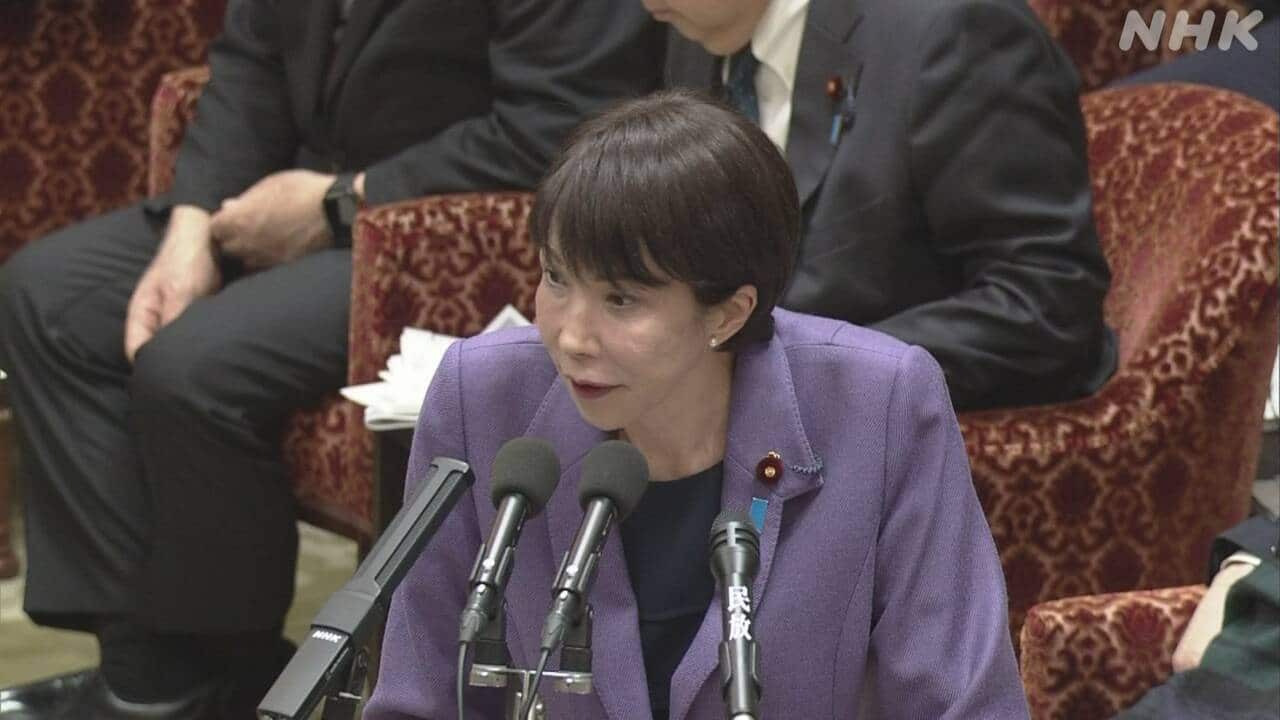
国会では、衆議院予算委員会で新年度予算案の実質的な審議が始まりました。高市総理大臣は、防衛装備品の海外への移転をめぐり、中道改革連合から国会が事前に承認する仕組みを設けるよう求められたのに対し、国家安全保障会議で厳格に審査を行うなど、政府が主体となって判断する考えを示しました。
27日の衆議院予算委員会には、高市総理大臣とすべての閣僚が出席し、自民党と中道改革連合の議員が質問に立ちました。
自民党の小林政務調査会長は、政府がことし中の改定を目指している「国家安全保障戦略」について「防衛力の強化だけに狭くとじないでもらいたい。何らかのリスクが顕在化し、エネルギーや食料などの海上輸送の途絶が長期化すれば、国民生活や経済活動は成り立たなくなる。経済安全保障について、より体系立った基軸のある考え方を示す文書にしてもらいたい」と求めました。
これに対し高市総理大臣は「安全保障環境の変化がさまざまな分野で加速度的に生じており、安全保障のすそ野が、外交や防衛という伝統的な領域から経済や技術の分野に大きく拡大している。経済安全保障の重要性が高まっている状況も踏まえ、主要な課題としていく」と述べました。
中道改革連合の長妻元厚生労働大臣は、防衛装備品の海外への移転をめぐり、政府・与党が、「救難」や「輸送」など5つの類型に限定している運用指針の見直しを検討していることについて、「5類型の縛りなく殺傷兵器が輸出できるようになり、国会で議論せずにそのまま前に進めることはあってはならない。国会の事前承認が必要になるような仕組みをつくってもらいたい」と求めました。
これに対し高市総理大臣は「政府としては個別の案件ごとに厳格に審査し、移転後の適正管理が確保される場合に限って認めうるとする基本的な考え方は維持する。移転の許可は国家安全保障会議における厳格審査を経て、政府が主体となって行うことが適切だ。政府の考えは丁寧に説明させてもらう」と述べました。
中道改革連合の山本代表代行は、食料品の消費税2年間ゼロと、現在は税率を8%にしている軽減税率との関係について「『給付付き税額控除』が導入されたあと、軽減税率は維持されるということでよいのか」と質問しました。
これに対し高市総理大臣は「『国民会議』の議論の中で取り扱われるべき事柄だが、政府・与党としては、2年間の食料品に関する減税が終了したあとは現行の軽減税率に戻すことを想定している」と述べました。
また、高市総理大臣は「国民会議」をめぐり、山本氏が「立憲民主党と公明党になぜ参加の呼びかけがなかったのか」とただしたのに対し、「衆議院のほうで中道改革連合に呼びかけたが、参議院で、いま党が別ということなので、それぞれに呼びかけさせてもらう」と述べ立憲民主党と公明党にも参加を呼びかける考えを示しました。
一方、高市総理大臣は裁量労働制の見直しについて「健康維持が大前提だが、適正な運用が行われれば労使双方にメリットのある働き方もできる。制度の趣旨に沿わない運用がなされた場合には労働者の健康確保や処遇確保の観点から問題があり、乱用を防止する措置も含めて検討していく」と述べました。
27日の衆議院予算委員会には、高市総理大臣とすべての閣僚が出席し、自民党と中道改革連合の議員が質問に立ちました。
自民党の小林政務調査会長は、政府がことし中の改定を目指している「国家安全保障戦略」について「防衛力の強化だけに狭くとじないでもらいたい。何らかのリスクが顕在化し、エネルギーや食料などの海上輸送の途絶が長期化すれば、国民生活や経済活動は成り立たなくなる。経済安全保障について、より体系立った基軸のある考え方を示す文書にしてもらいたい」と求めました。
これに対し高市総理大臣は「安全保障環境の変化がさまざまな分野で加速度的に生じており、安全保障のすそ野が、外交や防衛という伝統的な領域から経済や技術の分野に大きく拡大している。経済安全保障の重要性が高まっている状況も踏まえ、主要な課題としていく」と述べました。
中道改革連合の長妻元厚生労働大臣は、防衛装備品の海外への移転をめぐり、政府・与党が、「救難」や「輸送」など5つの類型に限定している運用指針の見直しを検討していることについて、「5類型の縛りなく殺傷兵器が輸出できるようになり、国会で議論せずにそのまま前に進めることはあってはならない。国会の事前承認が必要になるような仕組みをつくってもらいたい」と求めました。
これに対し高市総理大臣は「政府としては個別の案件ごとに厳格に審査し、移転後の適正管理が確保される場合に限って認めうるとする基本的な考え方は維持する。移転の許可は国家安全保障会議における厳格審査を経て、政府が主体となって行うことが適切だ。政府の考えは丁寧に説明させてもらう」と述べました。
中道改革連合の山本代表代行は、食料品の消費税2年間ゼロと、現在は税率を8%にしている軽減税率との関係について「『給付付き税額控除』が導入されたあと、軽減税率は維持されるということでよいのか」と質問しました。
これに対し高市総理大臣は「『国民会議』の議論の中で取り扱われるべき事柄だが、政府・与党としては、2年間の食料品に関する減税が終了したあとは現行の軽減税率に戻すことを想定している」と述べました。
また、高市総理大臣は「国民会議」をめぐり、山本氏が「立憲民主党と公明党になぜ参加の呼びかけがなかったのか」とただしたのに対し、「衆議院のほうで中道改革連合に呼びかけたが、参議院で、いま党が別ということなので、それぞれに呼びかけさせてもらう」と述べ立憲民主党と公明党にも参加を呼びかける考えを示しました。
一方、高市総理大臣は裁量労働制の見直しについて「健康維持が大前提だが、適正な運用が行われれば労使双方にメリットのある働き方もできる。制度の趣旨に沿わない運用がなされた場合には労働者の健康確保や処遇確保の観点から問題があり、乱用を防止する措置も含めて検討していく」と述べました。
Vocabulary
General
Proper noun
JLPT N2
JLPT N1
| # | 言葉 | 意味 |
|---|---|---|
| 7 | 高市 | こういち (高市) : Kouichi (surname) |
| 7 | 総理大臣 | そうりだいじん (総理大臣) : prime minister (as the head of a cabinet government); premier |
| 7 | 政府 | せいふ (政府) : government; administration |
| 5 | 中道 | ちゅうどう (中道) : 1. middle of the road; centrism; moderation; golden mean 2. the middle (of what one is doing); half-way |
| 5 | 改革 | かいかく (改革) : reform; reformation; reorganization |
| 5 | 連合 | れんごう (連合) : 1. union; alliance; combination 2. RENGO (Japanese Trade Union Confederation) |
| 5 | 安全保障 | あんぜんほしょう (安全保障) : security guarantee (e.g. military security, network security, etc.) |
| 5 | 述べる | のべる (述べる) : to state; to express; to mention |
| 4 | 国会 | こっかい (国会) : 1. National Diet; legislative assembly of Japan (1947-) 2. Imperial Diet; legislative assembly of Japan (1889-1947) |
| 4 | 移転 | いてん (移転) : 1. moving; relocation; change of address 2. transfer (of deeds, property, etc.); demise |
| 3 | 衆議院 | しゅうぎいん (衆議院) : House of Representatives (lower house of the National Diet of Japan) |
| 3 | 防衛 | ぼうえい (防衛) : defense; defence; protection |
| 3 | めぐる | めぐる (巡る) : 1. to go around 2. to return |
| 3 | 求める | もとめる (求める) : 1. to want; to wish for 2. to request; to demand; to require; to ask for |
| 3 | 厳格 | げんかく (厳格) : strict; severe; stern; rigid; rigorous; tough |
| 3 | 審査 | しんさ (審査) : judging; inspection; examination; investigation; review |
| 3 | 考え | かんがえ (考え) : 1. thinking; thought; view; opinion; concept 2. idea; notion; imagination |
| 3 | 示す | しめす (示す) : 1. to (take out and) show; to demonstrate; to tell; to exemplify; to make apparent 2. to point out (finger, clock hand, needle, etc.) |
| 3 | 国民 | こくみん (国民) : people (of a country); nation; citizen; national |
| 3 | 運用 | うんよう (運用) : 1. making use of; application; practical use; effective management (e.g. of funds) 2. operation; handling; steering (esp. a boat) |
| 3 | 確保 | かくほ (確保) : 1. securing; obtaining; ensuring; guarantee; maintaining 2. belay; belaying |
| 3 | 維持 | いじ (維持) : maintenance; preservation; improvement |
| 3 | 軽減税率 | けいげんぜいりつ (軽減税率) : reduced tax rate |
| 3 | 呼びかける | よびかける (呼びかける) : 1. to call out to; to hail; to address 2. to appeal |
| 2 | 予算委員会 | よさんいいんかい (予算委員会) : 1. Budget Committee (of the Upper and Lower Houses of the Diet) 2. budget committee |
| 2 | 装備品 | そうびひん (装備品) : (item of) equipment; accessories (bike, auto) |
| 2 | 海外 | かいがい (海外) : foreign; abroad; overseas |
| 2 | 仕組み | しくみ (仕組み) : 1. structure; construction; arrangement; contrivance; mechanism; workings 2. plan; plot; contrivance |
| 2 | 国家安全保障会議 | こっかあんぜんほしょうかいぎ (国家安全保障会議) : National Security Council |
| 2 | 主体 | しゅたい (主体) : 1. main constituent; core; nucleus 2. subject (philosophical); protagonist |
| 2 | 自民党 | じみんとう (自民党) : Liberal Democratic Party; LDP |
| 2 | 立つ | たつ (立つ) : 1. to stand; to rise; to stand up 2. to find oneself (e.g. in a difficult position) |
| 2 | 考え方 | かんがえかた (考え方) : way of thinking |
| 2 | 分野 | ぶんや (分野) : field; sphere; realm; division; branch |
| 2 | 与党 | よとう (与党) : ruling party; government party; party in power; government |
| 2 | 類型 | るいけい (類型) : 1. type; pattern; shape; genre; breed 2. similar type; similar pattern |
| 2 | 見直し | みなおし (見直し) : review; reconsideration; revision |
| 2 | 検討 | けんとう (検討) : consideration; examination; investigation; study; scrutiny; discussion; analysis; review |
| 2 | 議論 | ぎろん (議論) : argument; discussion; dispute; controversy |
| 2 | 山本 | やまもと (山元) : 1. foot of a mountain; base of a mountain 2. mine; colliery |
| 2 | 年間 | ねんかん (年間) : 1. (period of) a year 2. during an era |
| 2 | 会議 | かいぎ (会議) : meeting; conference; session; assembly; council; convention; congress |
| 2 | 立憲民主党 | りっけんみんしゅとう (立憲民主党) : 1. Constitutional Democratic Party of Japan (2017-) 2. Constitutional Democratic Party (Russia, 1905-1917) |
| 2 | 公明党 | こうめいとう (公明党) : Komeito (Japanese political party) |
| 2 | 参加 | さんか (参加) : participation; joining; entry; adherence |
| 2 | 健康 | けんこう (健康) : 1. health 2. healthy; sound; fit; wholesome |
| 1 | 予算案 | よさんあん (予算案) : draft budget |
| 1 | 実質的 | じっしつてき (実質的) : substantial; real (as opposed to nominal) |
| 1 | 審議 | しんぎ (審議) : deliberation |
| 1 | 始まる | はじまる (始まる) : 1. to begin; to start; to commence 2. to happen (again); to begin (anew) |
| 1 | 事前 | じぜん (事前) : prior; beforehand; in advance; before the fact; ex ante |
| 1 | 承認 | しょうにん (承認) : recognition; acknowledgement; acknowledgment; approval; consent; agreement |
| 1 | 設ける | もうける (設ける) : 1. to prepare; to provide 2. to set up; to establish; to organize; to lay down (rules); to make (an excuse) |
| 1 | 判断 | はんだん (判断) : 1. judgment; judgement; decision; conclusion; adjudication 2. divination |
| 1 | 閣僚 | かくりょう (閣僚) : cabinet ministers |
| 1 | 議員 | ぎいん (議員) : member of an assembly; member of the Diet; member of parliament; member of Congress |
| 1 | 小林 | おはやし (小林) : Ohayashi (place; surname) |
| 1 | 政務 | せいむ (政務) : government affairs |
| 1 | 改定 | かいてい (改定) : revision (of a rule, price, etc.); alteration; change |
| 1 | 目指す | めざす (目指す) : 1. to aim at (for, to do, to become); to try for; to have an eye on 2. to go toward; to head for |
| 1 | 国家 | こっか (国家) : state; country; nation |
| 1 | 戦略 | せんりゃく (戦略) : strategy; tactics |
| 1 | 防衛力 | ぼうえいりょく (防衛力) : defense capability (defence) |
| 1 | 強化 | きょうか (強化) : strengthening; intensifying; reinforcement; enhancement; solidification |
| 1 | とじる | とじる (綴じる) : 1. to bind; to file 2. to top with egg (e.g. donburi) |
| 1 | 顕在化 | けんざいか (顕在化) : being actualized; becoming apparent; becoming tangible; surfacing |
| 1 | 食料 | しょくりょう (食料) : food |
| 1 | 海上輸送 | かいじょうゆそう (海上輸送) : marine transport; carriage by sea |
| 1 | 途絶 | とぜつ (杜絶) : stoppage; interruption; cessation; suspension |
| 1 | 長期化 | ちょうきか (長期化) : lengthening |
| 1 | 経済活動 | けいざいかつどう (経済活動) : economic activity |
| 1 | 成り立つ | なりたつ (成り立つ) : 1. to consist of; to be made up of; to be composed of 2. to be concluded (e.g. of an agreement); to hold true (e.g. of a theory); to be valid |
| 1 | 体系 | たいけい (体系) : system; organization; organisation; architecture |
| 1 | 基軸 | きじく (基軸) : basis; foundation; core; criterion; standard |
| 1 | 文書 | ぶんしょ (文書) : 1. document; writing; letter; papers; notes; records; archives 2. document addressed to someone |
| 1 | 環境 | かんきょう (環境) : environment; circumstance |
| 1 | 変化 | へんか (変化) : 1. change; variation; alteration; mutation; transition; transformation; transfiguration; metamorphosis 2. variety; diversity |
| 1 | 加速度 | かそくど (加速度) : acceleration |
| 1 | 生ずる | しょうずる (生ずる) : 1. to produce; to yield; to cause 2. to result from; to arise; to be generated |
| 1 | すそ野 | すその (裾野) : 1. foot of a mountain; plain at the foot of a mountain 2. range; spread; extent; encompassing circle |
| 1 | 外交 | がいこう (外交) : 1. diplomacy 2. selling (e.g. door-to-door); canvassing |
| 1 | 伝統的 | でんとうてき (伝統的) : traditional; conventional |
| 1 | 領域 | りょういき (領域) : area; domain; territory; field; range; region; regime |
| 1 | 大きく | おおきく (大きく) : in a big way; on a grand scale |
| 1 | 拡大 | かくだい (拡大) : magnification; enlargement; expansion; amplification |
| 1 | 重要性 | じゅうようせい (重要性) : importance; gravity |
| 1 | 高まる | たかまる (高まる) : to rise; to swell; to be promoted |
| 1 | 状況 | じょうきょう (状況) : state of affairs (around you); situation; circumstances |
| 1 | 踏まえる | ふまえる (踏まえる) : 1. to be based on; to take into account; to build upon; to have origin in 2. to have one's feet firmly planted on; to plant oneself on |
| 1 | 主要 | しゅよう (主要) : chief; main; principal; major |
| 1 | 課題 | かだい (課題) : 1. subject; theme; issue; matter 2. homework; assignment |
| 1 | 長妻 | ちょうつま (長妻) : Choutsuma (surname) |
| 1 | 労働大臣 | ろうどうだいじん (労働大臣) : Minister of Labour |
| 1 | 救難 | きゅうなん (救難) : rescue; salvage |
| 1 | 輸送 | ゆそう (輸送) : transport; transportation |
| 1 | 限定 | げんてい (限定) : limit; restriction |
| 1 | 指針 | ししん (指針) : 1. needle (compass, gauge, etc.); hand (clock); indicator; pointer; index 2. guiding principle; guideline; guide |
| 1 | 縛り | しばり (縛り) : 1. binding 2. regulation; limit |
| 1 | 殺傷 | さっしょう (殺傷) : killing and wounding; bloodshed |
| 1 | 兵器 | へいき (兵器) : arms; weapon; ordnance |
| 1 | そのまま | そのまま (其のまま) : 1. without change; as is 2. just like; extremely similar |
| 1 | 進める | すすめる (進める) : 1. to advance; to move forward; to put (a clock, watch) forward 2. to carry forward (plans, work, etc.); to proceed with; to make progress in; to further; to advance; to hasten; to speed up |
| 1 | つくる | つくる (作る) : 1. to make; to produce; to manufacture; to build; to construct 2. to prepare (food); to brew (alcohol) |
| 1 | 個別 | こべつ (個別) : individual; separate; personal; case-by-case |
| 1 | 案件 | あんけん (案件) : 1. matter (to discuss); item (on the agenda); issue; topic 2. (court) case |
| 1 | ごと | ごと (毎) : each; every |
| 1 | 限る | かぎる (限る) : 1. to restrict; to limit; to confine 2. to be restricted to; to be limited to; to be confined to |
| 1 | 認める | したためる (認める) : 1. to write (e.g. a letter); to draw up (a document); to take down (e.g. notes) 2. to have (lunch, dinner, etc.); to eat |
| 1 | 基本的 | きほんてき (基本的) : fundamental; basic |
| 1 | 許可 | きょか (許可) : 1. permission; approval; authorization; license 2. to permit; to authorize |
| 1 | 経る | へる (経る) : 1. to pass; to elapse; to go by 2. to pass through; to go through |
| 1 | 適切 | てきせつ (適切) : appropriate; suitable; fitting; apt; proper; right; pertinent; relevant |
| 1 | 代表代行 | だいひょうだいこう (代表代行) : acting leader (usu. of a party) |
| 1 | 消費税 | しょうひぜい (消費税) : consumption tax (incl. sales tax, VAT, excise duty, etc.) |
| 1 | 現在 | げんざい (現在) : now; current; present; present time; as of |
| 1 | 税率 | ぜいりつ (税率) : 1. tariff 2. tax rate |
| 1 | 給付 | きゅうふ (給付) : 1. payment; provision; benefit; present; delivery 2. performance |
| 1 | 付き | つき (付き) : 1. furnished with; including 2. attached to |
| 1 | 税額控除 | ぜいがくこうじょ (税額控除) : tax credit; tax exemption |
| 1 | 導入 | どうにゅう (導入) : introduction; bringing in; leading in; installation |
| 1 | 取り扱う | とりあつかう (取り扱う) : 1. to handle; to operate (a machine, etc.); to use 2. to deal with (an issue); to manage |
| 1 | 事柄 | ことがら (事柄) : matter; thing; affair; circumstance |
| 1 | 関する | かんする (関する) : to concern; to be related |
| 1 | 減税 | げんぜい (減税) : tax reduction |
| 1 | 終了 | しゅうりょう (終了) : end; close; termination |
| 1 | 現行 | げんこう (現行) : present; current; in operation |
| 1 | 戻す | もどす (戻す) : 1. to put back; to return; to give back; to restore (to a previous state, e.g. defrosting, reconstituting, reconciling); to turn back (e.g. clock hand) 2. to vomit; to throw up |
| 1 | 想定 | そうてい (想定) : hypothesis; supposition; assumption |
| 1 | 呼びかけ | よびかけ (呼びかけ) : call; appeal |
| 1 | ただす | ただす (質す) : to enquire of someone about something (inquire); to question |
| 1 | 参議院 | さんぎいん (参議院) : House of Councillors (upper house of the National Diet of Japan) |
| 1 | 党 | とう (党) : 1. party (political) 2. person who is fond of; fan of |
| 1 | 裁量労働制 | さいりょうろうどうせい (裁量労働制) : flexible work hours; flexi-time |
| 1 | 大前提 | だいぜんてい (大前提) : 1. major premise (in a syllogism) 2. important condition; basic premise; basic assumption |
| 1 | 適正 | てきせい (適正) : reasonable; suitable |
| 1 | 労使 | ろうし (労使) : labour and management; labor and management |
| 1 | 双方 | そうほう (双方) : both parties; both sides |
| 1 | 働き方 | はたらきかた (働き方) : work style; way of working |
| 1 | 制度 | せいど (制度) : system; institution; organization; organisation |
| 1 | 趣旨 | しゅし (趣旨) : 1. meaning; point (e.g. of a statement); gist; effect 2. goal; intent; object; aim; point |
| 1 | 沿う | そう (沿う) : 1. to run along; to run beside; to stick to (a line) 2. to follow (a policy, plan, etc.); to act in accordance with; to align with |
| 1 | なす | なす (為す) : 1. to build up; to establish 2. to form; to become (a state) |
| 1 | 労働者 | ろうどうしゃ (労働者) : 1. employee; worker 2. laborer (labourer); blue-collar worker |
| 1 | 処遇 | しょぐう (処遇) : treatment (of a person); dealing with |
| 1 | 観点 | かんてん (観点) : point of view |
| 1 | 乱用 | らんよう (乱用) : abuse; misuse; misappropriation; using to excess |
| 1 | 防止 | ぼうし (防止) : prevention; check |
| 1 | 措置 | そち (措置) : measure; step; action |
| 1 | 含める | ふくめる (含める) : 1. to include (in a group or scope) 2. to instruct; to make one understand |